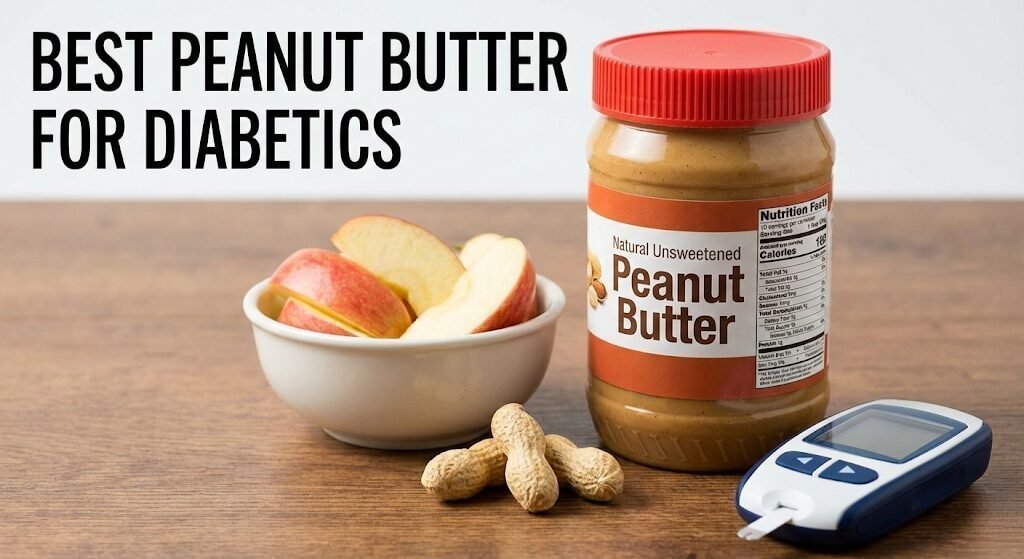
For many of us, peanut butter is the ultimate comfort food. It’s creamy, salty, and satisfying. But if you have been diagnosed with Type 2 diabetes or insulin resistance, you might look at that jar of Jif with suspicion. Is it a protein-packed superfood, or a sugar-laden trap?
The answer depends entirely on the label.
Peanut butter, in its pure form, is a diabetic superfood. It has a low glycemic index, healthy fats, and magnesium. However, commercial brands often ruin this healthy profile by adding icing sugar, high fructose corn syrup, and inflammatory hydrogenated oils to keep it “smooth.”
In this guide, we are ditching the dessert spreads masquerading as breakfast. We have analyzed ingredients, texture, and taste to bring you the 5 best peanut butters for diabetics that will stabilize your blood sugar, not spike it. But we’ve gone much further than just a product list — this is the most complete guide on peanut butter and diabetes available anywhere. We cover the clinical research, nutrient science, label-reading strategy, brands to avoid, the palm oil debate, timing strategies, homemade recipes, and specific guidance for Type 1, Type 2, gestational diabetes, kids, and weight management.
The Science: Why Peanut Butter Genuinely Helps Diabetics
Peanut butter isn’t just “allowed” on a diabetic diet — it may actively improve blood sugar control. A growing body of clinical research supports this, and understanding the mechanisms helps you use peanut butter strategically rather than just eating it and hoping for the best.
The Morning Breakfast Study
A 2013 study by Reis and colleagues — widely cited by endocrinologists and diabetes dietitians — found that when eaten in the morning, peanuts and peanut butter positively impacted blood sugar control throughout the entire day for women at high risk for Type 2 diabetes. Participants who consumed 1.5 ounces of peanuts or peanut butter at breakfast demonstrated measurably lower glucose and insulin responses to subsequent meals — not just breakfast, but lunch and dinner too. This “second meal effect” is one of the most important findings in diabetic nutrition research of the past decade.
🔬 What the Research Shows
12-Week Glucose Trial: A study published in peer-reviewed nutrition journals found that after 12 weeks of incorporating peanuts into the diet, participants showed improvement in HbA1c levels (the key long-term blood sugar marker), improvement in fasting glucose levels, and improvement in 2-hour postprandial glucose levels (glucose tested 2 hours after a meal).
The Second Meal Effect: Eating peanut butter at breakfast creates a sustained blunting of glucose responses that carries forward to lunch. The high-fat, high-protein content slows gastric emptying, meaning food processes through your system more slowly all morning.
White Bread Buffer Study (2018): A pilot study with 16 healthy adults found that taking 2 tablespoons of peanut butter alongside white bread and apple juice — a normally blood-sugar-spiking combination — led to a significantly lower glucose spike compared with taking only the bread and juice. This demonstrated peanut butter’s power as a glucose “buffer” for paired carbohydrates.
The Arginine Connection
Peanuts contain very high levels of arginine, an amino acid that causes the body to release more insulin and helps keep blood sugar more stable. Arginine is a precursor to nitric oxide, which helps relax blood vessels — providing additional cardiovascular benefits for diabetics, who face elevated heart disease risk.
High-Oleic Peanut Oil & Insulin
The natural oil in peanuts is high-oleic — similar to olive oil. Research has found that high-oleic peanut oil can increase insulin production and improve blood glucose control. It can also reverse some of the negative effects of inflammatory proteins in obese, non-insulin-dependent individuals. This is why the fat profile of peanut butter matters so much — when manufacturers replace natural peanut oil with hydrogenated vegetable oils, they lose this specific metabolic benefit entirely.
“In clinical practice, I consistently recommend natural peanut butter to patients managing Type 2 diabetes. The combination of monounsaturated fat, plant protein, fiber, and magnesium creates a uniquely beneficial nutritional profile for glucose management. The key instruction is simple: read the label. If the ingredient list has more than two items, find a different jar.” — Paraphrased from clinical diabetes nutrition guidance, consistent with current ADA dietary recommendations
Peanut Butter’s Nutrient Breakdown: Why Each One Matters for Diabetes
Two tablespoons (32g) of natural peanut butter contain a remarkable collection of nutrients specifically relevant to diabetes management. Here is what each one does in your body:
The Magnesium-Diabetes Connection
Of all the nutrients in peanut butter, magnesium deserves special attention for diabetics. Clinical studies have consistently shown that magnesium deficiency is disproportionately common in people with Type 2 diabetes — and that this deficiency actively worsens the condition. Here is why: magnesium is a cofactor for more than 300 enzymatic reactions in the human body, including those that govern how glucose is metabolized and how insulin is released and absorbed by cells.
When magnesium levels are low, insulin receptors on cell surfaces become less sensitive — contributing directly to insulin resistance. Research from China’s National Health Commission studied 5,044 participants and found a clear, dose-dependent relationship between lower serum magnesium and higher rates of insulin resistance and Type 2 diabetes. Peanut butter provides 12% of the daily value for magnesium per serving — making it one of the most magnesium-dense everyday foods available.
💡 Did You Know? The 3-Week Magnesium Study
In one controlled study, individuals who ate peanuts every day for three weeks not only increased their dietary magnesium intake — their blood magnesium levels actually rose to above the recommended threshold. This is significant because many people with Type 2 diabetes have clinically low blood magnesium despite taking supplements, as certain diabetes medications can deplete it. Dietary magnesium from whole foods like peanuts may be more bioavailable than supplemental forms.
Buying Guide: The “No-Stir” Trap
Before we get to the brands, you need to know how to spot a fake. Most “No-Stir” peanut butters achieve that creamy consistency by adding solid fats—usually palm oil or hydrogenated vegetable oils—and often sugar.
The Golden Rule of Ingredients
When you turn the jar over, the ingredient list should have exactly one or two items:
- Peanuts
- Salt (Optional, but tasty)
If you see Sugar, Molasses, Corn Syrup Solids, Fully Hydrogenated Vegetable Oils, or Mono- and Diglycerides, put it back. These additives increase inflammation and the glycemic load of the food.
How to Read a Peanut Butter Label: Step-by-Step
The peanut butter aisle is one of the most deceptive sections of any supermarket. Words like “Natural,” “No Sugar Added,” “Made with Whole Peanuts,” and “Wholesome” are plastered on jars that are still nutritionally problematic for diabetics. Here is exactly how to evaluate any peanut butter label in under 60 seconds.
Flip to the Ingredient List — Before the Nutrition Panel
Start at the ingredient list, not the calories or macros. The ingredient list is the ground truth. The acceptable ingredient list is: “Peanuts” or “Peanuts, Salt.” That’s it. If there is a third ingredient, read it carefully. If it is “Palm Oil,” proceed to Step 2 for an informed decision (see our Palm Oil section). If it is any form of sugar, hydrogenated oil, or emulsifier — put the jar back immediately.
Check Added Sugars (The Hidden Number)
Since 2020, US nutrition labels must show “Added Sugars” separately from “Total Sugars.” Natural peanut butter will show 1–2g of Total Sugars (from the peanuts themselves) but 0g of Added Sugars. If you see any number above 0g for Added Sugars, that peanut butter contains sweeteners. Even “just 1g” of added sugar per serving adds up across daily use and signals a product designed for palatability over health.
Verify Total Carbs & Net Carbs
Pure peanut butter (just peanuts and salt) will have approximately 6–7g of Total Carbohydrates per 2-tablespoon serving, with 2–3g of fiber, resulting in roughly 4–5g of Net Carbs. If a peanut butter shows 8g or more of Total Carbs per serving, it has likely been sweetened. Calculate Net Carbs: Total Carbs minus Fiber = Net Carbs. Your target is under 5g net carbs per 2-tablespoon serving.
Examine the Sodium Content
Many people with Type 2 diabetes also manage hypertension. Natural peanut butter with salt contains 60–100mg of sodium per serving — a reasonable amount. “No Salt” versions (like Crazy Richard’s) have 0mg. Avoid peanut butters with over 150mg of sodium per serving, as this indicates additional salt has been added beyond a basic seasoning level. Note that “Reduced Fat” peanut butters often compensate with extra sodium.
Verify the Fat Profile
Check Saturated Fat versus Total Fat. In pure peanut butter, roughly half the fat is monounsaturated (the good kind), with about 3–3.5g of saturated fat per serving. If saturated fat is disproportionately high (4.5g or above), it may indicate added palm oil or coconut oil. Additionally, look for “Trans Fat” — it should always be 0g. Any partial hydrogenation detected in the ingredient list means trans fats are present even if the label shows “0g” (due to FDA rounding rules allowing up to 0.5g per serving to be listed as 0).
Decode the “Natural” Label
“Natural” has no regulated FDA definition for peanut butter specifically. Jif “Natural” and Skippy “Natural” both contain added sugar in some formulations. The word “Natural” on a peanut butter label means essentially nothing without checking the ingredient list. Similarly, “Non-GMO” and “Organic” certifications are meaningful markers of peanut farming quality, but they do not guarantee the product has no added sugar or oils. Always verify the actual ingredients.
1. Crazy Richard’s 100% Peanuts (Best Overall)
Crazy Richard’s is the gold standard for purity. They are one of the few national brands that doesn’t even add salt. It is literally just peanuts that have been ground into a creamy consistency.

Crazy Richard’s Creamy Peanut Butter
This brand uses a proprietary grinding process that results in a super-drizzly, smooth texture that is perfect for oatmeal or smoothies. Because it has no added oil, it is naturally lower in saturated fat than “no-stir” competitors.
Pros
- One ingredient: Peanuts
- Zero added sugar or salt
- Runny consistency perfect for drizzling
- BPA-Free jar
Cons
- Requires stirring (oil separation)
- Might be too runny for sandwiches if not refrigerated
2. Smucker’s Natural Organic (Best Organic)
Smucker’s is a household name, but their “Natural” line is the one diabetics should focus on. Specifically, the Organic version ensures that the peanuts are grown without synthetic pesticides, which is important since peanuts are a legume that grows underground and absorbs soil contents.

Smucker’s Natural Organic Creamy
It has a slightly thicker texture than Crazy Richard’s and includes a pinch of salt, which really wakes up the flavor. It’s widely available in almost every grocery store.
Pros
- USDA Organic
- Contains Salt (better flavor)
- Glass jar (no plastic leaching)
- Non-GMO
Cons
- Significant oil separation on top
- Glass jar can break in shipping
3. Santa Cruz Organic Dark Roasted (Best Flavor)
If you find regular peanut butter a bit bland, Santa Cruz is the answer. They use “Dark Roasted” peanuts, which gives the butter a deep, robust, almost coffee-like richness. It feels like a gourmet product.

Santa Cruz Organic Dark Roasted
The dark roast profile masks any raw legume taste. It has a hearty texture and is arguably the best-tasting natural peanut butter on the market. Just peanuts and salt.
Pros
- Incredible depth of flavor
- Organic & Non-GMO
- Recyclable glass jar
- No added sugar
Cons
- More expensive than standard brands
- Often sold out due to popularity
4. PB2 Pure (Best Low Calorie)
Peanut butter is calorie-dense. Two tablespoons pack nearly 200 calories. For diabetics who are also managing weight, powdered peanut butter is a game changer. PB2 removes 85% of the oil, leaving behind just the peanut flour.
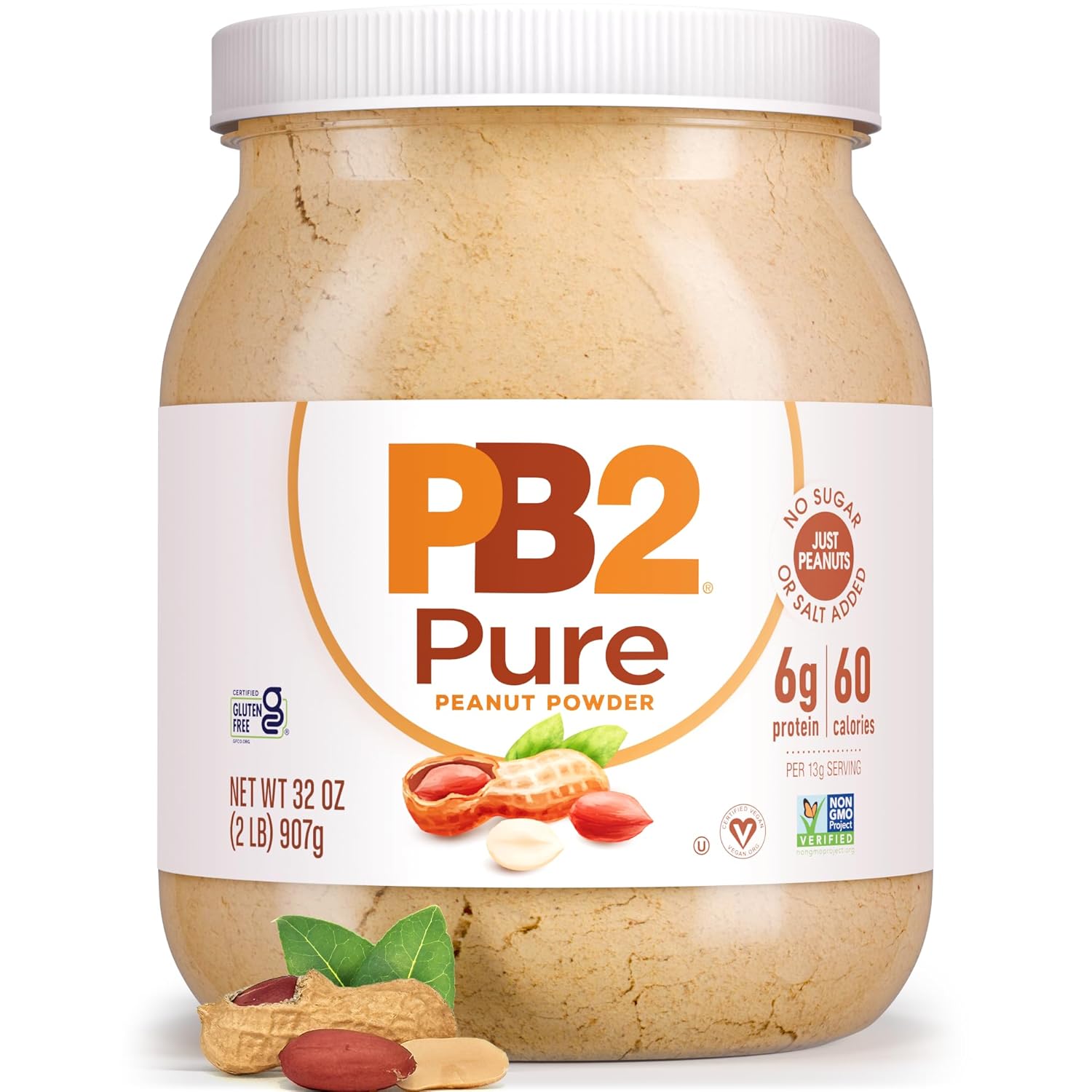
PB2 Pure Peanut Powder
Make sure you get the “Pure” version, not the original (which has added sugar). This is just 100% roasted peanuts. You mix it with water to create a spread, or add the powder directly to smoothies and oatmeal for flavor without the fat.
Pros
- Only 50 Calories per serving (vs 190)
- 1g Fat per serving
- Great for baking and smoothies
- No oil separation mess
Cons
- Texture is different (less creamy)
- Lacks the satiety of healthy fats
5. Justin’s Classic Peanut Butter (Best On-the-Go)
Portion control is hard when you have a spoon and a whole jar. Justin’s solves this with their single-serve squeeze packs. They are perfect for keeping in your purse or car for emergency blood sugar stabilization.

Justin’s Classic Peanut Butter
Justin’s adds a tiny amount of sustainably sourced palm oil. While we generally avoid added oils, in this case, it stabilizes the texture for the squeeze pack, making it a functional trade-off for convenience.
Pros
- Perfect portion control (1.15oz packs)
- No mess or utensils needed
- Gluten-Free certified
Cons
- Contains Palm Oil (Texture stabilizer)
- Pricey per ounce
Nutritional Comparison Chart (Per 2 Tbsp)
| Brand | Calories | Total Fat | Total Carbs | Fiber | Sugars | Ingredients |
|---|---|---|---|---|---|---|
| Crazy Richard’s | 190 | 16g | 7g | 3g | 2g | Peanuts |
| Smucker’s Organic | 190 | 16g | 7g | 3g | 1g | Peanuts, Salt |
| Santa Cruz Dark | 190 | 17g | 6g | 2g | 1g | Peanuts, Salt |
| PB2 Pure | 50 | 1.5g | 5g | 2g | 1g | Roasted Peanuts |
| Justin’s Classic | 190 | 16g | 7g | 2g | 2g | Peanuts, Palm Oil |
| Generic “Skippy” | 190 | 16g | 6g | 2g | 3g+ | Peanuts, Sugar, Hydrogenated Oil, Salt |
Peanut Butter Brands Diabetics Should Avoid
Knowing which brands to skip is just as important as knowing which to buy. These are the most popular conventional peanut butter brands and exactly why they are problematic for blood sugar management — along with the specific ingredients that make them unsuitable.
Jif Creamy Original
America’s most popular peanut butter contains “Fully Hydrogenated Vegetable Oils (Rapeseed and Soybean)” and “Mono and Diglycerides” as emulsifiers. These trans fat sources are linked to worsening insulin resistance. Also includes molasses for sweetness.
Skippy Creamy Original
Contains sugar and fully hydrogenated vegetable oils (cottonseed and soybean). Despite being one of the most familiar brands, the original formulation is not appropriate for diabetics managing blood sugar and inflammation.
Peter Pan Creamy Original
Contains corn syrup solids (a form of added sugar), fully hydrogenated vegetable oil, and mono and diglycerides. Has one of the higher sugar contents of the major brands. Frequently marketed with colorful packaging that obscures the problematic ingredient list.
Reduced Fat Peanut Butter (All Brands)
Any “Reduced Fat” peanut butter — regardless of brand — should be avoided by diabetics. To compensate for the removed fat, manufacturers universally add sugars or corn syrup, and often starch. The result is higher carbs and lower satiety than full-fat natural versions. This is a classic nutritional trap.
Honey Roasted & Flavored Varieties
Any peanut butter with “Honey,” “Maple,” “Chocolate,” or other flavored descriptor will contain significantly more added sugar. Jif Honey is one of the most purchased peanut butters in the US — and one of the most problematic for diabetics, with up to 5g of added sugar per serving.
Store-Brand “Natural” PB
Many grocery store house-brand “Natural” peanut butters contain palm oil and sometimes a small amount of sugar. Always read the label regardless of the store. Even “organic” store brands can contain added sugar if you don’t verify the ingredient list directly.
💡 What About Jif Natural & Skippy Natural?
Jif Natural: The “Natural” version uses palm oil instead of hydrogenated oils (better) but still contains “Sugar” in the ingredient list. It’s a marginal improvement but still not ideal. If you must buy Jif at a conventional store, “Natural” is better than “Original” — but Crazy Richard’s or Smucker’s Organic remain far superior choices.
Skippy Natural: Some Skippy Natural formulations contain only peanuts, palm oil, and salt with no added sugar — making it a reasonable emergency choice when better options aren’t available. However, palm oil’s inflammatory profile and the company’s overall product range make purpose-built natural brands preferable.
Peanut Butter Ingredient Red Flags
Scan any peanut butter ingredient list for these specific warning words. If you see any of them, it’s a no:
-
Sugar / Cane Sugar / Cane Syrup: Direct added sugar that raises the glycemic load of the product. Even “just a little” adds up daily and signals the product is engineered for sweetness over health.
-
Corn Syrup Solids / High Fructose Corn Syrup: A processed sweetener more problematic than regular sugar for insulin response. Its presence indicates the product is designed for mass-market palatability, not health. Found in Peter Pan Original and some generic brands.
-
Fully Hydrogenated Vegetable Oil (Rapeseed / Soybean / Cottonseed): This is the ingredient that creates a shelf-stable, no-stir texture. These hydrogenated oils are linked to increased LDL cholesterol and worsened insulin resistance. Even “fully” hydrogenated (as opposed to “partially”) oils are associated with inflammatory metabolic effects.
-
Mono- and Diglycerides: Emulsifiers derived from fat that keep peanut butter smooth. They often contain small amounts of trans fats that do not need to be declared separately on the label. Their presence is a red flag for a highly processed product.
-
Molasses: A natural sweetener, but still a sweetener. It adds about 5g of sugar per tablespoon. Found in some “natural-ish” peanut butter brands. The “natural” source doesn’t make it blood-sugar-friendly for diabetics.
-
Dextrose / Maltodextrin: These are fast-acting sugars with very high GI values (maltodextrin has a GI of approximately 110 — higher than pure glucose). Their presence in a peanut butter product is extremely unusual but has appeared in some specialty flavored variants. Never acceptable for diabetes management.
-
“Peanut Butter Spread” (vs. “Peanut Butter”): In the US, the FDA mandates that products labeled “Peanut Butter” must be at least 90% peanuts. Products that can’t meet this threshold — usually because they contain more added oils, sugars, or fillers — must be labeled “Peanut Butter Spread.” This label distinction alone tells you the product is substandard for diabetics.
The Palm Oil Controversy: Should Diabetics Avoid It?
Palm oil is the most common additive in “natural” and “no-stir” peanut butters — used by brands like Justin’s and many store-brand “natural” options. It’s also where the conversation gets nuanced. Here’s a full breakdown so you can make an informed personal decision.
🌴 What Is Palm Oil Doing in Peanut Butter?
Palm oil is solid at room temperature — similar to butter or coconut oil. When added to peanut butter, it prevents the natural peanut oil from separating into a pool at the top of the jar. This gives you a “no-stir” texture that stays consistent from first spoonful to last. It’s entirely a texture and convenience ingredient.
The amount used is typically very small — roughly 1–2g of additional fat per 2-tablespoon serving. It adds minimal calories above what peanuts alone would provide.
The Case Against Palm Oil
Palm oil is approximately 50% saturated fat — a significantly higher proportion than the natural peanut oil it’s replacing (which is about 17% saturated fat). Saturated fat has a more nuanced relationship with metabolic health than previously thought, but for people already managing dyslipidemia (common in Type 2 diabetes), the additional saturated fat load is worth considering. Research specifically on palmitic acid (the dominant saturated fat in palm oil) suggests it may contribute to cell membrane dysfunction relevant to insulin signaling at high intakes.
There is also the environmental argument: palm oil production is a leading driver of tropical deforestation. While this is not a blood sugar concern, it is an ethical concern many health-conscious consumers share.
The Case For Palm Oil (In Small Amounts)
The quantity in a peanut butter serving is small enough that many dietitians consider it a non-issue for most people. Justin’s specifically uses “sustainably sourced” palm oil certified by the Roundtable on Sustainable Palm Oil (RSPO). The blood sugar impact of palm oil in this quantity is negligible compared to the much larger concern of added sugars in conventional peanut butters.
Natural vs. Regular: The Oil Issue
Why does “Natural” peanut butter separate with a pool of oil on top? Because peanuts naturally contain oil! In “Regular” peanut butter (like Jif or Skippy), manufacturers remove some of the healthy peanut oil and replace it with hydrogenated vegetable oils (like cottonseed, soybean, or rapeseed oil). These oils are solid at room temperature, which keeps the butter emulsified.
The problem for diabetics: Hydrogenated oils are linked to inflammation and insulin resistance. Even if the sugar content is low, the type of fat matters. Always choose natural and stir it yourself.
The Glycemic Magic of Peanuts
Peanuts have a Glycemic Index (GI) of just 13. This is incredibly low. For context, pure glucose is 100, white bread is approximately 73, and even oatmeal — widely considered a healthy carb — is around 55.
Because they are high in fat and protein, peanuts digest slowly. When you eat peanut butter with carbohydrates (like on apple slices or whole-grain toast), the fat acts as a buffer, slowing down the absorption of the sugars from the fruit or bread. This prevents the sharp spike in blood sugar that would happen if you ate the fruit alone.
| Food | Glycemic Index (GI) | Blood Sugar Impact |
|---|---|---|
| Pure Peanut Butter | 13 | Minimal |
| Whole Almonds | 15 | Minimal |
| Whole Grain Bread | 51 | Moderate |
| Oatmeal (Rolled) | 55 | Moderate |
| Apple | 36 | Low-Moderate |
| Banana (ripe) | 62 | Moderate-High |
| White Bread | 73 | High |
| Jelly / Jam | ~50–65 | Moderate-High |
What to Eat With Peanut Butter: The Diabetic Pairing Guide
Peanut butter is most powerful as a blood sugar tool when paired strategically. The key is combining its fat and protein with a fiber-rich carbohydrate — not a high-GI one. Here is a complete guide to the best and worst pairings.
Best Pairings (Ranked by Blood Sugar Impact)
| Pairing | GI of Partner Food | Net Carbs (Total) | Blood Sugar Impact | Why It Works |
|---|---|---|---|---|
| Celery sticks | 15 | ~2g | Very Low | Nearly zero carb; pure fiber and water vehicle |
| Cucumber slices | 15 | ~3g | Very Low | High volume, near-zero glycemic impact |
| Apple slices | 36 | ~20g | Low-Moderate | PB fat significantly blunts the apple’s sugar spike |
| Pear slices | 38 | ~22g | Low-Moderate | High fiber in pear combined with PB fat is well-buffered |
| Ezekiel Bread (1 slice) | 36 | ~12g | Low-Moderate | Sprouted grain bread has lower GI than standard whole wheat |
| Wasa Crispbread | 55 | ~8g | Low-Moderate | Whole rye + PB fat + protein = excellent buffer combo |
| Plain Greek Yogurt (as dip) | ~11 | ~7g | Very Low | Protein-on-protein with probiotics; extremely stable |
| Overnight oats | ~40 (cold) | ~25g | Low-Moderate | Cold starch has lower GI; PB is a classic overnight oat add-in |
Pairings to Avoid
⚠️ High-Risk Peanut Butter Pairings for Diabetics
- White bread: Even though PB reduces the spike, white bread (GI ~73) combined with PB+J (jelly adds another 10–15g sugar) creates a high-carb, high-sugar meal that overwhelms peanut butter’s buffering effect.
- Crackers made with refined flour: Ritz crackers, Saltines, or rice crackers eliminate peanut butter’s benefits by adding a high-GI vehicle. Choose whole-grain crackers like Triscuit or seed crackers instead.
- Jelly or jam: Traditional jelly contains 10–13g of added sugar per tablespoon. “PB&J” on white bread is one of the highest-impact blood sugar meals you can create. Switch to a small-quantity natural fruit spread or sliced fresh fruit instead.
- Bananas (ripe): A ripe banana has a GI of 60+ and high fructose content. If you want banana with peanut butter, choose an under-ripe (greenish) banana, which has resistant starch and a GI closer to 30–40.
- Sweetened granola or granola bars: Peanut butter added to sugary granola doesn’t “cancel out” the sugar. The combined carbohydrate load exceeds what PB can buffer.
Best Time of Day to Eat Peanut Butter for Diabetics
Timing your peanut butter intake relative to your daily rhythm and medication schedule can make a meaningful difference in blood sugar outcomes. Here is a time-of-day guide:
Breakfast (7–9 AM)
Research specifically supports morning consumption. The Reis 2013 study found that peanut butter at breakfast reduced glucose and insulin responses throughout the entire day — not just at breakfast. Starting the day with PB + a low-GI food (eggs, Greek yogurt, Ezekiel toast) sets up better metabolic conditions for every subsequent meal.
Mid-Morning Snack (10–11 AM)
A tablespoon of peanut butter on celery or apple slices is one of the most blood-sugar-stable mid-morning snack options available. It prevents the pre-lunch energy dip and hunger spike that often leads to poor lunch choices. Insulin sensitivity is high mid-morning, making this an excellent window.
Afternoon Snack (2–4 PM)
The classic afternoon snack window. Pairing peanut butter with a small apple or pear provides sustained energy without a blood sugar crash. This is also a good window for PB2 in a smoothie if you’re watching calories — the lower fat version still provides protein and peanut flavor while keeping afternoon calories controlled.
Bedtime Snack (9–10 PM)
Peanut butter at bedtime is one of the most specifically recommended foods for diabetics who experience nighttime hypoglycemia (low blood sugar during sleep). The slow-digesting fat and protein in natural PB provides a sustained release of glucose through the night. One tablespoon of peanut butter on a Wasa crispbread is a classic “diabetes-safe” bedtime snack that many endocrinologists recommend.
💡 The Bedtime Peanut Butter Strategy
For people with Type 1 diabetes or those on insulin who experience nocturnal hypoglycemia, a bedtime snack of 15–20g of carbohydrates combined with protein and fat is a well-established preventive strategy. Peanut butter on a small slice of Ezekiel bread or on a few whole-grain crackers fits this profile perfectly. The fat in peanut butter slows carbohydrate absorption throughout the night, providing a sustained glucose release that reduces the risk of a dangerous 3 AM low. Always discuss bedtime snack strategy with your endocrinologist or diabetes care team.
Peanut Butter Portion Control: A Practical Guide for Diabetics
Peanut butter is one of the most calorie-dense foods available — approximately 95 calories per tablespoon, 190 per two tablespoons. For diabetics managing both blood sugar AND body weight (which is nearly universal, as excess weight worsens insulin resistance), portion control with peanut butter is critical.
Serving Size Reality Check
Good for: Adding to oatmeal, smoothies, dipping 2–3 celery sticks
Good for: One slice of toast, dipping apple slices, one squeeze pack
What happens when you eat from the jar without measuring. Common!
Practical Portion Control Strategies
- Use a measuring spoon every time. A tablespoon measure takes 2 seconds and eliminates the biggest source of accidental overeating. Even experienced peanut butter eaters underestimate their portion by 40–60% when eyeballing.
- Pre-portion into small containers. On Sunday, portion one or two tablespoons into small meal-prep containers for the week. When snack time comes, grab a pre-portioned container rather than opening the jar.
- Buy single-serve packets. Justin’s squeeze packs and similar single-serve options contain one exact serving. They cost more per ounce but pay off in portion accuracy and convenience.
- Switch to PB2 for higher-volume use. If you’re mixing peanut butter into oatmeal, smoothies, or sauces, use PB2 Pure powder instead. You get the same flavor and protein with 75% fewer calories, allowing you to use a larger quantity without the caloric consequence.
- Pair with high-volume, low-calorie foods. Celery sticks and cucumber slices take time to eat and add very few calories. By the time you’ve eaten 5–6 celery sticks with your tablespoon of PB, you’ve had a genuinely satisfying snack rather than just a quick spoonful.
⚠️ The “Healthy = Unlimited” Trap
One of the most common mistakes diabetics make is treating “approved” foods as unlimited foods. Natural peanut butter is genuinely excellent for diabetes management — but its caloric density means that eating 4 tablespoons instead of 2 adds an extra 380 calories and 14g of fat to your day without you even noticing. Weight management is closely linked to insulin sensitivity, so excess calories from even healthy sources can indirectly worsen blood sugar control over time.
Peanut Butter & Weight Management for Diabetics
This seems paradoxical — how can a high-calorie, high-fat food help with weight management? The research is clear: peanut butter, consumed in appropriate portions, supports weight management through several distinct mechanisms.
Why Peanut Butter Can Help You Eat Less Overall
- High satiety per calorie: The combination of fat, protein, and fiber in natural peanut butter produces one of the highest feelings of fullness per calorie of any common food. A 2-tablespoon serving keeps most people satisfied for 2–3 hours.
- Reduces appetite for subsequent meals: Thanks to the “second meal effect” documented by the Reis 2013 study, eating peanut butter in the morning reduces appetite and glucose response not just at breakfast but at subsequent meals throughout the day.
- Prevents blood sugar crashes: The slow digestion of PB fat and protein means you avoid the blood sugar crash-and-rebound cycle that drives intense carbohydrate cravings. When blood sugar drops sharply (the “crash”), hunger for fast-acting carbohydrates becomes overwhelming. Peanut butter’s slow digestion prevents this cycle entirely.
PB2 Pure: The Weight-Loss Diabetic’s Tool
For diabetics who are actively pursuing significant weight loss, PB2 Pure powdered peanut butter is a highly strategic choice. At 50 calories and 1.5g of fat per 2-tablespoon serving (compared to 190 calories and 16g fat for regular PB), it allows you to incorporate peanut flavor and protein across multiple meals and snacks without the caloric cost of full-fat versions. It can be used in smoothies, oatmeal, overnight oats, sauces, baked goods, and even as a spread (mixed with water) without compromising blood sugar management.
However, a critical note: PB2 should supplement, not entirely replace, full-fat natural peanut butter. The healthy monounsaturated fats removed to make the powder are genuinely beneficial for insulin sensitivity and cardiovascular health. A practical approach is to use PB2 for cooking, smoothies, and baking while reserving full-fat natural PB for direct eating occasions where satiety is the primary goal.
Peanut Butter & Heart Health: Critical for Diabetics
Approximately 68% of adults with diabetes over age 65 die from heart disease or stroke. Cardiovascular disease is the number one cause of death among people with diabetes. This makes the heart-health profile of every food choice especially important — and peanut butter is a genuinely beneficial food in this context.
How Natural Peanut Butter Supports Heart Health
-
Monounsaturated Fats Lower LDL Cholesterol: The primary fat in peanut butter is oleic acid (the same fat found in olive oil), which has been consistently shown to lower LDL (“bad”) cholesterol when it replaces saturated fat in the diet. For diabetics who often have dyslipidemia, this is a direct cardiovascular benefit.
-
Resveratrol Content: Peanuts actually contain resveratrol — the same compound found in red wine associated with heart health. While peanut butter contains less than whole peanuts, the resveratrol content still contributes to peanut butter’s anti-inflammatory and cardioprotective profile.
-
Arginine and Nitric Oxide: Peanuts are among the richest dietary sources of arginine, which the body uses to produce nitric oxide. Nitric oxide relaxes blood vessels, lowering blood pressure — one of the most important interventions in cardiovascular risk for diabetics.
-
Zero Dietary Cholesterol: Peanut butter, being plant-based, contains no dietary cholesterol. This makes it a far better fat source than butter, lard, or even some animal-based proteins for people managing both diabetes and cardiovascular risk.
-
Vitamin E (Antioxidant Protection): Natural peanut butter provides approximately 3mg of Vitamin E per 2-tablespoon serving — about 20% of the daily value. Vitamin E is a powerful antioxidant that protects LDL particles from oxidation. Oxidized LDL is a key driver of arterial plaque formation, the underlying cause of heart attacks and strokes.
⚠️ The Hydrogenated Oil Exception
All the heart health benefits above apply exclusively to natural peanut butter (peanuts only). The heart health picture reverses completely with conventional brands containing hydrogenated oils. Hydrogenated and partially hydrogenated oils raise LDL cholesterol, lower HDL cholesterol, and increase inflammation — the opposite of what you want. This is why choosing the right brand isn’t just about blood sugar: it’s directly about your heart health as well.
Type 1 vs. Type 2 Diabetes: Does Peanut Butter Strategy Differ?
For Type 1 Diabetes
People with Type 1 diabetes who use insulin-to-carb ratios for dosing need to know that natural peanut butter (at 4–5g net carbs per 2-tablespoon serving) requires a very small insulin dose. The much larger consideration is the fat effect: the high fat content in peanut butter significantly slows the digestion of any carbohydrates eaten alongside it. This means a meal with peanut butter will have a later and more prolonged glucose peak than the same carbs eaten without fat. Many people with Type 1 need to time their pre-bolus differently — often injecting slightly later than usual — when eating peanut butter-heavy meals.
The bedtime peanut butter snack is especially relevant for Type 1 diabetics, who experience nocturnal hypoglycemia more commonly than Type 2. The sustained fat-and-protein digestion profile of natural PB makes it one of the most effective “nighttime buffer” foods available.
For Type 2 Diabetes
For Type 2 diabetes, the strategy is consistent and uncomplicated: eat 1–2 tablespoons of natural peanut butter daily, ideally at breakfast or as a mid-morning snack, paired with a low-GI food. The primary goals are leveraging the second meal effect, benefiting from the magnesium content, and using peanut butter as a blood sugar buffer for paired carbohydrates. Those on Metformin or GLP-1 medications should not use the medication as a reason to eat larger portions — peanut butter’s caloric density remains a consideration regardless of pharmaceutical support.
For Prediabetes
If you’ve been told your A1C is between 5.7% and 6.4%, incorporating natural peanut butter as a daily staple is one of the most evidence-backed dietary interventions available. The research on peanuts improving fasting glucose and postprandial glucose applies across the prediabetes spectrum. This is the time when dietary intervention can genuinely reverse the trajectory toward Type 2 — and peanut butter is one of the most enjoyable and sustainable foods you can add to a blood-sugar-protective diet.
Peanut Butter for Gestational Diabetes
Gestational diabetes requires careful blood sugar management, as it affects both the mother’s and baby’s health. Peanut butter can play a helpful role in a gestational diabetes meal plan, but with specific considerations.
Benefits of Peanut Butter for Gestational Diabetes
- Folate content: Peanuts contain folate, a B vitamin critical for fetal neural tube development during pregnancy. Two tablespoons provide about 17mcg of folate — a meaningful contribution alongside prenatal vitamins.
- Protein for fetal development: The 7–8g of protein per serving supports both maternal muscle maintenance and fetal tissue development.
- Nausea-friendly: For women experiencing morning sickness, peanut butter on a plain cracker is one of the most easily tolerated high-protein foods — bland enough for nausea but nutritionally valuable.
- Blood sugar stability: The same low-GI properties that make PB helpful for Type 2 diabetes apply fully to gestational diabetes management.
Gestational Diabetes Peanut Butter Strategy
The most effective use of peanut butter for gestational diabetes is as part of a structured snack between meals. Many gestational diabetes care plans include a mid-morning and mid-afternoon snack specifically to prevent blood sugar dips and prevent large meal spikes. A tablespoon of natural peanut butter with apple slices or celery is a classic between-meal snack recommendation.
⚠️ Peanut Allergy Consideration in Pregnancy
Current evidence does not support avoiding peanuts during pregnancy to prevent childhood peanut allergies — the opposite is true. Research suggests that regular peanut consumption during pregnancy (without maternal peanut allergy) may actually reduce the child’s risk of developing a peanut allergy. However, if you have a known peanut allergy or family history of severe peanut allergy, consult your OB-GYN before consuming peanut products during pregnancy. As always, discuss all significant dietary changes during gestational diabetes management with your medical team, as carbohydrate targets are individually prescribed.
Peanut Butter for Kids with Diabetes
Children with Type 1 diabetes — and the increasingly common adolescent Type 2 — face unique food challenges. Social pressure, school lunches, birthday parties, and the simple reality that children have strong food preferences make dietary management complex. Peanut butter is one of the most useful foods in pediatric diabetes management precisely because children already love it.
Why PB Is Ideal for Diabetic Kids
- Familiar and appealing: Unlike many “healthy” foods that children resist, peanut butter is already a childhood staple. Switching from sweetened conventional brands to natural brands is a subtle change that most children don’t notice when served on familiar foods.
- Portable: Justin’s squeeze packs are ideal for school lunches, field trips, and after-school sports — situations where insulin timing, snack quality, and convenience collide.
- Prevents after-school blood sugar crashes: Children with diabetes often experience blood sugar dips in the 3–5 PM window after school and physical activity. A snack of natural peanut butter with apple slices addresses this window effectively.
Making the Switch for Kids
If your child is accustomed to sweetened conventional peanut butter (Jif, Skippy, Peter Pan), transition them gradually:
- Week 1–2: Mix 50% conventional brand with 50% Crazy Richard’s or Smucker’s Natural. The taste difference becomes negligible.
- Week 3–4: Shift to 25% conventional, 75% natural. Most children can’t detect the difference by now.
- Week 5+: Full switch to natural peanut butter. The reduced sweetness is now the baseline expectation.
This gradual approach works with virtually all children and avoids the resistance that comes from sudden dietary changes. The key insight: children aren’t rejecting natural peanut butter’s nutritional profile — they’re rejecting unfamiliarity. A 4-week transition removes the unfamiliarity entirely.
Where to Buy Diabetic-Friendly Peanut Butter: Store-by-Store Guide
🛒 Walmart
Best pick available: Smucker’s Natural Organic (in most large Supercenters). Also commonly stocks Jif Natural, but read the label carefully — the Jif Natural formulations with sugar are also there. The Smucker’s Natural line (with just peanuts and salt, no sugar) is the best Walmart-available option.
Price tip: Smucker’s Natural at Walmart is typically $4–6 per 16oz jar — significantly cheaper than health food stores. Buy 2–3 jars at a time.
🏪 Costco
Best pick available: Kirkland Signature Organic Peanut Butter (just peanuts and salt, no added sugar). Costco’s house brand is one of the best-value natural peanut butters available — comparable purity to Smucker’s Natural at a fraction of the per-ounce cost. Sold in two-jar packs.
Price tip: Costco’s Kirkland Organic PB is typically $0.15–0.18 per oz versus $0.30–0.40 per oz at conventional stores for comparable natural brands.
🎯 Target
Best pick available: Good & Gather Organic Peanut Butter (Target’s house brand, just peanuts and salt). Also consistently stocks Crazy Richard’s and Justin’s squeeze packs. Target tends to have better natural peanut butter selection than Walmart.
Price tip: Target Circle membership often offers peanut butter coupons. Justin’s multipacks are frequently on sale in the natural foods section.
🌿 Whole Foods / Sprouts
Best pick available: Full range — Santa Cruz Organic, Crazy Richard’s, Once Again, MaraNatha, and Whole Foods’ 365 house brand (excellent clean ingredient list). Health food stores have the widest variety of diabetic-appropriate peanut butters. Also frequently have in-store peanut butter grinding machines for genuinely fresh single-ingredient PB.
Price tip: Amazon Prime members get 10% off at Whole Foods. The in-store grinder fresh PB is often comparable in price to name brands.
📦 Amazon
Best pick available: All brands in this article. Amazon Subscribe & Save offers 5–15% discount on regular deliveries. Best for Crazy Richard’s (which can be hard to find locally), Justin’s multipacks, and PB2 Pure (significantly cheaper per ounce in bulk on Amazon than in stores).
Price tip: PB2 Pure 32oz tub on Amazon via Subscribe & Save is typically the lowest price point available anywhere for powdered peanut butter.
🏥 CVS / Walgreens
Best pick available: In an emergency, Justin’s squeeze packs are stocked in some pharmacy chain health sections. Options are limited, but Justin’s is a legitimate diabetic-friendly choice when nothing else is available. Avoid the mainstream peanut butter options at these stores — they will invariably be sweetened conventional brands.
Price tip: Pharmacy chains charge premium prices for specialty items. Consider purchasing only in true emergencies and buying in bulk from Amazon or Costco for regular use.
3 Homemade Peanut Butter Recipes for Diabetics
Making your own peanut butter gives you complete control over every ingredient. It requires nothing more than a food processor, dry-roasted peanuts, and 5–10 minutes. Here are three recipes designed specifically for diabetic nutrition goals.
Recipe 1: Pure 1-Ingredient Peanut Butter
The absolute cleanest option — nothing but peanuts. No sugar, no salt, no oil. Maximum blood sugar friendliness.
Ingredients:
- 2 cups (300g) dry-roasted unsalted peanuts
Instructions:
- Add peanuts to a food processor. Process on high.
- For the first 2–3 minutes, the mixture will look crumbly and powdery. Do not add liquid — keep processing.
- At the 4–5 minute mark, the natural oils will release and the mixture will suddenly become smooth and creamy. This is normal and expected.
- Process for an additional 2–3 minutes until it reaches your preferred consistency. Longer processing = smoother butter.
- Transfer to a glass jar. Store in the refrigerator for up to 3 weeks, or at room temperature for up to 1 week.
Diabetic Nutrition Note: Per 2 tablespoon serving: 190 calories, 16g fat (mostly monounsaturated), 6g carbs, 2g fiber, 4g net carbs, 8g protein. Identical nutritional profile to Crazy Richard’s — but you control the entire process.
Recipe 2: Cinnamon-Spiced Peanut Butter
Cinnamon has documented blood-sugar-lowering properties. This recipe adds a warming, slightly sweet complexity without any added sugar.
Ingredients:
- 2 cups dry-roasted unsalted peanuts
- 1 tsp ground Ceylon cinnamon (Ceylon is lower in coumarin than Cassia cinnamon)
- 1/2 tsp vanilla extract (no sugar added)
- 1/4 tsp sea salt
- Optional: 2–3 drops liquid stevia for subtle sweetness without glycemic impact
Instructions:
- Process peanuts in a food processor until smooth and creamy (approximately 7–8 minutes), scraping down sides as needed.
- Add cinnamon, vanilla extract, sea salt, and optional stevia. Process for another 60–90 seconds until fully incorporated.
- Taste and adjust seasoning. Add more cinnamon or a few more drops of stevia if desired.
- Store in a glass jar in the refrigerator. The vanilla and spice flavors deepen after 24 hours of refrigeration.
Diabetic Nutrition Note: Ceylon cinnamon (also called “true cinnamon”) has been studied for its potential to improve insulin sensitivity and lower fasting blood glucose at doses of 1/2–2 teaspoons per day. Using it in your daily peanut butter is a convenient way to incorporate a potentially therapeutic amount of cinnamon into your routine. This peanut butter is excellent with apple slices — apple + cinnamon + PB is a classic blood-sugar-friendly snack combination.
Recipe 3: High-Fiber “PB Protein Spread”
A boosted peanut butter that adds extra fiber and protein — ideal for post-workout recovery or as a more substantial snack vehicle for diabetics managing both blood sugar and weight.
Ingredients:
- 1.5 cups dry-roasted unsalted peanuts
- 1/2 cup hemp seeds (shelled)
- 2 tbsp ground flaxseed
- 1/2 tsp sea salt
- 1 tbsp avocado oil (helps with processing, adds healthy fat)
Instructions:
- Process peanuts until they begin to form a paste (about 5 minutes).
- Add hemp seeds and flaxseed. Process for another 3–4 minutes until smooth.
- Add avocado oil and salt. Process for 1–2 more minutes until fully emulsified and creamy.
- The hemp seeds and flaxseed add extra natural oils, making this spread very smooth without any added sugar or palm oil.
- Refrigerate in a glass jar. Use within 2 weeks.
Diabetic Nutrition Note: Hemp seeds add complete plant protein (all 9 essential amino acids) and a particularly rich gamma-linolenic acid (GLA) content, associated with reduced inflammation. Ground flaxseed adds soluble fiber that actively lowers LDL cholesterol and helps regulate blood sugar. This spread has approximately 10g protein per 2-tablespoon serving — 25% more than standard peanut butter — and only 3g net carbs, making it one of the most blood-sugar-friendly homemade spreads possible.
Solving the “Oil Separation” Mess
The #1 complaint about natural PB is the mess. Here is the hack:
- Store it upside down: When you buy a new jar, store it upside down in your pantry. The oil (which wants to float to the top) will travel through the butter to the “bottom” (now the top). When you flip it to open, it’s pre-mixed.
- The Knife Trick: Use a sturdy butter knife to poke holes up and down through the jar before stirring in circles.
- Refrigerate: Once stirred, put it in the fridge. This solidifies the natural peanut oils and prevents them from separating again.
Almond & Cashew Butter Alternatives
While peanut butter is great, other nut butters offer different benefits:
- Almond Butter: Slightly higher in Vitamin E, Iron, and Fiber than peanut butter. It’s a great choice if you tolerate almonds better than legumes. Contains more monounsaturated fat and slightly less saturated fat than peanut butter. GI is approximately 14 — essentially the same as peanut butter.
- Cashew Butter: Creamier and naturally sweeter, but higher in carbohydrates (starch). Diabetics should consume cashew butter in stricter moderation — approximately 1 tablespoon rather than 2, and always paired with a high-fiber food.
- Sunflower Butter: A great nut-free alternative for those with peanut or tree nut allergies, rich in magnesium and Vitamin E. Slightly lower in protein than peanut butter (5–6g vs. 7–8g per serving). The GI is also low, making it a solid diabetes-friendly swap.
- Tahini (Sesame Butter): Lower in carbohydrates than any nut butter (approximately 3g per 2-tablespoon serving), and extremely high in calcium. Tahini is particularly valuable for diabetics managing bone density alongside blood sugar. It has a distinctive, slightly bitter flavor that works beautifully in savory applications (hummus, salad dressings, sauces) even if it’s less intuitive as a sweet spread.
- Walnut Butter: The highest omega-3 content of any nut butter — approximately 2.5g of ALA omega-3 per 2-tablespoon serving. Omega-3 fatty acids have anti-inflammatory properties and support cardiovascular health. Walnut butter is more expensive and has a shorter shelf life (the omega-3 oils go rancid faster), but its superior fat profile makes it worth considering for periodic use alongside peanut butter.
| Nut/Seed Butter | GI | Net Carbs | Protein | Standout Nutrient | Price (Relative) |
|---|---|---|---|---|---|
| Peanut Butter | 13 | 4–5g | 7–8g | Magnesium, Arginine | $ (Lowest) |
| Almond Butter | 14 | 3–4g | 6–7g | Vitamin E, Calcium | $$$ |
| Tahini | ~10 | 3g | 5g | Calcium, Iron | $$ |
| Sunflower Butter | ~15 | 4g | 5–6g | Vitamin E, Magnesium | $$ |
| Walnut Butter | ~15 | 3g | 4–5g | Omega-3 ALA | $$$$ |
| Cashew Butter | ~22 | 8–9g | 4–5g | Copper, Zinc | $$$ |
How to Monitor Your Blood Sugar After Eating Peanut Butter
Peanut butter is generally considered a very safe food for diabetics, but individual responses can vary. The high fat content significantly delays gastric emptying, which means the timing and pattern of glucose response after a peanut butter meal is quite different from most other foods.
What Makes PB’s Blood Sugar Response Unique
Most carbohydrate-containing foods produce a glucose peak at approximately 45–60 minutes post-consumption. Peanut butter, due to its high fat content, may produce a glucose peak at 90–120 minutes — or even later. This “delayed response” is beneficial for blood sugar stability overall but can be confusing if you’re testing at the standard 1-hour post-meal window.
Testing Protocol for Peanut Butter Meals
- For PB alone (or with very low-carb vehicle like celery): Test at 2 hours post-consumption. The glucose impact should be minimal — likely under 20 mg/dL rise from baseline for most people with Type 2 diabetes.
- For PB with moderate-carb food (apple, crispbread): Test at 1 hour and 2 hours. The 1-hour reading should be modest (the fat is delaying the peak); the 2-hour reading should be returning toward baseline.
- For PB with higher-carb food (Ezekiel toast, oatmeal): Test at 1 hour, 1.5 hours, and 2 hours to catch the full curve. The fat in PB shifts the peak later, so a single 1-hour test may miss the actual maximum.
💡 Using a CGM to Understand Peanut Butter’s Effect
If you have access to a continuous glucose monitor (CGM like Dexcom G7 or Libre 3), peanut butter is one of the most interesting foods to observe in real time. You’ll likely see a much flatter, wider glucose curve than with carbohydrate-only foods — which is exactly the metabolic outcome you want. The characteristic “PB curve” is broad and gentle rather than sharp and tall. This is a direct visual demonstration of why fat and protein are such powerful blood sugar buffers. Use the CGM to test your personal response to different PB pairings and establish your own evidence-based eating strategy.
A1C and Peanut Butter: Long-Term Monitoring
The 12-week peanut nut study referenced earlier showed measurable improvements in A1C — the 3-month blood sugar average that is the gold standard measurement of diabetes management. If you’re incorporating natural peanut butter daily and testing your A1C every 3 months, you should see a positive trend over time, especially if it’s replacing processed snacks or refined carbohydrate foods. Discuss A1C monitoring frequency with your healthcare provider — quarterly testing is standard for most people with diabetes, and it’s the best tool for evaluating whether your dietary changes are translating to real metabolic improvement.
Frequently Asked Questions
The Bottom Line
You do not have to give up peanut butter. You just have to upgrade your brand. By switching to a 100% peanut option like Crazy Richard’s or a convenient option like Justin’s Packs, you gain a powerful tool for hunger management and blood sugar stabilization.
Remember: If you have to stir it, it’s good for you. The oil separation you’ve been fighting is the sign of a genuinely healthy product — and now you know exactly how to deal with it.
Use peanut butter at breakfast to benefit from the all-day second meal effect. Pair it with a low-GI food, measure your portions, and monitor your blood sugar response. Over time, this one dietary upgrade — ditching sweetened peanut butter for natural — can genuinely contribute to better A1C outcomes and a more satisfying, sustainable diabetic diet.
Get A Free 7-Day Meal Plan