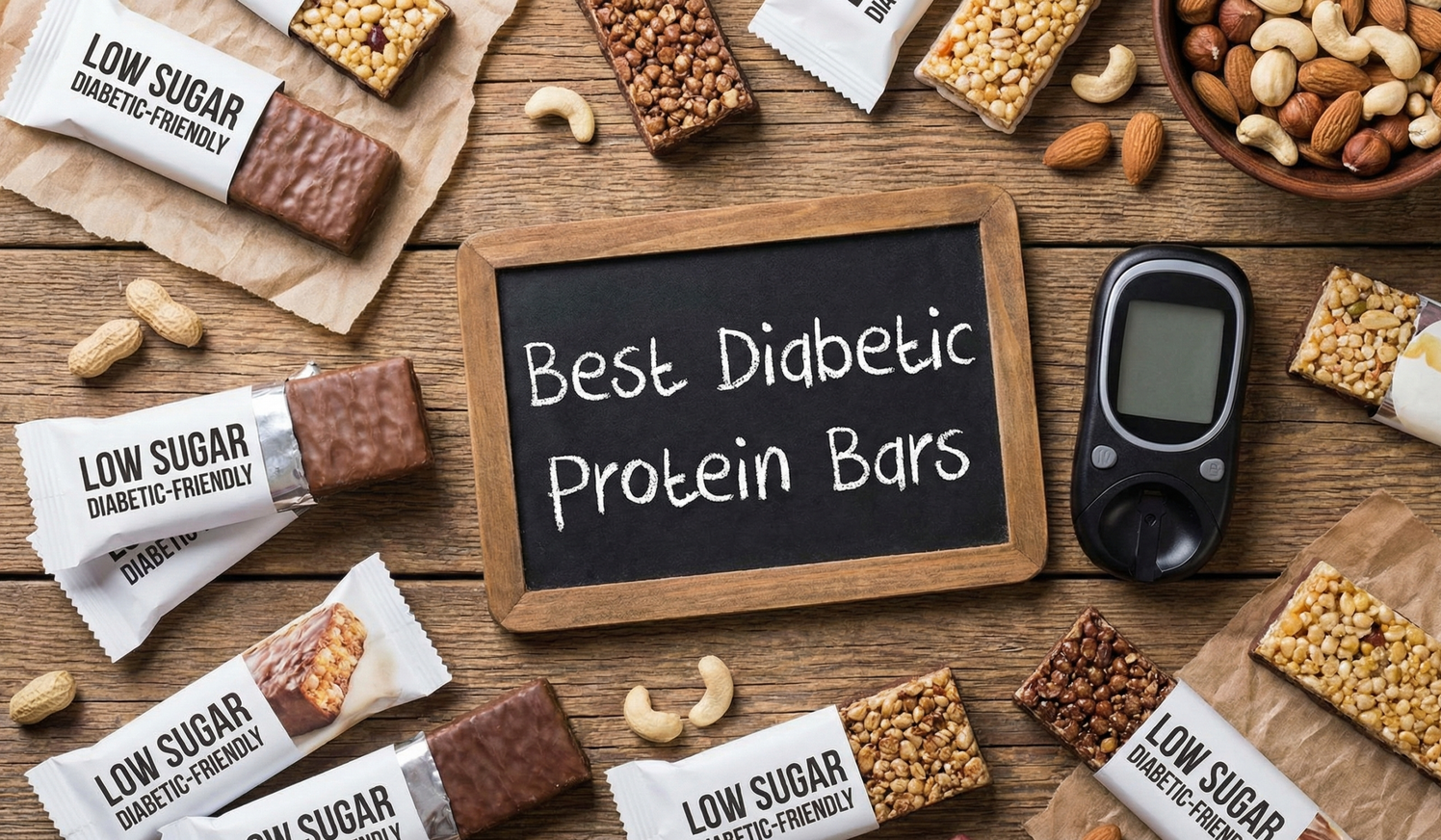
5 Best Diabetic Protein Bars: The Ultimate Low‑Sugar Guide (2026 Expanded)
Finding a protein bar when you have diabetes feels like navigating a minefield. The packaging screams “Healthy!” and “High Protein!”, but flip it over, and the nutrition label often tells a different story: 20 grams of sugar, high fructose corn syrup, and enough carbs to send your continuous glucose monitor (CGM) soaring.
For diabetics, a protein bar needs to be more than just a convenient snack; it needs to be a functional tool for blood sugar management. The goal is to find the “Goldilocks” zone: enough protein and fiber to blunt a glucose spike, but low enough in net carbs to keep you stable. It also, ideally, shouldn’t taste like cardboard.
In this guide, we have analyzed ingredients, tested glycemic responses, and taste-tested dozens of bars to bring you the 5 best diabetic-friendly protein bars on the market in 2026.
Why Protein Bars? The Diabetic Perspective
Protein bars serve a unique role in a diabetic meal plan. When you’re traveling, stuck in meetings, or experiencing a sudden drop in blood sugar (hypoglycemia), a bar with the right profile can be a lifesaver. But protein does more than just provide calories: it slows down the absorption of carbohydrates, reduces post‑meal glucose spikes, and increases satiety. In fact, a 2023 study in Diabetes Care showed that a 20‑g protein pre‑load before a high‑carb meal significantly flattened the glycemic curve in type 2 diabetics.
However, not all protein bars are created equal. Many are glorified candy bars. That’s why understanding the label is your first line of defense.
Decoding the Label: A Step‑by‑Step Guide
Before you buy, turn the bar over and look at four critical numbers:
- Total Carbohydrates – This is the headline number, but it’s deceptive.
- Dietary Fiber – Subtract this from total carbs. Fiber lowers net carbs and feeds gut bacteria.
- Sugar Alcohols – Erythritol, xylitol, maltitol. Only erythritol and allulose have negligible glycemic impact.
- Net Carbs = Total Carbs – Fiber – (certain sugar alcohols). Aim for ≤5g net carbs per bar.
Also, scan the ingredient list: the first ingredient should be a protein source (whey isolate, egg whites, nuts) – not a sweetener or filler.
How We Chose the Winners: The Criteria
Not every “low carb” bar is good for diabetes. Here is the strict checklist we used to select our top 5:
- Low Net Carbs: We looked for bars with 5g net carbs or less per serving.
- Fiber Content: Fiber slows digestion and sugar absorption. We prioritized bars with at least 5g of fiber.
- Quality Sweeteners: We favored bars sweetened with Stevia, Monk Fruit, Erythritol, or Allulose. We avoided Maltitol, which is known to spike blood sugar despite being a sugar alcohol.
- Protein Source: High-quality whey or plant isolates that provide satiety without the blood sugar crash.

Not Sure What You Like?
Taste is subjective. Before committing to a full box, we recommend trying a low-carb variety pack to find your favorite texture and flavor profile.
Check Variety Packs1. Quest Nutrition Bars (Best Overall)
Quest Bars have long been the gold standard for low-carb dieters, and they remain the top choice for diabetics due to their incredible macronutrient profile. They are dense, chewy, and come in dessert flavors like Cookies & Cream and Chocolate Chip Cookie Dough.
Why it wins: Most Quest bars contain roughly 20-21g of protein and massive amounts of fiber (often 14-15g). This results in a net carb count of just 4-5g. They use Erythritol and Stevia, which have virtually zero impact on blood glucose levels.

Quest Nutrition Protein Bars
The ultimate low-carb powerhouse. 21g Protein, only 1g Sugar, and 4g Net Carbs. The best option for preventing spikes while crushing hunger.
Check Price on AmazonSweetener Deep Dive: Why Erythritol & Allulose Are Superior
Erythritol is a sugar alcohol that passes through the body largely unmetabolized, providing sweetness with zero calories and zero glycemic impact. It’s the primary sweetener in Quest and many keto bars. Allulose, found in KIND Zero and some newer bars, is a rare sugar that tastes exactly like table sugar but is absorbed and excreted without raising blood glucose. Both are considered safe and gut‑friendly. In contrast, maltitol (used in some budget bars) has a glycemic index of 35–52 – enough to cause a meaningful spike. Always check the sweetener list.
It’s worth noting that some recent observational research has raised questions about whether very high, sustained intakes of erythritol could be linked to cardiovascular risk markers in certain populations. The research is still preliminary and doesn’t establish cause and effect, but it’s a good reminder that “sugar-free” doesn’t automatically mean “eat unlimited amounts.” As with most things in a diabetes diet, moderation and label awareness matter more than any single ingredient being universally “good” or “bad.” If you have existing heart disease alongside diabetes, it’s worth mentioning your typical sugar-alcohol intake to your cardiologist or endocrinologist at your next visit.
2. NuGo Slim (Best Real Chocolate Taste)
Many protein bars use “fake” chocolate coating made of palm oil to save money. NuGo Slim stands out because they use Real Dark Chocolate. This makes a massive difference in flavor—it actually tastes like a treat.
Why it works: Dark chocolate naturally has a low glycemic index. These bars have a very low GI score (tested at 24), meaning they digest slowly. With 16-17g of protein and 6-7g of fiber, they are excellent for stabilizing blood sugar while satisfying a chocolate craving.

NuGo Slim Low Glycemic Bars
Dipped in real dark chocolate for a luxurious taste without the guilt. Certified low glycemic index to ensure steady energy levels.
Check Price on Amazon3. KIND Zero Added Sugar Bars
If you prefer whole ingredients you can see (like whole nuts and seeds) over the “taffy” texture of standard protein bars, KIND is the winner. While their standard bars can be high in honey/sugar, their “Zero Added Sugar” line is specifically formulated for low-carb needs.
Why it works: These bars rely on the healthy fats from nuts (almonds, peanuts) to slow digestion. They have a satisfying crunch and use Allulose—a rare sugar that doesn’t spike blood glucose—as a sweetener. They are lower in protein than Quest (around 5-12g depending on the specific bar type), making them better as a light snack than a meal replacement.

KIND Zero Added Sugar Bars
Nut-forward bars with zero added sugar and no artificial sweeteners. A crunchy, savory-sweet option ideal for mid-day snacking.
Check Price on Amazon4. ONE Brands (Best Texture)
ONE Bars live up to their name: 1 gram of sugar. They are famous for their dessert-like flavors (Birthday Cake, Maple Glazed Doughnut, Almond Bliss) and a texture that is softer and less chewy than Quest.
Why it works: They pack 20g of protein and use a blend of whey and milk protein isolates. They are sweetened with a mix of Sucralose and Maltitol. Note: While they are low sugar, some diabetics are sensitive to Maltitol. However, ONE bars generally have a balanced enough fiber/protein profile to keep spikes minimal for most people. Test with your monitor to be sure.

ONE Brands Protein Bars
Dessert flavors with only 1g of sugar and 20g of protein. A soft, cake-like texture that makes you feel like you’re cheating on your diet.
Check Price on Amazon5. Aloha Organic (Best Plant-Based)
For vegans or those avoiding dairy, finding a low-carb bar is tough because many vegan bars rely on dates or syrup binders. Aloha bars are a refreshing exception. They are organic, plant-based, and use brown rice protein and pumpkin seed protein.
Why it works: They have 14g of protein and 10g of fiber, with only 5g of total sugar (from tapioca fiber and monk fruit). They don’t use sugar alcohols at all, which is great for people with sensitive stomachs who get bloating from erythritol.

Aloha Organic Plant-Based Bars
USDA Organic, Vegan, and free from sugar alcohols. A clean, gut-friendly option with 14g of plant protein and healthy fats.
Check Price on AmazonHonorable Mentions (Worth a Look)
Barebells Protein Bars
Hugely popular for taste, but they use maltitol and have around 4g net carbs. If you tolerate maltitol well, their soft, nougat‑like texture is a treat. Flavors like Cookies & Cream are legendary.
Think! Keto Bars
Specifically designed for keto, these bars contain 2g net carbs, 11g protein, and use tapioca fiber and allulose. A solid choice if you want a smaller, crunchy bar.
Power Crunch & Power Crunch Pro
These crispy, wafer‑style bars have a lighter, airier texture than a typical chewy protein bar—closer to a crunchy candy bar. The standard version runs around 10g of carbs and 13g of protein, while the “Pro” line pushes protein up to 20g. Because they’re lower in fiber than bars like Quest, pair one with a handful of nuts if you want a slower digestion curve.
Fit Crunch Bars
Known for a cookie-dough-like center and a chocolate coating that tastes closer to a candy bar than a health bar. Protein tends to run 16-30g depending on the size, but total carbs and sugar can be higher than the picks above, so this is more of an occasional treat than a daily staple.
Medical-Grade & Clinically-Formulated Bars
Beyond the mainstream low-carb bars above, there’s a smaller category of bars and shakes built specifically for people with diabetes, sometimes with input from endocrinologists or diabetes educators, and occasionally studied in small clinical trials for their effect on post-meal glucose response.
Extend Bar
Extend bars are formulated around a specific concept: using an uncooked cornstarch blend to create a slow, extended-release carbohydrate source, paired with protein, designed to help prevent the overnight or between-meal blood sugar dips that many people with diabetes experience. They tend to run lower in protein (around 10-12g) than a Quest bar, but their appeal isn’t raw macros — it’s the slow-release design intended to support more level blood sugar for several hours. Flavors lean toward simple chocolate and peanut butter combinations rather than dessert mimicry.
Glucerna Mini Bars & Shakes
Glucerna is a longstanding nutrition brand marketed specifically to people managing diabetes, using a blend of slow-digesting carbohydrates (including specific starches and fibers) intended to produce a gentler post-meal glucose curve than standard snack bars. Glucerna’s bars and shakes are widely available at pharmacies and are often used by people who want a “medical food” style option rather than a general fitness bar. Because they’re designed for a broad range of blood sugar goals rather than strict keto-style net carbs, always compare the actual grams of total carbohydrate to what your own meal plan allows.
No Cow & IQBar
No Cow bars are 100% plant-based, typically delivering 20-21g of protein per bar with minimal added sugar, making them a strong option for vegan diabetics who still want a Quest-like macro profile. IQBar is another plant-based, allulose-sweetened option; some of its formulations list allulose as an ingredient without folding it into the “sugar” line on the label, so read the full ingredient panel rather than just the sugar grams if you’re tracking carbs closely.
Meat-Based & Savory Alternatives
If the taffy-like texture of a typical protein bar isn’t your thing, or you simply want a break from sweet flavors, savory protein sources are worth a look. They tend to have virtually zero sugar and very low carbohydrate counts, since their protein comes from meat rather than whey or plant isolates blended with sweeteners.
Epic Bars
Epic makes meat-based bars combining ingredients like beef, bison, or turkey with fruit and nuts. Protein content typically lands around 9-12g per bar with total carbs often in the single digits, though a few flavors include dried fruit that pushes sugar slightly higher. Check the specific flavor, since fruit-forward versions carry noticeably more natural sugar than the plain savory ones.
Meat Sticks & Jerky
Meat sticks and jerky from brands widely sold at gas stations and grocery checkout aisles are an underrated diabetic-friendly snack: most contain 0-2g of carbs and 9-13g of protein per serving, with essentially no impact on blood glucose. The tradeoff is sodium — a single stick can carry 400-600mg, which matters if you’re also managing blood pressure or kidney health alongside diabetes. If sodium is a concern, look for “no added nitrates” or reduced-sodium lines, and treat these as an occasional protein boost rather than a daily staple.
Shakes & Protein Powder: When a Bar Isn’t the Answer
A protein bar isn’t the only way to get a fast, low-carb protein hit. If you find that most bars leave you bloated from fiber or sugar alcohols, a shake made from a plain whey or plant protein powder mixed with water or unsweetened almond milk can deliver 20-25g of protein with 1-3g of carbs and none of the sugar-alcohol side effects.
Ready-to-drink diabetic-specific shakes (Glucerna and similar brands) are formulated the same way as their bars — slow-digesting carbohydrate blends aimed at a gentler glucose response — and are worth trying if you find bars generally too dense or filling. Premier Protein and similar mainstream high-protein shakes are also popular for their taste, though they’re not specifically engineered for diabetes, so check total carbs and added sugar the same way you would for a bar.
The main advantage of a powder-based shake over a packaged bar is control: you decide exactly what goes in, which is useful if you’re sensitive to a specific sweetener or fiber source that shows up across many commercial bars.
Glycemic Index vs. Glycemic Load: What Actually Matters
You’ll see “low glycemic index” on plenty of bar packaging, but GI alone can be misleading. The Glycemic Index (GI) measures how quickly a fixed amount of a food’s available carbohydrate raises blood sugar compared to pure glucose, on a scale of 0-100. The Glycemic Load (GL) factors in the actual serving size, giving a more realistic picture of a food’s real-world impact.
A food can have a high GI but a low GL if the actual carbohydrate content per serving is small — watermelon is a classic example. For protein bars, the takeaway is simpler: because most diabetic-friendly bars are already low in total carbohydrate, GL tends to track closely with net carbs. Still, if a bar advertises “low GI” but has 20g of total carbs and only 2g of fiber, the glycemic load can still be meaningful. Use GI as one data point, not the only one, and always cross-check it against total carbs, fiber, and portion size.
How GI Testing Actually Works
Formal glycemic index testing involves feeding a group of volunteers a portion of food containing a fixed amount of available carbohydrate (usually 50g), then measuring blood glucose at intervals over two hours and comparing the area under that curve to the same volunteers eating pure glucose. This is a real, if imperfect, laboratory process — but it also means a bar’s “tested GI of 24” reflects an average across a small study group, not a guarantee for your individual body chemistry. Two people with diabetes can eat the identical bar and see meaningfully different glucose responses depending on their own insulin sensitivity, gut microbiome, activity level that day, and even how much sleep they got the night before.
Why This Matters More for Combination Foods Like Bars
GI testing was originally designed around single-ingredient foods like white bread or boiled rice. Protein bars are a mix of protein, fat, fiber, and carbohydrate blended together, and that combination itself slows gastric emptying in ways that can make a bar’s real-world glucose response gentler than its carbohydrate count alone would suggest. This is part of why a bar with 10g of total carbs can sometimes produce a flatter glucose curve than a piece of fruit with the same carbohydrate count eaten alone — the protein and fat are doing real metabolic work, not just adding calories.
How Many Carbs Should a Diabetic Protein Bar Have?
There’s no single universal number here, because it depends on your individual meal plan, medication, activity level, and whether the bar is a snack or standing in for part of a meal. That said, most diabetes educators frame protein bar carbohydrate content in three general buckets:
- Strict low-carb/keto approach: 5g net carbs or less, typical of Quest, Think!, and similar keto-style bars.
- Moderate approach: 10-20g total carbs, common with Extend, Glucerna, and many “diabetes-friendly” branded products, often designed around a slower glucose curve rather than an ultra-low number.
- Occasional treat range: 20-30g total carbs, appropriate as an occasional snack for some people but worth counting carefully against your daily carbohydrate budget.
Because insulin dosing, medication type, and individual glucose targets vary so widely, the right bucket for you is a conversation for your endocrinologist, primary care provider, or a registered dietitian — not a blanket rule from any single article, including this one.
Type 1 vs. Type 2: Does the Carb Threshold Change?
People with type 1 diabetes who dose mealtime insulin based on carbohydrate counting often have more day-to-day flexibility on total carbs, since a well-calculated insulin dose can cover a wider range of carbohydrate amounts. People managing type 2 diabetes through diet, oral medication, or basal insulin alone tend to have less built-in flexibility to “cover” a higher-carb snack, which is part of why many type 2-focused resources lean toward the stricter 5g-net-carb bucket by default. Neither approach is universally right — it depends entirely on your specific treatment plan.
Reading Past the Front-of-Package Claims
Words like “low carb,” “keto-friendly,” or “diabetic-friendly” printed on the front of a wrapper are marketing language, not regulated medical claims in most jurisdictions. The only numbers that matter are the ones inside the nutrition facts panel: total carbohydrate, dietary fiber, sugar, and sugar alcohols. A bar can legally call itself “low carb” while still carrying 18-20g of total carbohydrate, especially if it’s being compared to a full-sugar candy bar rather than to the stricter bars reviewed above.
The Ultra-Processed Food Question
It’s worth being honest about what a protein bar actually is: even the “cleanest” options on this list are, nutritionally speaking, engineered food products rather than whole foods. They’re built from isolated proteins, fiber additives, and sweeteners assembled to hit specific macro targets — which is exactly why they’re useful in a pinch, but not something to build an entire diet around.
This doesn’t mean bars are bad. It means they’re best treated as a convenience tool for specific moments — a meeting that runs through lunch, a hypoglycemia buffer before exercise, a travel day — rather than a replacement for balanced meals built around vegetables, lean proteins, and whole grains. If you notice you’re reaching for a bar more than once a day, that’s worth a look at whether whole-food snacks (a boiled egg, a handful of nuts, Greek yogurt) could fill some of those gaps instead.
A Rough Rule of Thumb
One practical way to think about it: if you can picture the whole-food version of what a bar is trying to replace — a handful of almonds and a hard-boiled egg instead of a nut-based bar, or a slice of turkey and cheese instead of a meat-based bar — and you have the five minutes to prepare it, the whole-food version is usually the better everyday default. The bar earns its keep specifically in situations where that five minutes isn’t available: back-to-back meetings, air travel, a long commute, or a sudden low blood sugar during a school pickup line.
Micronutrients Bars Don’t Replace
Even the cleanest bar on this list won’t deliver the range of vitamins, minerals, and phytonutrients you’d get from a varied diet of vegetables, fruit, legumes, and whole grains. Bars are engineered for a handful of specific numbers — protein, fiber, net carbs — not for micronutrient completeness. If bars have become a large share of your daily food intake, it’s worth mentioning to a dietitian so any gaps (commonly magnesium, potassium, and certain B vitamins) can be addressed through other foods or, if needed, a supplement discussed with your care team.
Bars, Insulin & Medication Timing
If you take mealtime insulin or a medication where timing and carb counting matter, a protein bar should be counted the same way you’d count any other carbohydrate-containing food — using the total carbohydrate (or net carbs, if that’s how your care team has instructed you) on the label. Because bars combine protein, fat, and carbohydrate, the glucose rise can be slower and more delayed than a food that’s pure carbohydrate, which is worth mentioning to your provider if you’re noticing unexpected patterns on your CGM after eating one.
If you use a GLP-1 medication or another drug that slows gastric emptying, some people find that dense, fibrous bars can feel heavier or take longer to digest comfortably — that’s a personal tolerance issue worth discussing with your prescriber rather than something to self-diagnose from an article. As always, any change to how you dose insulin around bars or snacks in general should be made in partnership with your healthcare team, not based on a blog post.
Why Some Bars “Feel” Different Than Their Label Suggests
A bar with 5g net carbs and 20g of protein can still produce a noticeable, if delayed, glucose rise for some people — this is sometimes called the “protein effect” and is more pronounced in people with type 1 diabetes than type 2, since a portion of dietary protein can convert to glucose over several hours through gluconeogenesis. This is one reason some people using insulin pumps or multiple daily injections choose to give a small secondary bolus an hour or two after eating a very high-protein bar, rather than covering it purely as a low-carb food. Whether this applies to you, and by how much, is something to work out with your care team using your own CGM or fingerstick data over several trials — not a fixed rule to apply universally.
Logging Bars in Your Diabetes App
If you use a diabetes management app or CGM software that lets you log meals, it’s worth logging protein bars as their own food entry rather than lumping them in as a generic “snack,” since many of these apps let you tag total carbs, fiber, and protein separately. Over a few months, this creates a personal reference library you can look back on — which specific bars produced flat lines, which produced a slow afternoon climb, and which surprised you. That kind of individual pattern-recognition tends to be more useful long-term than any generic bar ranking, including this one.
Best Bars by Lifestyle
Keto / Strict Low-Carb
Quest and Think! Keto bars are the natural fit here, both landing in the 2-5g net carb range with high fiber and erythritol or allulose sweeteners.
Vegan / Plant-Based
Aloha Organic and No Cow both deliver solid plant protein without dairy, egg, or honey, and Aloha’s tapioca-fiber-and-monk-fruit approach avoids sugar alcohols entirely.
Travel & On-the-Go
Shelf-stable, non-melting options like ONE Bars or meat sticks travel well in a bag or glovebox without turning into a sticky mess in warm weather.
Pre/Post-Workout
NuGo Slim’s low glycemic index and moderate protein make it a gentle pre-workout option, while a higher-protein bar like Quest or a shake works well post-workout for muscle recovery.
Sensitive Stomach
Aloha Organic (no sugar alcohols) or a meat stick (no fiber additives at all) are good starting points if erythritol or chicory root fiber causes bloating for you.
Chocolate Cravings
NuGo Slim’s real dark chocolate coating and ONE Bars’ dessert-style flavors both scratch a sweet-tooth itch without the sugar spike of an actual candy bar.
Bars for Kids with Type 1 Diabetes
Choosing bars for a child with type 1 diabetes adds a few extra considerations beyond what an adult might weigh. Kid-sized or “minis” versions of popular bars (several major brands offer smaller bar or bite formats) can make carb counting simpler for school lunches, since the whole package is often a clean, round carb number rather than requiring a child to eat half a bar.
Texture and taste matter more for buy-in with kids — a dense, very chewy bar like a full-size Quest bar can be a hard sell compared to a softer, more dessert-like option. Many parents of kids with T1D report better luck with softer bars or bites for daily snacking, saving the denser, higher-fiber bars for situations where slower digestion is actually the goal (like before a longer stretch of unsupervised time at school). As with any new food, test a new bar on a day when blood sugar can be checked more frequently, and loop in your child’s endocrinologist or diabetes educator about how to fold a new bar into an existing insulin-to-carb ratio.
Packing Bars for School
For school lunches or nurse’s office snack supplies, a consistent, well-labeled bar makes life easier for everyone involved — the same brand and flavor every time reduces the chance of a substitute teacher or school nurse miscounting carbs during a low blood sugar episode. Many families keep a small, clearly labeled stash of a single “emergency” bar variety at school specifically so the carb count is memorized by anyone who might need to help, rather than rotating flavors that each carry different numbers.
Involving Kids in the Decision
Diabetes educators frequently point out that buy-in matters as much as nutrition science when it comes to kids sticking with a snack routine. Letting a child taste-test two or three diabetic-friendly options and pick their own favorite — within the bounds of what a parent has already vetted nutritionally — tends to produce better long-term consistency than a parent unilaterally choosing the “best” bar based on macros alone.
Where to Buy Diabetic-Friendly Protein Bars
Most of the bars covered in this guide are widely available well beyond specialty health stores. You’ll typically find them:
- In the “health/natural” or protein-powder aisle of most large grocery stores, rather than the traditional granola bar or candy aisle.
- At big-box and warehouse retailers, which often carry multi-packs at a lower per-bar cost than smaller grocery packaging.
- Through the brand’s own website, which sometimes offers flavors or variety packs not sold in stores.
- Online marketplaces, including Amazon, which is often the easiest way to compare current pricing across multiple brands in one place and read recent reviews before committing to a full box.
- At pharmacies, specifically for medical-style options like Glucerna, which are stocked alongside other diabetes management supplies rather than snack foods.
Reformulations happen more often than you’d expect — brands periodically tweak sweeteners or fiber sources — so it’s worth re-checking the label occasionally even on a bar you’ve bought for years.
Buying in Bulk vs. Trying Variety First
Before committing to a full case of any single bar, it’s worth buying a small mixed sampler or single bars of two or three brands and living with them for a week or two. Taste fatigue is a real phenomenon — a flavor that seems delicious the first time can feel repetitive as a daily snack, and a bulk purchase of a bar you end up not reaching for is money and shelf space wasted. Many of the brands featured here also run seasonal or limited flavor drops, so checking directly with the manufacturer around holidays can turn up options not available through general retail.
Price Considerations
Per-bar cost varies significantly by brand and where you buy: warehouse club multi-packs are usually the cheapest per bar, standard grocery store boxes sit in the middle, and single bars from a convenience store or vending machine carry the steepest markup. If cost is a barrier to consistently having diabetic-friendly bars on hand, buying a larger box online periodically and portioning it into a bag or desk drawer each week is usually more economical than repeated single-bar purchases out of convenience.
Storage, Shelf Life & Meal Prepping Bars
Most commercial protein bars are shelf-stable for 9-12 months unopened when kept in a cool, dry place — checking the printed date on the wrapper is still the most reliable approach, since formulations vary by brand. Heat is the main enemy: bars left in a hot car or direct sun can turn greasy or separate, especially chocolate-coated ones, so a car glovebox in summer isn’t ideal long-term storage.
If you’re meal-prepping snacks for the week, portioning bars into a desk drawer or bag at the start of the week (rather than buying loose and forgetting they exist) makes it far more likely you’ll reach for one instead of a vending machine option in a pinch. Homemade bars, covered in the DIY recipe below, don’t have the same shelf stability as commercial bars — refrigerate them and plan to eat them within 7-10 days, or freeze individually wrapped portions for longer storage.
Building an Emergency Bar Stash
Because bars are shelf-stable for so long, it’s worth keeping a small rotating supply in more than one place: a work desk drawer, a car (out of direct summer heat, such as under a seat rather than the dash or glovebox), a gym bag, and a travel kit. Rotating older bars to the front so they get eaten before newer purchases reduces the odds of finding an expired box months later. This kind of redundancy matters more for people with diabetes than it might for a typical snacker, since a bar might be doing double duty as both a convenience snack and a low-blood-sugar safety net.
Freezing Commercial Bars
Most commercial bars also freeze reasonably well if you buy in bulk and want to extend freshness beyond the printed date, particularly chewy, dense bars like Quest. Chocolate-coated bars can develop a slightly duller appearance (sugar or fat “bloom”) after freezing and thawing, which is cosmetic rather than a safety issue, but worth knowing about before you commit a whole case to the freezer.
What the Diabetes Community Says
Beyond lab-style nutrition analysis, it’s worth hearing how bars perform in real life for people actually managing diabetes day to day. Several people living with type 1 diabetes who share their experiences publicly have described favoring bars less for their exact macros and more for how predictably their blood sugar responds after eating one — some report going with a particular brand for years specifically because they’ve learned to dose confidently around it without surprises.
Registered dietitians who specialize in diabetes care generally echo this: rather than chasing a single “best” bar, the more useful approach is finding two or three options across different textures and flavors that you’ll actually reach for, then rotating them so you’re not relying on one product exclusively.
Diabetes support communities online also tend to converge on a few practical habits worth adopting regardless of which specific bar you choose: reading the full ingredient list rather than just the front label, testing new products on lower-stakes days, and treating any single bar recommendation — including the picks in this guide — as a starting point for your own experimentation rather than a fixed prescription.
Timing Strategies: Getting the Most Out of Your Bar
- Between meals (snack): A protein bar can prevent the 3 p.m. energy crash without the sugar rush. Pair with a handful of nuts for extra fat.
- Pre‑workout (30–60 min before): 15–20g protein helps fuel muscles and prevents hypoglycemia during exercise.
- Post‑workout (within 30 min): The protein aids muscle repair, and the small amount of net carbs helps replenish glycogen without spiking insulin.
- Emergency hypo treatment: If your blood sugar dips below 70 mg/dL, you need fast‑acting carbs (glucose tabs or juice), not a protein bar. The protein and fat will slow absorption too much.
DIY Low‑Carb Protein Bars (Simple Recipe)
Making your own bars guarantees no hidden sugars. Here’s a no‑bake recipe:
- 1 cup almond flour
- 1 scoop vanilla or chocolate protein powder (choose whey or plant‑based with <1g carb)
- ¼ cup allulose or erythritol
- ¼ cup melted coconut oil or unsalted butter
- 2 tbsp unsweetened almond milk
- Optional: 2 tbsp sugar‑free chocolate chips, chopped nuts, or unsweetened coconut
Mix dry ingredients, add wet, press into a parchment‑lined pan, refrigerate 1 hour, and cut into bars. Each bar contains ~2–3g net carbs.
A few variations to keep things from getting repetitive: swap the almond flour for an equal amount of ground flaxseed and reduce the almond milk slightly for a fiber-forward version; stir in a tablespoon of natural peanut or almond butter for a creamier bite; or press a thin layer of unsweetened cocoa powder mixed with a little melted coconut oil on top for a “chocolate-dipped” look without tempering real chocolate. Because these bars have no preservatives, keep them refrigerated and treat homemade batches as a 7-10 day supply rather than a long-term pantry item.
A Note on Sugar Alcohols & Sweeteners
Not all sugar-free sweeteners are equal. When reading labels, look for:
- The Good (Low GI): Erythritol, Stevia, Monk Fruit, Allulose. These generally do not raise blood sugar.
- The Questionable (Medium GI): Xylitol, Sorbitol. Can cause digestive issues in high amounts.
- The Bad (High GI): Maltitol. This sugar alcohol has a glycemic index close to table sugar and can spike glucose levels significantly.
Also be aware of tapioca fiber and soluble corn fiber – they add texture and lower net carbs, but may cause bloating in sensitive individuals.
Nutritional Comparison Table (Per Bar, Approximate)
| Brand | Protein | Net Carbs | Sugar | Primary Sweetener |
|---|---|---|---|---|
| Quest | 21g | 4-5g | <1g | Erythritol / Stevia |
| NuGo Slim | 16g | 2-3g | 2g | Chicory Root / Real Dark Choc |
| KIND Zero | 5-7g | 4g | 0g | Allulose / Nuts |
| ONE Bar | 20g | ~3-8g | 1g | Maltitol / Sucralose |
| Aloha | 14g | 5g | 5g | Monk Fruit / Tapioca |
| Extend Bar | 10-12g | ~12-15g* | 1-2g | Sucralose / Slow-release starch |
| Glucerna Mini | 4-5g | ~13-15g* | 4-5g | Sucralose / Slow-digesting carb blend |
| Epic Bar (savory) | 9-12g | 1-4g | 0-3g | None (whole meat + fruit) |
| Meat Stick / Jerky | 9-13g | 0-2g | 0-1g | None |
| No Cow | 20-21g | ~3-5g | <1g | Erythritol / Monk Fruit |
Values may vary by flavor. *Extend and Glucerna are designed around total carbohydrate and slow-release digestion rather than a strict net-carb target — compare total carbs to your own meal plan rather than treating them as “high carb” outright. Always check the specific bar you purchase.
Quick Checklist: What to Avoid in a Protein Bar
- ❌ Maltitol – hidden glycemic load.
- ❌ High fructose corn syrup, cane syrup, honey, agave – added sugars.
- ❌ Hydrogenated oils or trans fats – unhealthy for heart.
- ❌ Maltodextrin – high glycemic filler.
- ❌ “Protein blend” without specifics – may hide cheap collagen or fillers.
When in doubt, choose bars with fewer than 8 ingredients and recognizable whole foods.