White Rice vs Brown Rice vs Quinoa for Blood Sugar
The definitive guide to managing diabetes through grain choices. Discover which staple food helps you maintain stable glucose levels and supports your metabolic health.
The Carbohydrate Dilemma: Managing Glucose with Grains
For anyone managing diabetes, prediabetes, or insulin resistance, the dinner plate is a battlefield. Carbohydrates are the primary driver of blood sugar spikes, yet they are also a staple in cultures around the world. The question isn’t just “can I eat carbs?” but rather “which carbs act as fuel, and which act as fire for my blood sugar?”
Rice is one of the most consumed foods on the planet. However, for a diabetic, a bowl of fluffy white rice can send glucose readings soaring. This leads many to seek alternatives. Brown rice has long been touted as the “healthy” switch, but in recent years, the ancient grain (technically a seed) Quinoa has emerged as a powerhouse competitor.
In this comprehensive guide, we will dissect the nutritional profiles of White Rice, Brown Rice, and Quinoa. We will look beyond simple calorie counts to understand the glycemic impact, fiber content, and micronutrient density of each, helping you make an informed decision for your low glycemic diet plan. Recent estimates suggest that over 463 million adults live with diabetes, and diet remains the cornerstone of management. By the end of this comprehensive guide, you’ll know exactly how to plate your grains for optimal glucose control.
Understanding Glycemic Index (GI) and Glycemic Load (GL)
Before comparing the grains, we must establish the metrics of success. When managing blood sugar, two numbers matter immensely:
- Glycemic Index (GI): A ranking from 0 to 100 of how quickly a food raises blood sugar levels after eating. Foods with a high GI are digested and absorbed rapidly, causing spikes. Low GI foods digest slowly.
- Glycemic Load (GL): This accounts for the amount of carbohydrates in a typical serving. It gives a more accurate picture of the real-world impact on your blood sugar. GL = (GI × grams of carbs) / 100. A GL under 10 is low, 11–19 medium, and 20+ high.
Generally, a GI of 55 or less is considered low, while 70 or above is high. Managing these numbers is crucial for avoiding the rollercoaster of hyperglycemia and hypoglycemia. For instance, watermelon has a high GI (72) but a low GL (5) per serving because it’s mostly water. That’s why we focus on both metrics.
How GI and GL Work Together
Think of GI as the quality of the carbohydrate and GL as the quantity of the impact. A food can have a moderate GI but a high GL if you eat a large serving. Conversely, a high-GI food eaten in a tiny portion may have a low GL. For optimal blood sugar management, you want both numbers as low as possible. Here’s a practical example:
A medium apple has a GI of about 36 and contains roughly 25g of carbs. Its GL = (36 × 25) / 100 = 9. That’s low — great news. Now consider a cup of cooked white rice with a GI of 72 and 45g of carbs. Its GL = (72 × 45) / 100 = 32.4. That’s dangerously high. This is why understanding both metrics is non-negotiable for anyone serious about glucose control.
The Glycemic Index of Cooked vs. Raw Grains
An important nuance: the GI values you see in tables are almost always for cooked grains. Cooking gelatinizes starch, making it more digestible and raising the GI compared to raw grain. This is one reason why al dente pasta has a lower GI than overcooked pasta — the starch granules are less fully broken down. The same principle applies to rice and quinoa: cooking them less (al dente) generally results in a lower glycemic response.
Glycemic Index Variations by Grain Variety
Not all white rice is the same. The variety matters significantly:
- Jasmine rice (Thai): GI around 68-80 depending on brand and cooking
- Basmati rice (Indian): GI around 58-64, one of the lowest among white rices
- Short-grain/sushi rice: GI around 72-89, the highest due to amylopectin content
- Arborio (risotto): GI around 69-72
- Parboiled/converted rice: GI around 38-54, significantly lower due to processing
For brown rice, the range is similarly variable: short-grain brown rice GI can be as high as 68, while long-grain brown basmati can be as low as 50. This means that simply choosing “brown” doesn’t guarantee a low glycemic response — variety and cooking method both matter.
Glycemic Load of Typical Servings
Let’s calculate the GL for standard servings of each grain to see real-world impact:
| Grain (1 cup cooked) | GI | Carbs (g) | Glycemic Load | Rating |
|---|---|---|---|---|
| White Jasmine Rice | 74 | 45 | 33.3 | High |
| White Basmati Rice | 61 | 45 | 27.5 | High |
| Parboiled White Rice | 46 | 40 | 18.4 | Medium |
| Brown Rice (long-grain) | 53 | 45 | 23.9 | High |
| Quinoa | 53 | 39 | 20.7 | Medium |
| Barley (pearled) | 28 | 44 | 12.3 | Medium |
Notice that even quinoa, despite its low GI, has a medium GL due to the carb content per serving. This reinforces the importance of portion control regardless of which grain you choose.
White Rice: The Glucose Spiker?
White rice is brown rice that has been processed to remove the hull, bran, and germ. This milling process extends the shelf life and creates a softer texture that many prefer. However, it also strips the grain of its most valuable assets for blood sugar control: fiber and protein.
The Blood Sugar Impact
Because it lacks fiber, white rice is essentially pure starch. Your body breaks this starch down into glucose incredibly fast. Depending on the variety (Jasmine, sticky rice, etc.), white rice can have a GI score between 70 and 90. This puts it in the same category as pure sugar or white bread for many diabetics. Short-grain white rice tends to have a higher GI than long-grain basmati, but even basmati (GI ~58-64) can be problematic in large portions.
Consuming white rice alone often leads to a rapid spike in blood glucose, followed by a sharp crash, leading to hunger and cravings shortly after eating. This cycle can be detrimental for those with insulin resistance. A study in the BMJ found that each daily serving of white rice increased the risk of type 2 diabetes by 11% in the general population.

Struggling to limit your rice intake? These visual guide plates help you balance your macros perfectly, ensuring you don’t overindulge in high-GI starches.
Check Price on AmazonWhy People Still Eat White Rice
Despite its glycemic disadvantages, white rice remains the world’s most consumed grain for valid reasons. It’s affordable, has a neutral flavor that pairs with virtually any cuisine, stores well for months, and cooks quickly. In many Asian, Latin American, and African cultures, rice is not just food — it’s identity. The goal of this guide is not to eliminate white rice from your life but to help you manage it intelligently.
White Rice Varieties Ranked by Glycemic Impact
If you’re going to eat white rice, choosing the right variety can make a measurable difference:
- Parboiled (Converted) Rice — GI 38-54: The best white rice option. Parboiling forces nutrients from the bran into the endosperm before milling, creating a firmer grain that digests more slowly. Brands like Uncle Ben’s Converted Rice are widely available.
- Basmati Rice — GI 58-64: Long-grain basmati, particularly from India or Pakistan, has more amylose (the starch that resists digestion) than short-grain varieties. This naturally lowers its glycemic impact.
- Long-Grain White Rice — GI 62-70: Standard long-grain varieties like American long-grain fall in the medium-high range. Better than short-grain, but still requires portion control.
- Jasmine Rice — GI 68-80: Popular in Thai cuisine, jasmine rice is medium-grain and has a higher amylopectin content, making it stickier and faster to digest.
- Short-Grain/Sushi Rice — GI 72-89: The highest GI among common white rices. Its high amylopectin content makes it very sticky and rapidly digestible. Use sparingly.
The Arsenic Concern in White Rice
Beyond glycemic impact, there’s another reason to moderate white rice intake: arsenic. Rice absorbs more arsenic from soil and water than other grains because it’s grown in flooded paddies. While the levels are generally safe for most adults, the FDA recommends variety in your grain rotation. Brown rice actually contains more arsenic than white rice because arsenic concentrates in the bran layer — but it also contains more fiber and nutrients that may help mitigate the risk. Rinsing rice thoroughly and cooking it in excess water (like pasta) can reduce arsenic content by up to 60%.
Pros of White Rice
- Quick to cook (15-20 minutes)
- Long shelf life (years when stored properly)
- Mild, versatile flavor
- Very affordable and widely available
- Easily digestible — good for those with GI issues
- Parboiled varieties have a moderate GI
Cons of White Rice
- High glycemic index (most varieties)
- Very low fiber (0.6g per cup)
- Low protein content
- Stripped of most micronutrients during processing
- Rapid blood sugar spike and crash
- Higher arsenic absorption than some grains
Brown Rice: The Whole Grain Standard
Brown rice is the whole grain version of white rice. It retains the bran and germ layers, which contain the vast majority of the grain’s nutrients, including fiber, magnesium, and B vitamins. It has a chewier texture and a nuttier flavor.
Why It’s Better (But Not Perfect)
The fiber in the bran layer acts as a physical barrier, slowing down the digestive enzymes’ ability to break down the starch into sugar. This results in a slower, more sustained release of energy. Brown rice typically has a GI score of around 50-68, placing it in the medium category. The exact GI depends on the variety and cooking time; longer cooking can increase GI.
While better than white rice, brown rice is still carbohydrate-dense. A cup of cooked brown rice contains roughly 45g of carbs. For strict low-carb diets, this can still be significant. However, for a balanced high-fiber diabetic meal plan, it is a superior choice to white rice. Brown rice also contains magnesium, a mineral that improves insulin sensitivity.
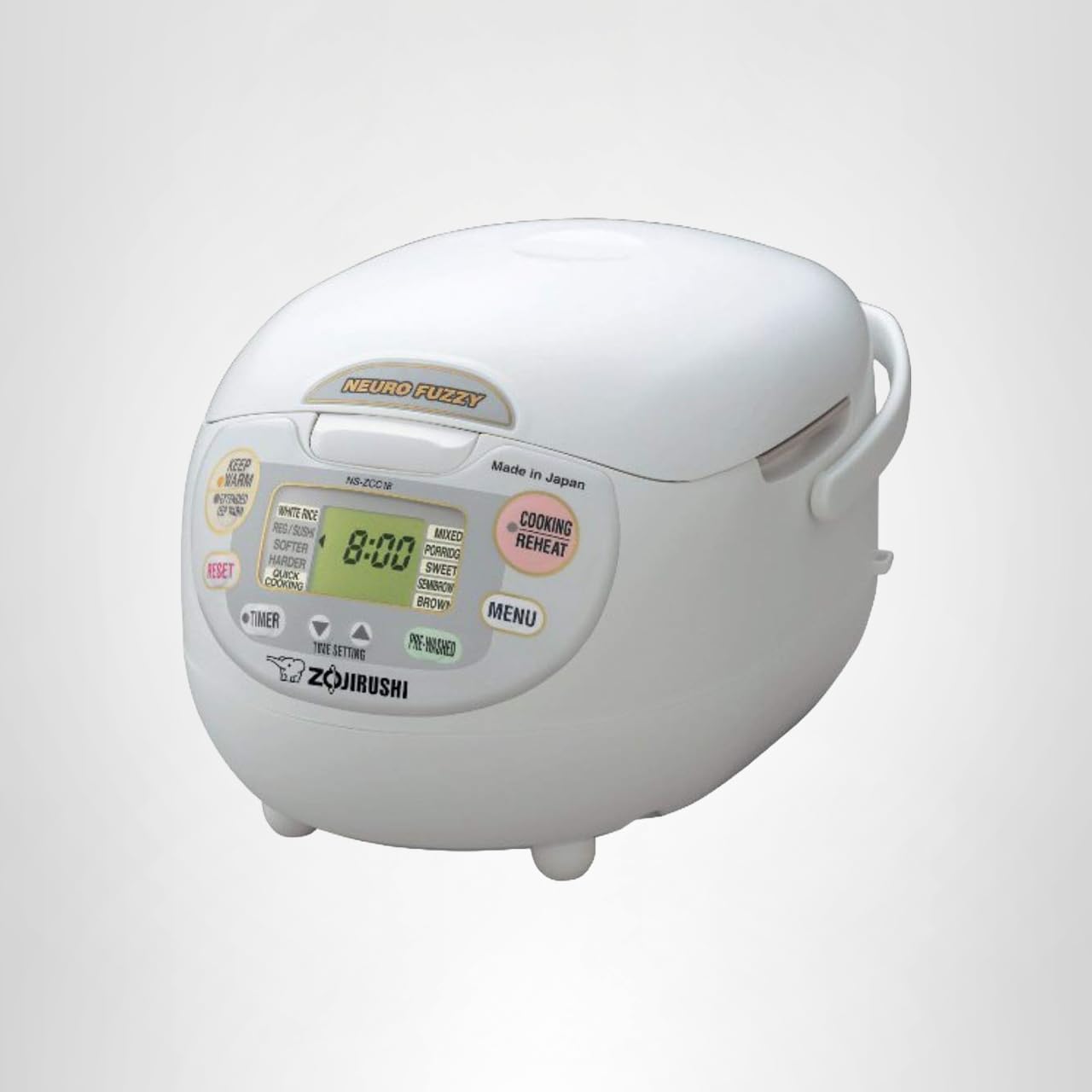
Cooking brown rice perfectly can be tricky. This gold-standard cooker features a dedicated “GABA Brown Rice” setting that activates nutrients and ensures perfect texture every time.
Check Price on AmazonBrown Rice Varieties: Not All Are Equal
Brown rice comes in several varieties, each with distinct nutritional profiles:
- Long-grain brown rice: The most common variety. Fluffy, separate grains. GI around 50-55. Good all-purpose choice.
- Medium-grain brown rice: Slightly stickier, with a GI around 57-62. Common in Japanese cuisine.
- Short-grain brown rice: Very sticky when cooked. GI can reach 65-68. Use sparingly for blood sugar management.
- Brown basmati rice: The lowest GI among brown rices (around 50). Long, aromatic grains from the Indian subcontinent. Ideal for blood sugar control.
- Black forbidden rice: Despite the name, it’s a variety of brown rice with deep purple-black bran. Contains anthocyanins (antioxidants) and has a GI around 42-45. Excellent choice.
- Red cargo rice: A red bran variety with a GI around 50-55. Rich in antioxidants and slightly nuttier than standard brown rice.
The GABA Brown Rice Advantage
One underappreciated benefit of brown rice is its gamma-aminobutyric acid (GABA) content. Soaking brown rice for 2-8 hours before cooking can increase GABA levels by up to 10 times. GABA is a neurotransmitter that promotes relaxation, reduces anxiety, and may help lower blood pressure. The Zojirushi rice cooker mentioned above has a dedicated GABA setting that automates this soaking process. Studies from Japan have shown that GABA-enriched brown rice may help reduce blood pressure and improve sleep quality — both of which indirectly support better blood sugar management.
Cooking Brown Rice to Minimize Glycemic Impact
The cooking method significantly affects brown rice’s GI. Here are evidence-based strategies:
- Cook al dente: Use slightly less water than recommended and check the rice 5 minutes before the timer. Firmer rice has a lower GI.
- Add a splash of acid: Adding 1-2 tablespoons of vinegar or lemon juice to the cooking water can lower the GI by 5-10 points.
- Cool and reheat: Cook, refrigerate for 24 hours, then reheat. This creates resistant starch, lowering the GI by up to 30%.
- Don’t overcook: Mushy brown rice has a higher GI than properly cooked, separate grains. The starch granules in overcooked rice are more fully gelatinized.
- Mix with legumes: Cooking brown rice with lentils or beans creates a complete protein and lowers the overall glycemic load of the meal.
Pros of Brown Rice
- Whole grain with bran and germ intact
- 3.5g fiber per cup — 6x more than white
- Rich in magnesium (84mg per cup)
- Contains GABA, especially when sprouted
- Medium GI (50-68) — much better than white
- Widely available and affordable
- Nutty, satisfying flavor
Cons of Brown Rice
- Longer cooking time (40-50 minutes)
- Can have a chewy texture some find unpleasant
- Higher in natural arsenic than white rice
- Still carb-dense (45g per cup)
- Shorter shelf life than white rice
- Contains phytic acid (can reduce mineral absorption)
Quinoa: The Superfood Contender
Quinoa (pronounced keen-wah) is botanically a seed, related to spinach and beets, though it is prepared and eaten like a grain. This distinction is important because its nutritional profile is fundamentally different from rice.
The Protein & Fiber Advantage
Quinoa is one of the few plant foods that is a complete protein, meaning it contains all nine essential amino acids. This protein, combined with a high fiber content (about 5g per cup), creates a powerful buffer against blood sugar spikes. The fiber in quinoa is both soluble and insoluble, promoting gut health and satiety.
With a GI score of roughly 53, quinoa sits comfortably in the low-glycemic category. It provides essential minerals like magnesium, which is crucial for insulin sensitivity. Because it is nutrient-dense, you get “more bang for your buck” with every bite compared to rice. Quinoa also contains flavonoids like quercetin and kaempferol, which have anti-inflammatory effects — a bonus for diabetics.
Quinoa comes in three main colors: white, red, and black. Red and black quinoa have slightly more fiber and a firmer texture, but all are excellent choices.

Stock up on this pantry staple. Gluten-free, non-GMO, and packed with protein, this bulk bag ensures you always have a blood-sugar-friendly base for your meals.
Check Price on AmazonQuinoa Varieties: White, Red, and Black
Each quinoa color has unique properties that affect both nutrition and blood sugar response:
- White quinoa: The most common variety. Mild flavor, fluffy texture, GI around 53. Cooks in 15 minutes. Best for beginners and versatile in recipes.
- Red quinoa: Stronger, earthier flavor. Holds its shape better, making it ideal for salads. Slightly higher fiber content. GI around 50-53.
- Black quinoa: The crunchiest variety with a slightly sweet, earthy flavor. Highest in anthocyanin antioxidants. GI around 48-52. Excellent in grain bowls.
- Tricolor blends: A mix of all three. Offers the widest range of nutrients and antioxidants. Same GI as individual varieties.
The Saponin Factor
Quinoa has a natural coating called saponin, which can taste bitter and soapy. Most commercial quinoa is pre-rinsed, but it’s still a good idea to rinse it under cold water for 30 seconds before cooking. This removes any residual saponin. Interestingly, saponins have been studied for their potential cholesterol-lowering and immune-boosting properties, but the amounts in cooked quinoa are too small to have a significant effect. The main reason to rinse is taste.
How Quinoa Compares to Rice in Real-World Meals
In practical terms, quinoa offers several advantages over rice in everyday cooking:
- Protein pairing: Because quinoa is a complete protein, you don’t need to add beans or meat to make it a nutritionally complete side. Rice requires complementary proteins.
- Cooking speed: Quinoa cooks in 15 minutes, faster than brown rice (40-50 minutes) and comparable to white rice.
- Versatility: Quinoa works in breakfast bowls, salads, soups, stir-fries, and even as a base for veggie burgers. Rice is more limited to savory meals.
- Satiety: The combination of protein and fiber in quinoa keeps you fuller longer, reducing the temptation to overeat.
- Gluten-free: While rice is also gluten-free, quinoa is a better choice for those with celiac disease who need nutrient-dense options.
Pros of Quinoa
- Complete protein (all 9 essential amino acids)
- 5.2g fiber per cup
- Low GI (53) — best among the three
- Rich in magnesium (118mg per cup)
- Contains antioxidants (quercetin, kaempferol)
- Gluten-free and versatile
- Cooks in just 15 minutes
- Lower total carbs per serving than rice
Cons of Quinoa
- More expensive than rice
- Has a distinct flavor not everyone enjoys
- Can be harder to find in some stores
- Still contains 39g carbs per cup
- May contain saponins if not rinsed
- Some report digestive discomfort when first trying it
The Role of Fiber in Blood Sugar Management
Fiber is the indigestible part of plant foods that plays a starring role in glucose control. Soluble fiber forms a gel-like substance in the gut, slowing carbohydrate absorption and preventing sharp spikes. Insoluble fiber adds bulk and aids regularity. The American Diabetes Association recommends 25-35g of fiber daily.
White rice has virtually no fiber (0.6g per cup). Brown rice provides about 3.5g, while quinoa offers 5.2g. But beyond quantity, the type of fiber matters: quinoa’s fiber includes pectins and cellulose that also feed beneficial gut bacteria, which may improve metabolic health over time. A high-fiber diet is linked to lower HbA1c levels.
Soluble vs. Insoluble Fiber: What’s the Difference?
Not all fiber acts the same way in your body:
- Soluble fiber dissolves in water to form a gel-like substance in the digestive tract. It slows the absorption of sugar, helping to prevent blood sugar spikes. Good sources include oats, barley, legumes, and the beta-glucan found in some grains. Quinoa contains both soluble and insoluble fiber.
- Insoluble fiber does not dissolve in water. It adds bulk to stool and promotes regular bowel movements. It doesn’t directly slow sugar absorption but contributes to overall gut health. Brown rice’s bran layer is primarily insoluble fiber.
For blood sugar management, soluble fiber is particularly valuable. This is why oats (rich in beta-glucan, a soluble fiber) and barley are often recommended for diabetics alongside quinoa.
Fiber’s Effect on Insulin Sensitivity
Beyond slowing sugar absorption, dietary fiber improves insulin sensitivity through several mechanisms. First, fiber promotes a healthier gut microbiome, which produces short-chain fatty acids (SCFAs) like butyrate. These SCFAs improve the body’s response to insulin. Second, high-fiber diets tend to be lower in processed foods and higher in whole foods, which reduces inflammation — a key driver of insulin resistance. A meta-analysis in the Journal of the American Board of Family Medicine found that for every 10g increase in daily fiber intake, HbA1c decreased by 0.09% — a clinically meaningful improvement.
How to Increase Fiber Without Digestive Discomfort
If you’re not used to a high-fiber diet, increasing intake too quickly can cause bloating, gas, and cramping. Here’s a gradual approach:
- Week 1-2: Add one additional serving of whole grains per day (swap white rice for brown rice at one meal).
- Week 3-4: Introduce quinoa or barley at another meal. Add a serving of beans or lentils.
- Week 5-6: Increase vegetable intake at each meal. Aim for half your plate to be non-starchy vegetables.
- Week 7-8: Add snacks like nuts, seeds, or vegetables with hummus. Aim for 25-35g daily.
Throughout this transition, drink at least 8 glasses of water daily. Fiber absorbs water, and without adequate hydration, it can cause constipation rather than relieve it.
Head-to-Head Nutritional Showdown
Let’s look at the numbers. The table below compares 1 cup (approx. 185g) of cooked grain.
| Nutrient | White Rice | Brown Rice | Quinoa |
|---|---|---|---|
| Calories | 205 | 216 | 222 |
| Carbohydrates | 44g | 45g | 39g |
| Fiber | 0.6g | 3.5g | 5.2g |
| Protein | 4.2g | 5g | 8.1g |
| Glycemic Index (Avg) | 72 (High) | 66 (Medium) | 53 (Low) |
| Magnesium | 19mg | 84mg | 118mg |
Analysis: While the calorie counts are similar, Quinoa is the clear winner in terms of protein, fiber, and lower carbohydrate count. Brown rice is a solid middle ground, while white rice offers the least nutritional value and highest glycemic risk.
Extended Nutrient Comparison
Here’s a deeper look at micronutrients that matter for metabolic health:
| Micronutrient | White Rice | Brown Rice | Quinoa |
|---|---|---|---|
| Iron (mg) | 1.9 | 0.8 | 2.8 |
| Zinc (mg) | 0.8 | 1.2 | 2.0 |
| Folate (mcg) | 58 | 18 | 78 |
| Phosphorus (mg) | 68 | 150 | 281 |
| Potassium (mg) | 55 | 84 | 318 |
| Vitamin B6 (mg) | 0.1 | 0.3 | 0.2 |
| Manganese (mg) | 0.7 | 1.8 | 1.2 |
| Selenium (mcg) | 11.8 | 12.4 | 5.1 |
Quinoa dominates in iron, zinc, folate, phosphorus, and potassium — all minerals that play roles in insulin signaling, blood pressure regulation, and energy metabolism. Brown rice excels in manganese and selenium. White rice, while fortified with some B vitamins in many countries, is generally the weakest performer across the board.
Antioxidant Content Comparison
Oxidative stress is a key contributor to diabetic complications. The antioxidant content of your grain choices matters:
- White rice: Minimal antioxidants. Processing removes most phytochemicals.
- Brown rice: Contains tocopherols (vitamin E), tocotrienols, and gamma-oryzanol — all potent antioxidants concentrated in the bran layer.
- Quinoa: Rich in quercetin and kaempferol (flavonoids), which have anti-inflammatory, anti-viral, and anti-cancer properties. Black and red quinoa contain additional anthocyanins.
For diabetics concerned about long-term complications (neuropathy, retinopathy, nephropathy), choosing grains with higher antioxidant content is a smart preventive strategy.
Beyond the Three: Other Low-Glycemic Grain Alternatives
If you want to expand your pantry, several other grains and seeds offer excellent blood sugar profiles. Here’s a quick comparison per cooked cup:
| Grain | Carbs (g) | Fiber (g) | Protein (g) | GI (approx) |
|---|---|---|---|---|
| Barley (pearled) | 44 | 6 | 3.5 | 28-35 |
| Buckwheat groats | 33 | 4.5 | 5.7 | 49 |
| Wild rice | 35 | 3 | 6.5 | 45-57 |
| Millet | 41 | 2.3 | 6 | 54 |
| Cauliflower rice | 5 | 2 | 2 | very low |
Barley, especially hulled barley, has a remarkably low GI due to beta-glucan fiber. Buckwheat is rich in rutin, which supports circulation. Mixing these with quinoa or brown rice can add variety and lower the overall glycemic load.
Barley: The Unsung Hero of Blood Sugar Control
Barley deserves special attention because it has the lowest glycemic index of any common grain. Pearl barley (GI 28-35) and hulled barley (GI 25-30) both contain beta-glucan, a soluble fiber that forms a thick gel in the stomach, dramatically slowing carbohydrate absorption. A study in the Archives of Internal Medicine found that barley reduced blood sugar spikes by 30% compared to white bread. Barley is also rich in propionate, a short-chain fatty acid that may improve liver insulin sensitivity. Try barley in soups, stews, or as a rice substitute in risotto-style dishes.
Buckwheat: Not Actually Wheat
Despite its name, buckwheat is gluten-free and not related to wheat at all — it’s a seed related to rhubarb. Buckwheat groats (also called kasha when roasted) have a GI of about 49 and contain rutin, a flavonoid that strengthens blood vessels and improves circulation. This is particularly beneficial for diabetics, who are at higher risk for microvascular complications. Buckwheat also contains D-chiro-inositol, a compound that has been shown to improve insulin signaling in some studies.
Wild Rice: The Lean Grain
Wild rice is technically a semi-aquatic grass, not a true rice. It has fewer calories (166 per cup) and carbs (35g) than brown rice, with a GI of 45-57 depending on preparation. It’s also one of the highest-protein grain alternatives (6.5g per cup). Wild rice has a distinctive chewy texture and earthy, smoky flavor that works well in soups, salads, and stuffed vegetables.
Farro: The Ancient Mediterranean Grain
Farro (emmer wheat) is an ancient grain with a GI of about 40-45. It’s chewy, nutty, and rich in fiber (3.5g per cup) and protein (7g per cup). Farro contains cyanogenic glucosides, which may stimulate the immune system and help regulate blood sugar. It’s a staple in Italian cuisine and works beautifully in grain salads, soups, and as a base for Buddha bowls. Note: farro contains gluten, so it’s not suitable for those with celiac disease.
Bulgur Wheat: Quick-Cooking and Low-GI
Bulgur is pre-cooked and dried cracked wheat, which means it cooks in just 5-10 minutes. With a GI of 46-53 and 8g of fiber per cup (cooked), it’s one of the most fiber-rich grain options available. Bulgur is the traditional base of tabbouleh and is excellent in pilafs, stuffings, and chili. Its high fiber content makes it particularly effective at blunting blood sugar spikes.
Amaranth: The Protein Powerhouse
Amaranth is a tiny seed that cooks into a porridge-like consistency. It has a GI of 35-40 and contains more protein per serving (9g per cup cooked) than quinoa. Amaranth is also rich in lysine (an amino acid rare in grains), iron, and magnesium. Its creamy texture makes it ideal for breakfast porridge or as a thickener for soups. For diabetics, amaranth’s combination of very low GI and high protein makes it an outstanding choice.
Making Sense of All the Options
With so many grain alternatives, it’s natural to feel overwhelmed. Here’s a simple framework for choosing:
- Lowest GI priority: Barley, amaranth, or buckwheat
- Highest protein priority: Amaranth, quinoa, or farro
- Fastest cooking: White rice, bulgur, or quinoa
- Most versatile: Quinoa or brown rice
- Budget priority: Brown rice or bulgur
- Gluten-free requirement: Quinoa, brown rice, buckwheat, amaranth, or wild rice
Cooking Strategies for Lower Blood Sugar
Regardless of which grain you choose, how you prepare and eat it changes its impact on your glucose levels. Here are evidence-backed hacks:
1. The Cooling Hack (Resistant Starch)
Cooking rice (white or brown) and then cooling it in the refrigerator for at least 24 hours creates resistant starch. This turns some of the digestible starch into a form of fiber that your body cannot digest. Even if you reheat the rice, the resistant starch remains, significantly lowering the GI of the meal. A 2015 study in the Asia Pacific Journal of Clinical Nutrition found that cooling white rice increased resistant starch by 10-fold.
How much difference does this make? In one study, freshly cooked white rice had a GI of 87, while the same rice cooked, cooled for 12 hours, and reheated had a GI of 56 — a 35% reduction. That’s the difference between a high-GI and a medium-GI food, achieved with zero effort beyond planning ahead. Cook a batch on Sunday, refrigerate portions, and reheat throughout the week.
2. The Vinegar Trick
Adding a tablespoon of vinegar (apple cider or white vinegar) to your meal or the cooking water can improve insulin sensitivity and reduce the blood sugar spike by up to 30%. The acetic acid in vinegar temporarily inhibits enzymes that digest starch, flattening the glucose curve. A study published in Diabetes Care found that 2 tablespoons of vinegar before a high-carb meal reduced post-meal blood sugar by 20-30%.
You don’t need to drink vinegar straight — add it to dressings, mix it into cooking water, or use it as a marinade. Even a squeeze of lemon juice (which contains citric acid) can have a similar, though milder, effect.
3. Pairing Power
Never eat “naked carbs.” Always pair your rice or quinoa with healthy fats (avocado, olive oil) and lean proteins. This slows down gastric emptying. For ideas on what to pair with these grains, check our diabetic dinner menu ideas. Vegetables also add fiber and volume, reducing the proportion of carbs on your plate.
4. The Cinnamon Sprinkle
Cinnamon contains compounds that mimic insulin and improve glucose uptake by cells. A meta-analysis in the Journal of Medicinal Food found that consuming 1-6g of cinnamon daily reduced fasting blood sugar by 24mg/dL on average. Sprinkle cinnamon on oatmeal, quinoa breakfast bowls, or even rice pudding made with a low-glycemic sweetener. Ceylon cinnamon (true cinnamon) is preferred over cassia cinnamon, which contains higher levels of coumarin.
5. The Fat Buffer Strategy
Adding a source of healthy fat to your grain-based meal slows gastric emptying and reduces the speed of glucose absorption. This doesn’t mean dousing your rice in butter — instead, use:
- 1/4 avocado sliced over a grain bowl
- A drizzle of extra virgin olive oil on cooked quinoa
- A handful of walnuts or almonds mixed into a rice salad
- A dollop of tahini or nut butter as a dip
A study in the American Journal of Clinical Nutrition found that adding monounsaturated fats (like olive oil) to a meal reduced the postprandial blood sugar response by 20% compared to the same meal without fat.
6. The “Cool It Down” Salad Approach
Cooking grains and using them cold in salads is one of the most effective strategies. Cold grains have higher resistant starch content, and the salad format naturally encourages adding vegetables, proteins, and healthy fats. Try these combinations:
- Quinoa tabbouleh: Cold quinoa with tomatoes, cucumber, parsley, mint, lemon juice, and olive oil
- Brown rice sushi bowl: Cold brown rice with salmon, avocado, cucumber, and a soy-ginger dressing
- Barley salad: Cold barley with roasted vegetables, feta cheese, and balsamic vinaigrette
7. Portion Swapping: The “Half and Half” Method
One of the simplest and most effective strategies is replacing half your grain portion with non-starchy vegetables. Instead of a full cup of rice, use 1/2 cup of rice and fill the rest of the bowl with roasted broccoli, sautéed spinach, or stir-fried bell peppers. This cuts the glycemic load of the meal in half while adding fiber, vitamins, and volume that keep you satisfied.
Expert Tips for Eating Rice Without Spiking Blood Sugar
If you love rice and don’t want to give it up entirely, these expert strategies can help:
- Choose parboiled or converted rice: Parboiling forces nutrients into the grain and lowers GI compared to regular white rice.
- Add legumes: Mix rice with lentils (khichdi) or beans — the protein and fiber blunt the glycemic response.
- Use less water: Cooking rice with less water (al dente) reduces starch gelatinization and lowers GI compared to mushy rice.
- Try konjac rice: Shirataki (konjac) rice is almost zero-carb and can be mixed 50:50 with real rice.
- Watch the sauce: Sweet sauces (teriyaki, sweet and sour, ketchup) add hidden sugars that compound the glycemic load.
- Eat rice at lunch, not dinner: Insulin sensitivity is higher earlier in the day, so the same portion of rice causes a smaller spike at lunch than at dinner.
- Take a 10-minute walk after eating: Light post-meal activity can reduce blood sugar spikes by 15-25%.
- Measure, don’t eyeball: Use a kitchen scale or measuring cup. Most people eat 2-3x more rice than they think.
A Sample Day of Meals Using These Grains
Here’s how you could incorporate quinoa, brown rice, and even a little white rice (with hacks) into a balanced diabetic menu:
- Breakfast: Quinoa breakfast bowl with berries, walnuts, and a dollop of Greek yogurt (fiber + protein).
- Lunch: Brown rice stir-fry with tofu, broccoli, and bell peppers, seasoned with ginger and tamari (adds veggies and protein).
- Snack: Handful of almonds and an apple.
- Dinner: Grilled salmon with a side of “cooled” white rice (made ahead) and roasted asparagus drizzled with olive oil and vinegar.
Notice each meal includes fiber, fat, and protein to stabilize blood sugar.
Extended 7-Day Meal Plan
For those who want a full week of blood-sugar-friendly meals built around these grains:
Day 1
Breakfast: Steel-cut oats with cinnamon, chia seeds, and blueberries
Lunch: Quinoa tabbouleh with grilled chicken, cucumber, tomatoes, and lemon-olive oil dressing
Dinner: Brown rice with baked cod, steamed broccoli, and a side of sauerkraut
Day 2
Breakfast: Scrambled eggs with spinach, mushrooms, and a slice of whole-grain toast
Lunch: Barley soup with vegetables, white beans, and herbs
Dinner: Grilled chicken thighs with wild rice pilaf and roasted Brussels sprouts
Day 3
Breakfast: Chia seed pudding with coconut milk, sliced almonds, and strawberries
Lunch: Brown rice sushi bowl with smoked salmon, avocado, edamame, and cucumber
Dinner: Turkey meatballs with bulgur wheat and roasted zucchini
Day 4
Breakfast: Quinoa porridge with almond milk, walnuts, and sliced banana (1/2 banana)
Lunch: Farro salad with roasted red peppers, arugula, feta, and balsamic vinaigrette
Dinner: Stir-fried shrimp with cauliflower rice and mixed vegetables
Day 5
Breakfast: Smoothie with spinach, protein powder, almond butter, and 1/2 cup frozen berries
Lunch: Lentil and brown rice dal with turmeric and cumin
Dinner: Grilled salmon with buckwheat soba noodles and stir-fried bok choy
Day 6
Breakfast: Veggie omelet with a small portion of quinoa on the side
Lunch: Chickpea and wild rice salad with lemon-tahini dressing
Dinner: Baked chicken with amaranth pilaf and sautéed green beans
Day 7
Breakfast: Overnight oats with flaxseed, pecans, and a handful of raspberries
Lunch: Brown rice and black bean bowl with salsa, avocado, and shredded lettuce
Dinner: Pan-seared trout with pearled barley and roasted asparagus
The Science: What Research Says About Rice and Diabetes Risk
A 2012 meta-analysis in the BMJ involving 350,000 people over 20 years found that high white rice consumption (5 or more servings/week) was associated with a 17% increased risk of type 2 diabetes. In contrast, a 2020 review in Nutrients concluded that whole grains like brown rice and quinoa are protective, partly due to magnesium and fiber. Quinoa specifically has been shown to reduce postprandial glucose and insulin in healthy adults (Journal of Medicinal Food, 2017). Another study from Harvard School of Public Health suggests swapping 50g of white rice daily for the same amount of brown rice could lower diabetes risk by 16%.
The takeaway: replacing refined grains with whole grains is one of the most impactful dietary changes for metabolic health.
Key Studies Summarized
Here’s a more detailed look at the landmark research on grains and blood sugar:
- Nurses’ Health Study (Harvard, 2010): Tracked 40,000 women for 6 years. Found that replacing 50g of white rice per day with brown rice reduced type 2 diabetes risk by 16%. Replacing it with whole grains reduced risk by 36%.
- BMJ Meta-Analysis (2012): Analyzed four prospective studies with over 350,000 participants. Each additional daily serving of white rice increased diabetes risk by 11%. The association was stronger in Asian populations (who eat more rice) than Western populations.
- Journal of Medicinal Food (2017): A crossover study showed that eating quinoa at breakfast reduced postprandial glucose and insulin levels compared to white bread, suggesting quinoa may improve glycemic control.
- Nutrients Review (2020): Concluded that whole grain consumption (brown rice, quinoa, oats) is associated with lower HbA1c levels, improved insulin sensitivity, and reduced risk of cardiovascular disease in diabetics.
- Asia Pacific Journal of Clinical Nutrition (2015): Demonstrated that cooling cooked rice increases resistant starch content by up to 10 times, significantly reducing glycemic response upon reheating.
- Diabetes Care (2004): Found that vinegar consumed with a high-carb meal reduced post-meal blood glucose by 20-30% in both diabetic and non-diabetic subjects.
The Magnesium Connection
Magnesium is a critical mineral for blood sugar management that deserves special attention. It serves as a cofactor for over 300 enzymatic reactions, including those involved in glucose metabolism and insulin signaling. Studies show that for every 100mg increase in daily magnesium intake, the risk of type 2 diabetes decreases by 15%. Brown rice provides 84mg per cup, and quinoa provides 118mg — making both excellent sources. White rice, at just 19mg per cup, is a poor source. For context, the recommended daily intake is 310-420mg for adults.
Fiber and HbA1c: The Long Game
HbA1c measures your average blood sugar over 2-3 months and is the gold standard for long-term glucose control. Multiple studies have shown that increasing dietary fiber directly reduces HbA1c. A Cochrane review of 35 randomized controlled trials found that high-fiber diets (25-50g per day) reduced HbA1c by 0.3-0.5% compared to low-fiber diets. While this may sound small, a 0.5% reduction in HbA1c is associated with a 15-20% reduction in diabetes-related complications. The fiber in brown rice (3.5g per cup) and quinoa (5.2g per cup) contributes meaningfully to reaching the daily target.
The Final Verdict: Which is Best?
1. Gold Medal: Quinoa
For blood sugar management, Quinoa is the superior choice. Its low GI, complete protein profile, and high mineral content make it a superfood for diabetics. It keeps you fuller longer and provides steady energy.
2. Silver Medal: Brown Rice
Brown rice is a respectable option. It is accessible, affordable, and provides decent fiber. If you dislike the texture of quinoa, brown rice is your next best bet, especially if portion-controlled.
3. Bronze Medal: White Rice
White rice should be treated as an occasional treat rather than a daily staple for those with diabetes. If you must eat it, use the cooling method, keep portions small (1/2 cup), and load the rest of your plate with non-starchy vegetables.
Ultimately, the best grain is the one you can enjoy in moderation while maintaining stable glucose. Experiment with combinations and always monitor your blood sugar response.
Bonus: Honorable Mentions
If you’re looking beyond the main three, these grains also deserve recognition:
- Barley: Lowest GI of any common grain. If blood sugar control is your absolute top priority, barley should be in your rotation.
- Buckwheat: Excellent for circulatory health due to rutin content. Great for diabetics concerned about microvascular complications.
- Amaranth: Highest protein and lowest GI of the ancient grains. Outstanding for breakfast porridge.
- Farro: A satisfying, chewy grain with a low GI and high protein. Perfect for those who want something between rice and barley in texture.
Deep Dive: Micronutrient Profiles for Metabolic Health
Beyond the macronutrients (carbs, protein, fiber), the micronutrient content of your grain choices plays a significant role in metabolic health. Let’s examine the key minerals and vitamins that influence blood sugar regulation.
Magnesium: The Insulin Sensitivity Mineral
Magnesium is arguably the most important mineral for blood sugar management. It’s required for proper insulin receptor function — without adequate magnesium, insulin can’t effectively shuttle glucose into cells. Studies show that magnesium deficiency is present in 25-38% of people with type 2 diabetes. Quinoa leads with 118mg per cup (28-38% of the daily value), followed by brown rice at 84mg, while white rice contains a mere 19mg.
Magnesium-rich foods also help reduce inflammation, lower blood pressure, and improve sleep quality — all of which indirectly support better blood sugar control. Food sources beyond grains include dark chocolate, spinach, almonds, and avocado.
Zinc: The Insulin Storage Mineral
Zinc is essential for the synthesis, storage, and secretion of insulin. The pancreas concentrates zinc at higher levels than almost any other organ. Studies have found that zinc supplementation can improve fasting blood sugar and HbA1c in diabetics. Quinoa provides 2.0mg per cup, brown rice 1.2mg, and white rice 0.8mg. The daily recommended intake is 8-11mg, so grain choices contribute meaningfully.
Potassium: Blood Pressure Regulation
Diabetics are at higher risk for hypertension, and potassium helps counterbalance sodium to maintain healthy blood pressure. Quinoa is a standout source with 318mg per cup — roughly 7% of the daily value. Brown rice provides 84mg and white rice just 55mg. Other excellent potassium sources include sweet potatoes, bananas, and leafy greens.
Folate: Cell Division and DNA Repair
Folate (vitamin B9) is crucial for cell division and DNA repair. Diabetics may have higher folate needs due to increased oxidative stress and the use of metformin, which can reduce folate absorption over time. Quinoa provides 78mcg per cup, white rice (when fortified) about 58mcg, and brown rice just 18mcg. This is one area where white rice — if enriched/fortified — can actually match or exceed brown rice.
Selenium: The Antioxidant Mineral
Selenium is a component of glutathione peroxidase, one of the body’s most important antioxidant enzymes. Brown rice is the best source among the three at 12.4mcg per cup, followed closely by white rice at 11.8mcg. Quinoa provides less at 5.1mcg. The daily value is 55mcg, so grains contribute 10-23% depending on the variety.
Iron: Oxygen Transport and Energy
Iron is essential for hemoglobin production and energy metabolism. Quinoa provides 2.8mg per cup (16% of the daily value for men, 31% for women), significantly more than white rice (1.9mg) or brown rice (0.8mg). This makes quinoa particularly valuable for women with diabetes, who are at higher risk for iron deficiency. Pair iron-rich grains with vitamin C sources (citrus, bell peppers, tomatoes) to enhance absorption.
| Mineral | White Rice | Brown Rice | Quinoa | Why It Matters for Diabetes |
|---|---|---|---|---|
| Magnesium | 19mg | 84mg | 118mg | Insulin sensitivity, nerve function |
| Zinc | 0.8mg | 1.2mg | 2.0mg | Insulin synthesis and storage |
| Potassium | 55mg | 84mg | 318mg | Blood pressure, heart health |
| Iron | 1.9mg | 0.8mg | 2.8mg | Energy, oxygen transport |
| Folate | 58mcg | 18mcg | 78mcg | Cell repair, metformin support |
Protein Quality & Amino Acid Profiles
Protein plays a crucial role in blood sugar management by slowing gastric emptying, promoting satiety, and providing amino acids for muscle maintenance. Not all plant proteins are created equal — the quality and completeness of the amino acid profile matters.
What Makes a Protein “Complete”?
A complete protein contains all nine essential amino acids (EAAs) that the human body cannot produce on its own: histidine, isoleucine, leucine, lysine, methionine, phenylalanine, threonine, tryptophan, and valine. Most plant proteins are “incomplete” — they lack one or more EAAs. For example, rice is low in lysine, while beans are low in methionine. This is why combining rice and beans creates a complete protein.
Amino Acid Comparison
Here’s how the three grains compare in essential amino acid content per cooked cup:
| Amino Acid | White Rice | Brown Rice | Quinoa |
|---|---|---|---|
| Leucine (mg) | 320 | 390 | 440 |
| Isoleucine (mg) | 170 | 200 | 230 |
| Valine (mg) | 230 | 280 | 310 |
| Lysine (mg) | 120 | 150 | 350 |
| Methionine (mg) | 100 | 110 | 100 |
| Phenylalanine (mg) | 200 | 250 | 270 |
| Threonine (mg) | 140 | 170 | 200 |
| Tryptophan (mg) | 60 | 70 | 80 |
| Histidine (mg) | 100 | 120 | 160 |
Quinoa’s standout advantage is its lysine content — more than double that of white or brown rice. Lysine is the limiting amino acid in most grains and is essential for collagen production, calcium absorption, and carnitine synthesis. This is why quinoa is considered a complete protein while rice is not.
Why Protein Matters for Blood Sugar
Protein has a minimal direct effect on blood sugar (it doesn’t raise glucose the way carbs do), but it profoundly influences the context in which carbs are absorbed:
- Slows gastric emptying: Protein delays stomach emptying, meaning carbs are released into the small intestine more gradually.
- Stimulates insulin: Protein triggers a modest insulin response that helps cells absorb glucose more efficiently.
- Promotes satiety: Protein-rich meals keep you full longer, reducing the likelihood of overeating or snacking on high-GI foods.
- Preserves muscle: Adequate protein prevents muscle loss during weight loss, and muscle tissue is the primary site of glucose disposal.
For these reasons, quinoa’s higher protein content gives it a meaningful advantage over rice in blood sugar management, even beyond its lower GI.
Practical Protein Pairing Strategies
Even if you choose rice over quinoa, you can create complete protein meals by pairing:
- Rice + Beans/Lentils: The classic combination. Beans provide the lysine that rice lacks.
- Rice + Chicken/Fish: Animal proteins are complete, so this pairing covers all amino acid needs.
- Quinoa + anything: Since quinoa is already complete, it pairs perfectly with any protein source for a nutritional powerhouse.
- Brown Rice + Tofu: Tofu provides lysine and additional protein, creating a balanced plant-based meal.
Anti-Nutrients & Phytic Acid: What You Need to Know
Whole grains and seeds contain compounds called anti-nutrients that can interfere with mineral absorption. While these sounds concerning, the reality is more nuanced — and for most people, they’re not a significant issue.
Phytic Acid (Phytate)
Phytic acid is the most discussed anti-nutrient in grains. It binds to minerals like iron, zinc, calcium, and magnesium in the digestive tract, potentially reducing their absorption by 20-60%. Brown rice and quinoa both contain phytic acid, while white rice (having had the bran removed) contains very little.
However, phytic acid also has benefits. It acts as an antioxidant, may have anti-cancer properties, and can help regulate blood sugar by slowing starch digestion. For most people eating a varied diet, the mineral-binding effect is not clinically significant. It becomes a concern mainly for those with existing mineral deficiencies or very restricted diets.
Reducing Anti-Nutrients Naturally
Several traditional preparation methods significantly reduce phytic acid content:
- Soaking: Soaking grains in water for 8-12 hours activates the enzyme phytase, which breaks down phytic acid. This can reduce phytate levels by 30-70%.
- Sprouting: Sprouting grains for 2-5 days activates phytase even more effectively, reducing phytic acid by up to 75%. Sprouted brown rice and sprouted quinoa are available in some stores.
- Fermentation: Fermenting grains (as in sourdough bread or fermented rice) dramatically reduces phytic acid. The lactic acid bacteria produce phytase during fermentation.
- Cooking: Boiling grains in excess water and draining removes some phytic acid, as it’s water-soluble.
Saponins in Quinoa
Quinoa contains saponins, bitter-tasting compounds that protect the plant from pests. Saponins can cause digestive discomfort in some people and may theoretically affect gut permeability in large amounts. However, thorough rinsing before cooking removes most saponins. Commercial quinoa is typically pre-rinsed. The health benefits of quinoa far outweigh any concerns about residual saponins for the vast majority of people.
Lectins in Grains
Lectins are proteins that bind to carbohydrates and can cause digestive issues in sensitive individuals. They’re most concentrated in raw or undercooked legumes and grains. Cooking grains thoroughly (which you’d do anyway) destroys most lectins. There’s no need to avoid grains due to lectin concerns if they’re properly cooked.
Sprouting & Fermentation: Unlocking Maximum Nutrition
Beyond basic cooking, two ancient food preparation techniques can dramatically improve the nutritional value and digestibility of grains: sprouting and fermentation. Both processes activate enzymes that break down anti-nutrients, increase vitamin content, and may even lower the glycemic index.
Sprouted Grains: What Happens Inside
When a grain begins to sprout, it transitions from a dormant seed to a living plant. This transformation triggers several beneficial changes:
- Increased enzyme activity: Amylase and other digestive enzymes are activated, making nutrients more bioavailable.
- Reduced phytic acid: Phytase enzyme breaks down 50-75% of phytic acid, improving mineral absorption.
- Higher vitamin content: Sprouting increases B vitamins (especially B2, B5, B6) and vitamin C content.
- Changed starch composition: Some starch is converted to simpler sugars and fiber, potentially lowering the glycemic response.
- Increased protein digestibility: The protein becomes easier to digest and absorb.
Sprouted grain breads (like Ezekiel bread) and sprouted quinoa are increasingly available in stores. You can also sprout grains at home by soaking them for 8-12 hours, draining, and keeping them in a jar with a mesh lid for 2-5 days, rinsing twice daily.
Fermented Grains: The Sourdough Effect
Fermentation uses beneficial bacteria and yeasts to transform grains. The most familiar example is sourdough bread, but fermented rice (as in Asian cuisines) and fermented porridge (like ogi in West Africa) are also traditional. Fermentation offers several benefits for blood sugar management:
- Lower glycemic index: The organic acids produced during fermentation (lactic acid, acetic acid) slow starch digestion. Sourdough bread has a 20-35% lower GI than regular white bread.
- Reduced phytic acid: Lactic acid bacteria produce phytase, breaking down phytate more effectively than soaking alone.
- Prebiotic and probiotic effects: Fermented foods feed beneficial gut bacteria and may introduce beneficial strains.
- Improved mineral absorption: The combination of reduced phytic acid and increased organic acids improves iron, zinc, and calcium absorption.
How to Ferment Grains at Home
Fermenting rice or quinoa at home is simpler than you might think:
- Cook your grain as usual, then allow it to cool to room temperature.
- Place in a glass jar and add 1-2 tablespoons of live-culture yogurt, kefir, or a tablespoon of existing sourdough starter.
- Cover loosely with a cloth or lid (not airtight — fermentation produces gas).
- Leave at room temperature for 12-24 hours.
- Refrigerate after fermentation. The grain will keep for up to a week in the fridge.
Fermented rice is the basis of many traditional dishes: Indian dosa/idli batter, Korean nurungji, Japanese miso, and West African kenkey. These traditional diets may have intuitive wisdom about grain preparation that modern science is only now confirming.
Sprouted Quinoa: A Nutritional Powerhouse
Sprouted quinoa combines the inherent benefits of quinoa (complete protein, low GI, high minerals) with the enhanced nutrition of sprouting. Studies show that sprouted quinoa has:
- Up to 30% higher antioxidant activity than unsprouted quinoa
- Significantly reduced saponin content (improved taste)
- Higher folate content (important for diabetics on metformin)
- Improved protein digestibility
You can buy pre-sprouted quinoa or sprout it at home by following the same process described above. The sprouted version has a milder, slightly sweeter flavor that many people prefer.
Portion Control Strategies: The Key to Blood Sugar Success
Even the healthiest grain can spike your blood sugar if you eat too much of it. Portion control is arguably the single most important factor in managing the glycemic impact of any carbohydrate-containing food. Here’s how to get it right.
Visual Portion Guides
When you don’t have a scale or measuring cup handy, use these visual cues:
- 1/2 cup cooked grain: Roughly the size of a computer mouse or a tennis ball. This is a reasonable serving for most diabetics.
- 1 cup cooked grain: About the size of a baseball or a fist. This is the standard “serving” on nutrition labels but may be too much for blood sugar management if eaten alone.
- 1 tablespoon fat: The size of your thumb tip. Use this for oils, butter, or nut butters.
- 3 ounces protein: The size of a deck of cards or the palm of your hand.
The Diabetes Plate Method
The American Diabetes Association’s Plate Method is one of the simplest and most effective portion control strategies:
- Fill half your plate with non-starchy vegetables (broccoli, spinach, peppers, tomatoes, green beans).
- Fill one quarter with lean protein (chicken, fish, tofu, eggs, beans).
- Fill the remaining quarter with your grain or starchy vegetable (brown rice, quinoa, sweet potato).
On a standard 9-inch plate, this naturally limits your grain portion to about 1/2 to 3/4 cup — well within the range that minimizes blood sugar spikes for most people. If you use a larger plate (12-inch), you’ll eat more without realizing it, so consider downsizing.
Measuring Tools That Help
Investing in a few simple tools can make portion control effortless:
- Digital kitchen scale: The most accurate tool. Weigh your cooked grains — 150g of cooked rice is about 3/4 cup.
- Measuring cups: Get a set of dry measuring cups (1/4, 1/3, 1/2, 1 cup). Use the 1/2 cup measure for grains.
- Portion control plates: Pre-divided plates with sections for protein, vegetables, and carbs. Take the guesswork out of meal composition.
- Small bowls: Instead of eating from a large bowl or plate, serve your grain in a small bowl. The visual fullness of a full small bowl satisfies psychological hunger cues.
These visual guide plates eliminate the guesswork from meal composition. The pre-marked sections ensure you get the right balance of grains, protein, and vegetables at every meal.
Check Price on AmazonThe “Anchor Food” Strategy
Instead of restricting what you eat, focus on eating a specific “anchor food” first at each meal. Research shows that eating protein or vegetables before carbohydrates reduces the postprandial blood sugar spike by 30-40%. The sequence matters: protein/fiber first, carbs last. This simple change requires no portion measurement but dramatically improves glucose response.
Tracking Intake: Apps and Journals
For those who want precision, tracking grain intake can reveal patterns you’d otherwise miss. Common apps like MyFitnessPal, Glucose Buddy, or Carb Manager allow you to log meals and see how different grain portions affect your blood sugar over time. After 2-3 weeks of tracking, you’ll develop an intuitive sense of appropriate portions without needing to measure every meal.
Weekly Meal Prep Blueprint: Batch Cooking for Blood Sugar Control
Meal prepping is one of the most effective strategies for maintaining consistent blood sugar control throughout the week. When healthy meals are ready to eat, you’re far less likely to reach for convenience foods that spike your glucose.
The Sunday Prep Routine
Spend 1-2 hours on Sunday preparing grains and components for the week:
- Cook a large batch of quinoa (3-4 cups dry): This yields about 9-12 cups cooked quinoa, enough for 6-8 meals. Rinse, cook with 2:1 water ratio, and fluff. Cool and portion into containers.
- Cook brown rice (2 cups dry): Yields about 6 cups cooked. Cool completely before refrigerating to maximize resistant starch formation.
- Prepare a grain-free option: Make cauliflower rice or roast a batch of sweet potatoes for variety.
- Wash and chop vegetables: Pre-cut bell peppers, broccoli, zucchini, and onions for quick stir-fries and sheet pan meals.
- Cook proteins: Bake chicken breasts, hard-boil eggs, or prepare a batch of lentils. Having protein ready makes it easy to build balanced meals.
- Make dressings and sauces: Prepare 2-3 low-sugar dressings (lemon-tahini, olive oil-balsamic, ginger-soy) in mason jars.
Storage and Shelf Life
Proper storage ensures your prepped grains stay fresh and safe:
- Cooked quinoa: Refrigerate in airtight containers for up to 5 days. Freezes well for up to 3 months.
- Cooked brown rice: Refrigerate for up to 4 days. For the resistant starch benefit, consume within 24-48 hours of cooking.
- Cooked barley: Refrigerate for up to 5 days. Freezes well for up to 3 months.
- Chopped vegetables: Store in water in sealed containers for up to 5 days (except leafy greens, which should be dry).
- Cooked proteins: Refrigerate for 3-4 days. Freeze for up to 3 months.
Freezer-Friendly Grain Meals
These meals freeze beautifully and can be reheated in minutes:
- Quinoa and black bean burrito bowls: Layer quinoa, beans, corn, and salsa in freezer-safe containers. Thaw overnight and add fresh avocado before eating.
- Brown rice casserole: Combine brown rice with cooked vegetables, a protein, and a low-sugar sauce. Bake, cool, portion, and freeze.
- Barley and vegetable soup: Make a large batch, portion into individual servings, and freeze. Thaw and reheat for a quick, fiber-rich lunch.
- Farro and roasted vegetable pilaf: Cook farro with roasted Mediterranean vegetables. Freeze in portions and reheat with a drizzle of olive oil.
Quick Weekday Assembly
With prepped components, building a balanced meal takes under 5 minutes:
- Choose a base: 1/2 cup quinoa, brown rice, or barley (pre-cooked)
- Add protein: 3-4 oz chicken, fish, tofu, or 1/2 cup beans (pre-cooked)
- Add vegetables: 1-2 cups roasted or fresh vegetables
- Add healthy fat: 1/4 avocado, 1 tbsp olive oil, or a handful of nuts
- Season and serve: Use pre-made dressings or simple salt, pepper, and lemon
Individual Blood Sugar Responses: Why Your Reaction May Differ
One of the most important things to understand about blood sugar management is that everyone responds differently to the same food. The GI values published in research are averages — your personal response can vary significantly based on genetics, gut microbiome, time of day, stress levels, sleep quality, and overall diet composition.
The Personal GI Concept
Researchers at the Weizmann Institute of Science in Israel conducted a groundbreaking study using continuous glucose monitors (CGMs) on 800 participants. They found that the glycemic response to identical foods varied dramatically between individuals — even identical twins had different responses. This means that while quinoa generally has a lower GI than white rice, your personal response might be different. The only way to know for sure is to test your own blood sugar response.
Factors That Influence Your Personal Response
- Genetics: Variations in genes like TCF7L2 and PPARG affect how efficiently your body processes carbohydrates.
- Gut microbiome: The composition of bacteria in your gut influences how you metabolize starch and fiber. People with more Bifidobacteria tend to have better glucose responses.
- Time of day: Insulin sensitivity is highest in the morning and decreases throughout the day. The same bowl of rice at 8 AM will cause a smaller spike than at 8 PM.
- Sleep quality: One night of poor sleep can reduce insulin sensitivity by 25-30%. A well-rested body processes carbs more efficiently.
- Stress levels: Cortisol (the stress hormone) directly raises blood sugar by stimulating glucose production in the liver and reducing insulin sensitivity.
- Physical activity: Active muscles absorb glucose from the bloodstream without requiring insulin. Regular exercisers process carbs more efficiently.
- Meal context: The same grain eaten with protein, fat, and fiber will produce a much smaller spike than eaten alone.
- Menstrual cycle: Insulin sensitivity fluctuates during the menstrual cycle, typically being lowest in the luteal phase (after ovulation).
How to Discover Your Personal Response
The gold standard for understanding your individual response is self-monitoring with a blood glucose meter or CGM:
- Test before eating: Record your fasting or pre-meal blood sugar.
- Eat a controlled portion: Have 1/2 cup of the grain with minimal additions (to isolate the grain’s effect).
- Test at 1 hour and 2 hours: The peak usually occurs around 1 hour. At 2 hours, blood sugar should be returning toward baseline.
- Calculate the spike: Subtract your pre-meal reading from your peak reading. A spike under 40 mg/dL is generally considered good. Over 60 mg/dL suggests the portion or grain type needs adjustment.
- Repeat with different grains: Test white rice, brown rice, and quinoa on different days (same time of day, similar conditions) to compare your personal responses.
CGM Data: What Continuous Monitors Reveal About Grains
Continuous Glucose Monitors (CGMs) have revolutionized how we understand blood sugar responses to food. Unlike traditional finger-stick testing (which gives you a single point in time), CGMs track your glucose every 5 minutes, 24/7, revealing the complete picture of how a meal affects you over several hours.
What CGMs Show About Rice vs. Quinoa
When people with diabetes or prediabetes wear CGMs and eat different grains, consistent patterns emerge:
- White rice: Typically produces a rapid, steep spike starting 15-30 minutes after eating, peaking at 45-75 minutes, followed by a sharp drop (sometimes below baseline — reactive hypoglycemia). The total time above target range (140 mg/dL) is often 2-3 hours.
- Brown rice: Produces a more gradual rise, peaking at 60-90 minutes, with a gentler return to baseline. The spike is typically 15-25% lower than white rice. Time above target range is usually 1-2 hours.
- Quinoa: Produces the most gradual rise, peaking at 60-90 minutes, with the flattest overall curve. The spike is typically 30-40% lower than white rice. Many people stay within target range throughout.
The “Glucose Curve” Shape Matters
It’s not just the height of the spike that matters — the shape of the curve is equally important. A sharp spike followed by a crash (like white rice often produces) is more damaging than a moderate, sustained elevation. The rapid drop triggers hunger, cravings, fatigue, and mood swings. A gentle, rounded curve (like quinoa produces) provides steady energy without the rollercoaster.
Some CGM users report that their post-quinoa curve is so flat it’s almost indistinguishable from their fasting baseline. This “flat line” response is the ideal for blood sugar management and is achievable with the right grain choice, proper portioning, and strategic meal composition.
CGM Insights for Meal Timing
CGMs have also revealed that meal timing significantly affects grain-induced blood sugar responses:
- Morning grains: Eating grains at breakfast typically produces 20-30% smaller spikes than eating the same portion at dinner.
- Post-dinner walk: A 10-15 minute walk after an evening grain-based meal can reduce the spike by 15-25%.
- Meal order: Eating protein and vegetables before the grain portion reduces the grain’s glycemic impact by 30-40%.
- Leftovers effect: Reheated (cooled and reheated) grains produce flatter curves than freshly cooked grains due to resistant starch formation.
Using CGM Data to Personalize Your Diet
The power of CGM data is that it allows you to make decisions based on YOUR body’s response, not general averages. Here’s how to use CGM insights:
- Test each grain separately: Eat 1/2 cup of each grain on different days and compare your curves.
- Test portion sizes: Try 1/2 cup, 3/4 cup, and 1 cup of your preferred grain to find your personal threshold.
- Test meal combinations: See how adding protein, fat, or vegetables changes the curve for the same grain.
- Track patterns over weeks: Look for trends in how sleep, stress, and exercise affect your grain tolerance.
- Share data with your healthcare team: CGM reports provide objective data that can help your doctor or dietitian make more personalized recommendations.
Grain Choices & Medication Interactions
If you take diabetes medication, your grain choices can interact with your treatment in important ways. Understanding these interactions helps you avoid dangerous blood sugar swings.
Metformin and Grains
Metformin, the most commonly prescribed diabetes medication, works by reducing the liver’s glucose production and improving insulin sensitivity. It doesn’t block carbohydrate absorption, so eating high-GI grains will still cause blood sugar spikes — metformin just reduces the baseline from which those spikes occur. Key considerations:
- Take metformin with meals: This reduces gastrointestinal side effects and helps the medication work alongside the food you’re eating.
- Metformin depletes B12 and folate: Long-term use can reduce these vitamins. Quinoa (78mcg folate per cup) can help offset some of this depletion.
- Metformin and fiber: High-fiber meals can slightly delay metformin absorption. This is generally not a clinical concern but worth noting if you’re adjusting doses.
- Grain choice still matters: Metformin reduces but doesn’t eliminate the impact of high-GI foods. Choosing quinoa or brown rice over white rice will still produce better results.
Sulfonylureas and Grains
Sulfonylureas (glipizide, glyburide, glimepiride) stimulate the pancreas to release more insulin. Because they increase insulin levels regardless of blood sugar, eating high-GI grains while on sulfonylureas increases the risk of hypoglycemia (dangerously low blood sugar). Choosing lower-GI grains (quinoa, brown rice) and maintaining consistent carbohydrate intake helps prevent this.
SGLT2 Inhibitors and Grains
SGLT2 inhibitors (empagliflozin, dapagliflozin, canagliflozin) work by causing the kidneys to excrete excess glucose in urine. They don’t directly interact with grain carbohydrates, but they do increase the risk of dehydration. Since fiber-rich grains like quinoa and brown rice absorb water in the digestive tract, staying well-hydrated is especially important when eating whole grains on SGLT2 inhibitors.
Insulin Users: Dosing Around Grains
People who take insulin (whether multiple daily injections or an insulin pump) need to match their insulin dose to their carbohydrate intake. Here’s where grain choice becomes a practical dosing consideration:
- White rice (45g carbs per cup): Requires a larger insulin dose to cover. The rapid absorption means the insulin must be dosed precisely to avoid a spike followed by a crash.
- Brown rice (45g carbs per cup): Same carb count but slower absorption. Some insulin pump users find they need a extended/dual-wave bolus to match the slower digestion.
- Quinoa (39g carbs per cup): Fewer carbs means a smaller insulin dose. The slower absorption rate makes it easier to match with insulin timing.
Many insulin users report that switching from white rice to quinoa simplifies their dosing because the lower carb count and slower absorption create a more predictable glucose response.
Exercise Timing & Post-Meal Glucose Control
Physical activity is one of the most powerful tools for managing blood sugar, and when you exercise relative to eating grains can make a significant difference in your glucose response.
Post-Meal Walking: The Simplest Hack
Research consistently shows that a 10-15 minute walk within 30-60 minutes of eating significantly reduces post-meal blood sugar spikes. A meta-analysis in the journal Sports Medicine found that post-meal walking reduced blood sugar spikes by an average of 15-25%. The effect is strongest when walking begins within 30 minutes of the meal.
This strategy works for all three grains but is especially valuable after white rice. If you’re going to eat white rice, a post-meal walk can bring its glycemic impact closer to that of brown rice eaten without exercise. The mechanism is simple: walking increases muscle glucose uptake through GLUT4 transporters, which work independently of insulin.
Pre-Meal Exercise: An Even Better Strategy?
Some research suggests that exercising before eating may be even more effective than exercising after. A study in Diabetologia found that 30 minutes of moderate cycling before a meal reduced the post-meal blood sugar spike by 30% — more than the same exercise performed after eating. The theory is that pre-meal exercise depletes some muscle glycogen, creating a “sink” that absorbs glucose from the meal more rapidly.
Resistance Training and Grain Tolerance
While walking is the most studied post-meal activity, resistance training (weight lifting) also improves glucose metabolism. Strength training increases muscle mass, and muscle is the body’s largest glucose disposal organ. Studies show that regular resistance training (2-3 sessions per week) improves insulin sensitivity for 24-48 hours after the session. This means that on days you lift weights, your body may handle grain-based meals better than on rest days.
Exercise Recommendations for Different Grains
- After white rice: A 15-20 minute walk is highly recommended. The combination of high GI and exercise brings the effective glycemic impact closer to that of unexercised brown rice.
- After brown rice: A 10-15 minute walk is sufficient to flatten the curve. Even standing or light household activities help.
- After quinoa: Exercise is still beneficial but less critical due to quinoa’s already low glycemic impact. Any movement helps.
- Before any grain meal: 20-30 minutes of moderate activity (brisk walking, cycling, swimming) prepares your muscles to absorb glucose efficiently.
The “10-10-10” Rule
A simple framework that many diabetes educators recommend:
- 10 minutes of walking after each main meal
- 10 minutes of resistance exercises (bodyweight squats, push-ups, resistance bands) daily
- 10,000 steps total daily movement goal
This combination addresses both immediate post-meal glucose control and long-term insulin sensitivity improvement. It’s free, requires no equipment, and works for all fitness levels.
Gut Microbiome & Grain Fermentation: The Hidden Connection
Emerging research reveals that the gut microbiome — the trillions of bacteria living in your digestive tract — plays a crucial role in how your body processes grains and manages blood sugar. The fiber in whole grains feeds beneficial bacteria, which produce short-chain fatty acids (SCFAs) that improve insulin sensitivity and reduce inflammation.
How Grains Feed Your Gut Bacteria
Different grains feed different bacterial populations:
- White rice: Minimal prebiotic fiber. Feeds very few beneficial bacteria. May actually promote less diverse gut populations due to its rapid digestion.
- Brown rice: Contains insoluble fiber that feeds Bifidobacteria and Lactobacillus. The bran layer acts as a slow-release prebiotic.
- Quinoa: Contains both soluble and insoluble fiber, feeding a wider range of beneficial bacteria. Also contains polyphenols that selectively promote beneficial species.
- Barley and oats: Beta-glucan is one of the most potent prebiotic fibers, strongly promoting Bifidobacteria growth.
Short-Chain Fatty Acids: The Metabolic Benefits
When gut bacteria ferment dietary fiber, they produce SCFAs — primarily acetate, propionate, and butyrate. These compounds have profound effects on metabolic health:
- Butyrate: The primary fuel for colon cells. Strengthens the gut barrier, reduces inflammation, and may directly improve insulin sensitivity.
- Propionate: Enters the bloodstream and signals the liver to reduce glucose production. May help lower fasting blood sugar.
- Acetate: The most abundant SCFA. Influences appetite regulation and fat metabolism.
A study in Cell Metabolism found that people with type 2 diabetes have significantly fewer SCFA-producing bacteria than non-diabetics. Eating more whole grains (quinoa, brown rice, barley) can help restore these populations and improve metabolic health.
The Gut-Brain-Blood Sugar Axis
The gut microbiome doesn’t just affect digestion — it influences the entire metabolic system through the gut-brain axis. Beneficial bacteria produce neurotransmitters (like GABA and serotonin) that affect stress, sleep, and appetite — all of which indirectly influence blood sugar. A healthy gut microbiome can:
- Reduce cortisol levels (lowering stress-related blood sugar spikes)
- Improve sleep quality (better sleep = better insulin sensitivity)
- Regulate appetite hormones (reducing cravings for high-GI foods)
- Reduce systemic inflammation (a key driver of insulin resistance)
Practical Steps to Optimize Gut Health with Grains
- Vary your grain intake: Different grains feed different bacteria. Rotate quinoa, brown rice, barley, farro, and buckwheat throughout the week.
- Eat prebiotic-rich foods alongside grains: Onions, garlic, leeks, asparagus, and bananas are excellent prebiotic sources that complement whole grains.
- Include fermented foods: Yogurt, kefir, sauerkraut, kimchi, and miso introduce beneficial bacteria that work synergistically with the fiber in whole grains.
- Avoid unnecessary antibiotics: These can devastate gut bacterial diversity. Only take antibiotics when prescribed by a doctor.
- Manage stress: Chronic stress alters gut microbiome composition. Meditation, exercise, and adequate sleep support a healthy gut.
Global Dietary Perspectives: How Different Cultures Handle Grains
Rice is not just food — it’s culture, identity, and tradition for billions of people. Understanding how different cultures manage grain-heavy diets provides practical insights for blood sugar management.
Japan: The “Hara Hachi Bu” Approach
Japan, despite having one of the highest rice consumption rates in the world, historically had very low rates of obesity and diabetes (though this is changing with Westernization). The traditional Japanese approach includes:
- Smaller portions: Japanese rice bowls are typically smaller than Western portions.
- Meal structure: Meals include multiple small dishes (ichiju sansai — one soup, three sides), naturally limiting the rice proportion.
- Fermented foods: Miso, natto (fermented soybeans), pickled vegetables, and tsukemono are eaten with nearly every meal.
- Green tea: Contains catechins that may improve insulin sensitivity and slow carbohydrate absorption.
- Hara hachi bu: The Okinawan practice of eating until 80% full, which naturally controls portions.
India: The Power of Spices and Lentils
Indian cuisine pairs rice with lentils (dal), which adds protein, fiber, and slow-digesting carbohydrates. Turmeric, cumin, fenugreek, and cinnamon — staples in Indian cooking — have demonstrated blood sugar-lowering properties in clinical studies. The practice of tempering spices in oil (tadka) may enhance their bioavailability.
South Indian cuisine features idli and dosa, which are fermented rice-and-lentil batters. The fermentation process lowers the glycemic index and increases beneficial bacteria — an intuitive approach to blood sugar management that predates modern nutrition science.
Mediterranean: Grain Variety and Olive Oil
The Mediterranean diet, consistently ranked as one of the healthiest dietary patterns, includes whole grains (farro, bulgur, barley) alongside generous amounts of olive oil. The combination of fiber from whole grains and monounsaturated fats from olive oil creates a powerful buffer against blood sugar spikes. Studies show that the Mediterranean diet reduces diabetes risk by 20-30%.
Latin America: Beans and Rice Synergy
The Latin American tradition of “rice and beans” is nutritionally synergistic. Beans provide lysine (which rice lacks), creating a complete protein. The fiber in beans also slows the absorption of rice starch, reducing the glycemic impact. The traditional preparation often includes onions, garlic, and peppers — all of which have modest blood sugar benefits.
Africa: Whole Grain Porridges and Fermentation
Many West African cuisines feature fermented grain porridges (ogi, kenkey, injera) made from millet, sorghum, or teff. These fermented grains have lower glycemic indices than their unfermented counterparts and provide beneficial probiotics. Teff, the grain used in Ethiopian injera, is particularly noteworthy: it has a GI of about 57, is high in iron (7.6mg per cup), and is naturally gluten-free.
Lessons from Global Cuisines
Across cultures, several consistent themes emerge for managing grain-heavy diets:
- Portions are smaller than Western norms — grain is a side, not the centerpiece.
- Meals include protein, vegetables, and healthy fats — never grain alone.
- Fermented foods are common — improving grain digestibility and gut health.
- Spices with metabolic benefits are used generously — turmeric, cinnamon, fenugreek, garlic.
- Physical activity is built into daily life — walking, manual labor, traditional movement.
- Eating slowly and mindfully — social meals, smaller bites, longer meals.
Budget-Friendly Grain Shopping: Eating Well for Less
One concern many people have about switching from white rice to healthier alternatives is cost. The good news: managing blood sugar with grains doesn’t require expensive specialty products. Here’s how to eat well on a budget.
Price Comparison (Approximate US Prices)
| Grain | Price per pound (dried) | Cups cooked per pound | Cost per cooked cup |
|---|---|---|---|
| White rice | $0.80-1.20 | ~6 | $0.13-0.20 |
| Brown rice | $1.00-1.50 | ~6 | $0.17-0.25 |
| Quinoa | $3.50-5.00 | ~6 | $0.58-0.83 |
| Pearl barley | $0.80-1.20 | ~6 | $0.13-0.20 |
| Bulgur wheat | $1.50-2.50 | ~6 | $0.25-0.42 |
| Brown basmati | $1.50-2.50 | ~6 | $0.25-0.42 |
As you can see, barley and brown rice are only marginally more expensive than white rice. Quinoa costs more, but buying in bulk from warehouse stores (Costco, Sam’s Club) or ethnic grocery stores can reduce the price by 30-50%.
Budget-Smart Strategies
- Buy in bulk: 5-pound bags of brown rice or barley cost significantly less per pound than small packages.
- Shop ethnic grocery stores: Asian, Indian, and Latin American grocery stores often sell rice, lentils, and grains at 20-40% less than mainstream supermarkets.
- Use store brands: Store-brand brown rice and quinoa are nutritionally identical to name brands at a fraction of the cost.
- Mix grains strategically: Use quinoa as 25% of your grain mix and brown rice or barley as 75%. You get most of quinoa’s benefits at a fraction of the cost.
- Grow sprouts at home: Sprouting increases the nutritional value of any grain. A $2 bag of brown rice can yield multiple batches of sprouted rice.
- Watch for sales: Stock up when your preferred grains go on sale. Most dried grains have a shelf life of 1-2 years.
The Most Cost-Effective Grains for Blood Sugar
If budget is your primary constraint, prioritize these grains in order of cost-effectiveness:
- Pearl barley: Lowest GI, lowest cost. An exceptional value for blood sugar management.
- Brown rice: Only slightly more expensive than white rice, with dramatically better nutritional value.
- Bulgur wheat: High fiber, fast cooking, very affordable.
- Brown basmati rice: The lowest-GI rice variety at a moderate price.
- Lentils/beans (not grains, but worth mentioning): The cheapest source of protein and fiber. Adding lentils to any grain meal improves its nutritional profile at minimal cost.
Restaurant & Takeout Survival Guide: Eating Grains Out
Eating at restaurants and ordering takeout is one of the biggest challenges for blood sugar management. Restaurant portions are typically larger, hidden sugars are common, and you have less control over preparation. Here’s how to navigate grain-heavy cuisines.
Chinese/Asian Restaurants
- Ask for brown rice: Many Chinese restaurants now offer brown rice. If not available, limit white rice to 1/2 cup.
- Choose steamed over fried: Steamed rice has a lower glycemic impact than fried rice (which also contains more oil and sodium).
- Order dishes with vegetables and protein: Stir-fried vegetables with chicken or tofu provide fiber and protein to buffer the rice.
- Request sauce on the side: Many Asian sauces contain hidden sugars. Controlling the amount you use helps manage total carb intake.
- Consider cauliflower rice: Some modern Asian restaurants offer cauliflower rice as a substitute.
Japanese Restaurants
- Sashimi over sushi: Sashimi is just fish with no rice. If you love sushi, try sashimi with a small side of rice.
- Choose brown rice sushi: Some restaurants offer brown rice rolls.
- Miso soup first: Starting with a low-calorie, fermented soup can reduce overall intake and provide beneficial probiotics.
- Edamame as a starter: Protein-rich and high-fiber, edamame helps stabilize blood sugar before your main course.
Indian Restaurants
- Choose tandoori/grilled dishes: Tandoori chicken or fish is grilled without added carbs.
- Brown rice option: Many Indian restaurants offer brown rice — always ask.
- Daal (lentils) as a side: Adds protein and fiber to your meal.
- Avoid naan bread: Naan is high-GI and adds unnecessary carbs on top of rice. If you want bread, choose a small portion of roti (whole wheat flatbread).
- Start with raita: Yogurt-based raita provides protein and can moderate the meal’s glycemic impact.
Italian Restaurants
- Pasta portion control: Italian pasta portions in the US are typically 2-3x what’s served in Italy. Split a pasta dish or order an appetizer portion.
- Choose al dente: Firm pasta has a lower GI than soft/overcooked pasta.
- Start with salad: A fiber-rich starter can reduce the glycemic impact of the main course by 20-30%.
- Protein-based mains: Grilled chicken, fish, or veal with vegetables instead of pasta.
Mexican Restaurants
- Choose fajitas: Grilled protein and vegetables with a small amount of tortillas.
- Limit rice and beans together: While the combination provides complete protein, the carb load is high. Choose one, not both, or ask for extra vegetables instead of one.
- Corn over flour tortillas: Corn tortillas are smaller and have a lower glycemic impact than flour.
- Guacamole is your friend: The healthy fats in avocado slow carbohydrate absorption.
Common Myths Debunked
Misinformation about grains and blood sugar is rampant. Let’s separate fact from fiction.
Myth: “All carbs are bad for diabetics”
Reality: Carbohydrates are the body’s preferred energy source. The problem isn’t carbs themselves but the type, quantity, and context. Complex carbohydrates with fiber (found in whole grains, vegetables, and legumes) are digested slowly and provide sustained energy. The ADA recommends that 45-60% of daily calories come from carbohydrates — the key is choosing the right sources.
Myth: “Brown rice has a low glycemic index”
Reality: Brown rice has a medium GI (50-68 depending on variety), not low. While it’s significantly better than white rice, it’s not as low as many people assume. Quinoa (GI ~53) and barley (GI ~28-35) are genuinely low-GI options. Brown rice’s main advantage over white rice is its fiber, magnesium, and antioxidant content — not a dramatically lower GI.
Myth: “Quinoa is a complete protein, so it replaces meat”
Reality: While quinoa is a complete protein, it provides only 8g per cup — far less than a 4oz serving of chicken (26g) or fish (22g). Quinoa is an excellent complement to animal protein or a good base for plant-based meals, but it shouldn’t be relied upon as your sole protein source unless you’re eating very large portions (which would spike blood sugar due to the carbs).
Myth: “You should never eat white rice if you have diabetes”
Reality: White rice can be part of a diabetic diet when consumed in small portions and paired with protein, vegetables, and healthy fat. The cooling hack (resistant starch) can reduce its glycemic impact by 30-35%. The goal is not perfection but balance. Occasional white rice in controlled portions is far more sustainable than an all-or-nothing approach.
Myth: “Rinsing rice removes all the nutrients”
Reality: Rinsing white rice removes some surface starch and any fortification nutrients (iron, folic acid added during processing). For brown rice and quinoa, rinsing removes saponins (bitter coating) without significant nutrient loss. The nutritional differences between rinsed and unrinsed whole grains are minimal compared to the differences between grain varieties.
Myth: “Cauliflower rice is nutritionally equivalent to real rice”
Reality: Cauliflower rice has a dramatically lower carb content (5g vs. 45g per cup) and lower calorie count, making it excellent for blood sugar control. However, it lacks the protein, minerals, and B vitamins found in whole grains. Cauliflower rice is a valuable tool for reducing carb intake but shouldn’t entirely replace nutrient-dense whole grains.
Myth: “Diabetics need to count every gram of carbs”
Reality: While carb counting is a useful tool, the quality of carbs matters as much as the quantity. 39g of carbs from quinoa (with fiber, protein, and minerals) has a very different metabolic impact than 39g of carbs from a candy bar. Focus on whole food carbohydrate sources and portion control rather than obsessive gram counting.
Myth: “Organic quinoa is significantly healthier than conventional”
Reality: The nutritional profiles of organic and conventional quinoa are nearly identical. Organic farming avoids synthetic pesticides, which may reduce chemical residues, but the macronutrient and micronutrient content is the same. If budget is a concern, conventional quinoa is perfectly healthy.
Environmental & Sustainability Impact of Grain Choices
For those who care about the environmental impact of their food choices, grain selection matters. Here’s how the three grains compare:
Water Usage
- Rice: The most water-intensive grain. Growing 1kg of rice requires approximately 2,500-5,000 liters of water. Rice paddies also produce methane, a potent greenhouse gas.
- Quinoa: Much more water-efficient, requiring approximately 500-1,000 liters per kg. However, the global quinoa boom has created economic and environmental pressures in traditional growing regions (Bolivia, Peru).
- Barley: One of the most drought-resistant grains, requiring only 400-800 liters per kg. Excellent for water conservation.
Carbon Footprint
Rice production is responsible for approximately 1.5% of global greenhouse gas emissions — comparable to the aviation industry. The flooded paddies produce methane through anaerobic decomposition. Brown rice and white rice have similar carbon footprints. Quinoa’s carbon footprint varies significantly based on where it’s grown and how far it’s transported.
Sustainable Choices
If sustainability matters to you:
- Buy locally grown grains when possible. Locally grown brown rice or barley has a much lower transportation footprint.
- Choose regeneratively farmed products. Some quinoa and rice producers use regenerative agriculture practices that sequester carbon.
- Reduce waste. Cook only what you’ll eat. Store leftovers properly. Use stale grains in soups or casseroles.
- Diversify your grain rotation. Growing a variety of grains is better for soil health than monoculture.
- Consider the “Big Picture.” A diet rich in whole grains and plants generally has a lower environmental impact than one centered on animal products, regardless of which specific grain you choose.
Special Populations: Pregnancy, Kids & Athletes
Different life stages and activity levels change the calculus of grain selection for blood sugar management.
Pregnancy and Gestational Diabetes
Pregnant women with gestational diabetes face unique challenges: they need adequate carbohydrates for fetal development while keeping blood sugar controlled. Quinoa is often the top recommendation because:
- Its high folate content (78mcg per cup) supports fetal neural development.
- Complete protein supports growth without excessive carbs.
- Iron content (2.8mg per cup) helps prevent pregnancy-related anemia.
- Low GI minimizes glucose spikes that could harm the fetus.
Brown rice is also acceptable in moderate portions. White rice should be minimized due to its high GI. The American College of Obstetricians and Gynecologists recommends 175g of carbohydrates daily during pregnancy, with emphasis on complex, fiber-rich sources.
Children and Adolescents
Children have higher energy needs relative to body weight and are more susceptible to blood sugar crashes. For children with diabetes or prediabetes:
- Quinoa’s mild, nutty flavor appeals to many children, especially in breakfast bowls or as “puffy” grain snacks.
- Brown rice can be introduced gradually by mixing with white rice (start at 25% brown, increase over weeks).
- Barley’s chewy texture may be less appealing to picky eaters — use in soups where texture is less prominent.
- Portion sizes should be smaller: 1/4 to 1/3 cup per meal for young children, increasing with age.
Athletes and Active Individuals
For athletes, blood sugar management is different: the goal is often to maximize carbohydrate availability for performance while maintaining metabolic health. Here’s how grain choices differ for active people:
- Pre-workout (1-2 hours before): White rice or white rice-based meals may be preferred for rapid energy delivery. The quick-digesting carbs fuel high-intensity exercise.
- Post-workout (within 30-60 minutes): White rice with protein is effective for rapid glycogen replenishment. The insulin spike from white rice actually helps shuttle nutrients into muscles during recovery.
- Daily meals (non-training): Quinoa or brown rice for sustained energy, better nutrient density, and long-term metabolic health.
- Endurance events: Quinoa-based meals the night before provide sustained energy. Brown rice is also good for carb-loading due to its moderate GI.
Active individuals generally have more flexibility with higher-GI grains because their muscles efficiently clear glucose from the bloodstream. However, even athletes benefit from choosing whole grains for their micronutrient content and long-term health.
Older Adults
As we age, insulin sensitivity naturally declines, making grain choices more impactful. Additionally, older adults are at higher risk for sarcopenia (muscle loss), making protein intake particularly important. For this population:
- Quinoa is ideal: Highest protein, highest minerals, lowest GI.
- Brown rice with added protein: Mix with eggs, chicken, or legumes to boost protein content.
- Softer preparations: Well-cooked grains or porridge may be easier to chew and digest.
- Soaked/sprouted grains: Easier to digest and more nutrient-available for aging digestive systems.
Blood-Sugar-Friendly Recipes
Here are three easy recipes that put the principles from this guide into practice. Each recipe balances protein, fiber, and healthy fats to minimize blood sugar impact.
Recipe 1: Quinoa Power Breakfast Bowl
Serves: 1 | Prep time: 5 minutes | Cook time: 15 minutes
Ingredients:
- 1/2 cup quinoa, rinsed
- 1 cup water or unsweetened almond milk
- 1/4 cup Greek yogurt (full-fat)
- 2 tablespoons chopped walnuts
- 1/4 cup blueberries
- 1 tablespoon ground flaxseed
- 1/2 teaspoon cinnamon
Instructions: Cook quinoa in water or almond milk according to package directions. Transfer to a bowl, top with Greek yogurt, walnuts, blueberries, flaxseed, and cinnamon. The combination of quinoa protein, yogurt fat, walnut omega-3s, and berry fiber creates a blood-sugar-friendly breakfast with minimal glucose impact.
Approximate macros: 340 calories, 14g protein, 38g carbs, 7g fiber, 15g fat. Net carbs: 31g.
Recipe 2: Brown Rice and Salmon Power Bowl
Serves: 2 | Prep time: 10 minutes | Cook time: 25 minutes
Ingredients:
- 1 cup cooked brown rice (cooled, for resistant starch)
- 2 salmon fillets (4oz each)
- 1 tablespoon olive oil
- 1 cup steamed broccoli
- 1/2 avocado, sliced
- 2 tablespoons soy sauce (low-sodium)
- 1 tablespoon rice vinegar
- 1 teaspoon fresh ginger, grated
- Sesame seeds for garnish
Instructions: Pan-sear salmon in olive oil for 4 minutes per side. Mix soy sauce, rice vinegar, and ginger for dressing. Divide brown rice between bowls, top with salmon, broccoli, and avocado. Drizzle with dressing and sprinkle with sesame seeds.
Approximate macros (per serving): 480 calories, 30g protein, 32g carbs, 8g fiber, 25g fat. Net carbs: 24g.
Recipe 3: Barley and Vegetable Minestrone
Serves: 4 | Prep time: 10 minutes | Cook time: 40 minutes
Ingredients:
- 1/2 cup pearl barley
- 1 tablespoon olive oil
- 1 onion, diced
- 2 carrots, diced
- 2 celery stalks, diced
- 3 cloves garlic, minced
- 1 can (14oz) diced tomatoes
- 4 cups vegetable broth
- 1 can (15oz) white beans, drained
- 2 cups fresh spinach
- 1 teaspoon dried oregano
- Salt and pepper to taste
Instructions: Heat olive oil in a large pot. Sauté onion, carrots, and celery for 5 minutes. Add garlic and cook 1 minute. Add barley, tomatoes, broth, and oregano. Bring to a boil, then simmer for 30 minutes. Add white beans and spinach, cook 5 more minutes. Season with salt and pepper.
Approximate macros (per serving): 280 calories, 12g protein, 42g carbs, 10g fiber, 5g fat. Net carbs: 32g.
Long-Term Health Outcomes: The Big Picture
Managing blood sugar is not just about avoiding today’s spike — it’s about reducing your risk of long-term complications. The grain choices you make today have cumulative effects over years and decades.
Cardiovascular Health
Diabetics are 2-4 times more likely to develop cardiovascular disease than non-diabetics. Whole grain consumption is consistently associated with lower cardiovascular risk. A meta-analysis in the BMJ found that each daily serving of whole grains was associated with a 21% reduction in cardiovascular disease risk. The mechanisms include:
- Lower LDL cholesterol (whole grains contain soluble fiber that binds bile acids)
- Reduced blood pressure (magnesium and potassium in whole grains)
- Lower inflammation (antioxidants in brown rice and quinoa)
- Improved endothelial function (fiber-derived SCFAs)
Kidney Health
Diabetic nephropathy (kidney disease) affects 20-40% of diabetics. While protein restriction is sometimes recommended for advanced kidney disease, early-stage kidney health benefits from whole grain consumption due to reduced inflammation and better blood sugar control. However, those with advanced kidney disease should consult their nephrologist about grain protein content, as quinoa’s higher protein load may need to be factored into dietary restrictions.
Neuropathy Prevention
Diabetic neuropathy (nerve damage) is directly related to cumulative blood sugar exposure. Every high-GI meal that spikes your glucose contributes to nerve damage over time. Choosing consistently low-GI grains (quinoa, barley, buckwheat) and managing portions of medium-GI grains (brown rice) is one of the most effective dietary strategies for neuropathy prevention.
Cognitive Health
Emerging research links blood sugar management to cognitive health. High glycemic diets are associated with increased risk of dementia and cognitive decline. The antioxidants in quinoa (quercetin, kaempferol) and the magnesium in whole grains may offer neuroprotective benefits. A longitudinal study found that older adults who consumed the most whole grains had 30% less cognitive decline over 5 years compared to refined grain consumers.
The Compounding Effect of Daily Choices
Consider this: if you eat three meals a day with a grain component, that’s over 1,000 grain-based meals per year. The difference between consistently choosing quinoa/barley (GI ~30-53) versus white rice (GI ~70-90) compounds into dramatically different metabolic outcomes over 5, 10, or 20 years. This is why small, consistent changes matter more than occasional perfect meals.
What Major Health Organizations Recommend
Several leading health organizations have published guidelines on grain choices for diabetes management. Here’s a summary of their recommendations:
American Diabetes Association (ADA)
- Emphasizes “the importance of the amount of carbohydrate eaten” over specific food choices.
- Recommends “whole grains instead of refined grains” as part of a healthy eating pattern.
- Does not recommend one specific diet but endorses the Mediterranean, DASH, and plant-based patterns.
- Suggests individualized meal planning based on preferences, culture, and metabolic goals.
World Health Organization (WHO)
- Recommends less than 10% of total energy from free sugars (ideally less than 5%).
- Advocates for whole grains as part of a healthy diet.
- Emphasizes dietary diversity — eating a variety of grains, not just one type.
Academy of Nutrition and Dietetics
- Recommends that “the best eating plan for diabetes is one that an individual will follow.”
- Encourages “whole, minimally processed grains” and notes that “all grains can fit into a diabetes meal plan with proper portioning.”
- Stresses the importance of individualized nutrition therapy with a registered dietitian.
European Association for the Study of Diabetes (EASD)
- Recommends high-fiber, low-GI foods as part of a diabetes management strategy.
- Notes that “whole grain consumption is consistently associated with reduced diabetes risk.”
- Emphasizes the importance of cultural sensitivity in dietary recommendations.
Troubleshooting: When Your Blood Sugar Still Spikes
You’ve switched to quinoa, controlled your portions, and paired your meals with protein and vegetables — but your blood sugar is still higher than expected. Here’s what might be going wrong and how to fix it.
Possible Causes and Solutions
Problem: “I’m eating healthy grains but my fasting blood sugar is still high”
Cause: High fasting blood sugar (above 130 mg/dL) is often caused by the dawn phenomenon — a natural surge of hormones (cortisol, growth hormone) in the early morning that raises blood sugar. It can also be caused by eating too late at night, poor sleep, or stress.
Solutions: Eat dinner earlier (at least 3 hours before bed), manage stress, ensure 7-8 hours of quality sleep, and consider a light evening walk. If persistent, discuss with your doctor — medication adjustment may be needed.
Problem: “Quinoa spikes my blood sugar more than expected”
Cause: Portion size is the most common culprit. 1 cup of quinoa contains 39g of carbs — that’s a significant load if eaten without enough protein or fat. You may also be sensitive to quinoa specifically (individual responses vary).
Solutions: Reduce quinoa to 1/2 cup, add more protein and vegetables, test your personal response with a CGM or meter, and try a different grain (barley, buckwheat) to compare.
Problem: “My blood sugar spikes 2-3 hours after eating”
Cause: This delayed spike often indicates that fat or protein in the meal is slowing digestion, causing a delayed glucose peak. It can also indicate that the meal was larger than expected or included hidden sugars.
Solutions: Try eating the grain portion earlier in the meal (before the protein/fat), reduce overall meal size, and check sauces and condiments for hidden sugars.
Problem: “I feel tired and hungry after eating whole grains”
Cause: This can indicate reactive hypoglycemia — a rapid spike followed by an excessive insulin response that drops blood sugar below baseline. It’s more common with higher-GI grains but can occur with any grain if the meal is carb-heavy without enough protein or fat.
Solutions: Add more protein and fat to the meal, eat a smaller grain portion, and consider pairing with a fat source (avocado, nuts, olive oil) to slow absorption.
Problem: “I can’t afford quinoa regularly”
Solution: Barley (GI 28-35, cost comparable to white rice) is actually lower-GI than quinoa and far more affordable. Brown rice (GI 50-68) is only marginally more expensive than white rice. Lentils and beans (GI 25-40, very cheap) combined with any grain provide excellent blood sugar management at minimal cost.
Problem: “I’m bored with the same grains every day”
Solutions: Rotate through the full list of alternatives: barley, buckwheat, farro, bulgur, millet, wild rice, amaranth. Try different cuisines: Japanese (soba noodles), Indian (dal), Ethiopian (injera), Mediterranean (tabbouleh). Experiment with different cooking methods: cold salads, hot pilafs, porridges, soups, stuffed vegetables.
Problem: “I travel frequently and can’t maintain my grain routine”
Solutions: Pack single-serving packets of instant quinoa or brown rice (available at most grocery stores). When flying, bring your own grain-based meal. At restaurants, use the survival guide strategies above. Focus on what you CAN control: protein and vegetable choices, even if grain options are limited.
The Ultimate Grocery List for Blood Sugar Management
Use this comprehensive shopping list to stock your pantry with blood-sugar-friendly options. Focus on the “Essential” items first, then add “Upgrade” options as your budget allows.
Grains & Starches (Essential)
- Brown rice (long-grain or basmati) — 2-3 lb bag
- Quinoa (white or tricolor) — 1-2 lb bag
- Pearl barley — 1 lb bag
- Bulgur wheat — 1 lb bag
- Steel-cut oats — 1 lb container
Grains & Starches (Upgrade)
- Buckwheat groats — 1 lb bag
- Farro — 1 lb bag
- Wild rice — 8 oz bag
- Amaranth — 8 oz bag
- Black forbidden rice — 8 oz bag
- Sprouted grain bread (Ezekiel-style)
Proteins (Essential)
- Chicken breasts or thighs
- Canned tuna or salmon
- Eggs — 1 dozen
- Canned black beans — 2 cans
- Canned chickpeas — 2 cans
- Red or green lentils — 1 lb bag
- Firm tofu — 1 block
Healthy Fats (Essential)
- Extra virgin olive oil
- Avocados — 3-4
- Walnuts — small bag
- Almonds — small bag
- Chia seeds — small bag
- Ground flaxseed — small bag
Vegetables (Essential)
- Broccoli — 2 heads
- Spinach — 1 bag
- Bell peppers — 3-4
- Onions — 3-4
- Garlic — 1 head
- Tomatoes — 4-6
- Cucumber — 2
- Carrots — 1 bag
- Cauliflower — 1 head (for cauliflower rice)
Flavor Boosters (Essential)
- Apple cider vinegar
- Lemons — 4-6
- Low-sodium soy sauce or tamari
- Cinnamon (Ceylon if possible)
- Turmeric
- Ginger root
- Cumin
- Garlic powder
Dairy & Alternatives
- Greek yogurt (full-fat, plain)
- Feta cheese (optional)
- Unsweetened almond milk
- Butter or ghee (small amounts)
Frequently Asked Questions
Disclaimer: This article is for informational purposes only and does not constitute medical advice. Always consult your healthcare provider before making significant dietary changes.