Menu for Insulin Resistance: The Ultimate Metabolic Reset Guide
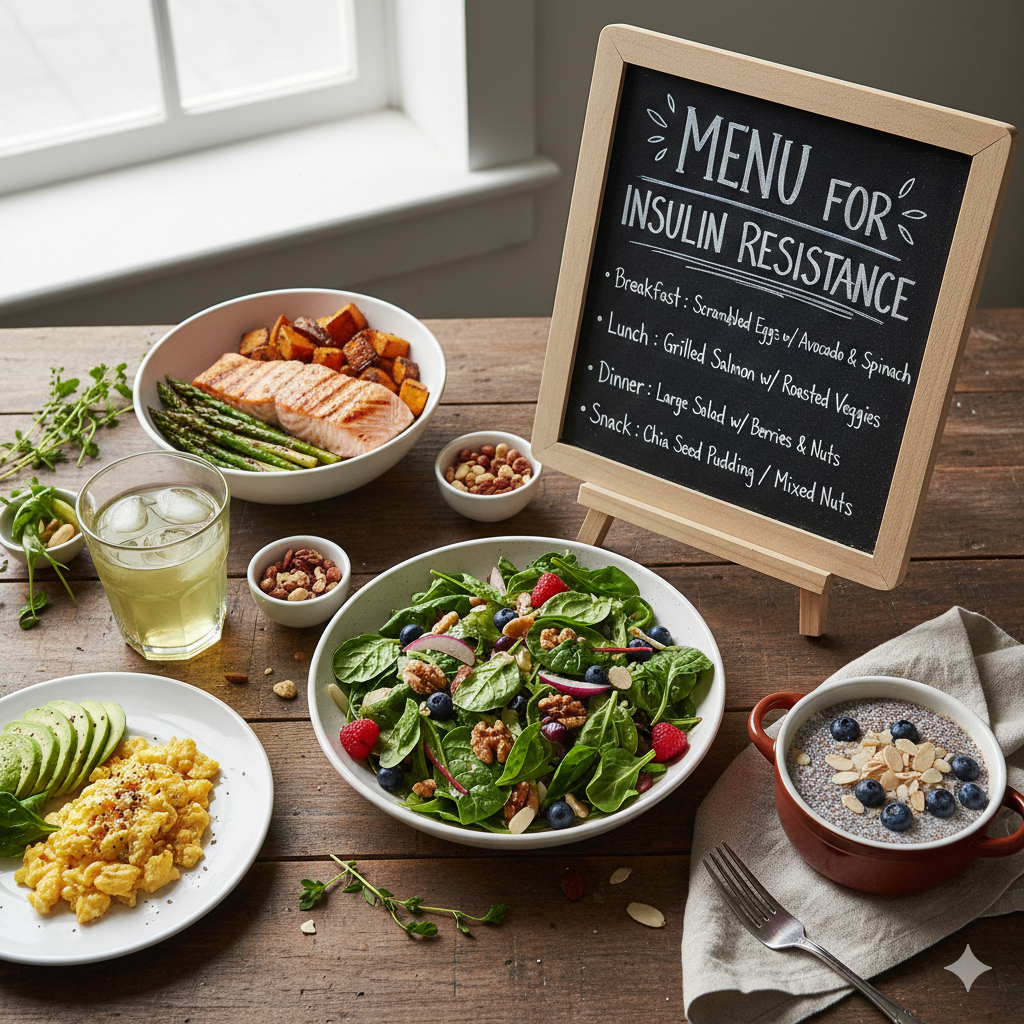
Unlock the power of food to resensitize your cells, stabilize your energy, and prevent Type 2 diabetes. This is your comprehensive roadmap to metabolic healing.
Insulin resistance is often called the “silent epidemic.” You might not feel it happening, but internally, your body is struggling to process carbohydrates efficiently. Instead of fueling your cells, sugar remains in your bloodstream, forcing your pancreas to work overtime. Over time, this leads to weight gain, fatigue, and is the direct precursor to Type 2 diabetes.
But here is the good news: Insulin resistance is highly responsive to dietary changes. Unlike many chronic conditions, you can often reverse the trajectory simply by changing what is on your plate. A well-designed menu for insulin resistance does not mean starvation; it means eating nutrient-dense, satisfying foods that keep your insulin levels low and steady.
Whether you have recently been diagnosed with prediabetes or are simply looking to improve your metabolic health, this guide will provide the strategy, the food lists, and the meal plans you need to succeed.
Understanding Insulin Resistance: Signs, Causes & Diagnosis
Before diving into the menu itself, it helps to understand what is actually happening inside your body. Insulin is a hormone produced by the pancreas that acts like a key, unlocking your cells so glucose can move out of the bloodstream and into muscle, fat, and liver tissue where it can be used for energy. When cells become resistant, that key no longer fits the lock as well. The pancreas compensates by producing more and more insulin to force the glucose in, which is why many people with insulin resistance actually have normal blood sugar for years, even while insulin levels quietly climb behind the scenes.
Common Signs You May Notice
Insulin resistance rarely announces itself with a single dramatic symptom. Instead, it tends to show up as a cluster of subtle changes that are easy to dismiss individually:
- Persistent fatigue, especially a heavy, sleepy feeling after carbohydrate-rich meals.
- Increased hunger or sugar cravings shortly after eating.
- Difficulty losing weight despite consistent effort, particularly around the abdomen.
- Darkened patches of skin (acanthosis nigricans) around the neck, armpits, or groin.
- Brain fog or trouble concentrating in the afternoon.
- Frequent urination or increased thirst as blood sugar begins to climb.
If several of these sound familiar, it is worth discussing testing with your doctor rather than trying to self-diagnose from symptoms alone, since many of these signs overlap with other conditions.
What Causes Insulin Resistance?
Insulin resistance is rarely caused by a single factor. It typically develops from a combination of influences that build on one another over years:
- Excess visceral fat: Fat stored around the organs releases inflammatory signals that interfere with insulin’s ability to bind to cell receptors.
- Chronic high-sugar, high-refined-carb eating patterns: Repeated glucose spikes force the pancreas into overdrive, gradually dulling cellular sensitivity.
- Sedentary lifestyle: Muscle tissue is one of the biggest consumers of glucose. Inactive muscles need less fuel, so they downregulate their insulin receptors.
- Chronic stress and poor sleep: Elevated cortisol from stress and sleep deprivation directly raises blood sugar and blunts insulin signaling.
- Genetics and family history: A family history of Type 2 diabetes significantly raises your own baseline risk, regardless of diet.
- Hormonal conditions: Conditions like polycystic ovary syndrome (PCOS) are closely tied to insulin resistance in women.
How Is Insulin Resistance Diagnosed?
Your doctor may use several different tests to assess insulin resistance, and it is common to see more than one of the following ordered together:
| Test | What It Measures | General Reference Range |
|---|---|---|
| Fasting Glucose | Blood sugar after 8+ hours without food. | Under 100 mg/dL is typically considered normal. |
| Hemoglobin A1C | Average blood sugar over roughly 3 months. | Below 5.7% is typically considered normal. |
| Fasting Insulin | How much insulin the pancreas needs at rest. | Lower is generally better; your lab will provide its own reference range. |
| HOMA-IR | A calculated score combining fasting glucose and fasting insulin. | Your provider will interpret this score using their lab’s specific cutoffs. |
These numbers are best interpreted by a physician who has your full history, not compared casually against numbers found online. Reference ranges vary between labs, and the right next step always depends on the complete clinical picture.
A note on this guide: The information here is educational and intended to support conversations with your healthcare provider, not replace them. If you have been diagnosed with insulin resistance, prediabetes, or diabetes, please work with your doctor or a registered dietitian to tailor any menu to your individual labs and medications.
Can You Monitor Insulin Resistance at Home?
While a full diagnosis still requires lab work ordered by a physician, a few at-home habits can give you useful, real-time feedback between doctor visits. A continuous glucose monitor or a standard fingerstick glucometer, used with your doctor’s guidance, can show you how specific meals affect your blood sugar in real time, which is one of the fastest ways to learn which foods in your own personal rotation cause the biggest spikes.
Simpler, no-equipment approaches include tracking a weekly waist circumference measurement, noting your energy levels an hour after meals, and keeping a brief food and symptom journal. None of these replace lab testing, but together they can help you notice patterns and stay motivated between the periodic blood tests that give the fullest picture of your progress.
The Strategy: How to Eat for Insulin Sensitivity
To fix insulin resistance, we must stop flooding the body with glucose spikes. When you eat high-sugar or refined carbohydrate foods, your insulin spikes. If this happens constantly, your cells become “numb” to insulin’s signal.
Our nutritional strategy rests on three pillars:
1. The Glycemic Load Factor
We prioritize foods that digest slowly. This prevents the rapid sugar dump into the bloodstream. A low sugar diabetic weekly menu is often the best starting point, focusing on complex carbohydrates like legumes and whole grains rather than white bread or pasta.
2. Protein Anchoring
Never eat a carbohydrate “naked.” Always pair carbs with protein or healthy fat. Protein slows gastric emptying, blunting the glucose spike. Integrating a high protein diabetic menu ensures that every meal works to stabilize your blood sugar.
3. Fiber Volume
Fiber is your metabolic best friend. It acts as a physical barrier in the intestines, slowing absorption. We strongly recommend following principles from a high fiber diabetic meal plan, aiming for at least 30g of fiber daily.
The “Green Light” Food List
Navigating the grocery store requires a clear map. Use this table to build your shopping list.
| Category | Green Light (Eat Freely/Moderately) | Red Light (Avoid/Limit) |
|---|---|---|
| Proteins | Salmon, Chicken breast, Tofu, Eggs, Greek Yogurt, Lentils. | Processed deli meats, Sausages, Sweetened yogurts, Breaded fried meats. |
| Fats | Avocado, Olive oil, Walnuts, Chia seeds, Flaxseeds. | Trans fats, Margarine, Soybean oil (excess), Fried fast food. |
| Carbohydrates | Quinoa, Barley, Sweet potato, Berries, Steel-cut oats. | White bread, Instant rice, Fruit juices, Pastries, Soda. |
| Vegetables | Spinach, Kale, Broccoli, Cauliflower, Zucchini, Peppers. | Corn (in excess), Canned veggies with added sugar. |
If you are also managing cardiovascular issues, ensure your fat choices align with a heart-healthy diabetic menu, prioritizing monounsaturated fats over saturated ones.

The Insulin Resistance Diet Plan & Cookbook
Need more recipe inspiration? This guide offers a 4-week meal plan specifically designed to help you manage weight and stop prediabetes.
Check Price on AmazonHerbs, Spices & Beverages That Support Insulin Sensitivity
Beyond the main food groups, several everyday flavorings and drinks have earned a reputation in nutrition research for gently supporting healthy blood sugar responses. None of these replace a balanced menu, but they are an easy, low-effort addition to meals you are already eating.
Cinnamon
Ceylon and cassia cinnamon are frequently discussed for their potential to slow carbohydrate breakdown in the gut and support insulin signaling. Sprinkling cinnamon into oatmeal, coffee, or a smoothie is a simple habit that adds flavor without any added sugar.
Turmeric & Black Pepper
Curcumin, the active compound in turmeric, is often paired with black pepper because piperine (found in pepper) may improve its absorption. Both spices show up frequently in anti-inflammatory eating patterns, and inflammation is closely tied to insulin resistance.
Apple Cider Vinegar
A small amount of diluted apple cider vinegar taken before a carbohydrate-containing meal is a popular strategy for blunting post-meal glucose spikes. If you try this, dilute it well and consider it a minor addition to your overall low sugar diabetic weekly menu rather than a stand-alone fix.
Green Tea & Unsweetened Coffee
Both green tea and black coffee, taken without added sugar or syrup, are generally considered neutral-to-positive for metabolic health. Green tea in particular contains catechins that have been studied for their role in glucose metabolism.
Fenugreek
Fenugreek seeds are high in soluble fiber and have a long history of traditional use for blood sugar support. They can be soaked overnight and added to curries, stews, or teas.
Beverages to Limit
On the other side of the ledger, be mindful of flavored coffee drinks loaded with syrup, bottled teas with added sugar, sports drinks, and any beverage where sugar appears in the first three ingredients. Liquid calories bypass much of the satiety signaling that solid food provides, making it easy to consume a large glucose load without feeling full.
Insulin Resistance Myths vs. Facts
Misinformation spreads quickly around blood sugar and diabetes, often because partial truths get simplified into blanket rules. Here are some of the most common myths worth clearing up.
Myth: “Carbs are the enemy and should be eliminated.”
Fact: The type, amount, and pairing of carbohydrates matter far more than eliminating them entirely. Fiber-rich, slow-digesting carbohydrates like legumes and whole grains, eaten alongside protein and fat, can absolutely fit into a menu for insulin resistance.
Myth: “Only overweight people get insulin resistance.”
Fact: Insulin resistance can affect people at any body size, including those who appear lean, particularly if they carry excess visceral fat around the organs that is not visible from the outside. This is sometimes referred to as being “metabolically obese, normal weight.”
Myth: “Fruit is off-limits.”
Fact: Whole fruit, especially lower-glycemic options like berries and apples, comes packaged with fiber that slows sugar absorption. Fruit juice, which strips out that fiber, is a very different story.
Myth: “If my fasting glucose is normal, I don’t have insulin resistance.”
Fact: Insulin resistance often develops years before fasting glucose becomes abnormal, because the pancreas compensates by producing more insulin. Fasting insulin and HOMA-IR can reveal the problem earlier than glucose alone.
Myth: “Diet soda and artificial sweeteners are risk-free.”
Fact: While artificial sweeteners do not raise blood glucose directly the way sugar does, some research suggests they may still influence appetite, cravings, and gut bacteria in ways that are not yet fully understood. Water, unsweetened tea, and black coffee remain the most reliably neutral options.
Gut Health & the Microbiome Connection
Emerging research continues to highlight the gut microbiome, the trillions of bacteria living in your digestive tract, as an important player in metabolic health. A diverse, fiber-fed microbiome appears to support better blood sugar control, while a less diverse one is more commonly seen alongside insulin resistance.
Feeding Your Gut Bacteria
Fiber from vegetables, legumes, and whole grains is fermented by gut bacteria into short-chain fatty acids, some of which appear to improve insulin sensitivity and reduce inflammation. This is one more reason the fiber-forward approach in this guide does double duty for both blood sugar and digestive health.
Fermented Foods
Unsweetened yogurt, kefir, sauerkraut, kimchi, and other fermented foods introduce beneficial bacteria directly. Adding a small serving of a fermented food most days is a simple, low-effort way to support microbiome diversity alongside the rest of your menu.
Diversity Over Perfection
Rather than chasing a single “superfood,” aim for variety. Eating a wide range of different plants each week, rather than the same few vegetables on repeat, appears to be one of the strongest predictors of a diverse, well-functioning microbiome.
7-Day Menu for Insulin Resistance
This meal plan is designed to provide balanced nutrition without the glucose spikes. It approximates a 1500 calorie diabetic menu, but portion sizes can be adjusted up or down based on your activity level.
Day 1: The Metabolic Reset
- Breakfast: Scrambled eggs with spinach and mushrooms (cooked in olive oil).
- Lunch: Grilled chicken salad with mixed greens, avocado, and vinegar dressing.
- Dinner: Baked salmon with asparagus and 1/2 cup of quinoa.
- Snack: A handful of almonds.
Need a quick start? Check out our 1-day simple diabetic menu for an easy entry point.
Day 2: Low Carb Focus
- Breakfast: Chia seed pudding made with unsweetened almond milk and raspberries.
- Lunch: Zucchini noodles (zoodles) with pesto and grilled shrimp.
- Dinner: Beef stir-fry with broccoli, snap peas, and ginger (no sugary sauces).
- Snack: Celery sticks with hummus.
For a deeper dive into restricting carbs, see our low carb weekly diabetic menu.
Day 3: High Fiber & Plant-Based
- Breakfast: Steel-cut oatmeal topped with flaxseeds and walnuts.
- Lunch: Lentil soup (homemade or low sodium) with a side salad.
- Dinner: Tofu scramble with turmeric, onions, and peppers served over cauliflower rice.
- Snack: An apple with peanut butter.
Day 4: The Working Adult Special
- Breakfast: Greek yogurt (plain) with low-sugar granola.
- Lunch: Turkey wrap using a high-fiber, low-carb tortilla with lettuce and tomato.
- Dinner: Sheet pan chicken thighs with roasted Brussels sprouts and sweet potatoes.
- Snack: Hard-boiled egg.
Busy schedule? Our diabetic menu for working adults is perfect for meal prep lovers.
Day 5: Budget-Friendly Friday
- Breakfast: Veggie omelet (use frozen spinach and peppers to save cost).
- Lunch: Canned tuna salad (light mayo) served in lettuce cups.
- Dinner: Bean chili (kidney and black beans) with a side of green beans.
- Snack: String cheese.
Eating healthy doesn’t have to be expensive. See our low income diabetic menu for money-saving tips.
Day 6: Nutrient Density
- Breakfast: Smoothie with protein powder, spinach, half a banana, and almond butter.
- Lunch: Leftover bean chili from Day 5.
- Dinner: Grilled white fish (Cod or Tilapia) with sautéed kale and garlic.
- Snack: Pumpkin seeds.
Day 7: Preparation for the Week
- Breakfast: Poached eggs on a bed of sautéed greens and one slice of sprouted grain toast.
- Lunch: Quinoa bowl with chickpeas, cucumber, cherry tomatoes, and feta cheese.
- Dinner: Roasted turkey breast with roasted carrots and parsnips.
- Snack: Berries with a dollop of whipped cream (unsweetened).
If you prefer a longer commitment, you might want to explore our 14-day diabetic meal plan or even the full 30-day diabetic menu.

Precision Digital Kitchen Scale
Portion control is key to managing insulin loads. Eliminate the guesswork with a highly accurate food scale.
Check Price on AmazonBonus: Extending Into Week Two (Days 8–14)
If the first week felt manageable, continuing into a second week helps cement these choices into lasting habits. These additional days introduce new combinations while staying within the same protein-anchored, fiber-forward framework, forming the basis of our full 14-day diabetic meal plan.
Day 8: Mediterranean-Inspired
- Breakfast: Greek yogurt with walnuts, cinnamon, and a few sliced figs.
- Lunch: Greek salad with grilled chicken, olives, cucumber, and feta, dressed in olive oil and lemon.
- Dinner: Baked cod with roasted eggplant and a small serving of farro.
- Snack: A handful of mixed olives and almonds.
Day 9: Mexican-Inspired
- Breakfast: Veggie egg scramble with black beans and a small corn tortilla.
- Lunch: Chicken fajita bowl with peppers, onions, cauliflower rice, and guacamole.
- Dinner: Fish tacos on lettuce wraps with cabbage slaw and lime crema.
- Snack: Jicama sticks with chili-lime seasoning.
Day 10: Asian-Inspired
- Breakfast: Savory oats with a soft-boiled egg and scallions.
- Lunch: Edamame and quinoa bowl with sesame-ginger dressing and shredded carrots.
- Dinner: Ginger-garlic tofu stir-fry with bok choy and snap peas.
- Snack: Seaweed snacks and a small handful of cashews.
Day 11: Comfort Food, Reworked
- Breakfast: Protein pancakes made with oats and cottage cheese, topped with berries.
- Lunch: Turkey chili with kidney beans and a side of steamed broccoli.
- Dinner: Cauliflower-crust pizza topped with vegetables and part-skim mozzarella.
- Snack: Cottage cheese with cucumber and black pepper.
Day 12: Batch-Cook Leftovers Day
- Breakfast: Chia pudding prepped from the night before.
- Lunch: Leftover turkey chili from Day 11.
- Dinner: Leftover stir-fry vegetables with fresh grilled shrimp added.
- Snack: Apple slices with almond butter.
Day 13: Seafood Focus
- Breakfast: Smoked salmon with cream cheese on a small slice of sprouted grain toast.
- Lunch: Shrimp and avocado salad with mixed greens and a citrus vinaigrette.
- Dinner: Grilled scallops with sautéed spinach and a small serving of wild rice.
- Snack: A boiled egg with everything-bagel seasoning.
Day 14: Reflection & Reset
- Breakfast: A repeat of your favorite breakfast from the past two weeks.
- Lunch: Quinoa bowl with whatever vegetables and protein need using up in the fridge.
- Dinner: Sheet pan chicken thighs with a fresh vegetable medley.
- Snack: Greek yogurt with berries.
By the end of two weeks, most people have a solid rotation of five or six go-to meals they genuinely enjoy, which is the real key to making any menu for insulin resistance last well beyond the initial two weeks.
Restaurant Guide by Cuisine
Different cuisines each have their own easy wins and hidden pitfalls. Here is a quick-reference guide for common restaurant types.
Italian
Choose grilled chicken or fish entrees with a side of vegetables instead of a large pasta bowl. If you want pasta, ask about a smaller portion or plan to eat half and take the rest home, and choose a tomato-based sauce over cream-based options.
Mexican
Fajitas without the tortillas, or with just one, are a great option. Skip the chips and queso starter in favor of guacamole with vegetable sticks, and choose black beans over refried beans when possible.
Asian (Chinese, Thai, Japanese)
Steamed or stir-fried dishes with a light sauce on the side travel much better than sweet-and-sour or heavily battered options. Sashimi and grilled skewers are excellent choices at Japanese restaurants, while a lettuce-wrap style dish works well at many Thai restaurants.
American / Diner
A burger without the bun, or with half the bun, paired with a side salad instead of fries, keeps the meal satisfying without the large refined-carb load. Grilled chicken sandwiches, deconstructed similarly, work well too.
Fast Food
Grilled chicken options, side salads, and simple burgers without extra sauces tend to be the least disruptive fast food choices. Skipping the soda for water or unsweetened tea alone removes a substantial amount of sugar from a fast food meal.
The Role of Exercise: Pairing Movement with Your Menu
Diet alone can move the needle on insulin sensitivity, but pairing your menu with movement multiplies the effect. Muscle is the largest storage site for glucose in the body, and the more metabolically active your muscle tissue is, the more efficiently it can absorb sugar from the bloodstream, insulin or no insulin.
The Post-Meal Walk
One of the simplest, most evidence-backed habits is a short walk after eating. Even 10 to 15 minutes of walking after a meal can meaningfully blunt the glucose spike that follows, because contracting muscles pull glucose out of the blood independent of insulin. If you only add one new habit from this guide, this is the one with the best return for the least effort.
Resistance Training
Strength training two to three times per week builds the muscle mass that acts as a glucose “sink.” Larger, more active muscles have a greater capacity to store glycogen, which directly improves how your body handles carbohydrates at the next meal.
Zone 2 Cardio
Lower-intensity, sustained cardio (the pace where you can still hold a conversation) is particularly effective at improving mitochondrial function in muscle cells, which is directly tied to how efficiently those cells use glucose for energy.
Consistency Over Intensity
You do not need to become an athlete to see metabolic benefits. Research consistently points to total weekly movement, rather than occasional intense sessions, as the stronger predictor of improved insulin sensitivity. Pair your weekly diabetic meal plan with a realistic movement plan you can sustain for years, not just weeks.
Meal Timing & Circadian Eating for Insulin Resistance
What you eat matters enormously, but a growing body of research suggests when you eat also plays a meaningful role in insulin sensitivity. Your body’s ability to handle carbohydrates naturally follows a daily rhythm, generally performing best earlier in the day and declining somewhat by evening.
Front-Load Your Carbohydrates
Many people find it easier to manage blood sugar by eating a larger share of their daily carbohydrates at breakfast or lunch, and keeping dinner lighter and more protein- and vegetable-forward. This lines up with the body’s natural circadian dip in insulin sensitivity that tends to occur in the evening.
Early Time-Restricted Eating
Some people experiment with compressing their eating window earlier in the day, for example eating between 8 AM and 6 PM and fasting overnight. This approach is often discussed alongside simple daily menu structures, since it naturally reduces late-night snacking on refined carbohydrates.
Avoid the Late-Night Snack Trap
Eating a carbohydrate-heavy snack right before bed combines two unfavorable factors: reduced insulin sensitivity in the evening and reduced activity to help clear the resulting glucose. If you need an evening snack, favor protein or fat-based options like a small handful of nuts or a hard-boiled egg over crackers or cereal.
Try this: For one week, shift your largest meal from dinner to lunch and note how your energy and cravings change in the evening. Many people notice fewer sugar cravings after dinner within just a few days.
Sleep, Stress & Cortisol: The Hidden Insulin Saboteurs
You can build a textbook-perfect menu and still struggle with insulin resistance if sleep and stress are left unaddressed. Both directly influence the hormone cortisol, which raises blood sugar and interferes with insulin signaling.
Why Sleep Deprivation Raises Blood Sugar
Even a single night of short or poor-quality sleep has been shown to measurably reduce insulin sensitivity the following day. Chronic sleep deprivation compounds this effect, and it also tends to increase appetite for high-sugar, high-carbohydrate foods the next day, creating a difficult cycle.
Practical Sleep Habits
- Aim for a consistent sleep and wake time, even on weekends.
- Keep the bedroom cool, dark, and free of screens in the final 30 minutes before bed.
- Avoid caffeine within 6 to 8 hours of bedtime, since caffeine sensitivity increases with insulin resistance.
Chronic Stress & Cortisol
Cortisol is designed to raise blood sugar quickly in a genuine emergency, but modern chronic stress, from work deadlines to financial pressure, keeps cortisol elevated for far longer than it was designed to be. This persistent elevation encourages the liver to release more glucose and makes cells less responsive to insulin.
Stress Management Tools That Support Your Menu
Simple, low-cost practices such as diaphragmatic breathing, short daily walks outdoors, journaling, or even five minutes of quiet before a meal can measurably lower stress hormones over time. Pairing stress management with your high fiber diabetic meal plan gives your body two supportive levers instead of one.
Popular Diets Compared: Mediterranean vs. Low-Carb vs. Keto
Several well-known eating patterns overlap significantly with the principles in this guide. Understanding the differences can help you choose the framework that best fits your preferences and lifestyle.
| Diet Style | Carbohydrate Approach | Best For |
|---|---|---|
| Mediterranean | Moderate carbs from whole grains, legumes, and fruit; emphasis on olive oil and fish. | Long-term sustainability, heart health, and flexibility. |
| Low-Carb | Reduced overall carbohydrate intake, focus on non-starchy vegetables and protein. | Faster improvements in blood sugar and appetite control. |
| Ketogenic | Very low carbohydrate (typically under 50g/day), high fat. | Those seeking rapid metabolic shifts under medical supervision. |
| This Guide’s Approach | Moderate, protein-anchored carbs from whole food sources with high fiber. | Balanced, flexible, and easier to maintain for most people long-term. |
There is no single “best” diet for every person with insulin resistance. The low carb weekly diabetic menu approach used throughout this guide sits comfortably in the middle of this spectrum, borrowing the glucose-stabilizing benefits of low-carb eating while keeping enough flexibility that most people can sustain it for years rather than weeks.
Cooking Methods That Lower Glycemic Impact
How you cook a food can change its effect on blood sugar almost as much as which food you choose. A few adjustments to your cooking routine add up over time.
Cook, Cool, and Reheat Starches
When starchy foods like potatoes, rice, or pasta are cooked and then cooled, some of their starch converts into “resistant starch,” which digests more slowly and has a smaller impact on blood sugar, even after reheating. Cooking a batch of rice or potatoes a day ahead and reheating it is a simple, science-backed trick.
Favor Steaming, Roasting, and Grilling
These methods avoid the heavy oils and breading associated with frying, and they preserve more of a vegetable’s natural fiber structure compared to methods that break food down into a very soft, quickly-digested texture.
Al Dente Over Overcooked
Pasta and grains cooked al dente (with a slight bite remaining) have a lower glycemic impact than the same food cooked until very soft, because the intact structure takes longer to break down during digestion.
Add Acid
A splash of lemon juice or vinegar in a dish, whether in a dressing or a marinade, can modestly slow the rate at which carbohydrates are digested, in the same way apple cider vinegar is sometimes used before meals.
Batch Roast Vegetables
Roasting a large tray of mixed vegetables (broccoli, peppers, zucchini, cauliflower) with olive oil once or twice a week gives you a ready-made side for several meals, removing the friction that often leads to skipping vegetables on busy nights.
50 Snack Ideas for Insulin Resistance
Having a long list of go-to snacks removes decision fatigue in the moment hunger strikes. Each of these pairs protein or fat with minimal refined carbohydrate.
Protein-Forward Snacks
- Hard-boiled eggs
- String cheese
- Plain Greek yogurt with cinnamon
- Cottage cheese with cucumber slices
- Turkey roll-ups with mustard
- Beef or turkey jerky (low sugar variety)
- Edamame with sea salt
- Tuna salad in lettuce cups
- Smoked salmon on cucumber rounds
- A small protein shake with unsweetened almond milk
Vegetable-Based Snacks
- Celery with almond butter
- Carrot sticks with hummus
- Cherry tomatoes with fresh mozzarella
- Cucumber slices with tzatziki
- Roasted chickpeas with paprika
- Bell pepper strips with guacamole
- Zucchini chips (baked, not fried)
- Mixed olives
- Steamed edamame pods
- Snap peas with a light tahini dip
Nuts, Seeds & Fats
- A small handful of almonds or walnuts
- Pumpkin seeds
- Sunflower seeds
- A quarter of an avocado with sea salt
- Macadamia nuts
- Chia seed pudding (unsweetened base)
- Pistachios in the shell (slows down mindless eating)
- Coconut chips (unsweetened)
- Flaxseed crackers
- Trail mix made with nuts and unsweetened coconut, no candy
Fruit Pairings (Fruit + Protein/Fat)
- Apple slices with peanut butter
- Berries with plain Greek yogurt
- Pear slices with a small piece of cheese
- Half a banana with almond butter
- Orange segments with a handful of walnuts
- Frozen grapes with a small serving of cottage cheese
- Kiwi with a few macadamia nuts
- Cherries with dark chocolate (85%+ cacao, small portion)
- Peach slices with ricotta
- Berries blended into a small unsweetened smoothie with protein powder
On-the-Go Options
- Individually portioned nut butter packets with celery
- Pre-portioned nut and seed mixes
- Single-serve plain Greek yogurt cups
- String cheese and a small apple
- Roasted edamame snack packs
- Hard-boiled eggs prepped for the week
- Low-sugar protein bars (check labels carefully for hidden sugar)
- A small bag of raw almonds
- Beef jerky and a piece of fruit
- Cheese and whole-grain seed crackers in moderation
Three Insulin-Friendly Recipes in Detail
To make this menu even easier to put into practice, here are three complete recipes that embody the protein-anchoring, fiber-forward strategy covered throughout this guide.
Recipe 1: Sheet Pan Salmon with Roasted Vegetables
Ingredients: 4 salmon fillets, 2 cups broccoli florets, 1 sliced bell pepper, 1 sliced zucchini, 2 tbsp olive oil, 1 lemon, 2 cloves minced garlic, salt and pepper to taste.
Instructions: Preheat the oven to 400°F (200°C). Toss the vegetables with half the olive oil, garlic, salt, and pepper, and spread them on a sheet pan. Roast for 10 minutes. Push the vegetables to one side, add the salmon fillets brushed with the remaining olive oil and a squeeze of lemon, and roast for another 12 to 15 minutes until the salmon flakes easily. Serve with an optional 1/2 cup of cooked quinoa.
Recipe 2: Lentil & Vegetable Soup
Ingredients: 1 cup dried green or brown lentils, 1 diced onion, 2 diced carrots, 2 diced celery stalks, 2 cloves minced garlic, 1 can diced tomatoes, 6 cups low-sodium vegetable or chicken broth, 1 tsp cumin, 1 tsp turmeric, salt and pepper to taste.
Instructions: Sauté the onion, carrots, celery, and garlic in a large pot with a small amount of olive oil until softened, about 5 minutes. Add the lentils, tomatoes, broth, cumin, and turmeric. Bring to a boil, then reduce to a simmer and cook for 25 to 30 minutes, until the lentils are tender. Season to taste and serve with a side salad.
Recipe 3: Greek Yogurt Chia Pudding with Berries
Ingredients: 1 cup plain Greek yogurt, 2 tbsp chia seeds, 1/2 cup unsweetened almond milk, 1/2 tsp cinnamon, 1/2 cup mixed berries, a few chopped walnuts.
Instructions: Whisk together the Greek yogurt, chia seeds, almond milk, and cinnamon in a bowl or jar. Cover and refrigerate for at least 2 hours, or overnight, until the chia seeds have thickened the mixture. Top with mixed berries and chopped walnuts before serving.
Glossary: Key Terms Explained
| Term | What It Means |
|---|---|
| Glycemic Index (GI) | A ranking of how quickly a specific food raises blood sugar compared to pure glucose. |
| Glycemic Load (GL) | A more practical measure that factors in both the glycemic index and the portion size actually eaten. |
| Insulin Sensitivity | How effectively the body’s cells respond to insulin’s signal to absorb glucose from the blood. |
| HOMA-IR | A calculated score using fasting glucose and fasting insulin to estimate insulin resistance. |
| Visceral Fat | Fat stored around internal organs, more metabolically active and harmful than fat stored under the skin. |
| Resistant Starch | Starch that resists digestion in the small intestine, resulting in a smaller blood sugar impact. |
Budget Breakdown: What a Month of Eating This Way Costs
Eating for insulin resistance does not have to be expensive. Whole foods like eggs, canned beans, frozen vegetables, and oats are among the most affordable items in the grocery store, and they form the backbone of this entire menu.
A helpful approach is to build each week’s menu around one or two proteins on sale, a couple of versatile whole grains bought in bulk (oats, quinoa, barley), and frozen vegetables, which are typically flash-frozen at peak ripeness and are just as nutritious as fresh. Rotating between a small number of well-loved recipes, rather than buying a wide variety of specialty ingredients each week, keeps both cost and decision fatigue low. For a deeper breakdown of stretching a limited grocery budget, see our low income diabetic menu.
Tailoring the Menu to Your Unique Needs
One size does not fit all. Here is how to adapt this menu for specific life stages and conditions:
For Seniors
Metabolism slows with age, and appetite may decrease. However, protein needs remain high to preserve muscle mass. Seniors should look at our diabetic menu for seniors or the calorie-specific 1200 calorie diabetic menu for seniors. If dental issues are a concern, soft nutrient-dense foods are vital—see the diabetic menu for elderly with no teeth.
For Pregnant Women
Gestational diabetes or insulin resistance during pregnancy requires careful management to ensure the baby gets enough nutrients while keeping blood sugar safe. Please consult our specialized diabetic menu for pregnant women.
Managing Comorbidities
Insulin resistance often comes with high blood pressure or cholesterol.
• For blood pressure concerns, use our diabetic menu for high blood pressure which focuses on low sodium.
• For lipid issues, the diabetic menu for high cholesterol prioritizes soluble fiber and heart-healthy fats.
• If kidney health is a concern, a renal diabetic meal plan is essential to manage potassium and phosphorus.
Caloric Adjustments
Depending on your size and activity level, you may need more or less energy.
• 1200 Calorie Menu (Weight loss focus)
• 1800 Calorie Menu (Moderate activity)
• 2000 Calorie Menu (Active individuals)
Insulin Resistance & PCOS: A Specialized Approach
Polycystic ovary syndrome (PCOS) affects a significant share of women of reproductive age, and insulin resistance sits at the center of the condition for many who have it. Elevated insulin levels can worsen PCOS symptoms by encouraging the ovaries to produce more androgens, which in turn can worsen irregular cycles, acne, and unwanted hair growth.
For women with PCOS, the same core principles in this guide apply, with a few additional emphases:
- Extra attention to fiber: Aim toward the higher end of fiber recommendations to help slow carbohydrate absorption further.
- Consistent meal timing: Irregular eating patterns can worsen the insulin swings already at play with PCOS.
- Strength training: Building muscle mass is particularly valuable, since muscle tissue improves glucose disposal independent of ovarian hormone fluctuations.
- Anti-inflammatory foods: Fatty fish, olive oil, and colorful vegetables can help address the low-grade inflammation often seen alongside PCOS-related insulin resistance.
Because PCOS involves hormonal factors beyond diet alone, working with an endocrinologist or a reproductive health specialist alongside your nutrition plan tends to produce the best outcomes.
Insulin Resistance in Men vs. Women
While the fundamental dietary strategy for insulin resistance does not change dramatically between men and women, there are some physiological differences worth understanding.
Fat Distribution
Men tend to store more visceral fat around the abdomen even at lower overall body weights, which is a major driver of insulin resistance. Women often store more subcutaneous fat, which is metabolically less harmful, until menopause shifts fat storage patterns toward a more male-like abdominal pattern.
Hormonal Transitions
For women, both PCOS earlier in life and the hormonal shifts of perimenopause and menopause later in life can independently worsen insulin sensitivity, sometimes requiring more deliberate attention to strength training and fiber intake during these windows.
Muscle Mass
Men generally carry more muscle mass, which provides a larger reservoir for glucose storage. This is one reason resistance training is often emphasized even more strongly for women working to improve insulin sensitivity, since building comparable muscle mass provides an outsized metabolic benefit.
Menopause & Insulin Sensitivity
The drop in estrogen during perimenopause and menopause is associated with a shift toward more abdominal fat storage and, for many women, a measurable decline in insulin sensitivity around the same time. This is one reason some women notice new blood sugar or weight challenges in their 40s and 50s even without major changes to their diet. Leaning more heavily into resistance training and protein intake during this transition, alongside the strategies in this guide, can help offset some of this shift.
Insulin Resistance vs. Prediabetes vs. Type 2 Diabetes vs. Metabolic Syndrome
These four terms are related but distinct, and it is common to see them used inconsistently, which adds to the confusion.
| Condition | What It Describes |
|---|---|
| Insulin Resistance | Cells respond poorly to insulin; the pancreas compensates with higher output. Blood sugar may still be normal at this stage. |
| Prediabetes | Blood sugar is higher than normal but not yet high enough to be classified as diabetes; usually a downstream sign of insulin resistance. |
| Type 2 Diabetes | Blood sugar has risen to a diagnostic threshold, typically after years of unaddressed insulin resistance. |
| Metabolic Syndrome | A cluster of conditions (elevated waist circumference, blood pressure, triglycerides, blood sugar, and low HDL cholesterol) that commonly occur together with insulin resistance at the center. |
Understanding where you fall on this spectrum, with the help of your doctor’s lab work, helps clarify how urgently changes are needed and which specific menu, such as the menu for prediabetes, is the right starting point for you.
Vegetarian & Vegan Menus for Insulin Resistance
Plant-based eating and insulin resistance management are highly compatible, provided the menu is planned carefully to avoid over-reliance on refined starches.
Protein Sources Without Meat
- Lentils, chickpeas, and black beans (also excellent fiber sources).
- Tofu, tempeh, and edamame.
- Greek-style plant yogurts with no added sugar (check labels carefully).
- Seitan for those without gluten sensitivities.
- Hemp seeds and pumpkin seeds sprinkled over meals.
Sample Vegan Day
- Breakfast: Tofu scramble with turmeric, spinach, and nutritional yeast.
- Lunch: Chickpea and quinoa salad with olive oil, lemon, and cucumber.
- Dinner: Lentil and vegetable curry with cauliflower rice.
- Snack: Roasted chickpeas or a small handful of walnuts.
The main pitfall for plant-based eaters is leaning too heavily on refined grains, like white rice or bread, to replace the volume that meat once provided. Prioritizing legumes over grains as the primary carbohydrate source keeps fiber high and glycemic impact lower, in keeping with the principles of a high fiber diabetic meal plan.
Insulin Resistance in Children & Teens
Insulin resistance is no longer only an adult concern. Rising rates of childhood obesity have brought earlier onset of insulin resistance, and in some cases prediabetes, to younger age groups than in previous generations.
For families navigating this with a child or teenager, the approach should look noticeably different from an adult plan:
- Never frame it as a “diet”: Growing bodies need adequate calories, and restrictive language can contribute to disordered eating patterns later in life.
- Focus on family-wide changes: Swapping sugary drinks for water at home and increasing vegetable variety benefits everyone at the table, not just the child in question.
- Prioritize movement, not gym punishment: Sports, active play, and family walks build the habit of movement without framing exercise as a consequence.
- Involve a pediatrician: Any dietary changes for a child with insulin resistance should be guided by a pediatrician or pediatric dietitian familiar with the child’s growth trajectory.
Alcohol, Coffee & Insulin Sensitivity
Alcohol
Alcohol is metabolized by the liver before almost anything else, which means the liver temporarily deprioritizes its usual job of regulating blood sugar while it processes alcohol. This can cause unpredictable blood sugar swings, especially when alcohol is combined with sugary mixers. Dry wine and spirits mixed with soda water tend to have a smaller impact than beer or sweetened cocktails, but moderation remains the safest approach for anyone managing insulin resistance.
Coffee
Black coffee, in moderate amounts, is generally considered neutral or mildly beneficial for metabolic health for most people. The concern is almost always what gets added to it: flavored syrups, sweetened creamers, and whipped toppings can turn a metabolically neutral drink into a significant sugar source. If you enjoy your coffee sweet, consider a gradual reduction in added sugar rather than an abrupt switch, which tends to be more sustainable.
Supplements Often Discussed for Insulin Resistance
A number of supplements come up frequently in conversations about insulin resistance. This section is purely educational; supplements are not a substitute for the dietary foundation covered in this guide, and none should be started without discussing them with your doctor, particularly if you take other medications.
- Berberine: A plant compound studied for its effects on glucose metabolism, sometimes discussed alongside metformin due to overlapping mechanisms.
- Magnesium: Many people with insulin resistance have suboptimal magnesium levels, and magnesium plays a direct role in insulin receptor function.
- Chromium: Studied for a potential role in enhancing insulin action, though research results have been mixed.
- Inositol: Frequently discussed in the context of PCOS-related insulin resistance specifically.
- Omega-3 fatty acids: Associated with reduced inflammation, which is one of the underlying drivers of insulin resistance.
Important: Supplement quality, dosing, and interactions vary widely, and what works for one person may not be appropriate for another. Always loop in your physician or pharmacist before adding a new supplement, especially if you are managing diabetes with medication.
Dining Out & Social Situations: A Survival Guide
Social eating does not have to derail your progress. A few simple strategies make restaurants and gatherings much easier to navigate.
Before You Go
Take a look at the menu online beforehand if possible, and consider having a small protein-rich snack before you leave so you are not arriving famished, which makes overordering far more likely.
At the Table
- Order protein and vegetables first, mentally, before deciding on a starch or bread basket.
- Ask for sauces and dressings on the side so you control the amount.
- Choose grilled, baked, or roasted preparations over fried when possible.
- Share a dessert rather than skipping the social moment entirely, or opt for a coffee instead.
Holidays & Gatherings
Rather than trying to overhaul an entire holiday spread, focus on filling half your plate with vegetables and protein first, then allow yourself a modest portion of the special dishes you look forward to all year. A post-meal walk with family, as discussed earlier, is an easy way to soften the impact of a larger meal.
Meal Prep & Grocery List Strategy
The single biggest predictor of long-term success with any menu for insulin resistance is having the right foods available when hunger strikes. A little planning on the weekend prevents a lot of impulsive decisions during a busy week.
A Simple Weekly Rhythm
- Sunday: Batch-cook a protein (grilled chicken or baked salmon), a whole grain (quinoa or barley), and roast a large tray of vegetables.
- Wednesday: A quick mid-week refresh, chopping fresh vegetables and hard-boiling a new batch of eggs.
- Daily: Assemble meals from prepped components rather than cooking from scratch every night.
A Sample Core Grocery List
Eggs, Greek yogurt, mixed leafy greens, broccoli, bell peppers, salmon or another fatty fish, chicken breast, canned beans and lentils, quinoa or barley, avocados, olive oil, nuts and seeds, berries, and unsweetened almond milk form a reliable weekly foundation that supports nearly every meal in this guide’s 1-day simple diabetic menu or the full 14-day diabetic meal plan.
Common Mistakes That Sabotage Progress
- Replacing sugar with “diet” or artificially sweetened processed foods: These can maintain sugar cravings and do not address the root eating pattern.
- Cutting calories too aggressively: Severe restriction often backfires, increasing stress hormones and eventually triggering rebound overeating.
- Ignoring portion sizes on “healthy” foods: Nuts, olive oil, and even whole grains are calorie-dense, and portion awareness still matters.
- Skipping meals to “save up” calories: This often leads to larger blood sugar swings later in the day and increased hunger-driven poor choices.
- All-or-nothing thinking: One indulgent meal does not undo weeks of progress; the pattern over months is what matters most.
- Neglecting sleep and stress: As covered earlier, no menu can fully compensate for chronic sleep deprivation or unmanaged stress.
Tracking Your Progress: Key Metrics to Watch
Beyond the scale, several markers give a fuller picture of whether your menu for insulin resistance is working.
- Waist circumference: Often a better early indicator of visceral fat change than total body weight.
- Energy levels: Reduced post-meal fatigue is frequently one of the first improvements people notice.
- Sleep quality: Improved blood sugar stability often translates into fewer nighttime awakenings.
- Cravings: A reduction in urgent sugar cravings, particularly in the afternoon and evening, is a meaningful sign of improving insulin sensitivity.
- Lab markers: Fasting glucose, A1C, and fasting insulin, tracked periodically with your doctor, remain the gold standard for objectively measuring change.
Progress with insulin resistance is rarely linear. Focus on the direction of the trend over months, not day-to-day fluctuations.
More Menus & Guides Worth Exploring
This guide is part of a larger library designed to help with every stage and circumstance of managing blood sugar through food. Here are more resources to explore next:
- Menu for Prediabetes
- Low Sugar Diabetic Weekly Menu
- High Protein Diabetic Menu
- High Fiber Diabetic Meal Plan
- Heart-Healthy Diabetic Menu
- Low Carb Weekly Diabetic Menu
- Diabetic Menu for Working Adults
- Low Income Diabetic Menu
- Diabetic Menu for Seniors
- Diabetic Menu for Pregnant Women
- Renal Diabetic Meal Plan
- Weekly Diabetic Meal Plan
Traveling & Insulin Resistance: Staying on Track
Travel disrupts routine in ways that can make blood sugar management feel harder, but a bit of preparation keeps you largely on track wherever you go.
Before You Leave
- Pack a few travel-friendly snacks like nuts, jerky, or a protein bar with minimal added sugar, so airport and gas station options are not your only choice when hunger hits.
- Research one or two restaurant options near your destination in advance to reduce decision fatigue after a long travel day.
At the Airport & On the Road
Airport food courts and gas stations are dominated by refined carbohydrates, but most now carry at least one reasonable option: a hard-boiled egg pack, a cheese and nut tray, or a simple grilled protein. Scanning the healthier end of the menu before committing to the first thing you see makes a real difference.
Hotel Rooms & Breakfast Buffets
Hotel breakfast buffets often make it easy to build a protein-forward plate: eggs, plain yogurt, and fruit are almost always available alongside the pastries and cereal. If your room has a small refrigerator, stocking it with Greek yogurt, cheese, and pre-cut vegetables from a local grocery store on the first day sets you up for the rest of the trip.
Staying Active While Away
Even without a gym, a brisk 20 to 30 minute walk exploring a new city doubles as both movement and a low-key way to see the sights, echoing the same post-meal walking habit discussed earlier in this guide.
Give Yourself Grace
One or two less-than-ideal meals during a trip will not undo weeks or months of progress. Returning to your normal weekly diabetic meal plan as soon as you are home is far more important than achieving perfection while traveling.
Insulin Resistance & Related Health Conditions
Insulin resistance rarely exists in isolation. It frequently overlaps with, and worsens, several other common health conditions, which is one more reason addressing it through diet has such wide-reaching benefits.
Non-Alcoholic Fatty Liver Disease (NAFLD)
Excess glucose that cannot be properly used by insulin-resistant cells is often converted to fat and stored in the liver. NAFLD and insulin resistance frequently occur together, and improving insulin sensitivity through diet is one of the most effective ways to reduce liver fat.
Sleep Apnea
Sleep apnea and insulin resistance appear to influence each other in both directions: poor sleep quality from apnea worsens insulin sensitivity, while the excess weight often associated with insulin resistance can worsen apnea symptoms. Addressing one frequently helps improve the other, and both are worth discussing with your doctor.
Hypothyroidism
An underactive thyroid slows metabolism generally, which can make weight management and blood sugar control more difficult even with a well-designed menu. If you have unexplained fatigue, weight changes, or cold intolerance alongside signs of insulin resistance, ask your doctor about thyroid testing as well.
Cardiovascular Disease
Insulin resistance is closely tied to unfavorable cholesterol patterns and higher blood pressure, both of which raise cardiovascular risk. This is exactly why the principles in this guide overlap so heavily with a heart-healthy diabetic menu, since the dietary interventions that help one condition tend to help the other.
Frequently Asked Questions
Yes, but choose wisely. Stick to low-glycemic fruits like berries (strawberries, blueberries, raspberries), cherries, apples, and pears. Always eat them whole (never juiced) and try to pair them with a protein or fat source, like having an apple with peanut butter, to blunt the insulin response.
While every body is different, many people report higher energy levels and better blood sugar readings within 2 to 4 weeks. Significant reversal of insulin resistance and weight loss usually takes 3 to 6 months of consistent adherence to a weekly diabetic meal plan.
Intermittent fasting (IF) can be a powerful tool. By restricting your eating window (e.g., eating only between 12 PM and 8 PM), you give your pancreas a rest, allowing insulin levels to drop and sensitivity to reset. However, ensure you don’t overeat during your eating window.
Liquid sugar is the enemy. Sodas, sweetened teas, energy drinks, and even “healthy” fruit juices hit the bloodstream almost instantly, causing massive insulin spikes. Refined grains like white bread and pastries are close seconds.
For many people, especially those in the prediabetes stage, insulin sensitivity can improve dramatically, and sometimes return to a normal range, with sustained diet and lifestyle changes. How complete the reversal is depends on how long the condition has been present, genetics, and consistency over time.
Yes. Just 10 to 15 minutes of walking after eating helps contracting muscles pull glucose out of the bloodstream independent of insulin, which can noticeably reduce the post-meal blood sugar spike. It is one of the simplest, highest-value habits covered in this guide.
Plain, unsweetened Greek yogurt is an excellent choice thanks to its high protein and comparatively low carbohydrate content. Just be sure to skip flavored varieties, which often carry a surprising amount of added sugar.
A 5 to 7 percent reduction in body weight is often cited as a meaningful threshold where measurable improvements in insulin sensitivity begin to appear, though many people notice energy and craving improvements even before hitting that number.
Chronic stress raises cortisol, which increases blood sugar and can reduce insulin sensitivity over time. It is rarely the sole cause on its own, but it is a significant contributing factor alongside diet and activity level, which is why sleep and stress management are covered throughout this guide.
Steel-cut or rolled oats, made without added sugar and paired with protein like nuts or Greek yogurt, are generally a solid choice. Instant, flavored oatmeal packets are the exception, since they often digest quickly and contain more added sugar than most people realize.
A protein-anchored breakfast, such as eggs, Greek yogurt, or a protein smoothie, paired with some fiber from vegetables or a modest portion of whole grains, tends to keep both blood sugar and hunger steadier through the morning than a carbohydrate-only breakfast like cereal or toast alone.
Yes, surprisingly so. Eating vegetables and protein before carbohydrates in the same meal has been shown to meaningfully reduce the resulting blood sugar spike compared to eating the same foods in the opposite order or all mixed together on the fork.
Staying well hydrated supports normal kidney function, which plays a role in blood sugar regulation. Just as importantly, water is the best replacement for sugary beverages, which remain one of the single largest contributors to poor blood sugar control for most people.
Quick-Reference Cheat Sheet
If you take nothing else away from this guide, keep these core rules close at hand. They summarize everything covered above into a short list you can return to at any meal.
- Anchor every meal with protein. Eggs, fish, poultry, tofu, or legumes should appear at breakfast, lunch, and dinner.
- Never eat a carbohydrate alone. Pair it with protein, fat, or fiber to slow the resulting blood sugar rise.
- Fill half your plate with non-starchy vegetables at lunch and dinner whenever possible.
- Walk for 10 to 15 minutes after meals when you can, especially after the largest meal of the day.
- Drink water first before reaching for a sweetened beverage of any kind.
- Protect your sleep as seriously as you protect your meals; both move the same hormonal levers.
- Cook once, eat several times. Batch cooking a protein, a grain, and a tray of vegetables each week removes the daily decision fatigue that derails most plans.
- Track trends, not single days. Energy, cravings, waist circumference, and periodic lab work over months tell the real story of progress.
- Loop in your healthcare provider for testing, medication questions, and any new supplement before making changes.
Print or save this list somewhere visible, whether that is the inside of a kitchen cabinet or the notes app on your phone, so the core principles of your menu for insulin resistance are always within reach when a decision needs to be made quickly.
Final Thoughts: Your Health is on the Menu
Reversing insulin resistance is not about a temporary diet; it is about adopting a lifestyle that honors your body’s biology. By following this menu for insulin resistance, you are taking a proactive stand against diabetes and reclaiming your energy.
Remember, consistency beats perfection. Start with a 3-day diabetic meal plan if a full week feels overwhelming. Every healthy meal is a signal to your body to heal.
Ready to take the next step?
Equip your kitchen with the best tools to make healthy cooking effortless.
Shop Essential Meal Prep Tools