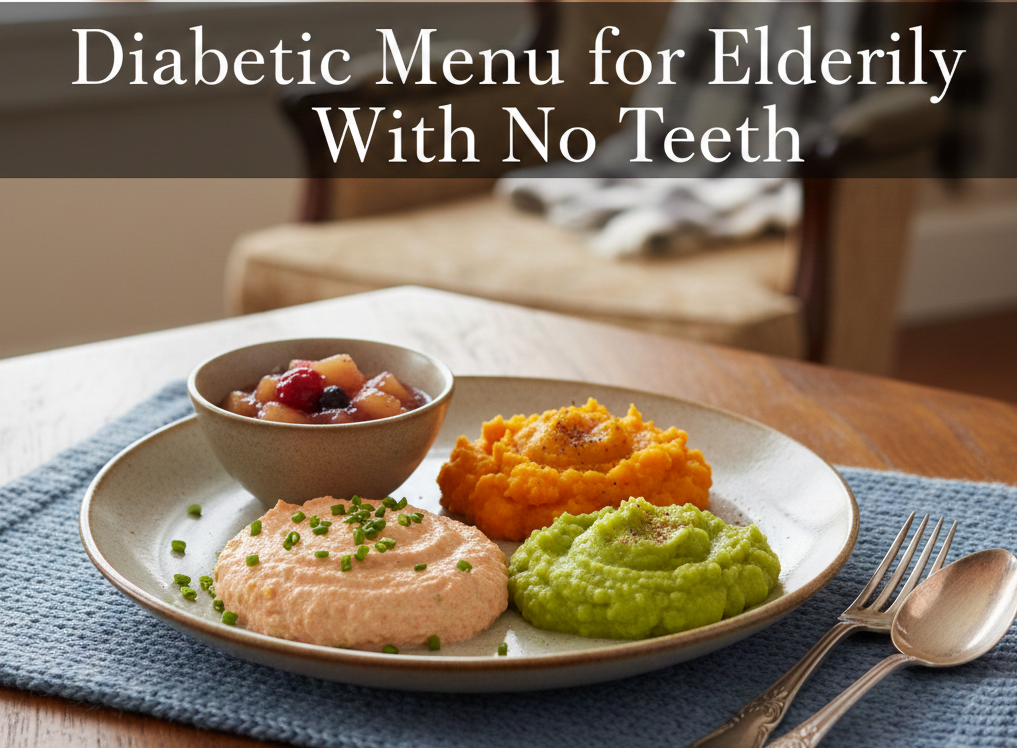
Diabetic Menu for Elderly With No Teeth: Nutrition, Dignity, and Flavor
Eating is one of life’s fundamental pleasures, but for the elderly who suffer from tooth loss (edentulism) or ill-fitting dentures, mealtime can become a source of anxiety and frustration. When you add diabetes management to the mix, the challenge doubles. The soft foods that are easiest to eat—mashed potatoes, puddings, apple sauce, and oatmeal—are often the very foods that send blood sugar soaring. This double bind requires careful planning, creativity, and a thorough understanding of both diabetic nutrition and texture modification.
This dangerous cycle, often called the “Tea and Toast” syndrome, pushes seniors toward soft, high‑carb convenience items, causing gradual malnutrition, accelerated muscle loss (sarcopenia), and unpredictable glucose levels. Yet with the right knowledge, caregivers and seniors can break free. A truly diabetic menu for elderly with no teeth must be vibrant, protein‑forward, and designed to maintain glycemic stability while being entirely chewable. It should restore joy, variety, and social connection around the table, not bland isolation.
Whether you are a family caregiver, a nurse, or a senior managing your own health, this comprehensive guide goes beyond generic advice. It combines medical nutrition therapy with practical, delicious meals that require little to no chewing. You’ll also find links to related resources like our general diabetic menu for seniors and the more structured 1200‑calorie version for those needing tighter portion control.
It’s also worth saying plainly: this situation is far more common than most families realize. Tooth loss among older adults is widespread, and it frequently overlaps with type 2 diabetes, since both conditions share risk factors like age, inflammation, and years of dietary habit. Whether the root cause is missing teeth, ill-fitting dentures that have never been refitted, painful gum disease, or simply weakened jaw muscles after a long illness, the practical problem at the dinner table looks the same: how do you deliver a satisfying, blood-sugar-friendly meal that needs no chewing at all? This guide answers that question meal by meal, ingredient by ingredient, so that neither nutrition nor dignity has to be sacrificed.
The “Soft & Stable” Nutritional Strategy
The core principle is to deliver foods that are mechanically soft (or pureed) while keeping the Glycemic Load low. We emphasize three pillars:
The 3 Pillars of Soft Diabetic Eating
- Prioritize Soft Proteins: Protein is paramount for seniors to prevent frailty, support immunity, and maintain muscle mass. We focus on eggs, fish (canned salmon, sardines mashed with bones for calcium), tofu, Greek yogurt, and finely minced poultry—never tough steaks or chops.
- Modify the Vegetable Texture, Not the Type: Don’t skip broccoli or kale simply because they are crunchy. Steam until tender, then blend into cream soups, or finely chop and cook into soft grain‑free porridges. The fiber content remains essential to blunt post‑meal glucose spikes.
- Healthy Fats for Satiety and Slower Digestion: Soft foods tend to leave the stomach faster, causing earlier hunger. Adding healthy fats like avocado, extra‑virgin olive oil, smooth nut butters, or full‑fat yogurt extends satiety and stabilizes blood glucose by delaying carbohydrate absorption.
Beyond these three pillars, it helps to think in terms of the nutrients that aging bodies tend to fall short on, especially once chewing becomes difficult and meal variety shrinks. A texture-modified, diabetes-aware menu should be built around five nutrients in particular: protein, calcium, vitamin B12, iron, and fiber. Each one plays a distinct role, and each has soft, low-glycemic food sources that fit easily into a no-chew kitchen.
Key Nutrients and Their Soft-Food Sources
- Protein — needed for wound healing, immune defense, and slowing the loss of lean muscle that comes with both aging and poor glycemic control. Soft sources: eggs, Greek yogurt, cottage cheese, silken tofu, flaked fish, finely shredded slow-cooked meat, and unflavored protein powder stirred into anything liquid or pureed.
- Calcium — supports bone strength, which matters greatly for fall prevention in seniors who may already have reduced mobility. Soft sources: dairy (milk, yogurt, soft cheeses, ricotta), canned salmon or sardines mashed with the soft bones included, and calcium-fortified plant milks blended into smoothies.
- Vitamin B12 — frequently low in older adults due to reduced stomach acid, and essential for nerve function and energy. Soft sources: eggs, dairy, flaky fish, and finely minced poultry or liver pâté for those who enjoy it.
- Iron — prevents fatigue-inducing anemia, which can be mistaken for “just getting old” when really it’s a nutrient gap. Soft sources: pureed lentils, well-cooked beans, finely minced dark meat poultry, and iron-fortified oatmeal, ideally paired with a vitamin-C source like citrus or tomato to improve absorption.
- Fiber — slows the rise of blood glucose after meals and supports digestive comfort, which becomes more important as activity levels decline. Soft sources: pureed lentils and beans, well-cooked oats, blended vegetables with skins removed, and chia or ground flax stirred into liquids.
Layering these nutrients into every meal, rather than treating them as separate goals, is what turns a merely “soft” menu into a genuinely protective one. A bowl of cream of broccoli soup, for instance, can deliver fiber from the broccoli, calcium and protein from a dairy base, and even a fortified iron boost if a spoonful of pureed white beans is blended in quietly. None of that requires a single bite of solid food.

The Essential Kitchen Tool: A High-Performance Blender
To transform fibrous vegetables into velvety, smooth purées while retaining all their nutrients, a quality blender is indispensable. It’s the difference between thin, watery baby food and rich, savory adult meals.
Check Price on AmazonTexture Modification: Beyond “Baby Food”
A major psychological barrier is the perception of pureed food as unappetizing. We emphasize maintaining the “adult” nature of each dish—think elegant soups, mousses, and stews, not bland paste.
The Texture Spectrum for Edentulous Diabetics
- Liquidized: Smooth, pourable consistency (e.g., high‑protein smoothies with spinach, cream of mushroom soup).
- Pureed: Smooth, holds its shape on a spoon (e.g., mashed cauliflower with butter, thick bean dips, Greek yogurt, hummus).
- Minced & Moist: Very small soft lumps, easily mashed with tongue (e.g., cottage cheese, flaked fish in sauce, very soft cooked quinoa).
- Soft & Bite-Sized: Pieces that can be squashed with fork or gums (e.g., scrambled eggs, soft cheese cubes, ripe banana).
This menu blends pureed and soft & bite-sized items, assuming the individual can use their gums and tongue to mash.
Understanding the IDDSI Framework
Caregivers, dietitians, and speech-language therapists worldwide use a shared vocabulary for texture-modified food called the International Dysphagia Diet Standardisation Initiative, or IDDSI. It was created so that a “soft diet” means the same thing in a hospital, a care home, and a home kitchen. While most seniors who simply lack teeth (without a separate swallowing disorder) will sit comfortably between Levels 5 and 7, understanding the full spectrum helps you communicate clearly with doctors, dietitians, and home health aides, and helps you judge how far to soften a given recipe.
Liquidised
Can be drunk from a cup or sipped through a straw; no lumps. Smoothies, strained soups, thin purees.
Pureed
Smooth, holds its own shape on a spoon, no chewing needed at all. Mashed cauliflower, thick dips, yogurt.
Minced & Moist
Small, soft lumps that need minimal tongue pressure to manage. Flaked fish in sauce, soft scrambled eggs.
Soft & Bite-Sized
Pieces no larger than about 1.5cm, soft enough to squash with the side of a fork. Soft cheese cubes, ripe banana.
Easy to Chew
Tender regular-textured food that can be broken apart with a fork; no hard, tough, or stringy bits.
A simple way to test whether a dish belongs at Level 6 is the “fork-pressure test”: press the side of a regular dinner fork down on a piece of food. If it squashes easily and does not spring back to its original shape, it is generally safe for someone who cannot chew well. If the fork meets resistance, the food needs further cooking, mincing, or blending. This single test takes the guesswork out of dozens of recipes and is worth teaching to every family member or caregiver involved in meal prep.
A Note for Denture Wearers
Not every reader managing this challenge has literally no teeth at all — many are caring for a parent or spouse with full or partial dentures that no longer fit well, or whose gums have become too sore or too weak to generate enough bite force to chew effectively. Diabetes can complicate denture comfort directly: elevated blood sugar slows healing of small gum sores, and dry mouth (a common side effect of several diabetes medications) makes dentures rub and shift more than they should. If dentures are involved, it’s worth scheduling a denture-fit check with a dentist every year, since gums and jawbone shape change gradually over time even after the teeth themselves are long gone. In the meantime, every recipe in this guide works equally well whether the underlying cause is missing teeth, a loose denture, or simply reduced chewing stamina after illness or surgery.
7-Day Diabetic Menu for Edentulous Seniors
Every recipe below is naturally low in added sugar, rich in protein and fiber, and requires minimal chewing. Avoid hard skins, seeds, and stringy fibers by proper cooking and blending.
The Complete Soft-Food, Diabetic-Friendly Grocery List
One of the biggest hurdles for caregivers is simply knowing what to put in the cart. A well-stocked kitchen makes it far easier to throw together a safe, blood-sugar-stable meal on a tired weeknight without reinventing the wheel every time. Below is a working shopping list organized by category, built specifically around the recipes and swaps used throughout this guide. Keep a laminated copy on the fridge and check items off as they’re used.
Soft Proteins
- Eggs (large, for scrambling, poaching, baking)
- Plain Greek yogurt and 2% Greek yogurt
- Full-fat cottage cheese and ricotta
- Canned salmon, tuna, and sardines (in water)
- Tilapia, cod, or other flaky white fish
- Silken tofu
- Ground turkey and extra-lean ground beef
- Boneless, skinless chicken thighs (for slow cooking)
- Unflavored or vanilla whey/plant protein powder
Vegetables (fresh or frozen)
- Cauliflower, broccoli, and butternut squash
- Carrots, parsnips, and turnips
- Spinach and kale (for creaming or blending)
- Zucchini and eggplant
- Avocados
- Onions, garlic, and celery (for flavor bases)
- Canned or boxed low-sodium tomatoes
Pantry & Fats
- Extra-virgin olive oil
- Butter and heavy cream
- Smooth almond and peanut butter
- Red and green lentils
- Rolled oats
- Almond flour (breadcrumb substitute)
- Low-sodium broth (chicken, beef, vegetable)
- Unsweetened almond milk and coconut milk
Diabetic-Friendly Extras
- Liquid stevia or monk fruit sweetener
- Sugar-free gelatin and pudding cups
- Cinnamon, smoked paprika, dill, turmeric
- Lemon and lime (fresh)
- Sugar-free marinara sauce
- Shredded cheddar, mozzarella, and Gruyère
A practical habit worth building: shop the perimeter of the store first (dairy, eggs, fresh produce, fresh fish and meat), then move into the center aisles only for the specific pantry items above. This naturally limits exposure to the ultra-processed, high-carb soft foods — crackers, white bread, sweetened cereals — that tend to fill grocery carts by default simply because they’re easy to chew.
High Carb Soft Foods vs. Diabetic Friendly Alternatives
Many “soft” traditional choices are glycemic landmines. Use this swap table for safer options.
| Avoid (High Glycemic Impact) | Swap For (Diabetic Friendly) | Why? |
|---|---|---|
| Mashed White Potatoes | Mashed Cauliflower, turnips, or celery root | ~75% fewer carbs, rich in vitamin C and fiber. |
| Sweetened Apple Sauce | Unsweetened applesauce or stewed rhubarb (sweetened with stevia) | Eliminates added sugars; rhubarb is very low carb. |
| Cream of Wheat / Farina | Chia pudding or flax “porridge” (ground flax with hot water) | High fiber and omega‑3s slow glucose absorption. |
| Regular Ice Cream | Homemade “nice” cream (frozen berries + Greek yogurt blended) | Probiotics, antioxidants, and much lower sugar. |
| White Rice Porridge (congee) | Cauliflower “grits” or smooth ricotta with cinnamon | Creamy texture without starch spike, extra protein. |
| White bread, toast, or soft dinner rolls | Savory ricotta bake or almond-flour quick bread, well-moistened | Far fewer refined carbs; avoids the gummy choking risk of soft bread. |
| Canned fruit in syrup | Soft-cooked fruit (pear, peach) in water or its own juice, mashed | Removes added sugar while keeping the soft, spoonable texture. |
| Sweetened instant oatmeal packets | Plain rolled oats cooked from scratch with cinnamon and protein powder | Cuts added sugar dramatically and adds satiety-boosting protein. |
Foods to Approach With Caution or Avoid Altogether
Just as important as knowing what to serve is knowing what tends to cause trouble — either as a choking hazard for someone without teeth, or as a blood-sugar spike for someone managing diabetes. The list below covers both categories, since a food can fail on one front, the other, or both.
Choking or Chewing Hazards
- Raw, hard vegetables and fruits (raw carrots, apples, celery)
- Nuts and seeds in whole form (fine when finely ground into butter or flour)
- Tough or stringy meat, including steak, pork chops, and bacon
- Crusty bread, bagels, and anything with a hard crust
- Popcorn, chips, and crackers
- Dried fruit, which is both sticky and chewy
- Fruit and vegetable skins (tomato, grape, potato skins)
- Corn on the cob and whole kernel corn
- Stringy or fibrous vegetables like celery and pineapple core
Blood-Sugar Hazards (Even When Soft)
- Regular mashed potatoes in large portions
- Sweetened yogurts, puddings, and flavored applesauces
- Fruit juice and sweetened smoothies bought pre-made
- White bread, white rice, and other refined-grain soft starches
- Canned soups and gravies with added sugar or excess sodium
- Ice cream and milkshakes without a sugar-free alternative
When in doubt, the safest move is to ask two questions of any food before serving it: first, does it pass the fork-pressure test for softness, and second, is it paired with enough protein or fat to slow its impact on blood sugar? A food that fails either test can usually be rescued with a little more cooking time, a quick trip through the blender, or a spoonful of olive oil or Greek yogurt stirred in.

The Secret to Tender Meat: A Slow Cooker
A slow cooker transforms tough cuts like chuck or brisket into fork‑tender, shreddable meat—perfect for edentulous seniors. Set it in the morning and have a protein‑packed dinner ready with zero chewing required.
Check Price on Amazon3 Tips for Success in the Kitchen
1. Use Broth, Gravy, or Sauce Liberally
Dry, crumbly foods are difficult to manage without teeth and increase choking risk. Every meal should include a sauce, gravy, or broth component. For diabetics, opt for fat‑based sauces (butter, cream, olive oil) rather than flour‑thickened gravies to keep carbs low and flavor high.
2. Avoid “Sticky” or Dense Textures
Peanut butter straight from the jar can adhere to the palate and pose a choking hazard. Always swirl it into warm oatmeal, yogurt, or smoothies. Similarly, avoid white bread, which forms a gummy mass; instead choose well‑moistened, soft alternatives like ricotta pancakes or moist quick breads made with almond flour.
3. Enhance Flavor Without Excess Salt
Taste buds often dull with age. Instead of adding salt (which can elevate blood pressure), use robust flavors like roasted garlic, onion powder, smoked paprika, lemon zest, fresh basil, or dill. Well‑seasoned food makes texture modification far less noticeable.
4. Batch-Cook and Freeze in Single Portions
Soups, stews, and purees generally freeze beautifully. Set aside one afternoon a week to prepare a double batch of a soup or shredded-meat dish, then portion it into single-serving containers or silicone freezer trays. This single habit is the most effective antidote to “Tea and Toast” syndrome, because it means a nutrient-dense, low-glycemic option is always faster to grab than a slice of toast. Label each container with the date and contents, and aim to rotate through the freezer stock within two to three months for best flavor and texture.
5. Keep a Simple Carb Count Handy
Even soft foods carry very different carbohydrate loads. Keeping a small reference card on the fridge — for example, noting that a half-cup of mashed cauliflower carries a fraction of the carbohydrates of the same portion of mashed potato — helps whoever is cooking that day make a quick, informed swap without having to look anything up mid-meal. Many seniors and caregivers also find it useful to log meals alongside blood glucose readings for a week or two when starting this approach, simply to see which combinations keep numbers steadiest for that individual; diabetes responds differently from person to person, so a personalized pattern is more useful than a generic rule.
Monitoring Blood Sugar Alongside a Texture-Modified Diet
Changing the texture of a diet without changing its glycemic impact is the whole point of this guide, but it’s still wise to confirm that intention is working in practice. Routine blood glucose monitoring, whether through a standard glucometer or a continuous glucose monitor, gives concrete feedback on how a softened, pureed, or blended version of a meal compares to its solid-food original.
A few practical patterns to watch for:
- Faster spikes after blended meals: Pureeing can sometimes speed up digestion slightly compared to whole foods, since less mechanical breakdown is needed in the mouth and stomach. If post-meal readings run a touch higher than expected, adding a bit more fat or protein to the same dish is usually the fix, rather than removing the vegetables that were blended in.
- Lower intake leading to lower readings: Some seniors with chewing difficulty simply eat less overall, which can occasionally tip blood sugar too low, especially for those on insulin or sulfonylurea medications. This is a conversation to have directly with the prescribing doctor, since medication doses may need to be reviewed alongside any major texture or appetite change.
- Dehydration skewing readings: Reduced fluid intake, common when chewing and swallowing feel effortful, can make blood glucose readings look artificially elevated. Encouraging regular sips of water, broth, or unsweetened drinks throughout the day supports more accurate monitoring as well as general health.
None of this replaces medical guidance, but it does mean that a texture change to the diet is a good moment to mention the adjustment to a doctor, nurse, or diabetes educator, particularly if the senior in question is on insulin or other glucose-lowering medication where dosing is tied closely to meal size and carbohydrate content.
Expert Insight: Hydration and Oral Health
Even without natural teeth, oral hygiene remains critical. High blood sugar results in higher glucose in saliva, increasing the risk of fungal infections (thrush) on the gums or tongue. Drinking water after each meal helps rinse the mouth and stimulates saliva flow. Dehydration is prevalent in seniors and can falsely elevate blood glucose readings; incorporating “wet” foods like soups, stews, and sugar‑free gelatin helps maintain hydration. Aim for at least 6‑8 cups of fluid daily, including herbal teas and broths.
For a more extensive routine, consider our 30‑day diabetic menu to build sustainable habits.
Caring for Gums and Dentures Alongside Diet
Whether the senior has no remaining teeth, a full denture set, or a partial plate, the soft tissue of the mouth still needs daily attention. Gums should be wiped gently with a soft, damp cloth or an extra-soft brush twice a day to remove bacteria and food debris, even though there’s no enamel left to protect. For denture wearers, dentures should come out overnight to let the gums rest and should be cleaned with a denture-specific brush and cleanser rather than regular toothpaste, which can be too abrasive for the acrylic material.
Because elevated blood sugar can slow tissue healing and feed yeast overgrowth, diabetic seniors are somewhat more prone to denture-related sore spots, angular cheilitis (cracking at the corners of the mouth), and oral thrush than the general population. Any persistent sore spot under a denture, white patches on the tongue or cheeks, or a denture that suddenly feels looser than before are all good reasons for a dental check-up rather than something to simply work around at mealtimes.
Eating Out, Holidays, and Social Meals
One of the quiet losses that can come with both diabetes and tooth loss is the sense that restaurants, family gatherings, and holiday meals are no longer really “for” the person managing these challenges. With a little planning, that doesn’t have to be true.
Restaurant Strategies
- Soups, especially cream-based or pureed vegetable soups, are almost universally available and easy to request without croutons or bread on the side.
- Mashed or pureed sides (mashed cauliflower, pureed squash) can often be requested even if not on the printed menu — most kitchens can accommodate a simple substitution.
- Slow-braised dishes like pot roast, braised short ribs, or pulled pork are typically fork-tender by design and need very little additional softening.
- Asking for sauces and dressings on the side allows portion control over added sugars while keeping the dish moist enough to manage without chewing.
Holiday and Family Gathering Adjustments
Holiday tables are often built around exactly the foods that are hardest for this situation: roasted meats that require real chewing, crusty bread, and sugar-laden desserts. Rather than separating the senior with a different plate entirely, it often works better to softly cook a portion of the same proteins and vegetables everyone else is eating — for instance, braising a portion of the holiday turkey or ham in broth until it shreds, or setting aside unmashed squash and potatoes before they’re finished with butter and sugar so a low-glycemic, soft version can be prepared separately from the same base ingredients. This keeps the senior eating the same meal, in spirit, as the rest of the table.
For dessert, a small dish of sugar-free gelatin, a spoonful of the nice cream described above, or a warm baked custard can sit alongside the pie and cookies without anyone feeling singled out or excluded from the celebration.
Frequently Asked Questions
How can an elderly person with no teeth get enough protein?
Protein is vital to prevent sarcopenia and support healing. Soft sources include Greek yogurt (plain), skyr, cottage cheese, silken or soft tofu, scrambled eggs, finely flaked fish (canned salmon, sardines mashed with bones for calcium), smooth nut butters thinned with warm liquid, and protein powders stirred into coffee, oatmeal, or soup.
Are pureed foods safe for diabetics?
Yes, as long as the base ingredients are low‑glycemic. Avoid pureeing sugary fruits or starchy vegetables alone—always add protein and fat. For instance, pureed cauliflower with butter and cream cheese is safe, while pureed bananas with no added fat may spike glucose. Blending does break some physical fiber, so pairing with fat and protein is essential to moderate digestion.
What vegetables are easiest to eat without teeth?
Well‑cooked root vegetables (carrots, parsnips, turnips), winter squash, steamed spinach, mashed cauliflower, and ripe avocado are ideal. They can be fork‑mashed or blended into creamy soups, delivering fiber and micronutrients without any chewing.
Can a diabetic eat mashed potatoes on this diet?
Traditional mashed potatoes can raise blood sugar rapidly. Better alternatives: mashed cauliflower, mashed turnips, or a blend of half potato and half steamed zucchini. Adding butter, cream, or olive oil further lowers the glycemic response.
Is baby food a good option for seniors?
While nutritionally safe, baby food lacks the caloric density and robust flavors adults prefer. It often leads to undernutrition. Instead, prepare “adult” food and modify texture using a blender or food mill—this maintains dignity and flavor variety.
How do I prevent “Tea and Toast” syndrome?
This pattern arises from convenience. Prevent it by prepping soft proteins (egg salad, tuna mousse, lentil soup) and keeping them accessible. Use a slow cooker for effortless tender meats. Encourage small, frequent meals that are nutritionally complete, not just carbs.
What snacks are safe for edentulous diabetics?
Great snack ideas: sugar‑free pudding made with whole milk, cottage cheese with cinnamon, mini smoothies (protein powder + spinach + almond milk), unsweetened applesauce mixed with collagen powder, and soft cheese wedges.
Do I need thickeners for liquids?
Only if there is diagnosed dysphagia. If the person swallows safely without choking or coughing, thin liquids are fine. Always consult a speech therapist if you notice any signs of aspiration.
What is the IDDSI framework and why does it matter here?
IDDSI (International Dysphagia Diet Standardisation Initiative) is a globally used system that classifies food and drink textures into numbered levels, from thin liquids up through pureed, minced and moist, soft and bite-sized, and regular textures. It gives caregivers, doctors, and dietitians a shared language, and its simple fork-pressure test makes it easy to judge whether a given dish is soft enough for someone who cannot chew.
Can someone with dentures still need a soft diabetic diet?
Often, yes. Ill-fitting dentures, sore gums, or reduced bite strength can all limit chewing ability even with a full set of dentures in place. Diabetes can make denture-related gum irritation more likely by slowing healing, so a soft, low-glycemic menu paired with regular denture check-ups protects both blood sugar and oral comfort.
How do I know if a food is too risky to serve without supervision?
Watch for coughing, throat-clearing, a wet or gurgly voice after swallowing, or food pocketing in the cheeks — these are signs that a swallowing evaluation by a speech-language pathologist may be needed before continuing with any new texture level at home.
Final Thoughts: Restoring the Joy of Eating
Losing teeth does not mean losing the pleasure of a good meal. By focusing on soft, savory, and nutrient‑dense foods, you can create a diabetic menu for elderly with no teeth that supports both physical health and emotional well‑being. The key is creativity—using tools like blenders and slow cookers to transform wholesome ingredients into safe, delicious textures.
Caregiving is a marathon, not a sprint. Start with simple soups and scrambles, then gradually explore new flavors. For more structured weeks, browse our weekly diabetic meal plan—every recipe can be adapted to a soft, low‑glycemic version.
Above all, remember that this is a solvable, manageable part of caregiving, not a permanent limitation on quality of life. With a stocked freezer, a reliable blender, a slow cooker doing quiet work in the background, and a short list of go-to swaps for the riskiest high-carb soft foods, most families find that mealtimes shift from a daily source of worry into one of the more reliable, even enjoyable, parts of the day. Small, steady changes — one new recipe this week, one grocery swap the next — add up far faster than they seem to at the start.