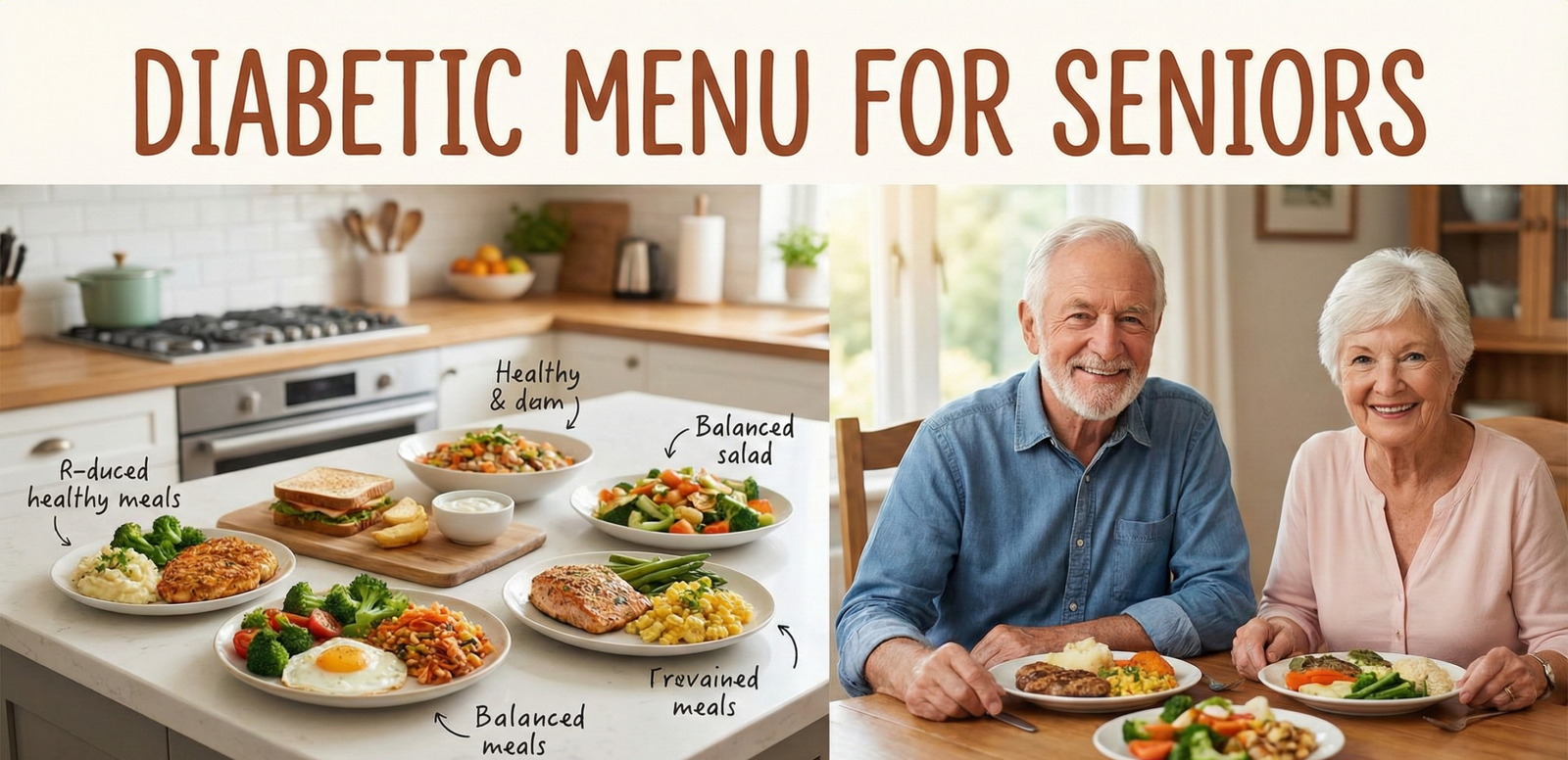
The Optimal Diabetic Menu for Seniors: Balancing Nutrition, Taste, and Ease
Aging gracefully with diabetes requires a thoughtful approach that goes beyond basic carbohydrate counting. For seniors, the right diabetic menu for seniors must address the physiological shifts of aging: decreased basal metabolic rate, natural muscle loss (sarcopenia), potential kidney function changes, and common issues like chewing difficulties or reduced appetite. But this doesn’t mean bland, joyless meals. Instead, we focus on flavorful, nutrient-dense, and easy-to-prepare foods that stabilize blood glucose, preserve independence, and make eating a pleasure.
Whether you’re managing type 2 diabetes, prediabetes, or supporting an aging loved one, this comprehensive guide provides a practical, senior-friendly meal framework. You’ll find a detailed 7-day menu, texture modifications, budget-conscious swaps, a complete snack guide, a glycemic index food chart, guidance on HbA1c goals, and answers to real-life concerns—from cooking for one to dealing with late-life medication adjustments. For a shorter trial, you might start with our 1-day simple diabetic menu and then expand to a full 7-day diabetic menu using the senior-specific tips below.
According to recent data, one in three Americans aged 65 and older lives with either type 1 or type 2 diabetes, and nearly half have prediabetes. Despite these staggering numbers, most dietary resources fail to account for the very real ways in which aging changes how we eat, absorb nutrients, and respond to food. This guide closes that gap with evidence-based, real-world strategies designed specifically for older adults.
Why Senior Nutritional Needs Are Unique
Designing a diabetic diet for older adults isn’t the same as for a middle-aged adult. Several age-related changes influence what and how we should eat:
Key Physiological & Lifestyle Changes
- muscle Sarcopenia (muscle loss): After age 50, muscle mass declines roughly 1–2% per year. Higher protein intake (1.0–1.3 g/kg body weight) helps preserve strength and mobility. Spread protein across all meals, aiming for at least 25–30 grams per meal to maximally stimulate muscle protein synthesis.
- metabolism Slower metabolic rate: Calorie needs drop, so every bite should pack vitamins, minerals, and fiber. Choose whole foods over empty calories. Eating nutrient-poor foods while still managing blood sugar is a losing battle in the long run.
- thirst Blunted thirst sensation: Dehydration risk is higher. Even mild dehydration can raise blood glucose and cause confusion. Seniors should sip water, herbal tea, or broth regularly, aiming for 6–8 cups daily. Set an alarm as a reminder if needed.
- B12 Reduced stomach acid & medication effects: Proton pump inhibitors and metformin can lower vitamin B12, leading to neuropathy-like symptoms. Include B12-rich foods: fish, meat, eggs, or fortified nutritional yeast. Ask your doctor about B12 testing annually.
- teeth/gums Dental and swallowing challenges: Softer textures are often necessary. Steaming, slow-cooking, and pureeing can make almost any healthy meal accessible without sacrificing nutrition or flavor.
- budget Fixed income concerns: Many seniors need cost-effective options. Beans, lentils, eggs, frozen veggies, and canned fish are both economical and diabetes-friendly. Planning meals weekly around what’s on sale can dramatically cut grocery costs.
- kidney Kidney function changes: Up to 40% of people with long-standing diabetes develop some degree of diabetic kidney disease (diabetic nephropathy). This may require moderating protein intake, reducing potassium-rich foods (bananas, oranges, potatoes), and limiting phosphorus. Always follow your nephrologist’s guidance if kidney disease is diagnosed.
- cognition Cognitive changes: Poor blood sugar control is associated with faster cognitive decline and increased dementia risk. A stable, well-nourished brain performs better. Omega-3 rich foods (salmon, sardines, walnuts), B vitamins, and antioxidant-rich produce all support brain health.

Make Prep Pain-Free
Don’t let arthritis stop you from enjoying fresh ingredients. Ergonomic jar openers, rocker knives, and automatic can openers restore independence and reduce fatigue. With these tools, following your diabetic menu for seniors becomes effortless.
Check Price on AmazonThe Diabetes Plate Method for Seniors: Simple Visual Eating
Carb counting can be overwhelming, especially for seniors managing multiple health conditions. Fortunately, the Diabetes Plate Method—developed and promoted by the American Diabetes Association—offers an intuitive, no-math alternative that works beautifully for older adults. There are no complicated calculations; just a practical visual guide that fits naturally into everyday eating.
How to Build a Diabetes Plate (9-inch plate recommended)
- 🥑 Half the plate — Non-starchy vegetables: Fill the largest portion with vegetables that have minimal impact on blood sugar. Think steamed broccoli, roasted zucchini, sautéed spinach, baked cauliflower, sliced cucumber, braised cabbage, stewed green beans, or a simple mixed green salad. These foods are high in fiber, water, and micronutrients while being extremely low in carbohydrates. For seniors with dental challenges, cook all these vegetables until they are fork-tender.
- 🥑 One quarter — Lean protein: Fill one quarter of the plate with a quality protein source. Best choices for diabetic seniors include baked or poached salmon, canned tuna or sardines, rotisserie chicken (skin removed), a two-egg omelet, Greek yogurt (as a side), cottage cheese, firm tofu, or a small serving of well-cooked beans. Protein slows digestion and blunts blood sugar spikes from carbohydrates eaten in the same meal.
- 🥑 One quarter — Quality carbohydrates: The remaining quarter is for carbohydrates that have fiber and nutrients. Good choices are brown rice, quinoa, barley, a small sweet potato, one slice of whole-grain bread, a corn tortilla, or a half cup of cooked lentils. Avoid refined white bread, white rice, instant mashed potatoes, and pasta in large portions.
- 🍇 Add a small piece of fruit: A half-cup of berries, a small apple, or a few melon chunks on the side adds sweetness, vitamin C, and fiber without dramatically raising blood sugar—especially when eaten after the protein and vegetables on the plate.
- 💧 Add a zero-sugar drink: Water, sparkling water with a lemon slice, unsweetened herbal tea, or plain black coffee. Avoid juice, sweet tea, soda, and energy drinks.
The Diabetes Plate Method is especially valuable for seniors because it scales naturally. Eating less? Make a smaller plate using the same proportions. Cooking for two? Multiply up using the same ratios. At a restaurant? Mentally divide whatever arrives in front of you. Visiting family for the holidays? The same visual guidelines apply without the need to pull out a carb-counting reference chart at the dinner table.
This method also naturally manages sodium and saturated fat intake by centering the meal around vegetables and lean protein, reducing the temptation to fill up on processed side dishes or heavy sauces. For seniors with diabetes who also manage high blood pressure or high cholesterol—which is common—the plate method addresses all three conditions simultaneously with one simple framework.
Glycemic Index Food Chart for Seniors with Diabetes
The glycemic index (GI) is a ranking system from 0 to 100 that tells you how quickly a particular food raises blood glucose compared to pure glucose. Foods with a low GI (55 or below) are digested slowly, producing a gradual, manageable rise in blood sugar. Foods with a high GI (70 and above) are digested rapidly, causing sharp spikes. For older adults with diabetes, prioritizing low- and medium-GI foods is one of the most powerful dietary strategies available.
However, GI has an important nuance: glycemic load (GL) also matters. GL accounts for how much of a food you actually eat. For example, watermelon has a high GI but a low glycemic load because a typical serving contains relatively little carbohydrate. For practical purposes, both GI and portion control work together. The chart below is tailored for a senior diabetic diet with portion context included.
| Food | GI Category | GI Score | Typical Senior Serving | Notes for Diabetic Seniors |
|---|---|---|---|---|
| Steel-cut oats | 🟩 Low | 42 | ½ cup dry (cooked) | Better than instant oats; cook until very soft for dental ease. |
| Lentils (cooked) | 🟩 Low | 32 | ½ cup | Excellent protein + fiber combo. Great budget food. |
| Chickpeas | 🟩 Low | 28 | ½ cup | Mash into hummus for easier eating and versatile use. |
| Greek yogurt (plain) | 🟩 Low | 11 | ¾ cup (170g) | High in protein; excellent base for breakfast or snacks. |
| Blueberries | 🟩 Low | 53 | ½ cup | Rich in antioxidants; great brain food for seniors. |
| Strawberries | 🟩 Low | 40 | ¾ cup (sliced) | High in vitamin C; soft enough for most dental situations. |
| Sweet potato (boiled) | 🟩 Low | 44 | ½ cup mashed | Much lower GI when boiled vs. baked. High in vitamin A. |
| Quinoa (cooked) | 🟩 Low | 53 | ½ cup | Complete protein; contains all essential amino acids. |
| Whole-grain bread | 🟩 Low | 51 | 1 slice (30g) | Choose 100% whole grain; avoid multigrain with white flour base. |
| Milk (low-fat) | 🟩 Low | 32 | 1 cup (240ml) | Important source of calcium and vitamin D for bone health. |
| Eggs | 🟩 Low | ~0 | 2 whole eggs | No carbs, high protein; ideal cornerstone of senior diabetic meals. |
| Non-starchy vegetables | 🟩 Low | 15–35 | 1–2 cups cooked | Broccoli, spinach, zucchini, kale, cabbage, green beans, tomatoes. |
| Barley (pearled) | 🟩 Low | 28 | ½ cup cooked | Highest beta-glucan fiber of any grain; excellent for blood sugar control. |
| Brown rice | 🟡 Medium | 50–68 | ½ cup cooked | Lower GI when slightly undercooked (still firm); avoid reheated mushy rice. |
| Basmati rice (white) | 🟡 Medium | 57 | ½ cup cooked | Surprisingly lower GI than regular white rice due to starch structure. |
| Corn (sweet, boiled) | 🟡 Medium | 52 | ½ cup kernels | Fine in moderation; avoid corn syrup and canned corn in heavy syrup. |
| Banana (ripe) | 🟡 Medium | 51–62 | ½ small banana | Higher GI when very ripe; pair with protein (peanut butter) to slow absorption. |
| Orange juice (fresh) | 🟡 Medium | 50 | ¾ cup (180ml) | Use sparingly; whole orange preferred for fiber content. |
| Instant oats | 🟡 Medium | 66 | ½ cup dry | Higher GI than steel-cut; add protein powder or nut butter to blunt spike. |
| White bread | 🔴 High | 75 | 1 slice | Avoid or swap for whole-grain; spikes blood sugar rapidly. |
| White rice (jasmine) | 🔴 High | 89 | ½ cup cooked | High GI staple; limit to small portions paired with proteins and vegetables. |
| Potatoes (baked/boiled) | 🔴 High | 78–87 | ½ medium potato | Very high GI; swap for sweet potato or cauliflower mash where possible. |
| Corn flakes cereal | 🔴 High | 81 | ¾ cup | Common breakfast trap; swap for oatmeal or protein-based breakfast. |
| Watermelon | 🔴 High GI / Low GL | 76 | 1 cup cubed | High GI but low carb per serving; small portions OK with protein. |
| Sports drinks / Soda | 🔴 High | 72–78 | Any amount | Avoid entirely. Pure glucose delivery with zero nutritional value. |
Understanding Blood Sugar Targets & HbA1c Goals for Diabetic Seniors
One of the most important — and most misunderstood — aspects of diabetes management in older adults is that blood sugar targets are not one-size-fits-all. The American Diabetes Association (ADA) 2025 Standards of Care specifically emphasizes individualized glycemic goals for seniors, recognizing that overly aggressive treatment carries its own serious risks, particularly hypoglycemia-related falls, fractures, and hospitalizations.
HbA1c Targets by Health Status
| Senior Health Profile | HbA1c Target | Fasting Glucose Target | Post-Meal Glucose Target | Key Reason |
|---|---|---|---|---|
| Healthy — few coexisting illnesses, intact cognition | <7.0–7.5% | 80–130 mg/dL | <180 mg/dL | Lower targets achievable and beneficial for long-term complication prevention |
| Complex — multiple chronic conditions, moderate function | <8.0% | 90–150 mg/dL | <180 mg/dL | Balance long-term benefits with short-term hypoglycemia risk |
| Very complex — poor health, cognitive impairment, frailty | <8.5% | 100–180 mg/dL | <200 mg/dL | Avoiding hypoglycemia and preserving quality of life are primary goals |
What does this mean practically for your diet? If you are in the “healthy” senior category, your diet should be disciplined about carbohydrate quality and portion sizes — the strategies outlined throughout this guide will help you reach and maintain a sub-7.5% HbA1c. If you are managing multiple complex conditions, the priority shifts to consistency and hypoglycemia prevention over perfection. Regular small meals at predictable times, appropriate snacks before and after activity, and close coordination with your care team are paramount.
Signs of Hypoglycemia (Low Blood Sugar) in Seniors
Seniors may experience different — or fewer — classic warning signs of low blood glucose than younger adults. Watch for:
- Sudden confusion, difficulty concentrating, or unusual behavior
- Unexplained fatigue or weakness
- Dizziness, unsteadiness, or sudden falls
- Pale skin and sweating
- Irritability or mood changes without obvious cause
- Heart palpitations
15-15 Rule: If blood glucose drops below 70 mg/dL, eat 15 grams of fast-acting carbohydrate (4 glucose tablets, 4 oz orange juice, or 1 tablespoon honey), wait 15 minutes, and recheck. Repeat if still low. Always tell your doctor about any hypoglycemic episodes.
Time in Range (TIR): The New Measure of Success
Beyond HbA1c, diabetes specialists increasingly focus on Time in Range (TIR) — the percentage of time blood glucose stays between 70 and 180 mg/dL. For healthy older adults, a TIR of approximately 70% is a good benchmark. Time in Range is measured by continuous glucose monitors (CGMs) and provides a far more detailed picture of daily glucose patterns than a quarterly HbA1c blood draw. Knowing your TIR helps you see exactly how specific meals — a bowl of oatmeal, a slice of birthday cake, a late dinner — affect your individual glucose curve.
Prediabetes in Seniors: Prevention Starts at the Table
Nearly half of all Americans over 65 have prediabetes — a condition in which blood glucose levels are elevated (fasting glucose 100–125 mg/dL, or HbA1c 5.7–6.4%) but not yet in the full diabetic range. The majority don’t know it. And crucially, the majority don’t know that this trajectory can often be reversed or slowed significantly with dietary and lifestyle changes alone.
The landmark Diabetes Prevention Program (DPP) study showed that lifestyle intervention — including a modest 5–7% reduction in body weight and 150 minutes of moderate physical activity per week — reduced the risk of progression from prediabetes to type 2 diabetes by 58% in the general population. Follow-up data showed the lifestyle group maintained a 34% lower risk of developing diabetes even 15 years later. While the study included adults over 60, other research confirms that older adults benefit equally from these interventions.
Key Dietary Strategies for Prediabetes Reversal in Older Adults
- Replace refined grains with whole grains: Swap white rice for brown rice or barley. Switch white bread for 100% whole-grain bread. Replace pasta with legume-based pasta or cut portion sizes in half. These single swaps can significantly reduce postprandial (post-meal) glucose peaks.
- Increase vegetable consumption at every meal: Non-starchy vegetables are essentially “free” foods from a blood sugar perspective. Doubling vegetable intake at lunch and dinner without changing other components of the diet has been shown to improve blood glucose control in clinical studies.
- Prioritize protein at breakfast: Eating protein in the morning (eggs, Greek yogurt, cottage cheese) reduces the “second meal effect” — it blunts blood sugar rises not just at breakfast but also at lunch. This is particularly relevant for seniors, many of whom skip protein at breakfast in favor of toast, cereal, or pastries.
- Cut sugar-sweetened beverages entirely: Soda, fruit juice, sweet tea, and energy drinks are the single most impactful dietary change for prediabetes. Switching these to water, sparkling water, or unsweetened tea can lower HbA1c by meaningful amounts within weeks.
- Focus on the order you eat food: Emerging research shows that eating vegetables and protein before carbohydrates in the same meal significantly reduces post-meal glucose spikes — by up to 30% compared to eating carbohydrates first. Start every meal with your salad or vegetable dish, then eat protein, then carbohydrates.
Prediabetes Warning Signs Seniors Should Know
Most prediabetes has no symptoms. But watch for these subtle signs that may indicate insulin resistance is developing:
- Increased fatigue after meals, especially high-carb meals
- Difficulty losing weight despite calorie restriction
- Dark, velvety skin patches around the neck, armpits, or groin (acanthosis nigricans)
- Frequent hunger, especially within 1–2 hours of eating
- Blurred vision (temporary post-meal)
- Increased thirst or urination
If you notice these signs, request an HbA1c blood test at your next doctor visit. Early detection gives you the best window to prevent full-scale diabetes from developing.

Precision Made Simple
Eyesight not what it used to be? A large-display digital food scale helps you portion carbohydrates accurately without squinting. Perfect for consistent carb counting — essential for any diabetic menu for seniors. Also measures in grams, ounces, and milliliters.
Check Price on AmazonThe Complete Senior Diabetic Snack Guide: 25 Blood-Sugar-Friendly Ideas
Snacking strategically is one of the most underutilized blood sugar management tools for older adults. The right snack prevents the energy crashes and hypoglycemia risk that can occur between meals — especially for seniors on insulin or sulfonylurea medications. The wrong snack (a handful of crackers, a piece of fruit alone, or a “low-fat” cookie) can cause unnecessary spikes and crashes.
The golden rule for a diabetic snack for seniors: every snack should combine at least two of the three blood-sugar-stabilizing macronutrients — protein, healthy fat, and fiber. Carbohydrates alone (even whole-grain crackers) raise blood sugar faster than carbohydrates paired with a protein or fat. The snacks below all follow this principle while also considering dental ease, low sodium, convenience, and budget.
🥛 Greek Yogurt + Berries
¾ cup plain Greek yogurt + ¼ cup blueberries or strawberries. High protein, probiotic-rich, naturally sweet. Add a drizzle of cinnamon for blood sugar support.
🥕 Apple Slices + Almond Butter
Half a small apple (or soft pear) with 1 tablespoon almond or peanut butter. Fiber + healthy fat = very gradual glucose rise.
🥑 Hummus + Soft Vegetables
3 tbsp hummus with soft-steamed broccoli florets or cucumber slices. Low GI, plant-based protein, and easy to prepare ahead in small containers.
🥤 Cheese + Whole-Grain Crackers
1 oz cheddar or Swiss cheese with 4–5 whole-grain crackers (look for 3+ grams of fiber per serving). Calcium, protein, and complex carbs.
🥣 Cottage Cheese Bowl
½ cup low-sodium cottage cheese + a few sliced strawberries or a sprinkle of ground flaxseed. One of the highest-protein, lowest-GI snacks available.
🥛 Hard-Boiled Eggs
1–2 hard-boiled eggs, prepared in bulk at the start of the week. Zero carbs, high protein, and portable. Sprinkle with paprika for flavor without sodium.
🥘 Edamame (Shelled)
½ cup frozen, microwaved edamame lightly salted. One of the best plant-based protein snacks. Soft texture, easy to eat, excellent for vegetarian seniors.
🥘 Avocado on Rye Crispbread
2–3 rye crispbreads spread with ¼ avocado and a squeeze of lemon. Fiber, monounsaturated fat, and complex carbs working together.
☕ Warm Lentil Soup (Mini)
A small cup (½ cup) of homemade or canned low-sodium lentil soup. Excellent fiber and protein; warming and gentle on digestion. Batch-cook and freeze in small portions.
🥛 Kefir (Plain)
¾ cup plain kefir — a fermented dairy drink rich in probiotics and protein. Emerging research links regular probiotic intake to modest improvements in blood glucose control in type 2 diabetes.
🥘 Sardines on Toast
1 oz canned sardines (in water or olive oil) on half a slice of rye toast. Budget-friendly, rich in omega-3s, calcium, and vitamin D — critical for senior bone health.
🥣 Ricotta + Cinnamon
¼ cup part-skim ricotta with a pinch of cinnamon and 4 walnut halves crumbled on top. Creamy, sweet-tasting, and blood-sugar-stable.
🍋 Pumpkin Seeds
2 tablespoons unsalted pumpkin seeds. Rich in magnesium, zinc, and healthy fats — minerals many seniors are deficient in that play roles in insulin sensitivity.
🥢 Smoothie (Mini)
¾ cup unsweetened almond milk + ¼ cup frozen berries + 1 scoop protein powder. Blend until smooth. An ideal snack for seniors with very limited appetite or chewing difficulty.
🥑 Celery + Nut Butter
2 celery stalks with 1 tbsp peanut butter. Very low GI, high crunch (dental ability permitting) and satisfying. “Ants on a log” with raisins if you can afford the extra carbs.
Snacking Rules for Seniors on Diabetes Medication
- Insulin users: Always have 15 grams of fast carbohydrates accessible (glucose tablets, 4 oz juice). Carry a small snack when leaving the house — never assume you can get food quickly enough if you go low.
- Sulfonylurea users (glipizide, glyburide, glimepiride): These medications carry a real hypoglycemia risk between meals. A small protein-containing snack mid-morning and mid-afternoon is advisable, especially if meals are more than 5 hours apart.
- Metformin users: Hypoglycemia risk is much lower, but consistent meal timing still supports stable blood sugar. Metformin should be taken with food to minimize digestive side effects — the snack-and-meal timing works in your favor here.
- Late-night snacks: If blood glucose tends to drop overnight, a small bedtime snack of complex carbohydrate + protein (6 whole-grain crackers + 1 oz cheese, or a small cup of yogurt) can prevent nocturnal hypoglycemia — a particularly dangerous event for seniors prone to nighttime falls.
The Senior Diabetic Grocery Shopping List
Shopping strategically is the foundation of consistent healthy eating. Having the right foods at home makes good choices automatic; having the wrong foods at home creates unnecessary temptation and obstacles. This diabetic grocery list for seniors is organized by store section and designed to be practical, budget-conscious, and focused on blood sugar stability.
🛒 Pantry Staples (Stock Monthly)
- Steel-cut oats or old-fashioned rolled oats (avoid instant flavored oats with added sugar)
- Brown rice, basmati rice, or barley
- Dried lentils (red and green), split peas, and dried chickpeas
- Low-sodium canned chickpeas, black beans, and kidney beans
- Low-sodium canned tuna, salmon, sardines, and mackerel
- Low-sodium canned tomatoes, tomato paste, and tomato sauce
- Whole-grain pasta or chickpea pasta
- Almond flour and coconut flour (for low-carb baking)
- Olive oil, avocado oil, and coconut oil
- Apple cider vinegar (may modestly support blood sugar control)
- Cinnamon, turmeric, cumin, garlic powder, oregano, rosemary, paprika
- Unsalted nuts: walnuts, almonds, pecans, cashews
- Natural nut butters (peanut, almond, sunflower seed — no added sugar)
- Unflavored or vanilla protein powder (whey, pea, or egg white)
- Ground flaxseed and chia seeds
- Low-sodium chicken, beef, and vegetable broth (boxed or homemade)
- Whole-grain crackers (look for 3g+ fiber per serving)
- Sugar-free gelatin, sugar-free pudding mix (for diabetic-friendly treats)
- Unsweetened applesauce (individual cups for quick snacks)
- Low-sodium soy sauce or coconut aminos
🥘 Fresh Produce (Buy Weekly)
- Dark leafy greens: spinach, kale, Swiss chard, arugula, romaine
- Cruciferous vegetables: broccoli, cauliflower, Brussels sprouts, cabbage
- Zucchini, yellow squash, eggplant (all soft when cooked)
- Bell peppers (red, yellow, orange — sweeter and easier to digest than green)
- Mushrooms (any variety — excellent umami meat substitute)
- Tomatoes, cherry tomatoes, cucumber, celery
- Berries: blueberries, strawberries, raspberries, blackberries (buy in bulk, freeze extras)
- Citrus: oranges, grapefruit, lemons, limes
- Avocados (2–3 per week; freeze chunks if they ripen too fast)
- Garlic, onions, shallots (flavor base for everything)
- Sweet potatoes (boiled, not baked, for lower GI)
- Turnips and rutabaga (low-carb alternatives to potatoes)
- Fresh herbs: parsley, basil, dill, cilantro (replace salt with flavor)
❄️ Frozen Foods (Always Have on Hand)
- Frozen wild blueberries, mixed berries, and mango chunks
- Frozen spinach and frozen kale (already chopped; add to anything)
- Frozen broccoli, cauliflower, and mixed vegetables (steam in bag versions save time)
- Frozen edamame (shelled)
- Frozen wild-caught fish: salmon, cod, tilapia, pollock (budget option)
- Frozen boneless chicken breast or thighs
- Frozen cauliflower rice (instant low-carb base for stir-fries)
🥛 Refrigerated Items (Buy Every 1–2 Weeks)
- Eggs (buy large packs; use for every meal)
- Plain Greek yogurt (plain only; flavored varieties contain significant added sugar)
- Cottage cheese (low-sodium, small-curd)
- Part-skim ricotta cheese
- Reduced-fat cheddar, Swiss, mozzarella, or feta
- Unsweetened almond milk or low-fat dairy milk
- Whole-grain bread (store in fridge or freezer to extend life)
- Pre-washed salad greens or coleslaw mix (for zero-prep salads)
- Rotisserie chicken (remove skin; stock the fridge for quick protein)
- Tofu (firm or silken depending on use)
- Hummus (store-bought or homemade)
- Plain kefir
Best Cooking Methods for Diabetic Seniors
How you cook food is nearly as important as what you cook. The right cooking method can lower the GI of food, preserve nutrients, create softer textures ideal for seniors, and reduce the need for added salt, fat, and calories. Below is a practical guide to the best cooking appliances and methods for senior diabetics.
🍳 Slow Cooker / Crock-Pot
The slow cooker is arguably the most senior-friendly cooking appliance in existence. Add ingredients in the morning, walk away, and return to a fully cooked, fork-tender meal 6–8 hours later. This is ideal for seniors with limited energy, arthritis, or cognitive concerns about leaving the stove unattended. Slow cookers excel at soups, stews, pulled meats, lentil dishes, and bean dishes — all high-fiber, high-protein, low-GI foods central to a diabetic senior diet. The prolonged low heat also creates naturally soft textures perfect for dental challenges.
Best slow cooker dishes for diabetic seniors: Turkey and white bean chili, chicken vegetable soup, lentil dal, beef and vegetable stew, stuffed bell peppers, oatmeal (overnight steel-cut oats), black bean and sweet potato soup.
☔ Steaming
Steaming vegetables preserves more water-soluble vitamins (especially vitamin C and B vitamins) than boiling, and creates soft textures without adding any fat or sodium. A simple two-tier bamboo steamer or a microwaveable steam bag makes steaming effortless. Steamed broccoli, carrots, zucchini, and fish are all ready in 5–12 minutes — making steaming the fastest healthy cooking method available.
🎯 Air Fryer
The air fryer has become a senior household staple for good reason: it delivers the satisfying crispy texture of frying using little to no oil. For diabetic seniors, this means enjoying roasted vegetables, crispy fish, and golden-brown chicken with dramatically less saturated fat than traditional frying. Air fryers are also small, easy to use, and easy to clean — ideal for a senior cooking for one or two. Sweet potato wedges, salmon fillets, and chicken thighs all emerge from an air fryer beautifully without added fat.
💧 Instant Pot / Pressure Cooker
The Instant Pot combines the convenience of a slow cooker with dramatically faster cooking times — dried lentils cook in 15 minutes instead of 45; a chicken breast is tender and juicy in 10 minutes. For seniors who want home-cooked meals without long prep and cooking windows, the pressure cooker is transformative. It also excels at cooking dried beans from scratch, which is far more economical and lower-sodium than canned alternatives.
🏠 Oven Roasting
Roasting vegetables in the oven at 400–425°F with a light drizzle of olive oil and seasoning caramelizes their natural sugars, creating deep flavor without salt. Roasted cauliflower, Brussels sprouts, broccoli, and bell peppers taste incomparably better than steamed versions — which can be important for seniors who have lost enthusiasm for eating. Batch-roast a sheet pan of mixed vegetables on Sunday and enjoy them throughout the week in salads, wraps, frittatas, or as a side dish.
💡 Cooking Method Tips That Lower GI Specifically
- Al dente pasta: Cooking pasta slightly firm (al dente) reduces its glycemic index compared to fully soft-cooked pasta. The same applies to rice — slightly undercooked rice has a lower GI than mushy rice.
- Cooling starchy foods: When rice, pasta, or potatoes are cooked and then cooled overnight, resistant starch forms. This starch bypasses digestion in the small intestine, acting more like fiber. Eating potato salad or cold rice gives a meaningfully lower blood sugar response than the same food served hot.
- Vinegar in dressings: Adding a splash of apple cider vinegar or red wine vinegar to salads and cooked vegetables has been shown in multiple small studies to blunt post-meal glucose rises by 20–35%. Use it generously as a flavor-forward replacement for salt-heavy dressings.
- Whole vs. blended: Eating whole fruits (an orange) produces a lower and slower blood glucose response than drinking blended fruit (a smoothie), even with identical ingredients. The mechanical processing involved in blending breaks down fiber, speeding glucose absorption. Where possible, favor whole fruits over smoothies — but when dental issues make whole fruit difficult, blending is still far preferable to juice.
The Mediterranean Diet for Diabetic Seniors: The Gold Standard
If there is a single eating pattern with the strongest clinical evidence for both blood sugar control and longevity in older adults, it is the Mediterranean diet. Multiple large trials and meta-analyses — including the landmark PREDIMED study — have shown that a Mediterranean dietary pattern reduces the risk of cardiovascular disease by 30%, lowers HbA1c levels in people with type 2 diabetes, and is associated with slower cognitive decline in older adults.
Unlike restrictive diets that demand the elimination of entire food groups, the Mediterranean diet is built around abundance: generous quantities of vegetables, olive oil, legumes, fish, and whole grains, with moderate amounts of dairy and poultry, and limited red meat and sweets. This abundance makes it far more sustainable for seniors than calorie-counting approaches, and its emphasis on soft, well-cooked vegetables and flavorful herbs addresses many of the practical challenges older adults face in the kitchen.
Core Principles of the Mediterranean Diet for Senior Diabetics
- Olive oil as the primary fat: Extra-virgin olive oil replaces butter, margarine, and vegetable oils. It is rich in monounsaturated fatty acids and polyphenols that improve insulin sensitivity and reduce inflammation — two key concerns in type 2 diabetes. Aim for 2–4 tablespoons daily across cooking and dressings.
- Fish at least twice per week: Fatty fish — salmon, sardines, mackerel, anchovies, herring — are the protein centerpiece of Mediterranean eating. Their omega-3 fatty acids reduce triglycerides, lower blood pressure, support brain health, and may improve insulin sensitivity. For seniors with dental challenges, canned sardines or salmon are ideal: economical, soft, and rich in bone-building calcium.
- Legumes at least three times per week: Lentils, chickpeas, white beans, and fava beans are daily staples in traditional Mediterranean cooking. They provide plant-based protein, extraordinary fiber, and one of the lowest glycemic impacts of any carbohydrate-containing food. A bowl of lentil soup, a chickpea stew, or a fava bean dip addresses blood sugar, protein, and fiber simultaneously.
- An abundance of vegetables — especially leafy greens: Mediterranean cooking piles vegetables onto every plate. Braised greens in olive oil and garlic, roasted tomatoes, stuffed zucchini, and grilled eggplant appear at nearly every meal. For seniors, slow-braising leafy greens (kale, Swiss chard, spinach) in olive oil with garlic creates a deeply flavored, fork-tender side dish that takes just 10 minutes to prepare.
- Whole grains over refined grains: Barley bread, farro, whole wheat pita, and brown rice replace white bread and pasta. In the Mediterranean tradition, grains are always served as a side or base — never the centerpiece of the plate.
- Dairy in moderation — mostly as cheese and yogurt: Small amounts of feta cheese, Parmesan, and plain yogurt provide calcium and flavor. Full-fat fermented dairy (yogurt, kefir) is increasingly supported by research as beneficial for blood sugar management due to its probiotic content and low GI.
- Red wine in moderation (optional): Traditional Mediterranean diet includes moderate red wine with meals. For diabetic seniors, this is a nuanced topic — alcohol can mask hypoglycemia and interact with medications. If your doctor approves, a small glass (4 oz) of dry red wine with dinner a few nights per week may be acceptable. If you do not currently drink, do not start for health reasons.
- Herbs and spices instead of salt: Mediterranean cooking is defined by its aromatics: garlic, basil, oregano, rosemary, thyme, cumin, and coriander. These flavor the food so powerfully that salt becomes unnecessary — a major benefit for senior diabetics who frequently also manage hypertension.
How Your Diet Directly Prevents Diabetes Complications
For seniors, the stakes of poorly managed blood sugar are not abstract. Long-term elevated glucose causes measurable damage to nerves, blood vessels, kidneys, and eyes. The good news is that the same dietary changes that lower blood sugar also directly reduce the risk of each of these complications. Understanding the connection between specific foods and specific complications can provide powerful motivation for dietary consistency.
🧕 Diabetic Neuropathy (Nerve Damage)
Diabetic peripheral neuropathy causes numbness, tingling, burning pain, and weakness — typically in the feet and lower legs. It affects up to 50% of people with long-standing diabetes and is a leading cause of falls, foot ulcers, and amputations in older adults. Dietary strategies that specifically target neuropathy include: maintaining stable blood glucose (the primary driver of nerve damage); ensuring adequate B12 intake (deficiency mimics and worsens neuropathic symptoms, especially important for metformin users); and eating anti-inflammatory omega-3-rich foods (salmon, sardines, walnuts, flaxseed) that may help protect nerve function.
👁️ Diabetic Retinopathy (Eye Damage)
Diabetic retinopathy is the leading cause of blindness in working-age adults, but it affects older adults in disproportionate numbers due to longer disease duration. Blood glucose control is the most powerful dietary tool — every percentage point reduction in HbA1c significantly reduces retinopathy risk. Additionally, antioxidants like lutein and zeaxanthin (found in kale, spinach, and eggs) support macular health. Omega-3 fatty acids from fatty fish may also reduce diabetic macular edema risk. Maintaining blood pressure below 130/80 mmHg — which a low-sodium, vegetable-rich diet directly supports — reduces retinopathy progression.
🦀 Diabetic Kidney Disease (Nephropathy)
Diabetic kidney disease develops slowly and silently, often without symptoms until significant damage has occurred. Dietary strategies to protect kidney function include: limiting sodium to under 1,500 mg/day (reduces proteinuria and slows progression); moderating protein intake if kidney function is already compromised (follow your nephrologist’s guidance on grams per kilogram); avoiding high-potassium foods (potassium builds up when kidneys are impaired — bananas, oranges, potatoes, and tomatoes may need to be limited); and choosing plant-based proteins over animal proteins where possible (plant proteins appear less nephrotoxic in early kidney disease).
🧠 Cognitive Decline & Diabetes-Related Dementia
Type 2 diabetes is associated with a significantly increased risk of dementia — both Alzheimer’s disease and vascular dementia. Insulin resistance in the brain interferes with glucose metabolism in neurons, accelerating cognitive aging. Dietary strategies that protect brain health in diabetic seniors include: the Mediterranean diet pattern (associated with a 35–53% lower risk of Alzheimer’s in population studies); regular consumption of omega-3 fatty acids from fatty fish; B vitamin-rich foods (B12, folate, B6) that reduce homocysteine — a compound linked to accelerated brain aging; antioxidant-rich berries and dark leafy greens; and consistent blood sugar control to reduce glucose-driven brain inflammation.
💓 Cardiovascular Disease
People with type 2 diabetes have 2–4 times the cardiovascular disease risk of those without diabetes. The diabetic senior diet outlined in this guide directly addresses cardiovascular risk through: replacing saturated fats with monounsaturated and polyunsaturated fats (olive oil, nuts, avocado, fatty fish); dramatically reducing sodium to support blood pressure control; emphasizing soluble fiber (oats, barley, lentils, apples) which lowers LDL cholesterol; and providing anti-inflammatory omega-3 fatty acids that reduce cardiovascular event risk. Managing blood sugar stability itself also reduces cardiovascular risk, as glucose variability is independently predictive of cardiovascular outcomes beyond average HbA1c.
Caregiver & Family Meal Prep Guide for Diabetic Seniors
If you are a family member, home health aide, or professional caregiver supporting a senior with diabetes, your role in meal preparation is one of the most impactful health interventions you can provide. Consistent, appropriate nutrition can reduce medication needs, prevent hospitalizations from hypoglycemia or complications, and profoundly improve quality of life.
Practical Strategies for Caregivers
- Batch cook on your most available day: Designate one or two days per week for batch cooking. Prepare a large pot of lentil or chicken soup, hard-boil a dozen eggs, cook a large batch of brown rice or barley, roast a full sheet pan of vegetables, and grill or bake enough protein for 3–4 meals. Portion everything into labeled, dated containers in the refrigerator or freezer. This means that on days when you are pressed for time or the senior has less appetite or energy, a nutritious meal is always 90 seconds of reheating away.
- Create a simple meal card: Post a laminated card on the fridge showing what is available to eat, the appropriate portion sizes, and the timing of meals and snacks. This is especially helpful if the senior has mild cognitive changes and may struggle to remember whether they’ve eaten or what to choose from the refrigerator. Use photographs of the meals if needed.
- Adapt textures without losing nutrition: If the senior develops new swallowing or dental difficulties, adapt existing meals rather than defaulting to nutritionally poor convenience foods. Puree the chicken stew in a blender. Mash the vegetables. Blend the smoothie a little longer. The nutrient content of well-cooked whole foods is maintained through blending and pureeing — it is only the texture that changes.
- Monitor for changes in appetite and weight: Sudden weight loss, persistent lack of appetite, or refusal to eat in a previously engaged senior can be a sign of medication side effects, depression, new medical conditions, or dental pain. These should be flagged for the healthcare provider promptly. A kitchen scale and periodic weight check every 2 weeks can catch concerning trends early.
- Communicate with the care team: Keep a simple log of what the senior eats across a week and share it with their registered dietitian or doctor at appointments. This is far more valuable than a vague recollection and allows the care team to identify nutritional gaps, explain blood sugar patterns, and adjust medication timing if needed.
- Meal delivery services as a supplement: Programs like Meals on Wheels, and commercially available diabetic meal delivery services, can supplement caregiver-prepared food on busy days. When evaluating these services, look for meals that are low in sodium (under 700mg per meal), contain at least 20g protein, and come with nutritional labels. These are not meant to replace home cooking — they are a safety net for days when it is not possible.
Continuous Glucose Monitoring for Seniors: Understanding Your Patterns
Continuous Glucose Monitors (CGMs) have revolutionized diabetes management for people of all ages, but they offer particular value for older adults. A CGM is a small sensor worn on the upper arm or abdomen that measures blood glucose every 1–5 minutes and transmits readings to a smartphone or dedicated reader. Unlike traditional fingerstick monitoring, a CGM shows not just where your blood sugar is, but where it is going — giving you directional arrows indicating a rising, falling, or stable trend.
Why CGM Is Especially Valuable for Diabetic Seniors
- Detects nocturnal hypoglycemia: Blood glucose can drop dangerously low during sleep — an event that is particularly risky for older adults, as it can cause falls if the senior wakes disoriented, and is associated with cardiovascular events. A CGM with alarms can wake the user (or caregiver) when glucose drops below a set threshold, allowing prompt treatment. This is not detectable by standard monitoring.
- Eliminates painful fingersticks: For seniors with arthritis, thin skin, or poor dexterity, traditional fingerstick testing can be painful and difficult. A CGM sensor is applied once every 10–14 days and reads automatically, eliminating daily fingerstick discomfort.
- Reveals how specific meals affect blood sugar: By observing glucose curves after different meals, seniors and caregivers can directly see which foods cause spikes in that individual — not just based on population GI data, but on their own personal metabolic response. Some seniors metabolize oatmeal beautifully; others spike dramatically. Some handle a small serving of rice without issue; others cannot. CGM makes personalized food decisions possible.
- Reduces anxiety and guesswork: Many seniors with diabetes feel anxious about whether their blood sugar is controlled, especially between doctor visits. Real-time glucose data provides reassurance and empowerment, and has been shown to improve mental health outcomes in addition to glycemic outcomes.
- Medicare coverage: Since 2023, Medicare Part B has covered CGM devices for beneficiaries with diabetes who use insulin or have a history of problematic hypoglycemia, making this technology accessible to many seniors without significant out-of-pocket cost. Speak with your endocrinologist or primary care physician about whether you qualify.

For The “Low Energy” Days
Sometimes you just can’t cook. Keeping diabetic-friendly nutritional shakes on hand ensures you get protein and vitamins without spiking your blood sugar. Look for shakes with at least 15g protein, under 5g sugar, and added vitamins D & B12. They’re also useful as a meal replacement when recovering from illness.
Check Price on AmazonAlcohol, Sleep & Stress: The Hidden Blood Sugar Disruptors for Seniors
🍷 Alcohol and Diabetes in Older Adults
Alcohol occupies a complicated place in the diabetic senior diet. On one hand, moderate red wine consumption is a feature of the Mediterranean diet, and light-to-moderate alcohol intake has been associated with modest improvements in insulin sensitivity in some population studies. On the other hand, alcohol carries specific and serious risks for older adults managing diabetes that make individualized, medically informed decisions essential.
Key risks of alcohol for diabetic seniors:
- Hypoglycemia masking: Alcohol interferes with the liver’s ability to release stored glucose (glycogen) when blood sugar falls, and its symptoms (dizziness, confusion, unsteadiness) closely mimic hypoglycemia — making it difficult to recognize a dangerous blood glucose drop. For seniors on insulin or sulfonylureas, alcohol consumption without food is genuinely dangerous.
- Medication interactions: Alcohol interacts with metformin (increasing the risk of a rare but serious condition called lactic acidosis), sulfonylureas (heightening hypoglycemia risk), and blood pressure medications (causing additive blood pressure lowering). Always consult your pharmacist about your specific medication list.
- Fall risk: Impaired balance and coordination from alcohol, combined with the unsteadiness that neuropathy and hypoglycemia can already cause, creates a compounded fall risk for diabetic seniors.
- Hidden carbohydrates: Beer, sweet wines, cocktails with juice or soda, and dessert wines contain significant carbohydrates that raise blood glucose. Dry wines, spirits (vodka, gin, whiskey), and light beer have lower carbohydrate content but are not carbohydrate-free.
If your doctor has approved light drinking: limit to one small drink (4–5 oz dry wine, 12 oz light beer, or 1.5 oz spirits) and always consume it with food. Check blood glucose before and 2–3 hours after. Never drink on an empty stomach.
😴 Sleep and Blood Sugar in Older Adults
Poor sleep is among the most underappreciated factors disrupting blood sugar control in seniors. Both inadequate sleep duration (fewer than 6–7 hours) and poor sleep quality impair insulin sensitivity, elevate morning cortisol levels, and drive cravings for high-carbohydrate foods the following day — creating a vicious cycle that undermines even the best dietary intentions.
Seniors with sleep apnea — a condition where breathing repeatedly stops during sleep — are at particularly elevated risk of poorly controlled blood glucose. Sleep apnea is common in older adults and often undiagnosed. Snoring, witnessed breathing pauses, morning headaches, and excessive daytime sleepiness are warning signs worth raising with your doctor.
Dietary strategies that specifically support better sleep in diabetic seniors:
- Avoid large meals within 2–3 hours of bedtime (digestive discomfort and blood glucose spikes both disrupt sleep).
- If you tend to wake with high blood sugar in the morning, discuss the “dawn phenomenon” with your doctor — early morning cortisol can raise glucose independently of diet.
- A small, protein-containing bedtime snack (a few crackers with cheese, or a small cup of Greek yogurt) can stabilize blood sugar overnight and prevent the 3 am hunger that wakes many seniors.
- Limit caffeine after noon — coffee, tea, cola, and some medications contain caffeine that fragments sleep in older adults who metabolize it more slowly.
- Magnesium-rich foods (pumpkin seeds, dark leafy greens, almonds) support both sleep quality and insulin sensitivity — two goals addressed simultaneously.
🧐 Stress and Blood Glucose
Psychological stress directly raises blood glucose through the release of stress hormones — cortisol and adrenaline — that signal the liver to release stored glucose. For seniors facing life transitions such as bereavement, health decline, isolation, or financial worry, chronic stress can meaningfully undermine blood sugar control regardless of dietary adherence.
While full stress management strategies are beyond the scope of a dietary guide, it is worth noting that certain foods can buffer the physiological stress response: magnesium-rich foods, omega-3-rich foods, probiotic foods (yogurt, kefir), and adequate protein all support the neurotransmitter and hormonal systems involved in stress resilience. Conversely, stress-driven eating of high-sugar comfort foods creates a blood sugar pattern that amplifies, rather than dampens, the physiological stress response.
Holiday & Special Occasion Eating Tips for Diabetic Seniors
For seniors with diabetes, holidays and family gatherings represent one of the most emotionally loaded dietary challenges of the year. The desire to participate fully in shared traditions, the pressure of well-meaning family members, the abundance of high-carbohydrate and high-sodium foods, and disrupted meal timing all converge to make holiday eating a genuine blood sugar management challenge.
The goal is not perfection — it is informed participation. A thoughtfully planned approach allows seniors to enjoy holiday meals without the guilt of feeling like they “failed,” or the physical discomfort and dangerous glucose spikes that come from completely abandoning their diabetic eating patterns.
Before the Holiday Meal
- Do not skip meals to “save room”: Arriving at a holiday dinner ravenously hungry leads to faster eating, larger portions, and poorer food choices. Eat your normal breakfast and a light lunch so you arrive at the table comfortable, not starving.
- Eat a protein-rich snack an hour before: A small serving of Greek yogurt, a hard-boiled egg, or a handful of almonds 60–90 minutes before the holiday meal blunts appetite and slows the rate at which subsequent carbohydrates raise blood sugar.
- Check blood glucose before you eat: Know your starting point so you can make informed decisions and compare meaningfully afterward.
At the Holiday Table
- Apply the plate method even at the feast: Fill half your plate with vegetable-based dishes (salad, roasted vegetables, green beans, Brussels sprouts, roasted asparagus) before taking smaller portions of protein and carbohydrate-heavy sides.
- Choose the lowest-GI starches: Sweet potato with light seasoning beats mashed white potatoes. Whole wheat dinner roll beats white dinner roll. Wild rice or stuffing made with whole-grain bread beats white rice. Small choices compound into meaningful differences.
- Eat slowly and chew thoroughly: Slow eating activates satiety hormones earlier, reduces total food intake, and lowers post-meal blood glucose. Put your utensils down between bites. Engage in conversation. Enjoy the experience rather than racing through the food.
- Handle the dessert table strategically: Choose one small dessert and savor it fully, rather than sampling several. Opt for fruit-based desserts over cake and pie if available. Eat dessert after a meal rather than alone — the protein and fiber from the main course will slow glucose absorption significantly.
- Speak kindly to well-meaning family members: Relatives who pressure seniors to eat more, eat certain foods, or “not worry about it today” are acting from love, not understanding. A simple, warm response — “I feel best when I eat this way; I’m enjoying everything so much!” — usually redirects without conflict.
After the Holiday Meal
- A 15-minute walk makes a measurable difference: Light physical activity after a large meal — even a slow walk around the block or through the house — can reduce post-meal blood glucose spikes by 20–30% by helping muscles absorb circulating glucose without insulin. This requires no planning, equipment, or special clothing.
- Check blood glucose 2 hours after eating: This gives you real data about how your body responded to the holiday meal, which is far more useful than worry or regret. If the number is high, adjust your next meal accordingly — not by skipping it, but by making it lighter in carbohydrates and higher in fiber and protein.
- Return to your normal eating pattern the very next day: One holiday meal does not derail months of careful management. The damage is done only if holiday eating extends into days or weeks of “I’ve already blown it” thinking. Tomorrow is a fresh start with the same diabetic menu for seniors that serves you well every other day.
Solving Common Dietary Hurdles for Seniors
1. “I’m Cooking for One — and I’m Tired”
Batch freezing is your secret weapon. Whenever you make a soup, stew, or casserole, immediately portion leftovers into single microwave-safe containers. Label them with the date and contents. On low-energy days, you’ll have a nutritious diabetic-friendly frozen meal ready in minutes. Also, consider “no-cook” meals like pre-washed salad greens + canned salmon + pre-shredded carrots + a simple vinaigrette.
2. “Groceries Strain My Budget”
Living on a fixed income doesn’t mean sacrificing nutrition. Smart strategies: Buy frozen wild blueberries (cheaper than fresh, last longer), use eggs as a primary protein (often the cheapest high-quality protein), purchase dried beans and cook in a slow cooker (no need for canned), and check local farmers’ markets for senior discounts. Canned mackerel or sardines are nutrient powerhouses at low cost. Stretch ground meat with cooked lentils or finely chopped mushrooms. Shop the perimeter of the grocery store — where fresh produce, meat, dairy, and fish are located — and minimize time in the center aisles where processed foods dominate.
3. “I’ve Lost My Appetite”
Loss of appetite can lead to unintended weight loss and muscle wasting. Try these tips: Eat smaller plates more frequently (5–6 times/day). Add healthy fats like avocado, olive oil, or nut butter to boost calories without increasing volume. Flavor food with herbs, garlic, or a splash of lemon to stimulate taste buds. Sometimes drinking calories via a smoothie or a diabetic-friendly nutritional shake is easier than chewing.
4. “I’m Afraid of Low Blood Sugar at Night”
Seniors on insulin or sulfonylureas are at higher risk for nocturnal hypoglycemia. A small, balanced snack before bed can help: half an apple with 1 tbsp peanut butter, or a small cup of Greek yogurt, or 6 whole wheat crackers with cheese. Always monitor blood glucose as advised by your doctor and discuss medication timing. Consider asking about CGM devices, which can alert you to dropping glucose while you sleep.
5. “I Don’t Know How to Cook Anymore — or Don’t Want To”
Reduced interest or ability in cooking is very common in older adults, particularly those living alone. The good news is that many of the best diabetic foods require minimal cooking: canned sardines on rye crispbread, cottage cheese with berries, Greek yogurt parfaits, rotisserie chicken with a bag of microwaved frozen vegetables, pre-made hard-boiled eggs from the deli, and pre-washed salad greens with canned tuna are all genuinely healthy, blood-sugar-appropriate meals that require no cooking whatsoever. Embrace them without guilt.
Expert Insights: Beyond the Food
Combat the “Tea and Toast” Syndrome — Why Protein Matters
When energy is low, many seniors default to tea and buttered toast — a meal high in refined carbs and low in protein. Over time, this habit accelerates muscle loss and blood sugar swings. If toast is your comfort, top it with smashed avocado and a poached egg, or spread with ricotta and cinnamon. Small upgrades make a significant difference.
Social Connection & Mindful Eating
Research from the National Institute on Aging indicates that seniors who eat alone tend to consume fewer vegetables and more processed foods. If you live alone, consider arranging a weekly potluck with friends, joining a senior center lunch program, or even a video call meal with family. Eating with others naturally improves dietary variety and portion control. At the table, chew slowly, put utensils down between bites — this aids digestion and satiety.
Strength Training: The Diet’s Best Friend
No diabetic menu for seniors is complete without mentioning physical activity. Simple resistance exercises (using light dumbbells, resistance bands, or chair stands) help muscles absorb glucose more efficiently. Even a 10-minute walk after meals can lower post-meal blood sugar spikes. Always consult a doctor before starting new exercise. The synergy between diet and physical activity is multiplicative, not additive — the two together produce results far greater than either alone.
Regular Monitoring and Annual Check-Ins
Dietary needs, medications, and health conditions change as we age. What worked perfectly at 68 may need significant adjustment at 78. A registered dietitian with geriatric or diabetes specialization can provide personalized, current guidance that no general guide can match. Annual review of your diabetic eating plan with your healthcare team — including review of HbA1c, kidney function, vitamin levels, and medication interactions — ensures that your strategy evolves with your health.
Standard vs. Senior-Specific Diabetic Diet
Here’s how a senior-focused plan adapts conventional diabetes advice for real-life aging circumstances:
| Factor | Standard Diabetic Advice | Senior-Specific Modification |
|---|---|---|
| Protein | 0.8 g/kg body weight – moderate | Higher: 1.0–1.3 g/kg to counter sarcopenia; include leucine-rich sources (eggs, dairy, fish). |
| Fiber / Veggies | Raw vegetables encouraged | Cooked/softened veggies (steamed, roasted, stewed) to ease chewing and improve digestion. |
| Caloric Intake | Often calorie-restricted for weight loss | Maintenance or slight surplus if underweight; weight loss should be slow and monitored to preserve muscle. |
| Hydration | Drink to thirst | Proactive hydration (water, broth, tea) because thirst sensation declines with age. |
| Dental Accommodation | Often overlooked | Texture modification is central: purees, minced, ground, or slow-cooked meats. |
| Medication Timing | Usually carb-counting focus | Consistent meal timing to match medication peaks and avoid hypoglycemia; coordination with caregiver if needed. |
| HbA1c Target | Under 7.0% for most adults | Individualized: 7.0–7.5% for healthy seniors; up to 8.5% for frail or complex seniors to avoid hypoglycemia risk. |
| Glycemic Index Focus | Often secondary to calorie counting | Primary tool: Low-GI foods reduce glucose variability which is especially important for seniors on medications sensitive to glucose swings. |
| Social Eating | Individual diet focus | Social meal programs (senior center lunches, family meals) actively encouraged to improve nutrition quality and mental health. |
| Monitoring | Regular fingerstick testing | CGM consideration for seniors with hypoglycemia unawareness, poor dexterity, or complex insulin regimens; Medicare coverage available. |
Frequently Asked Questions (Senior Diabetes Edition)
Why do seniors have different dietary needs for diabetes?
Older adults face sarcopenia (muscle loss), diminished kidney function in some cases, altered taste, and higher rates of hypertension. A senior-adapted diabetic menu emphasizes high-quality protein, lower sodium, softer textures, and often increased calcium and vitamin D for bone health. Additionally, seniors have a blunted thirst response, different medication sensitivities, and often different HbA1c goals than younger diabetic adults.
What is the Diabetes Plate Method and how does it work for seniors?
The Diabetes Plate Method divides a 9-inch plate into sections: half non-starchy vegetables, one quarter lean protein, and one quarter quality carbohydrates, with a small fruit serving and a glass of water. For seniors, this visual approach requires no carb counting or measuring — making it ideal for those managing multiple conditions, taking several medications, or experiencing early cognitive changes. The method naturally limits sodium and saturated fat while ensuring adequate protein and fiber at every meal.
What is the glycemic index and which foods should seniors prioritize?
The glycemic index (GI) ranks foods from 0–100 based on how fast they raise blood sugar compared to pure glucose. Foods with a GI of 55 or below (lentils, steel-cut oats, Greek yogurt, berries, most vegetables) are ideal for diabetic seniors. Medium-GI foods (GI 56–69) like brown rice and sweet corn are acceptable in controlled portions. High-GI foods (GI 70+) like white bread, white rice, cornflakes, and sugary drinks should be minimized or replaced with lower-GI alternatives.
What blood sugar and HbA1c targets should a senior with diabetes aim for?
The American Diabetes Association 2025 Standards of Care recommends individualized targets. Healthy seniors with few coexisting conditions should aim for HbA1c below 7.0–7.5%. Those with complex health situations may safely target under 8.0%, and frail seniors with multiple serious conditions may have a goal of under 8.5% to minimize hypoglycemia risk. Fasting glucose targets are generally 80–130 mg/dL. Always discuss your personal targets with your healthcare provider, as overly tight control in seniors carries real risks.
What is prediabetes and how can a senior prevent it becoming type 2 diabetes?
Prediabetes is defined as a fasting glucose of 100–125 mg/dL or HbA1c of 5.7–6.4%. Nearly half of American seniors have it, most without knowing. The Diabetes Prevention Program proved that modest weight loss (5–7% of body weight), 150 minutes of weekly moderate activity, and dietary improvements reduce progression risk by 58%. Key dietary changes: replace refined grains with whole grains, increase vegetable intake, eliminate sugar-sweetened beverages, and eat protein at breakfast. These changes are highly effective even in older adults.
Is it safe for seniors to follow a low-carb diet?
Moderate low-carb (30–45 grams per meal) is widely considered safe and beneficial for blood sugar control. However, strict very-low-carb diets (under 30g total carbs/day) raise the risk of orthostatic hypotension, dehydration, and hypoglycemia in seniors using glucose-lowering medications. Individualization with a registered dietitian is crucial before making significant carbohydrate reductions.
What are easy diabetic meals for seniors living alone?
Quick, nourishing ideas: Greek yogurt parfait (layer with berries and ground flax); scrambled eggs with pre-shredded cheese and microwaved frozen spinach; canned salmon mixed with light mayo served on cucumber rounds; pre-made rotisserie chicken (remove skin) with bagged steamed broccoli; overnight oats with protein powder; sardines on rye crispbread; or a simple lentil soup reheated from a frozen portion.
How can seniors manage diabetes with dental issues?
Focus on soft-but-nutrient-dense foods: oatmeal, quinoa porridge, lentil dal, silken tofu scrambles, flaked fish, meatballs in sauce, mashed beans, soft-cooked apples or pears. If chewing is very limited, puree soups or stews to a smooth consistency; this retains all the nutrients without requiring chewing. A slow cooker is ideal for achieving naturally tender textures without extra preparation steps.
Can seniors with diabetes drink alcohol?
If approved by your doctor, up to one drink daily may be acceptable. However, alcohol can mask hypoglycemia symptoms, interact with diabetes medications (especially sulfonylureas and metformin), and significantly increase fall risk in seniors with neuropathy or balance issues. Always drink with food, never on an empty stomach, check blood glucose before and 2 hours after drinking, and avoid sugary cocktails, sweet wines, and mixers that raise blood sugar rapidly.
How does poor sleep affect blood sugar in older adults?
Sleep deprivation and poor sleep quality impair insulin sensitivity, elevate morning cortisol (which raises blood sugar), and drive cravings for high-carbohydrate foods. Sleep apnea — common in seniors — is particularly disruptive to blood sugar control. Improving sleep through consistent sleep timing, limiting caffeine after noon, avoiding large meals near bedtime, and treating sleep apnea if present can meaningfully improve blood glucose management without any medication changes.
What is the Mediterranean diet and why is it recommended for diabetic seniors?
The Mediterranean diet emphasizes extra-virgin olive oil, fatty fish, legumes, whole grains, abundant vegetables, and moderate dairy and poultry. It is the most evidence-supported dietary pattern for both blood sugar control and cardiovascular disease prevention in people with type 2 diabetes. For seniors, it is particularly practical because many of its key foods — canned sardines, lentils, olive oil-braised greens, soft cheeses — require minimal preparation and suit dental limitations. The PREDIMED trial showed it reduced cardiovascular events by 30% compared to a low-fat diet.
What should diabetic seniors eat to prevent complications like neuropathy and kidney disease?
For neuropathy: maintain stable blood sugar (the primary driver of nerve damage), ensure adequate B12 (especially on metformin), and eat omega-3-rich foods. For kidney protection: reduce sodium to under 1,500mg/day, moderate protein if kidney function is impaired, and limit high-potassium foods if advised by your nephrologist. For eye protection: control blood glucose and blood pressure, and eat lutein-rich foods (kale, spinach, eggs). For brain protection: follow a Mediterranean diet pattern, eat fatty fish twice weekly, and ensure B vitamin adequacy. All of these strategies overlap significantly — the senior diabetic diet outlined in this guide addresses them simultaneously.
What if I have a fixed income?
A healthy diabetic menu for seniors can be very budget-friendly: build around eggs, lentils, dried beans, frozen vegetables (often cheaper and pre-cut), inexpensive frozen fish (like wild-caught pollock), and store-brand dairy. Use coupons, buy whole grains in bulk, and compare unit prices. Canned sardines, mackerel, and tuna provide omega-3s and protein at a fraction of the cost of fresh fish. Check whether you qualify for local Meals on Wheels programs, SNAP benefits, or senior farmer’s market vouchers in your area.
Should I take supplements?
Common deficiencies include vitamin D (especially if homebound), B12 (with metformin or PPI use), and magnesium. However, routine supplementation without testing can be wasteful or even harmful — certain supplements interact dangerously with blood thinners, heart medications, and diabetes drugs. Ask your doctor for a yearly nutrient panel and then supplement precisely according to your results, rather than taking a general multivitamin and hoping for the best.
How often should a senior with diabetes eat?
Most do well with three meals and 1–2 snacks, spaced 4–5 hours apart. This matches typical insulin action and prevents both hypoglycemia and excessive hunger. If appetite is very small, increase frequency to 5–6 mini-meals, ensuring each contains protein and fiber. Consistency in meal timing is especially important for seniors taking insulin or sulfonylureas, as these medications act at predictable times and require predictable carbohydrate intake to avoid dangerous blood glucose swings.
Embracing Vitality at Every Age
Living well with diabetes as a senior means adapting, not surrendering. With the thoughtfully designed diabetic menu for seniors above, you now have a roadmap that honors your body’s changing needs while celebrating flavor and simplicity. From understanding the glycemic index and applying the Diabetes Plate Method, to navigating holidays, building the ideal snack pantry, and protecting against long-term complications — this guide covers every dimension of the senior diabetic diet that most resources overlook.
Remember to stay hydrated, move gently each day, monitor blood sugar regularly, and check in with your healthcare team annually to ensure your plan evolves as your health does. For ongoing inspiration, bookmark our weekly diabetic meal plan and 3-day quick start. If you need help with kitchen tasks, the tools highlighted above can make food prep safer and easier.
Disclaimer: This information is for educational purposes and not a substitute for professional medical advice. Always consult your healthcare provider before making significant dietary changes, especially if you take diabetes medication.