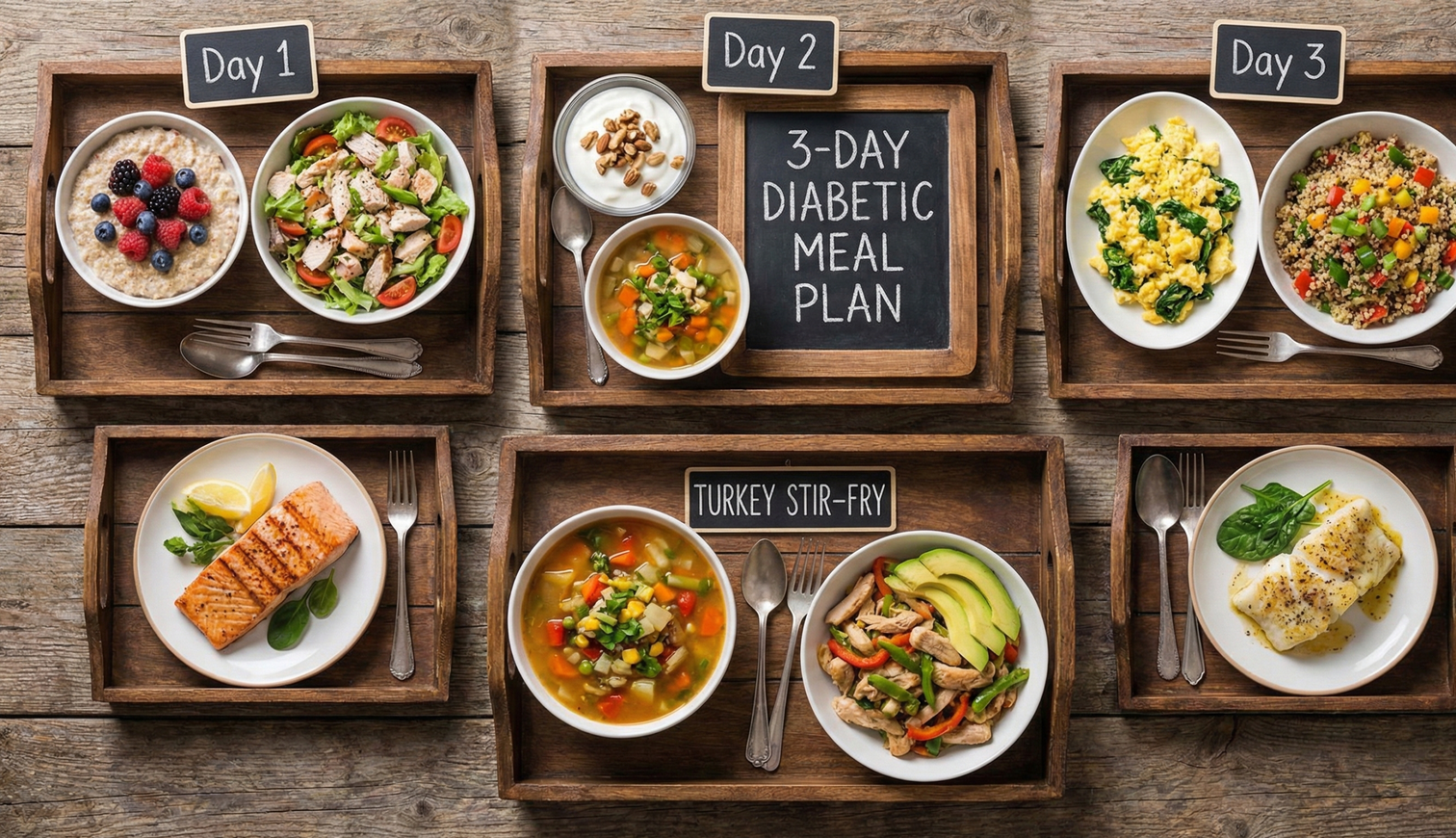
The Strategic 3-Day Diabetic Meal Plan: A Short-Term Reset for Long-Term Control
Managing diabetes often feels like a full-time job where the vacation days are non-existent. The mental load of constantly calculating carbohydrates, monitoring glycemic index (GI), and worrying about the “Dawn Phenomenon” can lead to serious burnout. Sometimes, the thought of planning a whole month or even a week feels impossible. That is exactly why a 3-day diabetic meal plan is your secret weapon.
Think of this 3-day plan as a “nutritional sprint.” It is short enough to be mentally manageable but long enough to break the cycle of poor eating habits and stabilize your blood glucose levels. If you have recently found yourself slipping into old habits, or if you are new to diagnosis and overwhelmed by information, this guide is designed specifically for you.
We are going to move beyond generic advice. This is a structured, culinarily satisfying blueprint that focuses on satiety, nutrient density, and stable energy. If you have already tried our 1-Day Simple Diabetic Menu and found success, this is the logical next step in your journey toward mastering your metabolic health.
Understanding Your Blood Sugar Numbers: A1C, Fasting Glucose & Postprandial Targets
Before we dive into the meals, it is worth taking five minutes to understand the numbers you are actually trying to move. Many people follow a diabetic diet without a clear sense of what “better” looks like on paper. That disconnect makes it harder to stay motivated. When you see a concrete number improve, everything clicks.
There are three primary metrics your healthcare team watches when managing Type 2 diabetes or prediabetes: fasting blood glucose, postprandial (after-meal) blood glucose, and A1C. Each tells a different part of the story.
Normal Range
Prediabetes Range
Non-Diabetic Target
Most Adults with T2D
Prediabetes
What Is A1C and Why Does It Matter?
Your A1C (glycated hemoglobin) is a two-to-three month average of your blood sugar levels. Think of it as a report card for your glucose control. A single blood glucose reading is a snapshot; A1C is the full film. Each 1% reduction in A1C is associated with a significant reduction in the risk of diabetic complications—microvascular damage to your eyes (retinopathy), kidneys (nephropathy), and nerves (neuropathy) all decrease meaningfully. That makes A1C reduction one of the most clinically important goals for any diabetic diet.
The primary drivers of elevated A1C are repeated postprandial glucose spikes—the sharp rise in blood sugar that happens 1–2 hours after eating a high-carbohydrate meal. This 3-day plan is specifically designed to blunt those spikes through strategic food pairing, fiber loading, and low-glycemic carbohydrate choices. Even three days of better postprandial control will begin to nudge your rolling average downward.
The Dawn Phenomenon & Fasting Glucose
Your fasting glucose—measured first thing in the morning before eating—is influenced by the “Dawn Phenomenon,” a natural hormonal surge of cortisol and growth hormone in the early morning that causes the liver to release stored glucose. This is why some people wake up with higher blood sugar than they had at midnight, despite not eating anything. The good news: consistent evening meals with adequate protein and fat (as in Days 1–3 dinners) help moderate this effect by keeping glycogen stores better regulated overnight. Avoiding late-night carbohydrate snacks is also key.
Quick Reference: What This 3-Day Plan Targets
- A1C Support: Reduced postprandial spikes → lower rolling glucose average → A1C improvement over weeks.
- Fasting Glucose: Controlled carb dinners + adequate protein help moderate the Dawn Phenomenon.
- 2-Hour Postprandial: Low-GI carbs paired with fiber and protein keep post-meal readings under 140 mg/dL for most people.
- Insulin Sensitivity: The anti-inflammatory, fiber-rich composition of this plan can begin improving insulin sensitivity within 48–72 hours.
Insulin Resistance Explained: Why This Plan Targets the Root Cause
Insulin resistance is at the heart of Type 2 diabetes and prediabetes. To understand it, picture insulin as a key and your muscle and fat cells as locked doors. In a healthy body, insulin (the key) fits perfectly into the receptor (the lock), opens the door, and glucose floods in from the bloodstream to be used as fuel. In insulin resistance, the lock becomes rusty and stiff. The key still works, but it takes far more of it to open the same door. Your pancreas compensates by pumping out increasingly large amounts of insulin to force glucose into cells. Over time, the pancreas exhausts itself, insulin production falls, and blood sugar rises persistently—Type 2 diabetes.
What causes the lock to get rusty in the first place? The leading culprits are chronic inflammation, excess visceral fat (especially around the abdomen), a sedentary lifestyle, poor sleep, and a diet chronically high in refined carbohydrates and ultra-processed foods. This 3-day plan directly attacks every dietary contributor:
🔥 Reduces Inflammation
Every meal features anti-inflammatory foods: omega-3-rich salmon, polyphenol-rich berries, extra virgin olive oil, and cruciferous vegetables like broccoli. Chronic inflammation is a primary driver of insulin resistance.
📉 Lowers Refined Carb Load
By eliminating white bread, pasta, and sugary snacks and replacing them with steel-cut oats, quinoa, and legumes, we reduce the insulin demand on the pancreas with every meal.
💪 Preserves Muscle Mass
High protein intake (20–30g per meal) supports skeletal muscle, which is the body’s primary glucose disposal tissue. More muscle mass = more efficient insulin action = lower insulin resistance.
🦠 Feeds the Gut Microbiome
Fiber from chickpeas, oats, and vegetables feeds beneficial gut bacteria that produce short-chain fatty acids (SCFAs), which have been shown to improve insulin sensitivity at the cellular level.
Research published in journals including Diabetes Care and The Lancet consistently shows that a modest reduction in body weight (even 5–10%) combined with a structured low-glycemic eating pattern can significantly improve insulin sensitivity, sometimes dramatically reducing medication requirements. This plan is a starting point for that journey.
Type 2 Diabetes & Prediabetes: Is This Plan Right for You?
This 3-day diabetic meal plan is primarily architected for two audiences: people with diagnosed Type 2 diabetes who want to reset their eating habits, and people with prediabetes who are trying to prevent progression to full diabetes. Both conditions are on the same spectrum of metabolic dysfunction, and both respond remarkably well to structured dietary intervention.
For People with Type 2 Diabetes
If you are managing Type 2 diabetes—whether through lifestyle alone, oral medications (like Metformin), GLP-1 receptor agonists (Ozempic, Wegovy), or insulin—this plan is designed to complement your treatment. It does not replace your medications. What it does is give those medications a better environment to work in. When you are eating 130g of controlled, low-GI carbohydrates per day (vs. the average American’s 300g+), the medication’s job becomes dramatically easier. You may notice that your post-meal readings are more predictable, your energy is more stable, and your fasting glucose trends downward.
⚠️ Important Safety Note for Insulin & Sulfonylurea Users
If you use insulin (any type) or sulfonylurea medications (glipizide, glimepiride, glyburide), reducing your carbohydrate intake significantly—as this plan does—carries a risk of hypoglycemia (low blood sugar). Always inform your doctor or diabetes educator before starting a structured lower-carb plan. They may need to adjust your dose. Always carry a fast-acting glucose source (glucose tabs, juice box) during these three days.
For People with Prediabetes
Prediabetes (fasting glucose of 100–125 mg/dL or A1C of 5.7–6.4%) is a critical intervention window. The landmark Diabetes Prevention Program (DPP) study—one of the largest and most cited nutrition studies in history—found that lifestyle intervention (structured healthy eating + 150 minutes/week of moderate activity) reduced the progression from prediabetes to Type 2 diabetes by 58%. That is more effective than the leading diabetes medication in the same study. This 3-day plan embodies exactly the dietary principles used in the DPP: high fiber, lean protein, reduced refined carbohydrates, and healthy fats.
The beautiful thing about starting in prediabetes is that your pancreas still has significant reserve capacity. Small dietary changes made now—habits formed with plans like this one—can reverse elevated blood sugar readings entirely and restore normal glucose metabolism. This is your best opportunity window, and it starts with the next meal.
Why a 3-Day Reset Works (The Science of Short Commitments)
Psychologically, three days is a “sweet spot.” It is a Friday through Sunday, or a Tuesday through Thursday. It is a commitment that feels low-stakes, yet the physiological benefits are significant. Within 72 hours of correcting your diet, your body can begin to shed excess water weight associated with glycogen storage, your insulin sensitivity can improve, and your energy levels can stabilize without the mid-afternoon crash. Additionally, three days is enough to break the cycle of sugar cravings; the first 48 hours are often the hardest, and by day three you’ll notice that desire for sweets diminishes markedly.
The Core Pillars of This Plan (Blood-Smart Principles)
- Fiber Loading: We prioritize soluble fiber (oats, chia, legumes) to slow digestion and blunt insulin spikes. Fiber also feeds beneficial gut bacteria.
- Protein Pacing: Each meal contains at least 20-30g of protein to preserve muscle mass, induce satiety, and prevent between-meal grazing.
- Hydration: High blood sugar dehydrates you. This plan integrates water-rich foods and reminds you to drink water with each meal.
- Flavor over Filler: We use herbs, spices, and healthy fats to make food taste good without added sugar. No bland “diet food” here.
- Glycemic Load Awareness: Every carbohydrate source is low-GI or paired with fat/protein to minimize glucose spikes.
Once you master this short duration, you will have the confidence to tackle our more comprehensive 7-day diabetic menu or even the robust weekly diabetic meal plan. But for now, let’s focus on the next 72 hours.

Precision is Key: Digital Kitchen Scale
Guessing portions is the enemy of blood sugar control. A simple digital scale ensures you are eating exactly the carbs you think you are eating—crucial for a 3-day reset. It helps you learn what 3oz of chicken or 1/2 cup quinoa really looks like.
Check Price on AmazonThe Diabetic Plate Method: Your Visual Guide to Building Every Meal
One of the most powerful and evidence-based tools for managing blood sugar through diet is the Diabetic Plate Method, developed and endorsed by the American Diabetes Association (ADA). It requires no counting, no apps, and no complicated calculations. All you need is a standard 9-inch dinner plate.
The method works on a simple visual division that ensures every plate contains the right proportions of blood-sugar-friendly foods automatically:
Vegetables Broccoli, Spinach,
Zucchini, Peppers
Eggs, Tofu
Legumes
Every meal in this 3-day plan already follows the plate method framework. Day 1 Dinner (salmon, asparagus, quinoa), Day 2 Dinner (chicken stir-fry, cauliflower rice, broccoli), and Day 3 Dinner (zucchini noodle bolognese) are all perfect plate method templates. Use this visual framework when you graduate beyond this 3-day plan and begin building your own diabetic-friendly meals intuitively.
Adding Healthy Fats and Choosing the Right Beverages
The plate method diagram deliberately leaves room for a small side of healthy fat and a glass of water. A small serving of avocado, a drizzle of olive oil, or a sprinkle of seeds completes the plate nutritionally by adding fat-soluble vitamins (A, D, E, K) and slowing the absorption of any carbohydrates present. For beverages: water is always the first choice. Unsweetened herbal tea, sparkling water with lemon, or black coffee (with a splash of unsweetened almond milk) are all acceptable. The cardinal rule is zero sugary drinks—regular soda, sweet tea, fruit juice, and flavored coffee drinks can add 40–80 grams of fast-acting carbohydrates in a single serving, undoing hours of careful eating.
Carb Counting Made Easy: Net Carbs, Sugar Alcohols & Hidden Sugars Explained
For many people newly diagnosed with Type 2 diabetes or prediabetes, carbohydrate counting is the first skill their diabetes educator teaches them. And for good reason: carbohydrates have a more direct and faster impact on blood glucose than either protein or fat. But the world of carb counting has nuances that can trip people up—particularly around net carbs, sugar alcohols, and the dozens of clever names that manufacturers use to hide sugar on food labels.
What Are Net Carbs?
Net carbs = Total Carbohydrates − Dietary Fiber (− Sugar Alcohols, sometimes)
The logic is sound: dietary fiber passes through the digestive system largely unabsorbed and has minimal impact on blood glucose (especially soluble fiber, which forms a gel that actually slows glucose absorption). Therefore, many diabetics subtract fiber from total carbs to get a truer picture of the glucose impact. For example, a 1/2 cup serving of canned chickpeas lists 22g total carbs and 6g fiber, giving you 16g net carbs—a meaningful difference that affects both your carb budget and your insulin calculation if applicable.
✅ Good Carbs on This Plan
- Steel-cut oats (GI ≈ 42, high beta-glucan)
- Quinoa (complete protein + 5g fiber/cup)
- Chickpeas / lentils (resistant starch)
- Sprouted grain bread (lower GI than whole wheat)
- Berries: raspberries, blueberries, strawberries
- Non-starchy vegetables (essentially “free”)
- Cauliflower rice (5g carbs vs. 45g for white rice)
🚫 Carbs to Eliminate
- White rice, white bread, regular pasta
- Sugary breakfast cereals & instant oatmeal
- Fruit juices & smoothies (even “healthy” ones)
- Flavored yogurts with added sugar
- Crackers, pretzels, rice cakes
- Sweetened condiments: ketchup, BBQ sauce, teriyaki
- Dried fruit (raisins, dates—extremely concentrated sugar)
Understanding Sugar Alcohols
Sugar alcohols (sorbitol, xylitol, erythritol, maltitol) are a category of sweeteners found in many “diabetic-friendly” or “keto” packaged foods. They have fewer calories than regular sugar and a lower glycemic impact—but the picture is mixed. Erythritol and xylitol have a very low glycemic index (approximately 0 and 7, respectively) and are generally considered safe for diabetics in moderate amounts. Maltitol, however, has a GI of about 36—still lower than sugar, but high enough to raise blood glucose meaningfully, especially if you eat a large portion. The rule of thumb: for calculating net carbs, subtract 50% of the maltitol carbs (because only half is absorbed), and fully subtract erythritol. Always read the full label.
Decoding Hidden Sugars on Food Labels
Food manufacturers are creative. Sugar appears under more than 60 different names on ingredient lists, and many packaged products marketed as “healthy” or even “diabetic-friendly” are loaded with it. Here are the most common disguises to watch for:
- Syrups: High-fructose corn syrup, rice syrup, malt syrup, agave nectar (high in fructose, which stresses the liver)
- “-ose” sugars: Dextrose, maltose, lactose, galactose, fructose, sucrose
- “Natural” sweeteners: Honey, maple syrup, coconut sugar, date sugar—all spike blood glucose similarly to table sugar
- Concentrated fruit: Fruit juice concentrate, dried fruit pieces, apple juice concentrate
- Starchy fillers: Modified food starch, maltodextrin (GI ≈ 110—higher than table sugar!)
The safest approach: aim for products with fewer than 5g of added sugar per serving, and look for added sugar listed as one of the first three ingredients as an automatic red flag. The meals in this 3-day plan are built entirely from whole foods, so you won’t encounter any of these hidden traps.
Carb Budget for This Plan (~130g/Day)
This plan averages approximately 130 grams of net carbohydrates per day—distributed across three meals and two snacks. This is meaningfully below the standard American diet (260–320g/day) but above the threshold for ketosis (<50g/day). This moderate-carb range has strong evidence for blood sugar management while being socially sustainable, nutritionally complete, and enjoyable long-term. It is the “Goldilocks zone” for most people with Type 2 diabetes or prediabetes.
Day 1: The Stabilization Phase (Breaking the Sugar Cycle)
Day 1 is about removing processed sugars and reintroducing high-quality, complex carbohydrates. You might feel a craving for sugar today—this is normal. Fight it with fiber and stay busy. By the end of day one, your energy will already feel more even.
Breakfast: Creamy Chia & Berry Oats
The Meal: 1/2 cup steel-cut oats (cooked), mixed with 1 tbsp chia seeds, 1/2 cup unsweetened almond milk, and 1/3 cup raspberries. Serve with a mug of green tea if desired.
Why it works: Steel-cut oats have a lower glycemic index (GI ≈42) than instant oats. The chia seeds absorb liquid and expand in your stomach, keeping you full for hours. Raspberries are among the lowest-sugar fruits, providing antioxidants without spiking glucose.
Chef’s Tip: Make this the night before as “overnight oats” to save time. Just combine oats, chia, almond milk, and berries in a jar—refrigerate overnight.
Lunch: Turkey & Avocado Lettuce Wraps (No Bread, All Flavor)
The Meal: 3 large Romaine lettuce leaves filled with 4oz sliced roast turkey breast, 1/2 sliced avocado, tomato slices, and a smear of spicy mustard or sugar-free hummus.
Why it works: By replacing the bread with lettuce, we eliminate approx. 30g of fast-acting carbs. The healthy fats from the avocado ensure you don’t miss the bread, and the protein keeps you full. This meal is also hydrating and crunchy.
Dinner: Lemon-Herb Grilled Salmon with Asparagus & Quinoa
The Meal: 5oz salmon fillet grilled or baked with lemon slices and dill. Served with 1 cup roasted asparagus and 1/2 cup cooked quinoa (about 15g carbs).
Why it works: Salmon is rich in Omega-3 fatty acids (EPA/DHA), which protect heart health—a major concern for diabetics. Quinoa provides a complete protein source alongside a moderate carb portion, and asparagus adds folate and fiber.
Snacks (Prevent Lows, Keep Energy)
- Morning: 1 hard-boiled egg with paprika (protein + healthy fat).
- Afternoon: 10 walnut halves (alpha-linolenic acid, great for brain).
Day 2: The Energy Boost Phase (Plant Diversity & Resistant Starch)
By Day 2, your blood sugar should be stabilizing. You might notice you wake up with more clarity. Today we focus on sustained energy through plant-based diversity and resistant starch from legumes.
Breakfast: Veggie Scramble Power Plate
The Meal: 2 eggs + 1 egg white scrambled with 1 cup spinach, 1/4 cup mushrooms, and 2 tbsp diced bell peppers. Cooked in 1 tsp olive oil. Side of 1/2 grapefruit.
Why it works: Starting the day with protein and fat minimizes the glucose spike. Grapefruit contains naringenin, which may improve insulin sensitivity (check with your doctor if on statins). The vegetables add volume for very few carbs.
Lunch: Mediterranean Chickpea Salad (Resistant Starch Power)
The Meal: 1/2 cup rinsed chickpeas (about 8g fiber), diced cucumber, cherry tomatoes, feta cheese (1 oz), and a few Kalamata olives tossed in olive oil and red wine vinegar.
Why it works: Legumes like chickpeas have “resistant starch,” which digests very slowly and feeds good gut bacteria. This prevents the post-lunch slump commonly associated with high-carb meals. The healthy fat from olives and oil further blunts glucose.
Dinner: Chicken Stir-Fry with Cauliflower Rice
The Meal: 4oz chicken breast strips stir-fried with 1 cup broccoli florets, 1/2 cup snap peas, and bok choy in a ginger-soy (low sodium, no sugar) sauce. Served over 1 cup cauliflower rice (5g carbs vs. 45g for white rice).
Why it works: Cauliflower rice mimics the texture of white rice but with a fraction of the carbs. This allows you to eat a high-volume dinner without the guilt. The colorful veggies supply vitamins C and K.
Snacks
- Morning: Celery sticks with 1 tbsp natural peanut butter.
- Afternoon: 1 small container (5oz) plain Greek yogurt with 1 tsp flaxseed (adds lignans and fiber).
Enjoying the variety? This is just a taste of what you can find in our 14-day diabetic meal plan, where we introduce even more global flavors and seasonal ingredients.
Day 3: The Maintenance & Momentum Phase (Proof of Concept)
On Day 3, your cravings should be significantly reduced. We introduce slightly more complex flavors to keep things interesting and prove that diabetic food isn’t boring. You’ll likely notice better energy and maybe even a drop on the scale (water weight).
Breakfast: Avocado Toast with Poached Egg (Sprouted Grain)
The Meal: 1 slice of sprouted grain bread (like Ezekiel bread, about 15g carbs), topped with 1/3 mashed avocado, red pepper flakes, and 1 poached or fried egg. Squeeze of lime.
Why it works: Sprouted grain bread has a lower glycemic index than whole wheat bread because the grain kernel has been broken down by the sprouting process, making it easier to digest but slower to turn to sugar. The egg and avocado provide protein and fat for balance.
Lunch: Leftover Chicken & Quinoa Bowl (Waste-Free)
The Meal: Use leftover chicken from Day 2 and quinoa from Day 1. Mix with a handful of fresh arugula and a lemon-tahini dressing (tahini = sesame paste, rich in minerals). Add a few cherry tomatoes if available.
Why it works: Utilizing leftovers reduces cooking stress and food waste. Tahini adds healthy fats and calcium. This bowl is high in protein and fiber, keeping you full for hours.
Dinner: Zucchini Noodle Bolognese (Classic Comfort Remade)
The Meal: 4oz lean ground beef (90% lean) or turkey simmered in 1/2 cup marinara sauce (no added sugar). Served over spiralized zucchini noodles (zoodles) from 1 large zucchini. Top with 1 tbsp grated parmesan.
Why it works: Zoodles are the ultimate pasta replacement—they absorb the flavor of the sauce perfectly while providing hydration, vitamin A, and C. By swapping pasta for zucchini, you save about 40g of carbs per serving. The lean meat provides iron and protein.
Snacks
- Morning: 1 string cheese (mozzarella, low in carbs).
- Afternoon: 1/2 cup edamame (in shell, rich in protein and fiber).

Make Veggies Fun: The Spiralizer
To make the Zucchini Noodle Bolognese on Day 3, a spiralizer is essential. It turns boring vegetables into pasta-like comfort food in seconds. Great for zoodles, carrot noodles, and more.
Check Price on AmazonAnti-Inflammatory Foods & Diabetes Superfoods: What the Research Actually Shows
The term “superfood” is often overused in wellness marketing, but when it comes to diabetes management, there are specific foods with a compelling evidence base for improving glucose control, reducing insulin resistance, and protecting against diabetic complications. Every one of them appears somewhere in this 3-day plan.
🫐 Berries (Especially Dark Berries)
Blueberries, raspberries, and strawberries are rich in polyphenols called anthocyanins, which have been shown in randomized controlled trials to improve insulin sensitivity and reduce oxidative stress. They are also among the lowest-GI fruits available (GI 25–40). Include them daily for maximum benefit.
🥦 Cruciferous Vegetables
Broccoli, cauliflower, Brussels sprouts, and bok choy contain sulforaphane, a potent compound that activates Nrf2 pathways—the body’s master antioxidant switch. Sulforaphane has been shown in human trials to reduce fasting blood glucose in people with Type 2 diabetes.
🫒 Extra Virgin Olive Oil (EVOO)
The cornerstone of the Mediterranean diet, EVOO contains oleocanthal (a natural anti-inflammatory) and oleic acid (a monounsaturated fat that improves insulin sensitivity). A four-tablespoon-per-day Mediterranean intervention reduced cardiovascular events in diabetics by 30% in the landmark PREDIMED trial.
🐟 Fatty Fish (Salmon, Mackerel, Sardines)
EPA and DHA (omega-3 fatty acids) found in fatty fish reduce circulating triglycerides, lower systemic inflammation (measured by CRP), and protect the cardiovascular system—critical for diabetics who face 2–4x higher heart disease risk than the general population.
🌰 Walnuts & Almonds
Tree nuts consistently reduce postprandial glucose when eaten with high-carb meals. Walnuts specifically contain alpha-linolenic acid (ALA), a plant-based omega-3. A handful of walnuts (1 oz) as an afternoon snack has been shown to improve glycemic control in people with Type 2 diabetes with regular consumption.
🫘 Legumes (Chickpeas, Lentils, Black Beans)
Legumes are perhaps the single most under-appreciated diabetes-management food. Their unique combination of protein, fiber, and resistant starch produces an exceptionally blunted glycemic response—even lower than expected from their carbohydrate content alone. Adding one serving of legumes per day has been linked to lower A1C in multiple studies.
🥑 Avocado
Avocados are loaded with monounsaturated fat, potassium, and fiber—three nutrients particularly beneficial for diabetics. Potassium helps manage blood pressure (a frequent comorbidity), while the fat content slows gastric emptying and reduces the GI of any carbohydrate-containing food it accompanies.
🍵 Green Tea
Green tea contains EGCG (epigallocatechin gallate), a catechin shown in meta-analyses to modestly reduce fasting blood glucose and A1C. It also provides a gentle caffeine boost without the blood sugar implications of sweetened coffee drinks. Drinking 2–3 cups daily is a simple habit with a meaningful physiological return.
Notice that this plan is not built around expensive powders, exotic supplements, or “miracle” single ingredients. These are ordinary foods available at any grocery store—strategically combined and portion-controlled to work synergistically on your glucose metabolism.
Gut Health, Probiotics & Blood Sugar: The Surprisingly Powerful Connection
In the last decade, research into the gut microbiome—the trillions of bacteria, fungi, and other microorganisms living in your digestive tract—has transformed our understanding of metabolic disease. The gut microbiome is no longer considered a passive bystander in diabetes; it is an active participant. People with Type 2 diabetes have measurably different gut bacterial profiles compared to metabolically healthy people, with lower populations of beneficial bacteria like Akkermansia muciniphila and Lactobacillus species, and higher populations of inflammatory bacteria.
How the Gut Microbiome Influences Blood Sugar
Beneficial gut bacteria ferment dietary fiber and resistant starch to produce short-chain fatty acids (SCFAs)—primarily butyrate, propionate, and acetate. SCFAs have remarkable metabolic effects: they improve insulin sensitivity at the cellular level, reduce hepatic (liver) glucose production, stimulate the release of GLP-1 (the same hormone that GLP-1 receptor agonist drugs like Ozempic mimic), and reduce intestinal permeability (“leaky gut”) that drives systemic inflammation and worsens insulin resistance.
This is why legumes and oats appear so prominently in this 3-day plan. The chickpeas in Day 2’s lunch, the chia seeds in Day 1’s breakfast, and the flaxseed in the afternoon Greek yogurt snack are all deliberately chosen gut-microbiome foods. They feed your beneficial bacteria and trigger SCFA production, creating a cascade of metabolic benefits that extend well beyond the meal itself.
Probiotics for Diabetics: What the Evidence Says
A 2021 systematic review and meta-analysis published in Nutrients found that probiotic supplementation reduced fasting blood glucose by an average of 7.6 mg/dL and A1C by 0.5% compared to placebo in people with Type 2 diabetes. While not a replacement for dietary intervention, adding fermented foods—which naturally contain live probiotic cultures—to your routine complements the prebiotic fiber you are already feeding those cultures with this plan.
🥛 Plain Greek Yogurt
Featured in the Day 2 afternoon snack, plain Greek yogurt provides live Lactobacillus and Bifidobacterium cultures. Always choose unsweetened versions—the added fruit or honey in flavored yogurts adds 20–30g of sugar per container.
🥬 Fermented Foods to Add
Sauerkraut, kimchi, kefir, tempeh, and miso are all rich in probiotic bacteria. Adding 1–2 servings of fermented foods per day alongside this plan provides an additional microbiome support layer. A tablespoon of sauerkraut with your Day 3 zoodle bolognese adds virtually zero carbs and significant probiotic benefit.
🌾 Prebiotic Fiber Foods
Prebiotics feed your existing gut bacteria. Top sources include: garlic, onion, leeks, asparagus, oats, chia seeds, and legumes—all of which appear in this 3-day plan. Prebiotics and probiotics together create a “synbiotic” effect more powerful than either alone.
Diabetes-Friendly Nutrition: The Key Micronutrients You May Be Deficient In
Blood sugar control is not just about macronutrients (carbs, protein, fat). Several micronutrients play critical roles in insulin signaling, glucose metabolism, and protection against diabetic complications—and people with diabetes are disproportionately deficient in many of them. This section covers the four most important and shows how this plan helps address them through food.
Magnesium: The Blood Sugar Mineral
Magnesium is involved in over 300 enzymatic reactions, including the insulin receptor pathway. Studies consistently find that people with Type 2 diabetes have lower serum magnesium levels than healthy controls, and that higher dietary magnesium intake is associated with a 15–23% lower risk of developing Type 2 diabetes. Magnesium deficiency impairs both insulin secretion from the pancreas and insulin sensitivity in peripheral tissues. The foods in this plan rich in magnesium include: pumpkin seeds and almonds (snacks), spinach (Day 2 breakfast), salmon (Day 1 dinner), black beans, and dark chocolate (see the supplement section). Target: 310–420 mg/day depending on age and sex.
Chromium: The Insulin Cofactor
Chromium potentiates insulin action by facilitating the binding of insulin to its cell receptors. The evidence is nuanced—chromium supplementation shows more benefit in people who are deficient, and deficiency is surprisingly common in Western diets due to highly processed food consumption. Food sources include: broccoli (the richest dietary source, Day 2 dinner), brewer’s yeast, green beans, and eggs (featured daily in this plan). The recommended dietary intake for chromium is 20–35 mcg/day, achievable through a whole-food diet.
Vitamin D: Beyond Bone Health
The Vitamin D and diabetes connection is one of the most studied in nutritional medicine. Vitamin D receptors are present on pancreatic beta cells, and Vitamin D deficiency is associated with impaired insulin secretion. A 2023 meta-analysis found that Vitamin D supplementation in people who were deficient significantly improved glycemic control. Food sources are limited (fatty fish like salmon, eggs, and fortified milk are the primary ones), which is why this plan includes salmon (Day 1) and eggs (Days 2 and 3). Most people with Type 2 diabetes should ask their doctor to test their 25-OH Vitamin D level; supplementation of 2,000–4,000 IU/day is often recommended for those found to be deficient.
Potassium: The Blood Pressure & Glucose Partner
Potassium is essential for maintaining healthy blood pressure—a critical issue for diabetics, who have two to four times the cardiovascular risk of the general population. Beyond blood pressure, potassium plays a role in insulin secretion: low potassium levels impair the pancreas’s ability to release insulin normally. Rich food sources in this plan include: avocado (the highest potassium food per calorie—more than bananas), spinach, salmon, edamame (Day 3 snack), and broccoli. Note: people with diabetic kidney disease (nephropathy) may need to limit potassium; always follow your nephrologist’s guidance in this case.
Micronutrient Cheat Sheet
- Magnesium: Spinach, almonds, pumpkin seeds, dark chocolate — targets insulin receptor function
- Chromium: Broccoli, eggs, green beans — potentiates insulin sensitivity
- Vitamin D: Salmon, eggs, sunlight — supports pancreatic beta-cell function
- Potassium: Avocado, spinach, edamame, salmon — blood pressure + insulin secretion
- Zinc: Lean beef, pumpkin seeds, chickpeas — involved in insulin synthesis and storage
- B12: Eggs, fish, lean meat — often depleted by Metformin; critical for nerve health
Comparison: 3-Day Plan vs. “Winging It” vs. Strict Keto
Why is a structured plan so much more effective than trying to eat healthy on the fly? Let’s look at the breakdown.
| Feature | The 3-Day Strategic Plan | Unplanned “Healthy Eating” | Strict Keto Diet |
|---|---|---|---|
| Decision Fatigue | Zero (Decisions made in advance) | High (Constant choices, often impulsive) | Moderate (many restrictions to remember) |
| Prep Time | ~2 hours total (Sunday prep, leftovers used) | 30+ mins per meal, stressful | High (specialty keto ingredients) |
| Carb Count | Moderate & Controlled (~130g, low‑GI) | Unpredictable, often high | Very Low (<20g net) |
| Sustainability | High (uses everyday foods) | Low (easy to grab pizza/fast food) | Low for many (socially restrictive) |
| Cost | Low to moderate (uses leftovers, simple veg) | High (takeout, impulse buys) | High (meat/cheese heavy) |
| Nutritional Completeness | High (fiber, vitamins, phytonutrients) | Usually low (processed foods) | Often low in fiber, high in saturated fat |
If you prefer the strict approach mentioned in the third column, you might want to explore our low-carb weekly diabetic menu for a regimen that cuts carbohydrates even further while maintaining satiety.
Reading Food Labels Like a Diabetic Expert: A 60-Second Checklist
One of the most practical skills you can develop for long-term diabetes management is the ability to evaluate a food label quickly and accurately. Most people look at one or two numbers and make a snap judgment. Diabetic label-reading is more systematic, but once you practice it a few times, it becomes second nature.
Step 1: Check the Serving Size First
Everything else on the label is based on one serving, and manufacturers often set serving sizes unrealistically small. A bag of “healthy” crackers might list 16g of carbs per serving—but the serving size is 5 crackers, and you will realistically eat 20. Always calculate: (total carbs per serving) × (number of servings you’ll actually eat). This is where most label-reading errors happen.
Step 2: Look at Total Carbohydrates
Find the “Total Carbohydrate” line in grams. This is your primary concern. Target less than 30–45g of total carbs per main meal (or follow your personal carb budget set by your dietitian). Look at the sub-items: dietary fiber (subtract from total for net carbs), total sugars, and added sugars (the most recently added label requirement in the US).
Step 3: Find Added Sugar
Total sugars include naturally occurring sugars (in fruit, dairy) which are less concerning than added sugars, which spike blood glucose more acutely. Aim for <5g of added sugar per serving. Zero is ideal for this 3-day reset. Everything in this plan is made from whole foods with zero added sugar.
Step 4: Check Sodium (For Blood Pressure)
People with diabetes frequently have high blood pressure (hypertension), and excess sodium accelerates this. The AHA recommends <2,300 mg of sodium per day for the general population, and many diabetics benefit from an even lower target of 1,500 mg. Packaged sauces, canned goods, and deli meats are the biggest hidden sodium sources. This plan uses low-sodium soy sauce and fresh ingredients to keep sodium in check.
Step 5: Review the Ingredient List
Ingredients are listed in descending order by weight. If sugar (under any name) appears in the first three ingredients, that is a red flag. Look for: whole grains listed first, fiber content above 3g per serving, minimal artificial additives, and recognizable ingredients. A simple rule: if you cannot pronounce most of the ingredients, it belongs on a different shelf.
Step 6: Consider the Protein Content
Protein slows gastric emptying and blunts the glycemic response of carbohydrates. A snack with 5g of carbs but no protein will spike glucose faster than one with 15g of carbs and 10g of protein. When evaluating packaged snacks, look for a protein-to-carb ratio of at least 1:3 (one gram of protein for every three grams of carbs) for better glucose stability.
Your 3-Day Grocery List (Efficient Shopping)
Success starts in the supermarket. Here is everything you need for this plan. Most items are versatile and can be used across multiple meals.
🥦 Produce
- Spinach / Arugula / Romaine (2 bags)
- Avocados (2 ripe)
- Raspberries or blueberries (1/2 pint)
- Broccoli & Asparagus (1 bunch each)
- Zucchini (2 large)
- Bell peppers, mushrooms, snap peas
- Grapefruit / Lemons / Limes
- Garlic, ginger, fresh herbs (dill, parsley)
🥩 Protein
- Eggs (1 dozen, preferably omega-3)
- Salmon Fillet (5–6 oz)
- Chicken Breast (1 lb total)
- Turkey Breast (deli or roasted, no sugar)
- Lean Ground Beef/Turkey (1/2 lb)
- Greek Yogurt (plain, 5 oz container)
- String cheese or feta cheese
🥑 Pantry & Dry Goods
- Steel-cut Oats (1/2 cup needed)
- Chia Seeds
- Quinoa (1/2 cup needed)
- Chickpeas (1 can, no salt added)
- Marinara Sauce (no sugar added)
- Walnuts / Almonds (small pack)
- Olive Oil, Spices (cinnamon, paprika, dill)
- Unsweetened almond milk
Also pick up low-sodium soy sauce or coconut aminos, and Dijon mustard.
Eating Out on the 3-Day Plan: Restaurant Survival Strategies
Life does not pause for a 3-day meal plan. A work lunch, a family dinner, a birthday celebration—these happen regardless of your reset schedule, and knowing how to navigate a restaurant menu while managing blood sugar is a skill worth building explicitly. The good news is that with a few strategic substitutions and a bit of confident ordering, almost any restaurant can accommodate a diabetes-friendly meal.
General Ordering Principles
- Ask about substitutions: Almost every restaurant will swap white rice for a side salad, swap regular pasta for extra vegetables, or reduce sauce quantities. Ask confidently—it is a normal request in modern food culture.
- Protein + non-starchy vegetable as the anchor: Build your mental order around a protein (grilled fish, chicken, lean beef, eggs) and a non-starchy vegetable (salad, roasted veg, steamed greens). Everything else is optional.
- Request sauces on the side: Many restaurant sauces—teriyaki, sweet-and-sour, barbecue, honey glaze—are essentially liquid sugar. Asking for them on the side lets you use a small amount for flavor without drowning your food.
- Avoid “crispy” and “battered”: These are code words for breaded and deep-fried, which adds 20–40g of refined carbs plus inflammatory vegetable oils to your meal. Choose “grilled,” “baked,” “steamed,” or “roasted.”
- Start with a salad or broth soup: Beginning a meal with a fiber and water-rich first course slows gastric emptying and blunts the glucose rise from subsequent courses significantly—research shows up to a 35% reduction in postprandial glucose with this ordering strategy.
- Skip the bread basket: It arrives before you are hungry, it is easy to overeat, and it is almost always made from refined white flour. Ask the server not to bring it.
By Cuisine Type: Quick Reference
✅ Best Choices by Cuisine
- Mediterranean/Greek: Grilled fish, Greek salad, hummus with vegetables, lamb skewers, tzatziki
- Japanese: Sashimi, edamame, miso soup, yakitori (no sauce), seaweed salad, tataki
- Mexican: Fajitas (skip tortillas), ceviche, grilled chicken, guacamole, salsa, black beans (small portion)
- Indian: Tandoori chicken, dal (lentils), saag paneer, raita (yogurt), avoid naan and rice
- American: Bunless burgers, grilled fish, salads, egg dishes, roasted vegetable sides
🚫 High-Risk Items to Avoid
- Pasta dishes, risotto, gnocchi, fried rice
- Breaded and fried proteins (chicken tenders, fish & chips)
- Sweet sauces: teriyaki, honey mustard, sweet-and-sour, BBQ
- Bread baskets, croutons, flour tortillas
- Desserts: most are sugar and refined flour bombs
- Sweetened beverages (including “fresh” juices and smoothies)
Stress, Emotional Eating & Diabetes Burnout: Recovery Starts Here
No article about a diabetic meal plan would be complete without addressing the emotional and psychological side of eating with diabetes. Diabetes burnout—a state of physical and emotional exhaustion from the relentless demands of diabetes self-management—is real, widespread, and rarely discussed in clinical settings. Studies estimate that up to 40% of people with diabetes experience significant burnout at some point, characterized by stopping glucose monitoring, abandoning meal plans, and feeling disconnected from self-care.
If you are reading this article, you are probably not in full burnout—you are actively looking for structure and guidance, which is a sign of resilience. But understanding the psychological traps can help you avoid sliding toward them.
How Stress Directly Raises Blood Sugar
Stress—whether physical (illness, injury) or psychological (work pressure, relationship conflict, financial worry)—triggers the release of cortisol and adrenaline. These stress hormones are evolutionarily designed to flood the bloodstream with glucose to fuel a “fight-or-flight” response. In a person without diabetes, the insulin response quickly clears this glucose surge. In someone with Type 2 diabetes or impaired insulin sensitivity, the elevated cortisol-induced glucose may linger for hours, raising A1C without a single bite of food. This is why two people following identical diets can have different A1C outcomes if their stress levels differ substantially.
Emotional Eating & Blood Sugar: Breaking the Cycle
Stress eating typically reaches for high-sugar, high-fat “comfort foods”—foods that activate the brain’s dopamine reward system quickly. The blood sugar spike from these foods creates a temporary feeling of calm, followed by a crash that increases irritability and stress—which triggers another craving. This is the emotional eating cycle, and people with diabetes are particularly vulnerable to its consequences because each spike carries metabolic costs beyond just calories.
Practical Stress & Burnout Recovery Strategies
- Name the feeling, not the food: Before eating when stressed, pause and ask “Am I actually hungry, or am I trying to soothe an emotion?” Just naming the emotion creates a small circuit break between the urge and the action.
- Keep emergency low-GI snacks accessible: The goal is to make the healthy choice the easy choice. Pre-portioned almonds, cut vegetables, or string cheese in your bag eliminates the friction of reaching for vending machines.
- Use the 10-minute rule: If you want to eat something that will spike your blood sugar, wait 10 minutes. Take a short walk, drink a glass of water, or send a quick message to a friend. The craving will diminish significantly in many cases.
- Lower the bar during high-stress periods: Diabetes burnout often follows a period of trying to be “perfect.” Give yourself explicit permission to aim for “good enough”—70% adherence to a good plan beats 100% adherence for two weeks followed by total abandonment. Progress over perfection, always.
- Seek support proactively: Diabetes support groups (in-person or online), diabetes educators, and psychologists who specialize in chronic illness management are invaluable resources. Connection with others who understand the experience reduces the isolation that fuels burnout.
Alcohol & Diabetes: What You Need to Know Before the Weekend
Alcohol and diabetes have a complex, nuanced relationship that most standard meal plan guides gloss over—so we won’t. The short version: moderate alcohol consumption is generally acceptable for most people with well-controlled Type 2 diabetes, but requires specific awareness, especially if you take insulin or sulfonylureas.
How Alcohol Affects Blood Sugar
Alcohol is primarily processed by the liver. Here is the critical point: when your liver is busy metabolizing alcohol, it pauses its normal background production of glucose (gluconeogenesis). This means alcohol—especially when consumed on an empty stomach, or in large amounts—can cause hypoglycemia (low blood sugar), sometimes hours after drinking. This hypoglycemia risk is highest for people taking insulin or sulfonylurea medications. The symptoms of hypoglycemia (shakiness, confusion, sweating) can also mimic intoxication, making it easy to mistake one for the other—a potentially dangerous scenario.
Conversely, many alcoholic drinks—beer, sweet cocktails, flavored spirits, and wine with residual sugar—contain significant carbohydrates that can spike blood glucose. The practical outcome: alcohol creates a double-edged metabolic challenge. The safest approach during your 3-day reset is to eliminate alcohol entirely. After the reset, if you choose to drink moderately:
- Choose low-carb options: dry red wine (~4g carbs), dry white wine (~3g), spirits (vodka, gin, whiskey) with sugar-free mixers (0g carbs)
- Never drink on an empty stomach—the protein and fat in your meal slow alcohol absorption and provide a glucose buffer
- Test your blood sugar before bed if you have been drinking
- Limit to 1 drink/day for women, 2 for men (standard ADA guidance)
- Inform your diabetes care team about your alcohol habits—they may adjust medication timing accordingly
Blood Pressure, Cholesterol & Kidney Health: Why This Plan Protects More Than Your Blood Sugar
Diabetes rarely travels alone. The majority of people with Type 2 diabetes also have high blood pressure (hypertension), and many have dyslipidemia (abnormal cholesterol and triglyceride levels). Together with blood sugar dysregulation, this cluster of risk factors is known as metabolic syndrome—and it dramatically elevates the risk of heart attack, stroke, and chronic kidney disease. The encouraging truth is that the dietary principles that stabilize blood sugar also improve blood pressure and cholesterol simultaneously.
Cardiovascular Protection in This Plan
The omega-3 fatty acids in salmon (Day 1 dinner) reduce triglycerides—a key cardiovascular risk marker often elevated in Type 2 diabetes. Soluble fiber from oats (Day 1 breakfast) and legumes (Day 2 lunch) has been shown in numerous meta-analyses to reduce LDL cholesterol by binding bile acids in the gut and eliminating them. Extra virgin olive oil, used throughout the plan, raises HDL (protective) cholesterol while reducing LDL oxidation, the step that converts LDL into the arterial plaque-forming species. Avocado (Days 1 and 3) provides plant sterols that further reduce LDL absorption. These are the building blocks of a genuine cardioprotective diet—not just a glucose management plan.
Kidney Health Considerations
Diabetic nephropathy (kidney disease) develops in 20–40% of people with diabetes and is the leading cause of kidney failure in developed countries. The primary dietary levers for protecting kidney health are sodium restriction, adequate hydration, and controlling blood pressure. This plan uses low-sodium soy sauce, fresh herbs instead of salt-heavy seasonings, and water-rich whole foods to keep sodium below 2,000 mg/day. If you have been told you have reduced kidney function (low eGFR), your dietary requirements for protein, potassium, and phosphorus may be modified. Always follow your nephrologist’s specific guidance, which may override general diabetic diet recommendations.
Expert Insights: Beyond the Food (Lifestyle Factors)
While this 3-day diabetic meal plan focuses on food, glucose control is multifactorial. Here are three evidence-based habits to amplify your results.
1. The 10-Minute Walk Rule (Post-Meal Movement)
Try to walk for just 10 minutes after Lunch and Dinner. This mechanical movement of muscles helps absorb glucose from the bloodstream without requiring insulin, significantly lowering your post-meal numbers (studies show a 20–30% reduction in glucose spike).
2. Sleep Hygiene (Cortisol Control)
Poor sleep raises cortisol, which in turn raises blood sugar. During these three days, try to get 7-8 hours of sleep. It will make sticking to the diet easier as you won’t be fighting exhaustion-induced sugar cravings. Consider a bedtime routine: no screens 30 min before bed.
3. Continuous Glucose Monitoring (CGM) or Finger Sticks
If you have access to a CGM, watch the curves after eating the oatmeal vs. the eggs. Learning how your unique biology responds to specific carbs is the ultimate bio-hack. If you use a glucometer, test at fasting and 2h post meals.
Ready to turn this 3-day sprint into a marathon? Our 30-day diabetic menu is the comprehensive guide you need for a total lifestyle overhaul.
Cinnamon, Apple Cider Vinegar & Other Evidence-Based Blood Sugar Supplements
The internet is filled with claims about natural remedies for diabetes. Some are genuinely supported by science; others are marketing myths. Here is an honest, evidence-graded review of the most commonly discussed natural blood sugar supplements—so you can make informed decisions alongside, not instead of, your medical treatment.
🌿 Cinnamon (Ceylon vs. Cassia)
Multiple studies show that cinnamon can modestly reduce fasting blood glucose (by 10–29%) and improve insulin sensitivity. The active compound, cinnamaldehyde, activates insulin receptors. Important caveat: use Ceylon cinnamon rather than Cassia (the most common type sold in supermarkets)—Cassia contains coumarin in high amounts, which can be harmful to the liver in large doses. Start with 1/2 teaspoon of Ceylon cinnamon daily (sprinkled on oatmeal, yogurt, or coffee). This plan includes cinnamon as a recommended pantry spice for a reason.
🍎 Apple Cider Vinegar (ACV)
ACV has been shown in small but consistent human trials to reduce postprandial blood glucose by 20% when taken before a high-carb meal. The proposed mechanism: acetic acid inhibits enzymes that break down carbohydrates, slowing glucose absorption. Practical use: 1–2 tablespoons in a glass of water 10–15 minutes before a meal. Never drink it undiluted (it is corrosive to tooth enamel and the esophagus). Note: ACV is contraindicated with certain medications including some diuretics and insulin—check with your doctor.
🫚 Berberine
Berberine—a compound found in goldenseal, barberry, and Oregon grape plants—is perhaps the most clinically compelling natural compound for blood sugar management. A 2008 study published in Metabolism found berberine as effective as Metformin for lowering fasting glucose, postprandial glucose, and A1C over three months. Berberine activates AMPK, the same cellular energy-sensing pathway that Metformin targets. Dose: 500 mg taken 2–3 times daily with meals. Important: berberine can interact with medications, and because it has genuine pharmacological potency, discuss with your doctor before use—especially if you are already on glucose-lowering medications.
🥗 Psyllium Husk
Psyllium husk is a highly concentrated form of soluble fiber that, when taken before meals, forms a viscous gel in the gut that dramatically slows glucose absorption. Studies show consistent postprandial glucose reduction of 10–20% with 5–10g of psyllium before carbohydrate-containing meals. It also lowers LDL cholesterol and improves bowel regularity—meaningful secondary benefits for people with diabetes-associated dyslipidemia. Mix 1 tablespoon in a large glass of water 30 minutes before meals, or add to oatmeal and yogurt.
🌰 Magnesium Glycinate
As discussed in the micronutrient section, magnesium deficiency is common in Type 2 diabetes and directly impairs insulin sensitivity. If you suspect deficiency (symptoms include muscle cramps, poor sleep, and fatigue), magnesium glycinate (200–400 mg before bed) is a well-tolerated supplemental form. Food first is always preferred, but magnesium glycinate is among the most absorbable forms if supplementation is warranted.
🟡 Turmeric / Curcumin
Curcumin, the active compound in turmeric, is one of the most studied anti-inflammatory natural compounds. A 2012 study in Diabetes Care found that curcumin supplementation significantly delayed the progression from prediabetes to Type 2 diabetes—a remarkable finding. Its mechanisms include activating AMPK, reducing inflammatory cytokines (TNF-alpha, IL-6), and improving beta-cell function. Add turmeric generously to cooking (pair with black pepper to increase absorption by 2,000%), or consider a curcumin supplement with piperine.
⚠️ Critical Supplement Safety Note
Natural supplements are not “side-effect free” simply because they are natural. Berberine, ACV, and cinnamon can all lower blood sugar—and if combined with insulin or sulfonylurea medications, this can cause hypoglycemia. Always disclose all supplements to your diabetes care team. Never use natural supplements as a replacement for prescribed medication without medical supervision.
Measuring Success Beyond the Scale: Non-Scale Victories That Actually Matter
One of the most self-defeating habits in diabetes management is measuring success exclusively by the number on the bathroom scale. Weight is a useful metric, but it is a lagging indicator that fluctuates daily with hydration, hormonal cycles, sodium intake, and bowel movements. Tying your entire sense of progress to a single number that can swing 2–4 lbs in a day for non-fat reasons is a recipe for discouragement—and discouragement is the primary precursor to abandoning healthy habits.
Instead, we encourage you to track non-scale victories (NSVs)—tangible, meaningful indicators of genuine metabolic improvement that often appear before weight loss does. After these three days, look for:
📉 More Stable Blood Glucose Readings
Are your postprandial readings under 140 mg/dL? Is your fasting glucose trending downward or more consistent? Reduced glucose variability is the most direct measure of success on this plan—and it shows up within 24–48 hours of making dietary changes.
⚡ Sustained Energy (No Afternoon Crash)
The mid-afternoon energy crash is almost entirely driven by a postprandial glucose spike followed by a reactive dip. If you are eating the lunches in this plan and notice that 2–3pm feels like any other time of day (not a desperate reach for coffee or sugar), that is a profound NSV.
😴 Better Sleep Quality
High blood sugar disrupts sleep quality through frequent urination (nocturia) and restlessness. As glucose stabilizes, sleep quality improves. Are you waking up feeling more rested? That is your metabolic health improving.
🧠 Mental Clarity
Chronic blood sugar dysregulation is associated with cognitive difficulties—difficulty concentrating, “brain fog,” poor working memory. As glucose stabilizes on this plan, many people notice clearer thinking and improved focus. If your thoughts feel sharper by Day 3, that is biochemical, not placebo.
🍰 Reduced Sugar Cravings
After 48–72 hours of eliminating refined sugar and replacing it with fiber-rich whole foods, the cycle of craving-spike-crash that perpetuates sugar addiction begins to break. Noticing that the dessert menu looks less urgent than usual is a sign that your dopamine response is recalibrating toward more stable glucose.
📏 Reduced Bloating & Waist Measurement
Cutting refined carbs and ultra-processed food reduces bloating almost immediately—largely because these foods drive water retention alongside glycogen storage. Measuring your waist circumference (a better indicator of visceral fat and insulin resistance than scale weight) is a more meaningful metric than body weight alone.
Track at least three of these NSVs over your 3-day reset. We recommend journaling a one-sentence note at the end of each day: “My energy was [better/same/worse]. My 2-hour glucose after lunch was [reading]. My craving level was [1–10].” Three days of this data will show you patterns that are far more instructive than a scale number.
Frequently Asked Questions (Evidence-Based Answers)
Can I lose weight on this plan?
Yes, the caloric deficit and high fiber often lead to weight loss, but the primary goal is glucose stability.
Is this plan suitable for Type 1?
Yes, but insulin must be adjusted. Consult your team and use carb counts (approx 45g/meal).
Can I swap ingredients?
Absolutely. Keep macros similar: protein, healthy fat, and low-GI carbs.
What drinks are allowed?
Water, unsweetened tea, black coffee, sparkling water. No sugary drinks.
Do I need to fast before starting?
No, just start with the next meal. Consistency matters more.
How often to test blood sugar?
Fasting and 2h after meals to see patterns. CGM is ideal if available.
Is this keto?
No, it’s moderate carb (130g/day) with healthy complex carbs—not ketogenic.
What if I feel hungry?
Drink water first, then choose a free snack: celery, cucumber, almonds.
Can I repeat this plan?
Yes, but for variety, move to our 7-day or 14-day plans afterward.
Do I need supplements?
Generally no; whole foods provide enough nutrition for 3 days. Discuss with your doctor.
Can I prep meals in advance?
Yes, meal prep is highly encouraged! Cook quinoa, grill chicken, chop veggies on Day 0.
What if my blood sugar goes low?
Always have 15g fast carbs (juice, glucose tabs) if on insulin/sulfonylureas.
What A1C should I target?
Most adults with T2D target below 7.0%. This plan supports A1C reduction by blunting postprandial spikes.
Is this plan right for prediabetes?
Absolutely—it mirrors the Diabetes Prevention Program dietary principles shown to reduce T2D progression by 58%.
What are net carbs?
Net carbs = total carbs minus fiber (and some sugar alcohols). Most diabetics track net carbs for a more accurate picture of glucose impact.
Can cinnamon help blood sugar?
Yes—Ceylon cinnamon has modest evidence for reducing fasting glucose. Use 1/2 tsp daily in food. Avoid high doses of Cassia cinnamon.
Your Health Reset Starts Now
You don’t need to wait for Monday or the first of the month. You can start your 3-day reset with your very next meal. By following this simple yet strategic plan, you are taking a powerful step toward reclaiming control over your diabetes—improving your A1C, reversing insulin resistance, and building the habits that protect your heart, kidneys, and nerves for the long term.
Remember, perfection is not the goal—consistency is. Use this 3-day plan to build momentum, track your non-scale victories, and when you are ready to expand your horizon, our comprehensive guides are waiting for you.
🛒 Get All Your Diabetic Pantry Essentials HereAmazon links remain unchanged. We may earn a commission.