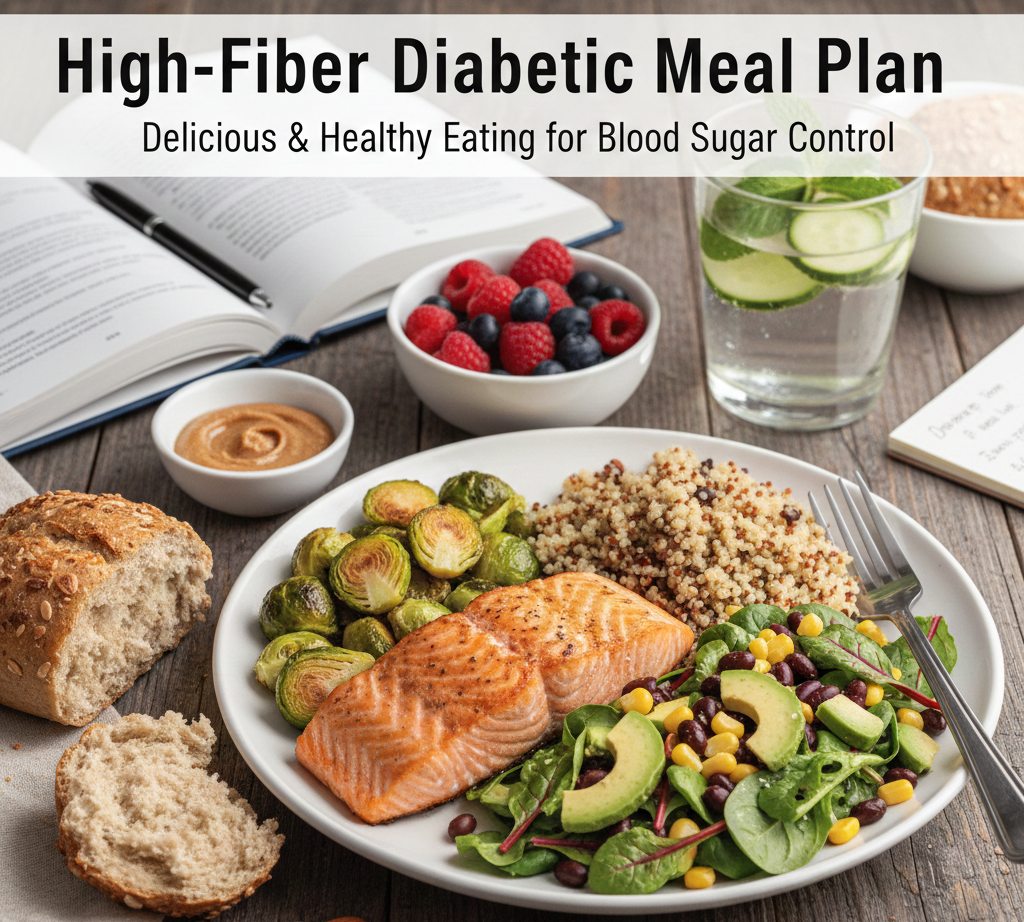
High-Fiber Diabetic Meal Plan: The Ultimate Guide to Stability
Managing diabetes isn’t just about what you remove from your plate; it’s about what you add to it. The “secret weapon” in the diabetic toolkit is often overlooked: fiber. A well-structured high-fiber diabetic meal plan does more than just keep you regular—it acts as an internal braking system, slowing down the absorption of sugar into your bloodstream and preventing those dangerous post-meal spikes.
Whether you are newly diagnosed or looking to refine your management strategy, understanding how to weave fiber-rich foods into your daily routine is a game-changer. This comprehensive guide will walk you through the science, the food lists, and provide a concrete actionable plan to transform your health.
What You’ll Learn in This Guide
- Why Fiber is a Diabetic’s Best Friend
- Fiber, Glycemic Index, and Glycemic Load Explained
- How Fiber Influences Long-Term HbA1c
- Building Your High-Fiber Arsenal
- Fiber Content Chart: Exact Grams Per Serving
- 7-Day High-Fiber Diabetic Meal Plan Sample
- Printable Grocery List for Fiber Shopping
- Step-by-Step Meal Prep Workflow
- Fiber, Prebiotics, and the Gut Microbiome
- Resistant Starch: The Overlooked Fiber Cousin
- Fiber Supplements Compared: Psyllium, Metamucil, and Benefiber
- Pairing Fiber Intake With Physical Activity
- Reading Nutrition Labels for Hidden Sugar and Fiber
- Common Mistakes When Increasing Fiber
- Myth vs. Fact: Fiber and Diabetes
- Dining Out and Travel Survival Guide
- High-Fiber vs. Keto vs. Low-Carb for Diabetes
- Adapting the Plan for Your Lifestyle
- Pros and Cons of a High-Fiber Diet
- Frequently Asked Questions
- Final Thoughts: The Slow Carb Revolution
Why Fiber is a Diabetic’s Best Friend
Dietary fiber is a type of carbohydrate that the body cannot digest. Unlike other carbs that break down into sugar (glucose), fiber passes through the body relatively intact. For someone living with diabetes, this distinction is critical.
The “Mesh” Effect
Imagine your gut as a sieve. When you eat simple carbohydrates, they rush through the holes and spike your blood sugar instantly. When you eat a high-fiber meal, the fiber creates a gel-like mesh (specifically soluble fiber) that slows down the stomach’s emptying process. This results in a slower, more controlled release of glucose into the bloodstream.
✅ Soluble Fiber
Dissolves in water to form a gel-like material. It can help lower blood glucose levels and cholesterol.
- Oats & Barley
- Apples & Citrus fruits
- Beans & Lentils
✅ Insoluble Fiber
Promotes the movement of material through your digestive system and adds bulk to the stool.
- Whole-wheat flour
- Wheat bran
- Nuts & Cauliflower
Beyond the mechanical “mesh” effect, fiber also interacts with your hormones. When soluble fiber ferments in the colon, it produces short-chain fatty acids (SCFAs) such as butyrate, propionate, and acetate. These compounds signal the gut to release hormones like GLP-1 and PYY, which slow gastric emptying even further and increase feelings of fullness. This hormonal cascade is one of the reasons high-fiber eaters often report fewer cravings between meals, which indirectly supports more stable glucose readings throughout the day.
Fiber, Glycemic Index, and Glycemic Load Explained
Two terms come up constantly in diabetes nutrition circles: glycemic index (GI) and glycemic load (GL). Understanding how fiber influences both can help you make smarter choices at the grocery store and the dinner table.
What Is Glycemic Index?
Glycemic index ranks carbohydrate-containing foods on a scale of 0 to 100 based on how quickly they raise blood glucose compared to pure glucose. Foods with a GI of 55 or below are considered low-GI, 56 to 69 is medium, and 70 or above is high. Fiber-rich foods almost always land in the low-to-medium range because the fiber physically slows digestion.
What Is Glycemic Load?
Glycemic load takes things a step further by factoring in portion size. A food can have a high GI but a low GL if you only eat a small amount of it. This is why watermelon, despite a high GI, has a modest GL per typical serving — there simply isn’t that much digestible carbohydrate in a slice once you account for its water content.
| Food | Approximate GI | Fiber Impact |
|---|---|---|
| White Bread | 75 (High) | Minimal fiber, rapid glucose rise |
| Steel-Cut Oats | 42 (Low) | High soluble fiber slows digestion |
| Lentils | 32 (Low) | Very high fiber and resistant starch |
| Watermelon | 72 (High GI, Low GL) | Low fiber but low carb density |
| Barley | 28 (Low) | Among the highest beta-glucan fiber grains |
The practical takeaway is that fiber content is often a faster mental shortcut than memorizing GI tables. If a food is close to its natural, whole state — with the skin, bran, or germ intact — it is very likely to carry a lower glycemic footprint than its refined counterpart.
How Fiber Influences Long-Term HbA1c
While a single high-fiber meal can blunt a single glucose spike, the real payoff shows up over months. HbA1c reflects your average blood glucose over roughly the previous three months, and multiple population studies have associated higher daily fiber intake with lower HbA1c readings over time. The mechanism is cumulative: fewer sharp spikes, fewer compensatory insulin surges, and improved insulin sensitivity as the gut microbiome shifts toward more fiber-fermenting bacterial strains.
It’s worth noting that fiber is not a substitute for prescribed medication, but many people find that as their fiber intake climbs and stabilizes, their physician is able to have a more informed conversation about adjusting dosages. Any medication changes should always be guided by a healthcare provider, never self-directed.
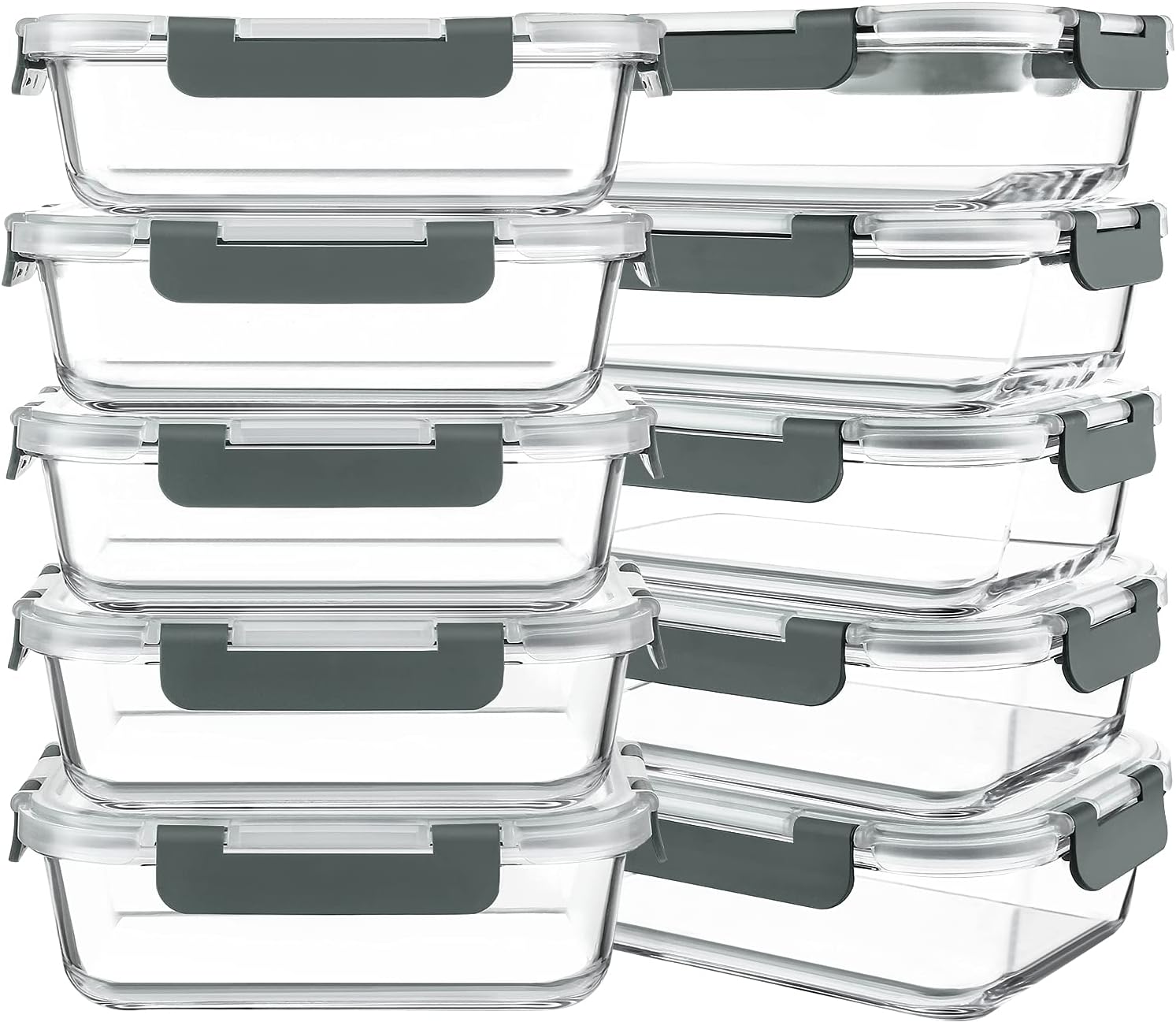
Master Your Portions with Glass Meal Prep Containers
Fiber-rich meals often involve bulk cooking beans, grains, and veggies. Keep your high-fiber diabetic meal plan on track by prepping ahead.
Check Price on AmazonBuilding Your High-Fiber Arsenal
Transitioning to a high-fiber lifestyle doesn’t mean eating cardboard. It means swapping processed, stripped grains for nutrient-dense powerhouses. If you are struggling with menu ideas, you might want to start with a 7-day diabetic menu foundation and swap in these high-fiber items.
| Food Category | High-Fiber Heroes (Eat This) | Low-Fiber Spikers (Limit This) |
|---|---|---|
| Grains | Quinoa, Barley, Bulgur, Steel-cut Oats, Brown Rice | White Rice, Instant Oatmeal, White Bread, Bagels |
| Vegetables | Artichokes, Broccoli, Brussels Sprouts, Carrots (Raw) | Vegetable Juice (fiber removed), Peeled Cucumbers |
| Legumes | Lentils, Black Beans, Chickpeas, Kidney Beans | Refried Beans (with lard), Baked Beans (high sugar) |
| Fruits | Raspberries, Pears (skin on), Apples (skin on), Avocado | Fruit Juice, Canned Fruit in Syrup, Dried Fruit (sugary) |
Beyond these four staple categories, a handful of lesser-discussed foods deserve a spot in your rotation. Chia seeds and flaxseeds are tiny but mighty, delivering both soluble and insoluble fiber along with omega-3 fatty acids. Psyllium husk, while technically a supplement, can be stirred into water or sprinkled over oats for a fiber boost without altering the flavor of your meal. Nutritional yeast, often overlooked, adds a cheesy flavor to dishes while contributing beta-glucan fiber similar to oats.
Nuts and Seeds Worth Stocking
- Chia seeds: roughly 10g fiber per ounce, excellent in puddings or smoothies.
- Flaxseeds (ground): around 8g fiber per ounce; grinding improves absorption of the omega-3 content.
- Almonds: about 3.5g fiber per ounce, plus healthy monounsaturated fats.
- Pistachios: roughly 3g fiber per ounce and a lower calorie density than many other nuts.
- Sunflower seeds: around 3g fiber per ounce, a budget-friendly snack option.
Fiber Content Chart: Exact Grams Per Serving
Numbers help. Below is a reference chart you can screenshot or print to keep on your refrigerator while you plan meals and track toward the recommended daily range.
| Food | Serving Size | Fiber (grams) |
|---|---|---|
| Lentils, cooked | 1 cup | 15.6g |
| Split peas, cooked | 1 cup | 16.3g |
| Black beans, cooked | 1 cup | 15g |
| Chickpeas, cooked | 1 cup | 12.5g |
| Artichoke, cooked | 1 medium | 10.3g |
| Raspberries | 1 cup | 8g |
| Pear, with skin | 1 medium | 5.5g |
| Steel-cut oats, dry | 1/4 cup | 4g |
| Broccoli, cooked | 1 cup | 5.1g |
| Brussels sprouts, cooked | 1 cup | 4.1g |
| Avocado | 1/2 medium | 4.6g |
| Quinoa, cooked | 1 cup | 5.2g |
| Barley, cooked | 1 cup | 6g |
| Almonds | 1 ounce (23 nuts) | 3.5g |
| Chia seeds | 1 tablespoon | 4.1g |
Using a chart like this side by side with a food journal can reveal exactly where your daily total is falling short. Many people are surprised to learn that a single cup of lentils supplies more than half of their daily fiber target in one sitting.
7-Day High-Fiber Diabetic Meal Plan Sample
Here is a sample week designed to hit approximately 30-35g of fiber per day. This plan focuses on whole foods and sustained energy. If you are just starting, you might prefer a 1-day simple diabetic menu to test the waters before committing to a full week.
Day 1: The Oat & Bean Kickoff
- Breakfast: Steel-cut oats topped with flaxseeds and raspberries.
- Lunch: Lentil soup with a side of spinach salad (olive oil dressing).
- Dinner: Grilled salmon with quinoa and roasted Brussels sprouts.
- Snack: Apple slices with almond butter.
Day 2: The Avocado Power Day
- Breakfast: Whole grain toast topped with mashed avocado and a poached egg.
- Lunch: Chickpea salad with cucumbers, tomatoes, and feta cheese.
- Dinner: Turkey chili loaded with kidney beans and black beans.
- Snack: A handful of walnuts.
Day 3: Cruciferous Crunch
- Breakfast: Chia seed pudding made with unsweetened almond milk.
- Lunch: Turkey wrap using a high-fiber low-carb tortilla, plenty of lettuce/tomato.
- Dinner: Stir-fry with tofu, broccoli, snap peas, and brown rice.
- Snack: Pear with skin on.
Need to plan further ahead? Check out our 14-day diabetic meal plan for an extended schedule.
Day 4: Ancient Grains
- Breakfast: Greek yogurt mixed with high-fiber bran cereal and blueberries.
- Lunch: Quinoa bowl with roasted beets, kale, and grilled chicken.
- Dinner: Baked white fish with asparagus and a side of barley.
- Snack: Raw carrots with hummus.
Day 5: Plant-Based Focus
- Breakfast: Smoothie with spinach, flaxseed, protein powder, and half a banana.
- Lunch: Black bean burger (no bun or lettuce wrap) with a side salad.
- Dinner: Zucchini noodles with turkey meat sauce (add mushrooms for bulk).
- Snack: Edamame (steamed).
Day 6: Weekend Prep
- Breakfast: Veggie omelet (spinach, peppers, onions) with whole wheat toast.
- Lunch: Leftover Turkey Chili from Day 2.
- Dinner: Roast chicken with sweet potato (skin on) and green beans.
- Snack: Popcorn (air-popped, no butter).
Day 7: The Sunday Reset
- Breakfast: Buckwheat pancakes topped with strawberries.
- Lunch: Tuna salad served in a hollowed-out tomato or bell pepper.
- Dinner: Beef stir-fry with mixed peppers and cauliflower rice.
- Snack: Hard-boiled egg and a few almonds.
For those who prefer a longer rotation, our 30-day diabetic menu offers immense variety to prevent food boredom.
Printable Grocery List for Fiber Shopping
Walking into the grocery store without a plan is the fastest way to end up back in the refined-carb aisle. Use this categorized list as a starting template, then adjust quantities to match the meal plan above.
Pantry Staples
- Steel-cut oats, barley, quinoa, brown rice, bulgur
- Dried or canned lentils, black beans, kidney beans, chickpeas (low-sodium)
- Chia seeds, ground flaxseed, unsalted nuts
- Whole grain or high-fiber tortillas and bread
- Air-popping popcorn kernels
Produce Aisle
- Broccoli, Brussels sprouts, cauliflower, asparagus
- Spinach, kale, mixed greens
- Apples, pears, raspberries, berries in general
- Avocados, bell peppers, cucumbers, tomatoes
- Sweet potatoes, carrots
Protein and Dairy
- Salmon, white fish, chicken breast, lean turkey
- Eggs, plain Greek yogurt, feta cheese
- Tofu or edamame for plant-based protein days
Keep this list on your phone or print it and stick it to the fridge. Shopping the perimeter of the store first — produce, proteins, dairy — before hitting the center aisles for pantry staples tends to naturally reduce impulse purchases of low-fiber packaged snacks.
Step-by-Step Meal Prep Workflow
A high-fiber diabetic meal plan lives or dies on consistency, and consistency is far easier with a batch-cooking routine. Here is a simple Sunday workflow that takes roughly ninety minutes and sets up several days of meals.
- Cook a base grain: Make a large batch of barley or quinoa (roughly 4-5 cups cooked) to use across lunches and dinners throughout the week.
- Batch-cook legumes: Simmer a big pot of lentils or black beans, or open several cans, and portion into containers.
- Roast a tray of vegetables: Toss broccoli, Brussels sprouts, and bell peppers with olive oil, roast at a high temperature until caramelized, and divide across your containers.
- Prepare proteins: Grill or bake chicken breasts, salmon fillets, or firm tofu in bulk, seasoning simply so it can be repurposed across different flavor profiles during the week.
- Assemble and store: Combine grain, legume, vegetable, and protein into individual containers, leaving dressings and sauces separate until serving to keep textures fresh.
Batch cooking not only saves time but also removes the daily decision fatigue that often leads to reaching for a quick, low-fiber convenience meal.

Need More Recipes?
Get creative in the kitchen with a dedicated high-fiber cookbook. Delicious recipes that ensure you never get bored while keeping your blood sugar in check.
Check Price on AmazonFiber, Prebiotics, and the Gut Microbiome
Not all fiber behaves the same way once it reaches the colon. Some types act as prebiotics — essentially food for the trillions of beneficial bacteria living in your gut. Inulin, found in foods like garlic, onions, leeks, and Jerusalem artichokes, is a well-studied prebiotic fiber that selectively feeds bacterial strains such as Bifidobacteria.
A healthier, more diverse microbiome has been linked in observational research to improved insulin sensitivity. The bacteria that ferment fiber produce short-chain fatty acids that appear to reduce inflammation and support the gut lining, both of which play a role in how your body processes glucose.
Prebiotic-Rich Foods to Rotate In
- Garlic and onions (cooked or raw)
- Leeks and asparagus
- Jerusalem artichokes
- Green bananas (slightly underripe)
- Chicory root (often found in coffee alternatives)
Pairing prebiotic fiber with fermented, probiotic-rich foods like plain yogurt, kefir, sauerkraut, or kimchi may offer a synergistic benefit, since the live bacteria in these foods have ready-made fuel waiting for them once you eat them together.
Resistant Starch: The Overlooked Fiber Cousin
Resistant starch behaves like fiber even though it’s technically a starch — it resists digestion in the small intestine and ferments in the colon, much like soluble fiber. It appears in surprising places, and one of the easiest ways to increase it is simply by cooling starchy foods after cooking.
When rice, potatoes, or pasta are cooked and then chilled in the refrigerator for several hours, a portion of the starch converts into a resistant form. Interestingly, reheating the food afterward does not fully reverse this effect, which means leftover potato salad or a cold rice bowl the next day may have a gentler impact on blood sugar than the same dish eaten fresh and hot.
Good Sources of Resistant Starch
- Cooked-and-cooled rice or potatoes
- Green (slightly unripe) bananas
- Legumes such as lentils and chickpeas
- Whole grains like barley and oats
Fiber Supplements Compared: Psyllium, Metamucil, and Benefiber
Whole foods should always be the first choice, but supplements can help bridge a gap on busy days. Here’s how the most common over-the-counter options differ.
| Supplement | Fiber Type | Typical Use Case |
|---|---|---|
| Psyllium husk | Mostly soluble | Cholesterol support, gentle regularity, mixes into water or smoothies |
| Metamucil | Psyllium-based (soluble) | Flavored, convenient powder or capsule format |
| Benefiber | Wheat dextrin (soluble) | Dissolves clear and tasteless, easy to add to drinks unnoticed |
| Ground flaxseed | Mixed soluble/insoluble | Whole-food option with added omega-3s |
Whichever option you choose, start with a small dose and increase gradually, always with a full glass of water. Supplements are best framed as a bridge to help you reach your daily target, not a replacement for the fiber naturally present in vegetables, legumes, and whole grains.
Pairing Fiber Intake With Physical Activity
Fiber and movement work together. A short walk of just ten to fifteen minutes after a high-fiber meal can further blunt a post-meal glucose spike, since contracting muscles pull glucose out of the bloodstream independent of insulin. This combination — a fiber-forward plate followed by light activity — is one of the most consistently supported non-medication strategies for smoothing out post-meal readings.
Strength training also plays a supporting role. Building and maintaining muscle mass increases the body’s overall capacity to store glucose as glycogen, which means more room to absorb the gradual glucose release that a high-fiber meal provides. Aim for a mix of daily walking and two to three strength sessions per week, always in coordination with guidance from your healthcare provider, particularly if you use insulin or other glucose-lowering medications.
Reading Nutrition Labels for Hidden Sugar and Fiber
Package labels can be misleading if you don’t know what to look for. Here is a quick framework for scanning a label in the store.
- Check total carbohydrates first, then look directly below it for dietary fiber.
- Calculate net carbs by subtracting fiber grams from total carbohydrate grams — this gives a rough sense of the carbohydrate load that will actually affect blood sugar.
- Scan the ingredient list for the word “whole” appearing before the grain name (whole wheat, whole oats) rather than simply “wheat flour,” which usually signals a refined product.
- Watch for added sugars listed separately from total sugars — the further down the ingredient list sugar appears, the smaller the quantity, but multiple sugar aliases (cane syrup, dextrose, maltodextrin) can add up.
- Compare fiber-to-carb ratio — a product where fiber makes up roughly 10% or more of the total carbohydrate count is generally a stronger choice.
Common Mistakes When Increasing Fiber
- Increasing too quickly: Jumping from 10g to 35g of fiber overnight is the number one cause of bloating and discomfort that leads people to abandon the plan entirely.
- Not drinking enough water: Fiber needs fluid to move through the digestive tract; without it, constipation can actually worsen rather than improve.
- Relying only on supplements: Powders and capsules are useful, but they lack the vitamins, minerals, and phytonutrients found in whole plant foods.
- Ignoring portion sizes on “healthy” packaged foods: Some high-fiber granola bars and cereals are also loaded with added sugar, which can offset the benefit.
- Skipping protein and healthy fat: A meal of fiber alone without adequate protein or fat can leave you hungry again quickly; balance is still essential.
Myth vs. Fact: Fiber and Diabetes
Fact: Fiber-rich carbohydrates behave very differently in the body than refined carbohydrates. Whole, fiber-intact carbohydrate sources are generally encouraged as part of a balanced diabetic eating pattern.
Fact: Whole fruit with the skin on, especially berries, apples, and pears, comes packaged with fiber that slows sugar absorption. It’s fruit juice — where the fiber has been stripped away — that tends to cause problems.
Fact: While the recommended range of 25-35g per day is beneficial for most people, extremely high intakes without adequate hydration can cause digestive distress and may interfere with mineral absorption.
Fact: Supplements can help close a gap, but whole foods provide a broader mix of nutrients, water content, and chewing resistance that contributes to satiety in ways an isolated fiber powder cannot fully replicate.
Dining Out and Travel Survival Guide
Restaurants and travel itineraries are where most high-fiber routines break down. A little preparation goes a long way.
At Restaurants
- Ask for a side salad or steamed vegetables in place of fries or white rice.
- Choose bean- or lentil-based dishes when available, such as dal, black bean bowls, or minestrone soup.
- Request whole grain bread or a lettuce wrap in place of a white bun.
- Start the meal with a broth-based or vegetable-based soup to add volume and fiber before the entrée arrives.
While Traveling
- Pack shelf-stable options like individual nut packs, roasted chickpeas, or dried (unsweetened) fruit with skins intact.
- Look for grocery stores near your accommodation to stock up on fresh produce rather than relying entirely on restaurant meals.
- Carry a travel-size fiber supplement as a backup for days when fresh produce access is limited, always with plenty of water.
High-Fiber vs. Keto vs. Low-Carb for Diabetes
Many people researching diabetic nutrition eventually compare a high-fiber approach against very low-carbohydrate or ketogenic strategies. Both approaches can support blood sugar management, but they work through different mechanisms and come with different tradeoffs.
| Approach | Primary Mechanism | Consideration |
|---|---|---|
| High-Fiber | Slows glucose absorption, feeds gut bacteria | Generally easier to sustain long-term, more variety, supports heart and gut health |
| Ketogenic | Minimizes carbohydrate intake almost entirely | Can produce rapid glucose improvements but is restrictive and may reduce natural fiber intake if not carefully planned |
| Low-Carb (Moderate) | Reduces overall carbohydrate load | Often combined successfully with high-fiber choices for a balanced middle ground |
In practice, many diabetes educators recommend a hybrid: moderating overall carbohydrate intake while making sure that whatever carbohydrates are consumed are fiber-rich and minimally processed. This tends to be more sustainable than a strict ketogenic approach for people who want variety and long-term adherence.
Adapting the Plan for Your Lifestyle
One size rarely fits all when it comes to diabetes management. Depending on your age, activity level, and dental health, you may need to modify the high-fiber approach.
Calorie Specific Needs
Fiber fills you up, which is great for weight loss, but you must ensure you are hitting your caloric goals.
If you are on a strict weight loss regimen, look at the 1200 calorie diabetic menu.
For active men or those maintaining weight, the 2000 calorie diabetic menu provides more room for extra grains and legumes.
Seniors and Texture Issues
Many high-fiber foods are crunchy or tough. For seniors, this can be a challenge. However, fiber is crucial for elderly digestion. You can opt for soft-cooked lentils, oatmeal, and smoothies. We have specifically curated guides for this demographics:
• Diabetic menu for seniors
• Diabetic menu for elderly with no teeth
Budget and Schedule Constraints
Fiber is actually one of the cheapest nutrients to buy (think dried beans and oats). If you are on a tight budget, consult our low-income diabetic menu. Conversely, if time is your enemy, meal prepping high-fiber salads is essential for the diabetic menu for working adults.
Special Physiological States
Pregnancy requires careful blood sugar management to prevent gestational diabetes complications. Fiber helps regulate this naturally; see the diabetic menu for pregnant women. Similarly, growing teenagers need energy without the sugar crash—find tips in the diabetic menu for teenagers.
Children With Diabetes
Fiber needs for children are generally calculated using the “age plus 5” rule of thumb — for example, an eight-year-old would target roughly 13 grams per day as a general starting guideline, always in consultation with a pediatric dietitian. Introducing fiber gradually through familiar foods like whole-grain waffles, apple slices with the skin on, or a small side of black beans tends to work better than dramatic overnight changes, since children’s digestive systems can be especially sensitive to rapid increases.
Type 1 vs. Type 2 Diabetes Considerations
While the fiber-related benefits of slower glucose absorption apply to both type 1 and type 2 diabetes, those using insulin — common in type 1 and some type 2 cases — should pay particular attention to consistency. Because fiber slows and flattens the glucose curve, insulin timing that was calibrated around faster-digesting meals may need adjustment. This is a conversation worth having directly with an endocrinologist or certified diabetes educator before making significant dietary shifts.

Precision is Key
Guessing your fiber portions can be tricky. A simple digital food scale ensures you are getting exactly the nutrient density you need for your meal plan.
Check Price on AmazonPros and Cons of a High-Fiber Diet
Before you rush to double your fiber intake overnight, it is important to understand the biological impact.
Advantages
- Blood Sugar Control: Significantly blunts insulin spikes.
- Satiety: Keeps you fuller longer, aiding in weight loss.
- Heart Health: Lowers LDL (bad) cholesterol.
- Gut Health: Feeds good bacteria (microbiome).
Potential Drawbacks
- Digestive Discomfort: Bloating, gas, and cramping if increased too quickly.
- Hydration Requirement: You MUST drink more water, or fiber can cause constipation.
- Nutrient Absorption: Excessive fiber (50g+) can sometimes bind to minerals like iron and zinc.
Frequently Asked Questions
How much fiber should a diabetic eat per day?
The general recommendation is between 25 to 35 grams per day. However, people with diabetes often benefit from the higher end of that spectrum to maximize glycemic control. Always consult your dietitian, as individual needs vary.
Can fiber supplements replace high-fiber foods?
Supplements (like psyllium husk) are helpful tools, but they shouldn’t replace whole foods. Whole foods provide vitamins, minerals, and antioxidants that supplements lack. Supplements are best used to bridge the gap if you cannot eat enough fiber-rich food.
Does fiber count toward carbohydrate limits?
This is a common point of confusion. Fiber is a carbohydrate, but because it isn’t digested, many people on carb-counting diets subtract fiber grams from total carbs to get “Net Carbs.” For example, if a slice of bread has 15g carbs and 5g fiber, the net impact on blood sugar is closer to 10g.
What if a high-fiber diet causes gas?
This is normal when starting. The key is to start slow. Increase your intake by just 3-5 grams every few days rather than all at once. Crucially, you must increase your water intake simultaneously to help the fiber move through your system.
Is oatmeal good for diabetics every morning?
Steel-cut or rolled oats, in moderate portions, can be a reasonable daily breakfast for many people with diabetes thanks to their beta-glucan soluble fiber content. Instant, flavored oatmeal packets often contain added sugar and less intact fiber, so plain steel-cut or rolled oats are generally the better choice.
Can I get enough fiber from supplements alone if I dislike vegetables?
Supplements can raise your total fiber number, but they won’t replicate the full nutritional profile of vegetables, legumes, and fruit. If vegetable texture is the barrier, consider blending them into smoothies or soups, or trying different cooking methods like roasting, which changes both flavor and texture significantly.
How long does it take to notice blood sugar improvements from a high-fiber diet?
Some people notice flatter post-meal readings within days of increasing fiber intake, particularly around meals that previously relied on refined carbohydrates. Broader markers like HbA1c typically take about three months to reflect sustained dietary changes, since that test averages blood glucose over that timeframe.
Are canned beans as good as dried beans for fiber?
Canned beans retain most of their fiber content and are a convenient option for busy schedules. Rinsing canned beans under running water for about thirty seconds removes a meaningful portion of the added sodium found in the canning liquid, making them a practical everyday staple.
Precision is Key
Guessing your fiber portions can be tricky. A simple digital food scale ensures you are getting exactly the nutrient density you need for your meal plan.
Check Price on AmazonFiber Timing: Does It Matter When You Eat It?
Beyond total daily grams, the order and timing of fiber within a meal can influence how much of a difference it makes. A growing body of research on “food order” suggests that eating fiber-rich vegetables and protein before starchier carbohydrates within the same meal produces a flatter post-meal glucose curve than eating the same foods in reverse order, or all mixed together.
A Simple Food-Order Strategy
- First: Eat your vegetables and salad.
- Second: Move to your protein and fat source.
- Third: Finish with your grain, starch, or other carbohydrate portion.
This sequencing gives the fiber and protein a head start in the digestive tract, which appears to slow the rate at which the carbohydrate portion of the meal raises blood glucose. It costs nothing to implement and can be used at any restaurant or home-cooked meal without changing a single ingredient.
Breakfast Versus Dinner Fiber
Some people find that front-loading fiber earlier in the day — a hearty, high-fiber breakfast — helps set a more stable tone for glucose readings throughout the remaining hours. Others do better distributing fiber evenly across three meals to avoid any single sitting feeling overly heavy. There isn’t a universal rule here; tracking your own post-meal readings over a week or two is the most reliable way to discover your personal pattern.
High-Fiber Snack Ideas for Between Meals
Snacking is often where a otherwise solid high-fiber diabetic meal plan quietly falls apart. Vending machines and convenience stores are stocked almost entirely with refined, low-fiber options. Having a short mental list of go-to snacks removes the guesswork in the moment.
| Snack | Approx. Fiber | Why It Works |
|---|---|---|
| Apple slices with 1 tbsp almond butter | ~5g | Combines fiber, protein, and healthy fat for sustained energy |
| Roasted chickpeas (1/4 cup) | ~5g | Crunchy, portable, and shelf-stable |
| Carrot and celery sticks with hummus | ~4g | Low-calorie, high-volume snack that supports satiety |
| Air-popped popcorn (3 cups) | ~3.5g | Whole grain snack with fewer calories than chips |
| Small handful of walnuts or almonds | ~3g | Healthy fat plus fiber slows digestion |
| Pear with skin, whole | ~5.5g | Naturally sweet without added sugar |
| Chia pudding cup (pre-made) | ~8g | Make-ahead option for grab-and-go mornings |
A useful habit is to keep two or three of these options pre-portioned in the refrigerator or desk drawer at all times, so the highest-fiber choice is also the most convenient one when hunger strikes between meals.
Bread, Pasta, and Rice Alternatives Worth Trying
For many people, giving up bread, pasta, and rice entirely feels unsustainable. The good news is that a wide range of higher-fiber alternatives now exist that let you keep the format of these comfort foods while meaningfully increasing the fiber content of the dish.
- Lentil or chickpea pasta: Made primarily from legume flour, these noodles can contain three to four times the fiber of traditional wheat pasta while cooking up with a similar texture.
- Cauliflower rice: A lower-carbohydrate stand-in for white rice that pairs particularly well with stir-fries and grain bowls; combining it half-and-half with brown rice or quinoa is a good transitional step.
- Sprouted grain bread: Sprouting the grain before milling tends to increase fiber and nutrient availability compared to standard whole wheat bread.
- Spiralized zucchini or squash noodles: A near-zero-carbohydrate base that works well under a fiber-rich sauce loaded with vegetables and legumes.
- Shirataki noodles: Made from konjac root, these are almost entirely soluble fiber (glucomannan) and contain very few digestible carbohydrates.
None of these need to be an all-or-nothing swap. Blending half traditional pasta with half lentil pasta, for example, is an easy way to ease into the change without a jarring shift in taste or texture for the rest of the household.
Hydration Guidelines to Pair With a High-Fiber Diet
Fiber absorbs water as it moves through the digestive tract, which means your hydration needs increase in step with your fiber intake. Without enough fluid, the very foods meant to support healthy digestion can instead contribute to constipation and discomfort.
A commonly cited general guideline is to aim for roughly half your body weight in ounces of water per day, then add an extra glass or two on days when your fiber intake is on the higher end of your target range. Herbal tea, sparkling water, and broths can count toward this total, while beverages with caffeine or alcohol may have a mild diuretic effect and shouldn’t be relied upon as your primary source of hydration.
Cost Breakdown: Is a High-Fiber Diet Expensive?
One of the more persistent misconceptions about healthy eating is that it requires a large grocery budget. In reality, many of the highest-fiber foods available are also among the least expensive items in the store.
| Food | Approx. Cost | Fiber Value |
|---|---|---|
| Dried lentils (1 lb, ~7 servings) | $1.50–$2.00 | Excellent — over 100g fiber total in the bag |
| Rolled or steel-cut oats (1 lb) | $2.00–$3.00 | Strong soluble fiber source across many servings |
| Frozen mixed vegetables (1 lb bag) | $1.50–$2.50 | Comparable fiber to fresh, longer shelf life |
| Canned black beans (15 oz) | $1.00–$1.50 | Roughly 15g fiber per can, minimal prep required |
| Bananas or apples (per pound) | $1.00–$2.00 | Convenient, portable whole-fruit fiber |
Building a week’s worth of high-fiber staples — dried beans, oats, frozen vegetables, and seasonal fruit — often costs less than a single takeout meal, which makes budget one of the smallest real barriers to adopting this style of eating, especially once a rotation of a few reliable recipes is established.
Three High-Fiber Recipes to Get You Started
Reading about fiber-rich eating is one thing; actually cooking it is another. Below are three simple, repeatable recipes referenced throughout the meal plan above, written out in enough detail that you can cook them without additional research.
Hearty Lentil Soup
In a large pot, sauté one diced onion, two diced carrots, and two diced celery stalks in a tablespoon of olive oil until softened, about five minutes. Add two cloves of minced garlic and cook for another minute. Stir in one cup of rinsed dried green or brown lentils, one can of diced tomatoes, six cups of low-sodium vegetable or chicken broth, a bay leaf, and a teaspoon each of cumin and smoked paprika. Bring to a boil, then reduce to a simmer for about thirty minutes, until the lentils are tender. Season with salt, pepper, and a squeeze of lemon juice before serving. This single pot delivers well over 15 grams of fiber per bowl and reheats beautifully throughout the week.
Turkey and Bean Chili
Brown one pound of lean ground turkey in a large pot, breaking it apart as it cooks. Add a diced onion and diced bell pepper, cooking until softened. Stir in one can each of black beans and kidney beans (rinsed and drained), one can of crushed tomatoes, two tablespoons of chili powder, a teaspoon of cumin, and a pinch of cayenne if you like heat. Simmer uncovered for twenty-five to thirty minutes to let the flavors meld and the liquid reduce slightly. This chili is easy to double for meal prep and freezes well in individual portions.
Chia Seed Pudding
Whisk together a quarter cup of chia seeds with one cup of unsweetened almond milk, a half teaspoon of vanilla extract, and a small pinch of cinnamon. Let the mixture sit for five minutes, whisk again to break up any clumps, then refrigerate for at least four hours or overnight. The seeds will absorb the liquid and thicken into a pudding-like texture. Top with fresh raspberries or sliced almonds just before eating. A single serving delivers roughly 10 grams of fiber and can be prepared in bulk for grab-and-go breakfasts throughout the week.
Fiber and Medication: What to Know
Fiber’s ability to slow digestion is generally a benefit for blood sugar management, but it can also affect how and when other medications are absorbed. This is a particularly important consideration for anyone taking oral diabetes medications, thyroid medication, or certain heart medications.
- Timing separation: Some medications, particularly thyroid hormone replacement, are recommended to be taken on an empty stomach, separated from high-fiber meals or supplements by several hours, since fiber can bind to the medication and reduce absorption.
- Insulin adjustments: Because fiber flattens and slows the glucose curve of a meal, insulin-to-carbohydrate ratios that were calculated around lower-fiber eating patterns may need to be reassessed with a healthcare provider as fiber intake increases.
- Metformin and gastrointestinal overlap: Metformin can independently cause digestive symptoms in some people; rapidly increasing fiber at the same time can make it difficult to identify which change is responsible for any new discomfort, so introducing fiber gradually is especially useful for anyone starting or adjusting this medication.
None of this is a reason to avoid fiber — quite the opposite, since better glucose control often supports more effective medication outcomes overall. It simply means any significant dietary shift is worth mentioning to your prescribing physician or pharmacist so timing can be coordinated appropriately.
Signs You Aren’t Getting Enough Fiber
Most people underestimate their fiber gap. National surveys consistently find that the average adult eats well under half of the recommended daily amount. Here are some common signals worth paying attention to.
- Frequent hunger shortly after meals: Low-fiber meals digest quickly, which often leads to hunger returning within an hour or two.
- Irregular bowel movements: Infrequent or difficult bowel movements are one of the most direct signs of insufficient fiber and fluid intake.
- Sharp post-meal glucose spikes followed by energy crashes: Without fiber to slow absorption, blood sugar can rise and fall rapidly, leaving you fatigued an hour or two after eating.
- Elevated LDL cholesterol on routine bloodwork: Soluble fiber plays a documented role in helping the body clear excess cholesterol; persistently high readings can sometimes reflect an intake gap.
If several of these apply to you, it’s a reasonable signal to start tracking your fiber intake for a week using a food diary app or simple notebook, then compare your actual number against the 25-35 gram daily target discussed throughout this guide.
How to Track Your Daily Fiber Intake
What gets measured gets managed. Tracking fiber doesn’t need to become an obsessive exercise, but a week or two of conscious logging can reveal patterns you’d otherwise miss.
Simple Tracking Methods
- Phone apps: Many free nutrition tracking apps include a fiber column alongside calories and carbohydrates, making it easy to see your running daily total.
- Paper log: A simple notebook where you jot down each meal and an estimated fiber gram count, using the chart earlier in this guide as a reference, works just as well for people who prefer to stay off their phone.
- Weekly averages instead of daily perfection: Because fiber intake naturally varies day to day, looking at your weekly average rather than obsessing over hitting an exact number every single day tends to be a more sustainable mindset.
Combining fiber tracking with a continuous glucose monitor or regular fingerstick log, if you already use one, can be particularly illuminating — you’ll often be able to directly correlate higher-fiber days with flatter, more stable glucose trends.
Real-World Patterns: What Sustained Change Tends to Look Like
While individual results vary widely and should never be treated as a guarantee, diabetes educators who work with fiber-focused meal plans often describe a similar arc among the people they coach. Understanding this general pattern can help set realistic expectations for your own experience.
Weeks One and Two: The Adjustment Phase
The first two weeks are typically the most physically noticeable, as the digestive system adapts to a higher fiber load. Mild bloating or more frequent bowel movements are common during this window and generally settle down as gut bacteria populations shift to accommodate the new intake. This is also the phase where meal prep habits are being built, which tends to be the biggest predictor of whether the change sticks long-term.
Weeks Three Through Eight: Building Consistency
By the one-month mark, many people report that post-meal fullness lasts noticeably longer and that between-meal cravings for refined snacks have diminished. Post-meal glucose readings, where tracked, often begin to show a flatter curve during this window, particularly around meals that previously relied heavily on refined grains.
Three Months and Beyond: Measurable Markers
This is typically when a follow-up HbA1c test, if scheduled by a healthcare provider, may reflect the cumulative effect of the dietary shift. Cholesterol panels often show favorable movement as well, particularly LDL, given the well-documented cholesterol-binding properties of soluble fiber.
Again, every individual’s physiology, medication regimen, and starting point differ substantially, so these general timeframes should be treated as a rough compass rather than a promise. Regular check-ins with your healthcare team remain the most reliable way to track your specific progress.
Fermented Foods: A Natural Companion to a High-Fiber Plan
Fermented foods aren’t fiber sources themselves, but they pair naturally with a high-fiber eating pattern because they introduce live probiotic bacteria that can help make better use of the prebiotic fiber you’re already eating. Plain, unsweetened yogurt, kefir, sauerkraut, kimchi, and miso are all worth rotating into your weekly routine.
When choosing store-bought fermented products, read the label carefully. Many flavored yogurts and kombucha drinks carry substantial added sugar, which can offset the benefit for someone managing blood glucose. Plain, unsweetened versions — flavored at home with cinnamon, a few berries, or a sprinkle of chia seeds — tend to be the better choice.
Seasonal Fiber-Rich Eating Throughout the Year
Produce availability shifts throughout the year, and leaning into what’s in season is both a budget-friendly and flavor-friendly way to keep a high-fiber diabetic meal plan interesting month after month.
Spring
Asparagus, artichokes, peas, and early leafy greens are at their best. Try a spring vegetable barley risotto or a simple sautéed asparagus and pea side dish.
Summer
Berries, zucchini, bell peppers, and fresh herbs are abundant. A chilled black bean and corn salad with lime and cilantro makes a refreshing, high-fiber warm-weather lunch.
Fall
Squash, Brussels sprouts, apples, and pears take center stage. Roasted butternut squash with a sprinkle of pumpkin seeds delivers both fiber and a satisfying autumn flavor.
Winter
Root vegetables, citrus, and hearty greens like kale and collards shine. A slow-simmered lentil and root vegetable stew is an ideal winter staple that can be batch-cooked and frozen in portions.
Staying on Track During Holidays and Celebrations
Holidays are notoriously difficult for any structured eating pattern, largely because traditional celebration foods tend to be refined-carbohydrate heavy. A few strategies can help you participate fully without abandoning your fiber goals entirely.
- Bring a dish: Offering to bring a high-fiber side — a roasted vegetable medley, a bean salad, or a whole-grain stuffing — guarantees at least one fiber-rich option will be on the table.
- Fill half your plate with vegetables first, using the food-order strategy discussed earlier in this guide, before moving to richer, more refined dishes.
- Don’t skip meals in anticipation of a big holiday dinner. Arriving overly hungry tends to lead to faster eating and larger portions of the lowest-fiber items on the table.
- Return to your normal rhythm the next day rather than treating one indulgent meal as a reason to abandon the pattern for the rest of the week.
Cooking High-Fiber Meals the Whole Family Will Eat
One of the most common obstacles to sticking with a high-fiber diabetic meal plan isn’t willpower — it’s cooking two separate dinners every night because the rest of the household isn’t on board. The good news is that most high-fiber swaps are subtle enough that they can be introduced into family meals without anyone feeling like they’re eating “diet food.”
Stealth Swaps That Rarely Get Noticed
- Blend cauliflower rice with white rice at a 50/50 ratio in dishes like fried rice or burrito bowls; the texture difference is minimal once mixed with sauce or seasoning.
- Add a can of rinsed lentils or black beans to ground meat in tacos, chili, or pasta sauce — the small pieces blend in visually and add bulk, meaning you can use slightly less meat per serving as well.
- Swap white pasta for a half-and-half blend with lentil or chickpea pasta the first few times, gradually shifting the ratio as the family’s palate adjusts.
- Use whole-wheat or sprouted-grain tortillas in place of standard flour tortillas for tacos and wraps; the flavor difference is far less noticeable than in bread.
- Serve a vegetable-forward side dish first, while the main course finishes cooking, so everyone naturally eats more fiber before reaching for the higher-carbohydrate portion of the meal.
Involving kids in age-appropriate meal prep tasks — rinsing beans, tearing lettuce, or measuring oats — also tends to increase their willingness to actually eat the finished dish, since there’s a natural sense of ownership over something they helped make.
Can You Combine a Low-Carb Approach With High Fiber?
A common misconception is that low-carbohydrate and high-fiber eating are mutually exclusive, since fiber is technically classified as a carbohydrate. In practice, the two approaches complement each other extremely well, because fiber grams are typically subtracted when calculating “net carbs,” meaning fiber-rich vegetables, legumes in moderation, nuts, and seeds can all fit within a lower-carbohydrate framework while still delivering meaningful fiber.
The key distinction to keep in mind is that not all low-carbohydrate diets are automatically high in fiber. A low-carb diet built primarily around meat, cheese, and eggs with minimal vegetables can leave a substantial fiber gap, even while technically hitting a low daily carbohydrate target. Intentionally prioritizing non-starchy vegetables, a modest portion of legumes, nuts, seeds, and avocado allows a lower-carbohydrate eater to still comfortably approach the 25-35 gram daily fiber range discussed throughout this guide.
High Fiber Eating Alongside Common Diabetes Comorbidities
Diabetes rarely travels alone. Many people managing blood glucose are also navigating high blood pressure, chronic kidney concerns, high cholesterol, or fatty liver. Fiber intersects with each of these conditions in meaningful, generally favorable ways, though the details differ enough to be worth understanding individually.
Fiber and Blood Pressure
Higher fiber intake, particularly from whole grains, legumes, and vegetables, has been associated with modest reductions in blood pressure in observational research, likely tied to improved weight management, better mineral balance, and reduced arterial stiffness over time. Pairing a high-fiber diet with a reduced-sodium approach tends to compound the benefit.
Fiber and Kidney Health
For most people with diabetes and normal kidney function, a high-fiber diet built around whole foods is supportive of long-term kidney health. However, anyone with an existing chronic kidney disease diagnosis should work closely with a renal dietitian, since certain high-fiber foods are also higher in potassium or phosphorus, and restrictions may apply depending on the stage of kidney disease. This is a case where general fiber guidance should always defer to individualized medical advice.
Fiber and Non-Alcoholic Fatty Liver
Fatty liver, which frequently co-occurs with type 2 diabetes, has shown improvement in some studies tied to increased fiber intake and the associated reduction in refined carbohydrate consumption. The mechanism appears related to reduced insulin resistance and improved gut-liver signaling through the short-chain fatty acids produced during fiber fermentation.
Fiber and Cholesterol
This is one of the best-established relationships in nutrition science. Soluble fiber binds to bile acids in the digestive tract, prompting the liver to pull more cholesterol from the bloodstream to produce new bile acids. Oats, barley, beans, and psyllium are particularly well-studied for this cholesterol-lowering effect, often producing measurable LDL reductions within a few weeks of consistent intake.
Quick Glossary of Terms Used in This Guide
| Term | Definition |
|---|---|
| Soluble fiber | Fiber that dissolves in water to form a gel, slowing digestion and helping lower cholesterol. |
| Insoluble fiber | Fiber that does not dissolve in water and adds bulk to stool, supporting regularity. |
| Glycemic index (GI) | A ranking of how quickly a carbohydrate-containing food raises blood glucose compared to pure glucose. |
| Glycemic load (GL) | A measure that factors in both glycemic index and portion size to estimate a food’s overall glucose impact. |
| Net carbs | Total carbohydrate grams minus fiber grams, used as a rough estimate of a food’s impact on blood sugar. |
| Prebiotic | A type of fiber that serves as food for beneficial gut bacteria. |
| Resistant starch | A starch that resists digestion and behaves like fiber, often increased by cooking and then cooling starchy foods. |
| Short-chain fatty acids (SCFAs) | Compounds produced when gut bacteria ferment fiber, linked to reduced inflammation and improved insulin sensitivity. |
| HbA1c | A blood test reflecting average blood glucose levels over roughly the previous three months. |
Final Thoughts: The Slow Carb Revolution
Adopting a high-fiber diabetic meal plan is one of the most effective, natural ways to manage your condition. It transforms food from a potential danger into a source of healing. By prioritizing vegetables, legumes, and whole grains, you aren’t just managing numbers; you are investing in long-term vitality.
Remember, consistency is more important than perfection. Start by swapping white bread for whole grain, or adding a side of beans to your dinner. If you want to continue exploring structured eating, our weekly diabetic meal plan or the specialized high-protein diabetic menu are excellent next steps.
Think of fiber as a long-term relationship rather than a short-term fix. The gut microbiome shifts that support better glucose control take weeks to establish, and the habit of reaching for beans, whole grains, and vegetables at every meal takes practice before it becomes automatic. Give yourself grace during the transition period, track your progress with a simple food journal or glucose log, and celebrate small wins like a flatter post-meal reading or an easier time reaching your daily fiber target.
Disclaimer: Always consult with your healthcare provider or a certified diabetes educator before making significant changes to your diet, especially if you are on insulin, as fiber intake can alter medication requirements.