
The Ultimate Diabetic Menu for Teenagers: Fueling Growth, Sports, and Life Without Blood Sugar Spikes
Being a teenager is a full-time job. Between the academic pressure, the social dynamics, sports practices, part-time jobs, and the sheer biological chaos of puberty, life is intense. Add a diagnosis of Type 1 or Type 2 diabetes to the mix, and the complexity level skyrockets. Food isn’t just fuel anymore; it’s a math equation involving insulin ratios, carb counting, and timing — often while trying to fit in with friends who don’t have to think twice about what they eat.
However, a diabetic menu for teenagers shouldn’t look like a clinical prescription. It shouldn’t be boiled chicken and steamed broccoli while friends are eating tacos. To be sustainable, a teen’s diet must be flexible, delicious, and socially adaptable. It needs to account for growth spurts, exam stress, hormonal fluctuations, and the occasional pizza night. It also must provide enough calories to fuel rapid growth and high activity levels, which can exceed 3,000 calories a day for active athletes.
This comprehensive guide is designed to empower teens and parents alike. We will move beyond the “can’t eat that” mentality and focus on what you can eat to perform better in sports, ace tests, and feel great in your own skin. Whether you are looking for a quick reset like our 1-day simple diabetic menu or a long-term strategy, this guide covers the unique physiological needs of adolescence. For family members with different needs, you might also explore our diabetic menu for seniors or low-carb weekly menu for meal prep inspiration.
Why Teens Are Different: Hormones, Hunger, and High Performance
You cannot simply feed a teenager a smaller version of an adult diet. Their bodies are metabolic engines running on high gear, with unique factors that directly impact blood sugar.
The Puberty Factor: Growth Hormone vs. Insulin
During puberty, the body releases massive amounts of growth hormone (GH). While necessary for height, muscle, and bone development, growth hormone acts against insulin — it’s a natural insulin antagonist. This causes a phenomenon known as physiological insulin resistance. Even a well-managed diabetic teen might see unexplained high blood sugars during a growth spurt, often requiring temporary insulin dose adjustments. Recognizing this as a normal phase, not a failure, reduces frustration.
The Caloric Demand: Fueling the Machine
Active teenagers often have caloric needs exceeding 2,500–3,000 calories a day. Restricting food too much can stunt growth, delay puberty, and lead to fatigue. The goal of this menu is nutrient density — packing those calories with quality proteins and fats rather than empty sugars. This approach supports muscle recovery after sports, mental focus during exams, and stable moods.
The Social Element: Food as Currency
Food is social currency in high school. The menu below includes “real world” foods like burgers, tacos, and pizza, but optimized with principles from our low-carb guide and practical hacks. We also address eating out, coffee shops, and parties later in this guide.
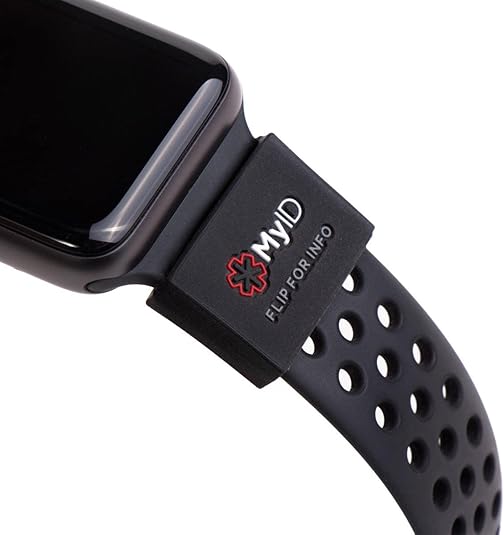
Stay Safe in Style: Medical ID Bracelets
Safety doesn’t have to look medical. Modern ID bracelets look like jewelry or leather bands but carry life-saving info for coaches, teachers, and friends. Many teens prefer engraved silicone bands or stainless steel cuffs.
Check Price on AmazonType 1 vs. Type 2 Diabetes in Teenagers: Key Differences That Change Everything
Before diving into meal planning, it’s critical to understand that not all teenage diabetes is the same. Type 1 diabetes is an autoimmune condition where the pancreas produces zero insulin. Every carbohydrate consumed must be “covered” by an insulin dose — either via injection or an insulin pump. Type 2 diabetes in teens, while historically rare, has become far more prevalent due to sedentary lifestyles and processed-food diets. In Type 2, the pancreas still produces insulin but the body’s cells have become resistant to it.
| Factor | Type 1 Teen | Type 2 Teen |
|---|---|---|
| Insulin Production | None — requires daily insulin therapy. | Present but ineffective due to resistance. |
| Primary Management | Insulin doses matched to carb intake (carb ratios). | Diet, exercise, oral medications (sometimes insulin later). |
| Hypoglycemia Risk | High — dosing errors or over-exercise can cause dangerous lows. | Lower, unless on insulin or sulfonylureas. |
| Weight Management | Often normal weight; excessive insulin can cause weight gain. | Weight loss is often the primary therapeutic goal. |
| Diet Flexibility | Can eat anything with correct insulin coverage; lower-carb reduces variability. | Strict carb reduction is most effective for reversing resistance. |
| Technology Use | CGM and insulin pumps are standard of care. | Finger-stick monitoring; CGM sometimes used for motivation. |
Regardless of type, the diabetic meal planning principles in this guide apply broadly. Both types benefit from reducing refined carbohydrates, prioritizing protein and healthy fats, and eating consistent, structured meals. The difference lies in how aggressively carbs must be tracked, and whether insulin dosing must be factored into every food decision.
Carb Counting 101: The Essential Skill Every Diabetic Teen Needs
Carbohydrate counting is the foundation of blood sugar management. Unlike fat and protein (which have minimal direct impact on blood glucose), every gram of carbohydrate you eat converts to glucose in the bloodstream. For Type 1 diabetic teens using insulin, knowing how many carbs are in a meal determines the insulin dose required. For Type 2 teens, carb awareness helps keep blood glucose from spiking.
How to Count Carbs: The Basics
Total carbohydrates on a nutrition label include sugars, starches, and fiber. For blood sugar purposes, what matters most is net carbs — calculated as: Total Carbs minus Dietary Fiber. Fiber is not digested into glucose, so it has minimal blood sugar impact. Sugar alcohols (like erythritol, xylitol, maltitol) found in “diabetic-friendly” products are partially absorbed; generally, divide grams of sugar alcohols by 2 and add that to net carbs for a realistic estimate.
Quick Carb Reference for Common Teen Foods
- 1 slice white bread: ~15g net carbs
- 1 cup cooked pasta: ~40g net carbs
- 1 medium apple: ~25g net carbs
- 1 banana: ~27g net carbs
- 1 cup white rice: ~45g net carbs
- 1 cup broccoli: ~4g net carbs
- 1 egg: ~0g net carbs
- 1 oz cheddar cheese: ~0.5g net carbs
- 1 medium Russet potato: ~37g net carbs
- 1 low-carb tortilla (Mission Carb Balance): ~4g net carbs
- 1 regular tortilla: ~22–26g net carbs
- 1 cup whole milk: ~12g net carbs
- 1 cup unsweetened almond milk: ~1–2g net carbs
Insulin-to-Carb Ratios: A Teen’s Guide
For Type 1 diabetic teens on insulin therapy, your endocrinologist will establish an insulin-to-carb ratio (ICR) — for example, 1 unit of insulin per 10g of carbohydrates (written as 1:10). If you eat a meal with 60g of carbs, you would inject 6 units. These ratios are highly individual and can change during growth spurts, illness, and hormonal cycles. Never adjust your own insulin ratios without guidance from your diabetes care team, but understanding the concept helps you count carbs accurately and confidently.
Apps to Make Carb Counting Easier
Manual carb counting from labels is great, but most teens rely on apps for restaurant meals and packaged foods. The most useful include MyFitnessPal (massive food database, barcode scanning), Carb Manager (designed specifically for low-carb/diabetic tracking), MySugr (designed for diabetics, integrates with CGM data), and Cronometer (excellent for micronutrient tracking alongside carbs). Using any of these consistently will make carb estimation second nature within weeks.
Glycemic Index and Glycemic Load: Choosing Carbs Wisely
Not all carbohydrates are created equal. The glycemic index (GI) ranks foods on a scale of 0–100 based on how quickly they raise blood glucose compared to pure glucose (rated 100). High-GI foods cause rapid spikes; low-GI foods cause slow, steady rises. However, GI alone can be misleading — that’s where glycemic load (GL) comes in. GL accounts for both GI and portion size, giving a more practical picture of a food’s actual blood sugar impact.
| Food | Glycemic Index (GI) | Serving Size | Glycemic Load (GL) | Teen Rating |
|---|---|---|---|---|
| White rice (cooked) | 72 (High) | 1 cup | 29 (High) | ⚠ Limit portions |
| Sweet potato (baked) | 54 (Medium) | 1 medium | 12 (Medium) | ✅ Good choice |
| Rolled oats | 55 (Medium) | 1/2 cup dry | 13 (Medium) | ✅ Good choice |
| White bread | 75 (High) | 2 slices | 20 (High) | ❌ Avoid regularly |
| Apple | 36 (Low) | 1 medium | 6 (Low) | ✅ Excellent snack |
| Watermelon | 72 (High) | 1 cup | 4 (Low) | ✅ OK in moderation |
| Lentils | 32 (Low) | 1/2 cup cooked | 5 (Low) | ✅ Superstar food |
| Cauliflower rice | 15 (Very Low) | 1 cup | 1 (Very Low) | ✅ Game changer |
| Regular soda (12oz) | 65 (Medium) | 1 can | 26 (High) | ❌ Never |
| Berries (mixed) | 25–40 (Low) | 1/2 cup | 3–5 (Low) | ✅ Best fruit choice |
The key takeaway: don’t fear all carbs — fear the wrong carbs in the wrong amounts. A cup of mixed berries has a far lower glycemic load than a small bowl of white rice, even though both are technically “carbohydrates.” Focus on fiber-rich, minimally processed carbohydrates paired with protein and fat to further slow glucose absorption.
The 7-Day “Real Life” Diabetic Menu for Teens
This plan focuses on high satiety (feeling full) and steady energy. It avoids the “sugar crash” that ruins sports performance and study sessions. All meals are designed to be teen-approved and family-friendly.
Diabetic Meal Prep for Teens: The Sunday Reset Strategy
Consistent blood sugar control doesn’t happen by accident — it’s built on preparation. The single most powerful habit a diabetic teen can develop is a Sunday meal prep routine. Spending 60–90 minutes preparing food components for the week ahead eliminates the biggest blood sugar threats: impulsive vending machine snacks, cafeteria carb overloads, and skipped meals that cause chaos with insulin.
The Core Prep List (Do These Every Sunday)
- Boil 8–12 eggs: Hard-boiled eggs are the ultimate grab-and-go protein source. They last 5 days refrigerated and require zero preparation in the morning.
- Grill or bake a large batch of protein: 4–6 chicken breasts, a beef roast, or a tray of turkey meatballs. This becomes the base for lunches and dinners all week — sliced over salads, added to wraps, or eaten cold as a snack.
- Pre-portion snacks: Divide nuts into 1-oz portions in small zip bags or containers. Pre-slice cheese and portion jerky. Having these ready means zero decision-making at 3pm when hunger hits hard.
- Prep overnight oats or chia pudding: Make 4–5 jars at once and refrigerate. Grab and eat at home or take to school.
- Wash and chop vegetables: Cut bell peppers, cucumbers, celery, and broccoli into snack-ready pieces. Store in clear containers at eye level in the fridge — you eat what you see.
- Cook a grain or carb substitute: A batch of brown rice, quinoa, or cauliflower rice gives you a flexible base for multiple dinners without the nightly effort.
Teen Meal Prep Time Hack
Put on a podcast, YouTube show, or music playlist and treat Sunday prep as your personal time. Many teens report that making meal prep “their thing” rather than a chore — customizing flavors, trying new seasonings, even photographing their creations for social media — turns it from a burden into a genuine source of pride and autonomy. Owning your food is owning your health.
Teen Diabetic Needs vs. Adult/Senior Needs
Why does this menu look different than what your parents or grandparents might eat? Here’s a side-by-side comparison:
| Factor | Teen Diabetic Menu | Senior Diabetic Menu |
|---|---|---|
| Caloric Intake | High (2000-3000+) for growth, sports, and metabolism. | Lower (1200-1600) often for maintenance and reduced activity. |
| Protein Needs | Very high (muscle synthesis, bone growth). | Moderate to high (prevent sarcopenia). |
| Meal Frequency | Frequent (3 meals + 2–3 snacks) to fuel high metabolism. | Often smaller, less frequent due to early satiety. |
| Flexibility / Social Life | High — must adapt to parties, fast food, school events. | Often structured, routine-oriented for simplicity. |
For older relatives, you can compare with our diabetic menu for seniors to cook for the whole family.

Own Your Lunch: Insulated Lunch Bag
A high-quality, non-childish lunch bag ensures your insulin stays cool and your snacks stay fresh, giving you freedom from the cafeteria line. Great for field trips, sports, and part-time jobs.
Check Price on AmazonDiabetic Teen Athletes: Sport-by-Sport Blood Sugar Management Guide
Exercise is one of the most powerful tools for blood sugar control — but it also creates the most unpredictable glucose swings. The challenge: aerobic exercise (like running or swimming) tends to lower blood glucose, while anaerobic or high-intensity exercise (like sprinting or heavy lifting) can temporarily raise it. Understanding which sport does what allows you to prepare your nutrition and insulin adjustments appropriately.
Football & Basketball (High Intensity, Mixed)
These sports involve explosive sprints, strength, and sustained endurance — a metabolic rollercoaster. Blood glucose may spike during explosive plays (adrenaline releases glucose from the liver), then drop significantly in recovery. Strategy: Check glucose 30–60 minutes before game time. Aim for 140–180 mg/dL pre-game. Keep glucose tabs or a sports drink on the sidelines. Reduce pre-practice basal insulin by 20–30% if on a pump (consult your endocrinologist). Post-game, expect delayed hypoglycemia 6–12 hours later — have a protein-fat snack before sleep (e.g., peanut butter on a low-carb tortilla).
Swimming (Aerobic, Prolonged)
Long aerobic sessions consistently lower blood glucose. Swimming is particularly unpredictable because pool water masks sweat, making it harder to feel hypoglycemia symptoms. Strategy: Eat a 15–20g carb snack 30–45 minutes before swimming if glucose is under 150 mg/dL. Have a spotter or teammate aware of low blood sugar signs. Keep juice boxes or glucose tabs at poolside. Pump users should consider removing or suspending the pump during swim (check with your doctor first). Prioritize a balanced post-swim meal within 30–45 minutes.
Track & Cross Country (Sustained Cardio)
Distance running causes steady glucose depletion over time. The longer the event, the greater the drop. Strategy: For events or long training runs over 45 minutes, plan to consume 15–30g of fast-acting carbs per hour (sports gel, banana, or glucose tabs). Start with a glucose level of 150–180 mg/dL for long runs. Reduce meal-time insulin doses on heavy training days. Hydration is critical — dehydration concentrates blood glucose, creating a false high reading.
Weight Training & Strength Sports (Anaerobic)
Heavy lifting and strength training often temporarily raise blood glucose as stress hormones (cortisol, adrenaline) signal the liver to release glycogen. However, within 1–2 hours post-workout, muscles aggressively absorb glucose for repair, causing a significant drop. Strategy: Don’t be alarmed by a glucose rise during or immediately after lifting. Have a protein-dominant post-workout meal within 30–60 minutes (e.g., ground beef with vegetables, eggs with cheese). Monitor closely 2–4 hours post-workout for delayed lows.
Soccer & Field Sports (Intermittent High Intensity)
Soccer combines sustained jogging with explosive sprints, making glucose prediction challenging. An 80-minute match can cause unpredictable swings in both directions. Strategy: Pre-game carb snack (15–20g) is almost always appropriate. During halftime, check glucose if possible and consume 10–15g carbs if under 130 mg/dL. Wear a CGM (continuous glucose monitor) if available — many are designed to be worn during contact sports with the right adhesive tape. Post-match, prioritize a 3:1 carb-to-protein recovery meal within one hour.
The Overnight Low: The Hidden Risk for Teen Athletes
One of the most dangerous situations a diabetic teen athlete faces is nocturnal hypoglycemia — low blood sugar during sleep, particularly after heavy exercise. Muscles continue to absorb glucose for 12–24 hours after exercise to replenish glycogen stores. This can pull blood glucose dangerously low in the middle of the night. Warning signs (if you wake) include nightmares, sweating, and feeling disoriented. Prevention: on heavy training days, eat a protein-fat snack before bed (not just carbs), and consider setting a 2am alarm to check glucose until you know your pattern.
Technology for Diabetic Teens: CGMs, Pumps, and Apps
Today’s diabetic teenagers have access to technology that previous generations could only dream of. Understanding and leveraging these tools is as important as understanding nutrition.
Continuous Glucose Monitors (CGMs)
A CGM is a small sensor worn on the arm or abdomen that measures glucose levels in the interstitial fluid every 1–5 minutes, sending readings to a smartphone or dedicated receiver. For a diabetic teen, this is transformative. Instead of checking glucose 6–8 times per day with a finger stick, a CGM provides a continuous stream of data — including trend arrows showing whether glucose is rising, stable, or falling. This allows proactive decisions: “My glucose is 140 and falling fast — I need to eat something before it crashes” rather than reactive ones.
Popular CGM devices for teens include the Dexcom G7 (10-day wear, no fingerstick calibration needed, excellent school and sports use), the Abbott Libre 3 (14-day sensor, slimmer profile, good for self-conscious teens), and the Medtronic Guardian 4 (integrated with Medtronic pumps for closed-loop systems). Many teens report that starting a CGM was the single biggest improvement to their quality of life — freedom from constant interruptions for finger sticks, early warning alarms, and real-time feedback on how food affects their glucose.
Insulin Pumps: Freedom from Daily Injections
For Type 1 teens, an insulin pump delivers a continuous background (basal) insulin dose and allows on-demand bolus doses for meals — all without multiple daily injections. Modern pumps are small, discreet, and increasingly “smart.” The latest generation of closed-loop systems (also called artificial pancreas systems) like the Omnipod 5 or Medtronic MiniMed 780G combine a pump with a CGM and an algorithm that automatically adjusts insulin delivery based on real-time glucose readings. Many teens on these systems report significantly more time “in range” with far less mental effort.
Talking to Your School About Technology
Many schools have outdated policies about medical devices in the classroom. Parents and teens should proactively work with the school nurse and administration to create a 504 Plan — a legally protected accommodation plan that ensures the student can check blood sugar in class, have access to snacks, leave to treat hypoglycemia, and use their CGM or pump without interference. This is a legal right, not a special privilege. Having this plan in place before the school year begins prevents confrontations and ensures safety.
The Ultimate Guide to Parties, Dates, and Fast Food
You can’t live in a bubble. Here is how to handle the real world with confidence.
The Coffee Shop Date
The Trap: Frappuccinos are basically milkshakes, often containing 60g+ of sugar. Even a flavored latte can have 30g.
The Fix: Order a Cold Brew, Americano, or Iced Latte with unsweetened almond milk and sugar-free syrup (vanilla/caramel). It tastes just as “fancy” but has minimal impact on blood sugar.
The Pizza Party
The Trap: Deep dish crust, breadsticks, and soda.
The Fix: Eat the toppings off a slice or two, or stick to thin crust. Avoid breadsticks entirely — they are pure starch. Drink water or diet soda. Fill up on a salad or veggies first if available.
The Burger Joint
The Trap: Combo meal with large fries and a soda.
The Fix: Get the burger, but toss the top bun (or both if you’re okay without). Or eat the burger normally but swap the fries for a side salad or apple slices. Rule of thumb: choose bun or fries, not both. Bring your own zero-sugar drink if needed.
Sports Drinks
Unless you are treating a low (hypoglycemia), avoid full-sugar Gatorade. It hits the bloodstream like rocket fuel. Stick to water, or zero-sugar electrolyte drinks like Gatorade Zero or Powerade Zero. During intense exercise lasting over an hour, some carbs may be needed, but work with your endocrinologist to find your personal threshold.
School Vending Machines
Keep a stash of nuts, seeds, or protein bars in your locker. If you must use vending, look for baked chips (small bag) or trail mix, and pair with water.
Eating Out as a Diabetic Teen: A Cuisine-by-Cuisine Survival Guide
Teens eat out constantly — after school, on dates, at team dinners, and on weekends. Knowing how to navigate every cuisine type confidently means no restaurant is off-limits. Here’s how to handle the most popular options.
Mexican Restaurants
Hidden Dangers: Chips and salsa arrive automatically (it’s easy to eat 60g+ of carbs before your meal arrives), flour tortillas are massive (one large tortilla = 40–50g carbs), rice and refried beans add another 50–60g, and sugary margaritas are liquid glucose bombs.
Smart Orders: Ask the server to not bring chips (out of sight, out of mind). Order a burrito bowl instead of a burrito — same filling, minus the tortilla. Choose grilled meat (carne asada, chicken, carnitas) over breaded options. Black beans are preferable to refried beans. Load up on sour cream, guacamole, cheese, and pico — these add flavor and fat without significant carb impact. Corn tortillas, if you must, are smaller and have a lower GI than flour.
Chinese Restaurants
Hidden Dangers: White rice (45g carbs per cup, and most servings are 2+ cups), sweet sauces (General Tso’s, orange chicken, sweet and sour — often 20–40g added sugar per dish), and fried appetizers like egg rolls, crab rangoon, and wontons.
Smart Orders: Ask for steamed protein and vegetables with sauce on the side, then use only 1–2 tablespoons. Broccoli beef, Moo Goo Gai Pan, and steamed dumplings (in moderation) are better choices. Request cauliflower fried rice if available, or limit regular fried rice to 1/2 cup. Hot and sour soup is relatively low carb. Avoid anything described as “crispy,” “sweet,” or “glazed.”
Sushi Restaurants
Hidden Dangers: Sushi rice is seasoned with sugar and rice vinegar — a standard 6-piece roll contains 30–40g of carbs, mostly from rice. Specialty rolls with cream cheese, tempura, or spicy mayo can be even higher. Teriyaki sauce and eel sauce add significant sugar.
Smart Orders: Sashimi (plain raw fish without rice) is the ultimate low-carb sushi option. Naruto rolls (cucumber-wrapped instead of rice) are another excellent choice. Edamame, miso soup, and seaweed salad are great low-carb starters. If you eat regular rolls, limit to 2–3 pieces and pair with protein-rich sashimi. Avoid rainbow rolls, spider rolls, and anything described as “crunchy” (tempura coating).
Indian Restaurants
Hidden Dangers: Naan bread (one piece = 40–50g carbs), white basmati rice (high GI), and some curry sauces made with significant amounts of sugar or sweetened with fruit.
Smart Orders: Indian cuisine is actually very friendly to diabetic eating if you choose wisely. Protein-rich dishes like tandoori chicken, lamb kebabs, paneer tikka, dal (lentil-based), and palak paneer (spinach with cheese) are excellent. Use the curry sauces, but skip or minimize naan and rice. Raita (yogurt and cucumber) is an excellent, low-carb condiment. One small piece of naan shared between the table is manageable — just don’t eat a whole one alone.
American Fast Food (The Reality Guide)
Hidden Dangers: Combo meals bundle the three worst offenders — sugary soda, high-carb fries, and a starchy bun. A large combo can easily contain 100g+ of carbohydrates.
Smart Orders: Nearly every major fast food chain now has lower-carb options. At McDonald’s: Double Quarter Pounder with no bun, side salad, unsweetened iced tea. At Chipotle: Burrito bowl with double protein, fajita veggies, salsa, guacamole, and sour cream — skip rice and beans. At Chick-fil-A: Grilled nuggets with a side salad. At Subway: Choose salad bowls instead of subs, or choose 6-inch with extra protein. Always check the restaurant’s nutrition app before ordering.
Sleep and Blood Sugar: The Connection Every Teen Diabetic Must Know
Most teenagers are chronically sleep-deprived — the average teen gets 6–7 hours when they need 8–10. For diabetic teens, sleep deprivation is not just a focus and mood issue; it’s a metabolic crisis. Research consistently shows that even a single night of inadequate sleep increases insulin resistance the following day, causes elevated fasting glucose levels, increases cravings for high-carb and sugary foods, and makes blood sugar harder to predict and control.
Why Sleep Deprivation Wrecks Blood Sugar
During deep sleep stages (slow-wave sleep), the body performs critical glucose regulation: growth hormone is released (which paradoxically helps muscle glucose uptake during sleep), cortisol levels hit their lowest point of the day, and the brain consolidates the day’s metabolic “lessons.” When sleep is cut short or fragmented, cortisol levels remain elevated — and cortisol is a direct antagonist to insulin action. A sleep-deprived diabetic teen may need 20–40% more insulin the following day to achieve the same control as usual.
Practical Sleep Hygiene for Diabetic Teens
- Set CGM alarms wisely: Nighttime CGM alarms are life-saving but also sleep-disrupting. Work with your care team to set thresholds that catch true emergencies without alarming at every minor fluctuation. Many teens lower the high alert threshold at night to reduce unnecessary wake-ups.
- Avoid high-carb late-night snacks: Chips, cereal, cookies, and ice cream before bed cause a glucose spike that may trigger a high alarm in the early night, followed by a crash in the early morning — disrupting sleep in both directions.
- Pre-sleep snack strategy: If your glucose tends to drop overnight, a protein-fat snack (not a carb snack) before bed provides slow, sustained fuel without a spike. Try peanut butter, cheese, nuts, or a boiled egg.
- Consistent sleep timing: Your body’s circadian rhythm directly influences insulin sensitivity. Going to bed and waking at consistent times — even on weekends — stabilizes the hormonal environment and makes glucose patterns more predictable.
Diabetes Burnout: Real, Common, and Manageable
Managing diabetes is a 24/7/365 job with no days off. For teenagers navigating the already complex emotional landscape of adolescence, this relentlessness can lead to what the diabetes community calls diabetes burnout — a state of emotional exhaustion where a person mentally disconnects from diabetes management. They may stop checking blood glucose, skip insulin doses, or eat recklessly — not out of ignorance, but out of sheer exhaustion and emotional overwhelm.
Burnout is not a personal failure. It is an entirely predictable response to managing a chronic condition with no vacation. Recognizing it early and addressing it — with compassion, not judgment — is critical for both health and wellbeing.
Signs of Diabetes Burnout
- Feeling angry, frustrated, or resentful about having diabetes
- Skipping blood sugar checks or insulin doses without care
- Eating without tracking or counting carbs
- Feeling hopeless or that “nothing I do matters anyway”
- Withdrawing from the diabetes community or care appointments
- Hiding blood sugar results from parents, friends, or care team
Recovery Strategies That Actually Work
Lower the bar temporarily: Instead of perfecting blood sugar control, set a micro-goal of just checking glucose once a day. Rebuilding habits in tiny increments is more sustainable than white-knuckling through a full protocol. Find community: Online communities like TuDiabetes, Beyond Type 1’s peer programs, and JDRF’s youth programs connect teens with others who genuinely understand. Talk to a therapist familiar with chronic illness: Not all mental health professionals understand diabetes-specific anxiety. Seek one who specializes in health psychology or chronic illness. Separate identity from diagnosis: You are not “a diabetic” — you are a person who has diabetes. Language matters enormously for self-concept.
Parents: your role is to support without surveilling. Constantly asking “did you check your blood sugar?” can feel like interrogation and deepen burnout. Instead, ask “How are you feeling today?” and create a household atmosphere where the teen can be honest about struggles without fear of punishment.
Sick Day Management for Diabetic Teens: What to Eat When You’re Ill
Illness is one of the most challenging scenarios for diabetic blood sugar management. When the body fights an infection, stress hormones surge, dramatically raising blood glucose — even if you’re eating less or not at all. This is called the “sick day phenomenon” and it catches many teens (and their parents) off guard. Many assume that not eating means they don’t need as much insulin. Often, the opposite is true.
The Golden Rules of Sick Day Diabetes Management
- Never stop insulin (Type 1): Even if you can’t eat, your body still needs background insulin. Stopping completely can rapidly lead to diabetic ketoacidosis (DKA) — a medical emergency.
- Check blood glucose every 2–4 hours: Illness can cause dramatic swings in either direction. More frequent monitoring is essential.
- Test ketones if glucose is above 240 mg/dL: Urine or blood ketone strips can detect DKA early. If ketones are moderate to large, contact your care team immediately.
- Stay hydrated: High blood sugar causes frequent urination and dehydration, which further elevates glucose. Sip water, broth, or sugar-free electrolyte drinks consistently.
- Have a sick-day food kit ready: Stock chicken broth (electrolytes without significant carbs), sugar-free Jell-O, sports drink (for treating lows), saltine crackers (for nausea with low blood sugar), and popsicles (known carb content for dose calculation).
When to Go to the Emergency Room
Seek immediate medical attention if: blood glucose is above 300 mg/dL and unresponsive to correction doses; ketones are moderate to large and you are vomiting; you are too nauseated to keep fluids down for more than 2–4 hours; you are confused, extremely drowsy, or difficult to wake; or you have fruity-smelling breath (a classic DKA sign). Do not wait and see with these symptoms — DKA can become life-threatening within hours.
Vitamins and Supplements for Diabetic Teenagers: What’s Worth Taking
Teenagers with diabetes face unique nutritional challenges. Some nutrients are depleted faster by elevated blood glucose, while others are critical for the rapid growth and development happening during adolescence. Here’s what the evidence supports:
Vitamin D
Deficiency is extremely common in teens with diabetes, and low Vitamin D is associated with increased insulin resistance and poorer glycemic control. Most teens need 1,000–2,000 IU daily, especially in winter months or if they have limited sun exposure. Ask your doctor to test your Vitamin D level at your next checkup.
Magnesium
Insulin action requires magnesium, and high blood glucose causes magnesium to be lost in urine. Low magnesium worsens insulin resistance, disrupts sleep, and causes muscle cramps — all of which affect athletic performance. Food sources: pumpkin seeds, dark chocolate (70%+), almonds, spinach. Supplement: 200–400mg magnesium glycinate daily.
Omega-3 Fatty Acids
Found in fatty fish (salmon, sardines, mackerel) or fish oil supplements, omega-3s reduce systemic inflammation, support brain health (critical for studying), and have modest benefits for insulin sensitivity. If you don’t eat fish regularly, a 1–2g daily fish oil or algae-based omega-3 supplement is worth considering.
Zinc
Zinc plays a direct role in insulin synthesis and secretion. It’s also critical for immune function, wound healing, and skin health. Teens who eat a lot of processed food are often zinc-deficient. Good food sources: red meat, shellfish, pumpkin seeds, chickpeas. If supplementing, 8–11mg daily is appropriate for teens.
Calcium & Vitamin K2
Critical for bone development during the teen years when the majority of peak bone mass is established. Teens with Type 1 diabetes have higher rates of bone density issues. Prioritize dairy, leafy greens, and fortified foods. If supplementing calcium, pair with Vitamin K2 to direct calcium into bones rather than arteries.
B-Vitamins (especially B12)
Teens on Metformin for Type 2 diabetes should be aware that Metformin can deplete Vitamin B12 over time, potentially causing nerve damage. Regular B12 monitoring is recommended. Teens eating low-carb or avoiding meat should consider a B-complex supplement.
Important: Always discuss supplements with your endocrinologist or dietitian before starting. “Natural” does not always mean safe for everyone, and some supplements can interact with diabetes medications or alter blood glucose levels unexpectedly.
Expert Tips: Driving, Exams, and Independence
As teens start driving, blood sugar management becomes a legal safety issue. Always check your glucose before starting the car (keep a meter in the car). Keep “fast-acting” glucose (Skittles, juice box, glucose tabs) in the glove compartment, not just in the trunk. Hypoglycemia while driving can be life-threatening.
For exams (SATs, Finals), high blood sugar creates “brain fog,” and low blood sugar causes confusion and inability to focus. Aim to run slightly higher than normal (like 120–160 mg/dL) to avoid a low during the test, but avoid the spike from sugary snacks. The “Day 4” menu above is designed specifically for cognitive focus.
Building independence: Teens should learn to order for themselves at restaurants, check their own blood sugar, and adjust insulin ratios with guidance. Practice makes perfect. If you are looking to prep for a longer duration, like a summer camp or semester abroad, our 30-day diabetic menu helps build long-term habits.
Hydration and Blood Sugar: The Simple Lever Teens Ignore
Dehydration is one of the most overlooked factors in teenage blood sugar management. When the body is dehydrated, blood volume decreases, causing glucose to become more concentrated — resulting in artificially elevated glucose readings. Conversely, high blood glucose causes the kidneys to excrete excess glucose through urine, pulling additional water with it and compounding dehydration. This feedback loop can rapidly escalate, especially in hot weather or during intense sports.
How Much Should a Diabetic Teen Drink?
The general guideline is 8–10 cups (64–80 oz) of water daily for most teens, increasing to 12–16 cups on heavy exercise days or in hot weather. Urine color is the simplest hydration gauge: pale yellow indicates adequate hydration; dark yellow or amber signals dehydration and the need to drink more immediately.
Best Drinks for Diabetic Teens
- Water: The gold standard. Flavor it naturally with lemon, lime, cucumber, or mint if plain water feels boring.
- Sparkling water: LaCroix, Bubly, or Perrier — zero sugar, zero carbs, satisfies the desire for something “fizzy.”
- Unsweetened iced tea: Green or black tea has minimal blood sugar impact and provides antioxidants. Add a zero-calorie sweetener if desired.
- Zero-sugar electrolyte drinks: Gatorade Zero, Powerade Zero, LMNT (electrolyte powder), Nuun tablets — great for sports and recovery.
- Unsweetened almond milk, coconut milk, or oat milk: Good dairy alternatives — check labels carefully as “original” varieties often have added sugar (choose “unsweetened”).
- Coffee (for older teens): Black coffee or espresso has minimal blood sugar impact. It’s the additions — sugar, flavored syrups, whole milk — that cause problems. Stick to sugar-free syrups and almond or oat milk.
Drinks to Strictly Avoid
Regular soda, energy drinks (Red Bull, Monster — often 27–40g sugar per can), sweetened teas and lemonades, fruit juices (even “100% juice” — apple juice has the same carb load as soda), flavored Starbucks drinks (Frappuccinos, flavored lattes with regular syrup), and sports drinks (unless treating a low). These drinks deliver glucose directly into the bloodstream with no fiber or protein to slow absorption — causing rapid, sharp spikes.
Planning for the Future: Diabetes Management in College and Beyond
High school is the training ground for a lifetime of self-management. The habits, skills, and confidence built now will determine how successfully a diabetic teen transitions to the greater independence and challenges of college, work, and adult life.
What Changes in College
College brings a perfect storm of blood sugar challenges: irregular sleep schedules, dining hall food with unclear nutritional content, alcohol exposure, extreme stress from exams and social dynamics, less parental oversight, and potentially a new endocrinologist in a different city. The key to navigating this successfully is building skills before you leave home — not scrambling to learn them during freshman year.
Skills Every Diabetic Teen Should Master Before College
- Order your own supplies: Know which insulin, test strips, CGM sensors, and pump supplies you use, their brand names, and how to order them from your pharmacy or insurance.
- Communicate with doctors independently: Be able to call your endocrinologist, describe a problem, and understand their answer without a parent present.
- Handle sick days alone: Know the sick-day rules, when to call for help, and when to go to an ER — without needing a parent to make that call for you.
- Navigate dining halls: Most college dining halls have nutritional information posted online or at the station. Practice estimating carbs in unfamiliar foods during high school cafeteria lunches.
- Understand your insurance: Know your insurance plan, what’s covered, and how to advocate for your supplies if denied. Many college students face coverage gaps during the transition to school-based insurance.
- Disclose appropriately: Know who to tell (roommates, resident advisor, college health services) and what to tell them. At minimum, your roommate should know how to recognize and respond to a severe hypoglycemic episode.
Alcohol and Diabetes: The Truth Teens Need to Hear
This is a difficult topic, but one that demands honest coverage. Alcohol consumption among teens is a reality, and for diabetic teens, it carries serious additional risks. Alcohol blocks the liver from releasing glucose into the blood — its primary mechanism for raising blood sugar during a low. This means alcohol can cause severe, prolonged hypoglycemia that is extremely difficult to treat. Even more dangerously, intoxication symptoms (confusion, uncoordination, unconsciousness) closely mimic severe hypoglycemia — and bystanders may assume someone is “just drunk” when they are actually experiencing a life-threatening low.
If a Diabetic Teen Does Encounter Alcohol
Never drink on an empty stomach. Eat a protein-rich meal first. Avoid sugary mixed drinks and opt for drier options with less sugar. Drink water between drinks. Wear a medical ID or ensure trusted friends know you have diabetes. Set a CGM alarm before sleeping. Eat a protein-fat snack before bed and check glucose upon waking. Never consume alcohol alone. These harm-reduction strategies do not endorse underage drinking, but are presented because real safety information can be life-saving.
Frequently Asked Questions
Can a diabetic teenager eat pizza and burgers?
Yes, but with modifications. Thin-crust pizza loaded with veggies and protein helps reduce the carb load. For burgers, opting for a lettuce wrap or eating only half the bun, while piling on cheese and meat, helps manage blood sugar spikes. Also, eating a salad or veggie starter slows absorption.
How do growth spurts affect blood sugar in teens?
Growth hormones released during puberty act against insulin, causing “physiological insulin resistance.” This means a teen might need significantly more insulin or stricter carb control during rapid growth phases compared to adults. Frequent monitoring is key.
What are the best snacks for diabetic teens during school?
The best snacks are portable, non-perishable, and protein-rich. Beef jerky, cheese sticks, nuts (almonds/walnuts), protein bars with low sugar alcohols, roasted chickpeas, and single-serving tuna pouches are excellent choices that don’t require a fridge.
Should diabetic teens drink sports drinks?
Generally, no, unless treating hypoglycemia (low blood sugar) or during prolonged intense exercise. Water and electrolytes (zero sugar) are better for hydration. Sugary sports drinks cause massive spikes. Zero-sugar versions are acceptable in moderation.
How does menstrual cycle affect teenage diabetes?
Hormonal fluctuations before a period (PMS) often cause blood sugar levels to rise, requiring temporary adjustments in insulin ratios. Keeping a cycle log alongside a glucose log helps predict these patterns and preemptively adjust.
Is a low-carb diet safe for teenagers?
A moderate low-carb diet (100–150g carbs) is generally safe and effective, but extreme restriction (Keto, under 30g) should be monitored by a doctor to ensure the teen is getting enough nutrients for bone density and growth. Focus on quality carbs from veggies, fruits, and legumes.
How can teens manage peer pressure regarding food?
Empowerment is key. Teens should feel comfortable owning their choices. “I eat this way for my game performance” or “I feel trash if I eat that” are valid social excuses. Having a “safe” snack on hand at parties also helps. Role-playing at home can boost confidence.
What is the best breakfast for a diabetic teen student?
A high-protein breakfast prevents mid-morning brain fog. Egg muffins, Greek yogurt with seeds, or a protein smoothie are superior to cereal or toast, which often lead to a crash before lunch. Even leftovers from dinner work well.
What is the difference between Type 1 and Type 2 diabetes management for teens?
Type 1 requires daily insulin therapy since the pancreas produces no insulin, making every meal a dosing calculation. Type 2 in teens is primarily managed with diet, exercise, and oral medications, with insulin reserved for more advanced cases. Both benefit from carb awareness, but the urgency and complexity of insulin management distinguishes Type 1.
How should a diabetic teen manage blood sugar during exams?
Target 120–160 mg/dL during high-stakes tests to avoid both brain fog and hypoglycemia. Eat a protein-rich breakfast, carry glucose tabs, and inform proctors of your condition in advance. Check glucose 30 minutes before the exam and have a correction plan ready if levels are outside range.
Can a diabetic teen go to summer camp or travel?
Absolutely. With advance planning, diabetic teens can travel anywhere and attend any camp. Key steps include: pack double the supplies you think you need (across two bags in case one is lost), carry a letter from your endocrinologist, research local hospitals at your destination, keep insulin in carry-on (never checked baggage — it can freeze in cargo holds), and ensure travel companions know emergency protocols. Many summer camps specifically designed for diabetic youth exist and provide incredible community while ensuring medical safety.
How do I talk to my friends about having diabetes?
You get to choose how much you share and with whom. Close friends who will be with you often — at school, sports, parties — should at minimum know you have diabetes, what a low looks like, and how to help (give glucose tabs or call for help). A short, confident explanation removes mystery: “I have Type 1 diabetes. My pancreas doesn’t make insulin, so I manage it with this device/shots. If you ever see me acting weird or confused, it means my blood sugar is low — give me this juice box and get a teacher or adult.” Keeping it matter-of-fact prevents over-dramatization.
Take Control of Your Game, Your Way
Diabetes is a part of your life, but it doesn’t define your teenage years. By following a diabetic menu for teenagers that focuses on fueling your body rather than restricting it, you can dominate in sports, excel in school, and enjoy time with friends without anxiety.
From mastering carb counting and navigating any restaurant menu to managing game-day glucose and preparing for college independence, every skill you build now pays dividends for decades. The most successful diabetic adults almost universally credit the habits they built as teenagers for their long-term health outcomes. You are not just managing a condition — you are building a foundation for an extraordinary life.
This menu is your toolkit. Use it, adapt it, and find the foods that make you feel powerful. You’ve got this.