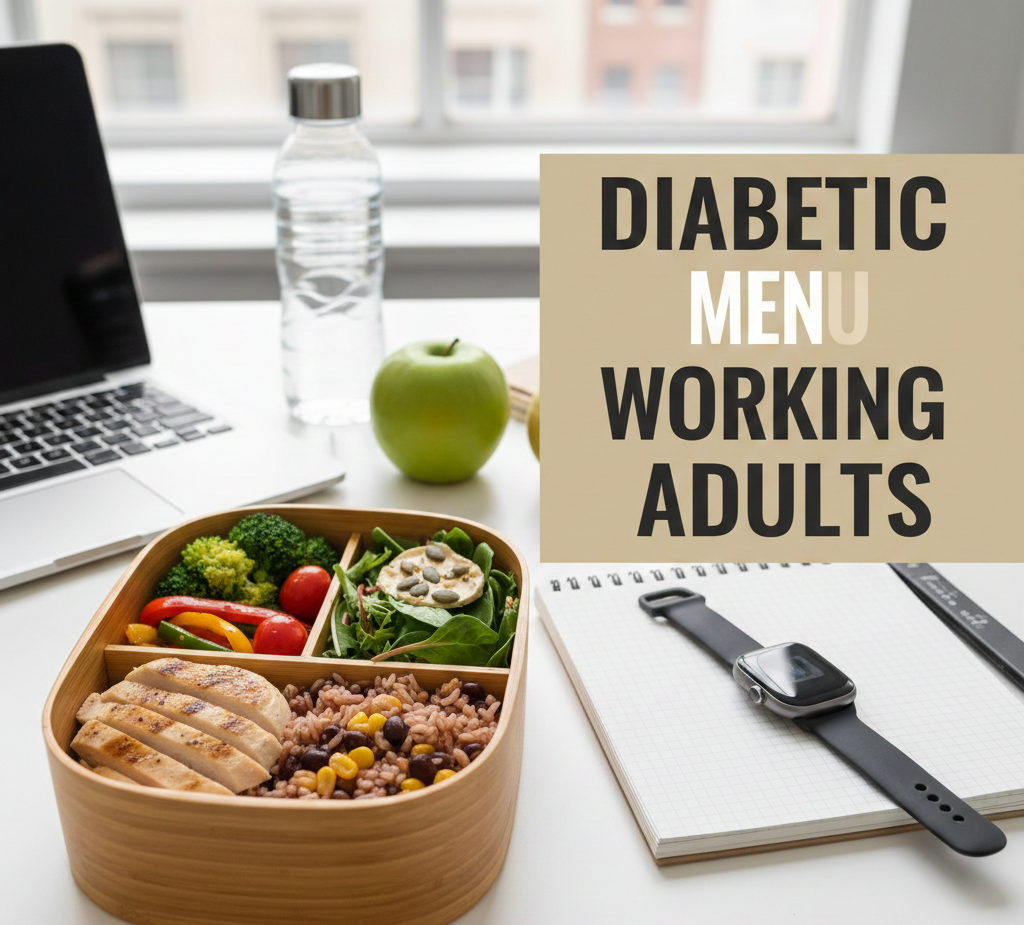
The Efficient Diabetic Menu for Working Adults: Productivity Meets Glycemic Control
Managing diabetes is a full-time job. When you add an actual 40-hour work week on top of it, things can get complicated fast. Between morning commutes, back-to-back meetings, office birthday cakes, and the dreaded 3:00 PM energy slump, maintaining stable blood sugar feels like a Herculean task. The standard corporate environment—sedentary, high-stress, and littered with ultra-processed snacks—often works against your glycemic goals.
For the working adult, a diabetic menu isn’t just about nutrition—it’s about logistics and lifestyle design. You need food that travels well, doesn’t require complex reheating, eats quickly between calls, and keeps your brain sharp without the post-lunch “carb coma.” Whether you are a corporate executive, a school teacher, a hybrid remote employee, or a shift worker, the strategy remains the same: preparation is your best defense against the vending machine and the breakroom bagels.
This guide provides a realistic, deeply practical diabetic menu for working adults. We focus on efficiency, portability, and energy stability—with an emphasis on meals that take under 15 minutes to assemble. If you are also managing a household budget, many of these tips align with our low-income diabetic menu strategies, proving that healthy work lunches don’t have to be expensive. For those easing into planning, you can also explore our 1-day simple menu to build momentum.
The “9-to-5” Survival Strategy: Eat Smart, Stay Sharp
The office environment is often hostile to diabetic health. Sedentary desks and high-stress meetings raise cortisol and blood sugar, while convenient ultra-processed foods surround you. Here is your battle plan, refined with input from nutritionists who specialize in workplace wellness.
1. The Sunday Ritual (Batch Prep for the Win)
You are tired after work. Do not rely on your Tuesday evening willpower to cook lunch for Wednesday. Spend 60-90 minutes on Sunday prepping core components: proteins (hard-boiled eggs, grilled chicken strips, cooked ground turkey), grains (quinoa, brown rice), and washed veggies. This ensures grab-and-go efficiency. Mason jar salads and bento boxes become five-minute morning tasks.
2. The “Desk Pantry” (Emergency Rations)
Never rely on the office kitchen. Keep a drawer stocked with non-perishable “safe” foods that rescue you during unexpected overtime or when the cafeteria line is full of carbs:
- Almonds or Walnuts (portion-controlled 100-calorie packs)
- Beef Jerky or Turkey Sticks (look for no added sugar)
- Canned Tuna or Salmon pouches (with pop-top lids)
- Low-carb protein bars (aim for >10g protein, <5g sugar)
- Single-serving unsweetened nut butter packets
3. The “Un-Sandwich” Lunch Philosophy
Sandwiches are the standard work lunch, but bread spikes blood sugar and causes afternoon drowsiness. We pivot to “Bento Box” styles, “Mason Jar Salads,” and lettuce-wrap roll-ups that keep you energized and focused.
If you need a structured short-term plan, check out our 3-day diabetic meal plan to get comfortable with these concepts.
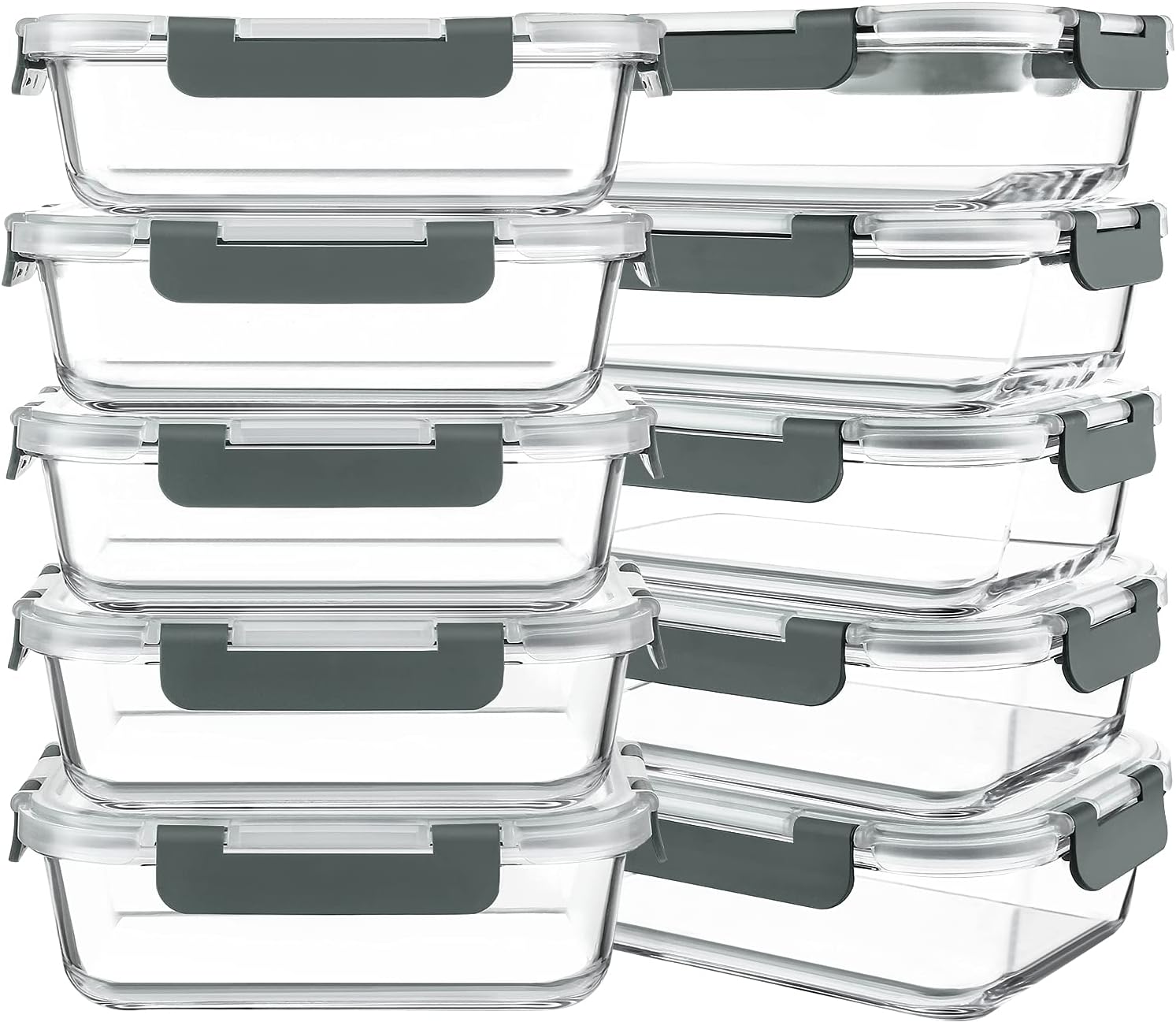
Upgrade Your Lunch Game
Ditch the stained plastic tupperware. Glass meal prep containers are microwave safe, don’t hold odors, and make your healthy lunch look appetizing — which matters when you’re trying to avoid envy over coworker’s takeout.
Check Price on AmazonUnderstanding Glycemic Index: Your Cheat Sheet for Every Office Food
Not all carbohydrates are created equal. The Glycemic Index (GI) ranks foods on a scale of 0–100 based on how quickly they raise blood sugar compared to pure glucose. For working adults with diabetes, understanding GI is the single most powerful framework for making quick decisions — whether you’re staring down the office vending machine, a catered lunch, or a coffee shop menu.
Even more useful is the concept of Glycemic Load (GL), which factors in both the GI and the actual quantity of carbohydrates in a typical serving. A watermelon has a high GI (72) but a low GL per slice because it is mostly water. This distinction matters when you’re portion-controlling at desk lunches.
🟢 Low GI (0–55)
Your daily foundation.
- Eggs (0)
- Greek yogurt plain (11)
- Leafy greens (15)
- Almonds (0)
- Hummus (6)
- Chickpeas (28)
- Quinoa (53)
- Lentils (32)
- Sweet potato (48)
- Berries (40–53)
🟡 Medium GI (56–69)
Use with protein pairing.
- Brown rice (64)
- Whole wheat bread (69)
- Oatmeal steel-cut (55–58)
- Banana ripe (59)
- Pineapple (59)
- Orange juice (57)
- Basmati rice (58)
- Rye bread (65)
🔴 High GI (70+)
Avoid or minimize strictly.
- White bread (75)
- White rice (73)
- Instant oats (83)
- Pretzels (83)
- Rice cakes (82)
- Soda / juice drinks (70–90)
- Bagels (72)
- Crackers (plain) (74)
The “Protein Pairing” Rule for GI Management at Work
When you cannot avoid a medium-to-high GI food (like a catered lunch with white rice), always pair it with a generous portion of protein and/or fat. Protein and fat slow gastric emptying, effectively reducing the glycemic impact of the meal. For example: white rice (GI 73) paired with grilled chicken and olive oil dressing reduces the practical blood sugar spike significantly. This is the most practical real-world GI management tool for office settings where you don’t fully control your plate.
Reading the Vending Machine Like a Diabetic Pro
Faced with the office vending machine at 2:45 PM? Here is how to decode the labels in under 30 seconds. Look at the nutrition label and apply the “15/5 Rule”: aim for a snack with fewer than 15g of total carbohydrates and at least 5g of protein. Most crackers and chips will fail this test immediately. Options that often pass: mixed nuts, beef jerky sticks, pumpkin seed packs, some protein bars, and sunflower seeds. When in doubt, choose the lowest total carbohydrate option and pair it with water.
| Vending Machine Item | Typical Carbs (g) | Protein (g) | Diabetic Verdict |
|---|---|---|---|
| Mixed Nuts (1 oz pack) | 6g | 5g | ✅ Good choice |
| Beef Jerky Stick | 3g | 10g | ✅ Excellent choice |
| Pretzels (1 oz bag) | 23g | 2g | ❌ Skip it |
| Granola Bar (plain) | 29g | 3g | ❌ Skip it |
| Peanut Butter Crackers | 19g | 4g | ⚠️ Last resort only |
| Protein Bar (Quest-style) | 4g net | 20g | ✅ Good choice |
| Cheese Crackers | 20g | 3g | ❌ Skip it |
Blood Sugar Monitoring at Work: Modern Tools for the Modern Office
One of the most significant advances for working adults with diabetes over the past decade is the rise of Continuous Glucose Monitors (CGMs). Devices like the Dexcom G7, Abbott FreeStyle Libre 3, and Medtronic Guardian 4 have transformed workplace diabetes management from an intrusive, stigmatized activity into a seamless, wrist-glance affair.
CGM vs. Traditional Glucometer: Which Is Right for Your Workday?
CGM (Continuous Monitor)
Worn on the arm or abdomen, sends real-time glucose readings to your smartphone every 1–5 minutes. Perfect for back-to-back meetings, discrete monitoring, and identifying post-meal trends. The data arrows (rising, falling, stable) tell you where your blood sugar is headed — invaluable before a presentation or important call.
Traditional Glucometer
Still accurate and affordable. Best used at natural break points — before lunch, before leaving the office, mid-afternoon. Keep one in your desk drawer with extra strips. If you use a glucometer at your desk, there is no need to explain yourself — it is a medical device and you are fully within your rights.
Your Legal Rights: Diabetes Monitoring at Work (ADA Protections)
In the United States, the Americans with Disabilities Act (ADA) requires employers to provide reasonable accommodations for employees with diabetes. This includes the right to test blood sugar at your desk, take snack breaks to prevent hypoglycemia, store insulin or medication in a refrigerator, and use your CGM without interference. You are not required to test in private, and your employer cannot prevent you from managing your condition. Knowing your rights removes the anxiety of monitoring in an open office plan.
Recognizing Hypoglycemia at Work: Don’t Confuse It with Burnout
Low blood sugar (below 70 mg/dL) mimics several common workplace experiences: difficulty concentrating, irritability, sudden fatigue, shakiness, or feeling “foggy.” Many working adults mistake these for stress, dehydration, or needing more coffee. The 15-15 Rule: if you suspect a low, consume 15 grams of fast-acting carbohydrate (4 glucose tablets, 4 oz orange juice, or a tablespoon of honey), wait 15 minutes, and recheck. Then follow with a protein snack to prevent a rebound drop. Keep glucose tablets in your desk — they are the most precise treatment, delivering exactly 4g of carbs each.
When to Check: A Workday Monitoring Schedule
Without a CGM, a practical checking schedule for a working adult might look like this: check fasting glucose upon waking (before breakfast), check before lunch to assess morning trends, check 1–2 hours after lunch to see your post-meal peak, check before leaving the office to ensure you’re safe to drive, and check if you feel any symptoms of a high or low at any point. If you are on insulin, your checking schedule will be more frequent and personalized — always follow your endocrinologist’s guidance over general recommendations.
The 5-Day Work Week Menu: Real Meals for Real Schedules
This menu assumes you have a microwave available at work, but offers cold alternatives for those without. It focuses on high-protein breakfasts to prevent brain fog and moderate lunches to prevent the afternoon crash. Every dinner is designed to be ready in under 30 minutes.
The Invisible Sugar Spike: Work Stress & Your Liver
You ate your salad, you took your meds, but your blood sugar is 200 mg/dL. Why? Work stress. It’s a silent disruptor that many forget to factor into their diabetic management.
When you are stressed about a deadline, your body releases cortisol and adrenaline. These hormones signal your liver to dump stored glucose into your bloodstream for “fight or flight” energy. Since you are sitting at a desk, you don’t burn it off—resulting in stubborn hyperglycemia.
Tactics to Combat Stress-Induced Highs:
- The Walk-and-Talk: Take phone calls while walking (even pacing in a hallway). 10 minutes of movement helps muscles absorb that excess glucose.
- Hydration Breaks: Dehydration mimics stress in the body. Keep a 1-liter water bottle at your desk and aim to refill twice.
- Magnesium Rich Snacks: Consider magnesium-rich foods (spinach, pumpkin seeds, almonds) which help regulate the nervous system and blunt cortisol.
- Box breathing: Inhale 4 sec, hold 4, exhale 4. Repeat 3 times before lunch. Lowers cortisol quickly.
Move More, Spike Less: Exercise Strategies for the Office
Physical activity is arguably the most underutilized tool in a working diabetic’s toolkit. Muscle contractions use glucose independently of insulin — meaning even light movement at the office genuinely lowers blood sugar in real time. You don’t need a gym. You need strategy.
Micro-Movement Framework for the 9-to-5
- Post-Meal Walk (5–10 minutes): The single most effective tool. Walk to the far bathroom, take the stairs, pace your office floor. Do this within 30 minutes of finishing lunch. This is your highest-leverage daily habit.
- The Hourly Stand: Set a timer every 50 minutes. Stand, stretch, walk to a colleague’s desk instead of messaging them. Even 2 minutes of standing reduces the glycemic toll of prolonged sitting.
- Walking Meetings: For 1-on-1 calls or brainstorm sessions, propose a walk-and-talk. This has become a mainstream practice at companies like Apple, Google, and countless startups — and it is a stealth blood sugar management tool.
- Desk Exercises: Seated calf raises (lift your heels repeatedly while sitting) engage your soleus muscle, which has been shown in research to have a disproportionate effect on glucose disposal. Try 20-30 reps every hour.
- Lunchtime Workout: Even a 20-minute brisk walk or gym visit during lunch improves afternoon insulin sensitivity. Pack gym clothes Sunday to remove the friction barrier.
- Stair Protocol: Refuse elevators for floor differences of 3 stories or less. Two to three stair-climbing sessions daily add up to meaningful calorie and glucose expenditure over a week.
Type 1 vs. Type 2: Exercise Precautions at Work
If you have Type 1 diabetes, exercise can cause both hypoglycemia (during/after) and paradoxical hyperglycemia (during intense activity) depending on your insulin-on-board. Check your CGM before any planned office workout. Have a fast-acting carb source (glucose tabs, juice) accessible. For Type 2 diabetes, moderate exercise is almost uniformly beneficial and rarely causes dangerous lows unless you are on sulfonylureas or insulin. Still, checking before and after until you know your personal patterns is wise. Always discuss a new exercise routine with your endocrinologist or diabetes educator.
Brown Bag vs. Buying Lunch: The True Cost of Convenience
Is meal prepping really worth the time? Let’s look at the breakdown for a typical office worker.
| Factor | Brown Bag (Meal Prep) | Buying Lunch (Cafeteria/Fast Casual) |
|---|---|---|
| Cost per Meal | $3.00 – $6.00 | $12.00 – $18.00 (or more) |
| Carb Count Accuracy | 100% known, you control ingredients | Hidden sugars in sauces, dressings, unexpected carbs |
| Time Spent (weekly) | 90 mins Sunday prep + 5 mins daily | 15-30 mins daily waiting in line = up to 2 hours/week |
| Blood Sugar Impact | Controlled / Stable (fiber+protein balance) | Variable / High risk of post-meal spikes |
| Nutrition Transparency | Complete control over salt, fats, additives | Often high sodium, hidden sugars, industrial oils |

Keep It Cool, Professional & Fresh
A sleek, insulated lunch bag keeps your salads crisp and your insulin cool (if you carry it) without looking like a kid’s lunchbox. It also signals “healthy habits” to colleagues.
Check Price on AmazonThe Diabetic’s Guide to Coffee Shop Orders (Starbucks, Dunkin’ & Beyond)
The morning coffee run and the afternoon café meeting are fixtures of working adult life. For people with diabetes, a coffee shop can either be a minefield of hidden sugar bombs or a perfectly safe pit stop — it all comes down to what you order.
Safe Orders at Any Coffee Chain
- Drip/Pour-over/Cold brew coffee (black): Zero carbs. The gold standard. A large black cold brew contains 0g sugar and the caffeine boost supports focus without any glycemic cost.
- Americano: Espresso + water. 0g carbs. Can be customized with a splash of heavy cream or unsweetened nut milk.
- Plain Latte with Unsweetened Almond or Coconut Milk: Approximately 4–7g carbs. Order “no syrup” explicitly, as baristas are trained to add vanilla or other syrups by default to certain drinks.
- Cappuccino (small): Under 10g carbs with whole milk. Skip flavored syrups.
- Iced Coffee with Heavy Cream: Under 5g carbs. Rich, satisfying, and keeps blood sugar stable.
Orders to Avoid (Hidden Sugar Bombs)
- Frappuccinos / Blended drinks: A Starbucks Grande Mocha Frappuccino contains 51g of sugar. This is equivalent to eating a candy bar and chasing it with another candy bar.
- Flavored Lattes with Standard Syrups: Each standard pump of Starbucks syrup adds 5g of sugar. A Pumpkin Spice Latte (Grande) contains 50g of sugar.
- Chai Lattes: Often overlooked, these typically contain 42–50g of sugar per serving.
- Matcha Lattes (pre-sweetened): Most chains use sweetened matcha powder. Ask about sugar content specifically.
- Bottled energy drinks at café coolers: Often 27–40g of sugar, sometimes marketed with health claims that obscure the sugar content.
Starbucks Customization Hacks for Diabetics
The Starbucks app and most chain ordering systems allow full customization. Use these specific requests: ask for “sugar-free syrup” (they carry sugar-free vanilla and hazelnut), specify “no classic syrup” (classic syrup is simply liquid sugar), request “light ice” to get a larger portion of beverage without extra cost, and try a “skinny” drink modification which defaults to sugar-free syrups and non-fat milk. However, the best swap is to simply ask for unsweetened almond or coconut milk with one pump of sugar-free vanilla and a double espresso — this creates a highly customized café experience for under 5g of carbs.
Happy Hour with Diabetes: How to Navigate Work Social Events Safely
Company happy hours, team dinners, and client entertainment are social currencies in the working world. Opting out entirely can feel isolating and professionally costly. The good news: people with diabetes can participate in social drinking, provided they understand the specific risks and apply a simple framework.
How Alcohol Affects Blood Sugar Specifically
Alcohol is metabolized by the liver — the same organ responsible for releasing stored glucose (gluconeogenesis) when your blood sugar drops. When the liver is busy processing alcohol, it neglects its glucose-releasing function. This creates a risk of delayed hypoglycemia, which can occur 2–8 hours after drinking — sometimes while you sleep. This risk is particularly serious for Type 1 diabetics and any Type 2 diabetic on insulin or sulfonylurea medications. The lesson: never drink on an empty stomach, always eat protein before or during drinking, and check your blood sugar before bed on any night you’ve had alcohol.
Lower-Carb Drink Choices for Work Events
| Drink | Carbs per Serving | Verdict |
|---|---|---|
| Dry Red Wine (5 oz) | 3–4g | ✅ Good option |
| Dry White Wine (5 oz) | 4–5g | ✅ Good option |
| Vodka/Gin/Whiskey + Soda Water | 0g | ✅ Excellent, add lime |
| Light Beer (12 oz) | 5–7g | ⚠️ Moderate, limit to one |
| Regular Beer (12 oz) | 12–15g | ⚠️ Use caution |
| Margarita (standard mix) | 30–45g | ❌ Avoid |
| Piña Colada / Mojito | 40–60g | ❌ Avoid |
| Sparkling Water (mocktail) | 0g | ✅ The best choice |
The social pressure to drink is real in many industries. A sparkling water with lime in a rocks glass is visually indistinguishable from a gin and tonic. No explanation required. You can participate in the ritual without the metabolic cost.
Navigating Office Hazards with Grace
The “Birthday Cake” Situation (And Pizza Parties)
It happens every week. You don’t have to be the outcast. Use these real-world tactics:
- Strategy A: “No thank you, I’m saving room for my own treat later.” Simple, effective.
- Strategy B: Take a piece, wrap it up, and put it in the breakroom fridge “for later” — out of sight, out of mind (or toss discreetly).
- Strategy C: If pizza, eat the toppings off one slice (discard most of the crust) and have a side salad you brought. You participate without the spike.
Business Lunches & Client Dinners
When networking, you often can’t choose the restaurant. Arm yourself with these choices:
- Italian: Grilled fish or chicken with veggies, ask for sauce on side. Eat one breadstick if you must, but fill up on protein first.
- Asian: Sashimi or steamed stir-fry (sauce on side). Avoid white rice or ask for cauliflower rice substitute if available.
- Steakhouse: The easiest option. Steak and broccoli. Skip the loaded potato or share a few bites.
Shift Work & Night Owls
If you work nights, your circadian rhythm is disrupted, which can cause insulin resistance. Try to eat your “main meal” before your shift starts (e.g., 8 PM) and stick to lighter, protein-based snacks (nuts, cheese, yogurt, boiled eggs) during the night hours (1 AM – 4 AM). This prevents heaviness and blood sugar rollercoasters while you work. Stay hydrated with water, not energy drinks.
Sleep Deprivation, Burnout, and Blood Sugar: The Hidden Work-Life Diabetes Loop
The connection between work-related exhaustion and blood sugar dysregulation is one of the most under-discussed topics in workplace diabetes management. We know about stress, we know about food — but the sleep-burnout-glucose triangle is its own crisis zone for working adults.
What Happens to Blood Sugar When You’re Sleep-Deprived
Research published in the journal Diabetes Care found that even a single night of partial sleep deprivation (4–6 hours) can reduce insulin sensitivity by up to 25% the following day. This means your body needs significantly more insulin to do the same job — resulting in higher fasting glucose readings, stronger cravings for high-carb “comfort” foods, and reduced willpower to make good food decisions. Working late on a project, staying up for an early morning deadline, or simply poor sleep quality from work anxiety creates a physiological environment that makes the next day’s blood sugar management harder.
Practical Sleep Optimization for Working Diabetics
- Set a “kitchen closes” time: Stop eating 2–3 hours before bed. Late-night snacking, especially carb-heavy stress eating after a bad work day, creates overnight glucose elevations that persist into morning fasting readings.
- Cool, dark room: Core body temperature needs to drop to initiate deep sleep. A cooler bedroom (65–68°F) improves sleep quality measurably.
- Protect 7–8 hours as a medical priority: Framing sleep as a diabetes management strategy (not a luxury) is a useful mental reframe for high-achievers who pride themselves on 5-hour nights.
- Avoid alcohol close to bedtime: While alcohol induces drowsiness initially, it disrupts REM sleep and creates overnight glucose instability — a double problem for working diabetics.
Burnout and Diabetes: The Chronic Stress Feedback Loop
Occupational burnout — characterized by chronic exhaustion, cynicism, and reduced professional efficacy — creates a sustained state of elevated cortisol that chronically raises blood sugar. For Type 2 diabetics, prolonged work-related burnout can accelerate progression and make medications less effective. Recognizing burnout as a diabetes-relevant medical concern (not just a productivity issue) is important. Strategies include setting clearer work boundaries, using available mental health benefits, and communicating with your endocrinologist if you notice blood sugar worsening during particularly stressful work periods.
Expert Insight: The 3 p.m. Energy Fix
Many office workers experience a blood sugar dip mid-afternoon. Instead of reaching for a granola bar (often sugar disguised as health), try a “savory snack”: a small handful of almonds + a cheese stick, or ½ avocado with salt. This combination of fat and protein stabilizes glucose until dinner without the insulin spike.
For more robust planning, our 30-day diabetic menu offers a framework to build habits over time, especially helpful for those working rotational shifts.
Business Travel with Diabetes: Conferences, Airports & Hotel Rooms
Business travel is a unique stress test for diabetic management. You lose control of your kitchen, your sleep schedule shifts with time zones, airport options are aggressively carb-heavy, and conference catering often consists of pastry-laden breakfast spreads and sandwiches. Here is how to come home with your A1C intact.
Pre-Travel Preparation Checklist
- Pack twice your expected insulin/medication supply in your carry-on (never checked luggage — temperature damage is a real risk).
- Bring an insulated medication case with ice packs for insulin storage. Insulin must be kept below 80°F (27°C) when not in use.
- Carry glucose tablets, a protein bar, mixed nuts, and beef jerky sticks in your carry-on for airport emergencies.
- Request a TSA medical notification card or use the TSA Cares helpline (US travelers) if you wear a CGM or insulin pump to avoid screening delays.
- Research the hotel gym and whether the hotel has a mini-fridge for medication storage. If not, request one — citing medical necessity is a valid and accommodated request at nearly all major hotel chains.
Airport Survival Guide
Airport terminals are carbohydrate delivery systems optimized for impulse decisions. Your strategy: eat before you arrive if possible. If you need to eat in-terminal, every major airport has these lower-carb options: sushi rolls (select sashimi or rolls with minimal rice), Chipotle-style burrito bowls without rice, steakhouse/grill restaurants with a protein and vegetable plate, any Subway order as a salad bowl instead of a sub, or a cheese-and-meat charcuterie board from a wine bar. Avoid: cinnamon rolls, bagel sandwiches, McDonald’s breakfast sandwiches on biscuits, smoothies with added syrups, and orange juice.
Conference Catering: Survive the Breakfast Pastry Table
Conference breakfasts are invariably dominated by muffins, croissants, fruit with no protein, and sugary granola. Your survival tactics: eat breakfast at the hotel before the conference begins (a simple eggs + avocado order from room service or the hotel restaurant costs $10-14 but sets you up metabolically for hours), bring a protein bar for mid-morning if the coffee break only offers carbs, and always scan the lunch buffet for protein items first — grilled chicken, fish, beans, or cheese — before loading your plate.
Talking to Your Employer About Diabetes: What You Need to Know
Disclosing your diabetes diagnosis at work is a deeply personal decision with professional implications that vary by industry, culture, and relationship quality. You are under no legal obligation to disclose your diagnosis. However, to receive formal accommodations under the ADA (or equivalent laws in other countries), you will need to engage with HR at some level. Here is a practical guide to navigating this thoughtfully.
When Disclosure Makes Sense
- When you need formal accommodations (refrigerator access for insulin, scheduled snack breaks, a private space to check blood sugar or inject).
- When you are experiencing a hypoglycemic episode and a trusted colleague or supervisor needs to know what to do and what not to do.
- When a safety-sensitive job role (operating heavy machinery, driving commercially, etc.) has disclosure requirements.
- When work travel or schedule changes are significantly impacting your management and you need scheduling flexibility.
How to Frame the Conversation
You do not need to reveal everything. A simple, matter-of-fact framing works: “I have a medical condition that I manage well, and I need a small accommodation — specifically [X]. My doctor has recommended it.” You are not required to name your condition in many initial accommodation conversations. Work with your HR department and provide documentation from your physician if required. Focus the conversation on the specific accommodation needed, not on the medical complexity of diabetes.
Teaching a Colleague to Help in an Emergency
Identifying one trusted colleague — a desk neighbor, a team lead — who knows what a hypoglycemic episode looks like and where your glucose tablets are can be lifesaving. You do not need to share your entire medical history. A simple briefing: “If you ever see me acting confused, shaky, or unresponsive, give me one of these orange tablets (or a juice box in my drawer), stay with me, and call 911 if I don’t improve in 10 minutes.” Most colleagues appreciate being trusted and empowered with this information.
Hydration and Diabetes at Work: More Than “Just Drink More Water”
Dehydration and hyperglycemia have a dangerous positive feedback loop. When blood sugar is elevated, the kidneys attempt to flush excess glucose through urine, causing increased urination (polyuria) — which dehydrates you further. Dehydration then concentrates the blood, raising blood glucose even more. Breaking this loop requires consistent, proactive hydration — especially in air-conditioned offices, which are chronically dehydrating environments.
Daily Hydration Targets for Diabetics at Work
- Minimum: 64 oz (8 cups / ~2 liters) of water daily. For those with elevated blood sugar or those who exercise, 80–100 oz is preferable.
- Morning anchor: Drink 16 oz of water before your first coffee. This primes the kidneys and begins glucose flushing before caffeine narrows blood vessels.
- Pre-meal water: 8–12 oz before each meal can reduce post-meal blood sugar spikes by slowing gastric emptying slightly and promoting satiety.
- Desk water bottle: A visible, large-format water bottle (32 oz) filled twice achieves your daily target. Visibility is a behavioral cue — out of sight means out of mind.
What Counts Toward Hydration (and What Doesn’t)
Plain water, sparkling water, herbal teas (unsweetened), and very dilute infused waters (cucumber, lemon) count. Black coffee and tea in moderate amounts are mildly diuretic but still contribute net hydration. What does not count and actively hurts: sugary sodas, sweet tea, energy drinks, fruit juices, and sports drinks (which often contain 20–30g of sugar per serving). Diet sodas are controversial — while they don’t spike blood sugar directly, some research suggests artificial sweeteners may affect insulin response and gut microbiome. Plain water remains the clear winner.
The Working Diabetic’s Weekly Grocery List: Shop Once, Eat Well All Week
Consistency in your diabetic menu for work starts at the grocery store. Having the right staples eliminates the need for willpower at 7 AM when you’re rushing to prepare lunch. This list is designed to support the 5-day work week menu above, plus flexible dinner options, with a focus on batch-prep efficiency and a lean budget.
🥩 Proteins
- Chicken breasts (2 lbs, for batch grilling)
- Salmon fillets (4 portions)
- Ground turkey or beef (1 lb)
- Eggs (1 dozen)
- Plain Greek yogurt (32 oz container)
- Cottage cheese (16 oz)
- Canned tuna (4 packs)
- Beef jerky (2–3 sticks)
- String cheese (6-pack)
- Whey or plant protein powder
🥬 Produce
- Spinach (1 large bag)
- Mixed greens (1 bag)
- Romaine lettuce (1 head)
- Broccoli (1 bag)
- Bell peppers (4 mixed)
- Zucchini (2)
- Cherry tomatoes (1 pint)
- Cucumbers (2)
- Avocados (3–4)
- Celery (1 bunch)
- Berries (frozen 1 lb bag)
- Asparagus (1 bundle)
🌾 Pantry & Grains
- Quinoa (1 small bag)
- Chia seeds
- Cauliflower rice (frozen, 2 bags)
- Low-carb tortillas
- Sprouted grain bread
- Chickpeas (canned, 2 cans)
- Hummus
- Olive oil
- Apple cider vinegar
- Low-sodium taco seasoning
- Everything bagel seasoning
🥜 Fats & Snacks
- Almonds (raw, 1 lb bag)
- Walnuts
- Pumpkin seeds
- Natural peanut butter
- Nut butter single-serve packs
- Dark chocolate (85%+)
- Low-carb protein bars (4–6)
- Unsweetened almond milk
- Coconut milk (canned)
- Feta cheese
- Cheddar block (for slicing)
- Babybel or Mini cheese rounds
Budget-Friendly Swaps for the Working Diabetic
Premium diabetic eating does not require premium prices. Swap individual serving sizes for bulk buys on nuts, seeds, and nut butters (then portion at home). Frozen vegetables are nutritionally equivalent to fresh and dramatically cheaper — frozen spinach, broccoli, and berries are year-round cost-savers. Rotisserie chicken (typically $6-8 at major retailers) provides 3–4 servings of high-quality protein across multiple lunches and dinners. Canned fish (tuna, salmon, sardines) is among the most cost-efficient proteins available and travels perfectly to work.
How Workplace Habits Directly Impact Your A1C: The Long Game
Your HbA1c (A1C) is a 3-month average of your blood sugar control. Every habit you build or break at work — the daily lunches, the snack choices, the post-meeting walks, the stress management practices — is literally accumulating in that single number your doctor reviews each quarter. Understanding this connection makes workplace diabetic management feel less like self-denial and more like strategic investment.
The Math of Daily Habits on Your A1C
An A1C of 7.0% corresponds to an average blood glucose of approximately 154 mg/dL. An A1C of 8.0% corresponds to an average of approximately 183 mg/dL. The difference is 29 mg/dL on average — which sounds small but represents a meaningful increase in risk for complications. A daily after-lunch walk that reduces your post-meal peak by 30 mg/dL for 5 days a week, combined with swapping a daily high-GI granola bar for almonds, can realistically contribute a 0.3–0.5% reduction in A1C over 3 months. That moves many people from “poorly controlled” to “well-controlled” territory without any medication change.
The “Workplace A1C Reset” Plan
If your most recent A1C came back higher than your target, the workplace is actually a powerful place to stage a recovery. You have structure, routine, and predictability — three things blood sugar management thrives on. Start with these three high-leverage workplace changes:
- Eliminate one high-carb default: Identify the single largest source of unplanned carbs in your workday (morning pastry, vending machine crackers, sweetened coffee drink) and replace it with a low-carb alternative this week — not this month, this week.
- Add one post-meal movement habit: Five to ten minutes of walking after your largest meal. Set a phone alarm labeled “Blood Sugar Walk.” Do this for 30 days. Measure the change in your post-meal readings.
- Batch prep Sunday: Even one hour of meal prep on Sunday that covers your Monday-through-Wednesday lunches removes the three most vulnerable lunchtime decisions of the week. The days you’re most likely to grab a high-carb option are the days your prep is missing.
Frequently Asked Questions: Work + Diabetes
How can I manage diabetes with a busy work schedule?
The key is preparation. Relying on cafeteria food or vending machines often leads to blood sugar spikes. Dedicating 1-2 hours on Sunday to meal prep and keeping non-perishable snacks (nuts, jerky) in your desk drawer can prevent poor choices.
What are the best diabetic-friendly fast food options for lunch?
If you are forced to eat out, opt for salad bowls with grilled protein (dressing on the side), “unwich” lettuce wraps, burger patties without the bun, or grilled chicken nuggets with side salads. Avoid fries and sugary sodas.
Does stress at work affect blood sugar?
Yes, significantly. Stress triggers the release of cortisol and adrenaline, which cause the liver to release stored glucose, raising blood sugar even if you haven’t eaten. Stress management techniques are as important as diet.
What should I keep in my desk drawer for emergencies?
Keep glucose tabs or a juice box for hypoglycemia (lows), and almonds, beef jerky, or shelf-stable cheese crisps for general hunger. This prevents you from raiding the office donut box.
How do I handle office parties and cake?
You don’t have to abstain completely, but be strategic. Eat the toppings off a pizza slice, or have a tiny sliver of cake after eating a protein-heavy lunch. Alternatively, bring a low-carb treat to share so you know there is something safe for you.
Is intermittent fasting good for working diabetics?
It can be effective for some, as it simplifies the morning routine. However, skipping breakfast can sometimes lead to liver glucose dumping (Dawn Phenomenon) or overeating at lunch. Consult your doctor before trying fasting.
What if I work shifts or night shifts?
Shift work disrupts circadian rhythms, making blood sugar harder to manage. Try to eat your main meal before the shift starts and stick to protein-heavy snacks during the night to avoid post-meal drowsiness.
Can I drink coffee at the office?
Black coffee is fine and may even have health benefits. The danger lies in creamers and sugars. Switch to heavy cream, unsweetened almond milk, or Stevia to keep your coffee diabetic-friendly.
How often should I eat to maintain energy during workday?
Most working adults benefit from three moderate meals and 1-2 small snacks. Eating every 3-4 hours prevents both hypoglycemia and extreme hunger that leads to poor vending machine choices.
What if I don’t have access to a microwave at work?
Focus on cold meal prep: grain bowls with vinaigrette, chicken salad, tuna wraps (using lettuce or low-carb tortillas), bento boxes with cheese and veggies, and protein-rich salads. Insulated containers also keep hot soups warm.
How do I order at a coffee shop as a diabetic?
Order black coffee, Americanos, or espresso drinks with unsweetened almond or coconut milk. Ask for sugar-free syrups or simply request no syrup. Avoid Frappuccinos, flavored lattes with regular syrup, and pastries. A plain latte with unsweetened almond milk is typically under 5g of carbs.
Can I drink alcohol at work happy hours with diabetes?
You can participate cautiously. Dry wine and spirits with soda water are lower-carb choices. Avoid cocktails made with juice, regular soda, or sugar syrups. Never drink on an empty stomach — alcohol can cause delayed hypoglycemia, especially if you take insulin or certain oral medications.
How does poor sleep from late work nights affect blood sugar?
Even one night under 6 hours can reduce insulin sensitivity by up to 25%, raising next-day blood sugars and increasing cravings for high-carb foods. Prioritizing 7–8 hours of sleep is a direct diabetes management strategy, not just a wellness bonus.
How do I manage blood sugar monitoring discreetly at work?
A Continuous Glucose Monitor (CGM) like Dexcom or FreeStyle Libre provides real-time data to your phone without fingerstick tests in public. If using a glucometer, a quick check in a private office or restroom takes under 60 seconds. You are legally protected to test at your workplace under the ADA.
Work Smart, Eat Smarter
Being a working adult with diabetes requires a blend of discipline and forgiveness. You will have days where the meeting runs late and you inhale a granola bar for lunch, or a client takes you to a bread-heavy restaurant. That’s okay. The goal of this diabetic menu for working adults is to give you a baseline of good habits and a toolkit for the inevitable curveballs.
By preparing ahead and controlling your environment (like your desk drawer and your Sunday meal prep), you make the healthy choice the easy choice. You can crush your career goals without sacrificing your health — in fact, stable blood sugar will boost your focus and productivity. Understanding your glycemic index, monitoring your glucose discreetly, moving after meals, sleeping enough, and planning ahead for travel and happy hours are not restrictions — they are the playbook that lets you thrive both professionally and metabolically.
Your A1C is built one workday at a time. Every smart lunch, every post-meeting walk, every glass of water instead of soda is a vote cast toward a better number at your next appointment. Here’s to thriving at work and at home.