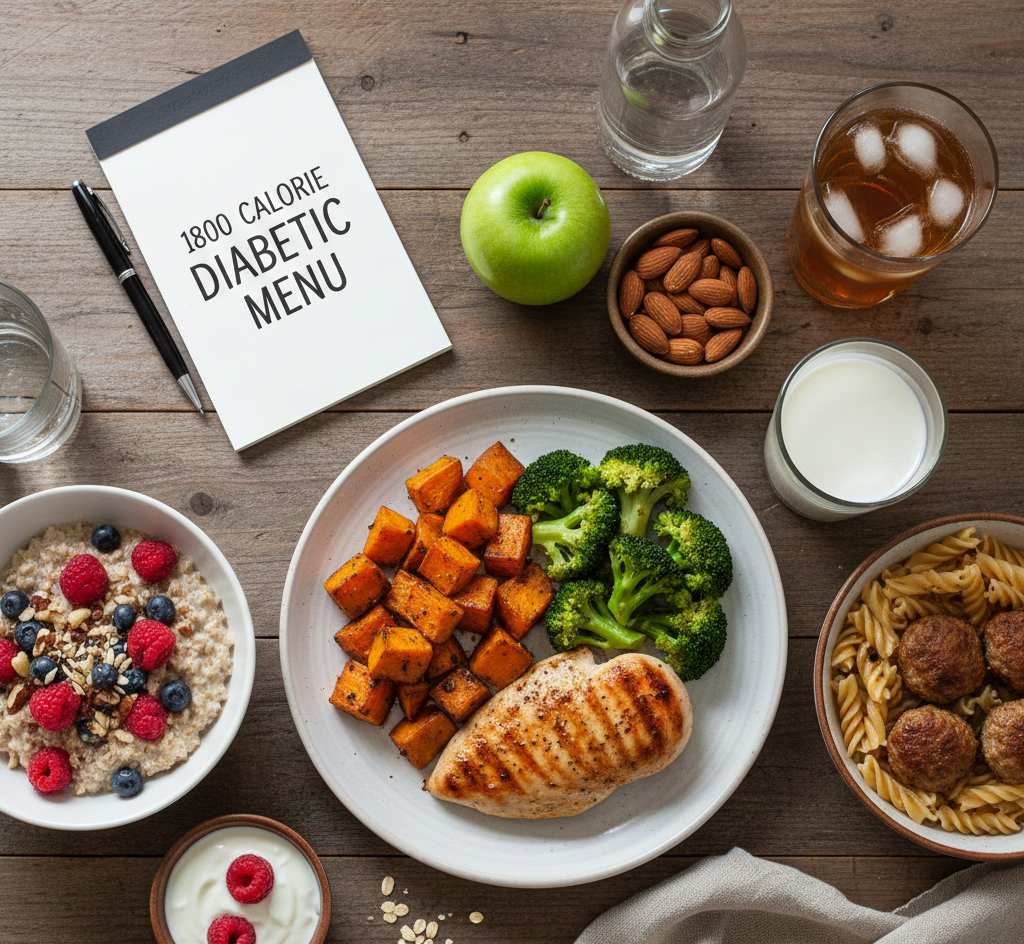
The Balanced 1800 Calorie Diabetic Menu: Fueling Active Lives Without the Spikes
When it comes to diabetes management, the conversation often revolves around restriction. We are told to cut carbs, cut sugar, and cut calories. But for many people—especially men, active women, or those with physically demanding jobs—cutting back too far can backfire. A diet that leaves you exhausted, hungry, or losing muscle mass is not sustainable. It can also increase cravings and lead to blood sugar rollercoasters.
Enter the 1800 Calorie Diabetic Menu. This nutritional tier is widely considered the “sweet spot” for active adults. It provides enough fuel to power through a workout or a long workday, yet it is controlled enough to promote gradual weight loss and stable blood sugar levels. Unlike the stricter 1200 calorie menu (ideal for petite/sedentary) or the moderate 1500 calorie menu, an 1800 calorie plan allows for more flexibility, larger portions, and greater variety. It’s the tier where you can still enjoy a hearty meal without guilt while keeping your A1C in check.
In this guide, we will explore who this plan is for, how to structure your macros to support an active lifestyle, and provide a comprehensive 7-day meal plan that proves eating for diabetes doesn’t mean eating like a bird. If you’re a teenager with higher energy needs, you might also want to check our diabetic menu for teenagers; for working adults, see our work-friendly strategies.
Is 1800 Calories Right for You? Know Your Numbers
Choosing the right caloric intake is a personal calculation based on height, weight, age, and activity level. Generally, an 1800 calorie diabetic diet is ideal for:
The Ideal Candidate: Active & Moderate Build
- Active Men (moderate exercise): Most men require more energy than women to maintain muscle mass. 1800 is often a weight-loss deficit for men who work out 2-4 times weekly.
- Active Women (regular exercise): If you exercise 3-5 times a week (running, cycling, strength training), dropping below 1800 calories might hinder your recovery and performance. This tier keeps your metabolism humming.
- Taller Individuals (over 5’8″): Height correlates with basal metabolic rate (BMR). Taller bodies burn more energy at rest, so 1800 may be a modest deficit.
- Physical Jobs: Those with labor-intensive jobs (nursing, construction, teaching on your feet) need reliable energy sources throughout the day to avoid hypoglycemia.
If you are sedentary or have a smaller frame (under 5’4″, mostly deskbound), this intake might be too high for weight loss. In that case, consider our 1500 calorie diabetic menu or the 1200 calorie senior menu for seniors. Conversely, growing teens often need even more energy—check out our diabetic menu for teenagers for high-growth strategies.

Track Your Burn, Know Your Needs
To know if 1800 calories is a deficit or a surplus for you, you need to know your daily energy expenditure. A reliable activity tracker (heart rate monitor, step counter) helps you balance your intake with your movement and avoid guesswork.
Check Price on AmazonThe 1800 Calorie Strategy: Macros Matter for Active Bodies
You could eat 1800 calories of fast food, but your blood sugar would skyrocket and you’d feel sluggish. For this menu, we focus on Nutrient Density and Glycemic Load. With 1800 calories, you have more room for healthy fats and complex carbs, which aids satiety and provides sustained energy for workouts.
The Daily Breakdown (Sample Timing)
We distribute calories to ensure steady energy, preventing the post-lunch slump and fueling afternoon gym sessions:
- Breakfast: 450 Calories (protein + complex carbs)
- Lunch: 500 Calories (lean protein + fiber + smart fats)
- Afternoon Snack: 250 Calories (protein + slow-digesting carbs)
- Dinner: 500 Calories (balanced plate with veggies, protein, starch)
- Evening Snack (optional): 100 Calories (casein-rich snack before bed)
Carbohydrate Strategy: Quality Over Quantity
With more calories comes a slightly higher carb allowance, typically around 180g-200g per day (40-45% of total). The key is ensuring these are complex carbs like quinoa, oats, beans, sweet potatoes, and whole grains—never refined sugars. This distribution supports glycogen replenishment after exercise without spiking glucose.
Protein for Muscle Preservation
We aim for 1.2-1.5g per kg of body weight, which usually translates to 90-110g protein daily. This helps repair muscle tissue and keeps you full. Good sources: eggs, chicken, Greek yogurt, tofu, fish.
Glycemic Index vs. Glycemic Load: The Diabetic’s Complete Food Guide
One of the most powerful tools for managing blood sugar on an 1800 calorie diabetic diet is understanding the difference between Glycemic Index (GI) and Glycemic Load (GL). These two metrics tell you not just how fast a food raises blood sugar, but how much it raises it in a real-world serving. Many diabetics fixate on GI alone and end up avoiding perfectly healthy foods like carrots and watermelon, when in reality, a normal portion of these foods has a very modest effect on blood glucose.
What Is Glycemic Index?
The Glycemic Index ranks foods on a scale of 0–100 based on how quickly 50 grams of carbohydrate from that food raises blood sugar compared to pure glucose (GI = 100). The problem? Foods are rarely eaten in isolation, and we rarely eat exactly 50g of carbohydrate from every food. A watermelon has a high GI of 72—but you’d need to eat several cups of it to get 50g of carbs. A single cup has a glycemic load of only 5, which is very low. That nuance matters enormously.
🟢 Low GI Foods (Under 55) — Eat Freely
- Steel-cut oats (GI: 42)
- Sweet potato (GI: 44)
- Lentils (GI: 29)
- Greek yogurt (GI: 11)
- Most vegetables (GI: 10–25)
- Cherries & berries (GI: 22–40)
- Whole wheat pasta (GI: 48)
- Chickpeas (GI: 28)
🟡 Medium GI Foods (56–69) — Eat in Moderation
- Brown rice (GI: 64)
- Whole wheat bread (GI: 61)
- Pineapple (GI: 59)
- Banana, ripe (GI: 62)
- Couscous (GI: 65)
- Quick oats (GI: 66)
- Corn tortilla (GI: 58)
🔴 High GI Foods (70+) — Limit or Avoid
- White bread (GI: 75)
- White rice (GI: 73)
- Instant oatmeal (GI: 79)
- Sugary cereals (GI: 74–82)
- Soda & sports drinks (GI: 63–78)
- Candy & sweets (GI: 70–99)
- French fries (GI: 76)
Practical Glycemic Load Strategies for Your 1800 Calorie Day
To keep your total daily glycemic load in the optimal range (under 100 for diabetics), apply these strategies across your 1800 calorie plan:
- Pair carbs with protein and fat: Eating carbohydrates alongside protein and fat slows glucose absorption dramatically. A baked potato alone may spike glucose; the same potato eaten with chicken breast and olive oil creates a much gentler curve.
- Choose fiber-dense carbs: Fiber physically slows the digestion and absorption of carbohydrates. Every gram of fiber reduces the net carbs your body processes. Beans, lentils, whole grains, and vegetables are your allies.
- Vinegar and acid lower GI: Adding lemon juice, apple cider vinegar, or eating pickled vegetables with a meal has been shown in research to reduce the glycemic response of that meal by up to 20–34%. Use vinaigrettes on salads, lemon on fish, and lime on rice bowls.
- Eat carbs last: Studies show that eating vegetables and protein before carbohydrates in a meal can reduce post-meal glucose peaks by up to 37%. Start with your salad, then your chicken, then your sweet potato.
- Cool your starches: Cooking rice, pasta, or potatoes and then cooling them in the refrigerator overnight converts some digestible starch to resistant starch, lowering their glycemic impact. Meal-prepped rice actually has a lower glycemic effect than freshly cooked rice.
Foods to Avoid on the 1800 Calorie Diabetic Menu (And Smarter Swaps)
Knowing what to eat is only half the equation. Understanding which foods actively work against blood sugar control—even when calories are counted correctly—is equally critical. You can technically fit a candy bar into 1800 calories, but it will cause a glucose spike followed by a crash, increased cravings, and reduced satiety. Here is your comprehensive list of foods to avoid and what to replace them with.
The Blood Sugar Saboteurs: Foods to Eliminate or Severely Limit
- Sugary beverages (soda, juice, energy drinks, sweet tea): Liquid sugar is absorbed within minutes, causing rapid glucose spikes. A single 12oz can of regular soda contains 39g of sugar—nearly 20% of a diabetic’s daily carb budget—with zero fiber or protein to slow absorption. Switch to water, sparkling water, unsweetened herbal tea, or black coffee.
- White bread, white rice, and refined pasta: These have been stripped of their fiber and nutrients, leaving only rapidly digested starch. Even “just one slice” of white bread can raise blood glucose significantly. Choose whole grain, sprouted grain, or sourdough bread; brown rice, cauliflower rice, or quinoa; and whole wheat or legume-based pasta.
- Breakfast cereals (most commercial brands): Even cereals marketed as “heart healthy” often contain 20–30g of sugar per serving plus refined grains. Start reading labels: anything with more than 5g of sugar and less than 5g of fiber per serving should be avoided. Steel-cut oats and high-fiber bran cereals are far better options.
- Flavored yogurts: A single container of strawberry yogurt from a major brand can contain 25–30g of added sugar. Always choose plain Greek yogurt and add your own fruit and cinnamon.
- Dried fruit and fruit juice: Drying fruit removes its water content and concentrates sugar dramatically. A quarter cup of raisins contains the same sugar as a cup and a half of fresh grapes—but you eat it in 3 seconds with far less satiety. Eat whole, fresh fruit instead and avoid all fruit juices.
- Processed snack foods (chips, crackers, pretzels): These are typically high-glycemic, calorie-dense, and low in fiber. They provide very little blood sugar stability. Swap for nuts, seeds, hummus, or whole grain crackers with protein.
- Trans fats and fried foods: Trans fats (partially hydrogenated oils) increase insulin resistance and cardiovascular risk. Avoid fast food, commercially fried items, packaged pastries, and margarine. Use olive oil, avocado oil, or small amounts of butter.
- Alcohol in excess: Alcohol can cause both hypoglycemia (delayed, hours after drinking) and hyperglycemia (if consumed with sugary mixers). If you choose to drink, limit to 1 drink for women and 2 for men, always with food, and choose dry wine or light beer over cocktails and sweet wines.
Smart Grocery Shopping: The Diabetic-Friendly 1800 Calorie Shopping List
Success with this plan begins at the store. Here is a foundational weekly shopping list that aligns with your 1800 calorie diabetic menu:
Proteins:
- Chicken breast or thighs (2 lbs)
- Canned tuna in water (4 cans)
- Salmon fillets (1 lb, fresh or frozen)
- Lean ground beef 90/10 or pork tenderloin (1 lb)
- Eggs (1–2 dozen)
- Plain non-fat Greek yogurt (32oz tub)
- Low-fat cottage cheese (16oz)
- Shrimp, peeled & deveined (1 lb, frozen)
Carbohydrates & Grains:
- Steel-cut oats (1 canister)
- Quinoa (1 lb bag)
- Brown rice (1 lb bag)
- Sweet potatoes (4–5 medium)
- Sprouted grain bread (1 loaf, e.g., Ezekiel)
- Lentils, dried (1 lb) or canned (3 cans)
- Black beans, canned (3 cans, low-sodium)
- Chickpeas, canned (2 cans)
- Whole wheat tortillas (1 pack)
Vegetables & Fruits:
- Spinach, fresh (10oz bag)
- Broccoli (2 crowns or 1 bag frozen)
- Bell peppers, mixed colors (4–5)
- Zucchini (3–4)
- Brussels sprouts (1 lb)
- Cherry tomatoes (1 pint)
- Cucumber (2)
- Mixed salad greens (large container)
- Apples (4–5)
- Berries (fresh or frozen, 2 cups)
- Avocados (3–4, buy at different ripeness stages)
- Bananas (4–5)
Healthy Fats & Pantry:
- Extra-virgin olive oil (bottle)
- Natural peanut butter or almond butter
- Mixed nuts (unsalted, 1 lb bag)
- Chia seeds and flaxseed (small bags)
- Low-sodium soy sauce or coconut aminos
- Apple cider vinegar
- Canned tomatoes, low-sodium (4 cans)
- Low-sodium chicken or vegetable broth (32oz)
Your 7-Day 1800 Calorie Meal Plan (Active Lifestyle Edition)
This menu is designed to be filling, flavorful, and flexible. You shouldn’t feel hungry. It incorporates elements from our comprehensive weekly plans but scales up the portions and includes an extra snack for active individuals.
Calorie Tier Comparison: Where Does 1800 Fit?
How does 1800 calories stack up against other popular diabetic plans? This helps you decide if you need to adjust up or down.
| Plan | Ideal For | Hunger Factor | Weight Loss Speed |
|---|---|---|---|
| 1200 Calories | Small frame, Sedentary seniors, Petite women | High (requires volume eating) | Rapid (1.5-2 lbs/week) |
| 1500 Calories | Average women, Sedentary men | Moderate | Steady (1-1.5 lbs/week) |
| 1800 Calories | Active women, Average men, Tall individuals | Low (High Satiety) | Sustainable/Moderate (0.5-1 lb/week) |
| 2200+ Calories | Athletes, Heavy laborers, Growing teens | Very Low | Maintenance or muscle gain |
For more specific needs, see our senior menus or teen menus.
Blood Sugar Monitoring: How to Track Your Progress on This 1800 Calorie Plan
Following an 1800 calorie diabetic menu is a starting point, not a guarantee. Every body responds differently to the same foods based on genetics, gut microbiome, stress levels, sleep quality, and medication status. The only way to truly optimize this plan for you is to pair it with consistent blood glucose monitoring. Think of your glucose meter as the feedback loop that transforms generic nutrition advice into a personalized metabolic blueprint.
Essential Blood Sugar Targets to Aim For
| When to Test | Target Range (mg/dL) | What It Tells You |
|---|---|---|
| Fasting (morning, before eating) | 80–130 | How well your overnight metabolism managed glucose |
| Before meals | 80–130 | Baseline before carbohydrate intake |
| 1 hour after meals | Under 180 | Peak glucose response to the meal |
| 2 hours after meals | Under 140 | How efficiently your body cleared glucose |
| Before exercise | 100–180 | Whether you need a carb snack before activity |
| After exercise | Check if below 100 | Risk for post-exercise hypoglycemia |
| Bedtime | 110–150 | Overnight safety and whether to have evening snack |
Continuous Glucose Monitors (CGM): The Next Level Tool
Traditional finger-stick testing gives you a snapshot; a Continuous Glucose Monitor (CGM) gives you the full movie. CGMs use a small sensor inserted under the skin to measure interstitial glucose every 1–5 minutes and transmit readings to your phone or a dedicated reader. The result is a continuous curve showing how your glucose rises and falls throughout the day in response to every meal, snack, stress event, and workout.
For someone following a structured 1800 calorie diabetic menu, CGM data can reveal insights that are impossible to gather from spot checks alone. You might discover that your oatmeal breakfast causes a slower, lower rise than expected (good!), or that your afternoon granola snack sends you above 180 consistently (time to swap it). Popular CGM systems include the Dexcom G7, Abbott FreeStyle Libre 3, and Medtronic Guardian Connect. Many are now covered by insurance for Type 1 and Type 2 diabetics on insulin—ask your doctor.
💡 Pro Tip: The Two-Hour Meal Test
For each new meal you introduce to this 1800 calorie plan, perform a two-hour post-meal test. Check glucose before eating and exactly 2 hours after the first bite. If your reading rises by more than 50 mg/dL, that meal’s carbohydrate content, type, or timing needs adjustment. Over 4–6 weeks of testing, you’ll build a personalized map of which foods work best for your unique metabolism.
Understanding Your A1C and What to Expect on This Plan
Your A1C (hemoglobin A1c) reflects your average blood glucose over the past 2–3 months. It’s the gold standard for evaluating long-term diabetes management. Here is a realistic timeline for A1C improvement when consistently following an 1800 calorie diabetic diet:
Fasting glucose typically improves first, often dropping 10–20 mg/dL as refined carbohydrates are eliminated and meal timing stabilizes. Weight loss of 1–3 lbs from water weight reduction also reduces insulin resistance slightly.
Post-meal glucose spikes reduce as complex carbs replace refined ones. Energy becomes more stable throughout the day. Many people report feeling less brain fog and fewer cravings. A1C is not yet measurably affected (it reflects a 3-month average).
First meaningful A1C drop becomes visible. Studies show that dietary intervention combined with modest weight loss (5–7% of body weight) can reduce A1C by 0.5–1.5%. An active person on 1800 calories losing 1–1.5 lbs per week is on track for this result.
Significant A1C reductions are common (1–2+ points) for those who maintain the plan consistently and add regular physical activity. Some Type 2 diabetics report reaching pre-diabetic or even normal A1C ranges with diligent adherence, though this varies significantly by individual.
The 1800 calorie plan becomes sustainable habit rather than rigid structure. Portion sizes feel intuitive, food choices become automatic, and metabolic improvements compound. This is when sustained A1C improvements and medication reduction conversations with your doctor may begin.
Master Meal Prep: Cook Once, Eat Well All Week on 1800 Calories
The single biggest threat to staying on a structured diabetic diet is not hunger—it’s the convenience gap. When you’re tired, hungry, and haven’t prepped, you reach for whatever is fastest. That’s when blood sugar-spiking choices happen. Batch cooking and strategic meal prep close the convenience gap and make the 1800 calorie plan nearly effortless after the first week.
The Sunday Prep Protocol (2-Hour Setup)
Investing roughly 2 hours on Sunday sets you up for the entire week. Here’s a systematic approach that produces nearly all the building blocks you need:
⏱️ The 2-Hour Sunday Prep: Step-by-Step
- Start grains first (they take longest): Get brown rice (2 cups dry) and quinoa (1.5 cups dry) cooking simultaneously in separate pots. While they cook, do everything else. Both store well refrigerated for 5 days.
- Roast proteins: Season 2 lbs chicken breast with olive oil, garlic, herbs, salt, and pepper. Place in oven at 400°F for 22–25 minutes. These can be used in salads, wraps, stir-fries, and bowls throughout the week.
- Roast a sheet pan of vegetables: Cut 2 cups each of broccoli, bell peppers, zucchini, and Brussels sprouts. Toss with 2 tsp olive oil, salt, and pepper. Roast at 425°F for 20 minutes. These roasted veggies are endlessly versatile and reheat beautifully.
- Hard-boil a batch of eggs: Boil 8–10 eggs for 10 minutes, cool, and refrigerate in shells. Grab 2 as a ready-made snack or breakfast addition any morning.
- Make a large salad base: Wash, dry, and tear 2 large heads of romaine or a bag of mixed greens. Store in a container with paper towels to absorb moisture. DO NOT dress until serving—wet salads wilt and become unappetizing by day 2.
- Prepare a big pot of beans or lentils: If using dried, cook a full pound of lentils with aromatics (garlic, bay leaf, cumin). Store in portions. Lentils freeze well too, so batch-cook and freeze half for the following week.
- Portion out snacks: Divide nuts into individual 1oz servings in small bags or containers. Slice apples (in lemon water to prevent browning) and divide berries. Pack Greek yogurt servings individually if buying in bulk.
- Make overnight oats for 3 mornings: In 3 mason jars, combine 1/2 cup oats, 1 tbsp chia seeds, 3/4 cup Greek yogurt thinned with almond milk, and a handful of berries. Refrigerate. Grab-and-go breakfast for Mon, Tue, Wed.
Freezer-Friendly 1800 Calorie Diabetic Meals
Cooking for the freezer is one of the most underrated strategies in diabetic meal planning. When you have a busy week ahead or travel coming up, a freezer stocked with pre-portioned, blood sugar-friendly meals is invaluable. The following recipes from this 7-day plan freeze exceptionally well:
- Lentil Stew: Make a triple batch. Freeze in individual 2-cup portions. Defrost overnight or microwave from frozen for 4–5 minutes. Lasts 3 months in the freezer.
- Cooked quinoa and brown rice: Cook large batches, portion into 2/3 cup servings, freeze flat in zip-lock bags. Microwave 2–3 minutes from frozen.
- Marinated chicken breast (uncooked): Place raw chicken in marinade (olive oil, lemon, garlic, herbs) and freeze directly in the bag. Defrost in the refrigerator overnight and it’s pre-marinated and ready to cook. Brilliant for saving time.
- Smoothie packs: Pre-portion smoothie ingredients (banana, berries, spinach) in zip-lock bags and freeze. In the morning, dump the bag into the blender with liquid and blend. 90-second breakfast.
- Protein muffins or egg cups: Make a batch of mini egg cups (eggs baked in muffin tins with veggies and cheese) and freeze. Microwave for 45 seconds for a quick portable breakfast.
Eating 1800 Calories on a Budget: Smart Volume Shopping
Eating more food (1800 calories is a substantial intake) doesn’t have to mean spending more money. The 1800 calorie plan relies on volume from whole foods, which can be very affordable if you shop strategically.
- Bulk Grains & Legumes: Rice, oats, quinoa, lentils, and dried beans are fillers that are extremely inexpensive in bulk. A 5lb bag of oats costs pennies per serving.
- Potatoes (Sweet & White): They are excellent, cheap sources of energy for active diabetics. One sweet potato provides complex carbs, vitamin A, and fiber for under $1.
- Seasonal Fruit & Frozen: Buy whatever fruit is on sale; it all provides necessary fiber and vitamins. Frozen berries and peaches are often cheaper than fresh and perfect for smoothies and yogurt.
- Rotisserie Chicken: A whole rotisserie chicken (remove skin) provides multiple meals of protein for around $6-7, and you can use bones for broth.
For detailed savings tips and meal prep on a shoestring, read our low-income diabetic menu guide—it aligns perfectly with this calorie level.

Cook More, Fat Less
With an 1800 calorie diet, you are cooking larger portions of veggies and protein. An XL Air Fryer lets you roast large batches quickly without adding excess oil calories—perfect for meal prep.
Check Price on AmazonExpert Tips: Fueling Workouts & Active Days on 1800 Calories
Since 1800 calories is often chosen by active individuals, timing your nutrition around exercise is key to performance and glucose stability.
Pre-Workout (1-2 hours before)
Have a complex carb snack (like the apple, banana, or slice of toast) about 45-60 minutes before exercise. This prevents hypoglycemia during your session. Add a little protein (e.g., hard-boiled egg) if it’s a strength workout.
Post-Workout (within 45 minutes)
This is the best time to eat your largest meal containing carbs and protein (like the Chicken and Rice dinner). Your muscles are primed to soak up glucose for recovery, meaning less insulin is required and glycogen stores replenish efficiently.
Hydration & Electrolytes
Active diabetics lose more electrolytes through sweat. Ensure you are drinking water throughout the day, not just with meals. If you exercise intensely, consider a sugar-free electrolyte powder to maintain mineral balance.
Adjust for Activity Spikes
If you have a particularly active day (hiking, long bike ride), you may need an extra 100-200 calories—add a small piece of fruit or a protein bar to avoid lows. Listen to your body and monitor glucose.
Hydration for Diabetics: Why Water Is the Most Underrated Tool for Blood Sugar Control
Most people follow a diabetic diet meticulously and overlook the profound impact of hydration on blood glucose levels. Dehydration concentrates glucose in the bloodstream, raising readings. The kidneys, when well-hydrated, work efficiently to filter excess glucose through urine. For active diabetics consuming 1800 calories, hydration is not optional—it is a metabolic priority.
Daily Fluid Guidelines for Active Diabetics
- Baseline: At minimum, aim for 8 cups (64 oz / 2 liters) of water daily. Most active adults need significantly more.
- For every 30 minutes of exercise: Add approximately 8–12 oz of water to your daily total.
- Hot weather or physical labor: In warm conditions or labor-intensive work, losses of 1–2 liters per hour through sweat are possible. Replace these with water and electrolytes.
- Morning priority: Fasting glucose rises partly due to overnight dehydration. Drinking 2 glasses of water immediately upon waking helps dilute blood glucose and kickstart metabolism.
The Best and Worst Hydration Choices for Diabetics
| Beverage | Blood Sugar Impact | Recommendation |
|---|---|---|
| Plain water | Zero | ✅ Drink freely, primary hydration source |
| Sparkling water (unsweetened) | Zero | ✅ Excellent water alternative |
| Black coffee (unsweetened) | Minimal (may raise cortisol) | ✅ 1–2 cups daily, fine for most |
| Unsweetened herbal tea | Zero | ✅ Cinnamon tea may modestly lower glucose |
| Diet soda / artificially sweetened drinks | Debated — may affect insulin sensitivity | ⚠️ Use sparingly; not ideal daily habit |
| Fruit juice (all types) | High — rapid glucose spike | 🚫 Avoid; eat whole fruit instead |
| Regular soda / sweet tea | Very high — 30–40g sugar per serving | 🚫 Eliminate completely |
| Sports drinks (regular) | High — designed to raise glucose quickly | 🚫 Only appropriate if treating hypoglycemia |
Dining Out on Your 1800 Calorie Diabetic Diet: Restaurant Survival Guide
Eating out is one of the most cited challenges for diabetics on a structured meal plan. Restaurant meals are typically higher in calories, sodium, and refined carbohydrates than home-cooked meals. But dining out doesn’t have to derail your 1800 calorie diabetic plan. With the right ordering strategies, you can enjoy social meals while maintaining blood sugar control.
Universal Restaurant Rules for Diabetics
- Never arrive starving: Eat a small protein snack (handful of nuts, string cheese) before going out. Arriving hungry leads to overeating bread baskets and making impulsive high-glycemic choices.
- Ask for sauces and dressings on the side: Restaurant sauces are a major hidden sugar source. Teriyaki, BBQ, honey mustard, and sweet Asian sauces can add 20–40g of sugar. Request them on the side and use sparingly.
- Swap your starch: Almost any restaurant will substitute vegetables for fries, white rice, or mashed potatoes. Ask for steamed vegetables, a side salad, or extra greens instead of the default starch.
- Choose grilled, baked, or broiled over fried: The preparation method matters enormously. Grilled salmon versus fried fish can be a 300-calorie and a massive glycemic difference.
- Eat half, box half: Restaurant portion sizes are often 2–3x appropriate serving sizes. When your food arrives, visually divide your plate in half and ask for a box immediately. You now have lunch for tomorrow, and you’ve stayed within your 1800 calorie budget.
- Watch alcohol and dessert: If you have a glass of wine with dinner, skip dessert. If you want a small dessert, skip the alcohol. Rarely should both be included in a single restaurant meal while managing diabetes.
🍣 Japanese / Sushi
Best choices: Sashimi (all protein, zero carbs), edamame, miso soup, cucumber rolls, salmon or tuna nigiri (2–3 pieces), seaweed salad.
Watch out for: Spicy mayo sauces (high calorie), tempura (fried), teriyaki sauce (high sugar), and large amounts of white sushi rice.
🌮 Mexican
Best choices: Fajitas (chicken or steak) with extra vegetables and guacamole, black beans, salsa, grilled fish tacos in corn tortillas (2 max), burrito bowl (no rice or half rice).
Watch out for: Chips (free refills are a trap), flour tortillas (large), refried beans, sour cream overload, and sweetened margaritas.
🍕 Italian
Best choices: Grilled salmon or chicken, minestrone soup (fiber-rich), Caesar salad with dressing on the side, small portion of whole wheat pasta with marinara (not cream sauces), bruschetta on whole grain.
Watch out for: Unlimited bread, creamy Alfredo or carbonara sauces, oversized pasta portions, tiramisu and desserts high in sugar and fat.
🍔 American / Casual Dining
Best choices: Grilled chicken or sirloin burger (lettuce-wrapped or whole wheat bun), side salad or steamed broccoli instead of fries, turkey or chicken breast sandwiches without mayo.
Watch out for: Fried everything, oversized buns and portions, ranch and blue cheese dressings, and appetizer overload before the main course.
🍛 Indian
Best choices: Tandoori chicken (dry-marinated, baked in clay oven), dal (lentil soup), raita (yogurt cucumber sauce), saag paneer, small amount of basmati rice or 1 roti.
Watch out for: Creamy korma and butter chicken sauces (high in fat and hidden sugars), naan bread (large, high-GI), and mango lassi (very high sugar).
🥗 Salad / Fast-Casual
Best choices: Custom bowls with base of greens or mixed grains, grilled protein, roasted vegetables, beans, vinaigrette dressing (not creamy). Chipotle-style bowls are very manageable.
Watch out for: Creamy dressings (Caesar, ranch) can add 200+ calories, croutons and fried toppings, and sugary glazed chicken or salmon.
Diabetic-Friendly Desserts That Fit Your 1800 Calorie Budget
One of the most demoralizing myths about diabetic eating is that dessert is completely off-limits. This simply is not true. When approached intelligently—controlling portion sizes, selecting low-glycemic ingredients, and pairing sweets with fiber or protein—dessert can absolutely fit into an 1800 calorie diabetic menu. The key is replacing sugar, refined flour, and excess fat with smarter alternatives that deliver sweetness and satisfaction without the glucose spike.
🍫 Dark Chocolate & Berry Bark
~150 calories | Carbs: 14g | Fiber: 3g
Melt 2oz of 85%+ dark chocolate, spread thin on parchment, top with freeze-dried raspberries, chopped walnuts, and a pinch of flaky salt. Refrigerate until firm. Break into pieces. Dark chocolate contains antioxidants and has a lower GI (23–25) than milk chocolate.
🍓 Greek Yogurt Parfait
~160 calories | Carbs: 18g | Protein: 14g
Layer 3/4 cup plain non-fat Greek yogurt with 1/2 cup mixed berries, 1 tbsp chia seeds, and a drizzle of raw honey (1/2 tsp). The protein from yogurt dramatically blunts the glycemic impact of berries. This is more of a nutritional powerhouse than a dessert indulgence.
🥥 Chia Seed Pudding
~175 calories | Carbs: 16g | Fiber: 10g
Mix 3 tbsp chia seeds with 1 cup unsweetened coconut milk, 1/2 tsp vanilla extract, and stevia to taste. Refrigerate 4+ hours or overnight. Top with 1/4 cup mango or berries. Chia seeds are extraordinary for blood sugar—they expand in the stomach, creating extreme satiety, and their gel-forming fiber dramatically slows glucose absorption.
🍎 Baked Cinnamon Apple
~120 calories | Carbs: 29g | Fiber: 5g
Core a medium apple, stuff with a mixture of 1 tbsp chopped walnuts, 1/4 tsp cinnamon, and 1/2 tsp coconut sugar. Microwave 3–4 minutes or bake at 375°F for 20 minutes until tender. Serve warm. Cinnamon has been studied for its modest glucose-lowering properties and makes this dessert feel indulgent while remaining blood-sugar-friendly.
🥜 Peanut Butter Energy Bites
~90 cal each | Carbs: 8g | Protein: 4g
Mix 1 cup rolled oats, 1/2 cup natural peanut butter, 1/3 cup honey (reduced from standard recipes), 1 tbsp chia seeds, 1/4 cup mini dark chocolate chips. Roll into balls, refrigerate 30 minutes. Each bite is satisfying and combines healthy fats, protein, and fiber to prevent glucose spikes. Limit to 1–2 per serving within your 100-calorie evening snack budget.
🍦 Frozen Banana Nice Cream
~130 calories | Carbs: 34g | Fiber: 3g
Blend 1.5 frozen bananas with 1 tbsp peanut butter and 1/4 tsp vanilla until smooth and creamy. Serve immediately or refreeze for firmer texture. While bananas have a moderate GI, the frozen process and combination with fat and protein make this a gentler option than traditional ice cream. Add a tbsp of cocoa powder for a chocolate version.
⚠️ Dessert Timing Matters
The best time to eat a small dessert is immediately after a balanced meal containing protein, fat, and fiber—not as a standalone snack. Eating sweets on an empty stomach sends glucose skyrocketing. After a full dinner, your digestive system is already engaged and the blunting effect of other macronutrients protects against sharp spikes. If you check glucose 2 hours after a dessert eaten this way, you’ll often be pleasantly surprised by the results.
The Sleep and Stress Connection: Why Lifestyle Factors Affect Your Blood Sugar as Much as Food
Here is a scenario many diabetics experience but few connect: you’ve followed your 1800 calorie plan perfectly, eaten on schedule, exercised—and yet your fasting glucose is 30 points higher than usual. You didn’t “cheat.” What happened? The answer is almost certainly poor sleep, elevated stress hormones, or both. These two lifestyle factors can raise blood sugar as dramatically as eating a large slice of cake, and they are among the most overlooked variables in diabetes management.
How Sleep Deprivation Raises Blood Sugar
When you sleep fewer than 6–7 hours, several metabolic disruptions occur simultaneously. First, cortisol levels (the primary stress hormone) rise sharply and remain elevated longer into the morning, driving hepatic glucose production—your liver releases stored glucose into the bloodstream even though you haven’t eaten. Second, insulin sensitivity decreases markedly with sleep deprivation; the same amount of insulin becomes less effective at clearing glucose from blood, requiring your pancreas to produce more. Third, poor sleep increases levels of ghrelin (hunger hormone) and decreases leptin (satiety hormone), making you feel hungrier and less satisfied—which directly threatens adherence to your 1800 calorie budget. Research published in the journal Diabetes Care found that even one week of sleeping 5 hours instead of 8 hours significantly worsened insulin sensitivity in healthy adults.
How Chronic Stress Elevates Blood Glucose
Psychological stress triggers the body’s fight-or-flight response, releasing adrenaline and cortisol. These hormones instruct the liver to release glucose (for immediate energy to fight or flee), suppress insulin function (so cells can access fuel quickly without insulin’s delay), and increase blood pressure and inflammation. In a person without diabetes, this stress response is temporary and regulated quickly. In a diabetic, the impaired insulin response means glucose stays elevated far longer. Chronic workplace stress, financial anxiety, relationship problems, or even social stressors can meaningfully worsen blood sugar control despite a perfect diet.
Practical Stress and Sleep Strategies for the Active Diabetic
- Prioritize 7–9 hours of sleep: Non-negotiable for blood sugar management. Set a consistent bedtime. Use blackout curtains and keep the bedroom cool (65–68°F is optimal). Avoid screens 60 minutes before bed—blue light suppresses melatonin and disrupts sleep onset.
- Evening carbs can improve sleep: Strategically, a small complex carbohydrate snack before bed (the 100-calorie evening snack in this plan) can actually promote serotonin production and improve sleep quality. Tart cherry juice (4oz, unsweetened) contains melatonin and is a research-backed sleep aid for diabetics.
- Morning cortisol and your breakfast: Cortisol naturally peaks 30–60 minutes after waking (the cortisol awakening response). This is why fasting glucose is often highest in the morning. Eating breakfast within 90 minutes of waking helps blunt the cortisol spike and begins to stabilize blood sugar for the day. Never skip breakfast on this plan.
- Stress management techniques with proven glucose impact: Deep diaphragmatic breathing (5-5-5 box breathing: inhale 5 sec, hold 5 sec, exhale 5 sec) activates the parasympathetic nervous system and measurably lowers cortisol within minutes. Just 5 minutes of this practice before meals can reduce post-meal glucose response. Yoga, meditation, and nature walks have all been studied and shown to reduce A1C in diabetic populations.
- Exercise as a stress tool: Regular exercise (part of the 1800 calorie active lifestyle plan) is among the most powerful stress-management interventions available. A 30-minute walk after dinner both lowers post-meal glucose and reduces cortisol levels. Two birds, one stone.
Evidence-Based Supplements for the 1800 Calorie Diabetic Diet
A well-designed 1800 calorie diabetic menu built around whole foods provides the vast majority of necessary nutrients. However, certain micronutrients are commonly deficient in diabetics either due to medication interactions, dietary restrictions, or increased metabolic demand. Here is what the current research supports—and what to be cautious about.
Important disclaimer: Never begin a supplement regimen without discussing it with your physician, especially if you take diabetes medications. Some supplements interact with metformin, insulin, and other drugs.
🌿 Berberine
Evidence level: Strong
One of the most research-supported natural supplements for blood sugar management. Multiple studies show berberine (500mg, 2–3x daily with meals) can reduce fasting glucose and A1C comparably to metformin in some individuals. It activates AMPK, an enzyme that improves insulin sensitivity and reduces glucose production in the liver. Consult your doctor before combining with metformin—doses may need adjustment.
🌰 Magnesium
Evidence level: Strong
Magnesium deficiency is extremely common in Type 2 diabetics—up to 48% have low magnesium according to research. The mineral is a cofactor in over 300 enzymatic reactions, including insulin signaling. Low magnesium worsens insulin resistance. Supplementing with 200–400mg of magnesium glycinate or citrate (avoid oxide—poor absorption) has been shown to modestly improve fasting glucose and insulin sensitivity. Foods rich in magnesium (pumpkin seeds, spinach, almonds, black beans) are featured throughout this 1800 calorie plan.
☀️ Vitamin D
Evidence level: Moderate–Strong
Vitamin D receptors are found on pancreatic beta cells, and deficiency impairs insulin secretion and sensitivity. A large proportion of diabetics—particularly those in northern latitudes, office workers with limited sun exposure, and individuals with darker skin—are deficient. Supplementing with 2,000–4,000 IU of Vitamin D3 daily (with K2 for synergy) is commonly recommended. Have your 25-OH Vitamin D levels tested before supplementing—you want to be in the 40–60 ng/mL optimal range.
🐟 Omega-3 Fatty Acids (Fish Oil)
Evidence level: Moderate
While omega-3s do not directly lower blood glucose, they significantly reduce cardiovascular risk (which is elevated in diabetics), decrease triglycerides, and reduce systemic inflammation—a major driver of insulin resistance. A dose of 2–4g EPA/DHA daily from high-quality fish oil is reasonable. This plan already includes salmon twice weekly; supplementing ensures therapeutic levels are reached. Choose brands that test for heavy metals and oxidation.
🌱 Chromium Picolinate
Evidence level: Moderate
Chromium is a trace mineral that enhances the activity of insulin and is involved in carbohydrate, fat, and protein metabolism. Several studies show supplementing with 200–1,000 mcg of chromium picolinate can modestly reduce fasting blood sugar and A1C. Evidence is not as strong as berberine or magnesium, but chromium deficiency is common in diabetics and supplementation is generally safe at these doses.
🌿 Alpha-Lipoic Acid (ALA)
Evidence level: Moderate
ALA is a potent antioxidant that has been shown in European clinical trials to improve insulin sensitivity and reduce symptoms of diabetic peripheral neuropathy (nerve pain). Doses of 300–600mg daily have demonstrated the most benefit. ALA also regenerates other antioxidants (Vitamin C, E, glutathione), providing broader protective benefits for the cardiovascular complications associated with long-term diabetes.
⚠️ Supplements That Require Extra Caution
Be particularly careful with cinnamon supplements (can interact with liver metabolism at high doses), ginseng (unpredictable glucose effects), and any supplement marketed as a “diabetes cure.” These are not FDA-regulated with the rigor of medications. Stick to evidence-backed options and always disclose to your healthcare team. Never use supplements as a replacement for prescribed diabetes medication without explicit medical guidance.
Reading Nutrition Labels: The Diabetic’s Decoder Ring
For someone on a structured 1800 calorie diabetic diet, the ability to quickly and accurately read a nutrition facts label is as valuable as any recipe or meal plan. Packaged food labels contain all the information you need to make smart choices—but only if you know which numbers matter most and which can mislead you.
The 6 Numbers Every Diabetic Must Check
- Serving Size: This is the most critical and most commonly overlooked number. All values on the label are per serving. A bag of crackers may say “110 calories” but if the serving is 5 crackers and you eat 20, you’ve eaten 440 calories. Always check the serving size first, then multiply accordingly.
- Total Carbohydrates: Look at Total Carbohydrates, not sugar alone. This includes all starches, fibers, and sugars that affect blood glucose. Your budget per meal on this 1800 calorie plan is approximately 45–55g of total carbohydrates.
- Dietary Fiber: Subtract fiber from total carbs to get net carbs (the carbs your body actually digests). A food with 30g total carbs but 10g fiber has only 20g net carbs—a very meaningful difference for blood sugar management. Aim for foods with at least 3g of fiber per serving.
- Added Sugars: Since 2020, US nutrition labels list Added Sugars separately from total sugar. This is tremendously helpful for diabetics. Natural sugars (from whole fruit, dairy) behave differently than added sugars. For a diabetic, added sugars should be kept under 25g per day (10% of daily calories) at most—ideally under 10g.
- Protein: More protein per serving is almost always better for a diabetic. Protein increases satiety, has minimal effect on blood glucose, and helps blunt the glycemic impact of carbohydrates eaten in the same meal. Look for at least 5g of protein per snack, 20g+ per main meal item.
- Sodium: Diabetes and high blood pressure (hypertension) frequently coexist. Most processed foods are extremely high in sodium. Aim for foods with less than 600mg sodium per serving, and target under 2,300mg per day total. The 1800 calorie plan in this guide recommends low-sodium versions of canned goods, soy sauce, and broths specifically for this reason.
💡 The 5-Second Label Scan for Diabetics
Step 1: Check serving size. Step 2: Note Total Carbs. Step 3: Subtract Fiber = Net Carbs. Step 4: Check Added Sugars (should be minimal). Step 5: Check Protein (should be meaningful). If total carbs minus fiber is under 20g per serving, added sugars are under 5g, and protein is over 5g—it’s likely a blood-sugar-friendly choice. If it fails any of these, consider whether it belongs in your 1800 calorie diabetic plan.
Traveling with Diabetes: How to Maintain Your 1800 Calorie Plan on the Road
Travel is one of the most disruptive experiences for any structured eating plan, and for diabetics, the disruption carries additional health stakes. Time zone changes affect your eating schedule, airport food is nutritionally poor, stress hormones spike in unfamiliar environments, and routine—the backbone of blood sugar management—is temporarily lost. None of this means travel is impossible; it simply means preparation is even more important than usual.
Before You Leave: Pre-Trip Preparation
- Pack a diabetic travel snack kit: Before any trip, assemble a bag of non-perishable, blood sugar-friendly snacks that can sustain you through airport delays, long drives, and hotel room hunger at midnight. Include: individual nut butter packets, mixed nuts in 1oz portions, protein bars (Quest, RXBAR, KIND protein), beef jerky (low-sodium), whole grain crackers, and dried edamame.
- Research your destination’s food options: Use Google Maps or Yelp to identify grocery stores near your hotel. A quick grocery store run in the first hour of arrival lets you stock your hotel room with healthy basics: Greek yogurt, pre-washed salad greens, fruit, and bottled water. This eliminates the need to eat out for every meal.
- Communicate your needs to hotels: Many hotel restaurants will accommodate dietary requests with advance notice. Request low-sodium, grilled protein options, or simply call ahead and ask if they have a microwave available for room use.
- Adjust for time zones gradually: If crossing multiple time zones, try to shift your meal times by 1–2 hours per day in the days before departure to minimize disruption to your metabolic schedule. Sudden large time shifts can throw off insulin rhythms and cause unexpected glucose fluctuations.
At the Airport and On the Plane
Airport food is a minefield of high-GI, overpriced, unhealthy options. However, most airports now have adequate options if you know where to look. Seek out: Starbucks (plain Greek yogurt + protein box), Subway (salad or whole wheat sub with lots of vegetables), The Fresh Market or similar if available (prepared salads, grain bowls), or simply any coffee shop where you can get a black coffee and your packed snacks.
On the plane, drink 8oz of water per hour (airplane cabins are extremely dehydrating, which raises blood glucose). If a meal is served, eat the protein component and vegetables but avoid bread rolls, refined pasta or rice, and sugary drinks. If nothing appropriate is served, your snack kit is your lifeline.
Managing Blood Sugar in Different Time Zones
When traveling east (losing hours) or west (gaining hours), your medication timing and meal schedule may need adjustment. Always consult your endocrinologist or diabetes care team before travel for specific insulin adjustment protocols if you use insulin. For those on oral medications like metformin, the timing adjustment is generally simpler—take with meals regardless of local time. Monitor glucose more frequently (every 2–3 hours) for the first 24–48 hours after arrival in a new time zone to catch any unusual patterns early.
Diabetic-Smart Cooking Methods: How Preparation Affects Blood Sugar
Many people are surprised to discover that how you cook a food can significantly affect its glycemic impact. The same sweet potato baked whole has a different glycemic effect than when it’s boiled, mashed, or fried. Understanding cooking method science helps you maximize blood sugar control from every meal on this 1800 calorie plan.
Best Cooking Methods for Blood Sugar Control
- Roasting and baking: Dry-heat methods that don’t require added fats. Roasting vegetables concentrates their flavor naturally, making them more satisfying without additional calories. Roasting also reduces moisture content, which can slightly raise the GI of some vegetables—but this effect is minimal compared to the benefits of eating more vegetables overall.
- Steaming: The gold standard for preserving nutrients and minimizing glycemic impact. Steamed vegetables retain more water-soluble vitamins and minerals than boiling. More importantly, steaming doesn’t require any added fat, keeping calories precisely controlled for your 1800 calorie target.
- Slow cooking (crockpot): An excellent method for legumes, lean meats, and stews. Long, low-temperature cooking breaks down proteins gently without creating advanced glycation end products (AGEs)—harmful compounds formed at high heat that have been linked to increased inflammation and cardiovascular risk in diabetics. Many slow cooker meals require minimal prep time, supporting your meal prep strategy.
- Air frying: A game-changer for diabetics. Produces results similar to deep frying using 70–80% less oil. The crispy texture satisfies cravings for fried food without the caloric and inflammatory fat burden. Excellent for chicken, fish, vegetables, and even sweet potato “fries.”
- Grilling: Adds flavor through the Maillard reaction without requiring fats. Lean proteins (chicken, fish, pork tenderloin) are ideal for grilling. One consideration: heavily charred meat can produce potentially harmful compounds (heterocyclic amines and polycyclic aromatic hydrocarbons). Moderate the char and marinate proteins before grilling to reduce this risk.
Cooking Methods to Use Less Often
- Deep frying: Dramatically increases calorie density and creates trans-fat-like compounds when oils are repeatedly heated. A chicken breast fried becomes 2–3x more caloric than grilled. Reserve for rare treat occasions only.
- High-heat stir-frying with excessive oil: Stir-frying itself is fine—it’s fast and preserves nutrients. The issue is when it becomes an excuse to use tablespoons of oil. 1 teaspoon per serving is sufficient. Use non-stick woks and add water or low-sodium broth if the pan gets dry.
- Boiling starchy vegetables and discarding water: When you boil carrots, potatoes, or beets and discard the cooking water, you’re also discarding leached resistant starches and some fiber. Where possible, steam or roast instead.
Why Breakfast Is Non-Negotiable on the 1800 Calorie Diabetic Menu
The debate around breakfast—”most important meal of the day” versus intermittent fasting—plays out differently for diabetics than for the general population. For most Type 2 diabetics following an 1800 calorie active lifestyle plan, eating breakfast consistently is strongly recommended. Here is the physiological reasoning that makes skipping breakfast a risky choice for blood sugar management.
The Cortisol Awakening Response and Dawn Phenomenon
In the morning, the body undergoes natural hormonal shifts that raise blood sugar even without eating. Cortisol rises sharply to prepare the body for the day (the cortisol awakening response). In many diabetics, the liver also releases stored glucose early in the morning in a pattern known as the Dawn Phenomenon—often most pronounced between 4–8am. If you then skip breakfast, your blood sugar remains elevated without the moderating effect of a protein- and fiber-rich meal. By the time lunch arrives, you’ve been in a elevated glucose state for 6–8 hours, and you arrive at the meal severely hungry—making it far harder to make careful choices.
What Research Says About Breakfast and Diabetes
A landmark study published in Diabetologia found that diabetics who ate a large, protein-rich breakfast had lower post-meal glucose responses throughout the entire day—not just at breakfast, but at lunch and dinner as well. The morning protein and fat intake appears to “prime” insulin sensitivity for the rest of the day. Conversely, diabetics who skip breakfast often show the highest post-lunch glucose spikes of the day. The 450-calorie breakfast structure in this 1800 calorie plan is specifically designed to leverage this “breakfast advantage.”
The Ideal Diabetic Breakfast Formula
Within your 450-calorie breakfast budget, aim for this macro balance: 25–30g protein + 15–25g fiber-rich complex carbohydrates + 10–15g healthy fats. This combination activates GLP-1 (a hormone that enhances insulin release) and PYY (a satiety hormone) more effectively than any other macro combination. It also produces the most stable glucose curve—a gentle rise and equally gentle return to baseline, rather than a spike-and-crash pattern.
💡 Fastest High-Protein Breakfast Options (Under 10 Minutes)
- Overnight oats in a mason jar (prepare Sunday night, grab Monday morning) + 2 hard-boiled eggs
- Greek yogurt (1 cup) + 1/4 cup mixed nuts + 1/2 cup berries (literally 60 seconds)
- 2 scrambled eggs + 1 slice Ezekiel toast + 1/2 avocado (5 minutes)
- Protein smoothie: blend protein powder + frozen banana + spinach + almond milk (3 minutes)
- Leftover dinner protein (cold chicken, turkey) + fruit — unconventional but extremely effective
Diabetes Medications and Food: What Every Diabetic on This Plan Needs to Know
If you take diabetes medication—whether oral pills like metformin, SGLT2 inhibitors, GLP-1 agonists, or insulin—your diet interacts with these medications in important ways. This 1800 calorie plan is designed to work alongside your medication regimen, not against it. Understanding these interactions helps you avoid hypoglycemia, optimize medication effectiveness, and ultimately have more meaningful conversations with your healthcare team.
Common Diabetes Medications and Dietary Considerations
- Metformin: The most commonly prescribed Type 2 diabetes medication. Metformin works best when taken with food—always take with your largest meal (typically dinner in this plan) to minimize gastrointestinal side effects. Metformin can deplete Vitamin B12 over time; if you’ve been on it for 2+ years, have B12 levels tested and consider supplementing.
- SGLT2 Inhibitors (empagliflozin, dapagliflozin, canagliflozin): These medications cause the kidneys to excrete glucose in urine, which also increases fluid loss. Staying well-hydrated (the hydration section of this plan) is especially important on these drugs. They also modestly increase potassium levels, so be mindful of excessively high potassium intake from supplements.
- GLP-1 Receptor Agonists (semaglutide/Ozempic, liraglutide): These medications significantly reduce appetite and slow gastric emptying—meaning food digests more slowly and glucose enters the bloodstream more gradually. The 1800 calorie plan may feel like a lot of food while on these medications. Start with smaller portions and adjust if your appetite naturally directs you toward less. The slow digestion effect also means large, fatty meals can cause more pronounced nausea; favor smaller, more frequent meals over large ones.
- Insulin: Requires the most careful dietary coordination. Rapid-acting insulin (taken at meals) must be timed to your carbohydrate intake. Consistent carbohydrate amounts at each meal (the consistent meal structure of this 1800 calorie plan is ideal for this) makes insulin dosing more predictable. Never skip a meal after taking mealtime insulin without adjusting your dose. Always have fast-acting glucose (glucose tablets, 4oz juice) accessible in case of hypoglycemia.
- Sulfonylureas (glipizide, glimepiride, glyburide): These stimulate the pancreas to produce more insulin regardless of blood glucose levels, making hypoglycemia a real risk—especially if you skip a meal, exercise more than usual, or reduce carbohydrate intake significantly from your baseline. The consistent meal timing in this 1800 calorie plan is protective, but be extra vigilant about not skipping snacks if you’re on this class of medication.
This information is educational and not a substitute for personalized medical advice. Always discuss diet changes, supplement additions, and medication timing with your endocrinologist or diabetes care team—especially before making significant adjustments to your carbohydrate intake.
Frequently Asked Questions: 1800 Calorie Diabetic Diet
Who should follow an 1800 calorie diabetic diet?
An 1800 calorie plan is typically ideal for active women, average-to-active men, or larger individuals looking for a moderate, sustainable weight loss pace. It provides enough energy for exercise while preventing muscle loss.
How many carbohydrates are in this 1800 calorie menu?
This menu is designed with a moderate carbohydrate intake, typically comprising 40-45% of total calories (roughly 180-200g per day), spread evenly across meals to prevent blood sugar spikes.
Can I build muscle on this diet?
Yes. 1800 calories allows for sufficient protein intake (often 100g+) which, combined with resistance training, supports muscle maintenance and growth while managing blood glucose.
Is 1800 calories too much for weight loss?
For petite or sedentary individuals, 1800 calories might be maintenance or even a surplus. Those individuals should consider a 1500 or 1200 calorie plan. However, for active adults, 1800 is a perfect “sweet spot” for fat loss.
Do I need to eat all the snacks?
Not necessarily, but snacks are included to prevent hypoglycemia between meals. If you are not hungry or your blood sugar is running high, you can skip a snack or reduce the portion size.
Can I drink alcohol on this plan?
Alcohol can be fitted in occasionally, but remember that liquid calories add up fast. Opt for light beer or dry wine, and always eat food with it to prevent delayed hypoglycemia.
How does this compare to the 1500 calorie menu?
The 1800 calorie menu offers approximately 300 more calories per day, usually in the form of slightly larger protein portions and an additional or larger snack. It is less restrictive and easier to sustain for active people.
What if I have high cholesterol?
This menu emphasizes healthy fats like olive oil, nuts, and avocados while limiting saturated fats from red meat, making it generally heart-healthy. Always consult your doctor for specific lipid management.
How do I adjust this menu if I have a physically demanding job?
If you’re on your feet all day (construction, nursing, warehouse), you may need to add an extra 200-300 calories, preferably from complex carbs like an extra serving of oatmeal or a piece of fruit before shifts.
Can I follow this menu if I’m vegetarian?
Absolutely. Swap meat for tofu, tempeh, beans, or eggs. Increase portions of legumes and dairy to meet protein needs. Many days in this plan are already plant-forward (lentil stew, quinoa salad).
What foods should a diabetic on 1800 calories avoid?
Diabetics following an 1800 calorie plan should avoid white refined carbohydrates, sugary beverages like soda and juice, trans fats, processed snacks with added sugar, and high-glycemic foods like white bread, instant oatmeal, and candy. These foods cause rapid blood glucose spikes that undermine even a well-calorie-controlled plan.
How long does it take to lower A1C on a 1800 calorie diabetic diet?
Most individuals see measurable A1C improvement within 3 months of consistently following a structured 1800 calorie diabetic diet, especially when combined with regular physical activity. A 0.5–1.5% reduction is realistic in the first 90 days, with continued improvement over 6–12 months of adherence.
Can diabetics eat dessert on an 1800 calorie plan?
Yes. When the overall daily carbohydrate and calorie budget is managed, small portions of low-sugar desserts like dark chocolate (85%+), Greek yogurt parfaits, chia pudding, or fresh fruit can fit comfortably into an 1800 calorie diabetic menu. The key is eating dessert immediately after a protein- and fiber-rich meal, not on an empty stomach.
How should I monitor blood sugar while following this 1800 calorie plan?
Check fasting glucose every morning and 2 hours after your largest meal. Aim for fasting levels of 80–130 mg/dL and post-meal levels under 140–180 mg/dL depending on ADA guidelines for your case. Continuous Glucose Monitors (CGMs) can provide real-time insights to fine-tune your meal timing and portion sizes without finger sticks.
What are the best diabetic-friendly snacks for an active lifestyle at 1800 calories?
The best snacks combine protein and fiber to slow glucose absorption. Top options for active diabetics include: Greek yogurt with berries (14g protein), apple slices with natural peanut butter (fiber + fat + protein), cottage cheese with vegetables, hard-boiled eggs, a handful of mixed unsalted nuts, or hummus with whole grain crackers and celery. Each of these fits within the 250-calorie snack budget in this plan.
Strength, Sustainability, and Success on 1800 Calories
The 1800 Calorie Diabetic Menu proves that you don’t have to starve to manage your health. It is a robust, energy-rich approach that respects your body’s need for fuel while keeping your blood sugar in check. This is the plan for the long game—for living your life fully, actively, and happily. Whether you’re hitting the gym, chasing kids, or working a demanding job, this tier gives you the flexibility to enjoy satisfying meals without guilt.
Use this 7-day plan as your foundation. Experiment with the recipes, adjust portions based on your glucose meter readings, and enjoy the feeling of being well-fed and well-balanced. Armed with your understanding of glycemic index, meal prep strategies, blood sugar monitoring targets, smart restaurant choices, and the lifestyle factors that affect glucose beyond food, you now have a truly comprehensive toolkit for thriving with diabetes on 1800 calories. If you are ready for more variety, explore our comprehensive weekly plans or the 30-day menu for a full month of ideas.