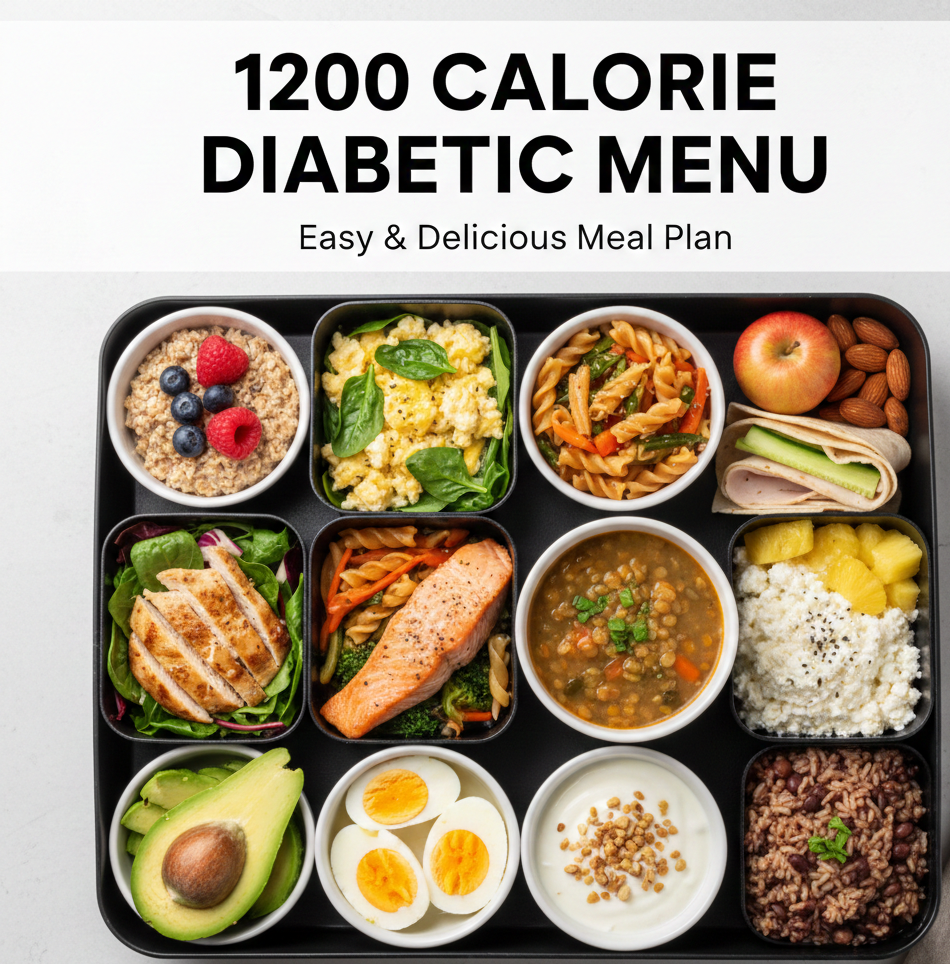
The Strategic 1200 Calorie Diabetic Menu: Precise Control for Weight and Glucose
For many people managing Type 2 diabetes, weight loss is the single most effective tool for remission or control. When excess weight is lost, insulin sensitivity often improves, and A1C levels drop. However, navigating a caloric deficit while trying to keep blood sugar stable is a balancing act. Cut calories too drastically or indiscriminately, and you risk dangerous lows (hypoglycemia) or intense cravings that lead to binging. A well-structured low-calorie plan must also preserve muscle mass and provide steady energy.
A 1200 calorie diabetic menu is considered a restricted-calorie diet. It is precise, efficient, and requires planning. It is not about starvation; it is about mathematical optimization. Every calorie must work double-time, providing both fuel and nutrition. There is no room for empty fillers. The focus is on “volume eating” — foods that are physically large but calorically small — to keep you full and satisfied while respecting your limits.
This guide provides a comprehensive roadmap for sticking to this strict regimen safely. While this plan is highly effective for weight loss, it is often most suitable for petite women, sedentary individuals, or those under medical supervision. For specific populations, we have tailored guides such as the 1200 calorie menu for seniors (which accounts for lower activity) and the low-income diabetic menu (if budget is also a concern). If you are looking for more flexibility, our standard 7-day menu offers a higher caloric baseline for maintenance or moderate loss.
⚠️ Medical Disclaimer & Safety Check
A 1200-calorie diet is on the lower end of recommended intake. It is typically not recommended for active men, taller individuals, athletes, or those with physically demanding jobs, as it can lead to muscle loss, metabolic slowdown, and nutrient deficiencies. Always consult your endocrinologist, registered dietitian, or primary care provider before dropping your intake this low, especially if you are on insulin, sulfonylureas, or other glucose-lowering medications, as dosages may need immediate downward adjustment to prevent severe hypoglycemia.
The Anatomy of a High-Volume 1200 Calorie Day
The biggest enemy of a 1200 calorie diet is hunger. To combat this, we utilize “Volume Eating” — a strategy endorsed by many dietitians for weight management. We prioritize foods that are physically large but calorically small (like leafy greens, cucumbers, zucchini, and broth-based soups) to stretch the stomach and signal fullness to the brain, while still achieving a deficit.
The Macro Split: Fueling Your Body Efficiently
For diabetes management on a budget of 1200 calories, we typically aim for a balanced macronutrient distribution that supports stable glucose and muscle preservation:
- Protein (30-35%): Essential for preserving lean muscle mass during weight loss. Aim for 90-105g per day. Sources: eggs, chicken, Greek yogurt, lentils, tofu.
- Fats (30-35%): Healthy fats (olive oil, avocado, nuts, seeds) slow digestion, provide satiety, and support hormone function. Approx. 40-47g per day.
- Carbohydrates (30-40%): Complex carbs only, focusing on fiber (at least 25g) to manage blood sugar and fullness. Net carbs around 100-120g.
Timing is Everything: Preventing Glucose Dips
Skipping meals on this plan is dangerous. We break the 1200 calories down to prevent glucose dips and maintain energy throughout the day. A typical distribution:
- Breakfast: ~300 Calories (high protein, moderate fat)
- Lunch: ~350 Calories (fiber + lean protein)
- Dinner: ~400 Calories (balanced plate: protein + veggies + small starch)
- Snack: ~150 Calories (to bridge long gaps)
If you prefer a simpler approach to portion control before committing to a full week, check out our 1-day simple diabetic menu to practice the volume eating techniques.
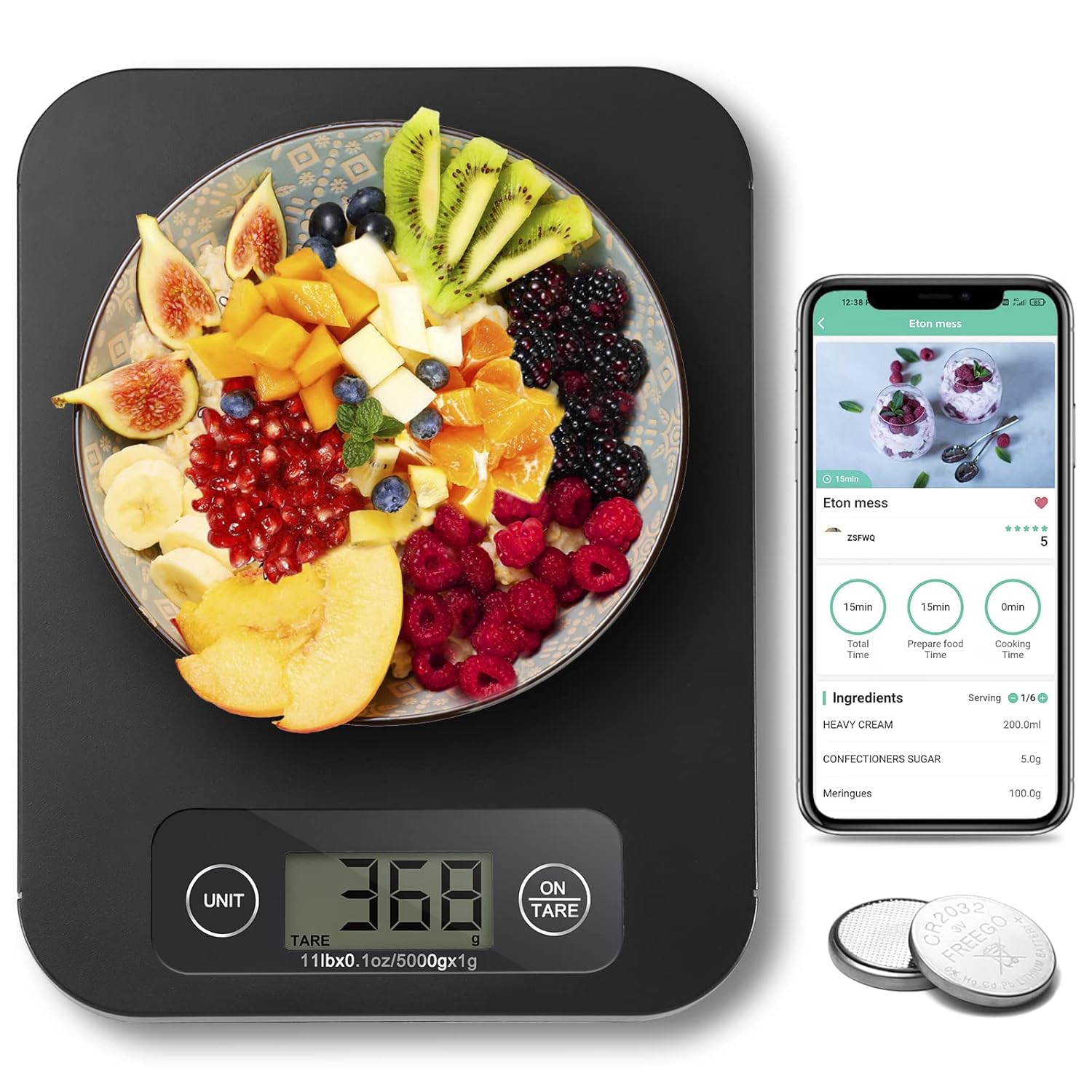
Stop Guessing, Start Measuring
On a 1200 calorie diet, “eyeballing” a tablespoon of peanut butter or a serving of almonds can ruin your deficit. A digital scale with gram accuracy is the only way to be 100% precise with portions — and it takes the guesswork out of logging.
Check Price on AmazonUnderstanding Glycemic Index and Glycemic Load on a 1200 Calorie Diabetic Diet
One of the most overlooked tools in diabetic meal planning is the glycemic index (GI) and its practical sibling, the glycemic load (GL). When you are working within the tight constraints of 1200 calories, knowing how quickly each food raises your blood sugar means you can engineer meals that keep glucose flat and energy steady — without eating less food.
What Is the Glycemic Index?
The glycemic index rates how quickly a carbohydrate-containing food raises blood glucose levels compared to pure glucose, which scores 100. Foods are classified as:
- Low GI (55 or below): Digested and absorbed slowly. Causes a gradual, modest rise in blood sugar. Examples: lentils (GI 32), rolled oats (GI 55), most non-starchy vegetables (GI under 20), Greek yogurt (GI 11).
- Medium GI (56–69): Moderate blood sugar impact. Brown rice (GI 68), whole wheat bread (GI 69), sweet potato (GI 63).
- High GI (70 and above): Rapidly digested and quickly raises blood sugar. White bread (GI 73), white rice (GI 72), watermelon (GI 80), cornflakes (GI 81). These foods are best minimized or eliminated on a diabetic calorie-restricted plan.
Why Glycemic Load Matters More Than GI Alone
Here’s the crucial nuance that many online resources miss: the glycemic index tells you the speed of blood sugar rise, but it doesn’t account for portion size. That’s where glycemic load comes in. Glycemic load = (GI × grams of carbohydrate per serving) ÷ 100.
Watermelon has a high GI of 80, but a typical serving (120g) contains only 6g of carbs, giving it a GL of just 5 — very low! Conversely, white rice has a GI of 72, and a single cup cooked contains 45g of carbs, yielding a GL of 32 — dangerously high for a diabetic. This is why on a 1200 calorie diabetic diet, we don’t just track carbs by grams — we engineer portions to keep glycemic load in a safe zone.
Glycemic Index of Common Diabetic-Friendly Foods
| Food | GI Score | Typical Serving | Glycemic Load | Diabetic Rating |
|---|---|---|---|---|
| Lentils (cooked) | 32 | ½ cup | 5 | ✅ Excellent |
| Rolled Oats | 55 | ⅓ cup dry | 13 | ✅ Good |
| Cauliflower rice | ~15 | 1 cup | 1 | ✅ Excellent |
| Sweet potato | 63 | ½ cup cubed | 9 | ✅ Acceptable in portions |
| Quinoa (cooked) | 53 | ⅓ cup | 9 | ✅ Good |
| White rice (cooked) | 72 | 1 cup | 32 | ❌ Avoid |
| White bread | 73 | 1 slice | 10 | ⚠️ Minimize |
| Chickpeas (canned) | 28 | ½ cup | 8 | ✅ Excellent |
| Plain Greek yogurt | 11 | ¾ cup | 3 | ✅ Excellent |
| Apple | 36 | 1 small | 5 | ✅ Good |
💡 Practical Tip: The “Fat + Fiber First” Rule
Eating fat, fiber, or protein before carbohydrates significantly slows the rise in blood glucose after meals — a phenomenon sometimes called the “food order effect.” On a 1200 calorie plan, always start your meal with your vegetables and protein before eating any starch. Studies show this simple habit can reduce post-meal glucose spikes by up to 30% without changing what you eat, only the order.
Insulin Resistance Diet: How a 1200 Calorie Plan Attacks the Root Cause
Most people with Type 2 diabetes have insulin resistance — a condition where cells in the muscles, fat, and liver don’t respond well to insulin and can’t easily absorb glucose from the blood. The result: the pancreas pumps out more and more insulin to compensate, blood sugar remains high, and the body stores more fat, particularly around the abdomen. It is a vicious cycle — and excess body fat is both a cause and a consequence of insulin resistance.
Here’s the empowering truth: even modest weight loss of 5–10% of body weight has been shown to significantly improve insulin sensitivity. For a 180-pound person, that’s just 9–18 pounds. A 1200 calorie diabetic diet for insulin resistance is specifically designed to create the caloric deficit required to lose that weight while simultaneously choosing foods that don’t trigger excessive insulin release.
The Insulin-Spiking Foods to Eliminate First
On an insulin resistance diet at 1200 calories, the biggest bang for your buck comes from eliminating foods that cause repeated, large insulin spikes throughout the day. These are the top offenders:
- Sugary drinks (soda, juice, sweet tea, energy drinks) — liquid sugar hits the bloodstream almost instantly, causing massive insulin spikes with zero satiety benefit.
- Refined white starches (white bread, white rice, regular pasta, crackers) — stripped of fiber, these convert to glucose rapidly.
- Ultra-processed breakfast cereals — even those marketed as “healthy” often have a GI above 70.
- Flavored yogurts — the “fruit on the bottom” varieties can contain 25–35g of added sugar per serving.
- Condiments with hidden sugar — ketchup, teriyaki sauce, sweet BBQ, store-bought salad dressings. Choose mustard, hot sauce, vinegar, and olive oil instead.
The 4 Macronutrient Principles for Reversing Insulin Resistance
1. Prioritize Protein at Every Meal
Protein has minimal effect on blood glucose and blunts the insulin response to carbohydrates when eaten together. Aim for at least 25–30g of protein per meal. Eggs, chicken breast, Greek yogurt, cottage cheese, edamame, and canned tuna are your budget-friendly allies.
2. Choose Resistant Starch Over Digestible Starch
Resistant starch (found in cooled cooked potatoes, green bananas, cooked-and-cooled rice, and legumes) passes through the small intestine undigested, feeding beneficial gut bacteria and causing a much smaller glucose response than hot, freshly cooked starches.
3. Include Healthy Monounsaturated Fats
Olive oil, avocado, and almonds improve insulin sensitivity directly. A Mediterranean-style fat profile — replacing saturated fat from red meat and butter with monounsaturated fats — is one of the most evidence-backed approaches for improving insulin resistance alongside calorie restriction.
4. Load Up on Soluble Fiber
Soluble fiber (in oats, beans, apples, and chia seeds) forms a gel in the gut that slows carbohydrate absorption and flattens the glucose curve after meals. It also feeds the gut microbiome, which emerging research shows plays a direct role in regulating insulin sensitivity.
The 7-Day 1200 Calorie Diabetic Meal Plan (Volume Eating Style)
This menu focuses on nutrient density and satiety. We swap calorie-dense carbs (bread, white rice) for fiber-rich alternatives (lettuce wraps, cauliflower rice, zucchini noodles) to keep you full. Each day includes a snack and hydration reminder. Where possible, we note how to prep ahead.
1200 Calories vs. Standard Diabetic Diet: What’s the Difference?
How does this strict protocol compare to general advice for diabetes? This table highlights the trade-offs.
| Factor | 1200 Calorie Menu (Strict) | Standard Diabetic Menu (~1800 cal) |
|---|---|---|
| Weight Loss Speed | Fast (1-2 lbs/week for those who qualify) | Moderate/Slow (0.5 lb/week) |
| Hunger Management | Requires high-volume, low-calorie foods; more meal structure | Easier; allows more fats/starches and flexible portions |
| Carbohydrate Allowance | Strict (usually under 100g net carbs) | Moderate (135g – 180g, flexible) |
| Best For | Petite women, sedentary seniors, short-term rapid loss under supervision | Men, active adults, teens, long-term maintenance |
| Nutrient Density Demands | Very high; every calorie must count (multivitamin often advised) | Easier to meet micronutrient needs with whole foods |

Portion Control Made Easy
Don’t want to weigh every gram? Color-coded containers take the math out of meal prep, ensuring you stick to your macros without the headache. Perfect for pre-portioning lunches for the week.
Check Price on AmazonBlood Sugar Monitoring While on a 1200 Calorie Diabetic Diet
A calorie-restricted diabetic diet affects blood glucose levels in ways that can be unpredictable, especially in the first two to four weeks. Your body is adapting to eating less, and if you are on glucose-lowering medications, the risk of hypoglycemia increases as your dietary intake drops. This is not a reason to avoid the plan — it is a reason to monitor strategically.
When to Check Your Blood Sugar on This Plan
Your doctor or diabetes educator will give you personalized guidance, but as a general framework for people starting a 1200 calorie diabetic diet:
- Fasting (upon waking): Your baseline. Target for most non-pregnant adults with Type 2 diabetes: 80–130 mg/dL.
- 2 hours after each main meal: This tells you how that specific combination of foods affected your glucose. Target: under 180 mg/dL.
- Before bed: Important if you are on insulin. Target: 100–140 mg/dL to prevent nighttime lows.
- Any time you feel symptomatic: Shakiness, sweating, confusion, pounding heart, sudden irritability — these are hypoglycemia warning signs. Check immediately.
What Blood Sugar Patterns to Watch For
As you progress on the 1200 calorie plan, keep a simple log of your readings alongside what you ate. This reveals patterns that can help you fine-tune the menu:
- Consistently high fasting glucose (above 150): The overnight fast may be too long, or your evening meal is too high in carbs. Try adding a small protein-only bedtime snack (e.g., 1 hard-boiled egg).
- Glucose spikes over 200 after lunch: Your lunch carb load may be too high. Swap any starchy components for additional vegetables and protein.
- Frequent lows in the afternoon (below 70): Your medication dosage may need adjustment. Contact your prescriber — do not simply raise calories without medical guidance first.
- Steady readings in target range: The diet is working. Continue the plan and document which meal combinations produce the best results — then repeat them.
📊 The A1C Connection: What Your 3-Month Average Reveals
A1C is a blood test that measures average blood glucose over the past 2–3 months by looking at what percentage of your hemoglobin is “glycated” (coated in sugar). A 1% drop in A1C correlates with roughly a 25–30 mg/dL drop in average blood glucose. For context: dropping from an A1C of 9% to 7% roughly halves your risk of diabetes complications. A consistent 1200 calorie diabetic diet that produces 10–15 lbs of weight loss can often reduce A1C by 1–2 percentage points within 3 months — a clinically significant and life-changing outcome.
Tracking Apps That Sync Glucose and Calorie Data
One of the most powerful things you can do on this plan is use an app that connects your food log with your glucose readings. This lets you see cause and effect in real time. Look for apps that support manual glucose entry or sync with your glucometer, and pair them with a barcode scanner for food logging. Apps such as MyFitnessPal, Cronometer, and glucose-specific apps like Glucose Buddy allow you to log both, making it easy to spot which meals keep you in range and which send you spiking.
Soluble vs. Insoluble Fiber: The Diabetic Dieter’s Secret Weapon
When people hear “eat more fiber,” they often think of fiber as a single nutrient. But there are two functionally different types of dietary fiber, and for a diabetic on a 1200 calorie plan, understanding the distinction is critical. Both types are vital, but they serve different and complementary roles in blood sugar management and weight control.
Soluble Fiber: The Blood Sugar Buffer
Soluble fiber dissolves in water to form a thick, viscous gel in the digestive tract. This gel literally slows down digestion — it traps carbohydrates and delays their absorption, creating a slower, flatter glucose curve after meals. It also binds to cholesterol and removes it from the body, helping diabetics manage cardiovascular risk simultaneously.
Best sources on a 1200 calorie plan: oats (1/3 cup = 2g soluble fiber), chia seeds (1 tsp = 1.5g), lentils (½ cup = 4g), psyllium husk, black beans, apple with skin, avocado, broccoli.
Target: 10–15g of soluble fiber per day.
Insoluble Fiber: The Digestive Broom
Insoluble fiber does not dissolve — it adds bulk to your stool and speeds intestinal transit. For diabetics on a calorie-restricted plan, this is enormously valuable: it prevents the constipation that often accompanies low-calorie eating, keeps you feeling full (bulk in the stomach signals satiety), and supports a healthy gut microbiome, which increasingly appears to play a direct role in insulin sensitivity.
Best sources: leafy greens (spinach, kale, arugula), cauliflower, cucumbers, zucchini, celery, whole wheat (in small portions), wheat bran, nuts and seeds.
Target: 15–20g of insoluble fiber per day.
On the 7-day 1200 calorie plan above, most days naturally provide 25–35g of total fiber — well above the average American’s intake of 15g — because of the heavy reliance on non-starchy vegetables, legumes, and seeds. This is a core advantage of volume eating: fiber-rich foods are high volume and low calorie, so you hit your fiber targets almost automatically.
💡 Fiber and Medication: An Important Note
If you significantly increase your fiber intake from a low baseline, do so gradually — increasing by 3–5g per week over 4–6 weeks — to avoid bloating, gas, and digestive discomfort. Also drink additional water: each 5g increase in daily fiber should be paired with an extra 8 oz of water to keep things moving smoothly.
Diabetic Meal Prep on 1200 Calories: The Sunday Strategy That Makes It Possible
The number one reason people abandon a 1200 calorie diabetic diet is not willpower — it is the absence of ready food when hunger strikes. When you are tired and hungry after a long day, and the only thing available is a bag of chips or a frozen dinner loaded with sodium, calorie control becomes nearly impossible. Batch cooking and diabetic meal prep are the infrastructure that makes this diet sustainable for more than three days.
The 90-Minute Sunday Prep That Sets Up Your Entire Week
You do not need to cook seven individual dinners. Instead, prepare a set of “building blocks” that can be mixed and matched throughout the week. This approach gives variety while minimizing cooking time and decision fatigue.
Proteins to Batch Cook (Pick 2–3):
- Hard-boiled eggs: Boil a dozen at once. They last up to a week refrigerated. Use in salads, as snacks, at breakfast, or as a quick protein add-on at any meal.
- Grilled or baked chicken breast: Season 4–6 chicken breasts with herbs and garlic, bake at 375°F for 25 minutes. Slice and refrigerate. Use in wraps, salads, stir-fries, and bowls across the week.
- Lean ground turkey: Brown a pound with onion, garlic, and your choice of seasoning (Italian blend for pasta sauces, taco spice for bowls). Divide into portions in small containers.
- Canned tuna or salmon: No prep needed — already cooked. Stock 6–8 cans for instant protein at lunch.
Carbohydrates to Batch Cook (Pick 1–2):
- Quinoa: Cook a full cup dry (yields ~3 cups cooked). Portion into 1/3 cup servings and refrigerate. Reheats in 60 seconds in the microwave.
- Lentils: Simmer 1 cup dry lentils with broth and aromatics for 25 minutes. They freeze perfectly in individual portions — pull them out for Day 3’s lentil soup any time.
- Rolled oats (dry, pre-portioned): Measure 1/3 cup dry oats into small bags or containers so overnight oats are ready to add liquid the night before.
Vegetables to Pre-Cut and Store:
- Wash and chop a full head of broccoli into florets — steam portions throughout the week.
- Spiralize 4–5 zucchini and refrigerate in an airtight container for zucchini noodle dinners.
- Pre-wash and dry 2–3 bags of mixed greens so salads are ready in minutes.
- Slice bell peppers, cucumbers, celery, and baby carrots into snack-ready sticks.
Calorie-Controlled Meal Prep Containers: Why Sizing Matters
One of the most practical investments for a 1200 calorie diabetic meal prep routine is a set of glass or BPA-free plastic containers in specific sizes — ideally 2-cup containers for main meals and 1-cup containers for snacks. When you portion directly into containers after batch cooking, you eliminate the need to re-weigh or re-measure during the week. The meal is already portioned. Just grab and go. This is the structural solution to the “hungry and tired” problem.
Freezer Meals for the 1200 Calorie Diabetic Diet
The freezer is an underused asset for diabetic meal preppers. These meals freeze and reheat perfectly:
- Lentil vegetable soup: Make a double batch; freeze in 1.5 cup portions. Reheat in 3 minutes.
- Turkey Bolognese sauce: Freeze without the zucchini noodles (spiralize fresh when reheating).
- Chicken and vegetable stir-fry: Freeze in portions; reheat over fresh cauliflower rice.
- Egg muffins: Whisk eggs, vegetables, and a little cheese, pour into a muffin tin, bake at 350°F for 20 minutes. Each muffin is roughly 70 calories. Freeze and reheat for fast, portioned breakfasts.
How to Read Nutrition Labels as a Diabetic on 1200 Calories
The nutrition facts label is your most important ally on a 1200 calorie diabetic diet — and one of the most misread documents in everyday life. Understanding how to interpret it quickly and accurately prevents hidden calories and blood-sugar-spiking ingredients from sabotaging your plan.
📋 The 5 Numbers That Matter Most on Any Label
- Serving Size (Line 1, top): Everything else on the label applies to this amount only. A bag may contain 2.5 servings; if you eat the whole bag, multiply every number by 2.5. This is where most people get tripped up — calories listed are per serving, not per package.
- Total Carbohydrates (not net carbs): The FDA label shows Total Carbohydrates, which includes fiber, total sugars, and added sugars. For blood glucose management, focus on: Total Carbs minus Dietary Fiber = Net (impact) Carbs. Aim to keep net carbs per meal under 30–40g on the 1200 calorie plan.
- Added Sugars: Since 2020, the FDA requires added sugars to be listed separately from naturally occurring sugars. This line is crucial for diabetics. Any product with more than 5g of added sugars per serving should be viewed with suspicion.
- Dietary Fiber: Higher is better. Look for foods with at least 3g of fiber per serving (labeled “good source”) or 5g or more (labeled “excellent source”). On a volume eating plan, fiber slows absorption and extends satiety.
- Sodium: Often overlooked by diabetic dieters focused on glucose, but critical for overall health. Cardiovascular disease is the #1 cause of death in people with diabetes. Keep daily sodium under 2,300mg. Canned soups, deli meats, condiments, and packaged snacks are the biggest offenders.
Ingredient List Red Flags for Diabetics
The ingredient list is listed in order of weight — the first ingredient is present in the largest amount. When evaluating any packaged food for a diabetic diet:
- Red Flag: Any form of sugar in the first three ingredients (corn syrup, dextrose, maltose, fructose, evaporated cane juice, fruit juice concentrate, honey, agave, maple syrup — there are over 60 names for added sugar).
- Red Flag: “Enriched” as the first word before flour (e.g., “enriched wheat flour”) — this means the natural fiber and nutrients were stripped out and synthetic vitamins added back. It is still refined starch.
- Green Light: Whole grain as the first ingredient, fiber content above 3g per serving, no more than 5g of added sugar per serving, and less than 600mg sodium per serving.
Decoding “Diabetic-Friendly” and “Sugar-Free” Marketing Claims
The food marketing world is full of terms designed to attract diabetics — and many are misleading. Understanding what these claims actually mean prevents costly mistakes:
- “Sugar-free” does not mean carb-free. Sugar alcohols (sorbitol, maltitol, xylitol) are commonly used as substitutes. They raise blood sugar less than regular sugar, but maltitol in particular still has about half the glycemic impact of glucose. Large amounts also cause digestive distress.
- “Reduced sugar” means at least 25% less sugar than the original product — but the original may have had very high sugar, making the “reduced” version still problematic.
- “No added sugar” means no sugar was added during processing, but the food may still naturally contain significant amounts of sugar (as in fruit juices or dried fruit).
- “Whole grain” on the front of a package does not guarantee the product is low GI. Whole grain puffed rice cakes still have a GI over 80. Check the actual fiber content per serving.
Cost-Effective Calorie Cutting: Eat Well for Less
One benefit of eating less is spending less—if you do it right. However, fresh produce for volume eating can add up if you’re not strategic. To keep costs low while maintaining nutrient density:
- Buy Frozen Veggies in Bulk: Frozen broccoli, spinach, cauliflower, and mixed vegetables are cheaper than fresh, last longer, and are just as nutritious (often flash-frozen at peak ripeness).
- Eggs are Gold: They are the cheapest high-quality protein source and perfectly portioned for 1200-calorie meals. Use them for breakfast, lunch salads, or quick dinners.
- Skip “Diet” and “Low-Calorie” Packaged Foods: Processed 100-calorie packs, diet shakes, and low-fat snacks are expensive and often unfilling. Whole foods (legumes, eggs, oats, seasonal produce) give you more volume per dollar.
- Cook from Scratch: A pot of lentil soup costs pennies per serving and freezes well. You control sodium and ingredients.
For more detailed budget strategies that align with a low-calorie approach, read our low-income diabetic menu guide — many of those tips (bulk beans, frozen veggies) are perfect here.
Eating Out at Restaurants on a 1200 Calorie Diabetic Diet
Restaurant meals are one of the most common derailments of any calorie-restricted diet. The average restaurant meal contains 1,200–1,500 calories on its own — your entire day’s budget in one sitting. But social eating is part of life, and completely avoiding restaurants is neither realistic nor necessary. With the right strategies, you can dine out, stay within your 1200 calorie limit, and keep your blood sugar steady.
Before You Arrive: The Pre-Planning Advantage
Most chain restaurants and many independent restaurants now publish nutrition information on their websites. Looking up the menu before you go is one of the highest-return habits you can build. Identify 2–3 meals under 500 calories with reasonable carb counts (under 45g) before you even see the menu. This prevents impulse ordering and the “everything looks good when I’m hungry” problem.
Smart Ordering Strategies by Cuisine Type
American Casual Dining
- Order grilled proteins (fish, chicken, shrimp) and substitute fries for a side salad (dressing on the side) or steamed vegetables.
- Ask for sauces and dressings on the side — many restaurant sauces contain 150–300 hidden calories per serving.
- Skip the bread basket entirely — it appears before you’ve eaten anything, so it feels like “not a meal,” but it’s often 200–300 calories before your food even arrives.
- Order water or unsweetened iced tea. Soft drinks and lemonade add 150–300 empty, glucose-spiking calories.
Mexican Restaurants
- Order a burrito bowl instead of a burrito (saves ~300 calories by eliminating the flour tortilla, which adds ~30g of refined carbs).
- Choose black beans over refried beans (lower fat, higher fiber).
- Ask for extra lettuce, pico de gallo, and salsa instead of sour cream and cheese.
- Fajitas (protein + peppers + onions, skipping the tortillas and cheese) are an excellent diabetic-friendly restaurant choice.
Asian Restaurants
- Request brown rice or cauliflower rice if available; if not, ask for a smaller portion of white rice or skip it altogether and increase vegetables.
- Choose steamed or stir-fried dishes over battered and fried options (General Tso’s chicken, sweet and sour pork) — the batter adds hundreds of calories and spikes blood sugar.
- Soy sauce is very high in sodium — use sparingly or ask for low-sodium soy sauce.
- Miso soup is a great low-calorie starter (~35 calories) that adds protein and warms the stomach before the main course.
Italian Restaurants
- This is the most challenging cuisine for a 1200 calorie diabetic diet because pasta and bread are foundational — and portion sizes are enormous. The best strategy: order an appetizer and a salad instead of an entrée, or share a main with someone else.
- Zuppa di pesce (seafood in broth) or grilled fish with roasted vegetables are excellent low-calorie, low-GI choices.
- Avoid creamy sauces (Alfredo, carbonara) — choose tomato-based sauces (marinara, arrabbiata) with proteins.
The “Doggy Bag” Calorie Halving Strategy
When a restaurant meal arrives, immediately ask for a to-go container and put half the food in it before you begin eating. Most restaurant portions are 1.5–2x the appropriate serving size. This single habit cuts your restaurant calories in half automatically, without requiring you to count anything. You get a full lunch tomorrow, and you stay on your 1200 calorie budget tonight.
Emotional Eating, Stress, and Blood Sugar: The Hidden Battle in Diabetic Weight Loss
A dimension of diabetic dieting that medical articles rarely address with candor is the psychological component. Food restriction — especially to 1200 calories — is mentally and emotionally demanding. Stress itself raises blood sugar independently of what you eat, through the release of cortisol and adrenaline, which signal the liver to release stored glucose. This means that managing stress is not a “nice to have” — it is a medical priority on a diabetic diet.
⚠️ How Stress Directly Raises Blood Sugar
When you experience stress — work pressure, arguments, financial anxiety, poor sleep — your body activates the fight-or-flight response. Stress hormones (cortisol, glucagon, epinephrine) instruct the liver to release glucose into the bloodstream for “emergency fuel.” In a person without diabetes, insulin quickly brings this glucose back down. In a person with Type 2 diabetes or insulin resistance, this glucose stays elevated. This is why many diabetics see their fasting blood sugar spike on days they slept poorly or had a stressful day — even if they ate perfectly.
Identifying Emotional Eating Triggers on a 1200 Calorie Plan
Emotional eating — reaching for food in response to feelings rather than physical hunger — is especially common when calories are restricted. The brain, perceiving food scarcity, becomes hyperaware of food cues and emotionally amplifies cravings. Common emotional eating triggers include:
- Boredom: The “snack without thinking” pattern. Eating is stimulation when nothing else is happening.
- Stress and anxiety: Comfort foods — usually high-carb, high-fat — temporarily raise serotonin, providing brief emotional relief followed by guilt and blood sugar spikes.
- Fatigue: The brain craves sugar as an instant energy source when you are sleep-deprived. This is the most physiologically driven form of emotional eating.
- Social pressure: Being offered food at gatherings, feeling rude to decline, eating out of politeness rather than hunger.
- Reward and celebration: Associating food treats with positive events — a habit that becomes a liability on a strict diet.
Evidence-Based Strategies to Break Emotional Eating Cycles
- The 10-Minute Rule: When a craving hits that you didn’t plan for, set a timer for 10 minutes and do something else — take a walk, drink a large glass of water, do 10 deep breaths. True hunger intensifies after 10 minutes; emotional hunger usually diminishes.
- Hunger Journaling: Keep a small notebook or phone note where you rate your physical hunger (1–10) before eating anything unplanned. Over time, you will notice patterns — most unplanned eating happens at 3–4 on the hunger scale (not physically hungry).
- Designated “Stress Foods”: Choose a pre-portioned, extremely low-calorie food for stress moments — like 2 cups of air-popped popcorn (60 calories), a dill pickle (5 calories), or a cup of herbal tea with a tiny square of dark chocolate (50 calories). Having a pre-planned “escape valve” prevents unbounded eating.
- Physical movement as a redirect: Even a 5-minute walk around the block shifts cortisol levels and reduces cravings. Movement is one of the fastest ways to lower both stress and blood sugar simultaneously.
1200 Calorie Diabetic Diet for Women in Menopause: Navigating Hormonal Weight Resistance
Menopause is one of the most challenging periods for diabetic weight management, and it disproportionately affects women who may already be following a 1200 calorie diabetic menu without seeing the results they expect. If you are a woman over 45 with Type 2 diabetes and find yourself doing everything right — tracking calories, choosing low-GI foods, exercising — but the scale isn’t moving, hormonal shifts may be the invisible force working against you.
How Menopause Worsens Insulin Resistance
Estrogen plays a significant role in regulating insulin sensitivity and body fat distribution. As estrogen levels decline during perimenopause and menopause, several changes occur that directly affect blood sugar and weight:
- Increased central adiposity: Fat redistributes from the hips and thighs to the abdomen — visceral fat that is both metabolically active and closely linked to insulin resistance.
- Reduced muscle mass (sarcopenia): Estrogen supports muscle preservation. As it drops, muscle loss accelerates, reducing the body’s metabolic rate by burning fewer calories at rest.
- Worsening insulin resistance: Declining estrogen directly reduces the efficiency of insulin receptors, meaning higher insulin levels are needed to keep blood glucose stable.
- Disrupted sleep: Hot flashes, night sweats, and hormonal anxiety disrupt sleep — and poor sleep raises hunger hormones (ghrelin) and cortisol, making the 1200 calorie limit feel even harder to sustain.
Adapting the 1200 Calorie Diabetic Menu for Menopause
Women navigating menopause and diabetes simultaneously may need to modify the standard 1200 calorie approach in the following ways:
- Increase protein slightly to 35–40% of calories: Higher protein intake (105–120g/day) counters sarcopenia during menopause, preserving the muscle mass that keeps metabolism active. This may require eating slightly leaner in other macros.
- Prioritize phytoestrogen-rich foods: Soy products (edamame, tofu, tempeh) contain isoflavones that weakly mimic estrogen in the body. Including these in the meal plan may help moderate some hormonal symptoms while also providing excellent low-GI protein.
- Add calcium and Vitamin D: Bone density decreases significantly in menopause. If calories are restricted to 1200, achieving sufficient calcium through food alone is difficult. A calcium + Vitamin D supplement is often advised by doctors for postmenopausal diabetic women.
- Consider intermittent fasting cautiously: Some research suggests that time-restricted eating (eating within a 10–12 hour window, such as 8am–6pm) may improve insulin sensitivity specifically in perimenopausal women. However, this must be done with medical supervision if you are on glucose-lowering medications.
⚠️ Do Not Go Below 1200 Calories Without Supervision During Menopause
The temptation when weight plateaus in menopause is to restrict calories further. Dropping below 1200 calories dramatically increases the risk of muscle loss, bone loss, nutrient deficiencies, and metabolic adaptation (the body burning even fewer calories). Instead of eating less, focus on improving the quality and composition of those 1200 calories — more protein, more fiber, more phytoestrogens — and discuss hormonal options with your gynecologist or endocrinologist.
30 Diabetic-Friendly Snack Ideas Under 150 Calories
On a 1200 calorie diabetic diet, your snack — typically 100–150 calories — does important metabolic work. It bridges the glucose gap between meals, prevents dangerous blood sugar dips, and keeps hunger from building to the point where willpower collapses at dinner. But a poorly chosen snack — something high-GI and low-protein — will spike glucose and leave you hungry again within an hour. Here are 30 snacks engineered for blood sugar stability and sustained satiety:
Protein-First Snacks (Under 150 cal)
- 1 hard-boiled egg + 5 cherry tomatoes (~90 cal)
- ½ cup plain low-fat cottage cheese + cucumber slices (~90 cal)
- 2 oz canned tuna in water, drained, with mustard and celery sticks (~80 cal)
- 1 part-skim mozzarella string cheese + 5 olives (~110 cal)
- ¾ cup plain non-fat Greek yogurt + cinnamon (~70 cal)
- 2 slices lean turkey breast + dill pickle spear (~50 cal)
- 1 tbsp natural almond butter on celery sticks (4 sticks) (~110 cal)
- ½ cup edamame (in shells, steamed, lightly salted) (~95 cal)
Fat + Fiber Snacks (Under 150 cal)
- 15 dry-roasted almonds (~100 cal)
- ¼ avocado with a squeeze of lemon and sea salt (~80 cal)
- 5 walnut halves + 1 small square dark chocolate (85% cocoa) (~110 cal)
- 1 tsp natural peanut butter + ½ small apple (~110 cal)
- 2 tbsp hummus + 10 baby carrots (~100 cal)
- 10 pistachios + ½ cup raspberries (~90 cal)
Volume Snacks (Under 100 cal, Maximum Fullness)
- 3 cups air-popped popcorn with garlic powder (~90 cal)
- 2 cups cucumber slices with 2 tbsp white vinegar and herbs (~30 cal)
- 1 cup cherry tomatoes + 1 tsp olive oil + fresh basil (~60 cal)
- 1 cup broth-based vegetable soup, low-sodium (~50 cal)
- 2 cups shredded cabbage with rice wine vinegar and sesame seeds (~50 cal)
- 1 medium dill pickle (nearly zero calories, very filling) (~10 cal)
- 1 cup radishes with a pinch of salt (~20 cal)
- 1 cup frozen grapes (act as little sorbet bites; naturally sweet) (~60 cal)
Quick Prep Snacks (Under 150 cal, Ready in 2 Minutes)
- 1 rice cake (plain, 35 cal) + 1 tbsp cream cheese + cucumber slices (~90 cal)
- ½ cup blueberries + 1 tsp chia seeds (~80 cal)
- Caprese mini: 1 oz fresh mozzarella + 3 slices tomato + basil (~80 cal)
- 1 cup unsweetened almond milk blended with ½ cup frozen berries (~80 cal)
- 2 tbsp guacamole (single-serve pack) + bell pepper strips (~100 cal)
- 1 clementine + 5 almonds (~90 cal)
- ¼ cup low-fat ricotta + ½ tsp cinnamon + ½ tsp vanilla extract (~80 cal)
- 1 slice turkey breast + 1 thin slice Swiss cheese, rolled (~70 cal)
Diabetic-Friendly Desserts Under 100 Calories That Won’t Spike Blood Sugar
One of the most common questions about a 1200 calorie diabetic diet is: “Can I have something sweet?” The answer is yes — but the sweet must be strategic. The goal is to satisfy the psychological need for dessert while keeping glucose impact minimal and staying within the daily calorie budget. Here are real, satisfying options:
🍓 Frozen Berry Nice Cream (~60 cal)
Blend 1 cup frozen mixed berries (no sugar added) with 2 tbsp plain Greek yogurt and a splash of almond milk until smooth and creamy. Freeze for 20 minutes for a sorbet-like texture. The fiber in the berries slows glucose absorption. GI impact: low.
🍫 Dark Chocolate Bark with Nuts (~95 cal per piece)
Melt 1 oz of 85%+ dark chocolate, spread thinly on parchment, press 5 crushed almonds and a pinch of flaky sea salt into the top, freeze for 15 minutes, and break into portions. Dark chocolate (85%+) has a GI of approximately 22 — extremely low — and the fat from almonds further slows any glucose response.
🥛 Vanilla Chia Pudding (~90 cal)
Mix 1 tbsp chia seeds with ½ cup unsweetened almond milk and ¼ tsp vanilla extract. Refrigerate overnight. The chia seeds expand into a creamy pudding-like texture. Top with 3–4 fresh raspberries. Extremely high in soluble fiber, with a negligible glucose impact.
🍦 Frozen Greek Yogurt Bark (~70 cal for a large piece)
Spread ½ cup plain non-fat Greek yogurt on parchment, top with ¼ cup mixed berries and a sprinkle of crushed walnuts, freeze for 2 hours. Break into pieces. Satisfies the craving for ice cream while delivering 10g of protein and virtually no added sugar.
🍊 Cinnamon Baked Apple (~80 cal)
Core a small apple, sprinkle with ½ tsp cinnamon and a tiny pinch of stevia, bake at 375°F for 20–25 minutes until tender. The baking concentrates the natural sugars while the fiber and pectin in the apple skin slow glucose absorption. Serve warm — it tastes indulgent.
🫐 Ricotta Berry Bowl (~85 cal)
2 tbsp part-skim ricotta + ¼ cup fresh blueberries + a few drops of almond extract. Mix gently. The ricotta provides protein and fat that flatten the glucose curve from the blueberries. Ready in 30 seconds.
The Sleep-Blood Sugar Connection: Why Rest Is Part of Your Diabetic Diet
Sleep is the most underrated variable in diabetic weight management and blood sugar control. While your 1200 calorie meal plan is your daytime strategy, what happens during the 7–9 hours you spend sleeping has an enormous impact on whether that strategy works. Understanding the sleep-glucose relationship is not optional information for serious diabetic dieters — it is clinically essential.
What Happens to Blood Sugar During Sleep?
Blood sugar does not simply “pause” during sleep. The body goes through complex hormonal cycles throughout the night:
- Early sleep (slow-wave/deep sleep): Glucose use by the brain decreases, insulin secretion drops, and blood sugar naturally declines. This is the lowest-glucose period of the night for most people.
- Early morning (the “Dawn Phenomenon”): Between roughly 2am and 8am, the body releases growth hormone, cortisol, and glucagon in preparation for waking. These hormones signal the liver to release glucose — causing a natural morning blood sugar rise. In people without diabetes, this is managed automatically. In Type 2 diabetics, it often results in fasting blood glucose readings that are paradoxically higher than the bedtime reading.
How Sleep Deprivation Sabotages a 1200 Calorie Diabetic Diet
Sleeping fewer than 6 hours per night has been shown in multiple studies to:
- Increase ghrelin (hunger hormone) by up to 28%, making the 1200 calorie limit feel physically unbearable.
- Decrease leptin (fullness hormone) by up to 18%, so you never feel quite satisfied after eating.
- Elevate cortisol, which signals the liver to release more glucose and promotes visceral fat storage.
- Reduce insulin sensitivity — meaning the same amount of food causes a higher blood glucose spike after a poor night’s sleep than after a good one.
Sleep Hygiene Strategies for Diabetics
- Keep a consistent sleep and wake schedule — even on weekends. Your body’s glucose regulation is tied to circadian rhythm.
- Avoid eating within 2 hours of bedtime. A late meal raises blood sugar during the night and disrupts sleep quality.
- If you experience Dawn Phenomenon, discuss a small bedtime protein snack (e.g., 1 hard-boiled egg) with your doctor — some research suggests it may blunt the early-morning glucose release.
- Keep your bedroom cool (65–68°F / 18–20°C). Cooler sleep temperatures have been associated with improved insulin sensitivity and better glucose regulation.
- Avoid alcohol within 3 hours of sleep — it initially sedates but disrupts deep sleep cycles and can cause unpredictable blood glucose fluctuations overnight.
Hydration and Blood Sugar: How Water Affects Glucose on a Low-Calorie Diabetic Diet
Water has no calories and no direct effect on blood glucose — but it plays an indirect role in blood sugar management that is often underestimated. When you are dehydrated, blood volume decreases and glucose becomes more concentrated in the bloodstream, resulting in higher readings. Staying well-hydrated helps dilute blood glucose and supports kidney function — critical because the kidneys filter excess glucose from the blood.
Hydration Targets on a 1200 Calorie Diabetic Diet
- Minimum daily water intake: 8 cups (64 oz) for most adults, increasing to 10–12 cups on days with exercise or hot weather.
- Drink 1–2 large glasses before each meal: This reduces meal-time hunger and slows the rate at which the stomach empties, resulting in a slower glucose rise after eating.
- Monitor urine color: Pale yellow = adequately hydrated. Dark yellow = drink more. Clear = consider electrolytes if very frequent urination occurs.
Diabetic-Friendly Zero-Calorie Drinks
On a 1200 calorie plan, every calorie counts — and beverages are one of the easiest places to save or waste calories. These drinks are safe for diabetics and contribute zero or near-zero calories:
- Plain water (still or sparkling — sparkling water has no impact on blood sugar)
- Herbal teas (peppermint, chamomile, ginger, hibiscus) — unsweetened
- Black coffee (without sugar or creamers) — 2 calories per cup
- Cinnamon-infused water (may have a mild glucose-lowering effect; research ongoing)
- Cucumber-lemon infused water — provides a spa-like experience for zero calories
- Green tea — contains EGCG, a compound with emerging evidence for improving insulin sensitivity
Avoid: All regular sodas, fruit juices, sweetened teas, sports drinks, energy drinks, flavored lattes and coffees, vitamin waters with added sugar, and “detox” teas containing laxatives (these can dangerously lower electrolytes in already calorie-restricted individuals).
A1C Improvement Timeline: What to Realistically Expect on a 1200 Calorie Diabetic Diet
One of the most important things you can do before starting this plan is set realistic expectations for your A1C trajectory. A1C does not change overnight — it is a 3-month average, and the first 30 days of dietary changes contribute less than you might expect to your next reading. Understanding this prevents discouragement and helps you trust the process.
Week 1–2: The Glucose Response
Your daily blood glucose readings will begin improving within days of starting the 1200 calorie diabetic menu, as you eliminate blood-sugar-spiking foods and reduce overall carbohydrate intake. Fasting glucose may drop 10–30 mg/dL within the first two weeks. This improvement does not show on A1C yet — but it is real and measurable.
Week 3–6: Early Weight Loss and Insulin Sensitivity
By week 3–6, most qualifying individuals have lost 3–8 lbs. Even a 5 lb reduction in central body fat begins to improve insulin sensitivity measurably. Post-meal glucose spikes become less severe. Medication dosages may need to be reduced during this phase — stay in close contact with your prescriber.
Week 8–10: First Measurable A1C Impact
At the 8–10 week mark, the dietary changes you have made since starting the plan now represent a significant portion of your 3-month blood glucose average. If daily glucose has been well-controlled, your next A1C test may show a reduction of 0.5–1.0 percentage points from your baseline.
Month 3–4: Significant A1C Drop Possible
After a full 12–16 weeks on a consistent 1200 calorie diabetic diet with 10–15 lbs of weight loss, A1C reductions of 1.0–2.5 percentage points are clinically documented. For someone starting at an A1C of 9%, reaching 7.0–7.5% in this timeframe is realistic and represents a dramatic reduction in diabetes complication risk.
Month 6 and Beyond: Potential for Remission
For individuals in the earlier stages of Type 2 diabetes (less than 10 years since diagnosis), sustained weight loss of 10–15% of body weight through calorie restriction has been shown in landmark studies (including the DiRECT trial) to achieve Type 2 diabetes remission — defined as an A1C below 6.5% without glucose-lowering medications — in up to 46% of participants. A 1200 calorie diabetic diet, sustained with medical supervision over 6–12 months, can be the foundation of this transformative outcome.
📈 Beyond A1C: Other Markers to Track
A1C is the headline number, but your doctor should also track: fasting insulin (measures insulin resistance directly), triglycerides (often dramatically reduced with carb restriction and weight loss), HDL cholesterol (improves with weight loss and healthy fats), blood pressure (frequently improved with even modest weight loss and sodium reduction), and kidney function markers (eGFR and urine albumin-to-creatinine ratio) — as diabetes is a leading cause of kidney disease. Tracking all these markers provides a fuller picture of your metabolic health beyond the blood sugar single number.
Expert Tips: Avoiding the “Hangry” Crash on 1200 Calories
The hardest part of a 1200 calorie diet is the mental battle against hunger and low energy. Here is how to win with behavioral strategies:
1. Hydrate Strategically
Drink a full glass of water (12-16 oz) 15 minutes before every meal. It fills the stomach and improves digestion. Thirst is often mistaken for hunger, especially in the afternoon. Add lemon or cucumber for flavor.
2. Spice is Nice (and Calorie-Free)
Bland food leaves you unsatisfied. Use hot sauce, vinegar, lemon juice, garlic powder, cumin, smoked paprika, and fresh herbs liberally. They add zero calories but massive satisfaction, making vegetables and lean proteins more enjoyable.
3. Sleep More, Crave Less
When you are tired, your body craves sugar for instant energy. Getting 7-8 hours of sleep regulates hunger hormones (ghrelin and leptin), making it easier to stick to your limit. Prioritize sleep as part of your diabetes management.
4. The “Plate Trick”
Use smaller plates (salad plates) to make the portions look larger. The visual cue of a full plate tricks your brain into feeling more satisfied. Always fill half your plate with non-starchy vegetables.
If you are managing this diet for an older relative who may have chewing difficulties, consider the texture modifications found in our diabetic menu for elderly with no teeth — many of these soft, low-calorie options can be adapted.
1200 Calorie Diabetic Diet vs. Intermittent Fasting: Which Is Better for Blood Sugar?
Intermittent fasting (IF) has gained significant popularity as a strategy for both weight loss and blood sugar control. Many people with Type 2 diabetes ask whether combining intermittent fasting with a 1200 calorie approach is beneficial, or whether they should choose one over the other. Here is an objective, evidence-based comparison:
| Factor | 1200 Calorie Diabetic Diet | Intermittent Fasting (e.g., 16:8) |
|---|---|---|
| Primary Mechanism | Caloric deficit — eating less overall | Time restriction — extending the fasting state |
| Effect on Insulin | Reduced insulin demand from lower carb/calorie intake | Extended periods of low insulin during fasting window; may improve insulin sensitivity |
| Hypoglycemia Risk (on medication) | Moderate — lower calorie intake reduces glucose, requiring medication adjustment | Higher — extended fasting periods can cause dangerous lows; requires close medical supervision |
| Sustainability | Requires portion discipline throughout the day | Requires skipping meals; works well for those who prefer 2 larger meals |
| Muscle Preservation | Better — meals are distributed, maintaining consistent protein intake | Can be challenging without careful protein timing |
| Best For | People who prefer 3 meals + snacks; those on complex medication regimens | People who prefer fewer meals; those on metformin only (lower hypoglycemia risk) |
For most people on insulin or sulfonylureas, a structured 1200 calorie diabetic diet with consistent meal timing is safer and easier to manage than intermittent fasting, which creates extended periods of no food intake that increase hypoglycemia risk. If you want to explore intermittent fasting alongside calorie restriction, do so only with direct guidance from your endocrinologist or diabetes care team.
Frequently Asked Questions: 1200 Calorie Diabetic Diet
Who is a 1200 calorie diabetic diet appropriate for?
A 1200 calorie diet is typically recommended for petite women, inactive seniors, or individuals with a specific medical need for rapid (but supervised) weight loss. It is generally too low for active men or larger individuals, who may risk muscle loss.
Will I feel hungry on 1200 calories?
Hunger is common initially. To combat this, the menu focuses on high-volume foods like leafy greens and fibrous vegetables, along with adequate protein at every meal to signal satiety to the brain.
Can I snack on this plan?
Yes, snacking is often necessary to prevent hypoglycemia (low blood sugar) between meals. However, snacks must be calculated into the daily total, usually around 100-150 calories each.
How does this compare to a Keto diet?
This 1200 calorie plan is calorie-restricted but generally balanced in macronutrients. A Keto diet restricts carbohydrates severely (often under 50g) but allows for higher fat and calorie intake. This plan is easier to sustain socially but requires portion discipline.
What if my blood sugar goes too low?
If you experience hypoglycemia (under 70 mg/dL), treat it immediately with 15g of fast-acting carbs (like juice or glucose tabs) regardless of your calorie limit. Safety always comes first.
Is it safe to exercise on 1200 calories?
Light to moderate exercise like walking or yoga is fine. However, intense interval training or heavy lifting may require a slight caloric increase to fuel recovery and prevent burnout.
Do I need supplements?
Because food volume is low, getting 100% of your micronutrients can be tough. A high-quality multivitamin, Vitamin D, and potentially Calcium are often recommended by dietitians on restricted plans.
Can I drink alcohol on this plan?
Alcohol contains empty calories (7 calories per gram) and can cause blood sugar fluctuations. On a strict 1200 calorie budget, alcohol is usually excluded to save room for nutrient-dense food.
How do I prevent muscle loss while eating 1200 calories?
Prioritize protein at every meal (eggs, lean meat, tofu, Greek yogurt) and incorporate resistance exercises like bodyweight squats or light weights. Adequate protein intake signals the body to preserve muscle.
What volume foods work best to fight hunger?
Leafy greens (spinach, kale), cucumbers, zucchini, cauliflower, broccoli, and broth-based soups are extremely low in calories but take up space in the stomach, promoting fullness.
How long does it take to lower A1C on a 1200 calorie diabetic diet?
Most people see measurable A1C improvements within 8–12 weeks of consistent calorie and carbohydrate control. Significant reductions of 1–2 percentage points are often achieved by the 3–4 month mark with consistent adherence and 10–15 lbs of weight loss.
Can women with diabetes eat 1200 calories during menopause?
Yes, but with modifications. Menopause increases insulin resistance and accelerates muscle loss, so protein targets should be slightly higher (35–40% of calories). Medical supervision is especially important during this hormonal transition to manage medication adjustments.
What is the glycemic index and how does it affect my 1200 calorie plan?
The glycemic index rates how quickly a food raises blood sugar on a scale of 0–100. Choosing low-GI foods (below 55) within your 1200 calorie budget allows you to eat generous portions without causing spikes. Combine GI awareness with glycemic load — which factors in portion size — for the most precise glucose management.
Can I do intermittent fasting while on a 1200 calorie diabetic diet?
Combining both is possible but carries significant hypoglycemia risk if you are on insulin or sulfonylureas. If you are managed only with metformin or lifestyle, a mild time-restricted eating window (12:12 or 14:10) may be compatible. Always consult your diabetes care team before attempting any fasting protocol.
How much water should I drink on a 1200 calorie diabetic diet?
A minimum of 8 cups (64 oz) daily, increasing to 10–12 cups on active days. Adequate hydration prevents blood glucose concentration effects and reduces apparent hunger. Drinking 1–2 glasses before each meal is especially beneficial for portion control and glucose management.
Small Portions, Big Results — But Sustainability Matters
Adopting a 1200 calorie diabetic menu is a short-term challenge that can yield long-term health benefits. By shedding excess weight, you reduce the load on your pancreas and improve your body’s ability to use insulin. It requires discipline, measuring, and planning, but the clarity and energy you gain are worth the effort. Many individuals see significant drops in fasting glucose and A1C within weeks.
The strategies in this guide go beyond calorie counting — glycemic index awareness, insulin resistance nutrition, fiber optimization, blood sugar monitoring, meal prep systems, smart restaurant ordering, emotional eating management, and sleep hygiene are all tools in your arsenal. Together, they transform a simple number (1,200 calories) into a comprehensive metabolic health strategy.
Remember to listen to your body. If you feel dizzy, weak, or unusually fatigued, you may need to adjust calories slightly upward or modify medications. Use this guide as a structured starting point. For long-term maintenance after you’ve reached your weight goals, transition to our 30-day comprehensive guide (which offers a more moderate calorie level) to sustain your progress without deprivation.