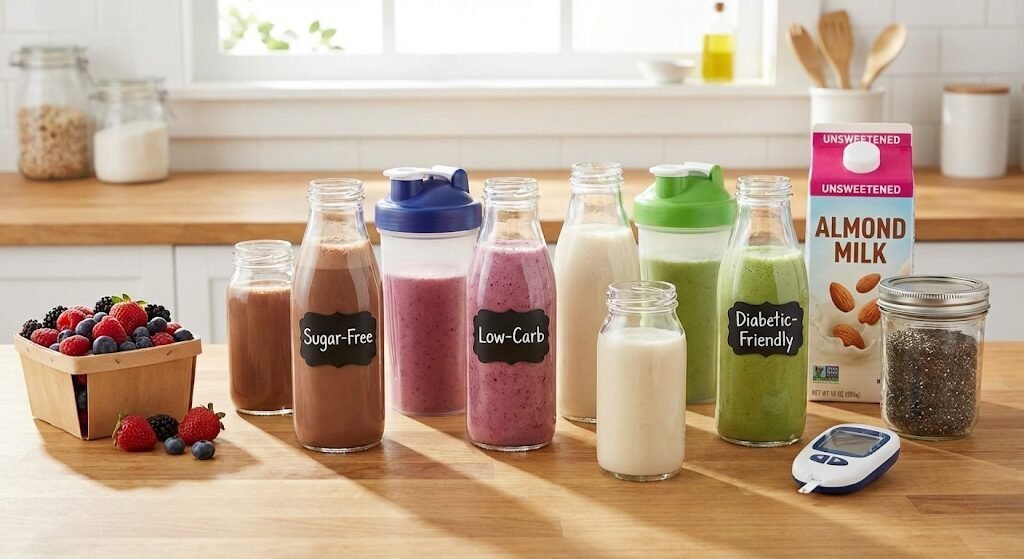
6 Best Protein Shakes for Diabetes: The Ultimate Guide
Managing blood sugar doesn’t mean sacrificing convenience or taste. We tested and analyzed the top protein shakes to help you find the perfect match for your diabetic lifestyle.
For individuals living with diabetes, finding convenient meal options that don’t cause blood sugar spikes can be a daily challenge. Whether you are rushing to work, recovering from a workout, or simply need a nutritious snack, protein shakes have become a staple in modern diabetic management. However, not all shakes are created equal.
The market is flooded with “healthy” drinks that are actually disguised sugar bombs, loaded with hidden carbohydrates that can send your glucose meter soaring. But when chosen correctly, a high-quality protein shake can be a powerful tool for stabilizing blood sugar, managing weight, and ensuring you get essential nutrients.
In this comprehensive guide, we dive deep into the 6 best protein shakes for diabetes. We’ve analyzed ingredients, macronutrient profiles, and real-world reviews to bring you a list that prioritizes your health without compromising on flavor.
Why Protein is Critical for Diabetes Management
Protein is more than just a muscle-builder; it is a metabolic regulator. For diabetics, protein plays a unique role in how the body processes food. Unlike carbohydrates, which convert directly to glucose, protein has a minimal impact on blood sugar levels.
More importantly, protein slows down the digestion of carbohydrates. When you consume protein alongside carbs, it acts as a buffer, preventing the rapid absorption of sugar into the bloodstream. This leads to a more gradual rise in blood glucose rather than a sharp spike.
Furthermore, protein induces satiety. It triggers the release of hormones that signal fullness, reducing the likelihood of overeating or craving high-sugar snacks later in the day. For those following a high-protein diabetic menu, incorporating these shakes can be an effortless way to hit daily macro goals.
Protein Deficiency Signs in Diabetics
Many diabetics unknowingly eat insufficient protein, especially those who have been advised to limit food intake for weight management without specific guidance on macronutrients. Recognizing the signs of protein deficiency is essential:
- Persistent hunger even after eating — protein deficiency reduces satiety hormones like peptide YY
- Muscle weakness or frequent cramps — especially in legs and feet
- Slow wound healing — critical for diabetics who are already prone to poor circulation
- Brittle nails and hair thinning — early signs of inadequate amino acid supply
- Frequent infections or illness — protein is essential for immune cell production
- Brain fog and difficulty concentrating — amino acids are precursors to neurotransmitters
- Swelling (edema) in ankles and feet — severe deficiency reduces albumin, causing fluid retention
- Unexplained fatigue — protein fuels enzymatic reactions and energy production
If you recognize several of these symptoms, speak to a registered dietitian about optimizing your protein intake. A strategic shake protocol can often resolve deficiency within weeks.
Protein Shakes for Type 1, Type 2, Pre-Diabetes & Gestational Diabetes
Not all diabetes is the same, and the role of protein shakes can vary depending on which type you are managing. Understanding the differences helps you make smarter choices.
| Diabetes Type | Core Challenge | Protein Shake Priority | Best Pick |
|---|---|---|---|
| Type 1 | No insulin production; full exogenous insulin dependency | Predictable macros for precise insulin dosing | Premier Protein, Fairlife |
| Type 2 | Insulin resistance and progressive beta cell failure | Low glycemic, high satiety, weight support | Glucerna, Boost Glucose Control |
| Pre-Diabetes | Blood sugar trending high; opportunity to reverse | Blood sugar stabilization and weight loss | Premier Protein, Atkins |
| Gestational | Pregnancy-induced insulin resistance | Safe protein for mother and baby; no artificial sweeteners | Orgain Organic, Fairlife |
| LADA / Type 1.5 | Slow-onset autoimmune; often misdiagnosed as Type 2 | Similar to Type 1; predictable carb content | Fairlife, Glucerna |
Type 1 Diabetes and Protein Shakes
For individuals with Type 1 diabetes (T1D), blood sugar management is an exercise in precision. Because the pancreas produces no insulin, every gram of carbohydrate must be accounted for and covered by an insulin dose — either by injection or an insulin pump. This makes the predictability of macronutrients in a protein shake critically important.
The challenge unique to T1D is that protein — while low glycemic — is not entirely inert. At very high protein amounts (40g+), gluconeogenesis can occur, where the liver converts amino acids to glucose. This typically happens 3–5 hours after ingestion, creating a delayed, slow glucose rise. Many T1D individuals on insulin pumps account for this with a small extended-bolus correction. Shakes with 30g or less of protein (like Premier Protein or Fairlife) are generally easy to manage and do not require complex correction strategies.
For T1D athletes who use protein shakes for recovery, it is important to test blood glucose 2–3 hours post-shake to identify any delayed rise pattern specific to your metabolism.
Type 2 Diabetes and Protein Shakes
Type 2 diabetes is driven by insulin resistance — the body’s cells fail to respond effectively to insulin, causing the pancreas to overproduce it until it eventually cannot keep up. High-protein, low-carbohydrate diets are among the most evidence-backed dietary approaches for reversing insulin resistance. Protein shakes fit naturally into this framework by replacing high-carb meals without creating a significant glucose burden.
An interesting phenomenon specifically relevant to T2D: whey protein consumed just before or alongside a carbohydrate meal has been shown in clinical studies to lower post-meal blood glucose by up to 28% compared to consuming the carbohydrates alone. This “protein preload” strategy is a practical, evidence-based tip that costs nothing extra if you already use a whey-based shake.
Pre-Diabetes: The Golden Window
Pre-diabetes is diagnosed when fasting blood glucose is between 100–125 mg/dL or A1C is between 5.7–6.4%. It is the most critical stage because full Type 2 diabetes is entirely preventable with the right interventions. Research from the Diabetes Prevention Program (DPP) showed that a 5–7% reduction in body weight reduces the risk of progressing to Type 2 diabetes by 58%.
Protein shakes are a powerful tool at this stage because they support weight loss through caloric displacement, provide stable blood sugar, and reduce cravings for high-sugar foods. Replacing even one meal per day with a low-carb, high-protein shake like Premier Protein or Atkins can meaningfully contribute to the weight target needed to put pre-diabetes into remission.
Gestational Diabetes and Protein Shakes
Gestational diabetes (GDM) affects approximately 10% of pregnancies and occurs when pregnancy hormones reduce insulin sensitivity. Unlike other forms of diabetes, GDM requires careful attention not just to blood sugar but to the nutritional needs of both mother and growing baby. This creates a uniquely challenging dietary environment.
Protein shakes can be beneficial during GDM because they provide concentrated nutrition in a small volume — helpful when nausea or heartburn limits appetite, as is common in the third trimester. However, there are important safety considerations:
- Avoid artificial sweeteners during pregnancy: The long-term safety of sucralose, aspartame, and acesulfame-K in pregnancy is still debated. This makes Orgain Organic (which uses stevia and monk fruit) and Fairlife (which is lightly sweetened with stevia) the safest choices.
- Avoid raw protein powders: Some homemade shakes use raw egg protein or unpasteurized ingredients, which pose contamination risks during pregnancy.
- Confirm supplement safety: Some shakes contain herbs or botanicals (ashwagandha, maca) that are not approved for pregnancy. Always check labels.
- Monitor iron: GDM patients are often anemic. Boost Glucose Control has good iron fortification, making it suitable if anemia is a concern.
- Consult your OB or midwife: Always discuss any new supplement or dietary change with your obstetric care team.
Understanding Insulin Resistance: How Protein Breaks the Cycle
Insulin resistance is the root cause of Type 2 diabetes and a major driver of pre-diabetes and metabolic syndrome. Understanding the mechanism helps explain exactly why protein is so therapeutic.
When you eat carbohydrates, they are broken down into glucose and absorbed into the bloodstream. The pancreas releases insulin to act like a “key,” unlocking cells so they can absorb glucose for energy. In insulin resistance, the cellular “locks” become faulty — they no longer respond well to the insulin key. To compensate, the pancreas produces more and more insulin. Over time, this hyperinsulinemia is itself damaging; it promotes fat storage (especially visceral belly fat), drives inflammation, and eventually exhausts the beta cells that produce insulin.
Protein’s Multi-Mechanism Attack on Insulin Resistance
Mechanism 1: Glucose Load Reduction
By replacing carbohydrate-heavy meals with protein shakes, you directly reduce the total glucose entering the bloodstream, giving insulin receptors time to recover their sensitivity.
Mechanism 2: Incretin Stimulation
Protein stimulates GLP-1 and GIP (incretin hormones), which enhance insulin secretion in a glucose-dependent manner and suppress glucagon, effectively improving the insulin signaling cascade.
Mechanism 3: Muscle Preservation
Skeletal muscle is the primary site of glucose disposal. Higher protein intake preserves and builds muscle mass, creating more “sink” for glucose to be stored as glycogen rather than circulating as blood sugar.
Mechanism 4: Weight Loss
Each pound of fat loss improves insulin receptor sensitivity. High-protein diets are the most effective dietary strategy for sustainable weight loss without muscle loss, creating a virtuous cycle for insulin resistance reversal.
How Much Protein Do Diabetics Actually Need Per Day?
The standard Recommended Dietary Allowance (RDA) for protein is 0.8g per kilogram of body weight. However, this is widely considered a minimum to prevent deficiency — not an optimal amount for therapeutic purposes, especially for diabetics.
Protein Requirements by Goal
| Goal | Protein Target | Example (75kg / 165 lb person) |
|---|---|---|
| Basic health maintenance | 0.8g / kg body weight | 60g per day |
| Blood sugar stabilization (T2D) | 1.2–1.5g / kg | 90–112g per day |
| Weight loss + diabetes management | 1.5–1.8g / kg | 112–135g per day |
| Active diabetics / athletes | 1.6–2.0g / kg | 120–150g per day |
| Seniors with sarcopenia risk | 1.2–1.6g / kg | 90–120g per day |
| Diabetics with kidney disease | 0.6–0.8g / kg (consult doctor) | 45–60g per day |
For most diabetics targeting blood sugar management and weight loss, a daily intake of approximately 1.4–1.6g of protein per kilogram of body weight is a practical starting point. For a 75 kg person, this equals 105–120g of protein per day. Two protein shakes (each providing 25–30g) can contribute 50–60g to that target, with the rest coming from whole food sources like eggs, chicken, fish, and legumes.
The mTOR Pathway: Why Timing Matters
mTOR (mechanistic Target of Rapamycin) is a cellular signaling pathway that governs protein synthesis — essentially, it tells your cells to build and repair. For diabetics trying to maintain or build muscle mass (which is crucial for glucose disposal), stimulating mTOR periodically throughout the day with adequate protein doses is essential.
The key insight is the leucine threshold. Leucine, a branched-chain amino acid (BCAA) abundant in whey protein, is the primary trigger for mTOR activation. You need approximately 2–3 grams of leucine to “switch on” muscle protein synthesis. Most high-quality protein shakes providing 25–30g of whey protein naturally contain this amount. This is another reason why the 30g protein shakes like Premier Protein and Fairlife have an edge over lower-protein alternatives for the goal of muscle preservation.
Our Selection Criteria
To determine the “best,” we didn’t just look at the front label. We scrutinized the nutrition facts panel and ingredient lists based on strict diabetic-friendly standards:
- Carbohydrate Content: We looked for shakes with low net carbs (Total Carbs minus Fiber). Ideally, a diabetic shake should have under 15g of total carbs per serving.
- Sugar Profile: We prioritized shakes with less than 5g of sugar, utilizing safe sweeteners like Stevia, Monk Fruit, Erythritol, or Sucralose rather than High Fructose Corn Syrup.
- Protein Quality: Each selection contains at least 15g of protein to ensure adequate satiety and muscle maintenance.
- Fiber: Fiber helps blunt the blood sugar response. Shakes with added fiber scored higher.
- Taste & Texture: A shake is only good if you actually drink it. We considered user reviews regarding chalkiness and aftertaste.
The 6 Best Protein Shakes for Diabetes
Below is our curated list of the top performers in the market this year.
1. Glucerna Hunger Smart Shake
Glucerna is widely recognized as the gold standard for diabetic-specific nutrition. The “Hunger Smart” line is specifically formulated with a higher protein content than their standard shakes, making it ideal for meal replacement.
What sets Glucerna apart is its patented Carbsteady® blend. These are slow-release carbohydrates designed to minimize blood sugar spikes, a feature backed by numerous clinical studies. It isn’t just a protein shake; it’s a tool for glucose management.
Nutritional Snapshot (Chocolate):
- Calories: 180
- Protein: 15g
- Carbs: 16g (includes slow-release carbs)
- Sugar: 6g
- Fiber: 4g
Pros
|
Cons
|
Verdict: If your primary concern is strict blood sugar predictability and you want a product specifically engineered for diabetes, Glucerna Hunger Smart is the safest and most reliable choice.

Glucerna Hunger Smart Shake (Rich Chocolate)
Clinically proven to help minimize blood sugar spikes.
2. Boost Glucose Control
Often compared directly to Glucerna, Boost Glucose Control is Nestlé Health Science’s answer to diabetic nutrition. For many users, the deciding factor between the two comes down to taste, with Boost frequently citing a creamier, richer texture.
Like its competitor, it is clinically shown to produce a lower blood sugar response compared to a standard nutritional drink. It provides a balanced ratio of protein, carbs, and fat to manage glucose levels effectively. If you are torn between the two, you can read our detailed comparison of Glucerna vs Boost Glucose Control.
Nutritional Snapshot (Rich Chocolate):
- Calories: 190
- Protein: 16g
- Carbs: 16g
- Sugar: 4g
- Fiber: 3g
Pros
|
Cons
|

Boost Glucose Control (Rich Chocolate)
Designed to help manage blood sugar levels as part of a balanced diet.
3. Premier Protein Shake
Premier Protein has taken the fitness and diabetic world by storm, not because it is marketed strictly to diabetics, but because its macronutrient profile is nearly perfect for blood sugar control.
With a massive 30 grams of protein and only 1 gram of sugar, this shake is an insulin-friendly powerhouse. It is excellent for suppressing appetite for hours. Because it is so low in carbs, it rarely causes any significant glucose movement, making it a favorite for those following a stricter low-carb approach.
Nutritional Snapshot:
- Calories: 160
- Protein: 30g
- Carbs: 4g
- Sugar: 1g
- Fiber: 1g
Pros
|
Cons
|

Premier Protein 30g Protein Shake
High protein, 1g sugar, supports immune health.
4. Orgain Organic Nutrition (Vegan)
For those who prefer to avoid dairy or artificial ingredients, Orgain is the clear winner. Many diabetics find that dairy (whey/casein) can be inflammatory or hard to digest. Orgain uses organic pea protein, chia seeds, and brown rice protein.
It is important to choose the “Clean Protein” or “Vegan Nutritional Shake” varieties that are low in sugar. Orgain is renowned for not using artificial sweeteners like aspartame or sucralose, opting instead for organic stevia, monk fruit, and erythritol.
Nutritional Snapshot (Plant-Based):
- Calories: 150
- Protein: 20g
- Carbs: 9g
- Sugar: 1g
- Fiber: 2g
Pros
|
Cons
|
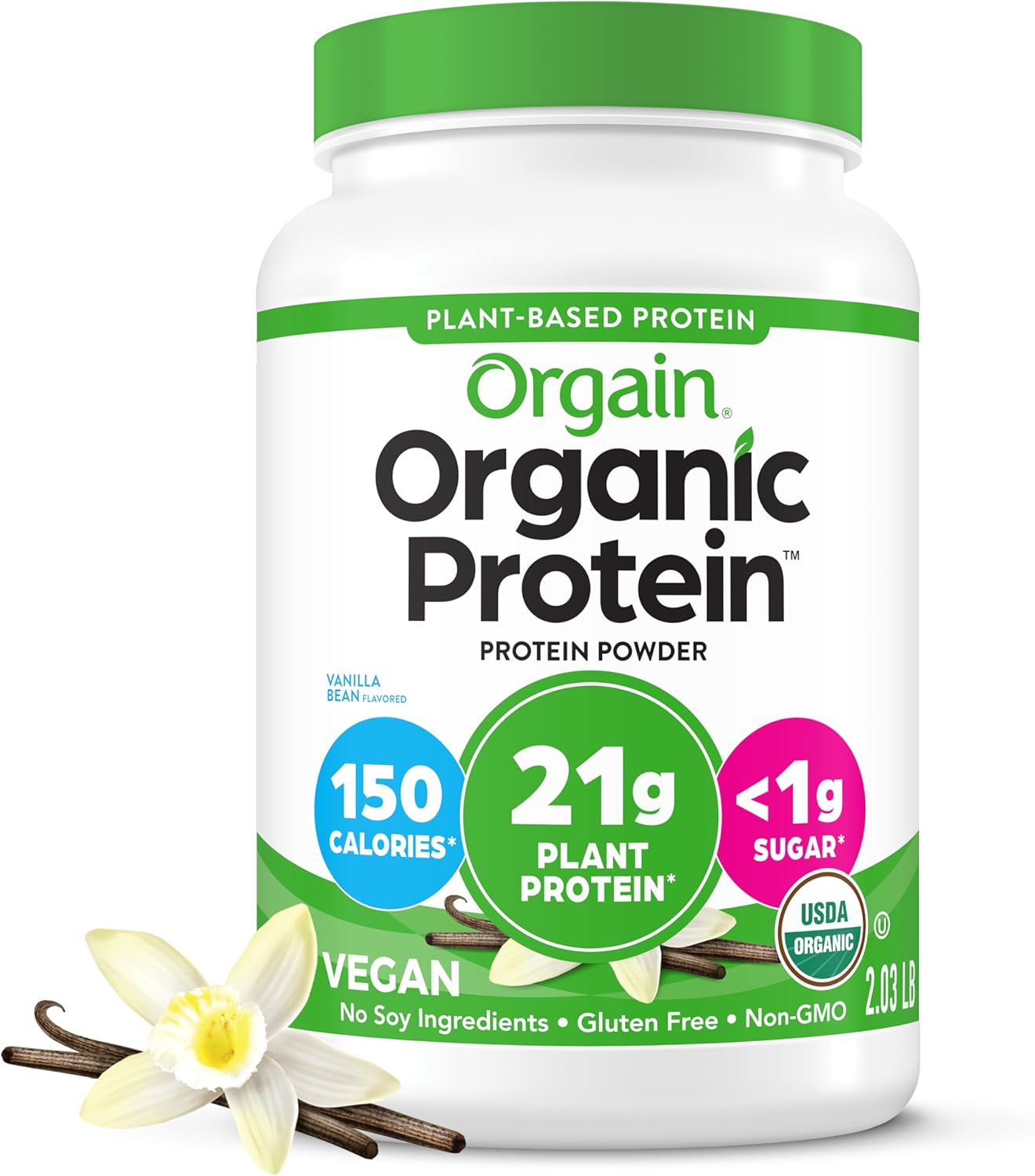
Orgain Organic Plant Protein Shake
Cleaner ingredients, smoother taste, 0g added sugar.
5. Atkins Gluten Free Protein-Rich Shake
The Atkins diet was practically invented for blood sugar control, so it’s no surprise their shakes are diabetic-friendly. The Atkins Gluten Free Protein-Rich Shake is designed to keep the body in a fat-burning state (ketosis) by keeping net carbs to an absolute minimum.
With only 2g of net carbs, this is the safest option for those who are extremely sensitive to carbohydrates. While it contains less protein (15g) than Premier or Fairlife, it is often sufficient for a snack or light breakfast.
Nutritional Snapshot:
- Calories: 160
- Protein: 15g
- Net Carbs: 2g
- Sugar: 1g
- Fiber: 5g
Pros
|
Cons
|

6. Fairlife Nutrition Plan
If you hate the “chalky” taste of protein shakes, Fairlife Nutrition Plan is the game changer. Using ultra-filtered milk, Fairlife manages to remove the lactose and most of the sugar while retaining the natural milk protein.
The result is a shake that tastes exactly like smooth chocolate milk but delivers 30g of protein with only 2g of sugar. It feels like a cheat meal but fits perfectly into a diabetic diet plan. *Note: Ensure you buy the “Nutrition Plan” version (30g protein, 2g sugar) rather than the standard Core Power if you are strictly watching sugars.*
Nutritional Snapshot:
- Calories: 150
- Protein: 30g
- Carbs: 4g
- Sugar: 2g
- Fiber: 0-1g
Pros
|
Cons
|

Fairlife Nutrition Plan Chocolate Shake
30g Protein, 2g Sugar, Tastes like real chocolate milk.
Quick Comparison: Top 6 Shakes
| Product | Protein | Sugar | Carbs | Best For |
|---|---|---|---|---|
| Glucerna Hunger Smart | 15g | 6g | 16g | Strict Glucose Control |
| Boost Glucose Control | 16g | 4g | 16g | Vitamins & Taste |
| Premier Protein | 30g | 1g | 4g | Max Protein/Satiety |
| Orgain Organic | 20g | 1g | 9g | Vegan/Clean Label |
| Atkins Shake | 15g | 1g | 2g (Net) | Keto/Low Carb |
| Fairlife Nutrition Plan | 30g | 2g | 4g | Best Flavor |
Deep Dive: Understanding Glycemic Index in Shakes
The Glycemic Index (GI) is a ranking of carbohydrates on a scale from 0 to 100 according to how much they raise blood sugar levels after eating. For diabetics, low-GI foods (55 or less) are preferred.
Most commercial protein shakes designed for diabetes, like Glucerna, are tested to ensure they have a Low GI. This is achieved by using complex carbohydrates (like modified starch) and high amounts of protein and fat, which naturally blunt the glycemic response. When shopping for shakes outside of this list, look for “Low Glycemic” on the label, but always verify by checking the sugar content in the nutrition facts.
Glycemic Load vs. Glycemic Index: The Important Distinction
While GI tells you the quality of carbohydrates, Glycemic Load (GL) tells you the quantity impact on blood sugar. GL = (GI × Carbohydrate grams) ÷ 100. A food can have a high GI but a low GL if the serving size is small. For diabetics evaluating shakes, GL is actually the more practical metric:
- GL under 10 = Low impact (ideal for diabetics)
- GL 11–19 = Medium impact (monitor blood sugar response)
- GL over 20 = High impact (avoid)
Using this framework, even a shake with moderate GI carbs (like the Carbsteady blend in Glucerna, GI ~35) at 16g total carbs yields a GL of about 5.6 — well within the ideal range.
Whey vs. Plant Protein: Which is Better for Insulin?
The type of protein source matters. Whey protein (found in Premier, Boost, and Glucerna) is derived from milk. Interestingly, whey is “insulinogenic,” meaning it stimulates insulin production. For Type 2 diabetics who still produce insulin but are resistant to it, this can actually be beneficial—whey helps clear sugar from the blood faster after a meal.
Plant protein (Pea, Soy, Rice found in Orgain) is generally hypoallergenic and rich in fiber. Plant proteins are excellent for heart health and often have a lower inflammatory marker. If you have kidney issues (diabetic nephropathy), consult your doctor, as plant proteins are sometimes recommended over animal proteins to reduce kidney strain.
Comparing the Four Main Protein Sources
| Protein Type | Insulinogenic | Digestibility | Best Feature for Diabetics | Main Drawback |
|---|---|---|---|---|
| Whey Isolate | High | Excellent (PDCAAS: 1.0) | Fast-acting; stimulates GLP-1; enhances insulin response | Not suitable for dairy-free diets |
| Casein | Moderate | Good (slow-digesting) | Slow release prevents overnight hypoglycemia | Dairy-based; can be thick/gritty |
| Pea Protein | Low | Good (PDCAAS: 0.89) | High arginine content supports blood vessel health | Low in methionine (combine with rice) |
| Soy Protein | Low–Moderate | Excellent (PDCAAS: 1.0) | Complete amino acid profile; reduces LDL cholesterol | Phytoestrogens (concern for some); common allergen |
Casein vs. Whey: Choosing the Right Protein at Night
One of the most overlooked aspects of protein shake strategy for diabetics is timing relative to sleep. A significant number of diabetics — particularly those on insulin or sulfonylurea medications — experience nocturnal hypoglycemia (low blood sugar during sleep). A strategic bedtime protein intake can be a preventative tool.
Whey Protein Before Bed: Pros and Cons
Whey protein is rapidly digested, typically absorbed within 1–2 hours. When taken at bedtime, it provides a quick amino acid spike and helps stabilize blood sugar for a few hours but may not last through a 7–8 hour sleep cycle. However, for individuals whose glucose tends to drop only in the first few hours of sleep, whey is perfectly adequate.
Casein Protein Before Bed: The Preferred Nighttime Choice
Casein forms a gel in the stomach, resulting in a slow, steady release of amino acids over 5–7 hours. For diabetics worried about blood glucose stability through the night, casein provides a more sustained metabolic “drip” that can prevent early morning hypoglycemia and the dawn phenomenon cortisol spike. Studies have shown that 40g of casein protein taken 30 minutes before sleep increases overnight muscle protein synthesis by approximately 22% compared to a placebo — an important benefit for diabetics at risk of sarcopenia.
None of the six RTD shakes in our main list are casein-based. If you want a casein RTD, Muscle Milk’s Pro Series offers a casein-blend option. Otherwise, a casein powder (like Optimum Nutrition Gold Standard Casein) mixed with unsweetened almond milk is the most practical bedtime option.
Collagen Protein for Diabetics: Joint Health & Wound Healing
Collagen protein has gained significant attention as a nutritional supplement, and for diabetics specifically, it addresses two critical health concerns: joint health and wound healing.
Diabetes accelerates the degradation of collagen in skin, tendons, cartilage, and blood vessels through a process called glycation — where excess glucose molecules attach to collagen fibers, making them stiff and brittle. This contributes to diabetic complications including neuropathy, retinopathy, and poor wound healing.
Is Collagen Protein a Good Choice for Blood Sugar?
Collagen protein is notably different from whey or pea protein for blood sugar purposes. It has a unique amino acid profile dominated by glycine, proline, and hydroxyproline — amino acids not found in high quantities in other protein sources. It is not a complete protein (it lacks tryptophan) and should not replace your primary protein shake. However, as a supplement added to your regular shake, 10–15g of collagen peptides daily has been shown to:
- Improve skin elasticity and reduce the risk of diabetic skin breakdown
- Support tendon and ligament repair (important for active diabetics and those with neuropathy)
- Improve gut lining integrity, which supports better nutrient absorption
- Reduce joint pain associated with sedentary periods common in poorly controlled diabetes
- Provide glycine, which has been shown in some studies to improve insulin sensitivity directly
To incorporate collagen into your shake routine: Simply add one scoop (10g) of unflavored collagen peptides to any of the six recommended RTD shakes above. It dissolves completely without changing taste or texture.
Fiber in Protein Shakes: Soluble vs. Insoluble and Why It Matters
Not all fiber is the same, and the distinction matters significantly for blood sugar management. Protein shakes for diabetics should ideally contain a meaningful amount of fiber, but the type of fiber determines its effect on blood glucose.
Soluble Fiber
Dissolves in water to form a viscous gel in the gut. This gel physically slows the absorption of glucose, directly blunting blood sugar spikes. Also feeds beneficial gut bacteria (prebiotic effect).
Examples in shakes: Inulin, chicory root fiber, psyllium, beta-glucan
Blood sugar benefit: ⭐⭐⭐⭐⭐ High
Insoluble Fiber
Does not dissolve; adds bulk to stool and promotes digestive regularity. Less direct impact on blood glucose but important for overall gut health, which influences metabolic function.
Examples in shakes: Cellulose, wheat bran (rare in RTD shakes)
Blood sugar benefit: ⭐⭐ Moderate (indirect)
Glucerna uses inulin-based soluble fiber in its Carbsteady formula, making it particularly effective at reducing post-shake glucose excursions. Atkins shakes also contain a blend of soluble fibers (including chicory root inulin) that contribute to their impressively low glycemic response despite total carb counts from sugar alcohols.
When evaluating any shake for fiber content, look specifically for soluble fiber sources in the ingredient list: inulin, chicory root, psyllium husk, oat beta-glucan, or acacia fiber. These are the most valuable for blood sugar control.
When is the Best Time to Drink a Protein Shake?
Timing is everything when managing diabetes:
- Breakfast: A high-protein shake in the morning can combat the “Dawn Phenomenon” (morning blood sugar spike) by providing energy without the carb-load of toast or cereal.
- Snack: Mid-afternoon is when cravings usually hit. A shake here prevents the vending-machine run.
- Post-Workout: Essential for muscle repair.
- Bedtime: Some diabetics experience hypoglycemia (low blood sugar) at night. A small shake with slow-digesting protein (like casein) can keep levels stable till morning.
Need more ideas on liquid nutrition? Check out our diabetic smoothie menu for fresh, homemade alternatives.
Blood Sugar Monitoring: Before and After Your Protein Shake
One of the most empowering things a diabetic can do is monitor their blood glucose response to specific foods, including protein shakes. This practice — sometimes called personal continuous glucose monitoring (CGM) experimentation — allows you to identify which shakes work best for your unique metabolism.
How to Test Your Response to a Protein Shake
- Baseline Fasting Check: Test your blood glucose before the shake (ideally after a 2–3 hour fast from other foods).
- Consume the Shake: Drink the shake as your only food item for this test. No add-ons like fruit or nuts.
- Check at 30 Minutes: Early glucose response. If rising sharply, the shake’s fast-acting carbs are acting quickly.
- Check at 1 Hour: Peak response window for most moderate-GI foods. This is when you’ll see the highest reading.
- Check at 2 Hours: You should be returning toward baseline. Ideally within 30–40 mg/dL of your starting value.
- Check at 3–4 Hours: For high-protein shakes, monitor for a delayed rise as amino acids undergo gluconeogenesis.
- Record and Compare: Log shake name, time, starting glucose, peak glucose, and 2-hour return value. After 3–4 tests of the same shake, you’ll have a reliable personal glycemic response profile.
Using a CGM (Continuous Glucose Monitor) With Shakes
For diabetics who wear a CGM (like a Dexcom G7 or FreeStyle Libre 3), the post-shake response curve is visible in real-time. The ideal response to a diabetic-friendly protein shake on a CGM looks like a gentle, low-amplitude hill — rising no more than 30–40 mg/dL from baseline and returning to baseline within 90 minutes. A sharp spike rising more than 50 mg/dL suggests the shake has too many fast-acting carbs for your specific insulin sensitivity.
Ingredients to Watch Out For
Not all “low sugar” claims are safe. Be wary of:
- Maltodextrin: A thickener that has a higher glycemic index than table sugar! Small amounts are okay in balanced formulas (like Glucerna), but avoid it in cheap bulk powders.
- Added Sugars: Cane sugar, honey, agave, or high fructose corn syrup should be near the bottom of the list or non-existent.
- Sugar Alcohols (Maltitol): While technically “sugar-free,” Maltitol can still raise blood sugar and cause significant gas and bloating. Erythritol and Xylitol are generally better tolerated.
Complete Ingredients Danger Checklist
| Ingredient | Risk Level | Effect on Blood Sugar | Action |
|---|---|---|---|
| High Fructose Corn Syrup | 🔴 Avoid | Rapidly raises blood glucose; drives insulin resistance | Never purchase |
| Maltodextrin (large amounts) | 🔴 High risk | GI of 85–105; higher than glucose itself | Avoid in cheap powders |
| Maltitol (sugar alcohol) | 🟡 Moderate | GI of 52; still raises blood sugar; causes bloating | Use with caution |
| Cane Sugar / Sucrose | 🔴 Avoid | Directly raises blood glucose | Under 2g is tolerable; over 5g avoid |
| Erythritol | 🟢 Safe | GI of 0–1; no blood sugar impact; well tolerated | Preferred sweetener |
| Stevia (natural) | 🟢 Safe | Zero glycemic impact; may improve insulin sensitivity | Preferred sweetener |
| Sucralose | 🟢 Generally safe | No direct glucose impact; some research on gut microbiome | Safe for most; avoid if GI-sensitive |
| Carrageenan | 🟡 Moderate | No blood sugar impact; possible gut inflammation in sensitive individuals | Avoid if IBD present |
| Monk Fruit Extract | 🟢 Excellent | Zero GI; antioxidant properties; no digestive side effects | Best natural sweetener option |
How to Read a Protein Shake Nutrition Label: A Diabetic’s Step-by-Step Guide
Many diabetics feel overwhelmed by nutrition labels. Here is a clear, actionable system for evaluating any protein shake in under 60 seconds:
- Check the Serving Size First: Some “low sugar” shakes look great until you realize the serving size is half a bottle. Always note what amount the nutrition facts are based on.
- Find Total Carbohydrates: This is your primary metric. Target under 15g total carbs for diabetic-friendly shakes. Do not be distracted by front-label marketing claims — go straight to this number.
- Subtract Dietary Fiber: Net Carbs = Total Carbs − Fiber. A shake with 12g carbs and 5g fiber has only 7g net carbs — excellent for diabetics.
- Check Total Sugars vs. Added Sugars: The “Added Sugars” line (required on all US labels since 2020) tells you exactly how much sugar was intentionally put in. Under 5g added sugar is acceptable; under 2g is ideal.
- Evaluate Sugar Alcohols: If listed, check which type. Erythritol → subtract fully from net carbs. Xylitol → subtract 50%. Maltitol → subtract only 25% (it still impacts blood sugar significantly).
- Confirm Protein Content: You want at least 15g. Higher is generally better for satiety and blood sugar stability, up to about 30–35g per serving.
- Scan the Ingredient List: Ingredients are listed by weight (most to least). Sugar should not appear in the first five ingredients. Look for the sweetener types used.
DIY Protein Shakes vs. Ready-to-Drink (RTD)
Ready-to-drink bottles (RTDs) are convenient, but making your own allows for total control. A DIY shake lets you add “superfoods” specifically good for diabetes:
- Chia Seeds: High fiber and Omega-3s.
- Cinnamon: Known to help improve insulin sensitivity.
- Spinach: Nutrient density with zero blood sugar impact.
- Avocado: Healthy fats for creaminess and satiety.
If you choose to make your own, start with a high-quality whey isolate or pea protein powder and mix with unsweetened almond milk.
RTD vs. DIY: Side-by-Side Comparison
| Factor | Ready-to-Drink (RTD) | DIY / Homemade |
|---|---|---|
| Convenience | ⭐⭐⭐⭐⭐ Grab and go | ⭐⭐ Requires prep |
| Cost per serving | $2.50–$4.00 | $0.80–$1.80 |
| Ingredient control | None (fixed formula) | Total control |
| Additive/preservative risk | Moderate (stabilizers needed) | Zero (fresh ingredients) |
| Nutrient density | Fortified (vitamins/minerals) | Depends on ingredients |
| Travel & portability | Excellent (no refrigeration) | Poor (needs blender/fridge) |
| Blood sugar predictability | High (consistent formula) | Variable (depends on recipe) |
5 DIY Diabetic-Friendly Protein Shake Recipes
These recipes are designed specifically for blood sugar management, using whole food ingredients proven to support insulin sensitivity. Each recipe provides nutritional estimates per serving.
🍃 Recipe 1: The Green Power Shake (Type 2 Warrior)
Estimated: ~220 calories | 28g protein | 8g carbs | 4g fiber | 1g sugar
- 1 scoop vanilla whey protein isolate (25g protein)
- 1 cup unsweetened almond milk
- 1 large handful fresh spinach (or ½ cup frozen)
- ½ medium avocado (adds creaminess + healthy fats)
- ½ tsp cinnamon
- 1 tbsp ground flaxseed (for omega-3 and fiber)
- 3–4 ice cubes
Why it works: Spinach provides magnesium (critical for insulin signaling), avocado delivers monounsaturated fat that slows absorption, and cinnamon has clinically studied effects on reducing HbA1c.
🫐 Recipe 2: The Antioxidant Blast (Pre-Diabetes Reversal)
Estimated: ~200 calories | 24g protein | 14g carbs | 5g fiber | 4g sugar
- 1 scoop pea protein powder (unflavored)
- ¾ cup unsweetened almond milk
- ½ cup frozen blueberries (low-GI berry, high anthocyanins)
- 1 tbsp chia seeds (soaked for 10 min for gel effect)
- 1 tsp apple cider vinegar (improves insulin sensitivity)
- 5 drops liquid stevia
- Small handful ice
Why it works: Blueberries are among the lowest-GI fruits with powerful polyphenols that improve insulin sensitivity. Apple cider vinegar has been shown in multiple studies to reduce post-meal blood glucose by 20–30%.
🍫 Recipe 3: The Nighttime Casein Shake (Prevent Overnight Lows)
Estimated: ~250 calories | 35g protein | 5g carbs | 2g fiber | 1g sugar
- 1.5 scoops casein protein powder (chocolate or unflavored)
- 1 cup unsweetened cashew milk (creamier than almond)
- 1 tbsp natural almond butter (slows gastric emptying)
- 1 tbsp unsweetened cocoa powder
- Pinch of sea salt (enhances chocolate flavor without sugar)
- 3–4 drops liquid stevia or monk fruit
Why it works: Casein’s slow digestion releases amino acids over 5–7 hours. Combined with almond butter’s fat and protein content, this creates a metabolic buffer through the entire sleep cycle.
🥥 Recipe 4: The Post-Workout Recovery Shake (Active Diabetics)
Estimated: ~280 calories | 32g protein | 16g carbs | 3g fiber | 6g sugar
- 1 scoop whey isolate protein (vanilla)
- 1 cup unsweetened coconut milk (carton, not canned)
- ½ banana (the post-workout carb window allows for this)
- 1 tsp creatine monohydrate (enhances muscle glucose uptake)
- ½ tsp turmeric (anti-inflammatory)
- Pinch of black pepper (activates turmeric’s curcumin)
- Ice cubes
Why it works: The 30–45 minute post-exercise window is when muscles are most receptive to glucose uptake without requiring significant insulin signaling. The half banana’s carbs are primarily shuttled to glycogen replenishment rather than bloodstream elevation.
🥦 Recipe 5: The Budget-Friendly Everyday Shake
Estimated: ~190 calories | 22g protein | 10g carbs | 4g fiber | 2g sugar
- 2 tbsp plain Greek yogurt (2% fat, unsweetened) — adds protein and probiotics
- 1 scoop affordable whey protein concentrate (any plain brand)
- 1 cup water or unsweetened almond milk
- 1 tbsp psyllium husk (inexpensive soluble fiber that blunts glucose)
- ½ tsp vanilla extract
- 2–3 drops stevia
- Ice
Why it works: Psyllium husk is the most evidence-backed soluble fiber for blood glucose reduction — it forms a thick gel that dramatically slows glucose absorption. Greek yogurt adds probiotics that improve gut microbiome health, which has a documented link to improved insulin sensitivity.
Protein Shakes and Exercise for Diabetics
Exercise is the most powerful non-pharmaceutical intervention for diabetes management. It directly increases insulin sensitivity for 24–72 hours post-exercise, improves glucose uptake by muscles, reduces HbA1c, and supports cardiovascular health. Protein shakes play a strategic role in maximizing exercise benefits for diabetics.
For Type 1 Diabetic Athletes
Managing exercise with T1D is complex. Different exercise types affect blood glucose differently:
- Aerobic exercise (running, cycling, swimming): Tends to lower blood glucose during and after activity. T1D athletes often need a small pre-exercise carb intake (15–20g) if starting blood glucose is under 120 mg/dL. A shake with 15–20g protein and 15g carbs (like Glucerna Hunger Smart) can serve as an ideal pre-workout for this scenario.
- Resistance training (weightlifting): Can temporarily raise blood glucose due to cortisol and adrenaline stimulating glycogen release. Post-workout protein intake (30g whey, like Premier Protein or Fairlife) helps with muscle repair without significantly further elevating blood glucose.
- High-intensity interval training (HIIT): Creates a more complex response — initial spike followed by prolonged lowering. Always test before and after, and have fast-acting carbs available.
For Type 2 Diabetics Who Exercise
Exercise is transformative for Type 2 diabetes. Even modest physical activity — 30 minutes of brisk walking — has been shown to reduce blood glucose by 20–30 mg/dL. The protein shake’s role here is primarily muscle preservation and satiety. Consuming a 30g protein shake (Premier Protein or Fairlife) within 30 minutes of resistance training helps maintain muscle mass, which is the body’s primary glucose disposal system.
Protein Shakes for Diabetics With High Cholesterol
Dyslipidemia (abnormal blood fats) is extremely common in diabetes — affecting approximately 60–70% of Type 2 diabetics. High triglycerides, low HDL (“good”) cholesterol, and elevated LDL (“bad”) cholesterol form a dangerous triad that significantly increases cardiovascular risk. When choosing protein shakes under these conditions, the fat profile of the shake matters as much as the sugar content.
Shake Recommendations for Diabetics With High Cholesterol
- Best choice: Orgain Organic Vegan — plant-based protein, zero saturated fat, no cholesterol, contains omega-3 from chia seeds. Pea protein specifically has been shown to reduce LDL cholesterol in clinical trials.
- Good choice: Premier Protein — while dairy-based, it contains very little fat overall and no saturated fat concerns at the 30g serving level.
- Use with awareness: Fairlife Nutrition Plan — ultra-filtered milk does retain some saturated fat. For those with LDL over 130 mg/dL, monitor total daily saturated fat intake carefully.
- Avoid if cholesterol is high: Full-fat dairy-based shakes or any shake with palm oil or coconut oil as primary fat sources.
Additionally, consider adding 1 tablespoon of ground flaxseed to any shake. Flaxseed contains lignans and alpha-linolenic acid (ALA) that have documented cholesterol-lowering properties. Research shows regular flaxseed consumption reduces LDL cholesterol by 5–10% over 3 months.
Protein Shakes and Diabetes Medications: What You Need to Know
If you take prescription medications for diabetes, it is important to understand how protein shake timing and composition can interact with your drug regimen. While protein shakes are generally safe, several specific considerations apply:
Metformin (Most Common T2D Drug)
Metformin works by reducing liver glucose production and improving insulin sensitivity. It is generally not affected by protein shakes, but metformin can cause GI upset in some users. Taking metformin with a high-protein shake (rather than on an empty stomach) can significantly reduce nausea and stomach discomfort. In fact, many endocrinologists suggest taking metformin with the largest meal or largest protein-containing meal of the day specifically to reduce side effects.
Insulin (Type 1 and Advanced Type 2)
For insulin-dependent diabetics, protein shakes require careful carbohydrate counting for accurate dosing. The predictable, labeled carb content of RTD shakes (like Premier Protein’s 4g carbs or Glucerna’s 16g carbs) is a significant advantage over variable home-cooked meals. Some insulin users also need to anticipate the delayed glucose contribution from protein (from gluconeogenesis at 3–5 hours post-shake), particularly with 40g+ protein servings. Most endocrinologists recommend 0.5–1 unit of correction insulin for large protein servings if you observe consistent delayed rises on CGM.
SGLT-2 Inhibitors (Jardiance, Farxiga)
These medications work by causing kidneys to excrete glucose in urine, increasing risk of urinary tract infections and dehydration. When using protein shakes alongside SGLT-2 inhibitors, maintain high fluid intake — at least 8–10 glasses of water daily. The diuretic effect of these drugs means staying well-hydrated is essential for kidney protection.
GLP-1 Agonists (Ozempic, Wegovy, Victoza)
GLP-1 medications significantly reduce appetite and slow gastric emptying, which can make consuming full protein shakes challenging. Many patients on GLP-1 agonists find that smaller, more concentrated shakes (half servings of a 30g protein shake) are more practical given reduced appetite. These drugs already improve satiety, so pairing them with high-protein shakes that also promote satiety can be highly effective for weight loss and blood sugar control.
Protein Shakes for Diabetics With Kidney Disease (Diabetic Nephropathy)
Diabetic nephropathy is a serious complication affecting approximately 40% of people with diabetes, occurring when chronically elevated blood glucose damages the tiny blood vessels in the kidneys. In cases of confirmed kidney disease (evidenced by elevated creatinine, reduced GFR, or significant proteinuria), protein intake may need to be restricted rather than maximized.
Understanding Protein and Kidney Strain
When protein is metabolized, it produces nitrogen waste products (primarily urea) that the kidneys must filter and excrete. Healthy kidneys handle this easily. But damaged kidneys with reduced GFR cannot efficiently remove these waste products, leading to accumulation that further accelerates kidney damage.
General protein guidelines for diabetics with CKD (Chronic Kidney Disease):
- CKD Stages 1–2 (GFR > 60): Normal protein intake acceptable. Monitor with regular bloodwork.
- CKD Stages 3–4 (GFR 15–60): Restrict to 0.6–0.8g/kg body weight. Avoid high-protein shakes.
- CKD Stage 5 / Dialysis: Paradoxically, dialysis patients may need higher protein (1.2–1.5g/kg) because dialysis removes amino acids from the blood. Consult your nephrologist for a specific protocol.
Plant Protein vs. Animal Protein in Kidney Disease
Growing evidence suggests that plant-based proteins may be gentler on kidneys than animal proteins. Plant proteins (like those in Orgain) tend to produce fewer acid byproducts during metabolism and have been associated with slower CKD progression in several studies. If you have kidney disease and want to continue using protein shakes, Orgain Organic Vegan is the safest option on our list — and only at appropriately reduced servings as guided by your nephrologist.
Protein Shakes After Bariatric Surgery for Diabetics
Bariatric surgery (gastric bypass, sleeve gastrectomy, adjustable gastric banding) is increasingly recognized as an effective treatment for severe obesity-related Type 2 diabetes. Many patients experience dramatic improvements in blood glucose control — sometimes within days of surgery, before significant weight loss occurs. Protein shakes are not optional in the post-bariatric period; they are a medical necessity.
Why Protein is Critical Post-Bariatric Surgery
After gastric bypass or sleeve gastrectomy, the stomach’s capacity is dramatically reduced (to approximately 2–4 oz initially). Eating sufficient whole food protein is nearly impossible in the early months. Protein deficiency is one of the most common long-term complications of bariatric surgery, leading to muscle wasting, hair loss, immune suppression, and worsening of metabolic health.
Post-Bariatric Protein Shake Protocol
- Phase 1 (Days 1–14, Liquid Only): Whey protein isolate or hydrolysate powder mixed with water only. No RTD shakes (too high in volume). Target: 60g protein daily from small, frequent doses.
- Phase 2 (Weeks 2–8, Soft Foods): Advance to RTD shakes like Premier Protein or Fairlife in ½ serving sizes (sipped slowly over 30–45 minutes). Target: 80g protein daily.
- Phase 3 (Months 2–6): Full RTD shakes can be incorporated alongside soft/pureed foods. Target: 90–120g protein daily.
- Long-Term (6 months+): Continue 1 protein shake per day as a dietary anchor. Most bariatric patients do well with Premier Protein or Fairlife as their permanent daily shake.
Weight Loss and Diabetes Management
Weight loss is often the most effective way to put Type 2 diabetes into remission. Protein shakes are a tool for “calorie displacement”—replacing a 600-calorie bagel breakfast with a 160-calorie protein shake creates a deficit without hunger.
The high protein content preserves lean muscle mass while you lose fat. Muscle tissue burns more glucose at rest than fat tissue, so keeping your muscles fed is crucial for long-term blood sugar control.
The Optimal Protein Shake Weight Loss Protocol for Diabetics
Research from the DiRECT trial and similar studies suggests that a structured low-calorie, high-protein diet can produce T2D remission rates of up to 50% over 1–2 years. Here is a practical, evidence-based framework:
- Week 1–2 (Adjustment): Replace breakfast with a 30g protein shake (Premier Protein or Fairlife). Keep lunch and dinner as normal. This creates a modest calorie deficit while testing tolerance.
- Week 3–4 (Intensification): Add a second shake as a mid-afternoon snack replacement. This creates a larger deficit without hunger due to the high protein content.
- Month 2+ (Sustained Protocol): Continue 2 shakes per day alongside one balanced whole-food meal. Add 30 minutes of walking daily. Monitor weight and blood glucose weekly.
- At Goal Weight (Maintenance): Reduce to 1 shake per day as a nutritional anchor while transitioning to whole food meals for the other two daily eating occasions.
Protein Needs for Diabetic Seniors
As we age, our protein requirements actually increase to prevent Sarcopenia (muscle loss). Diabetic seniors often struggle to chew tough meats or cook complex meals.
Shakes like Boost and Glucerna are particularly good here because they are fortified with calcium, Vitamin D, and other micronutrients essential for bone health. They are easy to consume and digest. For more specific meal planning for this demographic, review our guide on the diabetic menu for seniors.
Why Seniors Need More Protein Than Younger Adults
The phenomenon of “anabolic resistance” occurs with aging — older adults require a higher dose of protein to stimulate the same level of muscle protein synthesis as younger adults. While a 30-year-old might maximally stimulate muscle growth with 20–25g of protein, a 70-year-old may need 35–40g to achieve the same effect. This is partly due to reduced leucine sensitivity and reduced digestive enzyme efficiency.
For diabetic seniors, this means that the higher-protein shakes — Premier Protein (30g) and Fairlife (30g) — are more therapeutically valuable than the clinical shakes (Glucerna at 15g, Boost at 16g), even though the clinical shakes provide superior vitamin/mineral fortification. A practical solution: use a clinical shake for micronutrient support AND a high-protein shake on alternating days, or combine half portions.
Specific Senior Concerns With Protein Shakes
- Swallowing difficulty (dysphagia): RTD shakes are an excellent solution — thin liquid consistency is easier to swallow than solid foods
- Poor appetite (common in seniors): 160–190 calorie shakes are non-threatening and easy to finish
- Polypharmacy (multiple medications): Review the medication interaction section above; most shakes are safe with common senior medications
- Osteoporosis risk: Choose shakes with added calcium (Boost Glucose Control, Glucerna) for dual bone and blood sugar support
- Cognitive decline: Adequate protein intake supports brain health; a daily shake provides reliable nutritional intake even on “forgetful” days
Building Your Personalized Daily Diabetic Shake Routine
Consistency is the foundation of blood sugar management. A well-designed daily shake routine eliminates guesswork, reduces decision fatigue, and ensures reliable nutritional input that your glucose management can be built around. Here is how to build your own:
Step 1: Define Your Primary Goal
Choose your #1 priority from this list, as it will determine your shake choice:
- Strict glucose control → Glucerna Hunger Smart or Boost Glucose Control
- Maximum weight loss → Premier Protein or Atkins (lowest calories, highest satiety)
- Muscle preservation/building → Premier Protein or Fairlife (highest protein)
- Clean eating/vegan → Orgain Organic Vegan
- Keto/very low carb → Atkins Gluten Free
- Best taste (adherence) → Fairlife Nutrition Plan
Step 2: Choose Your Shake Timing
Match shake timing to your most vulnerable blood sugar windows. Common effective placements:
- Morning first thing: Counters the dawn phenomenon; sets up stable glucose for the day
- Pre-lunch snack (10–11am): Prevents pre-lunch hypoglycemia and reduces lunch overeating
- Post-workout (within 30 min): Maximizes muscle glucose uptake and repair
- Pre-bedtime (30 min before sleep): Choose casein or Glucerna to prevent overnight lows
Step 3: Track for 2 Weeks
Log your daily: (1) shake consumed, (2) time consumed, (3) fasting glucose, (4) post-shake glucose, and (5) overall energy and hunger level. After 2 weeks, patterns will emerge showing which shake time produces the best blood sugar response and greatest satiety for your metabolism.
Step 4: Adjust and Automate
Once you’ve identified what works, remove variability. Order your preferred shakes in bulk (subscriptions on Amazon save 10–15%), keep them in a fixed location, and treat the shake like a non-negotiable daily medication — not a sometimes food.
10 Common Mistakes Diabetics Make With Protein Shakes
Even well-intentioned diabetics frequently make avoidable errors when incorporating protein shakes. Learning from these common pitfalls can save you weeks of frustration:
- Choosing “Low Fat” over “Low Carb”: Diabetics need to prioritize carbohydrates above all else. A “low fat” shake with 40g of carbs is far worse for blood glucose than a higher-fat shake with 4g of carbs.
- Ignoring Sugar Alcohols: “Zero sugar” labels can be deceptive if the shake uses maltitol (half the glycemic impact of real sugar). Always check which sugar alcohols are used.
- Treating the Shake as “Free Food”: Even high-protein, low-carb shakes have calories. If you drink a shake AND maintain the same food intake, you will not lose weight — and excess calories still stress the metabolic system.
- Not Drinking Enough Water Alongside Shakes: High protein intake increases the kidney’s water requirement for processing nitrogenous waste. Aim for at least 2 extra glasses of water for each protein shake consumed.
- Using Sports Protein Powders (Not Diabetic-Appropriate): Mass-gaining protein powders, pre-workout protein drinks, and some sports nutrition shakes are loaded with dextrose, maltodextrin, and added carbs. Always verify with a diabetic checklist.
- Consuming the Shake Too Quickly: Drinking a shake in under 2 minutes reduces its satiety effect and may produce a faster glucose response. Sip slowly over 10–15 minutes to maximize glycemic benefits.
- Never Testing Blood Glucose Response: Every diabetic responds differently to different shakes. Assuming a shake is “fine” without testing is a missed opportunity for personalization.
- Pairing Shakes With High-Carb Foods: A protein shake combined with toast, fruit juice, or a cookie defeats the purpose. If pairing with food, choose nuts, celery, or cucumber.
- Using Expired or Poorly Stored Shakes: RTD shakes beyond their expiry date or stored in heat (like hot cars) may have degraded proteins and altered sweetener chemistry. Store in a cool, dry place.
- Not Rotating Options: Using the same shake daily for months can lead to taste fatigue and adherence breakdown. Rotate between 2–3 approved options to maintain enjoyment and long-term consistency.
Budget-Friendly Protein Shake Options for Diabetics
Diabetes management can be expensive. Between medications, testing supplies, specialist visits, and premium foods, costs add up quickly. Protein shakes don’t have to break the bank. Here are cost-effective strategies:
Cost Per Serving Comparison
| Option | Approx. Cost/Serving | Protein per Dollar | Notes |
|---|---|---|---|
| Fairlife Nutrition Plan (12-pack) | ~$2.75 | 10.9g/$1 | Best value premium RTD |
| Premier Protein (12-pack) | ~$2.50 | 12.0g/$1 | Best RTD value overall |
| Glucerna (6-pack) | ~$3.50 | 4.3g/$1 | Premium clinical pricing |
| Whey Isolate Powder (5 lb tub) + Almond Milk | ~$0.90–$1.20 | 25g/$1 | Best value; requires blender |
| Costco Kirkland Whey Protein | ~$0.65 | 38g/$1 | Excellent budget choice |
Budget Tips
- Subscribe and Save on Amazon reduces RTD shake costs by 10–15% automatically
- Buy in cases of 12 or 24 rather than individual bottles — always significantly cheaper per unit
- Costco’s Kirkland brand whey protein concentrate at ~$0.65/serving with unsweetened almond milk is nutritionally comparable to Premier Protein at less than a quarter of the cost
- Orgain powder (400g tub) is far more economical than Orgain RTD bottles while providing the same nutritional profile
- Generic pea protein powder from brands like NOW Foods or Bulk Supplements is tested by third parties and costs as little as $0.40/25g serving
Scientific Evidence: What the Research Says
For those who want to understand the evidence base behind protein shakes and diabetes management, here is a review of key studies that inform our recommendations:
Clinical Protein Preload Studies
A landmark 2017 study published in Diabetes Care (Jakubowicz et al.) demonstrated that consuming whey protein before a high-GI breakfast reduced post-meal blood glucose by 28% and increased insulin response by 96% in T2D patients, compared to consuming the same breakfast without the protein preload. This “protein preload” effect is now a recognized therapeutic strategy in diabetes nutrition management.
High-Protein Diet and HbA1c
A meta-analysis published in The American Journal of Clinical Nutrition (2017) reviewing 18 randomized controlled trials found that high-protein diets (25–35% of calories from protein) reduced HbA1c by an average of 0.52% compared to standard protein diets in T2D. While this may seem modest, a 0.5% reduction in HbA1c is clinically meaningful and comparable to the effect of some oral diabetes medications.
Glucerna Clinical Validation
Abbott’s Glucerna products have been the subject of over 40 published clinical studies. A 2019 randomized controlled trial found that Glucerna Hunger Smart consumed twice daily as a meal replacement reduced HbA1c by 1.0% over 12 weeks in newly diagnosed T2D patients — a result comparable to initiating low-dose metformin therapy.
Plant Protein and Insulin Sensitivity
A 2020 study in JAMA Internal Medicine found that substituting one serving of plant protein for one serving of animal protein daily was associated with a 23% reduced risk of developing T2D over 5 years of follow-up. For those already diagnosed with diabetes, plant protein diets improved insulin sensitivity markers by 12–18% compared to equivalent-calorie animal protein diets.
Weight Loss and Diabetes Remission
The DiRECT trial (Diabetes Remission Clinical Trial), published in The Lancet (2018), demonstrated that a structured very low-calorie, high-protein diet achieved T2D remission (HbA1c below 6.5% without medications) in 46% of participants at 1 year and 36% at 2 years. Protein shakes were a central tool in the dietary protocol used.
Expert Dietitian Tips for Maximizing Your Shake Results
We consulted registered dietitians specializing in diabetes nutrition to compile these evidence-based tips for getting the most from your protein shake protocol:
How Protein Shakes Can Help Lower Your HbA1c
HbA1c (glycated hemoglobin) is the gold standard measure of long-term blood sugar control — reflecting your average blood glucose over the previous 2–3 months. For diabetics, the target HbA1c is generally below 7.0% (ADA guideline), with many cardiologists recommending below 6.5% for cardiovascular risk reduction.
The HbA1c Math: What Protein Shakes Contribute
Every 28 mg/dL reduction in average blood glucose reduces HbA1c by approximately 1%. If replacing a 500-calorie, 70g-carb breakfast with a 160-calorie, 4g-carb protein shake reduces your average post-breakfast glucose from 180 mg/dL to 115 mg/dL (a 65 mg/dL reduction), and you do this every day for 3 months, the math suggests an HbA1c reduction of approximately 0.5–0.8%. This is clinically meaningful and comparable to adding a medication.
Realistic HbA1c Improvement Timeline
| Protocol | Expected HbA1c Reduction | Timeframe |
|---|---|---|
| 1 shake/day replacing highest-carb meal | 0.3–0.5% | 3 months |
| 2 shakes/day + 30 min daily walking | 0.5–1.0% | 3 months |
| Protein preload strategy + 2 shakes/day | 0.8–1.2% | 3 months |
| Complete high-protein meal plan + shakes | 1.0–1.5% | 3–6 months |
Frequently Asked Questions
Yes, but ensure the shake has enough calories and nutrients. Most shakes are around 160-200 calories, which is a “snack” size. To make it a full meal, pair it with a handful of nuts or a piece of fruit.
Whey does stimulate insulin release, but usually helps lower blood sugar spikes when taken with carbs. It is generally considered safe and beneficial for Type 2 diabetics.
They are excellent if you are lactose intolerant or want to avoid animal products. They often contain more fiber, which is a bonus for blood sugar control.
Limit to 1-2 per day. Whole foods should always be your primary source of nutrition. Relying solely on liquids can slow your metabolism and reduce digestive efficiency.
Yes, Stevia is a natural, zero-calorie sweetener that does not raise blood sugar levels, making it one of the best options for diabetics.
If you have diabetic nephropathy, you must consult your doctor. High protein intake can strain damaged kidneys. You may need a specific renal-friendly formula.
Yes, RTD shakes have shelf lives of 12-18 months. Once opened, they must be refrigerated and consumed within 24 hours.
Premier Protein and Atkins are top choices for weight loss due to their low calorie and high protein counts, maximizing the calorie deficit.
Yes, the same shakes work for both, but T1D patients need to account for carbohydrate content when calculating insulin doses. The predictable macros of RTD shakes actually make insulin dosing more precise compared to variable whole meals. Glucerna Hunger Smart (16g carbs) and Premier Protein (4g carbs) are particularly popular with T1D users for their consistent, easy-to-dose carbohydrate profiles.
No. During a hypoglycemic episode (blood glucose below 70 mg/dL), you need fast-acting carbohydrates — glucose tablets, regular juice, or regular soda. A protein shake is not appropriate for treating active hypoglycemia because protein digests slowly and will not raise blood glucose quickly enough. Always follow the 15-15 rule: 15g of fast carbs, wait 15 minutes, recheck.
Glucerna and Boost have pediatric-specific formulas. The adult shakes reviewed here are not specifically designed for children and should only be used under pediatric endocrinologist and dietitian guidance. Caloric and protein needs differ significantly for growing children with T1D.
Whey concentrate contains 70–80% protein and retains some lactose and fat from milk. Whey isolate is 90%+ protein, virtually lactose-free, and lower in fat. For diabetics, isolate is generally preferred because it is slightly faster-digesting (more immediate protein-preload effect), lower in carbs (less lactose), and better tolerated by those with mild lactose sensitivity. Most RTD shakes use a blend of both.
Test your blood glucose before the shake and again 1 hour and 2 hours afterward. If your blood glucose rises more than 40–50 mg/dL above baseline and doesn’t return toward baseline within 2 hours, the shake may be too high in glycemic-impact carbohydrates for your insulin sensitivity. Switch to a lower-carb option or adjust your timing.
Conclusion
Finding the right protein shake can be a game-changer for your diabetes management. Whether you choose Glucerna for its clinical formulation, Fairlife for its amazing taste, or Premier Protein for its macronutrient profile, the key is consistency.
As this guide has shown, the right protein shake strategy extends far beyond simply picking a low-sugar bottle off the shelf. Understanding your specific diabetes type, managing the timing of your shake consumption, choosing the right protein source for your unique health situation (kidney function, cholesterol levels, pregnancy, or post-surgical needs), and monitoring your blood glucose response are all part of a complete, personalized approach.
The science is clear: high-quality protein intake supports insulin sensitivity, reduces blood sugar spikes, enables meaningful weight loss, and can contribute to HbA1c reductions comparable to some medications. Protein shakes are one of the most practical, convenient, and evidence-backed tools in the modern diabetic’s nutrition toolkit.
Remember, these shakes are supplements—meant to “supplement” a healthy diet, not replace it entirely. Always pair them with active living and regular blood sugar monitoring. If you are looking to integrate these shakes into a broader diet plan, consider exploring our 7-day diabetic menu to see how they fit into a full week of healthy eating.
Ready to take control?
Start with our top recommendation for clinical blood sugar support.
Shop Glucerna on Amazon