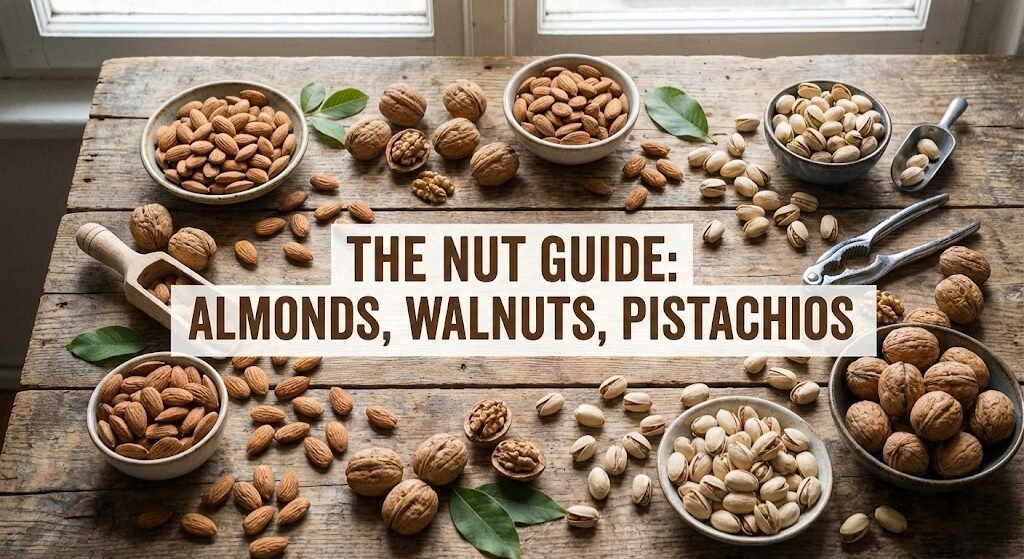
5 Best Nuts for Diabetics: The Ultimate Guide to Blood Sugar Control
Crunch your way to better health. We analyze the science behind the best nuts for stabilizing glucose, improving heart health, and managing weight.
For years, people with diabetes were told to fear fat. But modern nutritional science has flipped the script: healthy fats are not just safe; they are essential for managing blood sugar. Among the best sources of these healthy fats are nuts—nature’s tiny, nutrient-dense powerhouses.
But with so many options in the aisle, which ones actually move the needle on your A1C? Are cashews too carb-heavy? Do pistachios really help with insulin? The truth is, while almost all nuts are healthy, some are specifically superior for diabetic management due to their unique glycemic profiles and nutrient density.
In this guide, we reveal the 5 best nuts for diabetics based on the latest research. Whether you are looking for a snack to pair with your 3-day diabetic meal plan or need a heart-healthy topping for your morning oats, these selections are proven to support your health goals.
Why Nuts are a Diabetic Superfood
Nuts are a “trifecta” food: they contain fiber, protein, and healthy fats. This combination is the holy grail for diabetes management for several reasons:
- The “Brake” Effect: When you eat nuts alongside carbohydrates (like fruit or bread), the fat and protein slow down digestion. This acts like a brake on sugar absorption, preventing the rapid glucose spikes that usually occur after eating carbs alone.
- Magnesium Richness: Many diabetics are deficient in magnesium, a mineral crucial for insulin sensitivity. Nuts like almonds and cashews are among the best natural sources.
- Heart Health: Diabetics have a higher risk of cardiovascular disease. The monounsaturated fats in nuts help lower LDL (bad) cholesterol while maintaining HDL (good) cholesterol.
- Satiety: Nuts trigger satiety hormones, making you feel full longer. This helps prevent overeating, a key factor in weight management.
The Science: How Nuts Actually Control Blood Sugar
Understanding why nuts work so well for blood sugar management requires a brief look at the mechanisms behind glucose metabolism. Most diabetic dietary advice centers on what not to eat. Nuts are one of the few foods where the evidence consistently points to active benefits — not just neutrality.
Insulin Resistance: The Core Problem
In Type 2 diabetes, the fundamental problem is insulin resistance. Your pancreas produces insulin, but your muscle, fat, and liver cells stop responding to it properly. Think of insulin as a key and your cell receptors as locks. In insulin resistance, the locks become stiff — the key still fits, but it doesn’t turn as well. Glucose builds up in the bloodstream because it can’t efficiently enter cells.
Here is where nuts intervene. The monounsaturated and polyunsaturated fats found abundantly in almonds, walnuts, and pistachios have been shown to improve the fluidity of cell membranes. This improved membrane function directly enhances the sensitivity of insulin receptors — essentially oiling those stiff locks so the insulin key works better.
The Glycemic Index vs. Glycemic Load Distinction
Most food guides focus on the Glycemic Index (GI) — a measure of how quickly a food raises blood sugar on a scale from 0 to 100. All nuts score below 30, making them universally “low GI.” However, the Glycemic Index is measured in isolation. It doesn’t account for how much you actually eat.
That’s where Glycemic Load (GL) becomes the more practical tool. Glycemic Load equals GI multiplied by the number of grams of carbohydrate in a typical serving, divided by 100. A GL under 10 is considered low, 11–19 is medium, and 20+ is high.
Glycemic Load Formula
GL = (GI × grams of carbohydrate per serving) ÷ 100
Example with Almonds: GI ≈ 15, Net Carbs per oz ≈ 2.5g
GL = (15 × 2.5) ÷ 100 = 0.375 — essentially zero impact.
This is why even a diabetic who is watching every carb can eat a handful of almonds without concern. The GL is negligible.
Nuts and A1C: The Long-Term Evidence
Hemoglobin A1C (HbA1c) is the gold-standard measurement of average blood sugar over the past 2–3 months. Reducing A1C by even 1 percentage point significantly lowers the risk of diabetic complications, including eye disease, kidney damage, and nerve damage.
A landmark meta-analysis published in PLOS ONE reviewed multiple randomized controlled trials and found that tree nut consumption was associated with significant reductions in HbA1c and fasting blood glucose in people with Type 2 diabetes, particularly when nuts replaced refined carbohydrates or processed snacks in the diet. The effect was most pronounced in participants who consumed 50–100g of nuts per day (roughly 2–3 oz) over periods of 8 weeks or longer.
Another study in the European Journal of Clinical Nutrition found that adding two servings of nuts per day to the diet of patients with Type 2 diabetes led to a 0.27% reduction in A1C after three months — a clinically meaningful improvement for many patients.
The Magnesium Connection
One of the most underappreciated links between nuts and diabetes is magnesium. Research consistently shows that people with Type 2 diabetes have significantly lower magnesium levels than non-diabetics, and low magnesium is independently associated with greater insulin resistance and higher fasting glucose.
Magnesium acts as a cofactor for over 300 enzymatic reactions in the human body, many of which are involved in glucose metabolism and insulin signaling. In practical terms, a magnesium deficiency makes your insulin work less efficiently — exacerbating the core problem of Type 2 diabetes.
Almonds lead the nut world for magnesium content, providing around 19% of the daily value per ounce. Cashews follow closely. Just one ounce of almonds per day can meaningfully contribute to correcting a magnesium shortfall that may be blunting your insulin response.
Our Selection Criteria
To determine the top 5, we evaluated common nuts based on:
- Glycemic Index (GI): All selections must have a low GI (under 30) to ensure minimal impact on blood sugar.
- Carbohydrate Profile: We prioritized nuts with high fiber counts, which lowers the “net carb” impact.
- Cardiovascular Benefits: Given the link between diabetes and heart disease, we looked for nuts proven to improve lipid profiles.
- Research Backing: We only selected nuts with specific clinical studies supporting their benefits for metabolic health.
The 5 Best Nuts for Diabetes
Here are the top performers that deserve a permanent spot in your pantry.
1. Almonds
Best for Glucose ControlAlmonds are arguably the most researched nut when it comes to diabetes. A study published in the journal Metabolism showed that consuming almonds alongside a white-bread meal significantly lowered the post-meal blood sugar spike compared to eating bread alone.
They are packed with Vitamin E (a powerful antioxidant) and magnesium. Magnesium is vital because it helps your body use insulin effectively. Just one ounce of almonds provides nearly 20% of your daily magnesium needs.
Nutritional Snapshot (1 oz / ~23 nuts):
- Calories: 164
- Protein: 6g
- Net Carbs: 2.5g
- Fiber: 3.5g
- GI Score: ~0-15 (Very Low)
Pros
|
Cons
|
Verdict: The gold standard for diabetics. Keep a small container of raw almonds with you to ward off low blood sugar hunger pangs.

Blue Diamond Whole Natural Raw Almonds
Non-GMO, Heart Healthy, Perfect for snacking.
2. Walnuts
Best for Heart HealthIf you are concerned about heart disease—a major complication of diabetes—Walnuts are your best friend. They are the only nut with a significant amount of Alpha-Linolenic Acid (ALA), a plant-based Omega-3 fatty acid.
Research indicates that regular walnut consumption improves endothelial function (the health of your blood vessel linings). This is critical for diabetics, as high blood sugar can damage blood vessels over time. They are also softer than almonds, making them easier to eat for those with dental issues, a topic we cover in our guide for diabetic menus for the elderly.
Nutritional Snapshot (1 oz / ~14 halves):
- Calories: 185
- Protein: 4g
- Net Carbs: 2g
- Fiber: 2g
- Fat: 18.5g (High Omega-3)
Pros
|
Cons
|

3. Pistachios
Best for Portion ControlPistachios are unique because you can eat more of them per serving (about 49 nuts!) compared to other nuts. This visual volume is satisfying for those who feel restricted by small portion sizes.
Studies have found that pistachios have glucose-lowering effects. One study showed that people who ate pistachios daily had significantly lower blood sugar levels than those who didn’t. Plus, the act of shelling them slows down your eating speed, allowing your brain to register fullness before you overeat.
Nutritional Snapshot (1 oz / ~49 nuts):
- Calories: 159
- Protein: 6g
- Net Carbs: 5g
- Fiber: 3g
- GI Score: Low
Pros
|
Cons
|

Wonderful Pistachios, Roasted and Unsalted
Heart healthy, Plant protein, Shell-on for mindful snacking.
4. Peanuts
Best Budget OptionWhile technically a legume, Peanuts are nutritionally similar to tree nuts and are a fantastic, budget-friendly option for diabetics. They have an exceptionally low Glycemic Index (around 13), meaning they have almost no immediate impact on blood sugar.
Peanuts are higher in protein than most tree nuts (7g per ounce). This makes them highly satiating. Whether eaten whole or as natural peanut butter, they are a staple for low-income diabetic menus where cost-effective nutrition is key.
Nutritional Snapshot (1 oz / ~28 nuts):
- Calories: 161
- Protein: 7.3g
- Net Carbs: 2.2g
- Fiber: 2.4g
- GI Score: 13 (Extremely Low)
Pros
|
Cons
|

Planters Dry Roasted Peanuts (Unsalted)
Heart healthy, 7g protein per serving, Classic crunch.
5. Cashews
Best for Metabolic HealthCashews often get a bad rap for being “high carb,” but this is a misconception. While they have slightly more carbs than walnuts, their Glycemic Index is still low (around 25).
A 2018 study on Asian Indians with Type 2 diabetes found that those who consumed a cashew-enriched diet had lower systolic blood pressure and higher HDL (good) cholesterol levels after 12 weeks, with no negative impact on blood weight or blood sugar. Their rich, buttery texture makes them an excellent substitute for cream in vegan sauces.
Nutritional Snapshot (1 oz / ~18 nuts):
- Calories: 157
- Protein: 5g
- Net Carbs: 8g
- Fiber: 1g
- GI Score: ~25 (Low)
Pros
|
Cons
|

Terrasoul Superfoods Organic Raw Cashews
USDA Organic, Non-GMO, Perfect for healthy snacking.
Honorable Mentions: Other Diabetic-Friendly Nuts
While they didn’t crack our top five primary recommendations, these nuts deserve attention. Each has meaningful evidence for blood sugar benefits and should be considered as part of a varied nut intake strategy.
🌰 Pecans — Best for Lowest Net Carbs
Pecans are arguably the most overlooked nut for diabetics. Per ounce, they contain just 1g of net carbs — the lowest of any nut. Their fat profile is dominated by oleic acid, the same monounsaturated fatty acid that makes olive oil heart-healthy.
Pecans are an excellent source of manganese, a trace mineral that plays a key role in the enzyme systems responsible for glucose metabolism. One ounce of pecans provides approximately 60% of the daily recommended intake of manganese. They are also rich in gamma-tocopherol, a form of Vitamin E with potent anti-inflammatory properties that may protect against diabetic oxidative stress.
A study from Loma Linda University found that people who ate pecans regularly had significantly lower risk of Type 2 diabetes compared to non-consumers. Pecans’ only downside is that they are high in calories (~196 per oz), so strict portion awareness is necessary.
Best use: Salad topping, low-carb baking, mixed into Greek yogurt.
Net Carbs: 1g | Calories: 196 | Fiber: 2.7g | GI: Very Low
🥜 Macadamia Nuts — Best for Insulin Sensitivity
Macadamia nuts are the richest nut in monounsaturated fats, surpassing even olive oil on a per-gram basis. They also have an exceptionally low carbohydrate content — only 1.5g net carbs per ounce. This makes them an ideal choice for very low-carb and ketogenic dietary approaches to diabetes management.
A 2003 study published in the Journal of Nutrition found that a diet rich in macadamia nuts significantly reduced total cholesterol and LDL cholesterol compared to a typical American diet. More importantly for diabetics, the high ratio of monounsaturated to saturated fat is directly associated with improved insulin sensitivity at the cellular level.
The caveat: macadamia nuts are expensive and extremely calorie-dense at 204 calories per ounce. They also have less protein than almonds or peanuts, so they are less satiating by calorie. Think of them as an occasional premium treat rather than a daily snack staple.
Best use: Low-carb trail mix, coconut-macadamia crusted fish, or blended into smoothies.
Net Carbs: 1.5g | Calories: 204 | Fiber: 2.4g | GI: Very Low
🌰 Hazelnuts — Best for Polyphenol Antioxidants
Hazelnuts (also called filberts) are one of the richest sources of plant-based antioxidants, particularly proanthocyanidins — the same polyphenols found in dark chocolate and grape skin. These compounds have demonstrated the ability to reduce oxidative stress and inflammation, two driving forces behind the complications of diabetes.
Like almonds, hazelnuts are rich in Vitamin E, providing about 28% of the daily value per ounce. Vitamin E functions as an antioxidant that specifically protects LDL cholesterol from oxidation — a crucial benefit since oxidized LDL is more dangerous for cardiovascular health than LDL alone, and diabetics are at disproportionately high cardiovascular risk.
Hazelnuts provide 3g of fiber per ounce and just 2g of net carbs, placing them firmly in the low-glycemic category. They are also one of the few nuts commonly available in a sugar-free paste form (hazelnut butter), which can be a useful spread alternative for diabetic meal planning — provided you avoid commercial varieties like Nutella, which is largely sugar.
Best use: Salad topping, homemade hazelnut butter, or mixed with dark chocolate (70%+) for a diabetic-friendly treat.
Net Carbs: 2g | Calories: 178 | Fiber: 3g | GI: Low
🌲 Pine Nuts — Best for Appetite Suppression
Pine nuts are unique in containing pinolenic acid, a fatty acid that stimulates the release of cholecystokinin (CCK), a powerful appetite-suppressing hormone. For diabetics managing weight — a critical factor in glucose control — this appetite-suppressing effect can be a valuable dietary tool.
They are also a good source of zinc, magnesium, and Vitamin K. While pine nuts have a higher net carb count than pecans or macadamia nuts (about 2.5g per ounce), their overall metabolic effect remains favorable. The primary disadvantage is cost: pine nuts are typically the most expensive nut per pound. They are best used as a flavor accent rather than a primary snacking nut.
Best use: Homemade pesto, salad topping, or garnish on roasted vegetables.
Net Carbs: 2.5g | Calories: 191 | Fiber: 1g
Comparison: Nutrient Profile per 1oz (28g)
| Nut Type | Calories | Protein | Net Carbs | Fiber | Primary Benefit |
|---|---|---|---|---|---|
| Almonds | 164 | 6g | 2.5g | 3.5g | Spike Reduction |
| Walnuts | 185 | 4g | 2g | 2g | Heart / Omega-3s |
| Pistachios | 159 | 6g | 5g | 3g | Volume / Satiety |
| Peanuts | 161 | 7g | 2.2g | 2.4g | Budget / Protein |
| Cashews | 157 | 5g | 8g | 1g | BP / Cholesterol |
| Pecans | 196 | 2.6g | 1g | 2.7g | Lowest Net Carbs |
| Macadamia | 204 | 2.2g | 1.5g | 2.4g | Insulin Sensitivity |
| Hazelnuts | 178 | 4.2g | 2g | 3g | Antioxidants / Vit E |
Understanding Glycemic Load: The Number That Actually Matters
The Glycemic Index has dominated diabetes dietary advice for decades, but nutritional scientists increasingly argue it’s an incomplete picture. The Glycemic Load (GL) is the more actionable metric because it tells you what will actually happen to your blood sugar when you eat a realistic portion of food.
Consider watermelon: it has a high Glycemic Index of approximately 72. This led to the misguided advice that diabetics should avoid watermelon. But a typical serving of watermelon (about 120g) contains only 6g of carbohydrate. The Glycemic Load is therefore (72 × 6) ÷ 100 = 4.3 — very low. A small slice of watermelon will barely move the glucose needle.
The same logic applies to nuts in reverse. Some people see that cashews have a higher GI than almonds and conclude cashews are “bad for diabetics.” But cashews’ Glycemic Load per typical serving remains very low. The practical takeaway is that no common raw nut, eaten in appropriate portions, will cause a significant blood sugar spike.
| Nut | Glycemic Index | Net Carbs (1oz) | Glycemic Load | Blood Sugar Impact |
|---|---|---|---|---|
| Almonds | ~15 | 2.5g | 0.4 | Negligible |
| Walnuts | ~15 | 2g | 0.3 | Negligible |
| Peanuts | 13 | 2.2g | 0.3 | Negligible |
| Pistachios | ~18 | 5g | 0.9 | Negligible |
| Cashews | 25 | 8g | 2.0 | Very Low |
| White Bread (comparison) | 70 | 25g | 17.5 | High |
Which Nuts Are Best for Your Type of Diabetes?
Not all diabetes is the same, and the optimal nut strategy may differ slightly depending on your diagnosis, medication, and metabolic goals. Here’s a tailored breakdown.
Type 1 Diabetes
In Type 1, the pancreas produces no insulin and all glucose control is managed through injected or pumped insulin. The primary concern with nuts here is carbohydrate counting for accurate insulin dosing.
Best choices: Walnuts, pecans, and macadamia nuts — all under 2g net carbs per ounce, making insulin calculations simpler and more predictable.
Tip: Because nuts are nearly zero-carb, many Type 1 diabetics count them as a “free food” that doesn’t require insulin coverage. Confirm this approach with your endocrinologist.
Type 2 Diabetes
This is where nuts shine most broadly. The combination of insulin-sensitizing fats, magnesium, and fiber addresses the root cause of Type 2 — insulin resistance — rather than just managing symptoms.
Best choices: Almonds for post-meal spike control, walnuts for cardiovascular protection, peanuts for cost-effective daily snacking. Aim for a rotation of 2–3 different nuts per week to maximize micronutrient diversity.
Tip: Replace your afternoon processed snack (crackers, pretzels, chips) with a 1-oz portion of mixed nuts. This single substitution can significantly improve your daily glycemic trajectory.
Prediabetes
Prediabetes is a critical intervention window. At this stage, the pancreas still functions well enough that lifestyle changes can fully reverse the trajectory to Type 2 diabetes. Nuts are among the most powerful dietary tools for this reversal.
Best choices: Any nut, daily. The evidence strongly supports that people with prediabetes who regularly consume nuts are significantly less likely to progress to Type 2 diabetes. Focus on building the habit rather than optimizing the type.
Tip: Pair nut consumption with daily walking. The combination of the insulin-sensitizing fats in nuts and the glucose-transporting effect of muscle contraction during exercise is synergistic.
Gestational Diabetes
Gestational diabetes (GDM) develops during pregnancy and requires careful blood sugar management to protect both mother and baby. The nutrient density of nuts — folate, magnesium, healthy fats for fetal brain development — makes them especially valuable in this context.
Best choices: Walnuts (for ALA Omega-3, which supports fetal neurological development) and almonds (for folate and magnesium). Avoid heavily salted varieties due to blood pressure concerns common in late pregnancy.
Important: Always coordinate dietary changes during pregnancy with your OB-GYN or registered dietitian. Gestational diabetes management is closely monitored, and what works for Type 2 may need adjustment for GDM.
The Anti-Inflammatory Power of Nuts
Chronic low-grade inflammation is now understood to be a central driver of both the development and progression of Type 2 diabetes. Inflammatory cytokines — proteins secreted by immune cells — directly interfere with insulin receptor signaling. In other words, chronic inflammation is not just a symptom of metabolic dysfunction; it actively causes insulin resistance.
Nuts are among the most potent dietary sources of anti-inflammatory compounds. Their mechanisms are multiple and overlapping:
Polyphenols: Nature’s Anti-Inflammatory Agents
Polyphenols are plant secondary metabolites with powerful antioxidant and anti-inflammatory effects. Nuts are concentrated sources of several important polyphenol families:
- Ellagitannins (Walnuts): When gut bacteria metabolize walnut ellagitannins, they produce urolithins — compounds with potent anti-inflammatory properties that may protect against metabolic syndrome.
- Resveratrol (Peanuts): Yes, peanuts contain resveratrol — the same compound found in red wine. Resveratrol activates sirtuins, proteins involved in metabolic regulation and cellular stress resistance.
- Proanthocyanidins (Almonds, Hazelnuts): These flavonoids inhibit the NF-κB inflammatory pathway — one of the key molecular switches for chronic inflammation that underlies insulin resistance.
- Luteolin & Zeaxanthin (Pistachios): These carotenoids are particularly concentrated in pistachios. Beyond eye health, they function as antioxidants that reduce oxidative stress in vascular tissue — protecting blood vessels damaged by chronic hyperglycemia.
Omega-3 Fatty Acids and the Inflammatory Balance
The Western diet typically has an Omega-6 to Omega-3 ratio of around 15:1 or higher. Research suggests the ideal ratio for minimizing inflammation is closer to 4:1 or 2:1. This imbalance — driven by processed vegetable oils in packaged foods — contributes significantly to the inflammatory state that drives insulin resistance.
Walnuts are the most powerful nut-based intervention for correcting this ratio. Their ALA (Alpha-Linolenic Acid) content is the highest of any nut at approximately 2.5g per ounce. While ALA is less bioavailable than EPA and DHA (the Omega-3s in fish), it still contributes meaningfully to the anti-inflammatory dietary balance. For vegetarians and vegans with diabetes who avoid fish, walnuts are the single most important food for Omega-3 intake.
Nuts in the Mediterranean & DASH Diets for Diabetes
Two dietary patterns have the strongest evidence base for diabetes prevention and management: the Mediterranean diet and the DASH (Dietary Approaches to Stop Hypertension) diet. Both prominently feature nuts as a core component. Understanding where nuts fit within these frameworks can help you build a more comprehensive dietary strategy.
The Mediterranean Diet
The Mediterranean diet consistently ranks among the top dietary patterns for metabolic health. It emphasizes vegetables, fruits, legumes, whole grains, fish, and olive oil, with nuts as a key snack and garnish component. Red meat is limited, and dairy is consumed in moderation.
The PREDIMED study — one of the largest and most rigorous nutrition trials ever conducted — randomized over 7,400 participants to either a low-fat diet or a Mediterranean diet supplemented with either extra-virgin olive oil or mixed nuts. The nut-supplemented Mediterranean diet group showed a 52% reduction in the incidence of Type 2 diabetes over the study period, compared to the low-fat control group. The olive oil group also showed benefit, but the nut group’s result was particularly striking.
Within the Mediterranean dietary framework, nuts typically serve as:
- Afternoon or mid-morning snack (replacing processed crackers or cookies)
- Salad topping (replacing high-sodium croutons)
- Breakfast component mixed into yogurt or oats
- Cooking ingredient in stews, sauces, and grain dishes
The DASH Diet
Originally designed to lower blood pressure, the DASH diet has strong secondary evidence for improving blood glucose and insulin sensitivity. Nuts and legumes are explicitly recommended in the DASH framework — typically 4–5 servings per week of nuts, seeds, or legumes.
The DASH diet’s emphasis on foods rich in potassium, magnesium, and calcium aligns perfectly with the micronutrient profile of nuts. The high magnesium content of almonds and cashews directly supports the diet’s goal of reducing blood pressure through dietary means rather than medication.
For diabetics with hypertension — a combination that affects roughly two-thirds of people with Type 2 diabetes — following a DASH-Mediterranean hybrid diet with daily nut consumption addresses both conditions simultaneously.
When to Eat Nuts: The Timing Strategy for Maximum Blood Sugar Benefit
The timing of nut consumption is often overlooked in generic dietary advice. But for diabetics, when you eat nuts can be almost as important as which nuts you eat. Different timing strategies serve different glucose management goals.
Before Breakfast
Eating 6–8 almonds 15 minutes before breakfast (especially before a higher-carb meal like oatmeal) has been shown to blunt the post-meal glucose rise. The fat and protein create a slower digestion environment before the carbs arrive.
Best nut: Almonds
With Meals
Adding nuts directly to meals rather than eating them separately produces the greatest glycemic benefit. Crushed walnuts in a salad or peanuts in a stir-fry add protein and fat that uniformly slow the entire meal’s glucose absorption.
Best nuts: Walnuts, Peanuts
Afternoon Snack (2–4 PM)
Post-lunch blood sugar often peaks around 1–2 hours after eating, then drops, creating afternoon energy crashes. A 1-oz nut snack at 2–3 PM helps smooth this curve and prevents the carb cravings that often derail evening eating patterns.
Best nut: Pistachios (volume satisfies snack craving)
Pre-Exercise
Eating nuts 30–45 minutes before moderate exercise provides a slow-releasing fuel source. This is especially useful for diabetics prone to hypoglycemia during exercise, as the sustained fat and protein energy prevents blood sugar from dropping too quickly during activity.
Best nut: Peanut butter (easy to carry, fast to consume)
Before Bed
A small portion of nuts before sleep can help counteract the “dawn phenomenon” — the natural rise in blood sugar during early morning hours driven by hormonal surges. See the detailed Night Snacking section below.
Best nut: Walnuts (also support sleep via melatonin)
Nuts as a Bedtime Snack for Diabetics: The Night Snacking Guide
The question of whether diabetics should eat before bed is one of the most debated in diabetes management. The answer depends significantly on your overnight glucose patterns, your medications, and whether you experience the dawn phenomenon.
Understanding the Dawn Phenomenon
Between approximately 2 AM and 8 AM, the body naturally releases cortisol, growth hormone, and glucagon — hormones that signal the liver to release stored glucose in preparation for waking. In people without diabetes, compensatory insulin release keeps this in check. In diabetics, this hormonal surge can cause morning blood sugar to be significantly higher than it was at bedtime — sometimes by 30–50 mg/dL or more.
A strategic bedtime snack can help. When the liver receives a signal that there are circulating nutrients (from a small protein and fat snack), it reduces its overnight glucose output. Think of it like telling the liver: “We’re already fed — don’t release emergency glucose stores.”
The Ideal Bedtime Nut Snack
The ideal pre-bed nut snack for a diabetic has these characteristics: high in protein and fat, very low in fast carbohydrates, and small enough in total calories not to significantly affect weight. A handful of walnuts (about 7–8 halves) or 10–12 almonds meets all these criteria.
Suggested Bedtime Snack Combinations
- 10 almonds + 1 tbsp natural peanut butter on celery stick — high protein, zero net carb from vegetables
- 7 walnut halves + small cube of cheddar cheese — fat and protein combo, excellent for overnight stability
- 1/4 cup pistachios + a few olives — Mediterranean-style, satisfying, zero blood sugar impact
- 1 tbsp almond butter + sugar-free dark chocolate (1 square) — satisfies sweet cravings without glucose impact
Walnuts have an additional bedtime benefit: they are one of the few food sources of melatonin, the sleep hormone. Research suggests that eating walnuts may increase blood melatonin levels, which could support better sleep quality — itself a crucial but often overlooked factor in blood sugar management. Poor sleep independently raises cortisol and impairs insulin sensitivity the following day.
The Complete Buying Guide: Raw vs. Roasted vs. Sprouted vs. Organic
Walking down the nut aisle, you’ll encounter a bewildering array of options: raw, dry-roasted, oil-roasted, salted, unsalted, blanched, sprouted, activated, organic, conventional. For a diabetic shopper, these distinctions matter more than they do for the average consumer. Here’s a definitive guide.
| Type | Nutritional Impact | Blood Sugar Impact | Recommendation |
|---|---|---|---|
| Raw Unsalted | Maximum nutrient retention. All natural enzymes and vitamins intact. Highest in omega-3s and antioxidants. | Optimal — no additives to alter glycemic response. | Best Choice |
| Dry-Roasted Unsalted | Modest reduction in some heat-sensitive nutrients (Omega-3s, Vitamin E). Protein and fiber unchanged. Maillard reaction creates new flavor compounds. | Essentially the same as raw for blood sugar purposes. | Excellent Choice |
| Dry-Roasted Salted | Same as dry-roasted, but added sodium (often 90–150mg per oz). Concern for hypertension common in diabetics. | No direct glucose impact, but blood pressure concern. | Acceptable in moderation |
| Oil-Roasted | Adds 20–40 extra calories per oz. Roasting oil quality varies — some brands use palm oil or partially hydrogenated oils. | The added oil itself has low GI. Concern is trans fat if hydrogenated oils are used. | Read ingredients first |
| Honey-Roasted / Glazed | Added sugar: 4–8g per oz depending on brand. Significantly alters glycemic profile. | Can spike blood sugar. Avoid. | Avoid |
| Sprouted / Activated | Soaking and sprouting reduces phytic acid (improves mineral absorption), reduces tannins (improves digestibility), and partially breaks down enzyme inhibitors. Some increase in available nutrients. | Minimal difference from raw for blood sugar. May improve digestion, reducing bloating. | Worth it if digestion is an issue |
| Organic | Grown without synthetic pesticides. No significant difference in macronutrient or micronutrient profile compared to conventional. | No glycemic difference from conventional. | Personal preference |
| Chocolate-Covered | Can add 8–20g of sugar per oz depending on coating. Milk chocolate coatings are high-sugar. Dark chocolate (85%+) is far better. | Milk chocolate versions will spike blood sugar. Avoid. | Avoid (milk chocolate) |
What to Check on the Label
When purchasing nuts for diabetes management, train yourself to scan three things on the nutrition label:
- Ingredients list: Should contain only the nut name and optionally “salt.” Any added oils, sugars, maltodextrin, honey, or syrup are red flags.
- Sodium per serving: Aim for under 100mg per oz (ideally zero). Lightly salted is acceptable; heavily salted is not.
- Total sugars vs. added sugars: Any “added sugars” above 0g means sweeteners were used in processing. For diabetic snacking, added sugars should be zero.
Nut Storage Guide: Keeping Your Nuts Fresh and Safe
Storing nuts correctly is not just about freshness — it’s a health issue. Rancid nuts contain harmful oxidized fats (lipid peroxides) that increase oxidative stress in the body, counteracting exactly the antioxidant benefits you’re trying to get. Poorly stored nuts can also harbor dangerous aflatoxin molds, especially peanuts.
| Nut | Room Temp (Pantry) | Refrigerator | Freezer | Key Risk |
|---|---|---|---|---|
| Almonds | Up to 1 year (sealed) | Up to 2 years | Up to 4 years | Low (stable fats) |
| Walnuts | 2–4 weeks only | Up to 6 months | Up to 1 year | High (omega-3s oxidize quickly) |
| Pistachios | Up to 3 months (shell on) | Up to 6 months | Up to 1 year | Medium (moisture absorption) |
| Peanuts | 1–2 months (shelled) | Up to 6 months | Up to 1 year | Aflatoxin mold (buy major brands only) |
| Cashews | 2–4 weeks (opened) | Up to 6 months | Up to 1 year | Medium (go rancid fairly quickly) |
| Pecans | Up to 2 months | Up to 9 months | Up to 2 years | Low-medium |
The Sniff Test: How to Detect Rancid Nuts
Fresh nuts have a clean, nutty, or slightly sweet smell. Rancid nuts smell sharp, sour, paint-like, or chemically “off” — similar to old cooking oil. The texture may also feel slightly tacky or greasy. If in doubt, discard them. The oxidized fats in rancid nuts are pro-inflammatory and counterproductive for diabetes management. Never eat rancid nuts to “not waste them” — the health cost exceeds the food cost.
Storage Best Practices: Always store nuts in airtight glass or BPA-free containers. Avoid storing near heat sources (ovens, stovetops) or in direct sunlight, as heat and light accelerate oxidation. If you buy nuts in bulk, keep a small working supply in a pantry jar (1–2 weeks’ worth) and store the rest in the freezer. Nuts can be eaten directly from the freezer or thawed at room temperature for 15 minutes.
Incorporating Nuts Into Your Diabetic Meal Plan
The most effective way to leverage the blood sugar benefits of nuts is to integrate them systematically across your day rather than treating them as an occasional snack. Here is a practical framework for weaving nuts into every eating occasion.
🌅 Breakfast
- 2 tbsp almond butter stirred into plain Greek yogurt with berries
- Crushed walnuts sprinkled over steel-cut oats (replaces maple syrup sweetness with toasty richness)
- Almond flour pancakes (swap traditional flour entirely)
- Handful of pistachios alongside a veggie omelet
☕ Mid-Morning Snack
- 10–12 raw almonds (keep pre-portioned in a small container)
- 1 tbsp peanut butter on celery sticks
- Mixed nut blend with pumpkin seeds (1 oz total)
🥗 Lunch
- Crushed walnuts or pecans in any leafy green salad (fat helps absorb fat-soluble vitamins from greens)
- Almond-crusted chicken (ground almonds as breading)
- Peanut-dressed Asian slaw (natural peanut butter-based dressing)
- Pine nuts and cashews in a grain bowl
🕐 Afternoon Snack
- 49 in-shell pistachios (the gold standard — volume keeps you satisfied)
- Trail mix: almonds + pumpkin seeds + dark chocolate chips
- Walnut halves + string cheese
🍽️ Dinner
- Walnut-crusted salmon (walnuts + omega-3s from fish = double cardiovascular protection)
- Cashew cream sauce over zucchini noodles
- Hazelnut-roasted Brussels sprouts
- Ground peanuts in low-sugar satay sauce with grilled chicken
🌙 Bedtime Snack
- 7 walnut halves (melatonin + overnight blood sugar stability)
- 10 almonds + 1 oz cheddar
- 1 tbsp almond butter, no accompaniment needed
Weekly Nut Rotation Strategy
Rather than eating the same nut every day, nutritionists recommend a rotation strategy to maximize micronutrient diversity. Each nut has a unique micronutrient fingerprint — almonds lead for Vitamin E and magnesium; walnuts lead for Omega-3s; peanuts lead for protein and arginine; pistachios lead for lutein and complete protein. Eating only one type misses the benefits of the others.
A practical rotation: almonds on Monday, Wednesday, Friday; walnuts on Tuesday, Thursday; mixed peanuts and pistachios on weekends. This provides a full spectrum of benefits without decision fatigue.
Peanut Butter for Diabetics: A Complete Brand and Type Guide
Peanut butter is one of the most beloved foods in the diabetic pantry — and one of the most frequently ruined by poor purchasing decisions. The difference between natural peanut butter and commercial peanut butter is more significant than most people realize for blood sugar management.
What Makes Peanut Butter Diabetic-Friendly (or Not)
True natural peanut butter contains exactly two ingredients: peanuts and salt (or just peanuts). The macronutrient profile is nearly identical to whole peanuts — low GI, high protein, healthy fats, minimal impact on blood sugar.
Commercial peanut butter brands (even “trusted” ones like Jif Original or Skippy Creamy) typically add:
- Fully hydrogenated vegetable oils — added to prevent oil separation and extend shelf life. While these are not trans fats (they’re fully, not partially hydrogenated), they do add saturated fat that was not in the original peanut.
- Added sugar — typically 3–4g per 2-tablespoon serving. While this sounds small, it adds up meaningfully across daily consumption and is entirely unnecessary from a nutritional standpoint.
- Molasses or corn syrup solids — used in some “natural-style” commercial brands that still want sweetness without listing “sugar.”
Peanut Butter Type Comparison
| Type | Added Sugar | Additives | Diabetic Rating |
|---|---|---|---|
| Natural (peanuts + salt only) | 0g | None | Excellent |
| Unsweetened commercial (e.g., Smucker’s Natural) | 0–1g | Palm oil only | Very Good |
| Standard commercial (Jif, Skippy) | 3–4g | Hydrogenated oil, sugar | Acceptable in moderation |
| Reduced-fat peanut butter | 5–6g (fat replaced with sugar/starch) | Corn syrup solids, maltodextrin | Avoid — worse for diabetics |
| Honey-roasted peanut butter | 6–9g | Honey, sugar | Avoid |
| Almond butter (natural) | 0g | None | Excellent alternative |
Practical tip: Look for the oil layer on top as a sign of quality. Natural peanut butter separates because it contains no emulsifiers — the oil pooling at the top is normal and a sign of an unadulterated product. Store with the lid on in the refrigerator after opening to prevent rancidity (natural nut butters oxidize faster than commercial versions because they lack preservatives).
5 Diabetic-Friendly Nut Recipes (Low-Carb, Blood Sugar Safe)
Eating the same handful of plain almonds every day gets old fast. These recipes incorporate the best nuts for diabetics in creative ways that make healthy eating sustainable and genuinely delicious.
1. Almond-Crusted Chicken Tenders
Ingredients: 1 lb chicken breast strips, 1 cup raw almonds (finely ground in food processor), 1 egg beaten, 1 tsp garlic powder, 1 tsp paprika, salt and pepper to taste, olive oil spray.
Method: Mix ground almonds with garlic powder, paprika, salt, and pepper. Dip each chicken strip in beaten egg, then coat thoroughly in almond meal. Arrange on a baking sheet and spray lightly with olive oil. Bake at 400°F (200°C) for 18–20 minutes, flipping once, until golden and internal temperature reaches 165°F.
Why it works for diabetics: Ground almonds replace breadcrumbs entirely, eliminating the refined starch that would spike blood sugar. The result is a higher-protein, lower-carb version with more micronutrients per bite.
2. Walnut-Dressed Spinach Salad with Berries
Ingredients: 3 cups baby spinach, 1/4 cup walnut halves, 1/2 cup fresh blueberries or strawberries, 2 oz crumbled feta, 2 tbsp extra-virgin olive oil, 1 tbsp apple cider vinegar, 1 tsp Dijon mustard, black pepper.
Method: Whisk together olive oil, apple cider vinegar, and Dijon mustard for dressing. Season with pepper. Toss spinach with berries, feta, and walnuts. Drizzle dressing and serve immediately.
Why it works for diabetics: The walnut fat and olive oil in the dressing help absorb the fat-soluble vitamins (K, A, E) from spinach. The combination of antioxidants from berries and the anti-inflammatory Omega-3s from walnuts makes this salad a blood sugar and heart health double-play.
3. No-Bake Pistachio Protein Balls
Ingredients: 1 cup shelled unsalted pistachios, 1/2 cup almond flour, 2 tbsp natural peanut butter, 1/4 cup unsweetened shredded coconut, 1 tbsp chia seeds, 2 tbsp sugar-free dark chocolate chips, 1–2 tbsp water (to bind).
Method: Pulse pistachios in food processor until coarsely ground (leave some texture). Combine all ingredients in a bowl. Add water one tablespoon at a time until mixture holds together. Roll into 12 equal balls and refrigerate for at least 30 minutes before eating.
Why it works for diabetics: Every ingredient has negligible glycemic impact. These balls combine the glucose-lowering properties of pistachios with the protein of almond flour and the satiety-extending power of peanut butter and chia seeds. Perfect as a pre-workout snack or afternoon stabilizer.
4. Creamy Cashew Cauliflower Soup
Ingredients: 1 large head cauliflower (cut into florets), 1/2 cup raw cashews (soaked 4 hours in water, drained), 1 medium onion (diced), 3 garlic cloves, 4 cups low-sodium vegetable broth, 1 tbsp olive oil, cumin, turmeric, black pepper to taste.
Method: Sauté onion and garlic in olive oil until soft. Add cauliflower and broth. Simmer 20 minutes until cauliflower is tender. Transfer to blender with soaked cashews. Blend until completely smooth. Season with cumin, turmeric, and pepper. Return to pot to heat through.
Why it works for diabetics: Soaked cashews replace heavy cream, adding creaminess, zinc, and plant protein without the saturated fat spike. Cauliflower is one of the lowest-carb vegetables, and turmeric adds anti-inflammatory curcumin to the dish.
5. Peanut Butter Chia Overnight Oats
Ingredients: 1/3 cup rolled oats, 1 cup unsweetened almond milk, 1 tbsp natural peanut butter, 1 tbsp chia seeds, 1/2 tsp cinnamon, 1/4 cup fresh blueberries, a few crushed walnuts for topping.
Method: Combine oats, almond milk, peanut butter, chia seeds, and cinnamon in a jar. Stir well, seal, and refrigerate overnight (minimum 6 hours). In the morning, stir again, top with blueberries and crushed walnuts.
Why it works for diabetics: The peanut butter and chia seeds dramatically slow the digestion of the oats, converting what would be a moderate-GI breakfast into a low-GI, sustained-energy meal. Beta-glucan fiber from oats combines with the protein-fat matrix of peanut butter for exceptional glucose control. Cinnamon adds additional blood sugar modulation benefits.
Nuts for Diabetics Who Exercise: The Athlete’s Guide
Exercise is one of the most powerful blood sugar management tools available — in some cases, as effective as medication. But exercise also creates unique nutritional considerations for diabetics, particularly around hypoglycemia risk and recovery nutrition. Nuts play a specific and valuable role in the exercising diabetic’s diet.
Before Exercise: Preventing Hypoglycemia
Physical activity makes muscle cells take up glucose independently of insulin, which can cause blood sugar to drop rapidly during and after exercise — a risk especially for those on insulin or sulfonylureas. Eating a small amount of protein and fat (such as 1 tablespoon of peanut butter) 30–45 minutes before moderate-intensity exercise provides a stabilizing buffer without causing a glucose spike that would require insulin correction.
The goal is not to significantly raise blood sugar before exercise, but to provide a sustained energy substrate that prevents it from dropping dangerously low during activity. The slow-digesting fat and protein in nuts is ideal for this purpose. Avoid high-carb pre-workout snacks (fruit, energy gels, sports drinks) unless your pre-exercise blood sugar is already low (under 100 mg/dL).
After Exercise: Recovery Nutrition
Post-exercise, muscles are highly insulin-sensitive and actively drawing glucose from the blood for glycogen replenishment. This is actually a beneficial window — blood sugar naturally drops after exercise. However, for diabetics who train intensely, delayed hypoglycemia can occur 6–12 hours after exercise as the body continues restoring glycogen stores.
A small post-workout snack containing nuts alongside a modest carbohydrate source (10–15g) helps support glycogen replenishment while preventing the delayed hypoglycemia that can occur during sleep after an evening workout. A good option: 1 small banana (15g carbs) + 10 almonds (protein + fat to slow glucose absorption).
Long-Duration Activity: Trail Mix Strategy
For hiking, cycling, or other extended activity exceeding 60 minutes, a thoughtfully designed trail mix can serve as an on-the-move glucose management tool. The key is balancing fast-acting carbohydrates for immediate fuel with slow-releasing nuts for sustained energy and glucose stability.
Diabetic Athlete Trail Mix Formula
- 50% base: raw almonds and walnuts (slow energy, anti-inflammatory)
- 30% fast fuel: raisins or dried cranberries (for brief glucose top-ups when needed)
- 20% accent: pumpkin seeds and a few dark chocolate chips (70%+ cocoa)
This blend provides both the sustained energy of nuts and the rapid carbohydrate availability needed if blood sugar drops during extended exercise. Monitor blood glucose every 45–60 minutes during prolonged activity.
Nuts and Gestational Diabetes: A Special Consideration
Gestational diabetes mellitus (GDM) affects approximately 6–9% of pregnancies and, if not well-managed, increases risks of preeclampsia, cesarean delivery, large-for-gestational-age infants, and neonatal hypoglycemia. Maternal blood sugar control is critical — and nuts can be a valuable dietary ally.
The nutrient requirements of pregnancy align remarkably well with what nuts provide. Folate — found in peanuts — is critical for fetal neural tube development. The ALA Omega-3s in walnuts support fetal brain and retinal development during the third trimester. Magnesium from almonds supports healthy blood pressure regulation, reducing preeclampsia risk. Zinc from cashews supports fetal immune system development.
A key challenge in GDM management is that standard diabetic dietary advice (minimize carbohydrates) must be balanced against fetal energy needs. Completely eliminating carbohydrates in pregnancy is not recommended. Nuts fit perfectly into this balance: they add caloric density, protein, and healthy fats without a carbohydrate burden, supporting maternal nutrition while keeping blood glucose stable.
Diabetic Kidney Disease (Nephropathy): Special Nut Considerations
Diabetic nephropathy — kidney damage caused by chronic hyperglycemia — is one of the leading causes of end-stage renal disease worldwide. As kidney function declines, dietary management becomes increasingly complex. Nutrients that are perfectly healthy for people with normal kidney function can become problematic when the kidneys can no longer efficiently filter waste.
Phosphorus and Potassium Concerns
Nuts are relatively high in both phosphorus and potassium. In people with advanced CKD (Chronic Kidney Disease, stages 3b–5), elevated phosphorus leads to bone disease and cardiovascular calcification, while elevated potassium can cause dangerous heart arrhythmias.
For diabetics with early-stage kidney disease (stages 1–3a, eGFR above 45), nut consumption within typical portions (1 oz/day) is generally well-tolerated. For those with more advanced CKD, the potassium and phosphorus content of nuts must be factored into dietary tracking and may need to be limited under the guidance of a renal dietitian.
Protein in CKD
In more advanced kidney disease, high protein intake can accelerate kidney function decline. Because nuts contain moderate protein, very high nut consumption (more than 2 oz per day) may need to be moderated in CKD patients. This is an area where individual renal dietitian guidance is non-negotiable.
Blood Sugar Monitoring Protocol After Eating Nuts
One of the most empowering practices for any diabetic is personalized blood sugar monitoring around food. Continuous Glucose Monitors (CGMs) have made this far easier than ever — you can now see in real time exactly how your blood sugar responds to specific foods. For nuts, the expected response is quite predictable, but individual variation exists.
What to Expect When Eating Nuts Alone
When eaten alone (as a standalone snack, not with other foods), a 1-oz serving of any nut on this list should produce minimal blood glucose change — typically a rise of less than 10 mg/dL at peak, and often no measurable rise at all. If you are seeing larger spikes (over 20 mg/dL) after eating plain nuts, consider:
- Whether you accidentally purchased sweetened or honey-roasted nuts
- Whether you are eating significantly more than 1 oz
- Whether the measurement timing is off (glucose peaks 60–90 minutes after eating)
- Individual metabolic variation (rare but possible — some people respond differently to high-fat foods)
What to Expect When Eating Nuts with Other Foods
The blood sugar blunting effect of nuts is most dramatic when they are eaten alongside other foods. Studies show that adding 1 oz of almonds to a high-GI meal can reduce the post-meal glucose peak by 20–30% and delay the time-to-peak by 30–45 minutes. This “brake effect” is measurable with CGM and can be a motivating confirmation of the biology discussed earlier in this article.
If you have a CGM, try this experiment: eat a 1-oz bag of crackers alone one day and record the glucose response. The following day, eat the same crackers alongside 10 almonds. The difference in the glucose curve is often dramatic and personally convincing.
Nuts and Weight Loss in Diabetes Management
The relationship between nuts and weight loss appears paradoxical at first glance: nuts are calorie-dense, yet study after study shows that regular nut consumers tend to weigh less than non-nut consumers. This counterintuitive finding has been replicated across many populations and is now well-established in the nutrition literature.
Several mechanisms explain this paradox:
- Incomplete fat absorption: The cell walls of whole nuts are not fully broken down during digestion. Studies using fecal fat analysis show that 5–20% of the fat calories in nuts pass through the digestive system unabsorbed, meaning you do not actually absorb all the calories listed on the label.
- Satiety hormones: Nuts stimulate the release of peptide YY and cholecystokinin — two hormones that suppress appetite. The protein and fat in nuts are also more satiating per calorie than carbohydrates, meaning you naturally eat less of other foods following a nut snack.
- Replacement effect: People who snack on nuts tend to eat less of other, less nutritious foods. The caloric “addition” of nuts is partially offset by the reduction in chips, crackers, and sweets.
- Metabolic rate: Some evidence suggests that the type of fat in nuts (particularly polyunsaturated fats) may slightly increase metabolic rate and thermogenesis compared to equivalent calories from saturated fat.
For diabetics, weight loss is particularly valuable: every 1 kg of body weight lost is associated with approximately a 0.1% reduction in HbA1c. For an overweight Type 2 diabetic snacking on nuts as part of a calorie-controlled diet, the weight management benefit adds to the direct glycemic benefits described throughout this guide.
Nuts on the Ketogenic and Very Low-Carb Diet for Diabetes
The ketogenic diet — typically defined as consuming fewer than 20–50g of net carbohydrates per day — has shown remarkable evidence for reversing Type 2 diabetes and significantly reducing HbA1c in multiple clinical trials. For diabetics on a ketogenic diet, nuts are among the most valuable foods available: they are calorie-dense, satisfying, and nearly carbohydrate-free.
Keto Nut Rankings (Net Carbs per oz, lowest to highest)
| Nut | Net Carbs / oz | Keto Suitability |
|---|---|---|
| Pecans | 1g | Excellent — daily staple |
| Macadamia | 1.5g | Excellent — daily staple |
| Walnuts | 2g | Excellent — daily staple |
| Hazelnuts | 2g | Excellent |
| Almonds | 2.5g | Very good — watch portions |
| Peanuts | 2.2g | Very good |
| Pistachios | 5g | Moderate — portion carefully |
| Cashews | 8g | Use sparingly — can push over 20g limit |
On a strict ketogenic diet for diabetes, pecans and macadamia nuts are the go-to daily snacking nuts. Even generous portions (2 oz of pecans = only 2g net carbs) fit comfortably within ketogenic carbohydrate limits. Cashews, however, deserve caution — three ounces of cashews alone would provide 24g of net carbs, potentially knocking someone out of ketosis entirely.
Portion Control: The Golden Rule
While nuts are healthy, they are calorie-dense. “Overdosing” on nuts is a common mistake that can lead to weight gain, which subsequently increases insulin resistance.
What does 1 Serving (1 oz) look like?
- Almonds: ~23 nuts
- Walnuts: ~14 halves
- Pistachios: ~49 kernels
- Cashews: ~18 nuts
- Peanuts: ~28 nuts
- Pecans: ~19 halves
- Macadamia: ~10–12 nuts
- Hazelnuts: ~21 nuts
Tip: Use a small ramekin or a shot glass to measure your portion rather than eating straight from the bag.
Risks & Precautions
Even superfoods have caveats. Here is what you need to watch out for:
- Salt (Sodium): Heavily salted nuts can raise blood pressure, putting strain on kidneys that may already be compromised by diabetes. Always choose “Unsalted” or “Lightly Salted.”
- Hidden Sugars: Honey-roasted, chocolate-covered, or “glazed” nuts are candy, not snacks. They will spike your blood sugar rapidly.
- Oxalates: Almonds are high in oxalates. If you have a history of calcium-oxalate kidney stones, moderate your almond intake and drink plenty of water.
- Selenium Toxicity: While Brazil nuts are healthy, they are so high in selenium that eating more than 2–3 a day can be toxic. Stick to the nuts listed above for daily snacking.
- Drug Interactions: Walnuts contain compounds that may modestly affect the absorption of some medications. If you are on multiple medications, space walnut consumption at least 1 hour away from your medication doses and mention it to your pharmacist.
- Aflatoxin in Peanuts: Aflatoxins are carcinogenic molds that can grow on peanuts under humid storage conditions. Purchase peanuts from major established brands with rigorous quality control, and discard any that appear discolored or moldy.
Creative Ways to Add Nuts to Your Diet
Bored of just chewing on plain nuts? Try these ideas:
- Salad Topper: Crushed walnuts add a perfect crunch to leafy greens, replacing high-carb croutons.
- Yogurt Parfait: Mix almonds into plain Greek yogurt with berries for a diabetic breakfast that keeps you full until lunch.
- Breading Substitute: Use crushed pistachios or almond flour to coat chicken or fish instead of breadcrumbs for a low-carb crust.
- DIY Trail Mix: Mix peanuts, pumpkin seeds, and dark chocolate chips (70% cocoa) for a safe movie snack.
- Smoothie Booster: Blend 1 tablespoon of almond butter or cashew butter into your morning smoothie for protein, fat, and micronutrients without a significant carbohydrate load.
- Vegetable Dip: Natural peanut butter or almond butter thinned with a splash of water and seasoned with garlic and lime makes an excellent dipping sauce for cucumber, celery, and bell pepper strips.
- Nut Milk Base: Blend soaked almonds with filtered water, strain, and use the resulting almond milk in coffee, oatmeal, or baking. Homemade almond milk contains more fat and fewer additives than commercial versions.
Frequently Asked Questions
Almonds and walnuts are widely considered the best for blood sugar control. Studies have shown that almonds can significantly reduce post-meal glucose spikes, while walnuts improve endothelial function and lower diabetes risk.
The recommended portion size is typically 1 ounce (approximately 28–30 grams) per day. This equates to about 23 almonds, 14 walnut halves, or 49 pistachios. Eating more than this may lead to excess calorie intake and weight gain, though research suggests 2 oz per day still produces benefits for most people.
No, cashews are not bad for diabetics, but they have a slightly higher carbohydrate content than walnuts or pecans. However, their glycemic index is still low (around 25), and they offer benefits for blood pressure and HDL cholesterol.
Yes, dry-roasted nuts are a healthy option. However, avoid oil-roasted nuts if they are processed with unhealthy hydrogenated oils, and strictly avoid honey-roasted or sugar-coated varieties which will spike blood sugar.
No. In fact, pistachios have been shown to have glucose-lowering effects. Their combination of protein, fiber, and healthy fats slows down the absorption of carbohydrates from other foods eaten at the same meal.
Natural peanut butter (containing only peanuts and salt) is excellent for diabetics due to its low glycemic load. Avoid commercial brands with added sugar, molasses, or high fructose corn syrup. Reduced-fat peanut butter is worse for diabetics than full-fat natural varieties, as the fat is often replaced with sugar or starch.
There isn’t a “bad” raw nut, but macadamia nuts and pecans are very high in calories, so portion control is critical. The “worst” nuts are those that are chocolate-covered, yogurt-coated, or heavily sweetened.
Nuts rich in Vitamin B (like peanuts and almonds) and Omega-3s (walnuts) support nerve health. While they aren’t a cure, their anti-inflammatory properties can be part of a diet that manages neuropathy symptoms by reducing the oxidative stress that accelerates nerve damage.
Yes, pecans are excellent for diabetics. They have one of the lowest net carb counts of any nut (only 1g per ounce) and are rich in manganese, which plays a key role in blood sugar regulation. They also contain oleic acid, the same heart-healthy fat found in olive oil.
Yes. A small handful of nuts before bed can actually help stabilize overnight blood sugar levels. The combination of protein and fat slows glucose release, which may help prevent the dawn phenomenon — the early morning blood sugar rise that many diabetics experience. Walnuts are particularly good for this as they also contain melatonin to support sleep quality.
The glycemic load (GL) of almonds is essentially zero — approximately 0.4 per ounce serving. This is because their total carbohydrate content is low (about 6g per ounce) and a large portion of those carbs are fiber (3.5g), which doesn’t raise blood sugar. The practical implication is that a diabetic can eat almonds without any concern about glucose impact.
Research suggests regular nut consumption can modestly but meaningfully reduce A1C over time. A meta-analysis found that tree nut consumption was associated with reductions in HbA1c and fasting blood glucose in people with type 2 diabetes, particularly when nuts replaced refined carbohydrates in the diet. Effects are most pronounced over periods of 8 weeks or longer.
Mostly, yes. However, roasted nuts may lose a small amount of healthy fats due to heat, and some are roasted in unhealthy vegetable oils. Dry-roasted or raw are the best choices.
Absolutely. Nuts contain unsaturated fats which actively help lower LDL (bad) cholesterol. Walnuts and almonds are particularly effective for this. Multiple studies have found nut consumption associated with significant reductions in total cholesterol and LDL.
Unsweetened almond milk is excellent as it is very low in carbs (often under 1g per cup). However, sweetened versions can have as much sugar as soda, so read labels carefully. Homemade almond milk is even better, as it contains more natural fat from the almonds.
They can, especially if you increase fiber intake too quickly. Nuts also contain phytates and tannins which can be hard to digest for some. Soaking raw nuts overnight can significantly improve digestibility by deactivating enzyme inhibitors and reducing phytate content.
Soaking nuts (especially almonds) for 8–12 hours and then draining and rinsing them reduces phytic acid, which binds to minerals and reduces their absorption. Soaking also partially deactivates enzyme inhibitors, making nuts easier to digest. The practice is particularly beneficial for people with sensitive digestive systems. There is no downside to soaking, though it adds preparation time.
Conclusion
Incorporating nuts into your daily routine is one of the simplest, most delicious changes you can make for your diabetes management. They offer a unique package of blood-sugar-stabilizing fats, fiber, and essential minerals that few other foods can match.
Whether you choose almonds for their glucose control, walnuts for their heart benefits, or peanuts for their protein punch, the key is moderation and avoiding added sugars. Start with a 1-ounce serving today and monitor how your body feels.
The science is clear: among all snack foods, nuts represent one of the most favorable choices for people managing blood sugar — across Type 1, Type 2, prediabetes, and gestational diabetes. From their anti-inflammatory polyphenols to their insulin-sensitizing fats to their magnesium content, every gram of a good nut is working in your favor. The best dietary change you can make today might just be swapping your afternoon chip habit for a small handful of raw almonds or walnuts.
Combine daily nut consumption with regular physical activity, adequate sleep, consistent blood sugar monitoring, and a broadly healthy dietary pattern — and you have the foundation of evidence-based diabetes management that works with your body rather than against it.
Stock up on the #1 Best Nut for Diabetics
Get a bulk bag of raw, heart-healthy almonds delivered to your door.
Shop Blue Diamond Almonds on Amazon