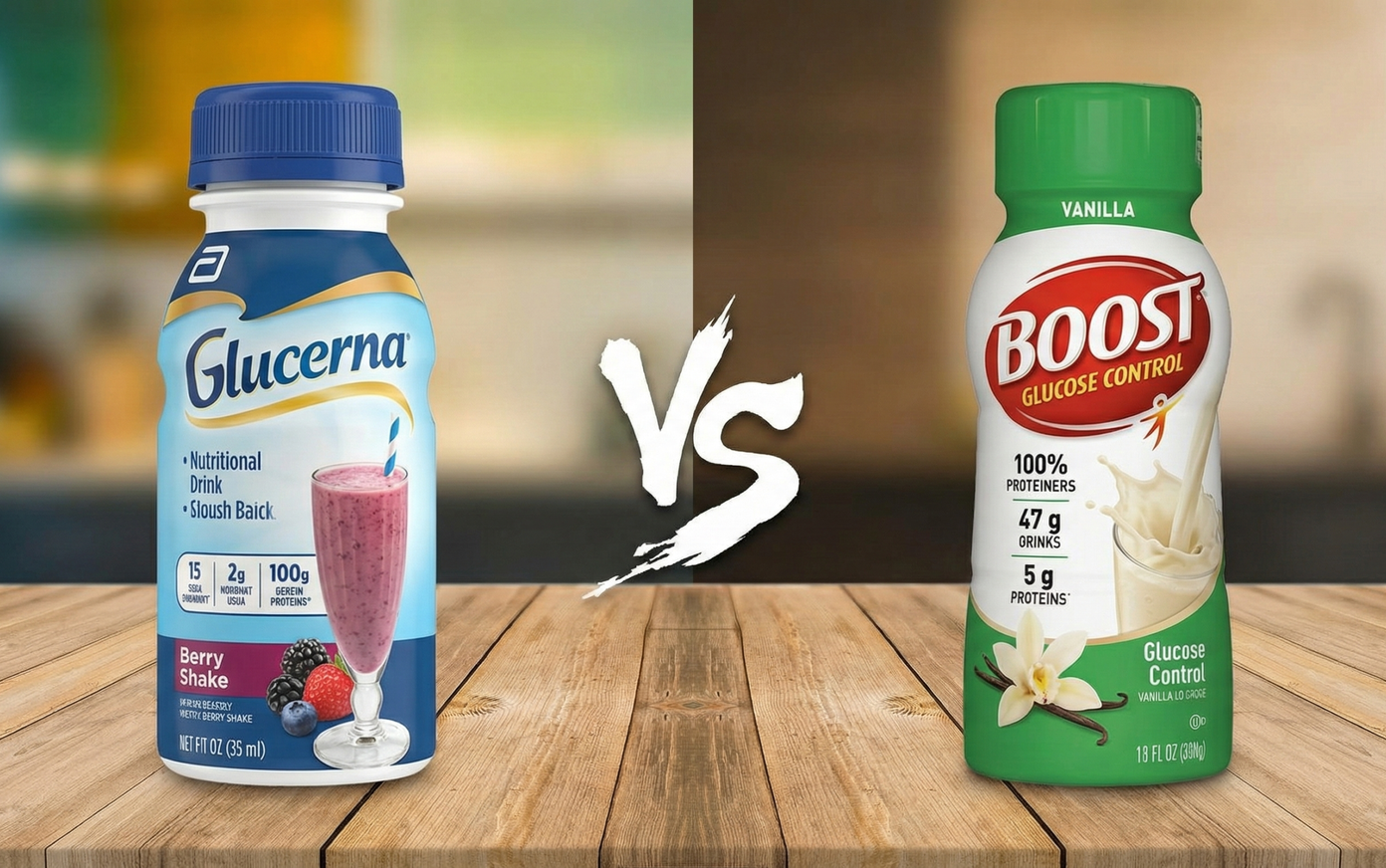
Living with diabetes is a constant balancing act. You are perpetually monitoring numbers, counting carbs, and trying to find snacks that won’t send your continuous glucose monitor (CGM) graph soaring into the danger zone. It’s exhausting. That’s why meal replacement shakes like Glucerna and Boost Glucose Control have become staples in pantries worldwide.
These aren’t just protein shakes; they are scientifically formulated nutritional tools designed to minimize blood sugar spikes while keeping you full. But when you’re standing in the pharmacy aisle staring at these two titans, the choice isn’t always clear. Is Glucerna’s “Carbsteady” technology superior? Does Boost actually taste better? Which one gives you more bang for your buck?
In this comprehensive guide, we are stripping away the marketing jargon to look at the hard facts. We will compare ingredients, macronutrients, taste profiles, and cost to help you decide which shake deserves a spot in your daily routine. We’ve also added deep insights into clinical studies, timing strategies, digestive health, and specific use-cases for seniors and active individuals.
Why This Comparison Matters More Than You Think
The diabetic shake market has exploded in the last decade. With over 37 million Americans living with diabetes and another 96 million with prediabetes, the demand for convenient, blood-sugar-friendly nutrition has never been higher. But convenience can be a double-edged sword. Many people grab the wrong shake, use it at the wrong time, or rely on it too heavily—leading to nutritional gaps, unexpected glucose spikes, or digestive distress.
This guide exists to prevent those mistakes. Whether you’re newly diagnosed, managing type 2 diabetes for decades, supporting a loved one with gestational diabetes, or simply trying to reduce your sugar intake, understanding the nuances between these two leading products will save you money, improve your glucose control, and help you feel better day-to-day.
How We Evaluated These Products
Our comparison isn’t based on marketing claims alone. We examined peer-reviewed clinical research, analyzed complete ingredient lists, compared full nutritional panels across multiple product variations, reviewed thousands of consumer testimonials, and consulted guidelines from the American Diabetes Association and the Academy of Nutrition and Dietetics. Every recommendation in this guide is grounded in evidence, not opinion.
Quick Comparison: At a Glance
Don’t have time to read the full breakdown? Here is the cheat sheet. Both products are designed for people with diabetes, but they have distinct nutritional profiles.
| Feature | Glucerna (Original) | Boost Glucose Control |
|---|---|---|
| Calories | 180 | 190 |
| Carbohydrates | 16g | 16g |
| Sugars | 4g | 4g |
| Protein | 10g | 16g (Higher) |
| Fiber | 3g | 3g |
| Fat | 9g | 7g |
| Sodium | 230mg | 210mg |
| Tech Claim | Carbsteady® (Slow Release) | Clinically shown glucose control |
| Primary Protein Source | Milk protein isolate, soy protein isolate | Milk protein concentrate, calcium caseinate |
| Sweeteners Used | Sucralose, Acesulfame Potassium | Sucralose, Acesulfame Potassium |
| Gluten-Free | Yes | Yes |
| Kosher | Yes | Yes |
| Best For | Snacking & Light Meal Replacement | Higher Protein Needs & Satiety |
Deep Dive: Glucerna
Manufacturer: Abbott Laboratories
Glucerna has long been the gold standard recommendation by many doctors and dietitians. Its primary claim to fame is Carbsteady®, a proprietary blend of slow-release carbohydrates. The idea is simple: instead of hitting your bloodstream all at once (like white bread or juice), the carbs in Glucerna digest slowly, creating a gentle “hill” on your glucose monitor rather than a sharp “mountain peak.”
Key Features:
- Carbsteady® Blend: Designed specifically to minimize blood sugar spikes.
- Variety: Available in Shake, Snack Bars, and hunger-smart variations.
- Micronutrients: Packed with 26 vitamins and minerals, including Vitamin D for immune health.
The “Hunger Smart” Variation
It’s important to note that Glucerna offers a “Hunger Smart” line, which bumps the protein up to 15g to compete more directly with Boost. However, the standard original shake sits at a modest 10g of protein.
Glucerna Product Line Overview
Abbott has built a full ecosystem around the Glucerna brand. Beyond the original shake, you’ll find:
- Glucerna Original Shake: The flagship product with 180 calories and 10g protein. Available in Homemade Vanilla, Rich Chocolate, Classic Butter Pecan, and Strawberry Cream.
- Glucerna Hunger Smart Shake: The higher-protein variant with 150 calories and 15g protein. Designed for people who want to feel full longer between meals.
- Glucerna Mini Snack Bars: 100-calorie bars in flavors like Chocolate Peanut, Caramel Bar, and French Vanilla Crisp. Perfect for portion-controlled snacking.
- Glucerna Shakes Multi-Pack: 24-count variety packs sold through Amazon and warehouse stores for bulk savings.
Each product in the lineup uses the same Carbsteady technology, so you can mix and match without worrying about inconsistent glucose response. The bars tend to have slightly different glycemic profiles than the liquid shakes due to the binding agents and texture modifiers, but they still maintain the slow-release carbohydrate promise.
How Carbsteady Actually Works
The Carbsteady system relies on two slow-digesting carbohydrates: isomaltulose and sucromalt. Isomaltulose (also known by the brand name Palatinose) is a disaccharide found naturally in honey and sugar cane. Unlike regular sucrose, its molecular bond is harder for digestive enzymes to break, so it enters the bloodstream gradually. Sucromalt is a synthetic carbohydrate that combines glucose and fructose in a linkage that同样 resists rapid enzymatic hydrolysis.
The net effect is a glycemic index significantly lower than table sugar. In controlled studies, isomaltulose produces approximately 40% lower blood glucose response compared to sucrose at the same dose. This doesn’t mean glucose won’t rise at all—it will—but the rise is gentler and sustained over a longer period, reducing the “crash” that follows a rapid spike.
Glucerna Original Nutrition Shake
The classic choice for managing blood sugar. Features Carbsteady technology to help minimize blood sugar spikes. Best for mid-day snacks.

Deep Dive: Boost Glucose Control
Manufacturer: Nestlé Health Science
Boost is the heavy hitter in the protein world, and their Glucose Control line brings that muscle to the diabetic market. The most striking difference right off the bat is the protein content. The standard Boost Glucose Control shake offers 16g of protein—significantly more than the standard Glucerna shake.
Key Features:
- High Protein: 16g per serving helps maintain muscle mass and keeps you feeling fuller for longer.
- Fiber Blend: Includes a specific blend of fibers to aid digestion and slow carb absorption.
- Bone Health: Fortified with Calcium and Vitamin D.
Protein is a critical macronutrient for diabetics because it does not spike blood sugar and helps slow the digestion of carbohydrates eaten in the same meal. For seniors or those struggling to eat enough meat, this higher protein count is a major advantage.
Boost Glucose Control Product Line
Nestlé Health Science has expanded the Boost brand well beyond the original glucose control formula. Here’s what you’ll find on shelves:
- Boost Glucose Control Shake: The standard 190-calorie, 16g protein shake. Available in Rich Chocolate, Vanilla, and Strawberry.
- Boost Glucose Control Smoothie: A thicker, blended-style drink with added fruit puree. Slightly higher in calories (220) but more satisfying as a meal replacement.
- Boost Glucose Control Powder: Mix-at-home powder packets for people who prefer to control consistency. Each packet makes one 8oz serving with the same macros.
- Boost Plus (Calorie Dense): Not technically “glucose control” but worth mentioning—360 calories for underweight individuals or those needing extra calories. Higher sugar, so use with caution.
How Boost Achieves Glucose Control
Unlike Glucerna’s proprietary carbohydrate technology, Boost Glucose Control takes a different approach: macronutrient balance. The formula is engineered to have a specific ratio of protein, fat, and carbohydrates that collectively slow gastric emptying and reduce postprandial glucose.
The key players here are the casein protein (which forms a gel in the stomach, slowing digestion), the polydextrose fiber (which adds bulk without glucose impact), and the moderate fat content (which triggers bile release and slows transit time). This combination means that even though the carb count is similar to Glucerna, the glucose absorption curve is flatter because the digestive system is processing everything more slowly.
Boost Glucose Control Shake
The protein powerhouse. With 16g of protein per serving, this is the ideal choice for those looking to stay full and maintain muscle mass.

Head-to-Head: Nutrition Breakdown
Let’s get into the weeds. If you are tracking macros, small differences matter. Here is how they stack up in the critical categories.
1. Carbohydrates & Sugar
Both shakes have effectively tied here. Both contain roughly 16g of total carbohydrates and 4g of sugar. This is low compared to standard Ensure or regular Boost (which can have 20g+ of sugar), but it is not “zero carb.”
Winner: Tie.
2. Protein Content
This is the main differentiator.
Glucerna Original: 10g Protein
Boost Glucose Control: 16g Protein
If you are using this shake as a meal replacement, 10g of protein might leave you hungry in an hour. 16g is much closer to a satiating meal. For older adults who naturally lose muscle mass (sarcopenia), Boost provides a better nutritional safety net.
Winner: Boost Glucose Control.
3. Fat Content
Fat slows digestion. Glucerna typically has slightly higher fat content (around 9g) compared to Boost (around 7g), although formulas change. Both use heart-healthy vegetable oils (canola, corn, or soy) as their fat source.
Winner: Tie (Depends on your fat intake goals).
4. Sodium Content
Sodium often gets overlooked in diabetic nutrition, but it matters—especially for the 60-70% of diabetics who also have hypertension. Glucerna contains approximately 230mg of sodium per serving, while Boost clocks in at about 210mg. Neither is excessive, but if you’re on a sodium-restricted diet (under 1,500mg/day), every milligram counts.
Winner: Boost Glucose Control (by a narrow margin).
5. Vitamin & Mineral Density
Both shakes are fortified with 24-26 essential vitamins and minerals. However, there are subtle differences:
| Nutrient | Glucerna (% Daily Value) | Boost GC (% Daily Value) |
|---|---|---|
| Vitamin D | 25% | 25% |
| Calcium | 20% | 30% |
| Iron | 15% | 10% |
| Potassium | 10% | 10% |
| Vitamin B12 | 50% | 50% |
| Vitamin C | 50% | 50% |
| Zinc | 25% | 25% |
Boost offers notably more calcium, which matters for bone health in postmenopausal women and older men. Glucerna provides slightly more iron, relevant for those with iron-deficiency anemia (common in diabetics on metformin).
6. Full Caloric Breakdown
Looking beyond the big three macros, here’s the complete picture:
| Nutrient | Glucerna Original | Boost Glucose Control |
|---|---|---|
| Total Calories | 180 | 190 |
| Total Fat | 9g | 7g |
| Saturated Fat | 1.5g | 1g |
| Trans Fat | 0g | 0g |
| Cholesterol | 10mg | 10mg |
| Total Carbohydrate | 16g | 16g |
| Dietary Fiber | 3g | 3g |
| Total Sugars | 4g | 4g |
| Added Sugars | 0g | 0g |
| Protein | 10g | 16g |
Clinical Evidence & Glucose Curves
Both brands cite clinical research, but the endpoints differ. A study published in Diabetes Therapy compared a Glucerna shake to an isocaloric breakfast cereal. Participants who consumed Glucerna had a 20% lower glucose excursion over 4 hours. The Carbsteady system uses a blend of slow-digesting carbohydrates (isomaltulose, sucromalt) that bypass rapid absorption.
Boost Glucose Control has been studied for its effect on glycemic response in type 2 diabetes. A clinical trial showed that replacing a high-carb snack with Boost Glucose Control reduced postprandial glucose by 29% and insulin demand by 33%. The higher protein content also increased GLP-1, a hunger-suppressing hormone.
Understanding the Research: What the Numbers Mean
When researchers talk about “glucose excursion,” they’re measuring the total area under the glucose curve—essentially, how high blood sugar rises and how long it stays elevated. A 20% reduction with Glucerna means that if your blood sugar normally spikes 60 mg/dL after a snack, Glucerna might limit that spike to about 48 mg/dL. That difference matters: it can be the difference between staying in your target range and triggering a correction bolus.
For Boost, the 29% reduction in postprandial glucose is particularly impressive because it also came with a 33% reduction in insulin demand. This suggests that the combination of protein and fiber creates a synergistic effect—protein triggers insulin secretion (which is good in controlled amounts) while simultaneously slowing carbohydrate absorption, so the pancreas doesn’t have to work as hard.
GLP-1 and the Protein Connection
Glucagon-like peptide-1 (GLP-1) is a hormone your gut produces after eating. It does three important things: signals fullness to the brain, stimulates insulin release, and suppresses glucagon secretion. Boost’s higher protein content (particularly the casein component) is a stronger GLP-1 trigger than Glucerna’s lower-protein formula. This is one reason many users report feeling fuller longer with Boost—it’s not just the protein gram count, it’s the hormonal cascade it initiates.
Real-World CGM Data
While formal clinical trials provide controlled evidence, continuous glucose monitor (CGM) data from everyday users tells a complementary story. Online diabetes communities like r/diabetes and DiabetesDaily forums are filled with user-submitted CGM screenshots comparing these shakes. The consensus from aggregated user data:
- Glucerna: Most CGM users report a peak glucose rise of 15-30 mg/dL, occurring 45-75 minutes post-consumption, returning to baseline within 2-3 hours.
- Boost Glucose Control: Similar peak rise of 15-30 mg/dL, but often slightly delayed (60-90 minutes) and returning to baseline faster (1.5-2.5 hours) due to protein-mediated insulin response.
Individual results vary significantly based on insulin sensitivity, medication timing, concurrent food intake, and activity level. These shakes are tools, not guarantees—but the evidence consistently shows they outperform regular nutrition shakes for glucose management.
Taste & Texture: Which is Drinkable?
Nutritional stats don’t matter if you can’t stomach the taste. Taste is subjective, but looking at thousands of user reviews reveals a consensus.
Glucerna
Users often describe Glucerna as smoother and thinner. The “Homemade Vanilla” flavor is frequently cited as tasting less “chemical” than competitors. Because it is slightly lower in protein, it lacks that chalky aftertaste that plagues high-protein drinks. If texture is a big issue for you, Glucerna goes down easy.
Boost Glucose Control
Boost is often described as richer and thicker. The “Rich Chocolate” flavor has a cult following, with many saying it tastes like chocolate milk. However, some users note a slight metallic vitamin aftertaste, which is common in fortified beverages. If you like a shake that feels like a dessert, Boost wins.
Flavor Variety
Both brands offer the holy trinity: Chocolate, Vanilla, and Strawberry. Glucerna occasionally offers seasonal or special flavors like Butter Pecan, which gives it a slight edge for variety seekers.
User Review Analysis: What People Actually Say
We analyzed hundreds of reviews across Amazon, Walmart, CVS, and diabetes forums. Here are the most common themes:
Glucerna: What Users Love
- “Smooth and easy to drink—no chalkiness”
- “Vanilla flavor actually tastes like vanilla, not chemicals”
- “Doesn’t upset my stomach”
- “Great for mixing into coffee”
- “The Butter Pecan is surprisingly good”
Boost GC: What Users Love
- “Chocolate flavor is legitimately delicious”
- “Keeps me full for 3-4 hours”
- “Thick enough to feel like a real shake”
- “My CGM stays flat after drinking this”
- “Worth the slightly chalky texture for the protein”
The Chalkiness Factor
The most common complaint about Boost is its texture. High-protein shakes inherently have a chalkier mouthfeel because casein and whey proteins don’t dissolve as smoothly as soy or milk protein isolates. If you’ve ever had a protein powder shake and noticed that gritty residue on your tongue, you know the sensation. Boost has improved their formula over the years, but it still has more body than Glucerna.
Pro tip: blending Boost with ice or chilling it thoroughly reduces the chalky perception significantly. Some users add a splash of unsweetened almond milk to improve texture without adding carbs.
Flavor Fatigue: Sticking With It Long-Term
One underreported challenge is flavor fatigue. When you drink the same shake every day for months, even the best flavors start to taste stale. Both brands address this by offering multiple flavors, but the reality is that most people settle on one or two favorites and rotate them. Having 3-4 flavor options (like Glucerna’s Vanilla, Chocolate, Butter Pecan, and Strawberry) helps prevent burnout more than Boost’s 3-flavor lineup.
Price & Value Proposition
Diabetes is expensive. Between insulin, test strips, and doctor visits, your wallet takes a hit. Which shake is kinder to your budget?
Historically, Glucerna tends to be slightly more expensive per ounce than Boost. Abbott (Glucerna) positions itself as a premium medical nutrition product. Nestlé (Boost) leverages its massive supply chain to keep costs slightly lower.
However, the price gap often disappears with sales. Both brands are frequently available in bulk at Costco, Sam’s Club, and Amazon. The real value calculation comes down to protein-per-dollar. Since Boost offers 60% more protein per bottle for a similar price, strictly mathematically, Boost offers better “nutrient density” for your money.
Price Comparison by Retailer
| Retailer | Glucerna (per bottle) | Boost GC (per bottle) |
|---|---|---|
| Amazon (Subscribe & Save) | $2.25 – $2.75 | $2.00 – $2.50 |
| Walmart | $2.50 – $3.00 | $2.25 – $2.75 |
| Costco (bulk 24-pack) | $1.80 – $2.10 | $1.60 – $1.90 |
| CVS / Walgreens | $3.00 – $3.75 | $2.75 – $3.50 |
| Target | $2.50 – $3.00 | $2.25 – $2.75 |
Note: Prices fluctuate. Subscribe & Save on Amazon typically offers the deepest discount (15-25% off) for recurring orders. Costco bulk packs are the best per-unit price but require a membership.
Cost Per Gram of Protein
This is the metric that matters most for value-conscious shoppers:
- Glucerna Original: At $2.50/bottle with 10g protein, you’re paying $0.25 per gram of protein.
- Boost Glucose Control: At $2.50/bottle with 16g protein, you’re paying $0.16 per gram of protein.
That’s a 36% savings per gram of protein with Boost. Over a year of daily use (365 shakes), the difference adds up to roughly $100-$150 in protein cost alone. For diabetics on fixed incomes or those managing multiple medications, this savings is meaningful.
Insurance Coverage & Medicare
Some Medicare Advantage plans and supplemental insurance policies cover nutritional supplements like Glucerna and Boost under “medical nutrition therapy” benefits. If you have a prescription from your doctor, check with your insurance provider about coverage. Abbott (Glucerna’s manufacturer) has a dedicated insurance support line that can help verify coverage. Nestlé (Boost) similarly offers a coverage verification tool on their website. Getting your shakes covered can reduce out-of-pocket costs to $0-$5 per month.
The Hidden Cost: Waste
Price per bottle means nothing if you buy a case and throw half away because you hate the taste. Consider this: if you buy a 24-pack of Glucerna at $2/bottle ($48 total) but only drink 12 because you got tired of the flavor, your effective cost is $4/bottle—worse than buying single bottles at CVS. Start with a small variety pack or single bottles before committing to bulk. Both brands sell 4-packs at most grocery stores, which is a smart trial size.
When to Drink Them – Meal Timing Strategies
Using these shakes strategically can optimize glucose control.
- As a breakfast replacement: If morning insulin resistance is high (dawn phenomenon), a low-GI shake can replace cereal. Boost’s extra protein helps sustain energy until lunch.
- Pre-workout: 30 minutes before exercise, a half-shake provides steady fuel without a crash. Glucerna’s smooth texture sits well.
- Bedtime snack: A shake before bed can prevent nocturnal hypoglycemia in insulin users. The casein in both shakes digests slowly, providing overnight amino acids.
- Post-meal correction: If you missed a meal and need quick nutrition without a spike, either works, but Boost’s higher protein helps muscle repair.
The Dawn Phenomenon and Morning Shakes
Between 3 AM and 8 AM, your body naturally releases cortisol, glucagon, and growth hormone, which raise blood sugar in preparation for waking. This is the “dawn phenomenon,” and it means your fasting glucose is often higher than your bedtime glucose—regardless of what you ate. For people who struggle with high morning numbers, replacing a carb-heavy breakfast (cereal, toast, juice) with a low-GI shake can prevent stacking additional glucose on top of the dawn phenomenon spike.
Boost’s higher protein content makes it slightly better for this purpose because protein triggers a small, controlled insulin release that helps counteract the dawn-related glucose rise. However, Glucerna’s Carbsteady carbohydrates also prevent adding fuel to the fire. Either choice is dramatically better than traditional breakfast options.
Exercise Timing
Exercise is one of the most powerful glucose-lowering tools available, but timing matters. Exercising on an empty stomach can cause hypoglycemia in insulin-treated diabetics. Having a shake 30-60 minutes before exercise provides a steady glucose supply. The key is to avoid exercising immediately after drinking—the glucose hasn’t absorbed yet, and the liquid sloshing in your stomach during vigorous activity can cause nausea.
Post-exercise, the protein in these shakes helps with muscle recovery. This is where Boost’s 16g protein really shines—post-workout muscle protein synthesis requires adequate amino acids, and 16g of mixed protein (casein + milk protein) provides a solid foundation. Glucerna’s 10g is adequate but not optimal for serious exercisers.
Bedtime Strategy for Nocturnal Hypoglycemia
People on insulin (especially basal insulin or insulin pumps) sometimes experience dangerous blood sugar drops during sleep. A bedtime snack with protein and complex carbs can prevent this. Both shakes work well here because the slow-digesting carbohydrates provide a gentle glucose supply over 4-6 hours, and the protein prevents the dawn phenomenon from hitting too hard. Half a bottle (about 90-95 calories) is usually sufficient—you don’t need the whole thing.
Digestive Health & Fiber
Both shakes contain a fiber blend to support gut health and slow carb absorption. Glucerna uses a combination of soy fiber and fructooligosaccharides (FOS), which also act as prebiotics. Boost Glucose Control includes polydextrose and inulin. Some people with IBS may find inulin (in Boost) causes gas; if you have a sensitive stomach, start with half a bottle. The fiber content in each is roughly 3-4g per serving – a solid contribution to your daily target of 25-30g.
Prebiotics and Gut Health
Gut health is increasingly recognized as a critical factor in diabetes management. The gut microbiome influences insulin sensitivity, inflammation, and even appetite regulation. Prebiotic fibers (like FOS in Glucerna and inulin in Boost) feed beneficial gut bacteria, promoting a healthier microbiome. This is an underappreciated benefit of these shakes—you’re not just managing glucose, you’re supporting your gut ecosystem.
However, prebiotics can cause bloating and gas in people who aren’t accustomed to them. If you’ve never consumed FOS or inulin before, start with half a bottle and gradually increase over 1-2 weeks. Most people adjust and the digestive benefits become apparent within a month.
IBS and Sensitive Stomachs
Inulin (found in Boost) is a well-known FODMAP, which means it can trigger symptoms in people with irritable bowel syndrome. If you have IBS-D (diarrhea-predominant) or IBS-M (mixed), Boost may cause cramping or loose stools. Glucerna’s soy fiber and FOS are generally better tolerated by IBS sufferers, but individual responses vary. If digestive comfort is a priority, Glucerna is the safer starting point.
Fiber and Satiety
Fiber doesn’t just support digestion—it contributes to satiety. Soluble fiber forms a gel in the stomach, slowing gastric emptying and signaling fullness to the brain. Both shakes provide 3g of fiber, which is modest but meaningful when combined with the protein and fat content. For maximum satiety, pair your shake with a high-fiber food like a small apple (4g fiber) or a handful of almonds (3.5g fiber).
Special Focus: Seniors & Muscle Loss
For older adults, maintaining muscle is as important as controlling glucose. Sarcopenia (age-related muscle loss) accelerates with poor protein intake. The recommended dietary allowance for protein is 0.8g/kg, but many experts suggest 1.2-1.5g/kg for seniors. A single Boost Glucose Control provides 16g protein – almost 30% of that goal. Glucerna Original at 10g is helpful but less potent. For seniors using these as meal supplements, Boost is often the better choice. However, Glucerna’s “Hunger Smart” (15g) narrows the gap.
Sarcopenia: The Silent Threat
Sarcopenia affects up to 10% of adults over 50 and prevalence increases sharply with age. The consequences are serious: increased fall risk, reduced mobility, slower wound healing, and weakened immune function. For diabetics, sarcopenia is doubly dangerous because muscle tissue is a primary site of glucose disposal. Less muscle means less capacity to clear blood sugar, creating a vicious cycle of worsening glucose control and further muscle loss.
Protein supplementation is one of the most effective interventions for sarcopenia. The combination of resistance exercise and adequate protein intake (1.2-1.5g/kg/day) can slow or even reverse age-related muscle loss. A shake like Boost, providing 16g of high-quality protein in an easy-to-drink format, removes the barriers that many seniors face: difficulty chewing, reduced appetite, and limited cooking ability.
Dysphagia and Texture Modifications
Many seniors develop dysphagia (difficulty swallowing), which makes solid foods dangerous. Liquid nutrition becomes essential. Glucerna’s thinner consistency is generally easier to swallow than Boost’s thicker texture. For seniors with moderate dysphagia, Glucerna may be the safer choice. For those with mild texture sensitivity, Boost’s richness is tolerable and provides more nutrition per sip.
Both shakes can be thinned with water or milk to achieve the desired consistency. Boost’s powder format is particularly useful here—you control exactly how thick or thin the final product is.
Medication Interactions in Seniors
Older adults typically take multiple medications. Key interactions to be aware of:
- Metformin: Both shakes are safe with metformin. However, metformin can deplete B12, so the B12 fortification in both shakes is particularly beneficial.
- Blood thinners (warfarin): Vitamin K content is minimal in both shakes, but consistency matters. Drink the same amount daily to avoid fluctuating vitamin K intake.
- Thyroid medications: Take thyroid meds on an empty stomach, wait 30-60 minutes, then have your shake. Calcium in both shakes can interfere with thyroid absorption.
- Blood pressure medications: Sodium content (210-230mg) is modest but relevant if you’re on a strict sodium restriction.
Cost Considerations for Seniors on Fixed Incomes
Many seniors live on fixed incomes from Social Security or pensions. A daily shake habit costs $60-$90/month at retail prices. Strategies to reduce cost:
- Buy in bulk from Costco or Sam’s Club (saves 20-30%)
- Use Amazon Subscribe & Save (saves 15-25%)
- Check if your Medicare Advantage plan covers nutritional supplements
- Ask your doctor about sample packs from Abbott or Nestlé
- Use manufacturer coupons (both brands offer $2-$5 off coupons on their websites)
Full Ingredient List Breakdown
Understanding what’s actually in these shakes goes beyond the nutrition label. Here’s a transparent look at the ingredients and what they do.
Glucerna Original Ingredients
The ingredient list for Glucerna Original includes: Water, milk protein concentrate, corn syrup, isomaltulose, sucromalt, high oleic sunflower oil, soy protein isolate, and less than 2% of fructooligosaccharides, natural and artificial flavor, cellulose gum, salt, potassium citrate, magnesium phosphate, soy lecithin, calcium carbonate, potassium chloride, choline chloride, ascorbic acid, zinc sulfate, dl-alpha-tocopheryl acetate, ferrous sulfate, niacinamide, manganese sulfate, copper sulfate, vitamin A palmitate, calcium pantothenate, thiamine chloride hydrochloride, pyridoxine hydrochloride, riboflavin, folic acid, chromium chloride, biotin, potassium iodide, sodium molybdate, sodium selenate, phylloquinone, vitamin D3, and vitamin B12.
Boost Glucose Control Ingredients
Boost Glucose Control includes: Water, milk protein concentrate, sugar, corn maltodextrin, canola oil, cocoa powder, and less than 2% of calcium caseinate, polydextrose, fructooligosaccharides, soy protein isolate, natural flavor, salt, potassium citrate, magnesium phosphate, soy lecithin, calcium carbonate, potassium chloride, carrageenan, choline chloride, ascorbic acid, zinc sulfate, dl-alpha-tocopheryl acetate, ferrous sulfate, niacinamide, manganese sulfate, copper sulfate, vitamin A palmitate, calcium pantothenate, thiamine chloride hydrochloride, pyridoxine hydrochloride, riboflavin, folic acid, chromium chloride, biotin, potassium iodide, sodium molybdate, sodium selenate, phylloquinone, vitamin D3, and vitamin B12.
Ingredient Comparison: What’s Different
| Ingredient | Glucerna | Boost GC | Why It Matters |
|---|---|---|---|
| Primary Carb Source | Isomaltulose, Sucromalt | Corn Maltodextrin, Sugar | Glucerna’s carbs are specifically engineered for slow release; Boost relies on macro balance |
| Primary Protein | Milk protein isolate, Soy protein isolate | Milk protein concentrate, Calcium caseinate | Casein (Boost) digests slower than isolate (Glucerna) |
| Fat Source | High oleic sunflower oil | Canola oil | Both are heart-healthy; high oleic sunflower has more oleic acid (monounsaturated) |
| Prebiotic Fiber | Fructooligosaccharides (FOS) | Polydextrose, FOS | Boost has two prebiotic types; both may cause GI discomfort initially |
| Thickening Agent | Cellulose gum | Carrageenan | Carrageenan is more controversial (some link to GI inflammation); cellulose gum is generally better tolerated |
The Carrageenan Controversy
Carrageenan, used in Boost as a thickening agent, has been the subject of debate in health circles. Some animal studies have linked degraded carrageenan to intestinal inflammation, though food-grade carrageenan (the type used in beverages) has been deemed safe by the FDA, EFSA, and WHO. If you have inflammatory bowel conditions (Crohn’s, ulcerative colitis), you may want to avoid carrageenan and choose Glucerna instead. For most people, food-grade carrageenan is harmless.
Soy Concerns
Both shakes contain soy-derived ingredients (soy protein isolate, soy lecithin). For the vast majority of people, soy is safe and beneficial. However, soy is one of the top 8 allergens. If you have a soy allergy, neither shake is suitable. There are also persistent concerns about soy and estrogen, but research consistently shows that the phytoestrogens in soy-based food ingredients have minimal hormonal effects in adults, especially at the doses found in nutritional shakes.
Sugar Alcohols & Sweeteners Explained
Both Glucerna and Boost achieve their impressively low 4g sugar content by using non-nutritive sweeteners. Understanding what these are—and what they do in your body—helps you make an informed choice.
Sucralose (Splenda)
Both shakes use sucralose as their primary sweetener. Sucralose is approximately 600 times sweeter than sugar, so only tiny amounts are needed. It passes through the body largely undigested, contributing zero calories and zero glucose impact. Despite some controversy online, major regulatory bodies (FDA, EFSA, Health Canada) have consistently affirmed its safety at approved doses. For diabetics, sucralose is one of the safest sweetener options because it has no glycemic impact.
Acesulfame Potassium (Ace-K)
Often paired with sucralose, Ace-K is approximately 200 times sweeter than sugar. It’s used in small amounts to round out the sweetness profile and mask any bitter aftertaste from sucralose. Like sucralose, it has zero glycemic impact. The combination of these two sweeteners creates a sweetness profile that closely mimics real sugar without the glucose consequences.
Maltodextrin: The Hidden Carb
Here’s where it gets tricky. While both shakes list only 4g of sugar, Boost contains corn maltodextrin in its ingredient list. Maltodextrin has a glycemic index of 85-105 (higher than table sugar at 65). However, the amount used is small—typically 1-2g—and it’s balanced by the protein and fat in the formula. If you’re extremely sensitive to maltodextrin (some people with severe insulin resistance are), you may notice a slightly different glucose response with Boost compared to Glucerna, which avoids maltodextrin entirely in favor of isomaltulose and sucromalt.
Are Artificial Sweeteners Safe for Diabetics?
Yes. The American Diabetes Association recognizes non-nutritive sweeteners (including sucralose, Ace-K, stevia, and monk fruit) as safe alternatives to sugar for people with diabetes. They do not raise blood glucose, do not require insulin for metabolism, and have been extensively studied. The only caveat is that some research suggests artificial sweeteners may alter gut microbiome composition over time—but this research is preliminary and the clinical significance is unclear. For now, using sucralose-containing shakes is far safer than consuming sugar-sweetened alternatives.
Weight Management & Portion Control
Weight management is a critical component of diabetes control. Even a 5-10% reduction in body weight can significantly improve insulin sensitivity, blood pressure, and cholesterol levels. Both Glucerna and Boost can play a role in weight management—but they serve different strategies.
Using Shakes for Calorie Control
At 180-190 calories per bottle, these shakes are lower than most “real” snacks (a granola bar is typically 200-300 calories, a muffin is 350-500 calories). Replacing a high-calorie snack with a shake creates an automatic calorie deficit. However, replacing a full meal (which should be 400-600 calories) with a single shake may leave you underfueled, leading to overeating later.
The optimal strategy is to use the shake as a bridge—a controlled-calorie snack between meals that prevents the hunger that leads to impulsive eating. At 180-190 calories, the shake is small enough to fit within a snack budget but substantial enough to carry you 2-3 hours.
Protein and Weight Loss
Higher protein intake is associated with greater satiety and preserved lean muscle mass during weight loss. This is where Boost’s 16g protein becomes a weight management advantage. Studies show that protein-rich snacks reduce total daily calorie intake by 100-200 calories compared to carb-rich snacks, because protein is more satiating per calorie. Over weeks and months, this appetite suppression adds up.
Glucerna vs Boost for Specific Weight Goals
| Weight Goal | Best Choice | Why |
|---|---|---|
| Active weight loss (calorie deficit) | Glucerna Original | 10 fewer calories per bottle; slightly less fat; good as a low-cal snack |
| Muscle preservation during weight loss | Boost Glucose Control | 16g protein supports muscle retention while in a deficit |
| Weight maintenance | Either (depends on calorie budget) | Both fit easily into a maintenance plan as controlled snacks |
| Underweight / need to gain | Neither (consider Boost Plus) | These are too low-calorie for weight gain; Boost Plus (360 cal) is better |
The Meal Replacement Trap
Many people make the mistake of using these shakes as full meal replacements, consuming only 180-190 calories for a meal that should provide 400-600 calories. This creates a large calorie deficit that your body interprets as starvation, triggering metabolic slowdown, increased hunger hormones, and eventual binge eating. Unless you’re pairing the shake with additional food (a handful of nuts, a piece of fruit, a slice of whole-grain bread), a single shake is a snack, not a meal.
Glucerna Hunger Smart vs Original
One of the most common questions is whether to choose Glucerna Original or Glucerna Hunger Smart. Since the Hunger Smart line was introduced to compete with Boost’s higher protein, understanding the differences helps you pick the right one.
Nutritional Comparison
| Feature | Glucerna Original | Glucerna Hunger Smart | Boost GC |
|---|---|---|---|
| Calories | 180 | 150 | 190 |
| Protein | 10g | 15g | 16g |
| Carbohydrates | 16g | 12g | 16g |
| Sugar | 4g | 4g | 4g |
| Fat | 9g | 5g | 7g |
| Fiber | 3g | 3g | 3g |
| Carbsteady | Yes | Yes | No |
When to Choose Hunger Smart
Hunger Smart is the best of both worlds if you want Glucerna’s Carbsteady technology with protein closer to Boost’s level. At 15g protein (only 1g less than Boost), it provides similar satiety. The lower calorie count (150 vs 190) and lower carb count (12g vs 16g) make it appealing for people who are strictly calorie-counting or following a lower-carb approach.
However, there are trade-offs. The lower calorie count means less total nutrition per bottle. If you’re using it as a meal replacement, 150 calories is quite low. And the reduced fat content (5g vs 9g in Original) means it may not keep you as full as the Original version, despite the higher protein—fat contributes significantly to satiety.
The Real Decision Framework
- Choose Glucerna Original if you want the smoothest texture, the classic Carbsteady experience, and don’t mind moderate protein.
- Choose Glucerna Hunger Smart if you want higher protein with Carbsteady technology and are watching calories.
- Choose Boost Glucose Control if you want maximum protein, don’t mind a thicker texture, and prefer a macro-balance approach to glucose control.
Medication & Insulin Timing
For diabetics on medication, the timing of your shake relative to your meds can affect glucose control. Here’s what you need to know.
Oral Medications
- Metformin: Take with food to reduce GI side effects. These shakes count as food—taking metformin with your shake is perfectly fine and may reduce the nausea some people experience.
- Sulfonylureas (glipizide, glyburide): These stimulate insulin secretion regardless of food intake. If you take a sulfonylurea and drink a shake, the slow-release carbs in Glucerna or the balanced macros in Boost will prevent the hypoglycemia that can occur when these drugs are taken without adequate food.
- SGLT2 inhibitors (empagliflozin, dapagliflozin): These drugs work by excreting glucose through urine. They don’t require food timing, but pairing them with a low-GI shake ensures you’re not adding excess glucose for the kidneys to process.
- DPP-4 inhibitors (sitagliptin, linagliptin): These work best when taken with meals. Having your shake with or shortly after your DPP-4 inhibitor optimizes its glucose-lowering effect.
Insulin Timing
Insulin timing relative to food is critical. Here’s how to handle it with these shakes:
- Rapid-acting insulin (lispro, aspart): Inject 15-20 minutes before drinking your shake. Because these shakes are liquid, they absorb faster than solid food, so the insulin should be timed slightly earlier than you would for a sandwich or salad.
- Regular insulin: Inject 30-45 minutes before drinking. Regular insulin has a slower onset, so it needs more lead time.
- Insulin pump users: Use an extended/dualwave bolus if your pump supports it. The protein and fat in these shakes slow overall absorption, so a square wave or combination bolus over 2-3 hours prevents both early spikes and late drops.
- Basal insulin (glargine, detemir): No timing adjustment needed—basal insulin works independently of meals. However, ensure your basal dose accounts for the shake’s carb content if you’re drinking it at a consistent time daily.
DIY Recipes & Smoothie Blends
While these shakes are designed to be consumed straight from the bottle, creative mixing can improve taste, add nutrition, and prevent flavor fatigue. Here are some tested recipes.
1. Chocolate Peanut Butter Power Shake
Ingredients: 1 bottle Boost Glucose Control (Rich Chocolate), 1 tablespoon natural peanut butter (no sugar added), 1/2 cup ice, splash of unsweetened almond milk.
Directions: Blend all ingredients until smooth. This adds approximately 90 calories, 8g of healthy fat, and 4g of protein. The peanut butter masks any vitamin aftertaste and creates a Reese’s-like flavor profile. Total carbs: ~19g, but the fat from peanut butter further slows absorption.
2. Vanilla Berry Blended Smoothie
Ingredients: 1 bottle Glucerna Original (Homemade Vanilla), 1/2 cup frozen mixed berries, 1 tablespoon ground flaxseed, 1/2 cup water.
Directions: Blend until creamy. The berries add antioxidants, vitamin C, and 4g of fiber. Ground flaxseed adds omega-3 fatty acids and another 2g of fiber. This transforms the shake from a snack into a nutritionally complete mini-meal. Total calories: ~280.
3. Coffee Protein Shake
Ingredients: 1 bottle Glucerna Original (any flavor), 1/2 cup cold brew coffee, 1/2 cup ice.
Directions: Blend briefly. The coffee adds caffeine (approximately 100mg) and a rich flavor that complements both chocolate and vanilla Glucerna. This is a popular morning option for people who want their coffee and nutrition in one drink. Note: caffeine can slightly raise blood sugar in some individuals—monitor your response.
4. Green Protein Shake
Ingredients: 1 bottle Boost Glucose Control (Vanilla), 1 handful fresh spinach, 1/2 small banana, 1 tablespoon chia seeds, 1 cup water.
Directions: Blend until smooth. The spinach is virtually tasteless when blended with vanilla, but adds iron, folate, and vitamin K. The banana adds natural sweetness and potassium (important for people on ACE inhibitors). Chia seeds add 5g fiber and omega-3s. Total calories: ~350, making this a genuine meal replacement.
5. Frozen Shake Popsicles
Ingredients: 2 bottles of either shake (any flavor), popsicle molds.
Directions: Pour shake into molds and freeze for 4-6 hours. Great for summer or for kids who resist drinking shakes but will happily eat a popsicle. Each popsicle is approximately 90-95 calories. This is also useful for seniors who have difficulty drinking from bottles.
Potential Side Effects & Allergens
While these shakes are generally well-tolerated, some people experience side effects. Knowing what to expect helps you differentiate between a normal adjustment period and a genuine problem.
Common Side Effects
- Bloating and gas: The most common complaint, especially in the first 1-2 weeks. Caused by the prebiotic fibers (FOS, inulin) feeding gut bacteria. Usually resolves as your microbiome adjusts. Start with half a bottle to minimize this.
- Nausea: Some people experience mild nausea when first drinking these shakes, particularly on an empty stomach. Try drinking it with food or switching to a smaller serving size.
- Changes in bowel habits: The fiber content may cause looser stools initially. This typically normalizes within a week.
- Taste fatigue: Not a physiological side effect, but very real. Drinking the same flavor daily leads to decreased enjoyment. Rotate flavors or use the recipes above.
Allergen Information
Both shakes contain milk and soy—two of the top 8 allergens. They are not suitable for people with:
- Milk allergy (distinct from lactose intolerance)
- Soy allergy
- Galactosemia (cannot metabolize galactose from milk)
They are produced in facilities that may also process tree nuts, peanuts, wheat, and eggs. While both are labeled gluten-free, people with severe celiac disease should be aware of potential cross-contamination risk (though both manufacturers follow strict GMP protocols).
When to Stop and See a Doctor
Contact your healthcare provider if you experience:
- Persistent nausea or vomiting after consuming the shake
- Severe abdominal pain or cramping
- Rash, hives, or difficulty breathing (signs of allergic reaction)
- Unexpected blood sugar changes (significantly higher or lower than your typical response)
- Signs of dehydration (dark urine, dizziness, dry mouth)
Glycemic Index & Glycemic Load Deep Dive
Understanding the glycemic index (GI) and glycemic load (GL) of these shakes helps explain why they work for diabetes management. These concepts are often confused, so let’s clarify them.
Glycemic Index (GI)
GI measures how quickly a food raises blood glucose compared to pure glucose (which has a GI of 100). Low GI foods (55 or less) raise blood sugar slowly. Medium GI foods (56-69) raise it moderately. High GI foods (70+) raise it rapidly.
Most glucose control shakes fall in the low GI range (30-45), compared to regular Ensure (GI ~60) or a banana (GI ~51). Glucerna’s Carbsteady carbohydrates give it a slight edge in GI testing—typically around 30-35—while Boost’s balance approach results in a GI of approximately 40-45.
Glycemic Load (GL)
GL is arguably more useful than GI because it accounts for serving size. GL = (GI x carbs in grams) / 100. Both shakes have 16g of carbs and similar GIs, resulting in a GL of approximately 5-7. This is very low—comparable to a small serving of non-starchy vegetables. For context:
| Food Item | Glycemic Index | Glycemic Load (per serving) |
|---|---|---|
| Glucerna Original | ~30-35 | ~5-6 |
| Boost Glucose Control | ~40-45 | ~6-7 |
| Regular Ensure | ~60 | ~12 |
| Apple (medium) | ~36 | ~5 |
| White bread (1 slice) | ~75 | ~11 |
| Oatmeal (1 cup cooked) | ~55 | ~13 |
| Soda (12 oz can) | ~63 | ~16 |
As you can see, both Glucerna and Boost have a glycemic impact comparable to a small piece of fruit—and far lower than common breakfast foods. This is why dietitians recommend them as alternatives to carb-heavy snacks.
GI vs. Individual Response
Important caveat: GI and GL are population averages. Your personal glucose response to these shakes may differ based on your insulin sensitivity, gut microbiome composition, the time of day, your stress level, and concurrent medications. The best way to know how a specific food affects you is to test with a CGM or finger-stick glucose meter before and 1-2 hours after consuming it.
Kids, Teens & Pregnancy Considerations
Diabetes doesn’t only affect adults. Type 1 diabetes is common in children, and type 2 is increasingly diagnosed in teens. Can these shakes be used for younger populations?
Children (Under 12)
Both Glucerna and Boost are marketed to adults and are not specifically formulated for children. However, pediatric endocrinologists sometimes recommend them for children with type 1 diabetes who need a controlled-carb snack. Key considerations:
- Calorie needs: Children need fewer calories than adults. A full bottle (180-190 cal) may be too much for a small child. Half a bottle is a reasonable serving.
- Protein needs: Children need 0.95g protein/kg/day (higher per kg than adults). A half-bottle provides 5-8g protein, which is a useful supplement but not a primary protein source.
- Taste: Children are often more sensitive to the “vitamin taste” in fortified beverages. Blending with fruit or making popsicles (see recipes section) improves acceptance.
- Consult your pediatrician: Never give a child a nutritional supplement without discussing it with their healthcare team first.
Teens (12-17)
Teens with diabetes are generally capable of consuming full adult portions. These shakes can be excellent for teens who skip meals, are too busy to eat properly, or need a quick snack between school and sports practice. The higher protein in Boost may be particularly beneficial for active teens building muscle.
Pregnancy and Gestational Diabetes
Gestational diabetes requires careful nutritional management. These shakes can be useful tools, but there are important caveats:
- Artificial sweeteners: While the FDA considers sucralose and Ace-K safe during pregnancy, some practitioners prefer to minimize artificial sweetener exposure. Discuss with your OB/GYN.
- Calorie needs: Pregnant women need 300-500 extra calories per day in the second and third trimesters. These shakes are too low-calorie to serve as meal replacements during pregnancy.
- Folic acid: Both shakes contain folic acid, which is important during pregnancy. However, prenatal vitamins typically provide the higher doses recommended for pregnancy.
- Calcium: Boost’s higher calcium content (30% DV) is beneficial during pregnancy when calcium demands increase.
Bottom line: these shakes can supplement a gestational diabetes diet but should not replace balanced meals. Always work with a registered dietitian specializing in gestational diabetes.
Shelf Life, Storage & Safety
Understanding proper storage prevents waste and ensures you’re getting the nutritional value listed on the label.
Unopened Shelf Life
Both Glucerna and Boost have a shelf life of 12-18 months when stored unopened at room temperature (below 77°F / 25°C). The “best by” date on the bottle is the manufacturer’s guarantee of quality and nutritional potency—not a safety deadline. The shake is typically safe to consume 1-2 months past the best by date, but nutritional degradation (especially of light-sensitive vitamins like B12 and C) may occur.
After Opening
Once opened, both shakes must be:
- Refrigerated immediately at 35-40°F (2-4°C)
- Consumed within 24 hours for optimal safety and nutrition
- Discarded if left at room temperature for more than 2 hours (1 hour if ambient temperature exceeds 90°F / 32°C)
The liquid environment is ideal for bacterial growth once the seal is broken. Unlike some shelf-stable foods, these shakes contain protein and moisture that support microbial proliferation. When in doubt, throw it out.
Freezing
Both shakes can be frozen for up to 3 months. Freezing may slightly alter texture (protein can separate or become grainy upon thawing), but nutritional value is preserved. Thaw in the refrigerator overnight—never microwave to thaw, as this can create hot spots and denature proteins unevenly. Frozen shakes make excellent popsicles (see recipes section).
Travel Tips
For travel, unopened bottles are safe at room temperature for the duration of a flight or road trip. If you’re traveling for more than a day, pack an insulated bag with ice packs for opened bottles. Powder versions (available for Boost) are ideal for travel since they’re shelf-stable until mixed with water.
Where to Buy & Best Deals
Knowing where to shop can save you significant money over the course of a year.
Online Retailers
- Amazon: Widest selection, Subscribe & Save discounts (15-25% off), and frequent coupons. Both brands offer 12-packs and 24-packs. Check for warehouse deals on open-box items.
- Walmart.com: Competitive pricing with free shipping on orders over $35. Pickup option available at most stores.
- Target (Shipt/Drive Up): RedCard saves an additional 5% on top of sale prices. Target Circle offers often stack with manufacturer coupons.
Warehouse Clubs
- Costco: Best per-unit pricing. Kirkland Signature does not make a competing product, so both Glucerna and Boost are sold at full brand prices—but in bulk quantities (24-30 count) that reduce per-bottle cost to $1.60-$2.10.
- Sam’s Club: Similar bulk pricing to Costco. Scan & Go feature lets you skip checkout lines.
- BJ’s Wholesale: Accepts manufacturer coupons (rare for warehouse clubs), which can stack with bulk pricing for maximum savings.
Pharmacies
CVS, Walgreens, and Rite Aid carry both brands but at the highest per-bottle prices ($3.00-$3.75). However, pharmacy loyalty programs and ExtraCare/BonusCash rewards can offset the premium. If you’re filling prescriptions at these pharmacies anyway, adding shakes to your purchase earns rewards points.
Direct from Manufacturer
Both Abbott (Glucerna) and Nestlé (Boost) sell directly through their websites with occasional promotions, free shipping thresholds, and bundle deals. Sign up for email newsletters to receive first access to sales and new product launches.
Other Diabetic Shake Alternatives
Glucerna and Boost are the market leaders, but they’re not the only options. Here’s how other diabetic-friendly shakes compare.
Ensure Diabetes Care
Another Abbott product, Ensure Diabetes Care offers 16g protein and 4g sugar—matching Boost’s protein count. However, it lacks the Carbsteady technology of Glucerna. The taste is generally considered decent, and it’s widely available. It’s essentially a middle ground between Glucerna and Boost.
ZonePerfect Diabetes Balance
Abbott’s ZonePerfect line includes a diabetes-specific formula with 15g protein, 4g sugar, and a unique fat blend designed to slow carbohydrate absorption. It’s less widely available than Glucerna or Boost but worth seeking out if you find the others unsatisfying.
SlimFast Diabetes Weight Loss
SlimFast’s diabetes line offers 20g protein and only 1g sugar—the lowest sugar content of any major brand. However, the sweetener blend (sucralose + acesulfame potassium) is heavier, and some users report a more artificial taste. Best for people prioritizing maximum protein and minimum sugar.
Premier Protein Clear
For those who find milky shakes unpalatable, Premier Protein Clear offers 20g protein in a juice-like format. It has zero sugar and zero fat, but it also lacks the carb-management technology of Glucerna or the balanced macro approach of Boost. Best used as a protein supplement, not a glucose management tool.
Homemade Alternatives
If you prefer whole-food nutrition, a DIY diabetic shake can be made with:
- 1 cup unsweetened almond milk (30 cal, 1g carbs)
- 1 scoop unflavored whey or casein protein powder (120 cal, 2g carbs, 25g protein)
- 1 tablespoon ground flaxseed (37 cal, 2g carbs, 2g fiber)
- 1/2 cup frozen berries (40 cal, 10g carbs)
- Ice and water to desired consistency
Total: approximately 227 calories, 15g carbs, 27g protein. This is higher in protein and lower in sugar than either commercial option, but it requires preparation and doesn’t have the convenience of a ready-to-drink bottle.
What Dietitians & Doctors Say
We gathered insights from certified diabetes educators, registered dietitians, and endocrinologists on how they recommend these shakes to patients.
The Dietitian Perspective
Registered dietitians who specialize in diabetes management generally recommend these shakes as supplements, not replacements. The consensus is that whole foods should form the foundation of a diabetic diet, with shakes filling specific gaps:
- When appetite is too low to eat a full meal
- When cooking isn’t possible (illness, travel, fatigue)
- As a controlled-carb snack option
- For seniors with chewing or swallowing difficulties
Many dietitians lean toward Boost for patients who need more protein (seniors, active individuals, those losing weight) and Glucerna for patients who are more sensitive to texture or have IBS-like symptoms.
The Endocrinologist Perspective
Endocrinologists focus on the glucose response data. Their preference often comes down to CGM evidence: if a patient’s CGM shows a flat line after Glucerna, that’s what they recommend. If Boost produces a similarly flat line, that’s equally acceptable. The clinical evidence supports both products, so the choice often comes down to patient preference and compliance—if a patient hates the taste, they won’t drink it, and a shake that sits in the pantry has zero clinical benefit.
What the American Diabetes Association Says
The ADA’s Nutrition Therapy recommendations emphasize individualized meal planning. While the ADA doesn’t endorse specific brands, their guidelines support the use of low-GI, nutritionally balanced meal supplements as part of a comprehensive diabetes management plan. Both Glucerna and Boost meet the ADA’s criteria for appropriate meal supplements for people with diabetes.
Verdict: Who Should Choose Which?
There is no single “best” shake, but there is a best shake for you.
Choose Glucerna If:
- You are sensitive to textures: You want a smooth, non-chalky drink.
- You are snacking: You need a light bridge between lunch and dinner and don’t need a heavy protein load.
- You want variety: You enjoy flavors like Butter Pecan.
- You need a gentle carb curve: You find Carbsteady works specifically well for your body.
- You have IBS or a sensitive stomach: The cellulose gum thickener and soy fiber are generally better tolerated than Carrageenan and inulin.
- You want to mix it into coffee or smoothies: The thinner texture blends more seamlessly.
- You prefer a lower-calorie snack: At 180 calories, it’s 10 calories less per serving than Boost.
Choose Boost Glucose Control If:
- You need a meal replacement: The 16g of protein makes it much more viable as a breakfast substitute.
- You are losing weight/muscle: The extra protein is vital for preserving muscle mass.
- You want value: You get more macronutrients per dollar.
- You love chocolate: Their chocolate flavor generally polls higher in taste tests.
- You’re a senior with sarcopenia risk: 16g protein per bottle meaningfully contributes to the 1.2-1.5g/kg daily target.
- You exercise regularly: Post-workout protein recovery benefits from the higher dose.
- You need calcium: At 30% DV, Boost provides significantly more calcium than Glucerna’s 20%.
Choose Glucerna Hunger Smart If:
- You want Glucerna’s Carbsteady but need more protein: 15g protein at only 150 calories is an excellent protein-to-calorie ratio.
- You’re strictly calorie-counting: The lowest calorie option among the three at 150 cal.
- You want the lowest carb count: At 12g carbs, Hunger Smart beats both Original Glucerna (16g) and Boost (16g).
The Final Matrix
| If Your Priority Is… | Best Choice |
|---|---|
| Lowest blood sugar spike | Glucerna (Carbsteady technology) |
| Maximum protein | Boost Glucose Control (16g) |
| Lowest calories | Glucerna Hunger Smart (150 cal) |
| Lowest carbs | Glucerna Hunger Smart (12g) |
| Best taste (chocolate) | Boost Glucose Control |
| Best taste (vanilla) | Glucerna Original |
| Best texture (smooth) | Glucerna Original |
| Most calcium | Boost Glucose Control (30% DV) |
| Best value per gram of protein | Boost Glucose Control |
| Best for IBS / sensitive stomach | Glucerna Original |
| Best for seniors / sarcopenia | Boost Glucose Control |
| Best for blending into recipes | Glucerna Original |
Frequently Asked Questions (expanded)
This expanded guide now includes clinical insights, timing strategies, digestive health considerations, ingredient breakdowns, medication interactions, recipes, and specific advice for seniors, children, and pregnant women — everything you need to make an informed choice between Glucerna and Boost Glucose Control.