Diabetic Menu for High Cholesterol: The Ultimate Heart-Healthy Guide
Mastering the “Double Threat”: How to eat to stabilize blood sugar and unclog arteries simultaneously.
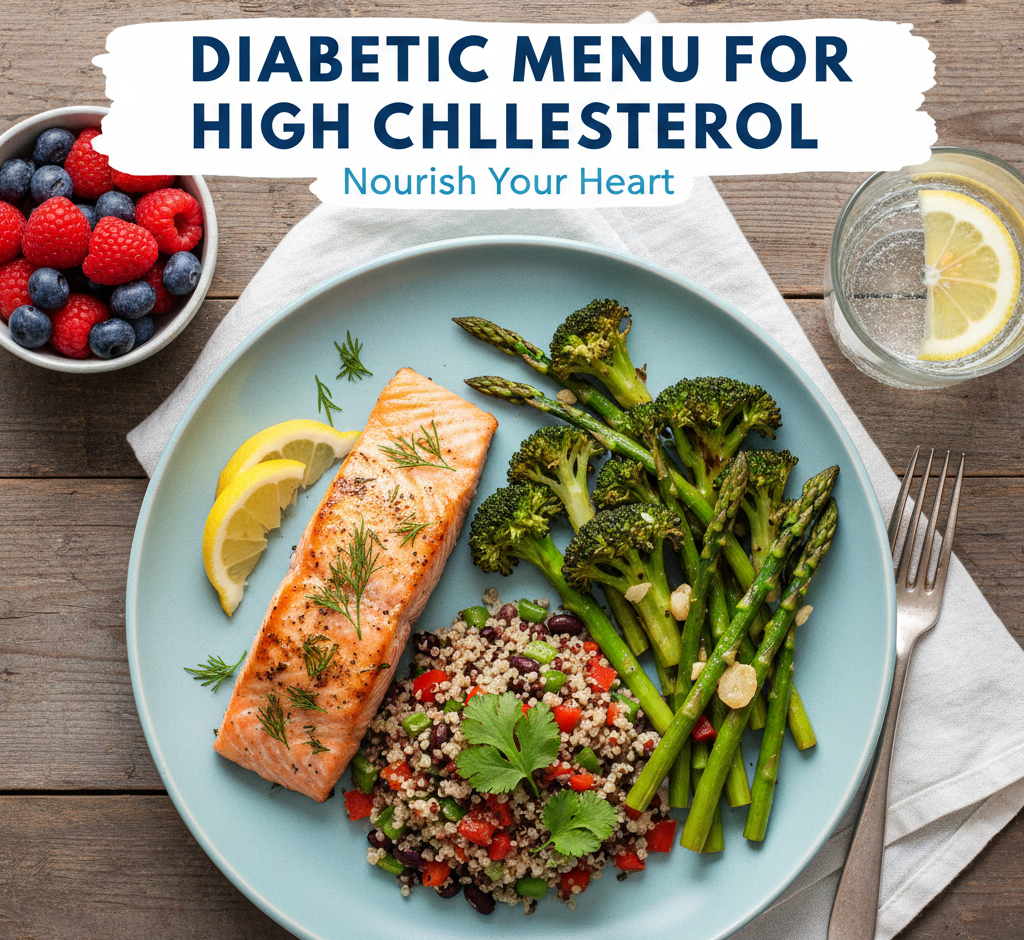
Receiving a diagnosis of Type 2 diabetes often feels overwhelming on its own. When your doctor adds “high cholesterol” (dyslipidemia) to the chart, the dietary restrictions can feel suffocating. You are told to cut carbs for your blood sugar, but also to cut fats for your heart. It creates a nutritional paradox that leaves many people standing confused in the grocery aisle, wondering if there is anything left to eat.
The good news? The intersection of these two conditions is not a dead end—it is an opportunity. The most effective heart-healthy diabetic menu focuses on abundance rather than deprivation. By prioritizing soluble fibers, lean proteins, and healthy plant-based fats, you can simultaneously lower your A1C and improve your lipid panel.
In this guide, we will break down the science of “Diabetic Dyslipidemia,” provide a comprehensive “Green Light” food list, and offer a practical 7-day meal plan that proves heart-healthy eating can be delicious. We’ll also go deeper into topics people search for but rarely get straight answers on: how statins interact with diet, what a lipid panel number actually means, whether alcohol is off the table, and how to eat this way at restaurants and on a budget.
What You’ll Learn In This Guide
- The diabetes-cholesterol connection explained
- Core dietary pillars for lowering LDL and triglycerides
- The Green Light vs. Red Light food list
- Full 7-day heart-healthy diabetic menu
- Understanding your lipid panel numbers
- Diet and statins: what changes, what doesn’t
- Alcohol, exercise, and lifestyle factors
- Eating out, grocery shopping, and common mistakes
The Diabetes-Cholesterol Connection
It is not a coincidence that these two conditions often appear together. Insulin resistance—the hallmark of Type 2 diabetes—changes how your body metabolizes fat. This condition is often called “diabetic dyslipidemia.”
Typically, this manifests as a “lipid triad”:
- High Triglycerides: The fat circulating in your blood.
- Low HDL (Good Cholesterol): The molecule that acts like a garbage truck, removing fat from arteries.
- Small, Dense LDL (Bad Cholesterol): Unlike large, fluffy LDL particles, these small particles easily penetrate arterial walls, causing plaque buildup.
To combat this, your menu must go beyond a standard low-carb weekly diabetic menu. You need a strategy that actively pulls cholesterol out of the body while keeping insulin spikes at bay.
Understanding Your Lipid Panel
A standard lipid panel reports four main numbers, and each responds differently to diet:
| Marker | General Target* | Most Responsive To |
|---|---|---|
| Total Cholesterol | Under 200 mg/dL | Overall saturated fat intake |
| LDL (“bad”) | Under 100 mg/dL (lower for high cardiac risk) | Saturated/trans fat, soluble fiber |
| HDL (“good”) | Above 40 mg/dL (men), above 50 mg/dL (women) | Exercise, unsaturated fats, quitting smoking |
| Triglycerides | Under 150 mg/dL | Refined carbs, added sugar, alcohol |
*General population reference ranges — your personal target may differ based on cardiovascular risk factors, so use your doctor’s specific goals rather than these as a substitute.
This is a useful distinction because it changes where you focus your effort: someone with high triglycerides and normal LDL should prioritize cutting refined carbohydrates and alcohol, while someone with high LDL and normal triglycerides should focus more on saturated fat and fiber.
Essential Tool: Precision Digital Kitchen Scale
Portion control is critical for managing both fat intake and carbohydrate counting. A reliable scale takes the guesswork out of your serving sizes.
Check Price on AmazonCore Pillars of a Cholesterol-Lowering Diabetic Diet
Before we look at the specific menu, we need to establish the rules of engagement. If you are already following a 1500 calorie diabetic menu, these principles can be easily integrated.
1. The Power of Soluble Fiber
Soluble fiber is your secret weapon. It binds to cholesterol in the digestive system and drags it out of the body before it can enter your bloodstream. Excellent sources include oats, beans, lentils, and flaxseeds. If you need inspiration, check our high fiber diabetic meal plan.
2. Swap Fats, Don’t Just Cut Them
The 1990s era of “fat-free everything” was a disaster for diabetics because manufacturers replaced fat with sugar. Today, we know better. We want to eliminate trans fats (fried foods, processed baked goods) and reduce saturated fats (fatty beef, butter). However, we want to increase monounsaturated fats found in olive oil, avocados, and nuts.
3. Plant Sterols and Stanols
These are substances found in plants that look like cholesterol molecules. When you eat them, they compete with cholesterol for absorption in the gut, effectively blocking the bad stuff.
4. Rebalancing Omega-3 to Omega-6 Intake
Modern diets tend to be heavy in omega-6 fatty acids (from processed vegetable oils and packaged snacks) and light on omega-3s. Omega-3-rich foods — fatty fish like salmon and sardines, walnuts, chia seeds, and flaxseed — help lower triglycerides specifically, which is often the lipid marker most tied to insulin resistance in diabetics. Aiming for two servings of fatty fish per week is a well-supported target for this reason.
5. Soluble vs. Insoluble Fiber: Know the Difference
Not all fiber lowers cholesterol equally. Soluble fiber (oats, beans, apples, psyllium) forms a gel in the gut that traps cholesterol and bile acids. Insoluble fiber (wheat bran, vegetable skins, whole grains) is excellent for digestion and blood sugar pacing but has a smaller direct effect on LDL. A cholesterol-focused plate should specifically prioritize soluble fiber sources rather than fiber in general.
The “Green Light” vs. “Red Light” Food List
Navigating the grocery store requires a clear map. Use this table to build your shopping list.
| Category | Green Light (Eat Often) | Red Light (Avoid/Limit) |
|---|---|---|
| Proteins | Salmon, Sardines, Tofu, Skinless Chicken, Lentils, Egg Whites. | Bacon, Sausage, Prime Rib, Breaded/Fried Fish, Processed Deli Meats. |
| Grains | Steel-cut Oats, Quinoa, Barley, Brown Rice (in moderation). | White Bread, Sugary Cereals, Croissants, Instant Rice. |
| Fats | Extra Virgin Olive Oil, Avocado Oil, Walnuts, Chia Seeds. | Margarine, Shortening, Lard, Palm Oil, Coconut Oil (limit). |
| Vegetables | Spinach, Broccoli, Brussels Sprouts, Kale, Peppers. | Vegetables fried in butter, Creamed corn, Canned veggies with high sodium. |
| Dairy | Non-fat Greek Yogurt, Skim Milk, Low-fat Cottage Cheese. | Heavy Cream, Full-fat Cheese, Ice Cream, Whole Milk. |
| Beverages | Water, unsweetened tea, black coffee, small amounts of red wine (if approved by your doctor). | Sugary sodas, sweetened coffee drinks, excessive alcohol. |
Portion Guide for Heart-Healthy Fats
Even “good fats” are calorie-dense, so portioning matters for weight management alongside cholesterol control:
- Olive oil: 1 tablespoon per meal for cooking or dressing.
- Avocado: 1/4 to 1/2 of a medium avocado per serving.
- Nuts: A small handful (about 1 oz, or 15–20 almonds) per day.
- Fatty fish: 3–4 oz, two to three times weekly.
- Ground flaxseed: 1–2 tablespoons daily, ideally ground rather than whole for better absorption.
7-Day Diabetic Menu for High Cholesterol
This meal plan focuses on high fiber, low saturated fat, and controlled carbohydrates. It is designed to be flexible. If you are cooking for older adults, you might want to adapt textures based on our diabetic menu for elderly with no teeth guide.
Day 1: The Fiber Kickstart
- Breakfast: Steel-cut oatmeal made with water or soy milk, topped with walnuts and blueberries.
- Lunch: Grilled chicken breast salad with mixed greens, avocado, and balsamic vinaigrette.
- Dinner: Baked salmon (omega-3 rich) with steamed asparagus and a small portion of quinoa.
- Snack: Apple slices with almond butter.
Day 2: Plant-Based Power
- Breakfast: Chia seed pudding made with unsweetened almond milk and raspberries.
- Lunch: Lentil soup (low sodium) with a side of whole-grain crackers.
- Dinner: Tofu stir-fry with broccoli, snap peas, and ginger-soy sauce (low sodium) over brown rice.
- Snack: A handful of unsalted almonds.
Day 3: Lean & Clean
- Breakfast: Egg white omelet with spinach, mushrooms, and onions. One slice of whole-wheat toast.
- Lunch: Turkey wrap using a low-carb tortilla, plenty of lettuce, tomato, and mustard.
- Dinner: Grilled white fish (Cod or Tilapia) with roasted Brussels sprouts and sweet potato wedges.
- Snack: Carrot sticks with hummus.
Day 4: Mediterranean Influence
- Breakfast: Greek yogurt (0% fat) mixed with ground flaxseed and sliced strawberries.
- Lunch: Tuna salad (made with olive oil/lemon instead of mayo) served in lettuce cups.
- Dinner: Whole wheat pasta tossed with marinara sauce, zucchini, and lean ground turkey breast.
- Snack: A pear.
Day 5: Hearty Grains
- Breakfast: Smoothie with spinach, half a banana, protein powder, and flax oil.
- Lunch: Quinoa bowl with black beans, corn, cilantro, and lime juice.
- Dinner: Roasted chicken (skin removed) with green beans and garlic.
- Snack: Air-popped popcorn (no butter, use herbs).
Day 6: Weekend Prep
Perfect for those following a diabetic menu for working adults who need leftovers.
- Breakfast: Avocado toast on high-fiber bread with red pepper flakes.
- Lunch: Leftover roasted chicken from Day 5 chopped into a large kale salad.
- Dinner: Turkey chili with kidney beans (fiber powerhouse) and tomatoes.
- Snack: Low-fat string cheese.
Day 7: Comfort Food Modified
- Breakfast: Pancakes made with oat flour or almond flour, topped with sugar-free syrup and berries.
- Lunch: Chili leftovers from Day 6.
- Dinner: “Burger Night”—Lean beef or turkey patty (93% lean) on a lettuce bun with tomato and onion. Side of roasted cauliflower.
- Snack: Walnuts and a square of 70% dark chocolate.
Need fewer calories? Adjust portion sizes to fit a 1200 calorie diabetic menu.

Reduce Fat Intake with a Digital Air Fryer
Craving the crunch of fried foods without the cholesterol-spiking oil? An air fryer is a game-changer for heart-healthy diabetic cooking.
Check Price on AmazonDiet and Statins: What Changes, What Doesn’t
Many people assume that once they’re prescribed a statin, diet no longer matters. In reality, diet and statins work through different mechanisms and are most effective together.
- Statins primarily reduce the liver’s own cholesterol production.
- Diet primarily reduces dietary cholesterol/saturated fat absorption and boosts cholesterol excretion via fiber.
Because they target different pathways, combining a fiber-rich, low-saturated-fat diet with a statin often produces a larger LDL reduction than either approach alone. One dietary detail worth knowing: grapefruit and grapefruit juice can interfere with how the body metabolizes certain statins (particularly simvastatin and atorvastatin), so check with your pharmacist about whether this applies to your specific prescription.
Statins and Blood Sugar
Statins can modestly raise blood glucose in some people, which is worth knowing if you’re managing both conditions closely. This is not typically a reason to avoid a needed statin — the cardiovascular benefit generally outweighs this small effect — but it’s a good reason to keep monitoring both your lipid panel and your glucose readings after starting or changing a statin dose.
Alcohol, Exercise, and Other Lifestyle Factors
Alcohol
Alcohol is one of the fastest ways to spike triglycerides, and it also affects blood sugar unpredictably — it can cause delayed hypoglycemia, particularly if you take insulin or sulfonylureas. If your doctor has cleared moderate drinking, dry wines in small quantities tend to have less impact on both triglycerides and blood sugar than beer or sweet cocktails, but abstaining is the safest choice if your triglycerides are already elevated.
Exercise
Aerobic exercise is one of the few interventions that reliably raises HDL (“good”) cholesterol, in addition to improving insulin sensitivity. Even 150 minutes per week of brisk walking has measurable effects on both lipids and glucose control over a few months.
Smoking
Smoking lowers HDL and damages the arterial lining, compounding the cardiovascular risk already present from diabetes and high cholesterol. Quitting is one of the single highest-impact changes available, independent of diet.
Weight and Waist Circumference
Visceral fat (fat around the abdominal organs) is particularly linked to both insulin resistance and an unfavorable lipid profile. Even modest weight loss — 5 to 10% of body weight — has been shown to meaningfully improve triglycerides and HDL in people with diabetic dyslipidemia.
Grocery Shopping and Eating Out
Sample Heart-Healthy Grocery List
- Steel-cut oats, quinoa, barley
- Canned or fresh salmon, sardines, tuna
- Skinless chicken breast and thighs
- Dried or no-salt-added canned lentils and beans
- Extra virgin olive oil, avocado oil
- Raw walnuts, almonds, chia seeds, ground flaxseed
- Non-fat Greek yogurt, skim milk
- A wide variety of fresh or frozen vegetables
- Avocados
- 70%+ dark chocolate (in moderation)
Ordering Heart-Smart at Restaurants
- Ask for dishes grilled, baked, or steamed rather than fried or breaded.
- Request sauces and dressings on the side — most restaurant dressings are made with inflammatory oils and added sugar.
- Choose fish or plant-based proteins over red meat when available.
- Order a side salad or steamed vegetables instead of fries as your default swap.
- Skip the bread basket, which is typically made with refined flour and butter.
Common Mistakes When Managing Diabetes and Cholesterol Together
- Going too low-fat overall: Cutting all fat, including healthy unsaturated fat, can backfire by increasing hunger and refined-carb intake, which raises triglycerides.
- Ignoring triglycerides in favor of only watching LDL: For many diabetics, triglycerides are actually the more responsive and more concerning marker.
- Overcorrecting with “diet” or “low-fat” packaged snacks: These are frequently high in refined carbs and sugar, which raises triglycerides even as fat drops.
- Skipping cardio because “diet is enough”: Exercise is one of the only reliable ways to raise HDL; diet alone rarely moves this number much.
- Not rechecking labs after dietary changes: Waiting too long to retest a lipid panel makes it hard to know which changes are actually working.
Myths vs. Facts About Diet and Cholesterol
Adjusting for Specific Needs
For Seniors
As we age, our metabolism slows, but our nutrient needs remain high. If you are managing this diet for an older adult, ensure the protein intake is sufficient to prevent muscle loss. See our 1200 calorie diabetic menu for seniors for age-appropriate adjustments.
Managing Hypertension
High cholesterol often brings high blood pressure along for the ride. If this is you, sodium reduction becomes as important as fat reduction. You should consult our diabetic menu for high blood pressure which combines these principles with the DASH diet approach.
Family History and Genetic Factors
Some people have a genetic condition called familial hypercholesterolemia, which causes very high LDL regardless of diet quality. If your cholesterol remains significantly elevated despite consistent dietary changes, or if you have a strong family history of early heart disease, this is worth raising with your doctor, since it may call for a different treatment approach beyond diet and standard statin therapy.
Frequently Asked Questions
The science on eggs has evolved. While yolks contain cholesterol, they do not impact blood cholesterol as much as saturated fats and trans fats do. However, because diabetics have a higher risk of heart disease, the American Heart Association often suggests limiting whole eggs to 3-4 per week or sticking to egg whites to be safe.
This is a common myth. While coconut oil has some benefits, it is extremely high in saturated fat (higher than butter!), which can raise LDL (bad) cholesterol. For heart health, unsaturated liquid vegetable oils like olive, canola, or avocado oil are scientifically superior choices.
Dietary changes act relatively fast. With strict adherence to a heart-healthy diet rich in soluble fiber and low in saturated fats, you can see measurable improvements in your lipid panel in as little as 4 to 6 weeks. Consistency is key.
Shrimp is a unique case; it is high in dietary cholesterol but very low in saturated fat. For most people, it can be enjoyed in moderation (grilled or boiled), provided it is not battered, fried, or drowned in butter sauce.
LDL responds most strongly to saturated and trans fat intake, while triglycerides respond most strongly to refined carbs, added sugar, and alcohol. Many diabetics see their triglycerides elevated more than their LDL, which means the “cut the carbs” message may matter more than “cut the fat” for that specific marker.
They work on different parts of the picture. Diet has a bigger effect on LDL, while aerobic exercise is one of the few reliable ways to raise protective HDL cholesterol. The two together outperform either one alone.
Yes. Alcohol is one of the fastest ways to raise triglycerides, and it can also cause unpredictable blood sugar changes, including delayed hypoglycemia in people on insulin or sulfonylureas, making moderation especially important for this group.
Cholesterol-Lowering Supplements: What’s Worth Considering
Food should always come first, but a handful of supplements have reasonable evidence behind them for people managing both diabetes and cholesterol. None of these should be started without checking for interactions with your current medications.
Psyllium Husk
This soluble fiber supplement works the same way oats do — forming a gel that binds cholesterol and bile acids in the gut. It’s one of the better-studied over-the-counter options for modestly lowering LDL, and it also slows carbohydrate absorption, which can help smooth post-meal glucose. Start with a small dose and plenty of water to avoid digestive discomfort.
Omega-3 Fish Oil
Fish oil supplements are primarily useful for triglycerides rather than LDL. Prescription-strength formulations exist for people with very high triglycerides, but over-the-counter doses can still provide a modest benefit for those who don’t eat fatty fish regularly. Check with your doctor if you’re on blood thinners, since fish oil has mild anticoagulant effects.
Plant Sterol/Stanol Supplements
Available as capsules or fortified spreads, these can produce a measurable LDL reduction on top of dietary changes. They work best when taken consistently with meals, since they compete with dietary cholesterol for absorption in real time.
Berberine
This plant compound has research behind both modest LDL reduction and blood glucose improvement, making it a popular choice for people managing both conditions. However, it can interact with diabetes medications and lower blood sugar further, so it needs medical supervision rather than casual self-dosing.
What to Skip
Be skeptical of “cholesterol-clearing” detox teas, apple cider vinegar shots marketed as a cholesterol cure, and mega-dose niacin bought over the counter without medical supervision — high-dose niacin can raise blood sugar and cause liver issues at the doses needed to meaningfully affect lipids.
Beyond Statins: Other Medications You May Encounter
If diet, exercise, and a statin aren’t enough to reach target numbers, your doctor may discuss additional options. Understanding these can help you have a more informed conversation, though none of this replaces medical advice.
- Ezetimibe: Works by blocking cholesterol absorption in the intestine, complementing a statin’s effect on liver production. Diet-wise, this medication’s mechanism is very similar to what soluble fiber does, so the two together (fiber plus ezetimibe) can be a strong combination.
- PCSK9 Inhibitors: Injectable medications typically reserved for people who need a larger LDL reduction than statins alone provide, or who can’t tolerate statins.
- Fibrates: Primarily target high triglycerides rather than LDL, and are sometimes prescribed specifically for diabetic dyslipidemia given how often triglycerides are the dominant issue.
- GLP-1 Medications: While prescribed mainly for blood sugar and weight, several GLP-1 medications have a secondary benefit of modestly improving triglycerides as a result of weight loss and improved insulin sensitivity.
Sleep, Stress, and Cholesterol: The Overlooked Factors
Diet gets most of the attention, but sleep and stress both have measurable effects on lipid metabolism and blood sugar.
Sleep
Poor sleep duration and quality have been linked to higher triglycerides and lower HDL, likely through disrupted hormone regulation and increased late-night eating. Sleep also directly affects insulin sensitivity — a single night of poor sleep can measurably worsen next-day glucose control. Prioritizing 7–9 hours isn’t just about energy; it’s a legitimate lever for both conditions.
Chronic Stress
Elevated cortisol from chronic stress promotes visceral fat storage and can raise both blood glucose and triglycerides over time. Stress also frequently drives comfort eating patterns that undercut dietary efforts. Simple, sustainable stress management — walking, breathing exercises, adequate downtime — is a legitimate part of a heart-healthy plan, not just a “nice to have.”
Cooking Methods Ranked for Heart Health
The same piece of chicken or fish can range from heart-healthy to artery-clogging depending entirely on how it’s cooked.
| Method | Heart-Health Rating | Notes |
|---|---|---|
| Steaming | Excellent | No added fat, preserves nutrients well. |
| Grilling/Broiling | Excellent | Allows excess fat to drip away from the food. |
| Baking/Roasting | Very Good | Use a light coating of olive oil rather than butter. |
| Air Frying | Very Good | Achieves a fried texture with a fraction of the oil. |
| Sautéing | Good | Fine when using a small amount of olive or avocado oil. |
| Pan-Frying | Moderate | Depends heavily on oil type and quantity used. |
| Deep Frying | Avoid | Adds significant saturated/trans fat and calories regardless of the food itself. |
Eating Heart-Healthy Across Different Cuisines
You don’t have to abandon the foods and cuisines you love. A few adjustments make almost any cuisine workable.
Italian
Choose tomato-based sauces over cream-based ones, opt for whole wheat or legume-based pasta, and use olive oil rather than butter as your primary fat. Grilled fish or chicken dishes are typically safer choices than breaded, fried, or cheese-heavy entrées.
Indian
Dishes built on lentils (dal) and vegetables are naturally fiber-rich and heart-friendly. Watch for dishes made with heavy cream (korma, butter chicken) or deep-fried starters, and ask for less ghee where possible.
Chinese
Steamed dishes with sauce on the side are far lower in both sodium and fat than fried or heavily sauced options. Tofu and fish-based dishes are strong choices; avoid battered items like sweet and sour chicken or anything described as “crispy.”
Mexican
Grilled fajitas, fish tacos (not fried), and bean-based dishes work well. Limit sour cream, excess cheese, and fried tortilla chips, and favor guacamole and salsa as your primary toppings.
Mediterranean
This cuisine is essentially the template for heart-healthy eating already — olive oil, fish, legumes, and vegetables are staples. It requires the fewest modifications of any cuisine on this list.
Sample Heart-Healthy Recipes
Baked Salmon with Walnut-Herb Crust
Combine crushed walnuts, chopped parsley, a small amount of whole grain breadcrumbs, and lemon zest. Press onto a salmon fillet and bake at 400°F for 12–15 minutes. The walnuts contribute omega-3s and monounsaturated fat, complementing the salmon’s own omega-3 content.
Lentil and Vegetable Soup
Sauté onion, carrot, and celery in a tablespoon of olive oil, add dried lentils, no-salt-added diced tomatoes, and low-sodium vegetable stock, then simmer for 30–40 minutes. This dish delivers a substantial dose of soluble fiber in a single bowl, along with plant-based protein.
Overnight Oats with Chia and Berries
Combine steel-cut or rolled oats, unsweetened almond milk, a tablespoon of chia seeds, and cinnamon; refrigerate overnight. Top with fresh berries in the morning. This combination pairs two different soluble-fiber sources (oats and chia) in one meal.
Grilled Chicken and Avocado Salad
Grilled chicken breast, mixed greens, sliced avocado, cherry tomatoes, and a simple olive oil-lemon dressing. This is a reliable, low-effort lunch template that hits lean protein, monounsaturated fat, and fiber all at once.
Tracking Your Progress
Dietary changes for cholesterol and blood sugar can feel invisible day to day, which makes tracking useful for motivation as much as for information.
- Lipid panel: Typically rechecked every 4–12 weeks after a significant dietary change, then periodically for maintenance — follow your doctor’s specific schedule.
- A1C: Reflects average blood sugar over roughly three months, so it won’t move as quickly as day-to-day glucose readings.
- Waist circumference: A simple, low-cost way to track visceral fat changes between lab draws.
- Food journaling: Even a simple log of meals for two weeks can reveal patterns — like a nightly cheese habit or weekend takeout routine — that aren’t obvious in the moment.
Special Populations: Women, Menopause, and Younger Adults
Menopause and Cholesterol
Estrogen has a protective effect on cholesterol levels, so many women see LDL rise and HDL fall around menopause, independent of any change in diet. This is a normal physiological shift, but it often means dietary vigilance needs to increase at exactly the point in life when many women feel they’ve “figured out” their eating pattern. This is worth discussing proactively with a doctor rather than waiting for a lipid panel to flag it.
Younger Adults with Early-Onset Type 2 Diabetes
Diabetic dyslipidemia can appear even in younger adults, particularly with early-onset Type 2 diabetes, and is sometimes under-monitored in this age group because clinicians don’t expect it. If you were diagnosed with Type 2 diabetes before age 40, it’s worth explicitly asking for a full lipid panel rather than assuming it will be checked automatically.
A Sample Heart-Healthy Day, Broken Down
To see how the principles in this guide come together in practice, here’s one full day with a brief explanation of why each choice supports both blood sugar and cholesterol goals.
- 7:00 AM – Breakfast: Steel-cut oats with ground flaxseed and walnuts. Soluble fiber plus omega-3s, slow-digesting carbohydrate for stable morning glucose.
- 10:00 AM – Snack: A small handful of almonds. Monounsaturated fat and protein to bridge to lunch without a blood sugar dip.
- 1:00 PM – Lunch: Grilled chicken and avocado salad with olive oil dressing. Lean protein, healthy fat, minimal saturated fat or refined carbohydrate.
- 4:00 PM – Snack: An apple with a tablespoon of almond butter. Fiber and healthy fat to prevent a pre-dinner energy crash.
- 7:00 PM – Dinner: Baked salmon, steamed broccoli, small portion of quinoa. Omega-3s directly targeting triglycerides, fiber-rich whole grain instead of refined starch.
- Evening: A 15–20 minute walk after dinner. Supports post-meal glucose control and contributes to the weekly aerobic activity that helps raise HDL.
Glossary of Terms Used in This Guide
- Dyslipidemia: An abnormal amount of lipids (fats) in the blood, including high LDL, low HDL, or high triglycerides.
- LDL (Low-Density Lipoprotein): Often called “bad” cholesterol; carries cholesterol to tissues and arteries, contributing to plaque buildup at high levels.
- HDL (High-Density Lipoprotein): Often called “good” cholesterol; helps remove excess cholesterol from the bloodstream.
- Triglycerides: A type of fat in the blood used for energy; levels rise sharply in response to refined carbs, sugar, and alcohol.
- Soluble Fiber: A type of fiber that dissolves in water and binds cholesterol in the digestive tract.
- Trans Fat: An artificially created fat (often labeled “partially hydrogenated oil”) that raises LDL and lowers HDL; considered the most harmful dietary fat type.
- Statin: A class of medication that reduces the liver’s cholesterol production.
- A1C: A blood test reflecting average blood glucose over roughly the past three months.
Final Verdict: Consistency Over Perfection
Adopting a diabetic menu for high cholesterol doesn’t mean you can never eat a steak or a dessert again. It means shifting your baseline. It is about making the majority of your meals work for your arteries rather than against them.
Start small. Perhaps you begin by swapping your breakfast for oatmeal and your cooking oil for olive oil. If you need a simpler starting point, try our 3-day diabetic meal plan to get the hang of meal prepping.
Your heart and your blood sugar levels will thank you. Remember, food is the most powerful medicine you take every day—choose your prescription wisely.
Ready to Transform Your Kitchen?
Get the best tools to help you measure, prep, and cook for a longer, healthier life.
Browse Heart-Healthy Kitchen Essentials