Authentic Chinese Diabetic Recipes: Enjoying the Wok Without the Spike
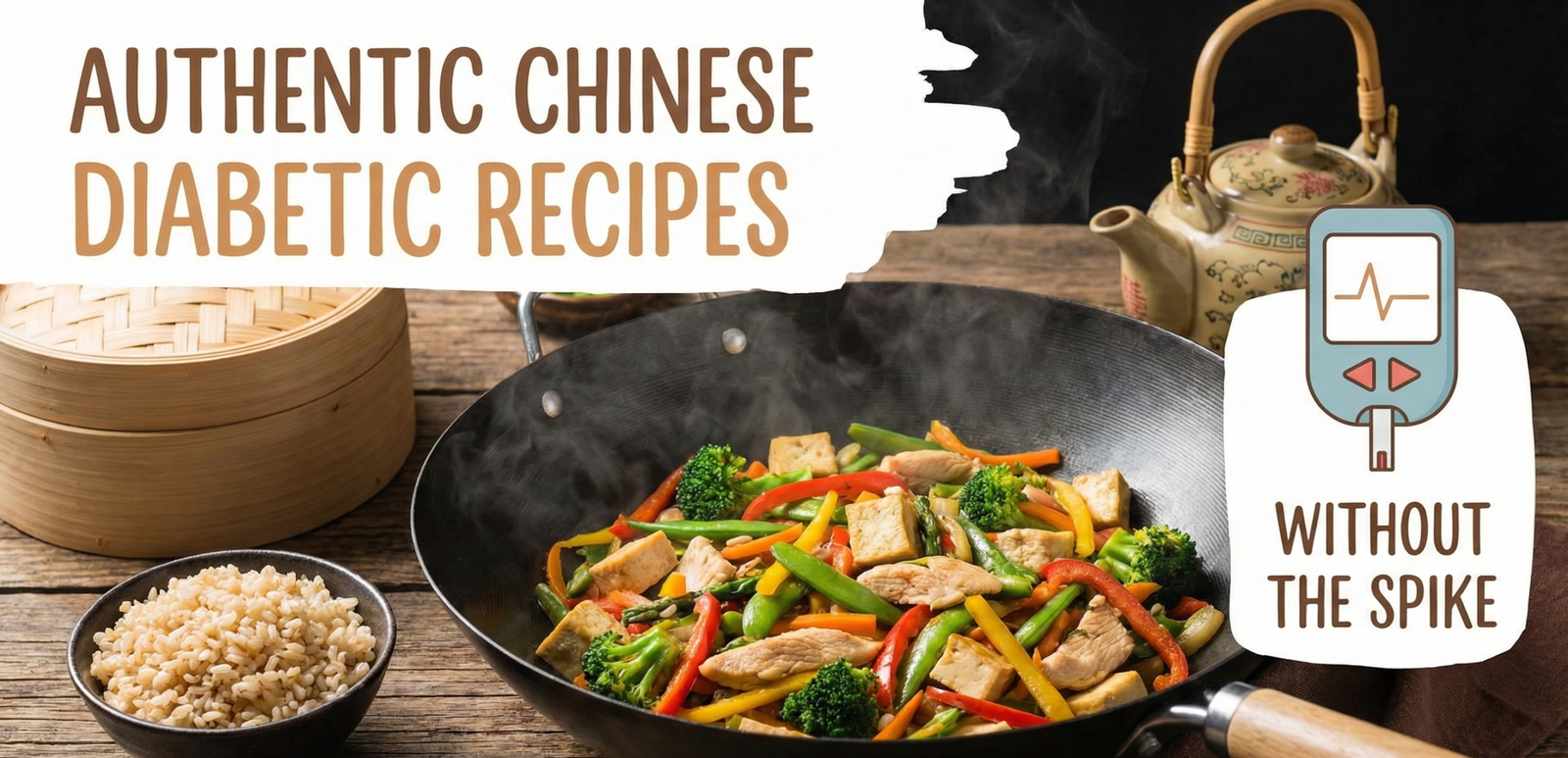
For many newly diagnosed diabetics, the thought of giving up their favorite takeout—be it General Tso’s Chicken, Sweet and Sour Pork, or a heaping bowl of Fried Rice—feels like a culinary tragedy. Chinese cuisine is beloved for its bold flavors, contrasting textures, and comforting warmth. However, in the Western world, it has gained a reputation for being a “sugar and starch bomb” that can send blood glucose levels into the stratosphere.
But here is the truth: Traditional Chinese cooking is actually incredibly healthy. The issue lies not with the culinary tradition itself, but with the modern adaptations laden with thick cornstarch slurries, deep-fried batters, and sugary glazes. By returning to the roots of steaming, stir-frying, and balancing yin and yang, you can create delicious Chinese diabetic recipes that fit perfectly into a heart-healthy diabetic diet.
In this extensive guide, we will dismantle the myths surrounding Chinese food and diabetes. We will provide you with pantry hacks, cooking techniques, and mouth-watering recipes that allow you to enjoy the flavors of the Orient while keeping your A1C in check. Whether you are following a low carb weekly diabetic menu or simply trying to eat better, this guide is your roadmap.
Did you know? According to the CDC, more than 37 million Americans have diabetes, and managing blood sugar through diet is crucial. Chinese cuisine, with its emphasis on vegetables and lean proteins, can be a powerful tool in your dietary arsenal when prepared correctly. Embracing low-glycemic cooking methods helps improve insulin sensitivity and supports long-term glycemic control.
This guide is organized to take you from foundational knowledge all the way to a full week of ready-to-cook meals. We’ll start by explaining exactly why restaurant-style Chinese food causes problems for blood sugar, then walk through how to stock a diabetic-friendly Chinese pantry from scratch. From there, you’ll find recipes organized by meal — breakfast, lunch, dinner, appetizers, soups, and even dessert — alongside deeper dives into regional Chinese cuisine, Traditional Chinese Medicine ingredients with a track record in blood sugar research, a full sample meal plan, and practical shopping guidance for navigating an Asian grocery store with confidence. By the end, you should feel equipped to cook Chinese food at home indefinitely, without needing to consult a single carb-counting app for the basics.
The “Takeout Trap”: Why Chinese Food Spikes Blood Sugar
Before we start cooking, it is crucial to understand the enemy. Typical restaurant Chinese food relies on three main culprits that wreak havoc on a diabetic’s system:
- The White Rice Foundation: A standard takeout meal is often served with 2-3 cups of white rice. This high-glycemic staple digests rapidly into glucose.
- The “Velvet” Trap (Cornstarch): “Velveting” meat involves coating it in cornstarch before cooking. Furthermore, sauces are thickened with cornstarch. This is pure refined carbohydrate.
- Hidden Sugars: Hoisin sauce, Oyster sauce, and Plum sauce are often 30-50% sugar by weight.
For instance, a single serving of restaurant-style General Tso’s chicken can contain over 50 grams of carbohydrates—mostly from sugar, breading, and hidden thickeners. That’s equivalent to eating four slices of white bread before you even touch the rice. To reverse insulin resistance, we need to replicate the textures and flavors without these high-glycemic ingredients.
Building Your Diabetic Chinese Pantry
You can’t cook authentic low-carb Chinese food with American ingredients. You need specific swaps that mimic the traditional flavor profile without the glycemic load.
Essential Swaps Checklist
- Rice Replacement: Cauliflower rice is the gold standard. For those not on strict keto, brown rice or quinoa mixed with veggies works well.
- Thickener (Cornstarch Substitute): Xanthan gum (use sparingly!) or Glucomannan powder. Alternatively, reduce sauces by simmering longer rather than thickening.
- Sweetener: Liquid Stevia, Erythritol, or Monk Fruit sweetener for sauces like Teriyaki or Sweet & Sour.
- Soy Sauce: Tamari (gluten-free) or Coconut Aminos (lower sodium). This is crucial if you are on a low sodium diabetic meal plan.
- Oil: Peanut oil for high heat, or Avocado oil. Sesame oil should be used as a finishing garnish, not a cooking fat.
Low-glycemic vegetables to always keep on hand: bok choy, Chinese broccoli (gai lan), napa cabbage, snow peas, and eggplant. These fiber-rich choices add bulk, vitamins, and have minimal impact on blood glucose.

Traditional Carbon Steel Wok (Flat Bottom)
The secret to “Wok Hei” (breath of the wok) without using excess oil is a high-quality carbon steel wok that heats evenly and sears vegetables instantly.
Check Price on AmazonUnderstanding the Glycemic Index of Common Chinese Ingredients
One of the most frequent questions we hear from readers managing insulin resistance is simply: “How many carbs are in Chinese food, and which ingredients are actually safe?” The answer depends heavily on the glycemic index (GI) of the individual components, not the cuisine as a whole. A dish built around bok choy and shrimp behaves completely differently in your bloodstream than one built around white rice and cornstarch gravy, even though both might be served at the same restaurant.
The glycemic index measures how quickly a carbohydrate-containing food raises blood glucose compared to pure glucose, which is scored at 100. Foods scoring 55 or below are considered low GI, 56 to 69 is moderate, and 70 or above is high GI. Pairing a high-GI ingredient with fiber, fat, or protein — a strategy Chinese cooking already uses instinctively through stir-frying meat and vegetables together — helps blunt the resulting spike. Still, portion size and preparation method matter enormously, which is why we’ve broken down the most common ingredients you’ll encounter in a Chinese kitchen below.
| Ingredient | Approximate Glycemic Index | Diabetic Verdict |
|---|---|---|
| White Jasmine Rice (cooked) | 89 (Very High) | Avoid or limit to a few tablespoons |
| Brown Rice (cooked) | 50 (Low-Moderate) | Small portion (½ cup) acceptable |
| Cauliflower Rice | 15 (Very Low) | Freely enjoyed |
| Rice Noodles / Vermicelli | 61-95 depending on type | Avoid; swap for shirataki |
| Shirataki (Konjac) Noodles | Near 0 | Freely enjoyed |
| Bok Choy / Napa Cabbage | Under 15 | Freely enjoyed |
| Mung Bean Sprouts | 25 | Freely enjoyed |
| Sweet Potato (Chinese-style) | 61-70 | Limit portion, pair with protein |
| Tofu (firm or silken) | 15-20 | Excellent protein source |
| Edamame | Under 20 | Freely enjoyed |
| Hoisin Sauce (traditional) | N/A — high sugar content | Avoid or use sugar-free version |
| Oyster Sauce (traditional) | N/A — high sugar content | Use sparingly or make a stevia-based version |
Notice the pattern: the vegetables, tofu, and lean proteins that form the backbone of authentic Chinese cooking are almost universally low GI. The problem ingredients — white rice, deep-fried batters, sugary sauces — are actually recent, commercialized additions rather than core to the cuisine’s roots. This is precisely why a well-informed diabetic can eat “Chinese” every night of the week without any glycemic drama, as long as they understand which building blocks belong on the plate.
If you want a deeper dive into carb counting for East Asian cuisine broadly, our low carb weekly diabetic menu resource breaks down portioning strategies that apply just as well to Chinese food as they do to Japanese or Korean dishes.
Traditional Chinese Ingredients That May Support Healthy Blood Sugar
Long before modern endocrinology existed, Chinese food culture and Traditional Chinese Medicine (TCM) developed a deep vocabulary around foods believed to “cool” the body, support digestion, and balance internal energy — concepts that, interestingly, overlap with what we now understand about glycemic control. While none of the ingredients below should replace medication or a doctor’s guidance, several have been studied by modern researchers for their potential role in supporting healthy glucose metabolism, and all of them fit naturally into the diabetic Chinese kitchen.
Bitter Melon (Ku Gua)
Bitter melon is arguably the most famous “diabetic-friendly” vegetable in Chinese cuisine, and for good reason. This knobby, cucumber-shaped gourd contains compounds — including charantin and polypeptide-p — that several small studies have suggested may help support insulin sensitivity. It has an intensely bitter flavor that mellows significantly when stir-fried with fermented black beans, garlic, and a small amount of protein such as pork or eggs. If the bitterness is too strong at first, soaking sliced bitter melon in salted water for 15 minutes before cooking helps tame it considerably.
Goji Berries (Wolfberries)
Goji berries are often steeped in tea or added to soups and congee in small quantities. They carry a modest natural sweetness and are rich in antioxidants. Because they are still a fruit with natural sugars, portion control matters — a tablespoon scattered into a broth or tea is plenty, rather than a handful eaten as a snack.
Cinnamon and Star Anise
Both spices are Chinese five-spice powder staples, and cinnamon in particular has been studied for a possible modest effect on insulin sensitivity. Whether or not you notice a measurable difference, both spices add warmth and complexity to broths, braises, and marbled eggs without contributing any meaningful carbohydrates or sodium — making them an easy, flavorful upgrade to nearly any dish in this guide.
Winter Melon (Dong Gua)
Winter melon is an extremely low-calorie, high-water-content gourd traditionally simmered into a light, clear soup. It has almost no impact on blood glucose and is often recommended in TCM as a “cooling” food for hot summer months. Its mild flavor absorbs the taste of broth, ginger, and dried shrimp beautifully, making it a satisfying, filling addition to a diabetic meal without the carbohydrate load of heartier soups.
Chrysanthemum and Pu-erh Tea
Unsweetened chrysanthemum tea and fermented pu-erh tea are both traditionally consumed after rich or oily meals to aid digestion. Neither contains any sugar or carbohydrates when brewed plain, making either an excellent zero-calorie beverage choice to pair with dinner instead of soda or juice.
A Note on TCM and Medical Advice
These ingredients are highlighted because they are culturally significant, naturally low-carb, and genuinely delicious — not because they are a substitute for insulin, metformin, or any prescribed treatment. Always discuss any significant dietary or supplement changes with your endocrinologist or a registered dietitian, particularly if you are also managing high blood pressure or kidney concerns.
Chinese Cooking Techniques Explained (And Which Ones Diabetics Should Favor)
Part of what makes Chinese cuisine so adaptable for a diabetic diet is its enormous vocabulary of cooking techniques — far more varied than the “fry it or bake it” default of many Western cuisines. Understanding these techniques helps you make smarter choices, whether you’re cooking at home or scanning a takeout menu.
Stir-Frying (Chao)
The signature technique of Chinese home cooking, stir-frying uses a very hot wok and a small amount of oil to cook ingredients quickly, preserving texture and nutrients. This is one of the most diabetic-friendly techniques available, since it requires minimal oil and cooks vegetables just enough to retain fiber and crunch rather than breaking them down into mush.
Steaming (Zheng)
Arguably the healthiest technique in the entire Chinese culinary toolkit. Steaming requires no added fat at all and is traditionally used for fish, dumplings, and delicate vegetables. If you only adopt one new cooking habit from this guide, invest in a bamboo or metal steamer and use it often.
Braising (Hong Shao / Red Braising)
This slow-cooking technique in a soy-sauce-and-sugar liquid produces incredibly tender, flavorful meat — but it is also the technique most likely to sabotage a diabetic diet, since traditional braising liquids can contain several tablespoons of sugar reduced down into a syrupy glaze. When braising at home, replace the sugar with a monk fruit or allulose blend designed for cooking, which caramelizes similarly to sugar without the glycemic impact.
Velveting (Guo You or Guo Shui)
This technique coats thin slices of meat in a cornstarch-and-egg-white mixture before a quick blanch in oil or water, giving restaurant Chinese food its signature silky texture. Unfortunately, it’s also a significant source of hidden refined carbohydrate. At home, you can achieve a similar tenderizing effect using a small amount of baking soda in a marinade instead, which breaks down muscle fibers without any starch at all.
Deep-Frying (Zha)
The technique to minimize. Deep-fried foods carry a double burden for diabetics: the batter itself is often refined flour or cornstarch, and the frying process significantly increases the caloric density of the dish. Reserve deep-fried Chinese food for rare special occasions, and consider air-frying as a lower-carb, lower-fat alternative that still delivers a satisfying crunch for dishes like spring rolls.
Poaching and Blanching (Zhu / Chuan)
Quickly cooking ingredients in simmering water or broth, often used for leafy greens and thin cuts of meat. Like steaming, this technique adds no fat and preserves the natural nutritional profile of the ingredient, making it an excellent option for a diabetic kitchen.
Technique Priority for Diabetics
Favor most often: Steaming, blanching, light stir-frying.
Use with awareness: Braising (sugar-substituted), velveting (baking-soda method).
Reserve for special occasions: Deep-frying, traditional sugar-based red braising.
Common Mistakes When “Diabetic-izing” Chinese Recipes
After years of helping readers rebuild their favorite takeout dishes at home, we’ve noticed the same handful of mistakes come up again and again. Avoiding these will save you frustration and disappointing results.
Mistake 1: Over-Thickening with Xanthan Gum
Xanthan gum is powerful — a little goes a very long way. Adding more than a quarter teaspoon per cup of liquid often results in a slimy, unpleasant texture rather than the glossy sauce you’re after. Start small, whisk thoroughly, and let the sauce rest a minute before deciding if it needs more.
Mistake 2: Ignoring Sodium While Focused on Carbs
It’s easy to become so focused on carbohydrate counting that sodium gets overlooked entirely. Traditional soy sauce, oyster sauce, and MSG-heavy bouillon can add up quickly, which matters enormously if you’re also managing blood pressure. Always taste and build seasoning gradually rather than dumping in a full recipe’s worth of sauce at once.
Mistake 3: Using the Wrong Sweetener for the Job
Not all sugar substitutes behave the same way in cooking. Erythritol can crystallize and create a cooling aftertaste in cold desserts, while liquid stevia works better in hot sauces where it fully dissolves. Monk fruit blends tend to caramelize most similarly to real sugar, making them the better choice for red-braising applications. Experiment in small batches before committing a whole dish to one sweetener.
Mistake 4: Skipping the Wok Preheat
A properly preheated wok is what creates “wok hei” — that smoky, charred depth of flavor associated with great stir-fries. Skipping this step often leads home cooks to compensate with extra oil or sauce to make up for bland flavor, quietly adding unnecessary calories and carbs. Let your wok smoke slightly before adding oil for the best results with the least amount of added fat.
Mistake 5: Treating “Sugar-Free” Sauces as Zero-Carb
Sugar-free doesn’t always mean carbohydrate-free. Some sugar-free hoisin or teriyaki sauces use maltitol or other sugar alcohols that can still impact blood glucose in larger quantities and may cause digestive discomfort. Always check the total carbohydrate and sugar alcohol content on the label rather than relying on the front-of-package claim alone.
Vegetarian and Vegan Chinese Diabetic Recipes
Chinese Buddhist cooking has a centuries-long tradition of vegetarian cuisine built around tofu, mushrooms, and vegetables, making it an excellent resource for diabetics who are also plant-based. Protein from plant sources tends to digest more slowly than refined carbohydrates, which helps support steadier blood sugar throughout the day.
Braised Five-Spice Tofu and Mushrooms
A hearty, protein-rich braise that satisfies the same craving as red-braised pork without any meat or added sugar.
Ingredients:
- 1 block extra-firm tofu, cubed and pressed
- 2 cups sliced shiitake or king oyster mushrooms
- 2 cups vegetable broth
- 3 tbsp low-sodium soy sauce or tamari
- 1 tsp five-spice powder
- 1 tbsp monk fruit sweetener
- 2 star anise pods
- 2 slices fresh ginger
Instructions:
- Pan-sear the pressed tofu cubes in a small amount of oil until golden on most sides. Remove and set aside.
- In the same pan, sauté mushrooms for 3-4 minutes until browned.
- Add broth, soy sauce, five-spice powder, monk fruit sweetener, star anise, and ginger. Bring to a simmer.
- Return tofu to the pan and simmer uncovered for 15-20 minutes, until the liquid reduces to a glossy glaze.
- Remove star anise before serving over steamed greens or cauliflower rice.
Net Carbs: ~6g per serving.
Buddha’s Delight (Luohan Zhai)
A traditional vegetarian feast dish, typically eaten during Chinese New Year, built from an assortment of vegetables and fungi believed to bring good fortune. It’s naturally low-carb and endlessly adaptable based on what’s in your fridge.
Ingredients:
- 1 cup napa cabbage, chopped
- 1/2 cup snow peas
- 1/2 cup sliced carrots
- 1/2 cup wood ear mushrooms, rehydrated
- 1/2 block firm tofu, cubed
- 2 tbsp soy sauce
- 1 tsp sesame oil
- 1/2 cup vegetable broth
- 2 cloves garlic, minced
Instructions:
- Heat oil in a wok and sauté garlic until fragrant.
- Add carrots and mushrooms first, since they take longest to soften. Stir-fry 2-3 minutes.
- Add cabbage, snow peas, and tofu. Stir-fry another 2-3 minutes.
- Pour in broth and soy sauce. Cover and simmer for 5 minutes until vegetables are tender-crisp.
- Finish with a drizzle of sesame oil before serving.
Net Carbs: ~7g per serving.
Meal Timing, Exercise, and Chinese Dining Culture
Chinese meal culture offers a few structural habits worth adopting regardless of the specific dishes on the table. Traditional Chinese meals are typically eaten family-style, with rice or a starch served in individual small bowls while the majority of the shared dishes are vegetables and proteins — the opposite of the Western plate model where a large starch often dominates. This structure naturally supports portion control, since the “default” refill is more vegetables rather than more rice.
Many traditional households also encourage a short walk after dinner, sometimes called “hundred step walk” in Chinese wellness culture. There is genuine science behind this habit: light activity after a meal, even just 10 to 15 minutes of walking, has been shown in some studies to help blunt the post-meal blood glucose spike. Pairing your Chinese diabetic dinner with a short walk is a simple, low-effort habit that complements everything else in this guide.
If you’re timing meals around medication, note that many of the lighter dishes in this guide — soups, steamed fish, stir-fried greens — digest more predictably than heavy, starch-dominant meals, which can make post-meal glucose response easier to anticipate. As always, work with your care team to fine-tune timing around your specific medication regimen.
Chinese Breakfasts: Savory Over Sweet
In China, breakfast is rarely sweet. This is great news for diabetics. Forget pancakes; think savory soups and eggs.
For more morning inspiration, check our breakfast ideas for diabetes.
1. Savory “Congee” (Cauliflower & Chicken Porridge)
Traditional Congee is rice porridge—a diabetic nightmare. This version uses cauliflower rice simmered in bone broth until it breaks down into a creamy comfort food.
Ingredients:
- 2 cups cauliflower rice (frozen or fresh)
- 3 cups chicken bone broth (high protein)
- 1 inch ginger, julienned
- 1 cup shredded cooked chicken
- Toppings: Chopped scallions, sesame oil, white pepper, soft-boiled egg.
Instructions:
- In a pot, combine cauliflower rice, broth, and ginger.
- Simmer on medium-low for 20-30 minutes until the cauliflower becomes very soft and the liquid thickens.
- Stir in the shredded chicken to warm through.
- Serve hot, drizzled with sesame oil and topped with scallions and an egg for protein.
Net Carbs: ~5g per bowl.
2. Chinese Tea Marbled Eggs
A popular street snack that makes for a perfect grab-and-go breakfast or diabetic snack.
Ingredients:
- 6 large eggs
- 2 black tea bags
- 2 star anise pods
- 1 cinnamon stick
- 3 tbsp Tamari or soy sauce
Instructions:
- Hard boil the eggs (8 minutes). Cool under running water.
- Gently crack the shells all over with the back of a spoon (do not peel).
- Return eggs to the pot. Add water to cover, tea bags, spices, and soy sauce.
- Simmer on low for 1 hour, or let steep in the fridge overnight for deeper patterns.
Pro tip: Pair your breakfast with a cup of unsweetened green tea. Studies suggest green tea polyphenols can improve insulin sensitivity and aid blood sugar regulation.
Lunch: The Stir-Fry Solution
Lunch needs to be quick and energizing. Stir-fries are ideal because they prioritize vegetables and protein. If you are packing a lunch for work, these reheat beautifully. (See our menu for working adults).
1. Moo Shu Chicken Lettuce Wraps
Skip the flour pancakes and use crisp iceberg lettuce or romaine hearts.
Ingredients:
- 1 lb ground chicken or thinly sliced breast
- 2 cups shredded cabbage (coleslaw mix works)
- 1 cup sliced shiitake mushrooms
- 2 eggs, scrambled
- Sauce: 2 tbsp soy sauce, 1 tbsp sesame oil, 1 tsp ginger, 1 clove garlic.
Instructions:
- Scramble eggs in a wok and set aside.
- Sauté chicken until cooked through. Add mushrooms and cabbage; stir-fry until wilted but crunchy.
- Add the eggs back in. Pour sauce over the mixture and toss to coat.
- Spoon into lettuce cups and top with a dab of sugar-free Hoisin sauce (mix hoisin with a little water and stevia if needed).
2. Egg Drop Soup with Spinach
A classic that takes 5 minutes. We add spinach to boost the fiber content, aligning with a high fiber diabetic meal plan.
Ingredients:
- 4 cups chicken broth
- 2 eggs, beaten
- 1 cup fresh spinach leaves
- 1/4 tsp xanthan gum (optional, for thickness)
- White pepper and turmeric (for color).
Instructions:
- Bring broth to a boil. Add spinach and cook for 1 minute.
- Reduce heat to a simmer. While stirring the broth in a circular motion, slowly drizzle in the beaten eggs to create “ribbons.”
- Season with white pepper and salt. Serve immediately.
3. Cauliflower Fried Rice
A classic takeout favorite made low-carb. This version is packed with veggies and protein, and you won’t miss the rice at all. It’s perfect for a diabetic-friendly lunch that satisfies cravings without the glycemic load.
Ingredients:
- 1 head cauliflower, riced (or 4 cups pre-riced)
- 2 eggs, lightly beaten
- 1 cup diced mixed vegetables (peas, carrots, onions – go easy on peas if watching carbs)
- 2 cloves garlic, minced
- 3 tbsp coconut aminos or low-sodium soy sauce
- 1 tsp sesame oil
- 2 green onions, sliced
- Optional: 1/2 cup cooked chicken, shrimp, or tofu
Instructions:
- Heat a large wok or skillet over medium-high heat. Add a tablespoon of oil.
- Scramble the eggs, then remove and set aside.
- Add more oil, then stir-fry garlic and mixed vegetables until tender.
- Add cauliflower rice and cook for 3-4 minutes, stirring constantly.
- Stir in soy sauce, sesame oil, and cooked eggs (plus optional protein). Toss well.
- Garnish with green onions and serve hot.
Net Carbs: ~8g per serving (depending on veggies).

10-Inch Bamboo Steamer
The healthiest way to cook! Steam fish, vegetables, and dumplings without adding any oil. Essential for a low-fat diabetic diet.
Check Price on AmazonA Regional Guide: Which Chinese Cuisine Is Most Diabetic-Friendly?
“Chinese food” is really an umbrella term covering at least eight major regional culinary traditions, each with a distinct approach to flavor, fat, and starch. Knowing the regional origin of a dish can tell you a lot about how it will affect your blood sugar before you even taste it. Below is a breakdown of the major regional styles and how diabetic-friendly they tend to be.
Cantonese (Guangdong)
Cantonese cuisine is generally the most diabetic-friendly of the regional styles. It emphasizes steaming, light stir-frying, and minimal use of heavy sauces, prioritizing the natural flavor of fresh seafood and vegetables. Dim sum, however, is a notable exception — many dim sum items are pan-fried or deep-fried and wrapped in refined flour or rice-flour dough, so approach the dim sum cart selectively (steamed shrimp dumplings and Chinese broccoli in oyster sauce are safer choices than fried taro puffs or sesame balls).
Sichuan (Szechuan)
Sichuan food is bold, spicy, and often built around chili oil and Sichuan peppercorns rather than sugar, which actually works in a diabetic’s favor — capsaicin-forward dishes tend to rely less on sweetness for flavor impact. The caveat is that Sichuan restaurant dishes are frequently very high in sodium and oil, so if you are also managing a low sodium diabetic meal plan, ask for sauce on the side and favor dry-fried preparations like dry-fried green beans over oil-braised dishes.
Hunan
Similar to Sichuan in its reliance on chili heat rather than sugar, Hunan cuisine tends to use less oil overall but is famous for smoked and cured meats, which run high in sodium. Steamed fish head with chili and stir-fried greens are excellent Hunan-style choices for a diabetic diner.
Shanghainese (Jiangnan)
This is the region to watch most carefully. Shanghainese cooking is known for “red braising” (hong shao), a technique that uses generous amounts of sugar and soy sauce simmered down into a sticky, glossy glaze — think red-braised pork belly. These dishes can be adapted at home using stevia or monk fruit in place of sugar, but they are best avoided or eaten in very small portions when dining out.
Northern / Beijing Style
Northern Chinese cuisine relies more heavily on wheat-based staples — noodles, dumplings, and steamed buns — rather than rice. This makes portion awareness especially important, since a single serving of hand-pulled noodles can easily contain 60-plus grams of carbohydrate. Peking duck, eaten without the flour pancakes, is one of the better Northern-style options for a diabetic diner, as is a simple bowl of hot and sour soup.
Fujian and Taiwanese Influences
Fujian cuisine leans on light broths and seafood, often with a subtly sweet-savory profile from rice wine reductions. Braised dishes can carry moderate sugar content, so as with Shanghainese food, portion control and asking about preparation are your best tools when ordering out.
Quick Regional Cheat Sheet
- Best for diabetics: Cantonese steamed dishes, Hunan stir-fries, dry-fried Sichuan vegetables.
- Order with caution: Sichuan and Hunan oil-heavy braises, Fujian sweet-savory sauces.
- Approach carefully: Shanghainese red-braised dishes, Northern wheat noodles and dumplings, fried dim sum.
Diabetic-Friendly Chinese Appetizers and Soups
Starting a meal with a light, low-carb appetizer or a broth-based soup is a classic Chinese strategy for pacing a meal — and it happens to be excellent advice for blood sugar management too. Filling up on fiber and protein before the main course naturally reduces how much of any higher-carb dish you’ll eat later.
Garlic-Ginger Cucumber Salad
A refreshing, crunchy starter found on virtually every Sichuan menu, traditionally called “smashed cucumber.” It’s naturally low-carb and takes minutes to prepare.
Ingredients:
- 2 English cucumbers, smashed and roughly chopped
- 2 cloves garlic, minced
- 1 tbsp rice vinegar
- 1 tbsp sesame oil
- 1 tsp chili crisp (optional)
- 1 tsp coconut aminos or low-sodium soy sauce
Instructions:
- Lay cucumbers on a cutting board and smash firmly with the flat side of a knife until they crack open.
- Roughly chop and place in a bowl with a pinch of salt. Let sit 10 minutes, then drain excess liquid.
- Toss with garlic, vinegar, sesame oil, chili crisp, and soy sauce.
- Chill for at least 15 minutes before serving for best flavor.
Net Carbs: ~4g per serving.
Winter Melon and Dried Shrimp Soup
A gentle, cooling soup traditionally served in the summer months, and a wonderful low-carb alternative to heavier starchy soups.
Ingredients:
- 1 lb winter melon, peeled and cubed
- 2 tbsp dried shrimp, rinsed
- 4 cups chicken or vegetable broth
- 2 slices fresh ginger
- Salt and white pepper to taste
- Chopped cilantro for garnish
Instructions:
- Combine broth, ginger, and dried shrimp in a pot. Bring to a simmer for 5 minutes to infuse flavor.
- Add winter melon cubes and simmer for 15-20 minutes, until translucent and tender.
- Season with salt and white pepper. Garnish with cilantro before serving.
Net Carbs: ~3g per bowl.
Diabetic Hot and Sour Soup
The restaurant version is usually thickened heavily with cornstarch. This version uses a light glucomannan slurry instead, keeping the signature tang and warmth.
Ingredients:
- 4 cups chicken broth
- 1/2 cup sliced shiitake mushrooms
- 1/2 cup firm tofu, julienned
- 2 tbsp rice vinegar (to taste)
- 1 tsp white pepper (to taste)
- 1 egg, beaten
- 1/4 tsp glucomannan powder mixed with 2 tbsp cold water
- 1 tbsp chili oil, for garnish
Instructions:
- Bring broth to a simmer with mushrooms and tofu for 5 minutes.
- Stir in vinegar and white pepper, tasting and adjusting until you reach a pleasant tang.
- Slowly stir in the glucomannan slurry to lightly thicken the broth.
- Drizzle in the beaten egg while stirring gently to create ribbons.
- Finish with a drizzle of chili oil and serve hot.
Net Carbs: ~5g per bowl.
Dinner: A Family Feast
Dinner is where you can truly showcase that diabetic food doesn’t mean “bland food.” These dishes are robust enough for a diabetic dinner menu that the whole family will love.
1. Keto Kung Pao Chicken
Authentic Kung Pao is spicy and savory, not sweet. Peanuts provide healthy fats and crunch.
Ingredients:
- 1 lb chicken thighs, cubed
- 1/2 cup roasted peanuts
- 1 zucchini, diced (bulks up the meal)
- 6-8 dried red chilies
- 1 tsp Sichuan peppercorns (optional, for numbing heat)
- Sauce: 3 tbsp soy sauce, 1 tbsp rice vinegar, 1 tsp sesame oil, 1 tsp liquid stevia.
Instructions:
- Heat oil in a wok. Fry dried chilies and peppercorns briefly to infuse the oil.
- Add chicken and sear until golden.
- Toss in zucchini and stir-fry for 3 minutes.
- Add the sauce and peanuts. Toss until everything is coated and sauce has reduced slightly.
2. Steamed Fish with Ginger and Scallions
This is a banquet-style dish that is incredibly low in calories and carbs, perfect for a 1200 calorie diabetic menu.
Ingredients:
- 2 white fish fillets (Cod, Halibut, or Tilapia)
- 2 inch piece of ginger, sliced into thin matchsticks
- 2 stalks scallions, julienned
- 2 tbsp soy sauce
- 1 tbsp hot oil (avocado or peanut)
Instructions:
- Place fish on a heat-proof plate. Top with half the ginger.
- Place plate in a bamboo steamer over boiling water. Steam for 8-10 minutes.
- Remove from steamer. Drain excess water. Top with fresh scallions and remaining ginger.
- Heat the oil in a small pan until smoking. Drizzle carefully over the aromatics (it will sizzle!). Pour soy sauce over the fish.
Low-carb Mapo Tofu variation: Use firm tofu and ground pork. For the sauce, combine fermented broad bean paste (doubanjiang), soy sauce, and a pinch of erythritol. Thicken with a tiny sprinkle of glucomannan powder instead of cornstarch. Serve with steamed greens.
Diabetic-Friendly Chinese Desserts
Traditional Chinese desserts are refreshingly different from Western pastries — they tend to be lighter, less sweet, and often built around gelatin, nuts, or dairy rather than butter and refined flour. That makes them a surprisingly good starting point for diabetic-friendly adaptation, and they make a satisfying way to end a meal without derailing your blood sugar goals.
Almond “Tofu” (Xing Ren Dou Fu) with Sugar-Free Syrup
Despite the name, this classic dessert contains no actual tofu or almonds beyond flavoring — it’s a silky, milk-based gelatin dessert traditionally served in a light sugar syrup with fruit. Our version swaps refined sugar for monk fruit sweetener.
Ingredients:
- 2 cups unsweetened almond milk
- 1/2 cup heavy cream
- 2 tsp almond extract
- 2 tsp unflavored gelatin powder
- 3 tbsp monk fruit sweetener (divided)
- 1/2 cup diced honeydew or a small handful of raspberries, for garnish
Instructions:
- Sprinkle gelatin over 1/4 cup cold water and let bloom for 5 minutes.
- Warm almond milk, cream, and 2 tbsp monk fruit sweetener in a saucepan until steaming (do not boil).
- Whisk in the bloomed gelatin until fully dissolved, then stir in almond extract.
- Pour into a shallow dish and refrigerate for at least 3 hours, until fully set.
- Cut into small diamonds. Serve with a light syrup made from water and the remaining monk fruit sweetener, and top with fresh fruit.
Net Carbs: ~6g per serving.
Black Sesame “Tang Yuan” Bites (Low-Carb)
Traditional tang yuan are glutinous rice balls filled with sweet black sesame paste — delicious, but very high in carbohydrates from the rice flour wrapper. This deconstructed version keeps the beloved black sesame flavor without the rice flour.
Ingredients:
- 1/2 cup toasted black sesame seeds, ground
- 3 tbsp softened cream cheese
- 2 tbsp erythritol or monk fruit sweetener
- 1 tbsp coconut flour
- Pinch of salt
Instructions:
- Combine ground sesame seeds, cream cheese, sweetener, coconut flour, and salt in a bowl until a thick paste forms.
- Roll into small bite-sized balls.
- Chill for 20 minutes to firm up before serving.
Net Carbs: ~2g per bite.
Both of these desserts can be prepared ahead of time and stored in the refrigerator for up to three days, making them convenient options for meal prep or entertaining guests who don’t need to know they’re eating a diabetic-friendly dessert at all.
Dining Out: Navigating the Chinese Menu
You don’t always have to cook. If you are celebrating or grabbing lunch, use these tips from our eating out diabetic menu guide.
Red Flags (Avoid These)
- “Crispy” or “Sweet & Sour”: Code words for breaded, deep-fried, and sugar-glazed.
- Lo Mein / Chow Mein: Pure noodles. Very high glycemic load.
- Orange / Lemon Chicken: Usually just sugar syrup.
Green Lights (Order These)
- Steamed Buddha’s Delight: Mixed veggies and tofu. Ask for sauce on the side.
- Egg Foo Young: Essentially a Chinese omelet. Gravy on the side.
- Peking Duck (Meat only): Skip the pancakes and hoisin; enjoy the crispy skin and meat with cucumber.
- Szechuan Green Beans: Usually dry-fried without batter.
Hot pot tip: Choose a clear broth (like mushroom or tomato), load up on meats, leafy greens, mushrooms, and tofu. Avoid noodles, dumplings, and processed fish balls. Ask for extra ginger and garlic—both have anti-inflammatory benefits for diabetics.
Homemade vs. Takeout: The Diabetic Verdict
By now it should be clear that the same dish name — Kung Pao chicken, fried rice, hot and sour soup — can represent two completely different nutritional realities depending on where and how it’s prepared. Restaurant kitchens optimize for speed, shelf-stable ingredients, and consistent crowd-pleasing sweetness, which almost always means more sugar, more starch, and more oil than a home cook would ever choose to use. The table below summarizes the core differences at a glance.
| Feature | Homemade Diabetic Chinese | Restaurant Takeout |
|---|---|---|
| Carbohydrates | Controlled (Cauliflower rice, low starch) | High (Rice, Noodles, Breading) |
| Fats | Healthy (Avocado/Peanut Oil) | Inflammatory (Soybean/Vegetable Oil) |
| Sodium | Adjustable (Use Low Sodium Soy) | Very High (Risk for Hypertension) |
| Fiber | High from fresh vegetables | Minimal fiber, mostly starch |
| Flavor | Authentic, fresh, customizable | Often overly sweet or salty |
If you suffer from high blood pressure alongside diabetes, refer to our diabetic menu for high blood pressure before ordering takeout, as the sodium content in restaurant soy sauce is staggering. None of this means takeout must be eliminated entirely — it simply means treating it as an occasional convenience rather than a weekly default, and applying the “dining out” guidance from earlier in this guide whenever you do order in.
How a Chinese Diabetic Diet Can Support Long-Term A1C Management
A1C reflects your average blood glucose over roughly the previous three months, which means the goal isn’t a single “perfect” meal but a sustainable pattern you can realistically maintain week after week. This is where a well-adapted Chinese diet has a genuine practical advantage: the sheer variety of vegetables, proteins, and preparation methods available makes it far easier to stick with long-term compared to a restrictive diet built around the same five “diabetic-safe” meals on repeat.
Fiber plays a particularly important role here. Many of the vegetables featured throughout this guide — bok choy, napa cabbage, mushrooms, snow peas — are high in fiber relative to their carbohydrate content, which slows glucose absorption and contributes to more stable readings over time. Combined with the lean proteins that anchor most Chinese dishes (fish, tofu, chicken, shrimp), a typical meal from this guide tends to produce a gentler post-meal glucose curve than a carbohydrate-heavy Western meal of similar calorie content.
Consistency matters more than perfection. If you have a Chinese New Year celebration with a slightly higher-carb plate one evening, that single meal will not meaningfully move your A1C on its own. What matters is the pattern you return to the next day and the next week. Keeping a simple food and glucose log for the first few weeks of adopting this style of cooking can help you identify which specific dishes and ingredients work best for your individual body, since glycemic response can vary meaningfully between individuals even with identical meals.
Essential Kitchen Tools for Diabetic Chinese Cooking
Beyond the carbon steel wok and bamboo steamer already mentioned in this guide, a few additional tools make diabetic-friendly Chinese cooking significantly easier and more consistent.
A Reliable Kitchen Scale
Carbohydrate counting is far more accurate by weight than by volume, particularly for ingredients like rice or sweet potato where a “cup” can vary significantly depending on how tightly it’s packed. A basic digital kitchen scale removes the guesswork from portioning.
A Food Processor or Cauliflower Ricer
Since cauliflower rice appears throughout this guide as the primary rice substitute, a food processor fitted with a grating disc (or a simple box grater for smaller batches) makes quick, consistent work of ricing a whole head of cauliflower in under a minute.
A Digital Meat Thermometer
Because many of the recipes in this guide favor lean proteins like chicken breast and white fish, which can dry out quickly if overcooked, a meat thermometer helps you pull proteins at exactly the right internal temperature — keeping dishes moist and appealing without needing to compensate with extra oil or sauce.
Small Prep Bowls
Chinese stir-frying happens fast once the wok is hot, which means all your ingredients need to be prepped and within arm’s reach before you start cooking — a technique sometimes called “mise en place.” A set of small bowls for pre-measured sauces, aromatics, and vegetables keeps the cooking process smooth and prevents the common mistake of over-cooking one ingredient while scrambling to chop the next.
Reading Nutrition Labels on Asian Grocery Products
One of the trickiest parts of building a diabetic Chinese pantry is that many imported sauces and condiments use nutrition labeling conventions that differ from what American shoppers are used to, and some brands are far worse offenders than others when it comes to hidden sugar.
Check the Ingredient Order
Ingredients are listed by weight, from most to least. If sugar, glucose syrup, or maltose appears in the first three ingredients of a soy sauce, hoisin sauce, or marinade, treat it as a dessert-level product rather than a savory pantry staple. Many premium, naturally brewed soy sauces list only soybeans, wheat, salt, and water — a good sign you’re looking at a lower-carb option.
Watch for Multiple Names for Sugar
Chinese and other Asian condiment labels may list sweeteners as sucrose, glucose syrup, maltose, or even “rice syrup,” all of which behave like added sugar in your body regardless of the name on the label. Scanning past a label that says “no added sugar” without checking the actual ingredient list is one of the most common ways diabetics get caught off guard by a seemingly innocent bottle of sauce.
Serving Size Discrepancies
Some imported condiment labels list a serving size as small as one teaspoon, which can make the carbohydrate count per serving look deceptively low. Always calculate the carbohydrate total based on how much you actually plan to use in a recipe, not the printed serving size alone.
Sodium Content on Broths and Bouillon
Pre-made Chinese-style broths, bouillon cubes, and MSG seasoning blends can carry extremely high sodium content — sometimes over 900mg per single serving. Look for low-sodium versions, or better yet, make your own broth at home using chicken bones, ginger, and scallions, which gives you full control over the salt content.
Label Red Flags to Watch For
- Sugar, glucose syrup, or maltose in the first three ingredients
- Sodium over 500mg per serving in sauces
- “Sugar-free” products relying heavily on maltitol (can still spike blood sugar in large amounts)
- Vague serving sizes that don’t match realistic usage
Where to Shop: Navigating the Asian Grocery Store as a Diabetic
A well-stocked Asian grocery store is genuinely one of the best resources available for building a diabetic-friendly Chinese pantry, but it can feel overwhelming on a first visit given the sheer volume of unfamiliar products. Here’s how to shop smart.
Start in the Produce Section
This is where an Asian grocery store often outshines a standard supermarket for a diabetic shopper. You’ll typically find a far wider variety of low-glycemic vegetables — bitter melon, winter melon, gai lan, napa cabbage, and multiple varieties of mushrooms — often at lower prices than a conventional grocery store.
The Refrigerated Tofu and Noodle Section
Look specifically for shirataki or konjac noodles, often sold in the refrigerated section near fresh tofu. These are essentially free of usable carbohydrates and mimic the texture of rice noodles or glass noodles remarkably well once rinsed and briefly dry-fried to remove excess moisture.
The Sauce Aisle
This is the section requiring the most label-reading discipline. Bring your phone and take a moment to compare two or three brands of soy sauce or oyster sauce side by side — the difference in sugar content between brands can be significant. Look for naturally brewed soy sauces and low-sodium tamari as reliable go-to options.
Dried Goods and Herbs
Dried shiitake mushrooms, dried shrimp, goji berries, and whole spices like star anise and Sichuan peppercorns are typically much cheaper at an Asian grocery store than at a conventional supermarket, and they store for months in a sealed container — worth stocking up on during any visit.
If you don’t have access to a dedicated Asian grocery store, most of the ingredients in this guide are increasingly available in the international aisle of major supermarkets or through online retailers, making this style of cooking accessible regardless of your location.
Chinese-Inspired Diabetic Snacks Between Meals
Snacking between meals is often necessary for diabetics managing blood sugar throughout the day, and Chinese cuisine offers several naturally portable, low-carb options beyond the marbled eggs recipe covered earlier in this guide.
Five-Spice Roasted Edamame
A crunchy, protein-rich snack that satisfies a craving for something salty without any of the carbohydrate load of chips or crackers.
Ingredients:
- 2 cups shelled edamame, patted dry
- 1 tbsp avocado oil
- 1 tsp five-spice powder
- 1/2 tsp salt
Instructions:
- Preheat oven to 400°F (200°C).
- Toss edamame with oil, five-spice powder, and salt on a baking sheet.
- Roast for 20-25 minutes, shaking the pan halfway through, until crisp and lightly browned.
- Cool slightly before serving. Store leftovers in an airtight container for up to 3 days.
Net Carbs: ~6g per 1/2 cup serving.
Other easy grab-and-go snack ideas include a small handful of roasted peanuts (a staple in Kung Pao dishes and naturally low-glycemic), a cup of unsweetened soy milk, or leftover cucumber salad from the appetizer section of this guide. For more general snacking strategies beyond Chinese cuisine, see our full diabetic snack ideas guide.
A Starter Shopping List for Your Diabetic Chinese Kitchen
If you’re building this pantry from zero, here is a consolidated shopping list covering everything referenced across the recipes in this guide, organized by category so you can move through the grocery store efficiently.
Produce
Cauliflower (or pre-riced cauliflower), bok choy, napa cabbage, snow peas, zucchini, ginger, garlic, scallions, shiitake mushrooms, bitter melon, winter melon, cucumbers, spinach, bean sprouts, cilantro.
Protein
Chicken breast and thighs, white fish fillets, shrimp, eggs, firm and silken tofu, ground pork (optional, for mapo tofu), peanuts.
Pantry and Condiments
Tamari or coconut aminos, rice vinegar, sesame oil, avocado or peanut oil, five-spice powder, star anise, Sichuan peppercorns, dried red chilies, liquid stevia, monk fruit sweetener, erythritol, xanthan gum, glucomannan powder, chicken and vegetable bone broth, black tea bags, dried shrimp, doubanjiang (fermented broad bean paste).
Buying most of the shelf-stable items in this list once means your weekly grocery trips going forward will mostly consist of restocking fresh produce and protein — making this style of cooking increasingly fast and low-effort the longer you stick with it.
Sample 7-Day Chinese Diabetic Meal Plan
Putting all of this together, here is a full week of meals drawn largely from the recipes above. Portion sizes should be adjusted to your individual caloric needs and blood glucose targets in consultation with your healthcare provider, but this structure gives you a realistic template for a Chinese diabetic diet plan you can rotate week to week.
| Day | Breakfast | Lunch | Dinner |
|---|---|---|---|
| Monday | Chinese Tea Marbled Eggs + green tea | Cauliflower Fried Rice | Keto Kung Pao Chicken + steamed bok choy |
| Tuesday | Savory Cauliflower Congee | Egg Drop Soup with Spinach + Garlic-Ginger Cucumber Salad | Steamed Fish with Ginger and Scallions |
| Wednesday | Two soft-boiled eggs + unsweetened soy milk | Moo Shu Chicken Lettuce Wraps | Low-Carb Mapo Tofu + cauliflower rice |
| Thursday | Chinese Tea Marbled Eggs (leftover) + oolong tea | Winter Melon and Dried Shrimp Soup + tofu | Bitter Melon and Egg Stir-Fry (see TCM section) |
| Friday | Savory Cauliflower Congee (leftover) | Diabetic Hot and Sour Soup | Keto Kung Pao Chicken (leftover) + Almond “Tofu” for dessert |
| Saturday | Vegetable and egg white omelet, Chinese-style | Cauliflower Fried Rice with shrimp | Steamed Buddha’s Delight (tofu and mixed vegetables) |
| Sunday | Congee with extra vegetables | Garlic-Ginger Cucumber Salad + leftover protein | Family-style steamed fish and stir-fried greens |
This template deliberately reuses several recipes across the week — a real-world nod to how most home cooks actually eat, and a practical way to reduce food waste. For a broader framework you can adapt with non-Chinese meals as well, see our full weekly diabetic meal plan guide.
Meal Prepping Chinese Diabetic Food for Busy Weeks
Chinese cooking is actually one of the most meal-prep-friendly cuisines that exists, because so many dishes rely on the same base building blocks: a protein, a low-carb vegetable, and a simple sauce. Once you understand the pattern, you can prep components separately and mix-and-match all week.
Batch-Cook Your Proteins
Set aside one afternoon to cook a large batch of shredded chicken, sliced beef, or pressed tofu. Store unseasoned in the refrigerator for up to four days, or the freezer for up to two months. This becomes the base for stir-fries, soups, and lettuce wraps throughout the week without any repeated cooking effort.
Pre-Chop and Freeze Your Aromatics
Ginger and garlic form the backbone of almost every recipe in this guide. Mince a large batch of both and freeze in small ice cube portions. This saves significant prep time on busy weeknights and ensures you always have fresh aromatics on hand rather than reaching for less flavorful jarred substitutes.
Rice Cauliflower in Bulk
Buy or process a large head of cauliflower into rice at the start of the week, then portion into resealable bags. Cauliflower rice actually freezes and reheats well in a hot wok, making it one of the easiest low-carb staples to always have on hand.
Make a Master Sauce
Prepare a large batch of your go-to stir-fry sauce (soy sauce or tamari, rice vinegar, sesame oil, a touch of stevia or monk fruit, and grated ginger) and store it in a sealed jar in the fridge for up to two weeks. Having a ready-made sauce on hand removes the biggest barrier to home cooking on a tired weeknight: decision fatigue.
Sunday Prep Checklist
- Cook and portion 2-3 proteins
- Rice one head of cauliflower
- Chop and freeze aromatics
- Mix one batch of master stir-fry sauce
- Wash and chop hardy vegetables (cabbage, carrots, broccoli)
Chinese Tea and Beverage Guide for Diabetics
What you drink alongside a meal matters just as much as what’s on the plate. Chinese tea culture offers a naturally diabetic-friendly alternative to sugary beverages, but not every “Chinese” drink you’ll encounter is created equal.
Green Tea
Unsweetened green tea is rich in catechins, plant compounds that have been studied for a possible modest role in supporting insulin sensitivity. It pairs particularly well with lighter Cantonese dishes and dim sum.
Oolong Tea
A partially oxidized tea that sits flavor-wise between green and black tea. Some research has explored oolong’s potential effect on fat metabolism, though more study is needed. Regardless of the metabolic research, it’s a zero-carb, zero-calorie beverage that pairs beautifully with richer dishes like Kung Pao chicken.
Pu-erh Tea
A fermented, earthy tea traditionally drunk after fatty meals in Cantonese dim sum culture, believed in TCM to aid digestion. Like all plain brewed teas, it contributes no carbohydrates.
Bubble Tea (Boba) — A Major Red Flag
This one deserves special attention because it’s often mistakenly assumed to be a “Chinese tea” and therefore healthy. A standard bubble tea can contain 40 to 60 grams of sugar in a single serving between the sweetened tea base and the tapioca pearls, making it one of the worst beverage choices on this entire list for a diabetic. If you love the ritual, ask for “no sugar” or “half sugar” syrup, substitute the tapioca pearls for a lower-carb option like grass jelly, and treat it as an occasional treat rather than a daily habit.
Chinese Rice Wine and Cooking Wine
Shaoxing wine used in cooking is added in small quantities and largely cooks off, contributing minimal carbohydrates to a finished dish. As a beverage on its own, however, it’s worth treating with the same moderation as any alcohol, particularly since alcohol can complicate blood sugar management and interact with some diabetes medications.
Navigating Chinese New Year and Festival Eating with Diabetes
Major Chinese festivals revolve heavily around food, and Chinese New Year in particular can feel like a minefield for a diabetic trying to stay on track. The good news is that with a little planning, you can participate fully in the celebration without derailing your blood sugar for the following week.
Nian Gao (Rice Cake)
This glutinous rice cake, traditionally steamed or pan-fried with sugar, is one of the most carbohydrate-dense foods associated with the holiday. If it’s offered, take the smallest possible slice and pair it with protein, or make a version at home using almond flour and monk fruit sweetener for a lower-carb take on the tradition.
Dumplings (Jiaozi)
A single dumpling isn’t the problem — a plate of fifteen is. Practice portion awareness by filling most of your plate with the accompanying stir-fried greens and limiting yourself to a reasonable handful of dumplings, ideally the steamed rather than pan-fried variety.
Candy Trays and Preserved Fruit
The traditional “Tray of Togetherness” filled with candied lotus root, coconut, and preserved fruit is essentially a table of concentrated sugar. There’s no low-carb hack here — simply be mindful that this is a treat table, not a snacking table, and pace yourself accordingly across the holiday visits.
Practical Festival Strategy
Eat a protein-rich meal before attending a big family gathering so you’re not arriving hungry. Fill your plate first with steamed fish, greens, and lean meats before circling back for a small taste of the more indulgent dishes. And don’t skip your blood glucose monitoring routine just because it’s a holiday — festivals are exactly when consistent tracking matters most.
Gestational Diabetes and Chinese Food: A Guide for Expecting Mothers
Many expecting mothers with gestational diabetes are surprised to learn that a well-adapted Chinese diet can actually be one of the easier cuisines to manage during pregnancy, thanks to its natural emphasis on fresh vegetables, lean proteins, and broths.
The core principles remain the same as the rest of this guide — swap white rice for cauliflower rice or a small portion of brown rice, avoid sugary sauces, and favor steaming over deep-frying. A few pregnancy-specific notes are worth highlighting:
- Limit high-mercury fish: Some Cantonese steamed fish preparations use larger fish varieties. Stick to lower-mercury options like tilapia, cod, or shrimp rather than swordfish or large tuna.
- Ensure thorough cooking: Traditional preparations like drunken chicken or certain marinated raw seafood dishes should be avoided during pregnancy; stick to fully cooked preparations like the steamed fish and stir-fry recipes in this guide.
- Watch sodium intake: Pregnancy can already increase fluid retention, so favor low-sodium soy sauce and go easy on pickled or preserved Chinese ingredients like preserved mustard greens.
- Small, frequent meals: Many women with gestational diabetes do better with smaller portions spread across five or six small meals rather than three large ones — the soup and stir-fry recipes in this guide are easy to portion into smaller servings for this purpose.
As always, gestational diabetes meal planning should be done in close coordination with your OB-GYN or a prenatal dietitian, since individual carbohydrate targets during pregnancy can differ significantly from standard type 2 diabetes guidelines.
Kid-Friendly Diabetic Chinese Recipes for the Whole Family
Cooking separate meals for a child managing diabetes while the rest of the family eats something else is exhausting and often unnecessary. Most of the recipes in this guide are naturally kid-approved with a few small tweaks — the goal is to keep flavors familiar and textures fun rather than overly medicinal-tasting.
Make It Interactive
Kids tend to enjoy lettuce wrap dinners (like the Moo Shu Chicken recipe above) because they get to assemble their own wraps at the table, similar to building a taco. This hands-on element makes a diabetic-friendly meal feel like a fun activity rather than a restriction.
Sneak in Vegetables
Cauliflower fried rice is an easy way to introduce cauliflower to a skeptical child, especially when it’s studded with familiar add-ins like scrambled egg and a small amount of diced carrot. Because the dish looks and is seasoned like traditional fried rice, most kids don’t notice the swap.
Mild Flavor Adjustments
For dishes like Kung Pao chicken, simply reduce or omit the dried chilies and Sichuan peppercorns for a child-friendly version while keeping the same low-carb sauce base. The almond “tofu” dessert is also naturally kid-friendly, offering a fun, jiggly texture kids enjoy without the sugar spike of typical desserts.
Teaching Portion Awareness Early
If your child has type 1 or type 2 diabetes, Chinese family-style dining is actually a great format for teaching portion control, since dishes are served in the center of the table and everyone serves their own plate. Use smaller bowls and encourage loading up on the vegetable and protein dishes first before smaller portions of any rice.

Organic Glucomannan Powder (Konjac Root)
The perfect zero-carb thickener for your stir-fry sauces. It creates that glossy texture without the insulin spike of cornstarch.
Check Price on AmazonFrequently Asked Questions
Can I eat rice noodles on a diabetic diet?
Rice noodles have a very high glycemic index, similar to white rice. It is best to avoid them or use Shirataki noodles (Konjac noodles) which are zero carb and mimic the texture of glass noodles perfectly.
Is MSG bad for diabetics?
MSG (Monosodium Glutamate) itself does not raise blood sugar. However, it contains sodium. If you are salt-sensitive or have hypertension, you should limit it. Many people confuse the “MSG reaction” with the blood sugar spike from the rice/noodles consumed with it.
What is the best soy sauce substitute?
Coconut Aminos is a popular soy-free, wheat-free alternative that is slightly sweeter and lower in sodium. Tamari is a gluten-free soy sauce that is richer in flavor. Both are excellent choices.
How can I make dumplings diabetic-friendly?
Traditional dumpling wrappers are made of white flour. You can try making wrappers with almond flour dough (like “Fathead” dough) or simply eat the filling as meatballs. Another option is using cabbage leaves to wrap the filling.
Can I use brown rice instead of white in Chinese recipes?
Brown rice is a better choice because it contains more fiber and nutrients, which slow down glucose absorption. However, it’s still carbohydrate-dense. Stick to a small portion (½ cup cooked) and load up on vegetables and protein to balance the meal.
Are spring rolls off-limits for diabetics?
Traditional deep-fried spring rolls are high in refined carbs and unhealthy fats. However, you can make fresh spring rolls using rice paper wrappers (use sparingly) and fill them with shrimp, herbs, and lettuce. Better yet, wrap the filling in large lettuce leaves for a crunchy, zero-carb alternative.
What cooking oil is best for high-heat stir-frying with diabetes?
Choose oils with a high smoke point that are also heart-healthy: avocado oil, peanut oil, or refined coconut oil. Avoid olive oil for wok cooking as it burns at high temperatures and can create harmful compounds. Sesame oil should only be used as a finishing flavor.
Does bitter melon actually lower blood sugar?
Some small studies suggest compounds in bitter melon may support insulin sensitivity, but the research is limited and it should never replace prescribed medication. It’s a naturally low-carb vegetable regardless, so incorporating it into stir-fries is a reasonable and traditional choice, ideally alongside your regular treatment plan and under your doctor’s guidance.
Is bubble tea (boba) safe for diabetics?
Standard bubble tea is generally not diabetic-friendly, often containing 40 to 60 grams of sugar per serving between the sweetened base and tapioca pearls. If you want to enjoy it occasionally, order it with no added sugar and ask for a lower-carb topping such as grass jelly instead of tapioca pearls.
How much white rice can a type 2 diabetic safely eat?
There’s no single safe amount that applies to everyone, since individual glucose response varies. As a general guideline, many dietitians suggest limiting white rice to a small portion (around 1/3 to 1/2 cup cooked) paired generously with protein and vegetables, and monitoring your own blood glucose response after meals to fine-tune your personal limit.
What is the healthiest Chinese takeout order for a diabetic in a pinch?
Steamed dishes are your safest bet: steamed fish or chicken with vegetables, sauce on the side, and a side of steamed greens instead of rice or noodles. Hot and sour soup or egg drop soup as a starter can also help you feel satisfied without a large carbohydrate load.
Can I drink Chinese tea if I’m on diabetes medication?
Plain, unsweetened green, oolong, and pu-erh teas are generally safe alongside most diabetes medications and contribute no carbohydrates. That said, if you’re taking blood thinners or certain other medications, it’s worth asking your pharmacist about any potential interactions with concentrated green tea extract supplements specifically, which is different from a normally brewed cup.
What’s the difference between light and dark soy sauce for carb counts?
Light soy sauce is saltier and thinner, typically used for seasoning, while dark soy sauce is aged longer and sometimes contains added sugar or molasses for color and a slightly sweeter, richer flavor. Dark soy sauce generally carries a bit more carbohydrate per tablespoon, so if you’re counting carbs closely, favor light or low-sodium soy sauce and use dark soy sauce sparingly, mainly for color in braised dishes.
Is Chinese food safe for someone with prediabetes trying to prevent type 2 diabetes?
Yes, and arguably it’s an ideal cuisine for prevention, given how naturally it lends itself to vegetable-forward, protein-rich meals when prepared at home. Focusing on the swaps outlined throughout this guide — cauliflower rice, reduced sugar in sauces, steaming and stir-frying over deep-frying — can help someone with prediabetes build sustainable habits well before a type 2 diagnosis becomes a concern.
Can I freeze leftover Chinese diabetic recipes from this guide?
Most of the protein-based dishes in this guide, such as the Kung Pao chicken and braised tofu, freeze well for up to two months in an airtight container. Cauliflower rice and cauliflower-based soups can lose some texture after freezing due to their high water content, so they’re best made fresh or refrigerated for a few days rather than frozen long-term.
Do I need special equipment to cook these recipes, or will a regular skillet work?
A wok is ideal because its shape allows for even, high-heat cooking and easy tossing, but a wide, heavy-bottomed skillet will work perfectly well for every stir-fry recipe in this guide. A steamer basket is more of a genuine necessity for the steamed fish and dumpling-style recipes, though a heatproof plate set inside a covered pot with a small amount of simmering water can serve as a workable substitute in a pinch.
Final Thoughts: Master the Wok, Master Your Health
Chinese cuisine, with its emphasis on rapid cooking, fresh vegetables, and bite-sized proteins, is inherently suited for a diabetic lifestyle—once you strip away the Westernized sugar coatings.
By incorporating these Chinese diabetic recipes into your weekly diabetic meal plan, you gain variety, flavor, and satisfaction without compromising your blood sugar goals. Start with a simple stir-fry tonight. Swap the rice for cauliflower, ditch the sugar for stevia, and taste the difference authentic cooking makes. Experiment with ginger, garlic, and Sichuan peppercorns—they not only add depth but also offer anti-inflammatory benefits that support metabolic health.
Remember: consistent small changes lead to lasting results. Always monitor your blood glucose to see how your body responds to new ingredients, and consult a registered dietitian to personalize your meal plan.
Whether you’re navigating a fresh diagnosis, cooking for a family member with gestational diabetes, or simply trying to bring more balance to your weeknight dinners, Chinese cuisine offers a genuinely enjoyable path forward rather than a list of foods to fear. The regional variety alone means you’ll never run out of new dishes to try — from a light Cantonese steamed fish on a Tuesday to a fiery, dry-fried Sichuan green bean dish the next week. Keep this guide bookmarked as a reference, build out your pantry gradually, and don’t be afraid to adjust sweetness, spice, and portion sizes to match your own blood sugar targets and taste preferences over time.
Above all, give yourself permission to enjoy the process. Cooking should never feel like a punishment, and a diabetes diagnosis doesn’t have to mean the end of the flavors, textures, and traditions you grew up loving. With the swaps, techniques, and recipes in this guide, a sizzling wok of low-carb Kung Pao chicken or a comforting bowl of savory congee can remain a regular, guilt-free part of your table for years to come.
Ready to Cook?
Equip your kitchen with the best low-carb Asian cooking essentials.
Shop Diabetic Asian Pantry on Amazon