Mastering Air Fryer Diabetic Recipes: The Ultimate Crispy & Healthy Guide

Discover how to reclaim the crunch without the spike. A comprehensive guide to low-carb, heart-healthy air frying.
Introduction: Why the Air Fryer is a Diabetic’s Best Friend
For those managing diabetes, the culinary landscape often feels like a series of restrictions. The longing for “crunch” and “crispness” usually leads down a path of deep-fried temptations that wreak havoc on blood sugar levels. Enter the air fryer—a kitchen revolution that has fundamentally changed how we approach heart-healthy diabetic diets.
The magic of the air fryer lies in its convection mechanism. By circulating hot air at high speeds, it mimics the results of deep-frying but requires little to no oil. For diabetics, this is transformative. It means you can enjoy “fried” chicken, crispy vegetable sides, and even guilt-free snacks without the heavy load of saturated fats and excessive calories that contribute to insulin resistance.
In this extensive guide, we will explore not just recipes, but the methodology of cooking for diabetes with this appliance. From managing the Glycemic Index (GI) of your ingredients to perfecting seasoning blends that add flavor without sodium or sugar, this is your roadmap to culinary freedom. Plus, we’ve added brand‑new sections on meal prep, accessory must‑haves, and more recipes to keep your menu varied.
Many people managing diabetes also juggle related concerns like high blood pressure, elevated cholesterol, or kidney health, and the good news is that the same air-frying principles that support blood sugar management tend to support these other goals as well. Lower oil use naturally reduces saturated fat intake, herb-forward seasoning reduces reliance on salt, and the emphasis on whole, unprocessed proteins and vegetables throughout this guide keeps sodium and unhealthy fats in check without requiring separate, complicated recipes for each condition.
Whether you’re brand new to air frying or you’ve had one sitting on your counter for years without fully exploring its potential for diabetes-friendly cooking, this guide is designed to be a genuine reference you can return to again and again, not just a one-time list of recipes to try once and forget.
The Science: Lowering AGEs and Caloric Density
What are AGEs?
Advanced Glycation End-products (AGEs) are harmful compounds formed when protein or fat combine with sugar in the bloodstream. They are also formed in foods exposed to high temperatures, particularly deep frying. High levels of AGEs are linked to inflammation and diabetes complications. Air frying reduces AGE formation by up to 50% compared to traditional frying.
Air frying significantly reduces the formation of AGEs compared to traditional deep frying. Furthermore, weight management is a cornerstone of insulin resistance diet plans. By cutting oil usage by 75-80%, you are naturally reducing caloric density, allowing for larger, more satisfying portions that keep you full without spiking your glucose.
Bonus tip: Marinating proteins in acidic mediums (lemon juice, vinegar) before air frying can further reduce AGE formation while tenderizing.
Understanding Glycemic Index and Glycemic Load in Air-Fried Foods
Glycemic Index (GI) measures how quickly a food raises blood sugar compared to pure glucose, while Glycemic Load (GL) accounts for both the GI and the portion size actually eaten. This distinction matters more than most cooking guides admit: a food can have a moderate GI but still cause a large spike if the portion is large, and conversely, a small portion of a higher-GI food may have a manageable GL.
Air frying itself doesn’t change a food’s GI or GL, since it’s a dry-heat cooking method similar to roasting or baking. What it changes is the practical eating pattern: because air-fried foods deliver satisfying crunch and flavor with far less added fat, people tend to eat reasonable portions of protein and vegetables rather than reaching for a starchy side purely for textural satisfaction. The net effect on a real meal’s glycemic load is often meaningfully lower, even though the appliance isn’t doing anything to the carbohydrate molecules themselves.
A useful mental model: swap the starchy portion of a plate (potatoes, breaded coatings made from wheat flour, sugary glazes) for a lower-GI alternative cooked in the same appliance, and keep the protein and non-starchy vegetable portions generous. This is the exact logic behind the vegetable “fry” swaps and almond-flour breading used throughout this guide.
| Food | Approximate Net Carbs (per 1 cup, air-fried) | Relative Glycemic Impact |
|---|---|---|
| Russet potato fries | ~30g | High |
| Radish “potato” wedges | ~3g | Low |
| Zucchini fries (almond flour crust) | ~6g | Low |
| Chickpeas, roasted | ~22g | Moderate (fiber offsets some impact) |
| Brussels sprouts | ~5g | Low |
| Sweet potato fries | ~24g | Moderate to high |
| Cauliflower “wings” | ~4g | Low |
These figures are approximate and will vary based on brand, exact preparation, and portion, so they’re best used as a general comparison rather than a precise carb-counting reference. For exact values, a food scale and a nutrition database or app remain the most reliable tools.
Recommended for Beginners
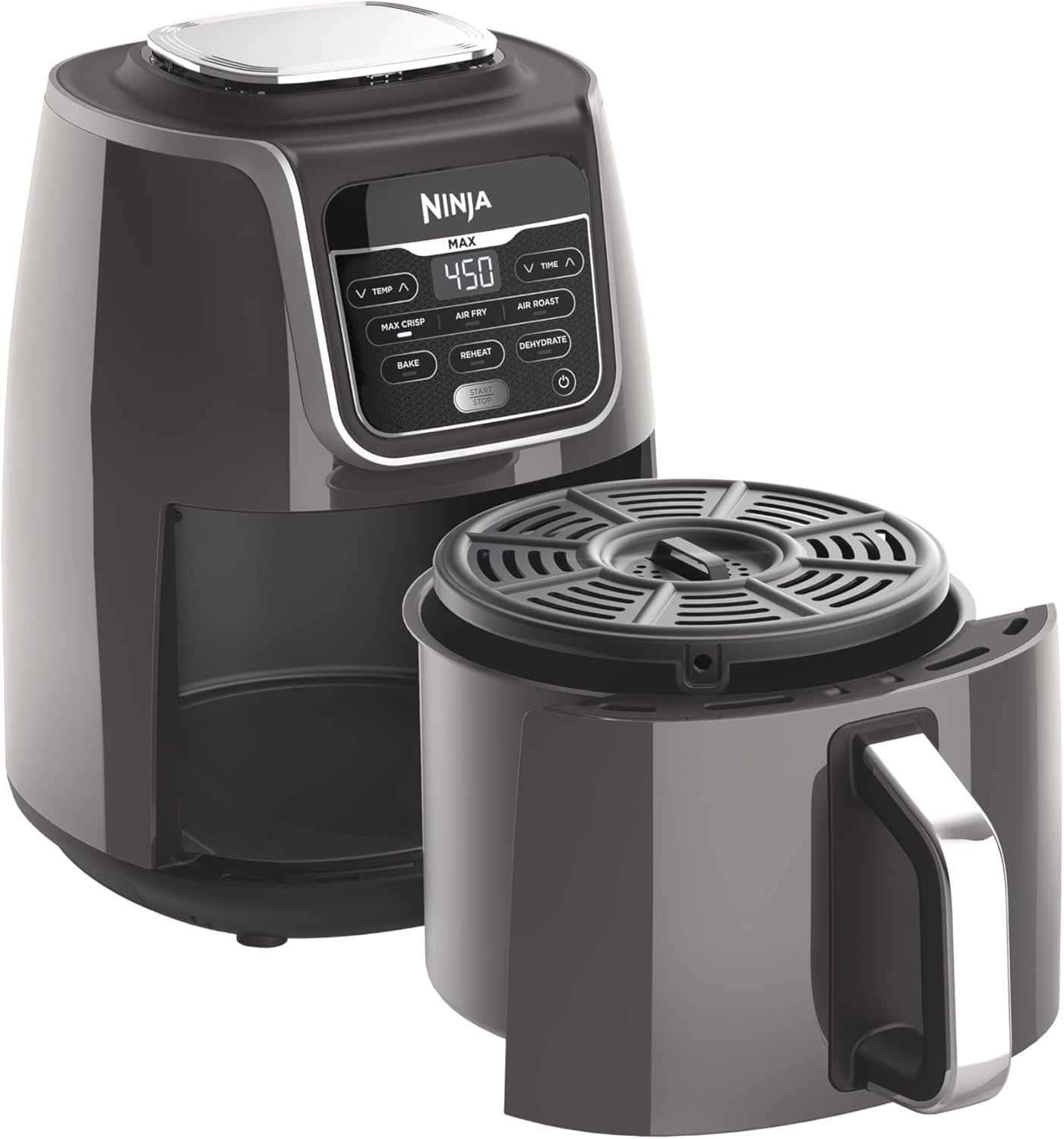
Ninja Air Fryer Max XL – Perfect for ensuring your diabetic meals are cooked evenly with less oil. Large capacity fits a whole chicken.
Check Price on AmazonEssential Air Frying Tips for Blood Sugar Management
Before diving into the recipes, it is crucial to master the technique to ensure your meals remain healthy and truly low-glycemic.
- Don’t Crowd the Basket: Air needs to circulate to crisp food. If you stack food, it steams instead of frying, resulting in a soggy texture that might tempt you to add breading or more sauces.
- Use High Smoke Point Oils: Even though you use less oil, the type matters. Avocado oil spray is excellent for high heat and contains healthy monounsaturated fats, unlike inflammatory vegetable oils.
- Avoid Standard Breading: Traditional flour creates a glucose spike. Instead, use almond flour, crushed pork rinds, or grated parmesan for breading. This aligns perfectly with keto diabetic meal planning.
- Shake the Basket: For vegetables like Brussels sprouts or zucchini fries, shaking the basket halfway through ensures even cooking and prevents burning.
- Preheat for Success: Just like an oven, preheating your air fryer for 3–5 minutes gives you that immediate sear, locking in juices without extra oil.
Type 1 vs. Type 2 Diabetes: Does Your Diagnosis Change How You Air Fry?
Most air fryer advice online treats “diabetic cooking” as a single category, but the practical goals differ depending on your diagnosis, and it’s worth understanding the distinction before you build your weekly rotation.
If you live with Type 1 diabetes, your priority is usually predictable, countable carbohydrates so you can dose insulin accurately. The air fryer is genuinely helpful here because breaded, “fried” foods made with almond flour or parmesan have a far more stable carbohydrate count than store-bought breaded products, which can vary batch to batch. Weighing your almond flour coating and portioning your protein before cooking makes carb-counting for bolus calculations much easier than guessing at a restaurant’s fried chicken.
If you live with Type 2 diabetes, especially when insulin resistance and weight management are central concerns, the bigger win from air frying is the drastic cut in added fat and calories, which supports gradual weight loss and improved insulin sensitivity over time. Portion size still matters, but exact-to-the-gram carb counting is usually less critical than the overall pattern of your meals across the week.
For those managing gestational diabetes, air frying is an easy way to keep protein- and vegetable-forward meals appealing during a stretch of pregnancy when cravings for fried comfort food are common. Sticking to non-starchy vegetable sides, lean proteins, and modest portions of whole grains keeps post-meal glucose readings steadier, and batch-cooked air fryer proteins make it easier to eat well even on days with nausea or fatigue. As always, any pregnancy-specific nutrition plan should be reviewed with your OB or a registered dietitian.
Practical takeaway: Whichever type of diabetes you manage, weighing or measuring your breading ingredients (not just the protein) gives you a far more reliable carbohydrate count than eyeballing it, which matters whether you’re dosing insulin or simply tracking a daily carb budget.
Common Air Fryer Mistakes That Sabotage Blood Sugar Goals
An air fryer removes the oil problem, but it doesn’t automatically make every recipe diabetes-friendly. These are the most frequent mistakes home cooks make when they first switch over.
- Reaching for frozen “fried” convenience foods: Frozen breaded chicken tenders, mozzarella sticks, and fries are usually made with wheat flour and starches, so air frying them instead of deep frying only removes the oil problem, not the blood-sugar problem. Read the nutrition label; the cooking method is secondary to the ingredient list.
- Assuming “air fried” always means low-carb: Air fryer donuts, cinnamon rolls, and battered onion rings can still spike blood sugar just as fast as their deep-fried counterparts, because the crust is still refined flour and sugar. The appliance changes the fat content, not the carbohydrate content.
- Overcrowding to save time: As covered earlier, a packed basket steams rather than crisps. Beyond texture, this often leads people to compensate with extra sauce, cheese, or a second breading pass, quietly adding carbs and sodium back into a dish that didn’t need them.
- Skipping protein or fiber pairing: A basket of crispy fries alone, even low-carb radish fries, digests faster without protein or fat alongside it. Pairing every air-fried side with a lean protein slows gastric emptying and blunts the glucose response.
- Using sugary marinades or glazes: Teriyaki, honey mustard, and barbecue sauces are frequently loaded with added sugar. Look for “no sugar added” versions or make a quick sauce at home with mustard, vinegar, and spices.
- Not accounting for carryover cooking: Food continues to cook slightly after leaving the basket. Pulling chicken or fish a minute early and letting it rest prevents the temptation to add extra time “just in case,” which can dry out lean proteins and push you toward sauces to compensate.
Must‑Have Air Fryer Accessories for Diabetic Cooking
The right accessories make low‑oil cooking even easier and expand your recipe repertoire. Here are some top picks (all compatible with most basket models):
🔹 Silicone muffin cups
Perfect for egg bites and mini frittatas — no sticking, easy cleanup. (Already used in our egg bites recipe.)
🔹 Perforated parchment liners
Allows airflow while catching drips. Ideal for fish or messy marinades.
🔹 Grill rack inserts
Double your cooking space — cook salmon on top rack and asparagus below.
🔹 Oil sprayer (pump, not aerosol)
Control the amount of oil with a fine mist; avoids propellants that can damage non‑stick coating.
🔹 Instant-read meat thermometer
Removes the guesswork from doneness, especially for leaner cuts like pork tenderloin and chicken breast that dry out quickly if overcooked. A quick internal-temperature check takes a few seconds and is far more reliable than cutting into the meat to check.
Section 1: Breakfast of Champions
Start your day with stability. A high-protein, low-carb breakfast prevents the “dawn phenomenon” spike. Here are air fryer recipes that beat cold cereal any day.
1. Air Fryer Low-Carb Egg Bites
Skip the expensive coffee shop sous-vide bites. These are fluffy, savory, and ready in minutes.
Ingredients:
- 4 large eggs
- 1/4 cup cottage cheese (for fluffiness)
- 1/2 cup fresh spinach, chopped
- 1/4 cup diced bell peppers
- Salt and pepper to taste
- Silicone muffin cups
Instructions:
- Blend eggs, cottage cheese, salt, and pepper until smooth.
- Place silicone cups in the air fryer basket.
- Distribute spinach and peppers into the cups.
- Pour the egg mixture over the vegetables (fill 3/4 full).
- Air fry at 300°F (150°C) for 12–15 minutes until set.
Pair this with ideas from our diabetic breakfast menu for a complete meal.
2. Crispy Avocado Boats
Healthy fats are essential for slowing sugar absorption. Warm avocado is creamy and decadent.
Ingredients:
- 1 firm avocado, halved and pitted
- 2 eggs
- Everything Bagel Seasoning (low sodium)
- 2 slices turkey bacon, cooked and crumbled
Instructions:
- Scoop out a small amount of avocado flesh to make the hole bigger.
- Crack an egg into each avocado half.
- Place carefully in the air fryer basket (use a foil boat to keep them upright).
- Cook at 350°F (175°C) for 8–10 minutes until egg white is set but yolk is runny.
- Top with seasoning and crumbled bacon.
3. Cinnamon “French Toast” Sticks (Low-Carb)
Use keto bread to satisfy your French toast craving without the sugar crash.
Ingredients:
- 4 slices low-carb bread, cut into sticks
- 2 eggs
- 1/4 cup unsweetened almond milk
- 1 tsp cinnamon, 1 tsp vanilla extract
- Pinch of nutmeg
- Olive oil spray
Instructions:
- Whisk eggs, almond milk, cinnamon, vanilla, nutmeg.
- Dip each bread stick into the mixture, letting excess drip off.
- Place in air fryer basket in a single layer; spray lightly with oil.
- Air fry at 375°F (190°C) for 8–10 minutes, flipping halfway.
- Serve with sugar‑free syrup or a few fresh berries.
Need more morning inspiration? Check out our breakfast ideas for diabetes.
Essential Accessory

Silicone Molds for Air Fryer – Essential for making perfect egg bites and muffins without sticking.
Check Price on AmazonSection 2: Lunch & Dinner – The Main Event
Lunch and dinner are where the air fryer truly shines, turning lean proteins into succulent meals without the need for heavy sauces. Below are both classic and new additions.
4. Keto “Fried” Chicken
This recipe uses almond flour and parmesan to create a crust that rivals KFC but fits within a low-carb weekly diabetic menu.
Ingredients:
- 2 chicken breasts, cut into strips
- 1 egg, beaten
- 1 cup almond flour
- 1/2 cup grated parmesan cheese
- 1 tsp paprika, 1 tsp garlic powder
- Olive oil spray
Instructions:
- Mix almond flour, cheese, and spices in a shallow bowl.
- Dip chicken strips in egg, then coat thoroughly in the dry mix.
- Place in air fryer in a single layer (do not touch).
- Spray tops generously with olive oil.
- Cook at 400°F (200°C) for 10–12 minutes, flipping halfway.
5. Lemon Garlic Salmon with Asparagus
A complete meal cooked simultaneously. Salmon is rich in Omega-3s, vital for heart health.
Ingredients:
- 2 salmon fillets
- 1 bunch asparagus, woody ends trimmed
- 1 tbsp olive oil
- Lemon slices
- Fresh dill
Instructions:
- Rub salmon and asparagus with olive oil, salt, and pepper.
- Place salmon in the center of the basket and arrange asparagus around it.
- Top salmon with lemon slices.
- Air fry at 375°F (190°C) for 8–10 minutes depending on thickness.
This pairs excellently with our diabetic lunch menu suggestions.
6. Stuffed Bell Peppers (Mexican Style)
Craving flavor? These peppers use lean turkey and spices to mimic traditional Mexican flavors without the heavy rice load.
Ingredients:
- 3 large bell peppers, tops removed and seeded
- 1 lb ground turkey
- 1/2 cup cauliflower rice
- 1 tbsp taco seasoning (sugar-free)
- 1/2 cup shredded cheddar cheese
- Salsa for serving
Instructions:
- Sauté turkey with taco seasoning until browned. Mix in cauliflower rice.
- Stuff peppers tightly with the mixture.
- Air fry at 360°F (180°C) for 10 minutes.
- Top with cheese and fry for another 2 minutes until melted.
Love these flavors? Explore more Mexican diabetic food recipes.
7. Crispy Tofu Nuggets (Vegan)
Perfect for plant‑based eaters. Tofu becomes wonderfully chewy and crisp.
Ingredients:
- 1 block extra-firm tofu, pressed and cubed
- 2 tbsp tamari (low sodium)
- 1 tbsp nutritional yeast
- 1/2 cup almond flour
- 1 tsp smoked paprika, 1/2 tsp garlic powder
Instructions:
- Marinate tofu cubes in tamari for 15 minutes.
- Mix almond flour, nutritional yeast, paprika, garlic powder.
- Toss tofu in the mixture until coated.
- Air fry at 375°F (190°C) for 12–15 minutes, shaking once.
- Serve with sugar‑free BBQ sauce or mustard.
14. Garlic Butter Air Fryer Shrimp
Shrimp cooks in minutes and is virtually carb-free, making it one of the fastest diabetic-friendly proteins you can put in the basket on a weeknight.
Ingredients:
- 1 lb large shrimp, peeled and deveined
- 2 tbsp melted butter or avocado oil
- 3 garlic cloves, minced
- 1/2 tsp smoked paprika
- Juice of half a lemon
- Fresh parsley, chopped
Instructions:
- Toss shrimp with melted butter, garlic, paprika, and a pinch of salt.
- Arrange in a single layer in the basket, preheated to 380°F (195°C).
- Air fry for 6–8 minutes, shaking halfway, until opaque and lightly golden.
- Finish with fresh lemon juice and parsley before serving over cauliflower rice.
This is a favorite in our diabetic lunch menu rotation because it reheats well the next day.
15. Herb-Crusted Pork Tenderloin
Pork tenderloin is one of the leanest cuts available, and the air fryer gives it a beautifully browned crust while keeping the inside juicy.
Ingredients:
- 1 lb pork tenderloin, trimmed
- 1 tbsp Dijon mustard
- 1 tsp each: dried rosemary, thyme, garlic powder
- 1 tbsp olive oil
- Salt and cracked pepper to taste
Instructions:
- Pat the tenderloin dry and rub with mustard, then coat with the herb blend.
- Drizzle with olive oil and place in the preheated basket at 380°F (195°C).
- Air fry for 18–22 minutes, flipping halfway, until internal temperature reaches 145°F (63°C).
- Rest for 5 minutes before slicing to keep the juices locked in.
16. Italian Turkey Meatballs
Ground turkey keeps saturated fat low, and baking these in the air fryer instead of pan-frying means no added oil is needed to brown them.
Ingredients:
- 1 lb lean ground turkey
- 1/4 cup almond flour
- 1 egg
- 2 tbsp grated parmesan
- 1 tsp Italian seasoning, 1 minced garlic clove
- Sugar-free marinara for serving
Instructions:
- Combine all ingredients gently; do not overmix, or the meatballs will turn dense.
- Roll into 12 evenly-sized balls.
- Air fry at 370°F (185°C) for 10–12 minutes, shaking the basket halfway.
- Simmer briefly in warmed sugar-free marinara before serving over zucchini noodles.
17. Rosemary Garlic Lamb Chops
Lamb is naturally rich and satisfying in small portions, which helps with the “am I still hungry” feeling that can lead to overeating carbohydrate-heavy sides.
Ingredients:
- 4 lamb loin chops
- 1 tbsp olive oil
- 2 garlic cloves, minced
- 1 tbsp fresh rosemary, chopped
- Salt and pepper to taste
Instructions:
- Rub chops with olive oil, garlic, and rosemary; let sit for 10 minutes at room temperature.
- Air fry at 400°F (200°C) for 8–10 minutes for medium, flipping halfway.
- Rest for 3–5 minutes before serving alongside roasted non-starchy vegetables.
22. One-Basket Chicken & Vegetable Casserole
A complete, low-carb one-basket meal for nights when you want minimal cleanup. This uses a small oven-safe dish that fits inside the air fryer basket.
Ingredients:
- 2 cups diced cooked chicken breast
- 1 cup broccoli florets
- 1/2 cup shredded cheddar
- 1/4 cup heavy cream
- 1 tsp garlic powder, salt and pepper to taste
Instructions:
- Combine chicken, broccoli, half the cheese, cream, and seasoning in a small oven-safe dish.
- Top with remaining cheese.
- Place the dish in the air fryer basket and cook at 350°F (175°C) for 12–15 minutes until bubbling and golden on top.
A convenient option for anyone following a diabetic menu for working adults who wants a single-dish dinner with minimal prep.
23. Sausage, Pepper & Onion One-Basket Bake
A simple, sheet-pan-style meal adapted for the air fryer basket, built around lean chicken or turkey sausage instead of higher-fat pork varieties.
Ingredients:
- 4 links lean chicken or turkey sausage, sliced into rounds
- 1 bell pepper, sliced
- 1/2 sweet onion, sliced
- 1 tbsp olive oil
- 1 tsp Italian seasoning
Instructions:
- Toss all ingredients together with olive oil and seasoning.
- Spread in a single layer in the basket.
- Air fry at 380°F (195°C) for 12–14 minutes, shaking halfway, until sausage is browned and vegetables are tender.
Cleanup Made Easy

Air Fryer Disposable Paper Liners – Keep your basket clean and reduce grease buildup. Perfect for sticky marinades.
Check Price on AmazonSection 3: Vegetable Sides (The “French Fry” Replacements)
The hardest part of a diabetic diet is often giving up potato chips and french fries. The air fryer solves this by turning low-carb veggies into crispy vessels for dip.
8. Parmesan Zucchini Fries
Zucchini has a high water content, so the trick is salting them first to draw out moisture.
- Cut zucchini into batons. Sprinkle with salt and let sit for 20 mins. Pat dry.
- Toss in egg wash, then a mix of almond flour and parmesan.
- Air fry at 400°F (200°C) for 10 minutes.
9. Crunchy Green Bean Fries
An addictive alternative that requires zero breading.
- Toss fresh green beans in 1 tsp sesame oil and garlic salt.
- Air fry at 380°F (190°C) for 8 minutes until blistered and snappy.
10. Spicy Radish “Potato” Wedges
Radishes, when air fried, lose their peppery bite and taste remarkably like roasted potatoes — with a fraction of the carbs.
- Halve radishes, toss in olive oil, rosemary, and paprika.
- Air fry at 375°F for 15 minutes, shaking halfway.
- Sprinkle with salt and serve with sugar‑free ketchup.
Bonus Side: Garlic Parmesan Brussels Sprouts
Brussels sprouts caramelize beautifully in an air fryer, developing a nutty sweetness that pairs well with almost any protein on this list.
- Halve fresh Brussels sprouts and toss with olive oil, minced garlic, salt, and pepper.
- Air fry at 380°F (195°C) for 12–14 minutes, shaking halfway, until deeply browned on the cut side.
- Toss with freshly grated parmesan while still hot.
Bonus Side: Cheesy Cauliflower Bites
A satisfying, low-carb stand-in for tater tots that works well as a side or an after-school snack for the whole family.
- Pulse steamed cauliflower into rice-sized pieces and squeeze out excess moisture with a clean towel.
- Mix with one egg, 1/2 cup shredded cheddar, and 2 tablespoons almond flour; form into small tots.
- Air fry at 375°F (190°C) for 14–16 minutes, flipping halfway, until golden and firm.
Copycat Favorite: Almond-Crusted Onion Rings
A lightened-up version of a classic craving. Sweet onions caramelize inside a crunchy, low-carb coating.
- Slice a large sweet onion into 1/2-inch rings and separate.
- Dip in beaten egg, then coat in a mixture of almond flour, a pinch of paprika, and grated parmesan.
- Air fry at 380°F (195°C) for 10–12 minutes, flipping halfway, until deeply golden.
- Serve with a sugar-free dipping sauce, such as a mustard-mayo blend.
Copycat Favorite: Crispy Fish Sticks
A homemade, low-carb version of a freezer-aisle staple, using a flaky white fish and a crunchy almond-parmesan crust instead of breadcrumbs.
- Cut cod or tilapia fillets into even strips.
- Dip in beaten egg, then coat in a mix of almond flour, grated parmesan, and Old Bay or a similar seafood seasoning.
- Air fry at 400°F (200°C) for 8–10 minutes, flipping halfway, until the coating is golden and the fish flakes easily.
- Serve with a quick tartar sauce made from mayonnaise, chopped dill pickle, and a squeeze of lemon.
Vegetables are the cornerstone of any vegan diabetic meal plan, and air frying enhances their natural sweetness without adding sugar.
Section 4: Diabetic-Friendly Snacks
Snacking is where many derail their progress. Having air-fried snacks prepped helps maintain steady blood glucose.
11. Spicy Roasted Chickpeas
A high-fiber crunchy snack. Note: Chickpeas have carbs, so portion control is key, but the fiber offsets the spike.
Method:
- Drain and rinse a can of chickpeas. Pat extremely dry (crucial for crunch).
- Toss with olive oil, chili powder, cumin, and smoked paprika.
- Air fry at 390°F (200°C) for 12–15 minutes, shaking often.
- Let them cool completely in the basket to harden.
12. Buffalo Cauliflower “Wings”
All the flavor of game day without the batter.
Method:
- Cut cauliflower into large florets.
- Toss with a small amount of melted butter and hot sauce.
- Air fry at 375°F (190°C) for 12 minutes.
- Serve with blue cheese dressing.
Find more inspiration in our guide to diabetic snack ideas.
13. Kale Chips (Garlic-Lemon)
Rich in vitamins and magnesium, kale chips are a superfood snack.
Method:
- Wash and thoroughly dry a bunch of kale; tear into pieces.
- Toss with 1 tbsp olive oil, lemon juice, garlic powder, and salt.
- Air fry at 300°F (150°C) for 5–7 minutes, shaking once. Watch closely to avoid burning.
Section 4B: Diabetic-Friendly Air Fryer Desserts
Dessert is often the hardest category to navigate with diabetes, since most air fryer dessert content online (donuts, churros, cinnamon rolls) is built around refined flour and sugar. These versions swap the usual culprits for lower-glycemic alternatives while still delivering a warm, satisfying finish to a meal.
18. Air Fryer Baked Apples with Cinnamon
Whole fruit still contains natural sugar, so portion control matters, but baked apple has a much gentler glucose curve than apple pie, and the air fryer concentrates the flavor beautifully.
Ingredients:
- 2 small apples, cored
- 1 tsp cinnamon
- 1 tbsp chopped walnuts
- 1 tsp sugar-free maple syrup
- 1/2 tsp butter, cut into small pieces
Instructions:
- Fill the cored center of each apple with walnuts, cinnamon, and butter.
- Drizzle with sugar-free syrup.
- Air fry at 350°F (175°C) for 15–18 minutes until tender.
- Serve warm, optionally with a spoonful of unsweetened Greek yogurt.
19. Low-Carb Air Fryer Cheesecake Bites
Made with almond flour and a sugar substitute, these individual bites let you enjoy a creamy dessert without the traditional graham cracker crust and added sugar.
Ingredients:
- 8 oz cream cheese, softened
- 1/4 cup granulated sugar substitute (such as allulose or erythritol)
- 1 egg
- 1/2 tsp vanilla extract
- 2 tbsp almond flour (for the base, mixed with 1 tbsp melted butter)
Instructions:
- Press the almond flour and butter mixture into the base of small silicone muffin cups.
- Beat cream cheese, sweetener, egg, and vanilla until smooth.
- Spoon the filling over the bases.
- Air fry at 320°F (160°C) for 12–14 minutes until just set with a slight jiggle in the center.
- Cool completely, then refrigerate for at least two hours before serving.
20. Cinnamon-Spiced Air Fryer Pears
Pears caramelize naturally in the air fryer’s dry heat, creating a dessert that tastes indulgent but is built entirely from whole fruit and warm spice.
Ingredients:
- 2 firm pears, halved and cored
- 1 tsp cinnamon, pinch of nutmeg
- 1 tsp melted coconut oil
- 1 tbsp chopped pecans
Instructions:
- Brush pear halves with melted coconut oil and dust with cinnamon and nutmeg.
- Air fry cut-side up at 360°F (182°C) for 10–12 minutes until fork-tender.
- Top with chopped pecans in the last 2 minutes of cooking.
21. Chocolate Peanut Butter Protein Bites (No-Bake, Air-Fry Finish)
These use the air fryer only briefly, to lightly toast the coating, while the base stays a no-added-sugar protein bite that’s easy to portion and store.
Ingredients:
- 1 cup natural peanut butter (no added sugar)
- 1/3 cup unsweetened cocoa powder
- 1/4 cup vanilla protein powder
- 2 tbsp granulated sugar substitute
- 2 tbsp unsweetened shredded coconut, for coating
Instructions:
- Mix peanut butter, cocoa powder, protein powder, and sweetener into a firm dough.
- Roll into 12 small balls and coat in shredded coconut.
- Air fry at 300°F (150°C) for 3–4 minutes just to lightly toast the coconut coating.
- Cool completely before storing in the refrigerator for up to a week.
Explore more portion-controlled treats in our diabetic snack ideas guide.
Eggs, Jerky & the Dehydrate Function: Getting More From Your Air Fryer
Two categories that come up constantly in diabetic meal prep searches are hard-boiled eggs and homemade dried snacks, and the air fryer handles both surprisingly well.
Air Fryer “Hard-Boiled” Eggs
Skip the pot of boiling water. Place whole eggs directly in the basket (no water needed) and air fry at 270°F (132°C) for 15–17 minutes for a firm yolk, or 13 minutes for a slightly softer center. Transfer immediately to an ice bath for 5 minutes to stop the cooking and make peeling easier. Batch-cooking a dozen eggs this way on a Sunday gives you a grab-and-go protein source for the entire week, ideal for anyone following a weekly diabetic meal plan.
Using the Dehydrate Setting
If your model has a dehydrate function, it’s worth using for sugar-free dried fruit and homemade jerky, since most store-bought versions of both are surprisingly high in added sugar. Thinly sliced apple or pear dusted with cinnamon dehydrates at around 135°F (57°C) for 6–8 hours into a chewy, portable snack with no added sweetener. Lean beef or turkey marinated in a sugar-free teriyaki or Worcestershire-based marinade and dehydrated at 160°F (71°C) for 4–6 hours makes a high-protein, low-carb snack that travels well for work or travel days.
Why this matters for blood sugar: Commercial dried fruit and jerky are frequently coated in sugar or corn syrup for shelf stability and flavor. Making your own removes that variable entirely, so the only carbohydrates you’re counting are the ones naturally present in the fruit itself.
Adapting Recipes for Special Diets
Diabetes often overlaps with other dietary needs, whether by choice or by additional health conditions. Here’s how to adjust the recipes in this guide for the most common overlapping diets.
Gluten-Free
Nearly every recipe in this guide is already naturally gluten-free, since almond flour, parmesan, and pork rind coatings replace wheat-based breading. Just double check that seasoning blends, sauces, and low-carb bread products (used in the French toast sticks) are labeled certified gluten-free, as cross-contamination and hidden wheat starch can appear in pre-made spice mixes.
Dairy-Free
Swap parmesan and cheddar for nutritional yeast (as used in the tofu nuggets) or a dairy-free cheese alternative. Replace butter with avocado oil or dairy-free butter substitutes in recipes like the lamb chops or baked apples. Cream cheese in the cheesecake bites can be swapped for a dairy-free cream cheese alternative, though texture may be slightly softer.
Low-Sodium (Renal-Friendly)
Reduce or omit added salt in seasoning blends and lean on acid (lemon juice, vinegar) and fresh or dried herbs for flavor instead. Choose low-sodium tamari over regular soy sauce, and rinse canned chickpeas thoroughly to remove excess sodium from the canning liquid. This pairs well with the guidance in our renal diabetic meal plan resource.
Vegan / Vegetarian
The tofu nuggets, buffalo cauliflower, roasted chickpeas, and most vegetable sides in this guide are already vegan as written or with a simple swap (nutritional yeast instead of parmesan, a flax egg instead of a whole egg in coatings). Building a full day of vegan meals from this guide is straightforward: pair a vegetable side, a legume-based protein like chickpeas or lentil-based meatballs, and a non-starchy vegetable to round out fiber and micronutrients.
Building a Diabetic-Friendly Air Fryer Grocery List
Having the right staples on hand removes the guesswork from weeknight cooking. This is a practical shopping list built around the recipes in this guide, organized by category.
🛒 Proteins
- Chicken breasts & thighs
- Salmon and other fatty fish
- Shrimp (fresh or frozen, peeled)
- Pork tenderloin
- Lean ground turkey
- Lamb loin chops
- Extra-firm tofu
- Eggs
🛒 Pantry Staples
- Almond flour
- Grated parmesan
- Nutritional yeast
- Low-sodium tamari or soy sauce
- Sugar-free marinara & BBQ sauce
- Granulated sugar substitute (allulose/erythritol)
- Avocado oil spray
🛒 Produce
- Zucchini, green beans, radishes
- Brussels sprouts, cauliflower, broccoli
- Bell peppers, asparagus, kale
- Avocados, lemons, garlic
- Apples and pears
🛒 Dairy & Refrigerated
- Cottage cheese, cream cheese
- Shredded cheddar
- Unsweetened almond milk
- Butter or ghee
Troubleshooting: Fixing Common Air Fryer Problems
Even experienced home cooks run into these issues occasionally. Here’s how to fix the most frequent ones.
- Food comes out soggy instead of crispy: Usually caused by overcrowding, excess moisture on the food’s surface, or too low a temperature. Pat ingredients thoroughly dry before seasoning, cook in batches, and increase the temperature slightly for the last few minutes to finish crisping.
- Breading falls off during cooking: This typically happens when the egg wash layer is too thin or the coating wasn’t pressed on firmly enough. Let breaded items rest for 5 minutes before cooking so the coating adheres, and avoid flipping too early in the cook time.
- Smoke coming from the unit: Usually caused by excess fat dripping onto the heating element, particularly with fattier cuts of meat. Add a small splash of water to the bottom drawer (if your model has one) to reduce smoking, and clean grease buildup after every use.
- Uneven cooking, some pieces done and others not: Cut ingredients into uniform sizes before cooking, and shake or flip halfway through. Smaller pieces should be placed toward the center of the basket, away from the strongest heat at the edges on some models.
- Food sticks despite using oil: Preheat the basket before adding food, and consider perforated parchment liners for delicate items like fish or egg-based dishes until you learn your particular unit’s tendencies.
Section 5: Meal Planning & Batch Cooking
An air fryer isn’t just for single meals; it’s a tool for weekly diabetic meal planning. You can batch cook chicken breasts or roasted vegetables on Sunday to use in salads and wraps throughout the week.
Tips for Reheating
Unlike the microwave, which makes leftovers soggy, the air fryer revives the texture. Reheat proteins at 350°F for 3–4 minutes to bring back the crispiness without drying them out. This is particularly useful for those on a diabetic menu for working adults who need quick, quality meals.
Special Considerations for Seniors
The air fryer is safer than a stovetop deep fryer (no open flame or vat of hot oil) and has auto-shutoff features. This makes it ideal for the elderly. Recipes like soft-roasted squash or tender fish are perfect for a diabetic menu for elderly with no teeth or chewing difficulties.
A Sample 7-Day Air Fryer Meal Prep Plan
One of the most-asked questions we get is simply: “what does a full week actually look like?” Below is a realistic rotation built entirely from the recipes in this guide, designed to minimize decision fatigue while keeping blood sugar steady. Adjust portions to your own carbohydrate targets and always coordinate any structured meal plan with your care team.
| Day | Breakfast | Lunch | Dinner |
|---|---|---|---|
| Monday | Low-Carb Egg Bites | Garlic Butter Shrimp over cauliflower rice | Lemon Garlic Salmon with Asparagus |
| Tuesday | Crispy Avocado Boats | Leftover salmon salad over greens | Keto “Fried” Chicken with Green Bean Fries |
| Wednesday | Air fryer hard-boiled eggs + berries | Leftover chicken wrap (low-carb tortilla) | Herb-Crusted Pork Tenderloin with Buffalo Cauliflower |
| Thursday | Cinnamon “French Toast” Sticks | Leftover pork over side salad | Italian Turkey Meatballs with zucchini noodles |
| Friday | Low-Carb Egg Bites (batch two) | Buffalo Cauliflower “Wings” + roasted chickpeas | Rosemary Garlic Lamb Chops with Radish Wedges |
| Saturday | Crispy Avocado Boats | Stuffed Bell Peppers (Mexican Style) | Crispy Tofu Nuggets with Parmesan Zucchini Fries |
| Sunday | Batch-cook: hard-boiled eggs + dehydrated snacks for the week | Leftover tofu nuggets over greens | Rest day — simple grilled or air-fried leftovers |
Notice the pattern: Sunday and one weekday evening are used for batch cooking proteins that stretch across two or three meals, which keeps actual “cooking time” during the busy weekdays to roughly 15–20 minutes per meal. This structure works well alongside a low-carb weekly diabetic menu and is easy to adapt for a diabetic menu for working adults with limited weeknight time.
Air Fryer Temperature & Time Conversion Chart
One of the most common frustrations when adapting a favorite oven or stovetop recipe for the air fryer is knowing how much to adjust the temperature and time. As a general rule, air fryers cook faster and slightly hotter than a conventional oven because the fan circulates heat directly against the food’s surface.
| Oven Temperature | Air Fryer Temperature | Time Adjustment |
|---|---|---|
| 350°F (175°C) | 325°F (163°C) | Reduce time by about 20% |
| 375°F (190°C) | 350°F (175°C) | Reduce time by about 20% |
| 400°F (200°C) | 375°F (190°C) | Reduce time by about 20–25% |
| 425°F (218°C) | 400°F (200°C) | Reduce time by about 25% |
For proteins specifically, always confirm doneness with a meat thermometer rather than relying on time alone, since basket size, wattage, and how full the basket is all affect actual cook time. Poultry should reach 165°F (74°C), ground meats 160°F (71°C), and whole cuts of pork or lamb at least 145°F (63°C) with a brief rest.
Quick rule of thumb: Drop the oven temperature by roughly 25°F (about 15°C) and check your food at the 75% time mark. You can always add a few more minutes, but you can’t undo overcooked lean protein.
Air Fryer vs. Oven vs. Deep Fryer vs. Instant Pot: Which Wins for Diabetes Management?
The air fryer isn’t the only countertop appliance marketed to people managing diabetes, and it helps to understand where it genuinely outperforms the alternatives, and where another tool might actually be a better fit for a specific meal.
| Appliance | Oil Needed | Best For | Diabetes Consideration |
|---|---|---|---|
| Air Fryer | Little to none | Crispy proteins, vegetables, reheating leftovers | Lowest added fat of the group; fastest cook times for smaller portions |
| Conventional Oven | Low to moderate | Large batches, whole poultry, sheet-pan meals | Still low-oil, but slower and less crisp than an air fryer for smaller items |
| Deep Fryer | High (food submerged) | Traditional fried textures | Adds significant saturated fat and calories; generally best avoided for regular use |
| Instant Pot / Pressure Cooker | Low | Soups, stews, tougher cuts of meat, beans | Excellent for fiber-rich legume dishes, but doesn’t produce a crispy texture |
In practice, most diabetic-friendly kitchens benefit from using the air fryer and a pressure cooker together: the pressure cooker handles high-fiber legume dishes and tougher, economical cuts of meat, while the air fryer delivers the crispy textures that make low-carb eating feel less like a restriction.
Cleaning, Maintenance & Accessibility Tips
A well-maintained air fryer stays efficient and safe for years, and a few habits make daily use easier, especially for anyone managing diabetes-related complications like reduced sensation in the hands or feet, or low vision.
- Clean after every use: Food residue left in the basket can smoke on the next use and eventually affects non-stick performance. A quick wash in warm soapy water (or the dishwasher, if the basket is rated for it) takes under two minutes.
- Descale and wipe the heating element occasionally: Grease splatter on the coil reduces efficiency over time. Unplug and let the unit cool completely before wiping the interior with a damp cloth.
- For neuropathy or reduced grip strength: Choose a model with a pull-out drawer rather than a flip-top design, since drawers are generally easier and safer to handle with reduced sensation or grip. Silicone oven mitts with textured grips also help when removing hot baskets.
- For low vision: Digital models with large, high-contrast displays and audible “done” alerts are easier to use safely than small analog dials. Placing a piece of brightly colored tape at your most-used temperature setting can also help with quick visual reference.
- Avoid metal utensils on non-stick baskets: Scratches in the coating can flake into food over time and shorten the life of the basket. Silicone-tipped tongs are a safer choice.
Sodium and Blood Pressure: An Overlooked Benefit of Air Frying
Diabetes and high blood pressure frequently occur together, and many people managing both conditions are told to watch sodium intake alongside carbohydrates. Air frying supports this goal in a way that’s easy to overlook.
Traditional fried foods, especially restaurant and fast-food versions, are typically salted heavily both before and after frying to compensate for the greasy mouthfeel and to enhance the batter’s flavor. Because home air-fried recipes rely on herbs, garlic, citrus, and spice blends for flavor instead of a thick, salty batter, the overall sodium content of a home-cooked meal tends to be substantially lower than a restaurant equivalent, even before you make any conscious effort to reduce salt.
To reduce sodium further without sacrificing flavor, lean on these swaps used throughout this guide: fresh garlic and lemon instead of garlic salt, dried herbs like rosemary and thyme instead of pre-made seasoning blends (which often contain significant added salt), and low-sodium tamari instead of regular soy sauce. Rinsing canned beans and chickpeas under running water for 30 seconds removes a meaningful portion of the sodium from the canning liquid as well.
Flavor without the shaker: A simple ratio of 2 parts dried herb to 1 part garlic powder to 1 part smoked paprika, with no added salt, works as an all-purpose seasoning blend across nearly every recipe in this guide, and can be stored in a small jar for weeks.
Buying Guide: Choosing the Right Air Fryer for Your Needs
Not all air fryers are created equal. When selecting one for a diabetic kitchen, consider the following:
Choosing the Right Size for Your Household
Basket capacity has a bigger impact on your day-to-day cooking experience than most buying guides suggest, mainly because undersized units force multiple cooking batches, which adds time and can tempt you to skip the vegetable side “just this once.”
| Household Size | Recommended Capacity | Notes |
|---|---|---|
| 1 person | 2–4 quart | Compact countertop footprint; ideal for single-serving proteins and sides |
| 2–3 people | 5–6 quart | Enough room for a single-layer batch of chicken thighs or a full side of vegetables |
| 4+ people or meal preppers | 7–10 quart or dual-basket models | Dual-basket units let you cook a protein and a vegetable side simultaneously at different temperatures |
If you’re batch cooking for the week using the meal prep plan above, a dual-basket or larger single-basket model will save considerable time compared to running several smaller batches back to back.
Family Meals: Getting Kids and Non-Diabetic Household Members on Board
One of the quiet challenges of a diabetes diagnosis is cooking for a household where not everyone is managing the same dietary priorities. The good news is that most of the recipes in this guide don’t taste like “diet food,” which makes them easy to serve to the whole family without separate cooking.
Keto “Fried” Chicken, Garlic Butter Shrimp, and the Italian Turkey Meatballs are consistently the most kid-friendly recipes in this collection, since they deliver familiar, craveable flavors and textures. For children or family members without diabetes who want extra carbohydrates, simply add a whole-grain side (brown rice, whole wheat pasta, or a slice of regular bread) to their plate while the rest of the meal stays the same for everyone. This “same meal, different side” approach reduces the mental and logistical load of cooking two entirely separate dinners every night.
For packed lunches, the Turkey Meatballs, Crispy Tofu Nuggets, and Buffalo Cauliflower all hold up well cold or reheated in a lunchbox thermos, making them practical for both a diabetic parent’s lunch and a child’s lunchbox alike.
Family tip: Let kids help with the “shake the basket” step. It’s a low-effort way to involve children in cooking and tends to make them more willing to eat the vegetables they helped prepare.
Reading Nutrition Labels: Spotting Hidden Sugar Before It Hits the Basket
Air frying only controls the fat side of the equation; the ingredients you start with still determine the carbohydrate and sugar content of the finished dish. This becomes especially important when using store-bought marinades, sauces, or pre-seasoned proteins, since “healthy sounding” products frequently contain more added sugar than expected.
- Check the ingredient list, not just the front label: Terms like “no artificial flavors” or “all natural” say nothing about sugar content. Scan the ingredients for cane sugar, corn syrup, honey, agave, dextrose, and maltodextrin, all of which count as added sugars.
- Watch for sugar in savory products: Barbecue sauce, teriyaki marinade, ketchup, and even some spice blends and pre-made breadcrumbs can contain meaningful amounts of added sugar. A “sugar-free” or “no sugar added” label on these products is worth seeking out specifically.
- Compare “net carbs” carefully: Net carb figures (total carbs minus fiber and sugar alcohols) can be a useful shorthand, but not all sugar alcohols affect blood sugar equally, and some people find certain sugar alcohols still raise their glucose somewhat. If you’re carb-counting for insulin dosing, it’s worth testing your individual response rather than assuming net carbs behave identically to zero carbs.
- Pre-marinated meats are a common blind spot: Pre-marinated chicken or pork from the grocery store meat case often contains added sugar in the marinade. Making your own quick marinade at home (as in the recipes throughout this guide) gives you full control over this hidden source of carbohydrates.
Feature Comparison at a Glance
| Feature | Why it Matters for Diabetics | Recommendation |
|---|---|---|
| Basket Size | Larger baskets allow for single-layer cooking, essential for roasting veggies without steaming them. | Go for 5.8 Quart or larger. |
| Dehydrate Function | Allows you to make your own sugar-free dried fruit or jerky (store-bought is often sugar-loaded). | Look for “Multi-cooker” models. |
| Ease of Cleaning | Encourages frequent cooking at home rather than ordering takeout. | Dishwasher safe baskets are a must. |
| Presets | Ensures consistent cooking for fish and chicken without guesswork. | Digital interfaces are usually more precise. |
For those on a budget, refer to our low income diabetic menu tips, where we discuss cost-effective appliances and ingredients.
Seasonal Air Fryer Cooking for Diabetes Management
Rotating recipes with the seasons keeps meals interesting and takes advantage of produce that’s freshest (and often most affordable) at different times of year.
🌱 Spring
Asparagus, radishes, and spring greens shine in the air fryer. Try the Lemon Garlic Salmon with Asparagus alongside a batch of Spicy Radish Wedges for a bright, lighter meal after winter’s heavier cooking.
☀️ Summer
Zucchini and green beans are at their peak. The Parmesan Zucchini Fries and Crunchy Green Bean Fries pair well with quickly air-fried shrimp for a meal that doesn’t require heating up the whole kitchen.
🍂 Fall
Brussels sprouts, cauliflower, and apples are in season. The Baked Apples with Cinnamon and Garlic Parmesan Brussels Sprouts make a cozy, low-carb pairing for a Sunday dinner.
❄️ Winter
Lean into heartier proteins like the Herb-Crusted Pork Tenderloin or Rosemary Garlic Lamb Chops, paired with roasted cauliflower or Brussels sprouts for a warming, satisfying dinner.
Portion Control Made Simple: The Diabetes Plate Method
Many of the recipes in this guide are designed to slot neatly into the “plate method,” a widely used, simple visual approach to portioning meals without needing to weigh or count every ingredient.
- Half the plate — non-starchy vegetables: Zucchini fries, Brussels sprouts, green beans, cauliflower, and kale chips from this guide all fit here.
- One quarter of the plate — lean protein: Chicken, salmon, shrimp, pork tenderloin, turkey meatballs, lamb chops, or tofu.
- One quarter of the plate — carbohydrate source: A modest portion of whole grains, beans, or starchy vegetables, chosen based on your personal carb targets. Roasted chickpeas or a small portion of sweet potato fries can fill this role in moderation.
Using this framework alongside the recipes above removes much of the daily decision-making around portioning, since you’re building the same balanced structure at every meal regardless of which specific recipe you choose.
Simple visual trick: Use a standard 9-inch dinner plate rather than a larger platter. Studies on portion perception consistently show that people unconsciously serve larger portions on larger plates, even when using the same plate-method proportions.
Top Rated All-Rounder

COSORI Air Fryer Pro LE 5-Qt – Quiet, compact, and incredibly efficient for daily meals. Includes 13 presets.
Check Price on AmazonTraveling and Eating Out: Applying These Principles Away From Home
Not every meal happens at home, and the same logic behind these recipes can guide better choices when you’re traveling or dining out.
- Look for grilled or roasted over fried: Restaurant menus rarely offer air-fried options by name, but “grilled,” “roasted,” or “blackened” preparations achieve a similar reduction in added fat compared to traditional frying.
- Ask for sauces on the side: Many restaurant sauces and glazes contain added sugar. Requesting them on the side lets you control the portion, or skip them in favor of a squeeze of lemon and olive oil.
- Pack your own snacks for travel: Homemade roasted chickpeas, kale chips, or dehydrated jerky travel well in a sealed container and don’t require refrigeration for a full day of travel, unlike many fresh options.
- Consider a portable, compact air fryer for extended stays: Some travelers and RV owners use small 2-quart models in hotel rooms or vacation rentals to maintain their usual cooking routine rather than relying entirely on restaurant meals during longer trips.
- Apply the plate method visually: Even without a kitchen scale, mentally dividing a restaurant plate into the same non-starchy vegetable, protein, and carbohydrate proportions used at home keeps your choices consistent.
Cost Comparison: Home Air-Fried Meals vs. Takeout
Beyond the health benefits, home air frying is frequently far more affordable than ordering equivalent “fried” comfort foods from a restaurant or delivery app, especially once delivery fees and tips are factored in.
| Meal | Approximate Restaurant/Delivery Cost | Approximate Home Air Fryer Cost |
|---|---|---|
| Fried chicken tenders (per serving) | $12–$16 with delivery fees | $3–$5 (Keto “Fried” Chicken) |
| Fish and chips style meal | $15–$20 | $4–$6 (Crispy Fish Sticks + Zucchini Fries) |
| Onion rings (side) | $6–$9 | $1.50–$2.50 (Almond-Crusted Onion Rings) |
Cost estimates will vary considerably by region and current grocery prices, but the general pattern holds: batch-cooking at home in an air fryer is consistently less expensive than ordering equivalent fried comfort foods, which makes sustainable eating easier on the wallet as well as on blood sugar. Over a full month, the savings from replacing even two or three takeout “fried” meals with their home air-fried equivalents can add up to a meaningful amount, money that can just as easily go toward higher-quality proteins and fresh produce for the following month’s grocery list.
Ingredient Swap Cheat Sheet
Keep this quick reference handy when adapting your own favorite recipes for the air fryer and for blood sugar management.
| Traditional Ingredient | Diabetic-Friendly Swap | Why It Works |
|---|---|---|
| Wheat flour breading | Almond flour, crushed pork rinds, or parmesan | Dramatically lower carbohydrate content per equivalent coating |
| White potatoes | Radishes, turnips, or rutabaga | Similar texture when air fried, far lower glycemic impact |
| Regular breadcrumbs | Crushed pork rinds or almond meal | No added starch, higher protein content |
| Sugary barbecue or teriyaki sauce | Sugar-free versions or a homemade vinegar-based sauce | Removes a significant hidden source of added sugar |
| White rice | Cauliflower rice | A fraction of the carbohydrates with similar texture in stuffed dishes |
| Regular soy sauce | Low-sodium tamari | Reduces sodium load without sacrificing umami flavor |
| Granulated sugar | Allulose or erythritol | Sweetness without the same blood sugar response |
Air Frying for Active Diabetics: Fueling Around Exercise
Physical activity plays an important role in blood sugar management, and the timing and composition of meals around exercise can make a real difference in how you feel during and after a workout. While specific guidance should always come from your doctor or diabetes educator, especially if you use insulin, these general principles apply well to the recipes in this guide.
Before exercise, a meal or snack that combines a modest amount of carbohydrate with protein tends to provide steadier energy than a large, heavy meal. A couple of the Low-Carb Egg Bites or a small portion of the Air Fryer Baked Apples alongside a protein source can work well roughly one to two hours before activity, depending on your individual response and activity intensity.
After exercise, protein-forward meals like the Garlic Butter Shrimp, Herb-Crusted Pork Tenderloin, or Italian Turkey Meatballs support muscle recovery, and pairing them with a non-starchy vegetable side keeps the meal satisfying without an unnecessary carbohydrate load, unless your activity was long or intense enough that your care team has recommended additional carbohydrate replacement.
Important: Exercise affects insulin sensitivity and can increase the risk of hypoglycemia, particularly for those using insulin or certain other diabetes medications. Always follow your own care team’s specific guidance on adjusting food intake or medication around physical activity, and keep a fast-acting glucose source on hand during exercise as recommended by your provider.
Frequently Asked Questions (FAQ)
Is air fried food considered keto-friendly?
Yes, air fried food is very keto-friendly as long as you avoid wheat-based breading and sugary glazes. Using almond flour or crushed pork rinds allows you to stay within your macro limits while enjoying crispy textures.
Can I cook frozen vegetables in the air fryer?
Absolutely. Frozen broccoli, cauliflower, and green beans roast beautifully in the air fryer. You usually do not need to thaw them first; just add a few extra minutes to the cooking time.
How do I stop food from sticking to the basket?
Preheating the air fryer helps. Also, lightly spraying the basket with oil or using perforated parchment paper liners can prevent sticking. Avoid aerosol sprays like Pam directly on non-stick coatings as they can degrade the surface over time; use a pump oil sprayer instead.
Is an air fryer good for a renal diabetic diet?
Yes. A renal diabetic meal plan often requires limiting sodium and potassium. Air frying enhances natural flavors through roasting, reducing the need for salt. You can also easily leach vegetables (if required) before crisping them up.
Can I use an air fryer if I have high cholesterol?
Absolutely. Because you use minimal oil, you drastically cut down on unhealthy fats. Choose heart‑healthy oils like avocado or olive oil, and avoid processed breading. This aligns with a heart‑healthy diabetic diet.
What are the best low-carb flours for air fryer breading?
Almond flour, coconut flour (use sparingly, it absorbs moisture), crushed pork rinds, grated parmesan, and flax meal are all excellent choices. They keep the glycemic load low while providing great texture.
Are there any diabetic-friendly desserts I can make in an air fryer?
Yes. Baked apples with cinnamon, roasted pears, and almond-flour cheesecake bites made with a sugar substitute all work well. The key is avoiding refined flour and added sugar in the base, since the air fryer only changes the fat content of a dessert, not its carbohydrate profile.
Is it safe to use an air fryer with gestational diabetes?
Yes, air frying is a safe and practical cooking method during pregnancy. Focus on lean proteins and non-starchy vegetables, and discuss any specific meal plan with your OB-GYN or a registered dietitian familiar with your individual glucose targets.
Does air frying use less electricity than an oven?
Generally yes, because air fryers cook faster and don’t need to heat a large oven cavity. For smaller, single-family portions, this typically translates to lower energy use per meal, which is a helpful side benefit for anyone cooking fresh meals daily rather than relying on packaged convenience foods.
Can I make hard-boiled eggs in an air fryer?
Yes, and it’s one of the easiest uses for the appliance. Place whole eggs in the basket with no water or oil, and air fry at 270°F (132°C) for 13–17 minutes depending on how firm you like the yolk, then transfer to an ice bath to stop the cooking.
What temperature should I use to reheat leftovers without drying them out?
A moderate 350°F (175°C) for 3–5 minutes is usually enough to restore crispness in proteins and vegetables without overcooking them. Adding a very light mist of oil before reheating breaded items helps recover some of the original crunch.
Is an air fryer worth it for a single person managing diabetes?
Yes, arguably even more so than for a large family, since air fryers excel at cooking smaller portions evenly, which reduces the temptation to cook a large batch of carb-heavy sides just because the oven is already on. A compact 3–4 quart model is often plenty for one person.
How long can I safely store air-fried leftovers in the refrigerator?
Most air-fried proteins and vegetables keep safely for 3–4 days in a sealed container in the refrigerator. Cooked eggs and egg-based dishes like the egg bites are best eaten within 3–4 days as well. Reheat to a safe internal temperature and use the air fryer itself to restore crispness.
Can I freeze air fryer meals for later?
Yes, many recipes in this guide freeze well, particularly the Italian Turkey Meatballs, Keto “Fried” Chicken (before or after cooking), and stuffed bell peppers. Freeze in individual portions for up to 2–3 months, thaw overnight in the refrigerator, and reheat in the air fryer to restore texture.
What’s the difference between an air fryer and a convection oven for diabetic cooking?
Both use circulating hot air, but an air fryer’s smaller cooking chamber and closer proximity to the heating element produce a crispier result faster for smaller portions. A convection oven is more efficient for larger batches, like a full sheet pan of vegetables for meal prep.
Do I need to adjust insulin when eating air-fried meals instead of fried food?
Insulin dosing is based on carbohydrate content and individual response, not cooking method, so switching to air frying doesn’t inherently require an insulin adjustment. However, since air-fried meals often contain fewer refined carbohydrates than their deep-fried, heavily breaded counterparts, your usual portions may end up needing less insulin. Always work with your prescribing provider on any dosing changes.
Can I air fry frozen breaded chicken and have it still be diabetic-friendly?
It depends entirely on the product. Check the nutrition label for total carbohydrates and added sugar per serving, since many frozen breaded chicken products use standard wheat breadcrumbs. If the carb count fits your targets, the air fryer is still a healthier cooking method than deep frying it, even if the breading itself isn’t low-carb.
What size air fryer is best for meal prepping a full week of diabetic meals?
A 6-quart or larger single basket, or a dual-basket model, works best for weekly batch cooking, since it allows you to cook full portions of protein or vegetables in fewer batches, saving significant time on prep day.
Is it better to air fry or bake vegetables for blood sugar control?
Both methods have a similarly low glycemic impact for non-starchy vegetables, since neither adds significant carbohydrates. The air fryer’s main advantage is speed and a crispier texture in less time, which can make vegetables more appealing and easier to include at every meal.
A Note on Individual Variability in Blood Sugar Response
It’s worth acknowledging directly: no two people with diabetes respond to the exact same meal in exactly the same way. Factors like the specific type of diabetes, current medications, stress levels, sleep quality, hydration, and even the order in which you eat components of a meal (vegetables and protein first, carbohydrates last, for example) can all shift how a given plate of food affects your glucose readings.
This is precisely why this guide leans heavily on general principles, such as favoring non-starchy vegetables, using low-glycemic breading alternatives, and controlling added sugar, rather than promising that any single recipe is universally “safe” for every reader. Using a glucose meter or continuous glucose monitor to observe your own response to a new recipe the first time you try it remains the single most reliable way to know how that specific meal affects you personally.
If you notice a recipe consistently causes a bigger spike than expected, look first at portion size and pairing (is there enough protein and fiber alongside the carbohydrate?) before assuming the recipe itself is the problem. Small adjustments, like reducing the almond flour breading slightly or adding an extra side of non-starchy vegetables, are often enough to bring a favorite recipe back in line with your personal targets.
Quick-Reference Recipe Index
With 23 recipes spread across this guide, here’s a categorized index so you can jump straight to what you’re craving.
Breakfast
Low-Carb Egg Bites, Crispy Avocado Boats, Cinnamon “French Toast” Sticks, Air Fryer Hard-Boiled Eggs
Mains
Keto “Fried” Chicken, Lemon Garlic Salmon with Asparagus, Stuffed Bell Peppers, Crispy Tofu Nuggets, Garlic Butter Shrimp, Herb-Crusted Pork Tenderloin, Italian Turkey Meatballs, Rosemary Garlic Lamb Chops, One-Basket Chicken & Vegetable Casserole, Sausage Pepper & Onion Bake
Vegetable Sides
Parmesan Zucchini Fries, Crunchy Green Bean Fries, Spicy Radish Wedges, Garlic Parmesan Brussels Sprouts, Cheesy Cauliflower Bites, Almond-Crusted Onion Rings, Crispy Fish Sticks
Snacks & Desserts
Spicy Roasted Chickpeas, Buffalo Cauliflower “Wings”, Kale Chips, Baked Apples with Cinnamon, Low-Carb Cheesecake Bites, Cinnamon-Spiced Pears, Chocolate Peanut Butter Protein Bites
Conclusion: Embrace the Crunch
Diabetes doesn’t mean the end of enjoying your food. The air fryer is more than just a trend; it is a sustainable tool for a healthier lifestyle. By swapping deep-fried fats for hot air circulation, you protect your heart and stabilize your blood sugar without sacrificing the textures you love.
Whether you are following a 30-day diabetic menu or just looking for a quick dinner solution, these recipes prove that healthy eating can be delicious, fast, and satisfying.
Building a Habit, Not Just Cooking a Meal
The recipes, charts, and meal prep plan in this guide are only useful if they turn into a repeatable routine rather than a one-time project. Start small: pick two or three recipes from this guide that sound genuinely appealing to you, not just “healthy,” and put them on rotation for two weeks before adding more variety. Consistency in the kitchen, much like consistency in blood sugar monitoring, tends to matter more than any single perfect meal. Small, sustainable changes repeated week after week reliably outperform an all-or-nothing overhaul that burns out after a few days, so give yourself permission to build this gradually rather than trying to replace every meal in your rotation at once.
Keep a small notebook or note on your phone of which recipes and portion sizes worked well for your own glucose readings. Over time, this personal record becomes far more valuable than any generic guide, because it reflects how your body specifically responds to these meals. Bring it to your next appointment with your doctor or dietitian; it’s often the most useful piece of information you can offer them. Small, consistent details, like noting that a particular breading thickness or a slightly larger vegetable portion changed your two-hour post-meal reading, add up over weeks into genuinely actionable insight that a single lab test or annual checkup simply can’t capture on its own.
Ready to start cooking? Grab your ingredients, preheat that basket, and enjoy the guilt-free crunch!
©BestDiabeticMenu.com — always consult your healthcare provider before making dietary changes.