Menu for Prediabetes: A Strategic Plan to Reverse Insulin Resistance
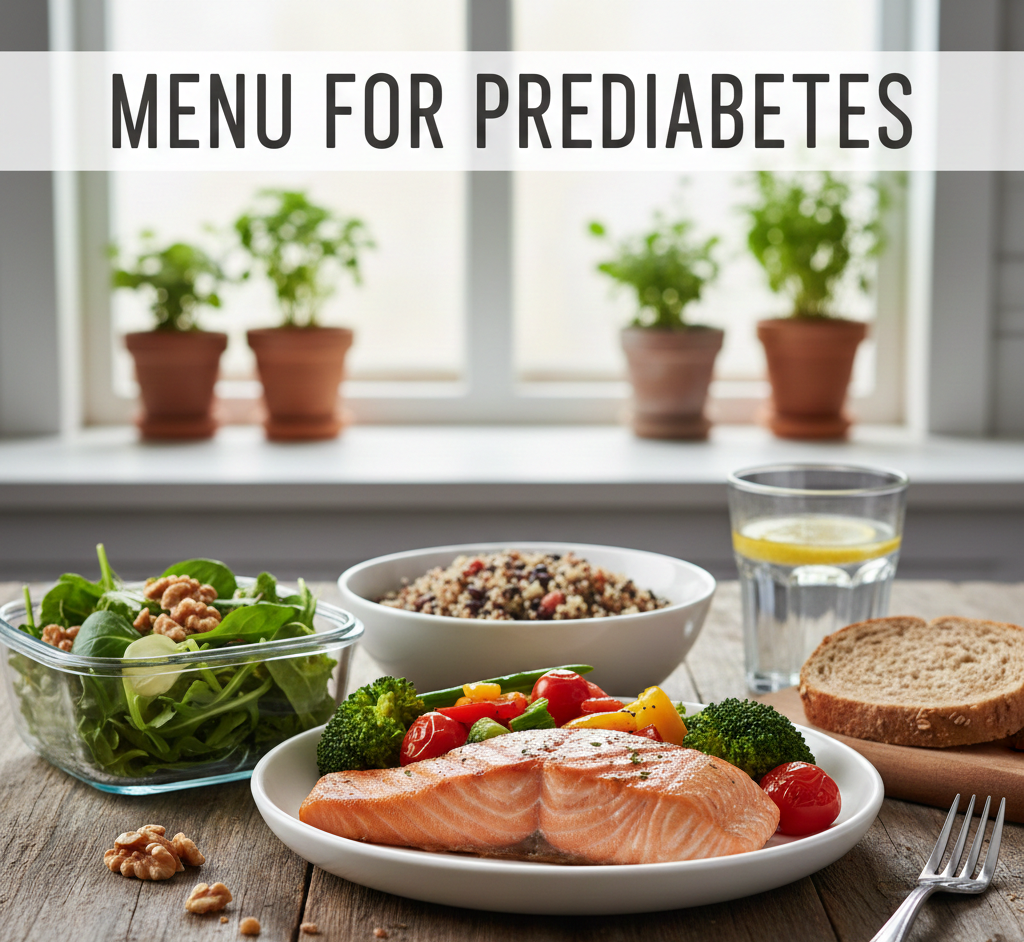
Turn your health around before it becomes a chronic condition. Discover the nutritional blueprint that balances blood sugar, boosts energy, and helps you reverse prediabetes.
What’s Inside This Guide
- The Science of Reversal
- Understanding Your Diagnosis: A1C, Fasting Glucose & OGTT
- Green Light vs. Red Light Foods
- Glycemic Index vs. Glycemic Load
- 7-Day Sample Menu
- Prediabetes-Friendly Grocery List
- The Plate Method Explained
- Tailoring the Menu to Your Needs
- Exercise and Insulin Sensitivity
- Sleep, Stress, and Cortisol
- Supplements Sometimes Discussed With Prediabetes
- Monitoring Progress: What to Track and When
- Decoding Nutrition Labels
- Eating Out Without Losing Progress
- Common Myths About Prediabetes
- Mistakes That Stall Reversal
- Expert Tips for Reversing Prediabetes
- Frequently Asked Questions
- Final Verdict: Take Action Today
Receiving a diagnosis of prediabetes is a “check engine” light for your body. It means your blood sugar levels are higher than normal—typically an A1C between 5.7% and 6.4%—but not yet high enough to be classified as Type 2 diabetes. Unlike many medical diagnoses that feel final, prediabetes is a window of opportunity.
The right menu for prediabetes is not just about cutting sugar; it is about fundamentally changing how your body processes fuel. By focusing on nutrient density, fiber, and the right types of carbohydrates, you can restore insulin sensitivity and often reverse the condition entirely.
This guide goes beyond simple advice like “eat less.” We will construct a comprehensive dietary strategy, referencing specialized plans like a low carb weekly diabetic menu for those needing strict control, and more flexible options for sustainability.
The Science of Reversal: Why Your Menu Matters
Prediabetes is primarily driven by insulin resistance. Your cells have stopped responding efficiently to insulin, causing the pancreas to work overtime. To fix this, we need a menu that keeps blood sugar stable, avoiding the sharp spikes that demand massive insulin release.
The 3 Pillars of a Prediabetic Diet
- Glycemic Control: Choosing foods that digest slowly (low Glycemic Index).
- Fiber Intake: Fiber acts as a physical barrier in the gut, slowing sugar absorption. (See our high fiber diabetic meal plan).
- Weight Management: Losing just 5-7% of your body weight can reduce the risk of developing Type 2 diabetes by 58%.
Underneath these three pillars sits a deeper physiological story worth understanding. When you eat a meal, your pancreas releases insulin to help shuttle glucose out of the bloodstream and into your cells for energy or storage. In insulin resistance, muscle, fat, and liver cells become less responsive to insulin’s signal. The pancreas compensates by producing even more insulin, a state known as hyperinsulinemia, which can persist for years before fasting glucose or A1C numbers show any abnormality at all. This is one of the reasons prediabetes so often goes undetected — the compensatory mechanism initially hides the problem, sometimes for a decade or longer, before the pancreas begins to lose ground and glucose numbers start climbing.
Understanding Your Diagnosis: A1C, Fasting Glucose & OGTT
Not everyone receives the same test, and the numbers can be confusing if nobody walks you through them. Here is a quick reference for the three most common ways prediabetes is diagnosed.
| Test | Normal | Prediabetes Range | Diabetes Range |
|---|---|---|---|
| A1C | Below 5.7% | 5.7% – 6.4% | 6.5% or higher |
| Fasting Plasma Glucose | Below 100 mg/dL | 100 – 125 mg/dL | 126 mg/dL or higher |
| Oral Glucose Tolerance Test (2-hour) | Below 140 mg/dL | 140 – 199 mg/dL | 200 mg/dL or higher |
It’s worth noting that these three tests measure slightly different things — A1C reflects an average over roughly three months, fasting glucose captures a single morning snapshot, and the oral glucose tolerance test evaluates how your body handles a concentrated glucose challenge in real time. Occasionally a person will land in the prediabetes range on one test but not another; this is common and simply means the full clinical picture, alongside your physician’s judgment, matters more than any single number in isolation.
The “Green Light” vs. “Red Light” Food Strategy
Navigating the grocery store can be confusing. Use this comparison table to make instant decisions.
| Category | Green Light (Eat Freely/Moderately) | Red Light (Avoid/Limit) |
|---|---|---|
| Carbohydrates | Quinoa, barley, steel-cut oats, sweet potatoes, legumes. | White bread, instant rice, sugary cereals, pastries. |
| Proteins | Salmon, skinless chicken, tofu, eggs, Greek yogurt. | Processed deli meats, breaded/fried meats, bacon. |
| Vegetables | Spinach, kale, broccoli, peppers (all non-starchy veg). | Canned veggies with added syrup/salt, corn (in excess). |
| Drinks | Water, unsweetened tea, black coffee. | Soda, fruit juice, sweet tea, energy drinks. |
For those also managing cholesterol issues—a common partner to prediabetes—you should consult our diabetic menu for high cholesterol to ensure your protein choices are heart-healthy.
Fats Deserve Their Own Conversation
The table above focuses on carbohydrates, proteins, and vegetables, but fat quality plays an underappreciated role in insulin sensitivity. Monounsaturated fats from olive oil, avocado, and nuts, along with omega-3 fats from fatty fish like salmon and sardines, are associated with improved insulin signaling in research settings. Industrially produced trans fats and excessive saturated fat from processed meats, on the other hand, are more consistently linked with worsening insulin resistance. Swapping butter or margarine for olive oil in daily cooking is a small change that compounds meaningfully over months.

Precision Digital Kitchen Scale
Accurate portion sizes are critical for reversing prediabetes. Stop guessing and start measuring to ensure your carb counts are correct.
Check Price on AmazonGlycemic Index vs. Glycemic Load: Which Should You Use?
Glycemic index (GI) ranks how quickly a food raises blood glucose compared to pure glucose, on a scale from 0 to 100. Glycemic load (GL) goes a step further by factoring in the actual portion size you’d realistically eat, giving a more practical, real-world picture of a food’s impact.
| Food | Glycemic Index | Typical Glycemic Load |
|---|---|---|
| White rice (1 cup) | 73 (High) | High |
| Watermelon (1 cup) | 72 (High) | Low (due to water content) |
| Steel-cut oats (1/2 cup dry) | 42 (Low) | Low-Moderate |
| Sweet potato, boiled (1 medium) | 63 (Medium) | Moderate |
| Lentils (1 cup cooked) | 32 (Low) | Low |
For day-to-day meal planning, glycemic load tends to be the more useful number, since it accounts for realistic portions. That said, GI is still a helpful mental shortcut when comparing two similar foods at the same serving size — it’s a quick way to decide, for example, between white rice and barley when both are being served in similar quantities.
7-Day Sample Menu for Prediabetes
This meal plan balances macronutrients to keep you full while lowering your blood sugar. It roughly follows a 1500 calorie diabetic menu structure, which is a common baseline for weight loss, but portion sizes can be adjusted.
Day 1: The Reset
- Breakfast: Scrambled eggs with spinach and mushrooms. 1 slice of whole-grain toast.
- Lunch: Grilled chicken salad with olive oil dressing and a handful of chickpeas.
- Dinner: Baked cod with steamed broccoli and ½ cup of quinoa.
- Snack: Apple slices with almond butter.
Day 2: Fiber Focus
- Breakfast: Oatmeal (steel-cut) with chia seeds and blueberries.
- Lunch: Lentil soup (high fiber) with a side of mixed greens.
- Dinner: Turkey stir-fry with snap peas, peppers, and cauliflower rice.
- Snack: Greek yogurt (plain) with a dash of cinnamon.
Day 3: Plant-Powered
- Breakfast: Tofu scramble with turmeric and onions.
- Lunch: Quinoa bowl with black beans, corn, avocado, and salsa.
- Dinner: Grilled salmon with asparagus and roasted sweet potato wedges.
- Snack: A handful of walnuts.
Day 4: Busy Day Quick-Fix
(Ideal for those who need a diabetic menu for working adults)
- Breakfast: Smoothie: Spinach, protein powder, flaxseed, and water.
- Lunch: Tuna salad wrap (use a low-carb tortilla) with lettuce and tomato.
- Dinner: Rotisserie chicken (skin removed) with green beans and a small baked potato.
- Snack: String cheese and cucumber slices.
Day 5: Heart Health
- Breakfast: Avocado toast on sprouted grain bread with red pepper flakes.
- Lunch: Leftover rotisserie chicken on a large kale Caesar salad (light dressing).
- Dinner: Lean beef stir-fry with bok choy and snow peas.
- Snack: Hard-boiled egg.
Day 6: Low Carb Kick
- Breakfast: Omelet with peppers, onions, and feta cheese.
- Lunch: Zucchini noodle bowl with pesto and grilled shrimp.
- Dinner: Baked chicken thighs with roasted Brussels sprouts.
- Snack: Celery sticks with guacamole.
Day 7: Preparation & Comfort
- Breakfast: Cottage cheese pancakes (using almond flour) with sugar-free syrup.
- Lunch: Vegetable soup with kidney beans.
- Dinner: Roasted turkey breast with a side salad and ½ cup brown rice.
- Snack: A pear and a few almonds.
If you need to start slower, try our 3-day diabetic meal plan to get accustomed to the changes without feeling overwhelmed.
Prediabetes-Friendly Grocery List
A well-stocked kitchen removes decision fatigue at the exact moment hunger strikes. Use this categorized list as a starting template for your next shopping trip.
Pantry
- Steel-cut oats, quinoa, barley, brown rice
- Canned or dried lentils, black beans, chickpeas (low sodium)
- Olive oil, unsalted nuts, chia seeds, ground flaxseed
- Canned tuna or salmon in water
Refrigerator & Freezer
- Eggs, plain Greek yogurt, string cheese, feta
- Skinless chicken breast, lean turkey, tofu
- Frozen mixed vegetables, frozen berries
Produce
- Spinach, kale, broccoli, Brussels sprouts, peppers
- Avocados, cucumbers, tomatoes, zucchini
- Apples, pears, berries, citrus
- Sweet potatoes, onions, garlic
Sticking primarily to the perimeter of the grocery store — where produce, proteins, and dairy typically live — before venturing into the center aisles for pantry staples is a simple way to naturally avoid the highest-sugar, lowest-nutrient packaged products.
The Plate Method Explained
If counting grams of carbohydrate feels overwhelming, the plate method offers a visual shortcut that requires no math at all. Using a standard nine-inch plate, divide it as follows:
- Half the plate: non-starchy vegetables — broccoli, spinach, peppers, green beans, salad greens.
- One quarter of the plate: lean protein — chicken, fish, tofu, eggs, or lean beef.
- One quarter of the plate: complex carbohydrates — quinoa, brown rice, sweet potato, or whole grains.
Add a small side of fruit or a serving of dairy, and a glass of water, and you have a complete, blood-sugar-friendly meal without ever opening a nutrition app. This method scales naturally to restaurants and potlucks, where precise gram counting isn’t practical, making it one of the more sustainable long-term tools for people managing prediabetes.
Tailoring the Menu to Your Needs
No two bodies are identical. Here is how to adapt this menu for specific situations:
For Seniors
Appetite and caloric needs decrease with age. Seniors should focus on nutrient density and softer foods if dental issues are present. See our guide on the diabetic menu for elderly with no teeth or the specific 1200 calorie menu for seniors.
For Budget Conscious Shoppers
Healthy eating doesn’t have to be expensive. Frozen vegetables, dried beans, and buying in bulk can drastically reduce costs. Check out our low income diabetic menu for affordable strategies.
For Managing Blood Pressure
If your prediabetes diagnosis came with a warning about blood pressure, you need to watch your sodium intake. Focus on fresh herbs instead of salt, as detailed in our diabetic menu for high blood pressure.
For Women Navigating PCOS
Polycystic ovary syndrome (PCOS) and prediabetes frequently overlap, since both conditions are rooted in insulin resistance. Women managing PCOS often find that the same lower-glycemic, higher-fiber approach outlined in this guide also helps with cycle regularity and other PCOS-related symptoms. Pairing meals with consistent protein at each sitting tends to be particularly helpful for this group.
For Pregnancy and Gestational Risk
Prediabetes discovered during or before pregnancy warrants close coordination with an OB-GYN or maternal-fetal medicine specialist, since gestational diabetes carries its own monitoring guidelines. Our diabetic menu for pregnant women offers additional detail tailored to that specific stage of life.

Portion Control Plate for Healthy Eating
Visualizing your macronutrients is easier with a divided plate. Half veggies, quarter protein, quarter starch—simple and effective.
Check Price on AmazonExercise and Insulin Sensitivity
Diet and movement work as a team when it comes to reversing prediabetes. Physical activity allows muscle cells to take up glucose from the bloodstream through a pathway that doesn’t fully depend on insulin, which means exercise can lower blood sugar even in the presence of insulin resistance.
Types of Exercise Worth Prioritizing
- Post-meal walking: A 10-15 minute walk after meals is one of the most evidence-backed, low-effort strategies for blunting a post-meal glucose spike.
- Resistance training: Building muscle mass two to three times per week increases your body’s overall capacity to store glucose as glycogen, improving insulin sensitivity over time.
- Zone 2 cardio: Sustained, moderate-intensity activity like brisk walking, cycling, or swimming for 30-45 minutes supports mitochondrial health, which plays a role in how efficiently cells use glucose for fuel.
You don’t need to become an athlete overnight. Research consistently shows that even modest increases in daily movement — parking farther away, taking the stairs, or a short walk during a lunch break — produce measurable improvements in insulin sensitivity when done consistently over weeks and months.
Sleep, Stress, and Cortisol
Diet gets most of the attention in prediabetes discussions, but sleep and stress are close behind in importance. Chronic sleep deprivation has been shown in research settings to reduce insulin sensitivity within as little as a few days, even in people with no prior blood sugar concerns. Elevated cortisol, the body’s primary stress hormone, similarly promotes higher blood glucose by signaling the liver to release stored glucose into the bloodstream.
Practical Steps
- Aim for seven to nine hours of sleep per night, with a consistent bedtime and wake time.
- Limit screens and bright light for the hour before bed, since blue light exposure can delay natural melatonin release.
- Build in short stress-reduction practices — even five minutes of deep breathing or a brief walk outside — during particularly demanding days.
- Avoid using caffeine or alcohol as a substitute for adequate rest, since both can further disrupt sleep architecture.
Addressing sleep and stress alongside diet often produces faster, more noticeable improvements than diet changes alone, since all three factors influence the same underlying hormonal pathways.
Supplements Sometimes Discussed With Prediabetes
Food should always be the primary strategy, but a handful of supplements come up frequently in prediabetes conversations. None of these should be started without first discussing them with your physician, particularly if you take other medications.
| Supplement | What the Research Generally Suggests |
|---|---|
| Berberine | Some studies show effects on blood sugar comparable to certain oral medications, though quality and dosing vary widely between products. |
| Magnesium | Many people with insulin resistance run low in magnesium; supplementation may modestly support insulin sensitivity in those who are deficient. |
| Chromium picolinate | Research results are mixed; any effect appears to be small and most relevant for those with an existing chromium deficiency. |
| Cinnamon extract | Some small studies suggest a modest effect on fasting glucose, though results are inconsistent across the research. |
| Alpha-lipoic acid | Most commonly studied for diabetic nerve-related symptoms rather than as a primary blood sugar management tool. |
Supplements are not a substitute for the dietary and lifestyle strategies outlined throughout this guide, and quality control varies significantly between brands. Always loop in your healthcare provider before adding anything new, especially if you’re also taking prescription medication.
Monitoring Progress: What to Track and When
You don’t need to test your blood sugar multiple times a day to track progress with prediabetes, but a few simple check-ins can help you see whether your changes are working.
- A1C: Typically retested every three to six months by your physician to track your longer-term average.
- Fasting glucose: Some people choose to check this periodically at home with an inexpensive glucometer, particularly first thing in the morning before eating.
- Waist circumference: Central body fat is closely linked to insulin resistance; tracking this measurement monthly can be a useful non-scale indicator of progress.
- Energy and hunger patterns: Many people notice more stable energy and fewer mid-afternoon crashes well before any lab value changes, which can serve as early positive feedback.
Whichever markers you choose to track, consistency in timing and method matters more than frequency — checking fasting glucose at the same time each morning, for example, produces more meaningful trend data than random spot checks throughout the day.
Decoding Nutrition Labels
Grocery store labels are full of small print that can make or break a prediabetes-friendly choice. Here’s a fast way to scan any package.
- Check the total carbohydrate line, then look just below it for dietary fiber and total sugars.
- Subtract fiber grams from total carbohydrates to estimate the “net” carbohydrate impact.
- Look at the added sugars line specifically — this is separate from naturally occurring sugars and is a stronger red flag when the number climbs above a few grams per serving.
- Scan the ingredient list for the word “whole” before a grain name, rather than just “wheat flour” or “enriched flour,” which typically signals a more refined product.
- Compare the serving size on the label to what you’d actually eat — many packages list a serving size far smaller than a realistic portion, which can understate the true carbohydrate and sugar content of your meal.
Eating Out Without Losing Progress
Restaurants are where even the most disciplined meal plan tends to wobble. A little strategy goes a long way.
- Look at the menu ahead of time when possible, so you’re choosing with a clear head rather than while hungry and pressured by a server standing at the table.
- Ask for dressings and sauces on the side to control added sugar and unnecessary calories without sacrificing flavor.
- Request a vegetable substitution in place of fries, chips, or white rice — most restaurants are happy to accommodate this without an upcharge.
- Use the plate method as a mental checklist even when ordering off a menu: does this meal have a protein source, a vegetable component, and a reasonable starch portion?
- Split a dessert, or skip it, without guilt — restaurant dessert portions are typically several servings’ worth of sugar in a single dish.
Common Myths About Prediabetes
Fact: While prediabetes does raise risk, it is a reversible state for many people through consistent dietary and lifestyle change, not an inevitable path to a diabetes diagnosis.
Fact: The type and quality of carbohydrate matters more than eliminating carbohydrates entirely. Fiber-rich, minimally processed carbohydrates like legumes and whole grains are generally encouraged rather than avoided.
Fact: Prediabetes is frequently symptom-free for years, which is precisely why routine screening bloodwork matters even when you feel perfectly healthy.
Fact: While excess weight is a major risk factor, insulin resistance can also develop in people at a normal body weight, particularly with a family history of diabetes or certain patterns of body fat distribution.
Mistakes That Stall Reversal
- Chasing perfection instead of consistency: One imperfect meal doesn’t undo weeks of progress, but abandoning the plan entirely after a single setback does.
- Ignoring liquid calories: Sugary coffee drinks, juices, and sodas are among the fastest ways to spike blood sugar and are easy to overlook when mentally tallying your day’s intake.
- Under-eating protein: Meals too light on protein tend to leave you hungrier sooner, increasing the odds of reaching for a quick, refined-carbohydrate snack later.
- Skipping strength training: Focusing exclusively on cardio while neglecting resistance exercise misses out on one of the most effective long-term levers for improving insulin sensitivity.
- Not addressing sleep: As covered earlier in this guide, poor sleep can undermine even a well-executed diet plan.
Expert Tips for Reversing Prediabetes
- Don’t Drink Your Calories: Sugary drinks are the fastest way to spike blood sugar. Switch to water or herbal teas.
- The “Walk After Meals” Rule: A 10-minute walk after dinner can significantly lower your post-meal glucose spike.
- Prioritize Sleep: Poor sleep increases cortisol, which drives up insulin resistance.
- Monitor Your Progress: While you don’t need to prick your finger daily like a Type 1 diabetic, occasional monitoring helps.
For a more extended roadmap, consider following our 30-day diabetic menu to build lasting habits.
Frequently Asked Questions
Can prediabetes really be reversed with diet alone?
Yes, for many people, significant lifestyle changes including diet and exercise can return blood sugar levels to a normal range. The heart-healthy diabetic menu approach is often sufficient to turn the tide. However, genetics play a role, and some individuals may still require medication like Metformin.
How many carbs should I eat if I have prediabetes?
There is no “one size fits all” number, but a common starting point is limiting carbs to 30-45 grams per meal. The focus should be on the quality of carbs (complex vs. simple). Check our low carb weekly diabetic menu for examples.
Is fruit safe for a prediabetes menu?
Yes, whole fruits are safe and beneficial due to their fiber content. Berries, apples, and pears are lower on the glycemic index compared to tropical fruits like pineapple or mango. Always avoid fruit juices, which lack fiber and cause rapid spikes.
How long does it take to reverse prediabetes?
With consistent adherence to a healthy plan, blood sugar improvements can be seen in a few weeks. However, officially moving your A1C from the prediabetic range to the normal range typically takes 3 to 12 months.
What is the best breakfast for prediabetes?
A high-protein, high-fiber breakfast sets the tone for the day. Avoid sugary cereals or bagels. Instead, opt for eggs with spinach, Greek yogurt with flaxseeds, or a tofu scramble.
Can stress alone raise my blood sugar even if my diet is on track?
Yes. Cortisol, released during periods of chronic stress, signals the liver to release stored glucose into the bloodstream, which can raise readings independent of what you’re eating. Managing stress through sleep, movement, and relaxation practices is a meaningful complement to dietary changes.
Will losing weight guarantee my prediabetes reverses?
Weight loss significantly improves the odds of reversal and is one of the most well-supported interventions available, but it isn’t an absolute guarantee for every individual. Genetics, muscle mass, and how long insulin resistance has been present all play a role alongside body weight.
Do I need a continuous glucose monitor to manage prediabetes?
Not necessarily. While a continuous glucose monitor can offer useful real-time feedback for some people, many successfully manage and reverse prediabetes using periodic A1C testing from their physician combined with the dietary and lifestyle strategies outlined in this guide.
Family History and Genetic Risk Factors
Diet and lifestyle are the levers you can control, but it’s worth understanding the genetic backdrop as well. Having a parent or sibling with Type 2 diabetes roughly doubles your own lifetime risk, and certain ethnic backgrounds — including African American, Hispanic/Latino, Native American, Asian American, and Pacific Islander populations — carry statistically higher rates of insulin resistance even at comparable body weights to other groups.
None of this changes the core strategy outlined in this guide, but it does mean that if you carry these risk factors, earlier and more consistent screening, along with a proactive dietary approach, offers an especially high return on investment. Knowing your family history is also useful information to share directly with your physician, since it can influence how frequently they recommend rechecking your labs.
Smart Snacking for Blood Sugar Stability
The right snack, eaten at the right time, can prevent the kind of afternoon energy crash that often leads to poor dinner choices. The wrong snack can undo a well-planned day in a matter of minutes.
| Snack | Why It Works |
|---|---|
| Apple slices with 1 tbsp peanut or almond butter | Fiber plus protein and fat slows digestion and extends fullness |
| Handful of roasted chickpeas | Crunchy, portable, and higher in fiber than most packaged chips |
| Plain Greek yogurt with cinnamon | High protein content with minimal impact on blood sugar |
| Hard-boiled egg | Pure protein and fat with essentially zero carbohydrate |
| Cucumber and bell pepper slices with hummus | High volume, low calorie, satisfying crunch |
| Small handful of almonds or walnuts | Healthy fat and fiber in a portable, shelf-stable format |
A useful rule of thumb: a good snack for prediabetes almost always pairs a small amount of carbohydrate with protein or fat, rather than standing alone as a pure carbohydrate source like crackers or pretzels eaten by themselves.
A Closer Look at Intermittent Fasting for Prediabetes
Intermittent fasting comes up often enough in prediabetes discussions that it deserves a more detailed look than a single FAQ answer. The general premise is straightforward: by compressing your eating into a shorter daily window — commonly 8 to 10 hours — you naturally reduce the frequency of insulin spikes throughout the day and extend the overnight period during which insulin levels can fall and stay low.
Common Approaches
- Time-restricted eating (12:12 or 14:10): A gentler starting point where eating is confined to a 10-12 hour window, such as 8 a.m. to 6 p.m.
- 16:8 method: A more structured 8-hour eating window, often used once someone is comfortable with a shorter fast.
- 5:2 approach: Eating normally five days per week with two significantly reduced-calorie days; this method requires more careful planning to avoid excessive hunger-driven eating on non-fasting days.
Whichever approach you consider, it’s worth easing in gradually rather than jumping straight to an aggressive fasting window, and checking in with your physician first — particularly important for anyone on blood-sugar-lowering medication, where a shifted eating window can increase the risk of low blood sugar episodes if dosing isn’t adjusted accordingly.
Managing Prediabetes at Work
Office environments are often engineered against good blood sugar habits — vending machines stocked with candy, communal donuts on Friday mornings, and long stretches of sitting between meetings. A few workplace-specific strategies can help.
- Keep a snack drawer stocked with shelf-stable options like nuts, roasted chickpeas, or individual nut butter packets, so the vending machine is never your only option.
- Set a recurring calendar reminder for a short walk after lunch, treating it with the same seriousness as a meeting.
- Bring your lunch on your busiest days, since those are exactly the days most likely to end in a rushed, low-fiber takeout order.
- Use a standing desk or take walking meetings where possible, since prolonged sitting is independently associated with worse insulin sensitivity, separate from diet.
Alcohol and Blood Sugar: What to Know
Alcohol has a somewhat paradoxical relationship with blood sugar. In the short term, alcohol can actually lower blood glucose by suppressing the liver’s ability to release stored glucose, which creates a real risk of delayed low blood sugar, particularly for anyone on insulin or certain oral medications — sometimes hours after drinking, including overnight while asleep.
At the same time, many alcoholic beverages — sweet cocktails, dessert wines, and regular beer — contain meaningful amounts of carbohydrate that can raise blood sugar in the moment. If you choose to drink, lower-carbohydrate options like dry wine or spirits mixed with a zero-sugar mixer, consumed with food rather than on an empty stomach, are generally considered the more cautious choices. As always, this is a conversation worth having directly with your physician given your specific medication regimen.
Prediabetes in Children and Teenagers
Prediabetes is no longer a condition seen only in adults. Rising rates of childhood obesity have led to a corresponding rise in insulin resistance diagnosed in children and teenagers, particularly during and after puberty when hormonal shifts naturally reduce insulin sensitivity for a period of time.
The dietary strategy for a young person with prediabetes mirrors the adult approach in broad strokes — emphasizing whole foods, fiber, and consistent meal timing — but portion sizes and specific caloric needs should always be guided by a pediatrician or pediatric dietitian rather than applying adult meal plans directly. Involving the whole family in dietary changes, rather than isolating the affected child with a separate “diet,” tends to produce better long-term adherence and reduces any sense of stigma around the diagnosis.
Cooking Methods That Support Better Blood Sugar
How you cook a food can matter almost as much as which food you choose. A few cooking-method adjustments can meaningfully change a dish’s impact on blood sugar.
- Cook and cool starchy foods when possible: Rice, potatoes, and pasta that are cooked, then chilled in the refrigerator for a few hours, develop resistant starch that behaves more like fiber than a rapidly digested carbohydrate — even after reheating.
- Favor roasting, grilling, steaming, and sautéing over deep frying, which adds excess calories and unhealthy fats without improving satiety in a meaningful way.
- Avoid overcooking pasta and grains into mush, since a firmer, more al dente texture tends to digest more slowly than an overcooked, mushy texture of the same food.
- Use acid — lemon juice or vinegar — in dressings and marinades, since some research suggests vinegar consumed alongside a carbohydrate-containing meal may modestly blunt the resulting glucose spike.
Prediabetes and Related Health Conditions
Insulin resistance rarely exists in isolation. Understanding how it overlaps with a few other common conditions can help you build a more complete picture of your overall metabolic health.
Metabolic Syndrome
Prediabetes is one of five criteria used to diagnose metabolic syndrome, alongside elevated blood pressure, high triglycerides, low HDL cholesterol, and excess abdominal fat. Having three or more of these five markers significantly raises cardiovascular risk, which is part of why addressing prediabetes early carries benefits well beyond blood sugar alone.
Non-Alcoholic Fatty Liver Disease
The liver plays a central role in glucose regulation, and excess fat accumulation in liver cells — often occurring silently, without symptoms — is strongly associated with insulin resistance. The same dietary pattern that improves prediabetes, emphasizing whole foods and reduced refined carbohydrate and added sugar intake, is also a primary recommended approach for fatty liver.
Sleep Apnea
Obstructive sleep apnea and insulin resistance frequently coexist, and each can worsen the other — poor sleep quality raises cortisol and blood sugar, while excess weight (a risk factor for both conditions) can worsen airway obstruction during sleep. If you experience loud snoring, gasping during sleep, or persistent daytime fatigue despite adequate hours in bed, it’s worth raising with your physician alongside your prediabetes management plan.
Cardiovascular Risk
Even before progressing to full Type 2 diabetes, prediabetes is independently associated with elevated cardiovascular risk. This is one of the strongest arguments for early intervention — the benefits of dietary and lifestyle change extend well beyond simply avoiding a diabetes diagnosis and reach into overall heart health and longevity.
The Psychology of Sustainable Change
Nutritional knowledge alone rarely produces lasting change; the behavioral and psychological side of the equation matters just as much. A few mindset shifts tend to separate people who successfully reverse prediabetes from those who struggle to maintain momentum.
Focus on Addition, Not Just Restriction
Framing the process purely around what you can no longer eat tends to trigger a scarcity mindset that’s difficult to sustain. Focusing instead on foods you’re adding — a new vegetable each week, a new whole-grain recipe — tends to feel more like growth and less like punishment, which supports longer adherence.
Track Trends, Not Perfection
A single high-carbohydrate meal or a missed workout doesn’t erase weeks of consistent effort. People who view setbacks as data points to learn from, rather than evidence of failure, tend to recover momentum faster than those who treat any slip as a reason to abandon the plan entirely.
Build an Environment That Makes the Right Choice Easy
Willpower is a finite resource that tends to erode over the course of a demanding day. Structuring your kitchen, workplace, and daily routine so that the healthier choice requires the least effort — pre-cut vegetables at eye level in the fridge, a walking route already mapped out — reduces reliance on willpower alone.
Beverage Choices Beyond Water
Water should remain your default beverage, but variety helps long-term adherence. Here are additional options that won’t undermine your blood sugar goals.
- Unsweetened sparkling water: A satisfying substitute for soda, especially with a splash of fresh citrus or a few muddled berries.
- Herbal teas: Naturally caffeine-free and calorie-free, with options ranging from peppermint to hibiscus to chamomile.
- Black or green tea: Contains polyphenols that some research associates with modest improvements in insulin sensitivity, though tea should not be viewed as a primary treatment strategy.
- Black coffee: Generally considered neutral to mildly beneficial for insulin sensitivity in most people, though individual caffeine sensitivity varies, and added creamers or syrups can quickly turn a healthy cup into a significant sugar source.
- Infused water: Cucumber, mint, or berries steeped in a pitcher of water overnight can add flavor complexity without any added sugar.
Staying on Track While Traveling
Travel disrupts routine more than almost any other circumstance, but a prediabetes-friendly approach doesn’t have to be abandoned entirely just because you’re away from your normal kitchen.
- Research grocery stores near your accommodation ahead of time so you can stock up on fresh produce, nuts, and protein rather than relying entirely on restaurant meals.
- Pack portable snacks like individual nut packs or roasted chickpeas for airports and long travel days when healthy options may be limited.
- Prioritize walking during sightseeing as a built-in way to maintain activity levels, even when a structured workout routine isn’t practical.
- Don’t try to be perfect — a week of travel with looser eating patterns won’t undo months of consistent habits, and returning to your normal routine immediately upon arriving home is far more effective than trying to compensate with extreme restriction.
Why Fiber Deserves Special Attention in a Prediabetes Menu
Fiber has been referenced throughout this guide, but it’s worth pausing on why it plays such an outsized role specifically in reversing insulin resistance. Soluble fiber forms a gel-like substance in the digestive tract that physically slows the rate at which glucose enters the bloodstream after a meal. This gives the pancreas more time to respond gradually with insulin, rather than reacting to a sudden flood of glucose all at once — the exact scenario that repeatedly stresses an already insulin-resistant system.
Practical Fiber Targets
Most adults benefit from aiming for 25 to 35 grams of fiber per day, spread across meals rather than concentrated in a single sitting. A useful mental benchmark is to include at least one fiber-rich food — a vegetable, legume, or whole grain — at every meal and most snacks, which tends to naturally add up to the daily target without requiring constant gram-counting.
Fiber-Rich Additions Easy to Work Into Any Meal
- A side of steamed broccoli or Brussels sprouts alongside any protein-centered dinner
- A tablespoon of ground flaxseed or chia seeds stirred into yogurt, oatmeal, or a smoothie
- A half-cup of lentils or black beans added to soups, salads, or grain bowls
- Leaving the skin on apples, pears, and potatoes whenever practical, since much of the fiber concentrates near the skin
For a more comprehensive breakdown of fiber sources, exact gram counts, and a full sample week built specifically around fiber targets, our high fiber diabetic meal plan offers a deeper companion resource to this guide.
Eating Seasonally for Variety and Value
Rotating your prediabetes menu with the seasons keeps meals interesting and often reduces cost, since in-season produce tends to be both cheaper and more flavorful than out-of-season alternatives shipped from far away.
Spring
Asparagus, peas, and early leafy greens are at their peak. A simple sautéed asparagus with a squeeze of lemon pairs well with any of the dinner options in the 7-day menu above.
Summer
Zucchini, bell peppers, berries, and fresh herbs are abundant and inexpensive. Grilled vegetable skewers alongside a lean protein make an easy warm-weather dinner requiring minimal indoor cooking.
Fall
Squash, Brussels sprouts, and apples take center stage. Roasted butternut squash makes an excellent lower-glycemic alternative to mashed potatoes for anyone craving comfort food as the weather cools.
Winter
Root vegetables, citrus, and hearty greens like kale carry the season. A slow-cooked lentil and vegetable stew, prepared in bulk, provides several ready-made lunches during the busiest, coldest weeks of the year.
A Simple Weekly Meal Prep Workflow
The 7-day menu above works best when supported by a small amount of upfront preparation. Here’s a straightforward Sunday routine that takes roughly an hour and a half and sets up several days of the week.
- Cook a base grain: Prepare a large batch of quinoa or brown rice to use across several lunches and dinners.
- Roast a tray of vegetables: Toss broccoli, Brussels sprouts, and peppers with olive oil and roast until caramelized, dividing across containers for the week.
- Prepare proteins in bulk: Grill or bake several chicken breasts or a large piece of salmon, seasoning simply so it can be repurposed across different meals with different sauces or sides.
- Hard-boil a batch of eggs: A quick source of protein for breakfasts or snacks throughout the week.
- Pre-portion snacks: Divide nuts, chopped vegetables, and hummus into individual containers to remove any friction between hunger and a healthy choice.
Batch cooking removes the daily decision fatigue that often leads to a last-minute, less-than-ideal meal choice, and it pairs naturally with the shopping list and plate method covered earlier in this guide.
When Diet Alone Isn’t Enough: A Note on Medication
For some individuals, dietary and lifestyle changes are sufficient to bring blood sugar back into the normal range. For others, particularly those with a stronger genetic predisposition or a longer duration of undiagnosed insulin resistance, a physician may recommend medication such as Metformin alongside dietary changes rather than as a replacement for them.
Metformin works primarily by reducing the amount of glucose the liver releases into the bloodstream and by modestly improving insulin sensitivity in peripheral tissues. It is not a substitute for the dietary strategies outlined throughout this guide — research consistently shows the combination of medication and lifestyle change outperforms either approach alone. If your physician recommends medication, it should be viewed as an additional tool supporting your efforts, not an indication that dietary change has failed or is no longer necessary.
Early Signs Your Menu Changes Are Working
Lab results take time to catch up to the changes happening inside your body. Long before your next A1C test, a number of everyday signals often indicate that your prediabetes menu is having a real effect.
- Steadier energy between meals, without the sharp mid-morning or mid-afternoon crashes that often accompany a diet heavy in refined carbohydrates.
- Longer stretches between hunger cues, as fiber and protein-rich meals digest more slowly and keep you satisfied longer.
- Improved sleep quality, which can partly result from more stable overnight blood sugar and reduced late-night snacking on sugary foods.
- Looser-fitting clothing around the waist, even before the number on the scale shifts dramatically, reflecting a reduction in visceral fat that is closely tied to insulin resistance.
- Fewer cravings for sweets, which many people report after several consistent weeks of a lower-glycemic eating pattern, as taste preferences gradually recalibrate.
Noticing these signals can be a helpful source of motivation during the months before a follow-up lab test confirms the changes happening beneath the surface. Pair these observations with the tracking strategies discussed earlier in this guide for the most complete picture of your progress.
Final Verdict: Take Action Today
Prediabetes is not a life sentence; it is a wake-up call. You have the power to change your trajectory through the food you eat every day. By adopting this menu for prediabetes, you aren’t just avoiding a disease—you are embracing a lifestyle of higher energy, better sleep, and longevity.
Whether you start with a simple 1-day simple diabetic menu or dive into a full weekly plan, the most important step is the next one you take.
Progress with prediabetes rarely follows a straight line. There will be weeks where the scale doesn’t move and days where a stressful schedule derails your best intentions. What matters most is the overall direction over months, not the outcome of any single meal or single day. Revisit the plate method, lean on your grocery list, and keep moving after meals — these small, repeatable habits are what ultimately shift the underlying biology described throughout this guide.
Ready to Master Your Meal Prep?
Get the tools you need to make healthy cooking effortless and enjoyable.
Shop Prediabetes Kitchen Essentials
Pingback: Diabetic Thanksgiving Menu: Complete Holiday Plan