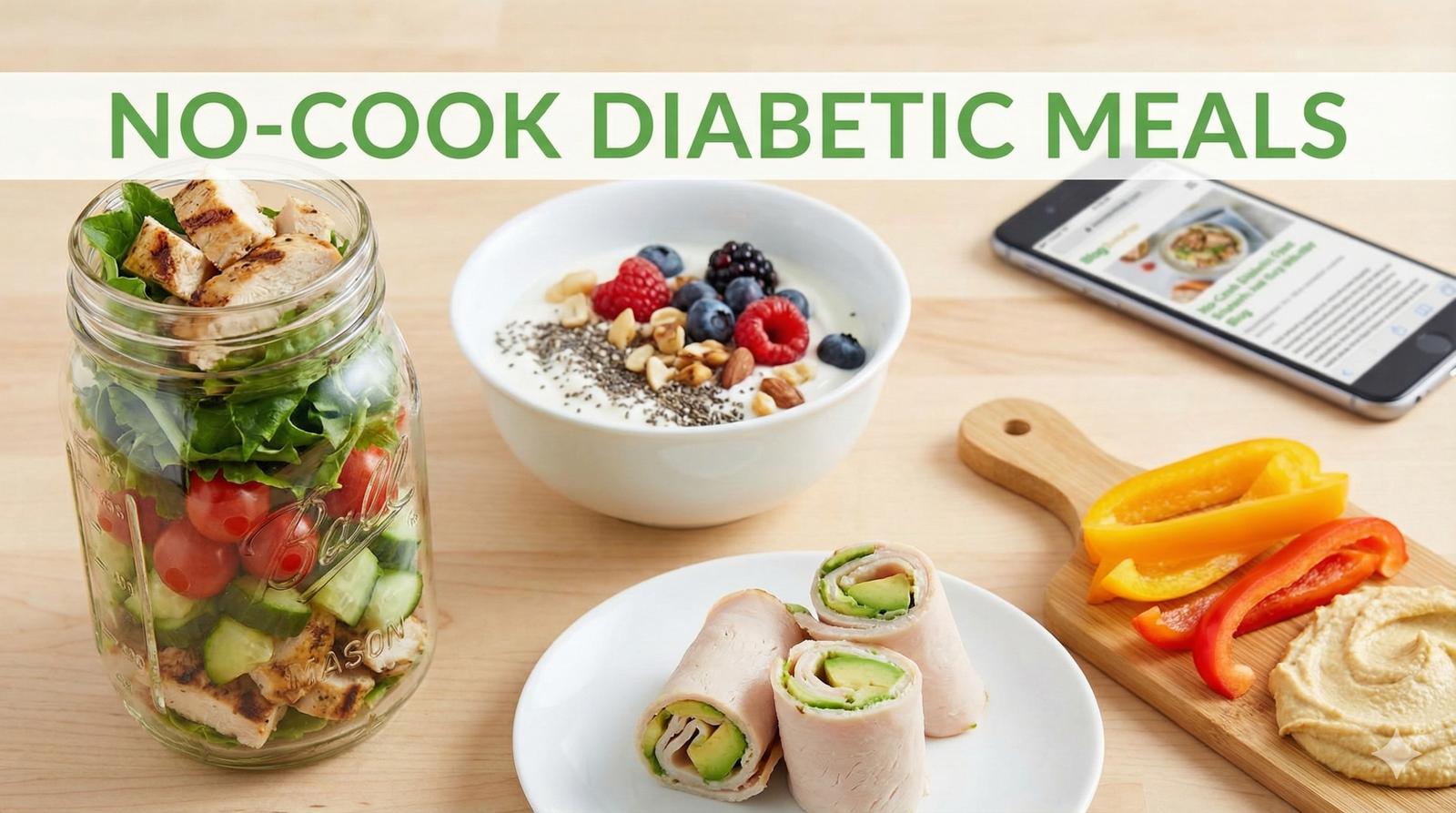
No-Cook Diabetic Meals: The Ultimate Guide to Managing Blood Sugar Without Turning on the Stove
Discover how to maintain stable glucose levels, save time, and eat delicious food without ever touching an oven or stove. Perfect for hot summers, busy workdays, or kitchen-free living.
Why “No-Cook” is a Secret Weapon for Diabetes Management
Let’s be honest: managing diabetes is a full-time job. Between monitoring glucose levels, managing medication, and navigating stress, the last thing you want to do after a long day is stand over a hot stove for an hour. This is where no-cook diabetic meals transform from a convenience into a necessity.
There is a misconception that a healthy diabetic diet requires complex cooking methods like steaming, poaching, or grilling. While those are excellent, raw and assembled meals can be just as potent—and sometimes better—for your health. By utilizing raw vegetables, healthy canned proteins, and pre-prepared healthy fats, you can build a heart-healthy diabetic diet in minutes.
This guide isn’t just about salads. We are talking about hearty wraps, protein-packed bowls, savory soups, and satisfying breakfasts that keep your insulin sensitivity in check and your taste buds happy. For individuals with type 2 diabetes or prediabetes, reducing cooking time also reduces the temptation to order takeout — which is often loaded with hidden sugars and unhealthy fats. By embracing no-cook meals, you naturally increase your intake of raw vegetables, which are rich in enzymes and antioxidants that combat inflammation.
The science backs this up: research published in the journal Nutrients found that individuals who consume more raw vegetables have significantly lower HbA1c levels compared to those who primarily eat cooked vegetables. Raw vegetables retain their full fiber matrix, which slows gastric emptying and prevents the rapid glucose absorption that causes post-meal spikes. Additionally, the water content in raw vegetables contributes to better hydration, which is crucial for diabetics who are prone to dehydration due to frequent urination.
Beyond the physiological benefits, there is a powerful psychological component. Decision fatigue is real, and every meal decision throughout the day chips away at your willpower. When you have a reliable system of no-cook meals that you can assemble in under five minutes, you remove the cognitive burden of “what should I eat?” This freed-up mental energy can be redirected toward other aspects of diabetes management, such as exercise, stress reduction, and regular glucose monitoring.
The “No-Cook” Diabetic Pantry Essentials
The secret to success with no-cook meals is having the right building blocks. If you have the right ingredients on hand, you are never more than 5 minutes away from a meal. Below we deep‑dive into must‑have staples that support stable blood sugar and satisfy hunger.
1. High-Quality Canned Proteins
You don’t need to cook raw chicken to get protein. Stock up on wild-caught canned salmon, tuna packed in water, and canned chicken breast. For plant-based options, chickpeas, black beans, and lentils (rinsed well to lower sodium) are vital. These are cornerstones of a high fiber diabetic meal plan. Don’t overlook canned sardines or mackerel — they’re rich in omega‑3 fatty acids, which support heart health and reduce insulin resistance.
When selecting canned proteins, always read the label carefully. Look for products packed in water rather than oil, and choose “low sodium” or “no salt added” varieties whenever possible. Wild-caught fish tends to have higher omega-3 content and lower mercury levels than farmed alternatives. For canned chicken, opt for brands that use only chicken and water — no added phosphates or fillers. A single can of wild salmon provides approximately 20 grams of protein and over 1,000 milligrams of omega-3 fatty acids, making it one of the most nutrient-dense no-cook proteins available.
The beauty of canned proteins is their shelf stability. You can stock up during sales and have months’ worth of high-quality protein ready at a moment’s notice. For those managing diabetes on a budget, canned proteins often cost less per gram of protein than fresh alternatives, especially when you factor in the zero food waste — you use the entire can, and there are no scraps to discard.
2. Healthy Fats & Flavor Boosters
Fat slows down the absorption of carbohydrates, preventing sugar spikes. Avocado, nuts (walnuts, almonds), seeds (chia, flax, pumpkin), and high-quality extra virgin olive oil are essential. Don’t forget vinegar (apple cider, balsamic, red wine) and mustard for flavor without the sugar found in BBQ sauces. Fresh herbs like basil, cilantro, and dill can be kept in the fridge and add a burst of flavor without calories or carbs.
Understanding the different types of fats and their impact on blood sugar is crucial for diabetics. Monounsaturated fats, found in avocados, olive oil, and almonds, have been shown to improve insulin sensitivity and reduce HbA1c levels. Polyunsaturated fats, particularly omega-3 fatty acids found in fatty fish, walnuts, and flaxseeds, reduce inflammation — a key driver of insulin resistance. Saturated fats should be limited, but small amounts from sources like cheese and eggs can be part of a balanced no-cook meal plan.
Vinegar deserves special mention in the diabetic pantry. Research from Arizona State University found that consuming two tablespoons of vinegar before a high-carb meal reduced post-meal blood sugar by up to 30%. Apple cider vinegar, balsamic vinegar, and red wine vinegar all work. Simply add a splash to salads, mix into dressings, or drink diluted in water before meals. Mustard is another zero-sugar flavor powerhouse — most yellow and Dijon mustards contain no added sugars and can transform a simple tuna salad into something gourmet.
3. Resistant Starches & Low-Carb Bases
Instead of rice or pasta, stock your kitchen with leafy greens (spinach, arugula, kale), cucumber noodles, zucchini ribbons, and whole-grain crackers that are high in fiber. Rolled oats are also fantastic as they can be eaten raw when soaked (overnight oats), acting as a resistant starch that feeds healthy gut bacteria. For variety, try cauliflower rice (raw, pulsed in a food processor) as a base for grain bowls.
Resistant starch is a game-changer for diabetics. Unlike regular starch, resistant starch bypasses digestion in the small intestine and ferments in the colon, producing short-chain fatty acids that improve insulin sensitivity. Rolled oats are an excellent source of beta-glucan, a type of soluble fiber that forms a gel-like substance in the gut, slowing carbohydrate absorption and keeping you full longer. When oats are soaked overnight rather than cooked, more resistant starch is preserved, making overnight oats an even better choice than cooked oatmeal for blood sugar management.
Leafy greens deserve their own category because of their extraordinary nutrient density per calorie. A cup of raw spinach provides vitamins A, C, and K, folate, iron, and calcium, all for under 10 calories and virtually zero carbohydrates. Arugula adds a peppery bite that can make simple meals feel sophisticated. Kale, when massaged with a bit of olive oil and lemon juice, becomes tender enough to eat raw and forms the perfect base for hearty grain bowls.
4. Smart Flavor Enhancers (Zero Sugar)
Keep sugar‑free condiments like salsa (watch for added sugar), tahini, sugar‑free pickles, kimchi (check sodium), and hot sauce. These transform simple ingredients into exciting meals without spiking glucose.
Tahini, made from ground sesame seeds, is a nutritional powerhouse that adds creaminess and depth to any no-cook meal. It’s rich in calcium, magnesium, and healthy fats. Mix tahini with lemon juice, garlic, and water for a Middle Eastern-inspired dressing that pairs beautifully with raw vegetables and canned chickpeas. Kimchi, a fermented Korean condiment, provides probiotics that support gut health — an often-overlooked aspect of diabetes management. The gut microbiome plays a crucial role in glucose metabolism, and a diverse, healthy microbiome can improve insulin sensitivity.
Hot sauce is another diabetic-friendly flavor enhancer. Most hot sauces contain zero sugar, zero calories, and can add significant heat and flavor to meals. Capsaicin, the compound that makes peppers hot, has been shown in research to improve insulin sensitivity and boost metabolism. A few dashes of hot sauce on a chicken salad or bean bowl adds excitement without any negative impact on blood sugar.

Glass Meal Prep Containers (3 Compartment)
Perfect for assembling “adult lunchables” and storing no-cook ingredients to keep them fresh for days.
Check Price on AmazonNo-Cook Breakfasts to Jumpstart Your Blood Sugar Control
Mornings are often the most chaotic time of day. Skipping breakfast can lead to liver glucose dumping, causing high blood sugar. Conversely, eating a high-carb cereal spikes you immediately. Here is the middle ground — plus a few extra ideas to keep your mornings interesting.
The Overnight Oats Formula
Overnight oats are the king of no-cook breakfasts. The process of soaking oats breaks down the starches, making them digestible without heat. Combine 1/2 cup rolled oats with 1/2 cup almond milk, a tablespoon of chia seeds, and a dash of cinnamon. Let it sit in the fridge overnight. In the morning, top with a few crushed walnuts or a spoonful of peanut butter. For a tropical twist, use unsweetened coconut flakes and a few raspberries.
If you need variety, check out our extensive list of breakfast ideas for diabetes.
Greek Yogurt Power Bowls
Unsweetened Greek yogurt provides a massive protein punch (approx. 15-20g per serving). Top with low-glycemic berries (raspberries or blackberries) and a handful of walnuts. This mimics the benefits of a high protein diabetic menu without turning on a burner. Add a tablespoon of ground flaxseed for extra fiber and omega‑3.
Avocado & Cottage Cheese Boats
Slice an avocado in half, remove the pit, and fill the center with cottage cheese. Sprinkle with Everything Bagel seasoning. It’s high in fat and protein, keeping you full until lunch. For a savory twist, add a few cherry tomato halves on top.
Chia Pudding in Two Minutes
Mix 3 tablespoons chia seeds with 1 cup unsweetened almond milk, a few drops of vanilla extract, and a pinch of cinnamon. Stir well, wait 5 minutes, stir again to prevent clumps, then refrigerate for at least 30 minutes (or overnight). Top with sliced almonds or a few blackberries. It’s a fiber‑rich, no‑cook breakfast that’s also perfect for meal prep.
Smoked Salmon Toast (Low-Carb Version)
Use a low-carb, high-fiber bread or a large cucumber slice as your base. Spread with cream cheese or goat cheese, top with smoked salmon, capers, and fresh dill. This provides a balance of protein, healthy fats, and complex carbs that will keep blood sugar stable until lunchtime. The omega-3 fatty acids in smoked salmon also support cardiovascular health, which is particularly important for diabetics who face elevated heart disease risk.
Cottage Cheese Fruit Bowl
While many fruits are high in sugar, certain berries are excellent for diabetics. Combine one cup of low-fat cottage cheese with a half-cup of mixed berries (blueberries, strawberries, and raspberries). The cottage cheese provides casein protein, which digests slowly and provides a steady stream of amino acids throughout the morning. The berries add natural sweetness along with anthocyanins — powerful antioxidants that have been shown to improve insulin sensitivity. Top with a tablespoon of hemp seeds for added omega-3s and protein.
Lunch: The Art of the “Assemble”
For diabetic menu for working adults, portability is key. No-cook meals mean you don’t even need access to a microwave at the office. Here are more ideas to keep midday blood sugar steady.
Mason Jar Salads
The strategy is simple: dressing goes at the bottom, hard veggies (carrots, cucumbers, bell peppers) next, proteins (beans, cheese, chickpeas) in the middle, and leafy greens on top. When you dump it into a bowl, the dressing coats everything perfectly, and the greens never get soggy. Try a Greek version: Greek yogurt dressing (yogurt + dill + lemon), cucumber, Kalamata olives, feta, and romaine.
Canned Fish Lettuce Wraps
Mix a can of tuna or salmon with half a mashed avocado (instead of mayo for heart health) and some lemon juice. Scoop this mixture into large Romaine or Butter lettuce leaves. It’s crunchy, satisfying, and nearly zero carb. This aligns perfectly with a low carb weekly diabetic menu. Add diced celery for extra crunch.
The Diabetic “Charcuterie” Box
Adult lunchables are trending for a reason. Pack a container with hard-boiled eggs (buy pre-peeled to save time), cubes of cheddar cheese, almonds, cherry tomatoes, and turkey slices rolled up. It’s grazing with a purpose. Include some sliced bell peppers or jicama sticks for extra fiber.
No‑Cook Gazpacho (Cold Soup)
Blend ripe tomatoes, cucumber, bell pepper, a small garlic clove, a splash of olive oil, and vinegar until smooth. Chill and enjoy. It’s like drinking a salad, packed with lycopene and hydration. Perfect for hot days.
Turkey & Hummus Roll-Ups
Take large deli turkey slices, spread a thin layer of hummus on each, add a strip of red bell pepper and a few spinach leaves, then roll tightly. These portable wraps are rich in protein and fiber, with minimal carbohydrates. Make a batch of six on Sunday night, and you have grab-and-go lunches for most of the work week. The hummus adds healthy fats and fiber from chickpeas, while the turkey provides lean protein without any sugar.
Mediterranean Tuna Salad
Mix canned tuna with diced cucumber, halved cherry tomatoes, Kalamata olives, red onion, and a generous drizzle of extra virgin olive oil and lemon juice. Season with dried oregano and black pepper. Serve over a bed of mixed greens or stuff into a whole-wheat pita (if your carb budget allows). This Mediterranean-inspired salad provides heart-healthy monounsaturated fats, lean protein, and a rainbow of phytonutrients from the vegetables. The olive oil helps your body absorb fat-soluble vitamins from the tomatoes and greens.
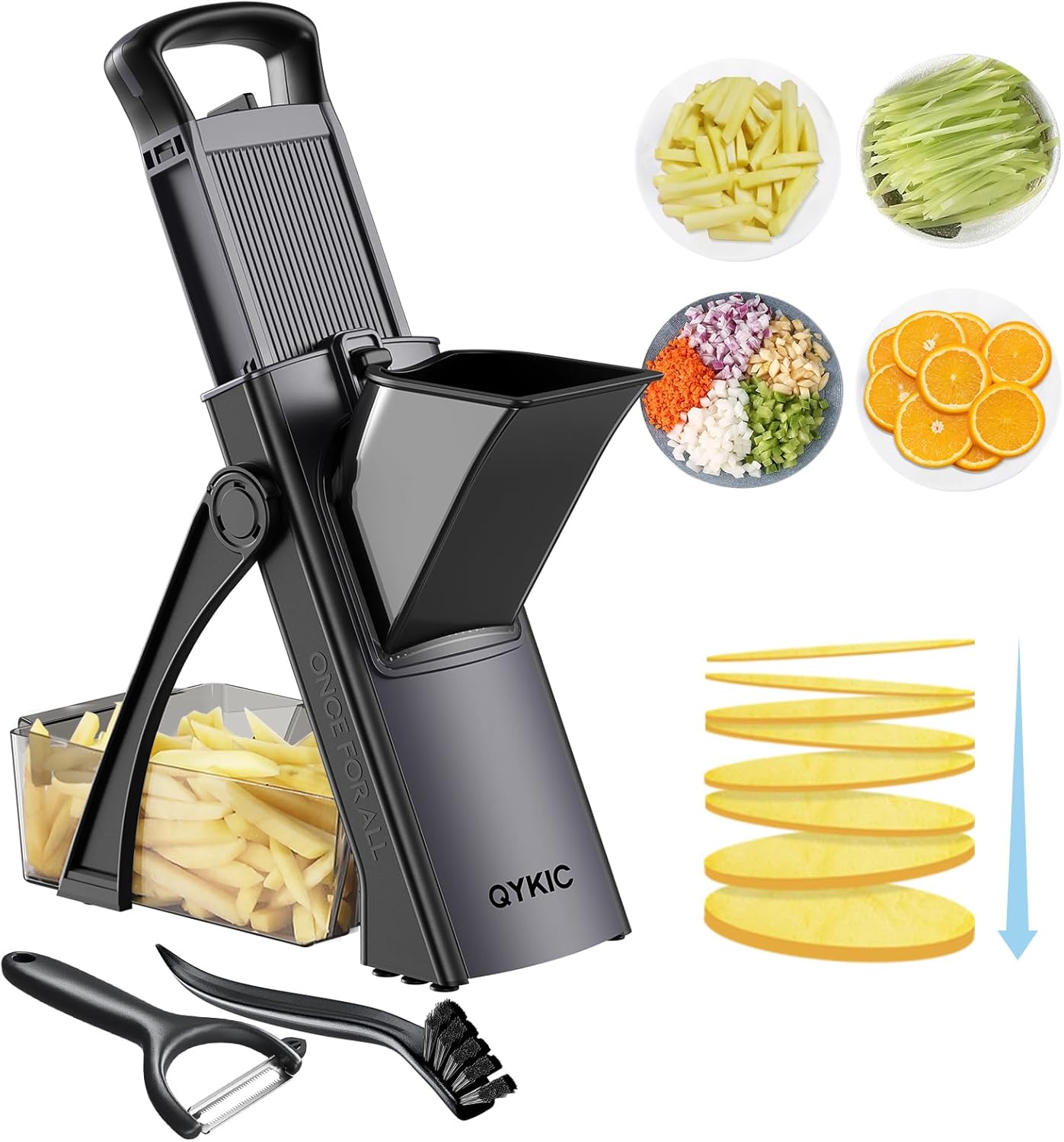
Safe Mandoline Slicer
Speed up your prep time by 50%. Slice cucumbers, radishes, and zucchini uniformly for salads and slaws in seconds.
Check Price on AmazonDinner: Hearty Meals Without the Heat
Dinner is where people feel they must cook. But on hot summer nights, or simply exhausted evenings, these no-cook dinners are life-savers. If you are looking for more structured evening plans, browse our diabetic dinner menu ideas. Below, we’ve added a few new ideas to keep dinner exciting.
Southwest Bean Salad
Rinse a can of black beans and a can of corn. Mix with diced bell peppers, red onion, cilantro, and lime juice. Serve this over a bed of spinach or scoop it with low-carb tortilla chips. It’s fiber-dense and fills you up fast. For extra protein, toss in diced avocado or leftover rotisserie chicken.
Zucchini Noodle “Pasta” with Pesto
Using a spiralizer, turn raw zucchini into noodles. Toss them with a high-quality jarred pesto (check the label for added sugar—it should have none) and halved cherry tomatoes. Top with parmesan cheese. The acid in the tomatoes and the salt in the pesto soften the raw zucchini slightly, giving it an “al dente” texture without boiling water. Add canned white beans for extra protein and creaminess.
The Rotisserie Chicken Hack
Okay, technically someone cooked this chicken, but you didn’t. Buying a rotisserie chicken is the ultimate no-cook hack. Shred the meat and use it for chicken salad, toss it into a kale Caesar salad, or wrap it in low-carb tortillas with hummus. Make a quick “no-cook curry” by mixing shredded chicken with plain Greek yogurt, curry powder, and diced apples (small amount) – serve in lettuce cups.
Smoked Salmon & Cucumber Bites
Slice cucumber into thick rounds. Top each with a dollop of cream cheese (or dairy-free alternative), a piece of smoked salmon, and a sprig of dill. It’s an elegant dinner that takes 5 minutes and is rich in omega‑3s.
Asian-Inspired Lettuce Wraps
Use butter lettuce cups as your vessel. Fill with a mixture of canned tuna or shredded rotisserie chicken, diced water chestnuts (canned), shredded carrots, sliced green onions, and a dressing made from sesame oil, rice vinegar, and a splash of tamari (low-sodium soy sauce). Top with sesame seeds and a squeeze of lime. These wraps are light yet satisfying, and the combination of protein, fiber, and healthy fats ensures a gentle impact on blood sugar.
Stuffed Bell Peppers (No-Cook Version)
Halve bell peppers and remove seeds. Fill with a mixture of cooked quinoa (made ahead and chilled), black beans, corn, diced tomatoes, cumin, and lime juice. Top with shredded cheese and a dollop of sour cream. While the quinoa requires advance cooking, the actual assembly is completely no-cook and can be done in under 10 minutes. The bell peppers provide a crunchy, vitamin C-rich vessel that adds sweetness without sugar.
No-Cook Adaptations for Specific Needs
For Seniors and Dental Issues
Many elderly diabetics struggle with chewing raw vegetables. This doesn’t mean you can’t do no-cook. Focus on soft proteins like cottage cheese, smooth nut butters, and smoothies. A well-blended gazpacho (cold soup) packs veggies in without the crunch. Mashed avocado with canned tuna is also easy to swallow.
See more: Diabetic menu for elderly with no teeth.
For Budget-Conscious Dieters
Fresh produce can be expensive. To keep costs down, lean heavily on canned legumes and seasonal produce. Frozen vegetables (thawed) can also be used in salads (like thawed peas or edamame). Buy nuts in bulk and store in the freezer to prevent rancidity.
See more: Low income diabetic menu.
For Vegans and Vegetarians
Plant-based no-cook meals are incredibly easy. Tofu can be eaten raw (silken tofu makes great pudding/smoothies, firm tofu can be marinated). Canned chickpeas are your best friend here. Try a “no-cook taco bowl” with raw walnut taco meat (walnuts pulsed with chili powder, cumin, and lime) over lettuce with salsa and avocado.
See more: Vegan diabetic meal plan.
For Kidney Disease and Diabetes
Diabetics with chronic kidney disease face additional dietary restrictions, particularly around potassium, phosphorus, and sodium. No-cook meals can be adapted by choosing low-potassium vegetables like cucumber, lettuce, and bell peppers, while limiting high-potassium options like tomatoes and avocados. Choose fresh proteins over canned ones (which are higher in sodium), and avoid nuts and seeds if phosphorus needs to be restricted. Consult with a renal dietitian to create a personalized no-cook meal plan that respects both your diabetic and kidney-related needs.
For Gluten-Free Diabetics
Most naturally no-cook foods are already gluten-free — fresh vegetables, canned proteins, nuts, seeds, and most dairy products. The main concern is cross-contamination and hidden gluten in condiments. Always check labels on mustard, salsa, and salad dressings. Gluten-free crackers and wraps made from almond flour or coconut flour are readily available and pair well with no-cook meals. For a satisfying lunch, use large collard green leaves as wraps instead of tortillas — they’re sturdy, naturally gluten-free, and packed with vitamins.
For Athletes and Active Diabetics
Active diabetics have unique nutritional needs — they require more carbohydrates to fuel performance while still maintaining blood sugar control. No-cook meals can be adapted by adding more calorie-dense ingredients: extra nuts, dried unsweetened coconut, banana (in moderation), and whole-grain crackers. Post-workout, a smoothie with protein powder, a small banana, and almond milk provides quick-absorbing protein and moderate carbs to replenish glycogen stores. Monitor blood sugar before and after exercise, and keep fast-acting glucose (like glucose tablets or juice) nearby.
Cooking vs. No-Cook: A Nutritional Comparison
Is raw always better? Not necessarily, but for diabetes, it offers distinct advantages regarding fiber structure and glycemic index. Below is a detailed look.
| Feature | Traditional Cooked Meal | No-Cook / Raw Meal |
|---|---|---|
| Preparation Time | 30 – 60 Minutes | 5 – 15 Minutes |
| Nutrient Retention | Some Vitamin C/B lost in heat | High retention of heat-sensitive vitamins (C, B, folate) |
| Glycemic Impact | Cooking breaks down cell walls, potentially raising GI (e.g., carrots) | Intact fiber structures often result in lower Glycemic Index |
| Hydration | Variable, often lower water content | High water content from raw veggies helps hydration |
| Cleanup | Pots, pans, utensils, stove | Cutting board, knife, bowl (often just a rinse) |
Understanding the Glycemic Index of Raw vs. Cooked Foods
The glycemic index (GI) measures how quickly a food raises blood sugar levels. Cooking can significantly alter a food’s GI. For example, raw carrots have a GI of about 35, while cooked carrots jump to around 50. This is because heat breaks down the plant’s cell walls, making the starches more accessible to digestive enzymes. For diabetics, this means that raw vegetables generally provide a more gradual, stable rise in blood sugar compared to their cooked counterparts.
However, there are exceptions. Some foods actually become lower in GI when cooked and then cooled — this process creates resistant starch. Cooked and cooled potatoes, for instance, have a lower GI than freshly boiled potatoes. But since this guide focuses on truly no-cook meals, we leverage the natural advantage that raw vegetables already possess.
Enzyme Preservation in Raw Foods
Raw foods contain natural enzymes that assist in digestion. While the body produces its own digestive enzymes, the enzymes in raw foods can provide additional support. For diabetics, who often experience digestive issues due to autonomic neuropathy, these natural enzymes can be particularly beneficial. For example, raw pineapple contains bromelain, which aids protein digestion. Papayas contain papain, and raw garlic contains allicin, which has been shown to have blood sugar-lowering properties.
When Cooked Might Be Better
It’s important to acknowledge that cooking isn’t always the enemy. Lycopene, a powerful antioxidant found in tomatoes, is actually more bioavailable when tomatoes are cooked. Similarly, cooking mushrooms breaks down their tough cell walls, making their nutrients more accessible. The key for diabetics is to find a balance — incorporating both raw and cooked foods for optimal nutrition. No-cook meals don’t have to be an all-or-nothing approach; they can be part of a broader dietary strategy.
The Liquid Meal: Diabetic Smoothies
When you really don’t want to chew, a smoothie is the answer. However, fruit smoothies can be sugar bombs. The key is the ratio: 2 parts veg to 1 part fruit. Also, always add a source of protein and healthy fat.
- Base: Unsweetened almond milk, coconut water (no sugar added), or plain water.
- Green: Spinach or kale (you won’t taste it) – a handful.
- Fat: 1 tbsp peanut butter or 1/4 avocado (essential for slowing sugar absorption).
- Protein: A scoop of low-carb protein powder or 1/2 cup Greek yogurt.
- Fruit: 1/2 cup berries (fresh or frozen) or a small green apple.
- Extras: 1 tbsp ground flaxseed or chia seeds for fiber.
For specific recipes, check out our diabetic smoothie menu.
Why Smoothies Can Be Tricky for Diabetics
Smoothies are a double-edged sword for blood sugar management. On one hand, they allow you to pack in vegetables, fiber, protein, and healthy fats in an easily consumable form. On the other hand, blending breaks down the fiber matrix of fruits and vegetables, which can cause faster absorption of natural sugars. This means a smoothie can spike blood sugar faster than eating the same ingredients whole.
The solution is simple: always include protein and fat in your smoothie, and limit fruit to one small portion. Protein powder, Greek yogurt, nut butters, and avocado all slow down the absorption of sugar. Additionally, adding ice or frozen vegetables thickens the smoothie and slows sipping, giving your body more time to process the nutrients gradually.
Five Blood-Sugar-Friendly Smoothie Recipes
1. Green Power Smoothie: 1 cup spinach, 1/2 avocado, 1/2 cup cucumber, 1 scoop vanilla protein powder, 1 cup unsweetened almond milk, 1 tbsp chia seeds. This provides approximately 25g protein, 12g fiber, and only 8g net carbs.
2. Berry Protein Smoothie: 1/2 cup mixed berries, 1 cup plain Greek yogurt, 1 tbsp almond butter, handful of spinach, 1/2 cup water. Blend until smooth. The Greek yogurt provides a thick, creamy texture while delivering 15-20g of protein.
3. Chocolate Peanut Butter Smoothie: 1 tbsp unsweetened cocoa powder, 2 tbsp natural peanut butter, 1 scoop chocolate protein powder, 1 cup unsweetened almond milk, 1/2 cup ice. This tastes like a milkshake but has zero added sugar and over 30g of protein.
4. Tropical Green Smoothie: 1/4 cup frozen mango, 1 cup kale, 1/2 cup coconut milk (unsweetened), 1 tbsp hemp seeds, 1 scoop vanilla protein powder. The small amount of mango provides sweetness while the kale and hemp seeds keep carbs in check.
5. Cinnamon Roll Smoothie: 1/2 cup cottage cheese, 1 tbsp almond butter, 1/2 tsp cinnamon, 1/2 cup unsweetened almond milk, 1/2 cup ice. Cinnamon has been shown to improve insulin sensitivity, making this a functional as well as delicious choice.

NutriBullet High-Speed Blender
Pulverize kale, nuts, and seeds into smooth, drinkable meals in under 60 seconds.
Check Price on AmazonGrab-and-Go No-Cook Snacks
Snacking can break a diet, but it can also save blood sugar from crashing. Keep these ready:
- String Cheese: Perfectly portioned protein.
- Raw Almonds: A handful (about 23 almonds) provides magnesium and healthy fats.
- Cucumber Slices with Hummus: Hydrating and savory.
- Celery with Peanut Butter: A classic for a reason.
- Pickles: Zero calorie, crunchy satisfaction (watch the sodium if you have high blood pressure).
- Hard-boiled eggs: Buy pre-peeled or boil a batch on Sunday.
- Edamame pods (thawed): Lightly salted, fun to eat, high in protein.
Find more inspiration in our diabetic snack ideas guide.
The Science of Smart Snacking
The old advice of “don’t snack between meals” has been largely debunked for diabetics. In fact, strategic snacking can help prevent the blood sugar crashes that lead to overeating at meals. The key is choosing snacks that combine protein, fat, and fiber — the trifecta that keeps blood sugar stable. A handful of almonds (protein + fat) paired with an apple (fiber + carbs) provides sustained energy without a spike. In contrast, a granola bar (mostly carbs) will cause a rapid rise and fall in blood sugar.
Timing matters too. The best times to snack are mid-morning (around 10 AM) and mid-afternoon (around 3 PM), when blood sugar naturally dips between meals. If you find yourself hungry within an hour of eating a meal, your meal likely wasn’t balanced enough — add more protein or healthy fats next time.
Snack Prep: The Sunday Ritual
Spending 30 minutes on Sunday preparing snacks for the week is one of the highest-ROI activities for diabetic management. Wash and slice vegetables, portion nuts into small containers, hard-boil a dozen eggs, and make a batch of hummus. When snacks are prepped and visible in the fridge, you’re far more likely to reach for them instead of processed options. Use clear containers so you can see what’s available at a glance.
Sample 1‑Day No‑Cook Diabetic Menu
The Complete 7-Day No-Cook Diabetic Meal Plan
One day is a start, but a full week of no-cook meals proves that this approach is sustainable and satisfying. Below is a comprehensive 7-day plan that provides variety, balanced nutrition, and minimal prep time. Each day includes breakfast, a morning snack, lunch, an afternoon snack, and dinner.
Day 1: Mediterranean Monday
Day 2: Taco Tuesday (No-Cook Edition)
Day 3: Asian Fusion Wednesday
Day 4: Protein Power Thursday
Day 5: Taco-Free Mexican Friday
Day 6: Comfort Food Saturday
Day 7: Simple Sunday
This 7-day plan provides approximately 1,500-1,800 calories per day (adjust portions based on individual needs), with roughly 40% of calories from protein, 35% from healthy fats, and 25% from complex carbohydrates. The fiber content averages 30-35 grams per day, well above the minimum recommendation of 25 grams for women and 38 grams for men.
Blood Sugar Tracking and Meal Timing for No-Cook Diets
Understanding how your body responds to no-cook meals is essential for optimizing your diabetes management. While no-cook meals generally have a lower glycemic impact than cooked alternatives, individual responses vary based on the specific foods consumed, portion sizes, and timing.
When to Test Your Blood Sugar
If you use a continuous glucose monitor (CGM), you can see real-time how different no-cook meals affect your levels. For those using finger-stick testing, test before eating and 2 hours after your meal. A post-meal reading under 180 mg/dL is generally considered acceptable, but many diabetics aim for under 140 mg/dL for tighter control.
Track your no-cook meals alongside your glucose readings in a notebook or app. Over time, you’ll notice patterns: perhaps your Greek yogurt parfait causes a smaller spike than your overnight oats, or your bean-based salads keep you stable longer than cheese-heavy meals. This data-driven approach allows you to personalize your no-cook meal plan based on your body’s unique response.
Meal Timing and the Dawn Phenomenon
Many diabetics experience the “dawn phenomenon” — a natural rise in blood sugar in the early morning hours (between 4 AM and 8 AM) due to hormonal changes. Eating a protein-rich no-cook breakfast within an hour of waking can help counteract this rise. The overnight oats or Greek yogurt parfait described earlier are excellent choices because they provide sustained energy without a rapid spike.
For those on intermittent fasting, a no-cook meal during the eating window is ideal because it’s quick to prepare and doesn’t require heating equipment. Simply break your fast with a balanced no-cook meal that includes protein, fat, and fiber to avoid shocking your system with a large carb load.
Understanding Post-Meal Glucose Patterns
Different macronutrients affect blood sugar on different timelines. Carbohydrates typically cause a spike within 30-60 minutes, while protein and fat have a more gradual, delayed effect. When you combine all three in a no-cook meal (like tuna salad with avocado on a bed of greens), the protein and fat slow down the carbohydrate absorption, resulting in a flatter glucose curve. This is precisely why no-cook meals that emphasize protein and healthy fats tend to produce better glucose outcomes than carb-heavy cooked meals.
If you notice that your blood sugar drops too low (hypoglycemia) between meals, it may be because your no-cook meals aren’t providing enough sustained energy. Add more complex carbohydrates — like whole-grain crackers, beans, or oats — to your meals to prevent drops. Conversely, if your levels are consistently high after meals, reduce portion sizes of carbohydrates and increase protein and healthy fats.
The Grocery Shopping Guide for No-Cook Diabetic Meals
Walking into a grocery store without a plan is a recipe for impulse buys and unhealthy choices. Use this comprehensive shopping list to stock your kitchen for a full week of no-cook diabetic meals.
Proteins (Canned, Refrigerated, and Shelf-Stable)
- Wild-caught canned salmon (at least 3 cans)
- Tuna in water (at least 4 cans)
- Canned chicken breast (low sodium, 2 cans)
- Canned sardines or mackerel (2 cans)
- Canned chickpeas (low sodium, 2 cans)
- Canned black beans (low sodium, 2 cans)
- Canned white beans (low sodium, 1 can)
- Rotisserie chicken (1, for shredding)
- Hard-boiled eggs (pre-peeled, 1 dozen)
- Deli turkey slices (low sodium, 1 package)
- Prosciutto or deli ham (low sodium, small package)
- Smoked salmon (1 package)
Dairy and Dairy Alternatives
- Plain Greek yogurt (unsweetened, large container)
- Low-fat cottage cheese (1 container)
- Cream cheese or goat cheese (1 package)
- Feta cheese (1 container, crumbled)
- Mozzarella balls (small container)
- Cheddar cheese (block or pre-cubed)
- String cheese (1 package)
- Unsweetened almond milk (1 carton)
- Unsweetened coconut milk (1 can, for smoothies)
Fresh Produce
- Spinach (1 large bag or container)
- Romaine lettuce (1 head or bag of hearts)
- Arugula (1 container)
- Kale (1 bunch)
- Butter lettuce (1 head, for wraps)
- Avocados (3-4, at varying ripeness)
- Cucumbers (3-4)
- Bell peppers (mixed colors, 3-4)
- Cherry or grape tomatoes (2 pints)
- Carrots (1 bag)
- Celery (1 bunch)
- Red onion (1)
- Jicama (1 small)
- Zucchini (2-3, for spiralizing)
- Fresh herbs: cilantro, basil, dill (1 bunch each)
- Lemons (3-4)
- Limes (2-3)
- Mixed berries (fresh, 1-2 containers)
Pantry Staples
- Extra virgin olive oil (1 bottle)
- Apple cider vinegar
- Balsamic vinegar
- Red wine vinegar
- Rice vinegar (for Asian-style dressings)
- Low-sodium tamari or soy sauce
- Dijon mustard
- Hot sauce (sugar-free)
- Sugar-free salsa
- Tahini
- Hummus (store-bought or homemade)
- Pesto (sugar-free, jarred)
- Marinated artichoke hearts
- Roasted red peppers (jarred)
- Kalamata olives
- Sugar-free pickles
- Kimchi (low sodium)
- Chia seeds
- Ground flaxseed
- Rolled oats (for overnight oats)
- Natural peanut butter or almond butter (no added sugar)
- Raw almonds
- Walnuts
- Pumpkin seeds
- Low-carb whole-grain crackers
- Low-carb tortillas or wraps
Spices and Seasonings
- Cinnamon (ground)
- Cumin (ground)
- Chili powder
- Italian seasoning
- Dried oregano
- Everything Bagel seasoning
- Salt and black pepper
- Garlic powder
- Curry powder
- Vanilla extract (pure, sugar-free)
Food Safety for No-Cook Meals
When you’re not using heat to kill bacteria, food safety becomes even more critical. Follow these guidelines to keep your no-cook meals safe.
Temperature Control
The “danger zone” for food is between 40°F and 140°F (4°C – 60°C). Bacteria multiply rapidly in this range. Never leave no-cook meals at room temperature for more than 2 hours — or 1 hour if the temperature is above 90°F (32°C). If you’re packing lunch for work, use an insulated lunch bag with an ice pack to keep perishable items cold.
Cross-Contamination Prevention
Use separate cutting boards for raw vegetables and ready-to-eat proteins. Wash your hands thoroughly after handling canned fish or raw eggs before touching other ingredients. When using rotisserie chicken, shred it on a clean plate and refrigerate portions you won’t use immediately.
Storage Guidelines
- Assembled salads: Keep dressing separate until eating. Undressed salads last 3-4 days in the fridge; dressed salads should be eaten within 24 hours.
- Overnight oats: Store in airtight containers. Best consumed within 3-4 days.
- Chia pudding: Keeps well for 4-5 days in the fridge.
- Canned proteins (opened): Transfer to an airtight container and consume within 2-3 days.
- Sliced vegetables: Store in water-filled containers for maximum crispness (carrots, celery). Use within 5-7 days.
- Hard-boiled eggs: Keep in their shells until eating. Peeled eggs should be eaten within 5 days.
- Mason jar salads: Can last up to 5 days when layered correctly (dressing on bottom, greens on top).
Canned Food Safety
Always inspect canned goods before use. Discard any cans that are dented, bulging, rusty, or leaking. After opening, transfer contents to a glass or plastic container — never store food in the opened can, as the metal can leach into the food and affect taste. Low-sodium and BPA-free cans are the best choices for health-conscious diabetics.
Hydration and Diabetes: Why It Matters More Than You Think
Dehydration is a common but often overlooked complication of diabetes. When blood sugar is elevated, the kidneys work overtime to filter and absorb excess glucose, pulling water from tissues in the process. This leads to increased urination and, consequently, dehydration. Staying properly hydrated is essential for kidney function, blood sugar regulation, and overall well-being.
How Much Water Should Diabetics Drink?
While individual needs vary, a general guideline is to drink at least 8-10 cups (64-80 ounces) of water daily. Active individuals, those in hot climates, and those with consistently high blood sugar may need more. A good rule of thumb is to drink half your body weight in ounces — for example, a 160-pound person should aim for 80 ounces of water daily.
Beverages That Support Blood Sugar
- Water: The gold standard. Infuse with cucumber, lemon, or fresh mint for flavor without sugar.
- Herbal tea (unsweetened): Peppermint, chamomile, and hibiscus tea are excellent choices. They’re calorie-free and may have additional health benefits.
- Sparkling water: Plain or flavored (no added sugar) sparkling water satisfies soda cravings without the glucose spike.
- Green tea: Contains catechins that may improve insulin sensitivity. Drink it unsweetened or with a squeeze of lemon.
- Diluted apple cider vinegar: 1-2 tablespoons in 8 ounces of water before meals may help reduce post-meal blood sugar spikes.
Beverages to Avoid or Limit
- Soda and fruit juice: Even 100% fruit juice contains concentrated sugars that spike blood glucose.
- Sweetened coffee drinks: A flavored latte can contain 30-50 grams of sugar — more than a candy bar.
- Sports drinks: Designed for athletes, not for daily consumption. The sugar content is counterproductive for blood sugar management.
- Alcohol: While not strictly a “no-cook” topic, alcohol affects blood sugar unpredictably and should be consumed in moderation (if at all) by diabetics.
The No-Cook Hydration Connection
No-cook meals naturally support hydration because raw vegetables have a high water content. Cucumbers are about 96% water, lettuce is about 95%, and tomatoes are about 94%. By eating more raw vegetables, you’re consuming water along with your food, which contributes to your daily hydration goals. This is one of the often-unrecognized benefits of a no-cook approach to diabetes management.
Gazpacho, mentioned earlier in this guide, is essentially a drinkable salad — a perfect example of how no-cook meals combine nutrition and hydration in a single dish. Smoothies, too, provide hydration along with nutrients, especially when made with water or unsweetened almond milk as the base.
Gut Health and Diabetes: The Microbiome Connection
Emerging research has revealed a powerful link between gut health and diabetes management. The trillions of bacteria living in your digestive tract — collectively known as the gut microbiome — play a crucial role in glucose metabolism, insulin sensitivity, and inflammation. No-cook meals, particularly those rich in fiber and fermented foods, can significantly benefit your microbiome.
Prebiotic Foods for Diabetics
Prebiotics are types of dietary fiber that feed the beneficial bacteria in your gut. They’re found naturally in many raw foods that are staples of a no-cook diet:
- Raw garlic and onion: Rich in inulin, a powerful prebiotic fiber. Add minced raw garlic to dressings or finely dice red onion for salads.
- Raw asparagus: One of the richest sources of prebiotic fiber. Serve raw, shaved into salads with a lemon vinaigrette.
- Chicory root: Often found in fiber supplements, chicory root can be added to smoothies for a prebiotic boost.
- Raw jicama: Contains inulin and is delicious sliced thin with lime juice and chili powder.
- Banana (slightly green): Contains resistant starch that acts as a prebiotic. Use sparingly in smoothies due to carb content.
- Chia seeds and flaxseeds: Both feed beneficial gut bacteria and provide omega-3 fatty acids.
- Oats: Beta-glucan in oats is a prebiotic fiber that supports the growth of beneficial Lactobacillus bacteria.
Probiotic-Rich No-Cook Foods
While prebiotics feed good bacteria, probiotics are the beneficial bacteria themselves. Fermented foods are natural sources of probiotics:
- Kimchi: Korean fermented vegetables that are low in calories and rich in Lactobacillus bacteria. Add to salads or grain bowls for a spicy, probiotic kick.
- Sauerkraut: Fermented cabbage that’s easy to find in most grocery stores. Choose raw, unpasteurized versions for live probiotics.
- Yogurt: Greek yogurt and regular yogurt both contain live active cultures. Look for “live and active cultures” on the label.
- Kefir: A fermented milk drink that contains even more probiotic strains than yogurt. Use as a smoothie base or drink plain.
- Pickles (fermented, not vinegar-based): Naturally fermented pickles contain probiotics. Check the label — they should be in brine, not vinegar.
How Gut Health Affects Blood Sugar
A healthy gut microbiome produces short-chain fatty acids (SCFAs) like butyrate, acetate, and propionate during the fermentation of dietary fiber. These SCFAs have been shown to improve insulin sensitivity, reduce inflammation, and strengthen the gut barrier. A compromised gut barrier (sometimes called “leaky gut”) allows bacterial toxins to enter the bloodstream, triggering systemic inflammation that worsens insulin resistance.
Research from the Weizmann Institute of Science found that specific gut bacteria species are associated with better blood sugar control in diabetics. By eating a diverse, fiber-rich diet centered on raw vegetables, legumes, and fermented foods — all hallmarks of a no-cook approach — you support a diverse and healthy microbiome that, in turn, supports better glucose management.
Anti-Inflammatory No-Cook Foods for Diabetes
Chronic inflammation is both a cause and consequence of diabetes. High blood sugar triggers inflammatory pathways, and inflammation in turn worsens insulin resistance — creating a vicious cycle. No-cook foods that are naturally anti-inflammatory can help break this cycle.
Top Anti-Inflammatory Foods for Diabetics
- Fatty fish (salmon, sardines, mackerel): Rich in EPA and DHA omega-3 fatty acids, which directly reduce inflammatory markers like C-reactive protein (CRP) and interleukin-6 (IL-6). Canned versions make these easily accessible for no-cook meals.
- Walnuts: The only nut with significant ALA omega-3 content. A handful daily has been shown to reduce inflammatory biomarkers.
- Extra virgin olive oil: Contains oleocanthal, a compound with anti-inflammatory properties comparable to ibuprofen. Use generously in dressings and drizzles.
- Turmeric: While typically used in cooked dishes, turmeric can be added to dressings, smoothies, or bean salads. Pair with black pepper to increase curcumin absorption by 2,000%.
- Leafy greens (spinach, kale, arugula): Rich in antioxidants and polyphenols that neutralize free radicals and reduce oxidative stress.
- Berries: Blueberries, strawberries, and raspberries are packed with anthocyanins — potent anti-inflammatory compounds. Their low glycemic index makes them safe for diabetics in moderation.
- Tart cherry juice (unsweetened): Contains anthocyanins that reduce inflammation and may improve sleep quality — both important for diabetics.
- Green tea: EGCG, the primary catechin in green tea, has powerful anti-inflammatory and antioxidant effects.
- Dark chocolate (85%+ cacao, small amounts): Rich in flavanols that reduce inflammation and improve endothelial function. Limit to 1 ounce per day due to calorie content.
Anti-Inflammatory Dressing Recipes
Turmeric Tahini Dressing: 2 tbsp tahini, 1 tbsp lemon juice, 1 tsp ground turmeric, pinch of black pepper, 1 clove minced garlic, water to thin. Whisk together and drizzle over salads, grain bowls, or raw vegetables.
Ginger-Lime Vinaigrette: 2 tbsp extra virgin olive oil, 1 tbsp lime juice, 1 tsp freshly grated ginger, 1 tsp rice vinegar, pinch of salt. Shake in a jar and use on Asian-inspired salads or lettuce wraps.
Omega-3 Dressing: 2 tbsp ground flaxseed, 2 tbsp water, 1 tbsp apple cider vinegar, 1 tbsp olive oil, 1 tsp Dijon mustard, salt and pepper. Blend until smooth. This dressing provides a direct dose of anti-inflammatory omega-3s with every salad.
Foods That Worsen Inflammation
While building your anti-inflammatory no-cook diet, avoid or minimize these pro-inflammatory foods:
- Refined sugars and high-fructose corn syrup
- Trans fats (partially hydrogenated oils found in some processed snacks)
- Excessive omega-6 fatty acids (found in soybean, corn, and sunflower oils)
- Processed meats (hot dogs, sausage, bacon) — high in advanced glycation end products (AGEs)
- Refined carbohydrates (white bread, crackers made with white flour)
- Excessive alcohol
Supplements and Vitamins for Diabetics
While no-cook meals should provide the majority of your nutrition, certain supplements may be beneficial for diabetics. Always consult with your healthcare provider before starting any supplement regimen, as some can interact with diabetes medications.
Evidence-Based Supplements for Blood Sugar Management
- Omega-3 Fish Oil: If you don’t eat fatty fish regularly, a fish oil supplement providing at least 1,000mg of combined EPA and DHA may reduce inflammation and improve heart health. Look for molecularly distilled, mercury-free products.
- Vitamin D: Many diabetics are deficient in vitamin D, which plays a role in insulin secretion and sensitivity. A blood test can determine your level; supplementation of 1,000-4,000 IU daily is common, but dosage should be personalized.
- Magnesium: This mineral is involved in over 300 enzymatic reactions, including glucose metabolism. Diabetics often have low magnesium levels due to increased urinary excretion. Magnesium glycinate is well-absorbed and gentle on the stomach.
- Chromium: This trace mineral enhances the action of insulin. While evidence is mixed, some studies show modest improvements in HbA1c with chromium supplementation. Chromium picolinate is the most studied form.
- Probiotics: If you don’t regularly eat fermented foods, a high-quality probiotic supplement can support gut health and may improve insulin sensitivity. Look for products with multiple strains and at least 10 billion CFU.
- Berberine: A plant compound that has been shown in some studies to lower blood sugar as effectively as metformin. However, it can interact with many medications and should only be used under medical supervision.
- Cinnamon: While not a replacement for medication, cinnamon extract (particularly Ceylon cinnamon) may modestly improve fasting blood sugar. Use it liberally in no-cook meals as a spice, or consider a supplement.
Vitamins Diabetics Are Often Deficient In
Beyond the supplements above, diabetics should be aware of potential deficiencies in:
- B12: Metformin, a common diabetes medication, can deplete B12 levels over time. Regular monitoring and supplementation if needed is important.
- Vitamin C: While no-cook meals rich in raw vegetables typically provide ample vitamin C, supplementation may be beneficial during illness or high-stress periods.
- Vitamin E: An antioxidant that may protect against diabetes-related complications. Found in nuts, seeds, and olive oil — all staples of the no-cook diet.
Medications and Meal Timing: What You Need to Know
If you take diabetes medications, the timing of your no-cook meals can significantly impact their effectiveness and your safety. Understanding how different medications interact with meal timing is essential.
Insulin and Meal Timing
If you take mealtime insulin (rapid-acting like insulin lispro or aspart), you typically inject 15-20 minutes before eating. No-cook meals are advantageous here because they’re quick to prepare — you can inject your insulin, prepare your meal in under 5 minutes, and eat within the optimal window. With cooked meals, you might inject insulin and then spend 30 minutes cooking, during which time the insulin is already working, potentially causing hypoglycemia.
Oral Medications and Meals
- Metformin: Usually taken with meals to reduce gastrointestinal side effects. No-cook meals are easy to eat alongside your medication.
- Sulfonylureas (glipizide, glyburide): These stimulate insulin release and carry a higher risk of hypoglycemia. Ensure your no-cook meals contain adequate carbohydrates to prevent low blood sugar.
- SGLT2 inhibitors (empagliflozin, dapagliflozin): These work independently of meals but can increase the risk of dehydration. Pair with adequate hydration — a natural advantage of no-cook meals rich in raw vegetables.
- DPP-4 inhibitors (sitagliptin, linagliptin): These can be taken with or without food and have a low risk of hypoglycemia.
- GLP-1 receptor agonists (semaglutide, liraglutide): These slow gastric emptying, so eating smaller, more frequent no-cook meals may be better tolerated than large cooked meals.
Hypoglycemia Prevention with No-Cook Meals
Hypoglycemia (low blood sugar, below 70 mg/dL) is a serious concern for diabetics on insulin or sulfonylureas. No-cook meals can actually help prevent hypoglycemia because they’re typically lower in rapid-acting carbohydrates and higher in protein and fiber, which provide sustained energy. However, always keep fast-acting glucose (tablets, gel, or juice) on hand, especially when trying new no-cook meals for the first time.
A good strategy is to test your blood sugar before eating a new no-cook meal and again 2 hours after. If you notice a consistent drop below 70 mg/dL, your meal may need more complex carbohydrates. Add a small portion of whole-grain crackers, beans, or fruit to prevent future episodes.
Eating Out and Traveling with No-Cook Diabetic Habits
One of the biggest advantages of mastering no-cook meals at home is that the same principles apply when you’re eating out or traveling. You develop an intuitive understanding of balanced meals that you can apply anywhere.
Restaurant Strategies
When dining out, look for menu items that align with no-cook principles: salads with grilled protein, crudité platters with hummus, sushi (with brown rice if available), or charcuterie boards. Ask for dressings and sauces on the side so you can control the amount. Skip the bread basket and start with a salad or broth-based soup.
Mexican restaurants are often diabetic-friendly: fajitas without tortillas, taco salads (skip the fried shell), and guacamole with vegetables instead of chips. Japanese restaurants offer sashimi, edamame, and seaweed salad. Mediterranean restaurants excel with hummus, tabbouleh, grilled fish, and Greek salads.
Travel Hacks for Diabetic No-Cook Eating
Packing no-cook foods for travel ensures you always have healthy options available, regardless of what’s available at your destination:
- Airport/road trip: Pack individual bags of almonds, string cheese, beef or turkey jerky (low sugar), and whole apples. These non-perishable items can go through security and stay fresh for hours.
- Hotel room: Bring a small cooler bag. Fill it with pre-portioned Greek yogurt, pre-sliced vegetables, and hummus from the grocery store near your hotel.
- Camping/outdoor trips: Canned proteins, nut butter packets, shelf-stable hummus, and single-serve olive oil packets are lightweight and require no refrigeration for short periods.
- International travel: Research local markets. Most countries have fresh markets with raw vegetables, olives, cheeses, and cured meats that align with no-cook eating.
The No-Cook Travel Kit
Keep a travel kit ready for spontaneous trips: a small insulated bag, reusable ice packs, a set of travel utensils, individual nut butter packets, protein bars (low sugar), and a few cans of tuna or salmon. Having this kit ready eliminates the excuse of “I had no choice but to eat unhealthy food while traveling.”
Kids and Family: Making No-Cook Meals Work for Everyone
If you’re managing diabetes in a household with children or non-diabetic family members, you might worry that no-cook meals won’t appeal to everyone. The good news is that most no-cook meals can be easily adapted for the whole family, and kids often love the interactive, build-your-own nature of these meals.
Kid-Friendly No-Cook Ideas
- Build-your-own wrap station: Lay out tortillas (regular or low-carb), deli meat, cheese, lettuce, tomato, and condiments. Let everyone assemble their own. Kids love the independence, and you can control your own portions.
- Ant skewers: Thread cherry tomatoes, mozzarella balls, and fresh basil on small skewers. The colorful presentation appeals to kids, and the combination of protein and fat keeps blood sugar stable.
- Fruit and cheese plates: Arrange low-glycemic berries, apple slices (with lemon to prevent browning), cheese cubes, and a few whole-grain crackers. This works for snacking, lunch, or even a light dinner.
- Yogurt parfait bar: Set out bowls of Greek yogurt, granola (low-sugar), berries, and a drizzle of honey (small amount). Everyone builds their own parfait.
- Veggie sushi rolls: Use nori sheets, cucumber, avocado, and cream cheese (or smoked salmon) to make no-cook sushi rolls. Kids enjoy the rolling process and the novelty of homemade sushi.
Getting Kids Involved in Prep
No-cook meals are ideal for involving children in food preparation. Tasks like washing vegetables, tearing lettuce, spreading hummus on crackers, and assembling wraps are all safe for kids and help them develop healthy eating habits. When children participate in making their food, they’re more likely to eat it — and they learn valuable skills that will serve them throughout their lives.
For families dealing with a child’s diabetes diagnosis, no-cook meals can reduce the overwhelming nature of dietary changes. Instead of learning complex recipes, families can focus on assembling balanced plates from simple, whole ingredients. This approach is sustainable, affordable, and teaches children that healthy eating doesn’t have to be complicated.
Common Mistakes to Avoid with No-Cook Diabetic Meals
Even the best intentions can lead to mistakes that undermine your blood sugar control. Here are the most common pitfalls and how to avoid them.
1. Over-Reliance on Fruit
Fruit is healthy, but it contains natural sugars that can spike blood sugar if consumed in excess. A common mistake is making fruit the centerpiece of no-cook meals — fruit smoothies loaded with bananas, mangoes, and pineapple, for example. The fix: always pair fruit with protein and fat, and limit fruit to 1-2 servings per meal. Berries are the best choice for diabetics due to their lower sugar content and high fiber.
2. Ignoring Portion Sizes
Just because a food is healthy doesn’t mean you can eat unlimited amounts. Nuts, cheese, and avocado are nutrient-dense but calorie-dense. A handful of almonds (about 23 nuts) is a serving — not the entire bag. Use measuring tools initially until you develop an intuitive sense of appropriate portions.
3. Skipping Protein
Some people default to salad-heavy meals without adequate protein, leading to hunger and blood sugar instability within an hour. Every no-cook meal should include a palm-sized portion of protein: canned fish, eggs, Greek yogurt, cottage cheese, or legumes.
4. Relying on Processed “No-Cook” Foods
Not all convenient foods are healthy. Packaged deli meats can be high in sodium and nitrates. Flavored yogurts are loaded with sugar. Protein bars often contain as much sugar as a candy bar. Always read labels and choose whole, minimally processed ingredients whenever possible.
5. Not Drinking Enough Water
No-cook meals are often high in fiber, which requires adequate water for proper digestion. Without enough water, high-fiber meals can cause constipation and bloating. Drink at least 8 ounces of water with each meal, and increase intake throughout the day.
6. Neglecting Variety
Eating the same no-cook meals every day leads to nutritional gaps and taste fatigue. Rotate your proteins, vegetables, and flavor profiles throughout the week. The 7-day meal plan earlier in this guide provides a template for variety without complexity.
7. Fear of Fat
For decades, diabetics were told to avoid fat. We now know that healthy fats are essential for blood sugar control, heart health, and satiety. Don’t be afraid to add avocado to your salad, drizzle olive oil on your vegetables, or include nuts in your snacks. The key is choosing monounsaturated and polyunsaturated fats while limiting saturated and trans fats.
8. Forgetting to Check Labels on Canned Goods
Not all canned beans are created equal. Some contain added sugar, excessive sodium, or preservatives. Always choose “low sodium” or “no salt added” versions, and rinse beans thoroughly in a colander to remove up to 40% of the excess sodium. For canned fish, choose products packed in water rather than oil.
9. Not Planning Ahead
The biggest mistake is assuming that no-cook meals require no planning at all. While assembly is quick, having the right ingredients on hand requires thoughtful shopping and basic prep. A weekly grocery trip and 30 minutes of Sunday prep make the difference between a successful no-cook week and a panicked scramble for takeout.
10. Giving Up Too Soon
Some people try no-cook meals for a day or two and conclude that “it’s not enough food” or “I’m still hungry.” This usually means the meals aren’t balanced — they’re lacking in protein, fat, or fiber. Adjust your combinations, and give your body a week to adapt to the higher fiber intake. Most people find that after a short adjustment period, they feel more satisfied and energized than with their previous diet.
Tools and Equipment for No-Cook Meal Prep
While no-cook meals minimize the need for kitchen equipment, a few well-chosen tools can dramatically improve your efficiency and the quality of your meals.
Essential Tools
- Sharp chef’s knife and cutting board: The foundation of all no-cook prep. A sharp knife makes quick work of vegetables, and a large cutting board provides ample workspace. Consider a color-coded system — one board for vegetables, another for proteins — to prevent cross-contamination.
- Mandoline slicer: For uniform, paper-thin slices of cucumber, radishes, and zucchini. A safe model with a hand guard prevents injuries. The uniform slices look professional and ensure even dressing distribution.
- Spiralizer: Turns zucchini, cucumbers, and other vegetables into noodle-like strands. Handheld models are inexpensive and effective for occasional use; countertop models are better for regular use.
- Mason jars (various sizes): The backbone of mason jar salads and overnight oats. Wide-mouth jars are easier to fill and eat from. Quart-size jars are ideal for salads; pint-size jars work well for overnight oats and chia pudding.
- Glass meal prep containers: For storing prepped ingredients and assembled meals. Glass is microwave-safe (for reheating rotisserie chicken, if desired), dishwasher-safe, and doesn’t absorb odors or stains like plastic.
- Insulated lunch bag with ice packs: Essential for keeping no-cook lunches cold throughout the day, especially in warm weather.
- Small food processor or chopper: For making hummus, pesto, or chopping nuts. A mini food processor (3-cup capacity) takes up minimal counter space and handles small batches easily.
- High-speed blender: For smoothies, gazpacho, and creamy dressings. A personal-size blender (like a NutriBullet) is perfect for single servings.
- Kitchen scale: For accurate portioning of nuts, seeds, and proteins. While not strictly necessary, it’s invaluable when you’re first learning appropriate portion sizes for blood sugar management.
- Salad spinner: Removes excess water from washed greens, ensuring that dressings cling properly and salads don’t become watery.
Nice-to-Have Tools
- Herb scissors: Multi-blade scissors that quickly chop fresh herbs into uniform pieces.
- Citrus juicer: Extracts maximum juice from lemons and limes with minimal effort.
- Garlic press: Quickly minces garlic for dressings and marinades without the lingering smell on your hands.
- Avocado tool: A 3-in-1 tool that slices, pits, and scoops avocados safely and efficiently.
- Deli containers: Stackable, leakproof containers perfect for storing prepped ingredients like sliced vegetables, shredded cheese, and portioned nuts.
Glass Meal Prep Containers (3 Compartment)
Perfect for assembling “adult lunchables” and storing no-cook ingredients to keep them fresh for days.
Check Price on AmazonMeal Prep Strategies: The Sunday System
The difference between no-cook meals being a sustainable lifestyle and a passing experiment often comes down to meal prep. You don’t need to spend hours in the kitchen, but a focused 30-60 minute session on Sunday can set you up for an entire week of effortless, blood-sugar-friendly eating.
The Sunday Prep Routine
- Wash and chop vegetables (15 minutes): Wash all your lettuce and greens, spin dry, and store in a container lined with paper towels. Slice cucumbers, bell peppers, carrots, and celery. Store in water-filled containers to maintain crispness. Halve cherry tomatoes and store in a separate container.
- Portion proteins (10 minutes): Divide nuts, seeds, and cheese into snack-sized portions. Open canned beans and rinse thoroughly, then store in containers. Shred rotisserie chicken and divide into meal-sized portions.
- Prepare overnight oats (5 minutes): Make 2-3 jars of overnight oats for Monday through Wednesday mornings. Use different flavor combinations to avoid monotony.
- Make chia pudding (5 minutes): Prepare a batch of chia pudding for quick breakfasts or snacks throughout the week.
- Prepare dressings (5 minutes): Make 2-3 dressings in small mason jars. A simple vinaigrette (olive oil + vinegar + mustard) and a creamy option (tahini + lemon + garlic) cover most meal needs.
- Hard-boil eggs (optional, 15 minutes): If you prefer fresh over pre-peeled, boil a dozen eggs. They keep in the fridge for up to a week.
Mid-Week Refresh
A quick 10-minute check-in on Wednesday evening keeps your no-cook meals fresh and appealing. Refresh your water-soaked vegetables, check for any produce that needs to be used first, and prep any additional items for Thursday and Friday. This mid-week touch-point prevents food waste and ensures you don’t run out of options.
Batch Cooking vs. No-Cook
While this guide focuses on truly no-cook meals, some people find it helpful to do minimal batch cooking that supports their no-cook assembly. For example, cooking a batch of quinoa or brown rice on Sunday and refrigerating it allows you to build grain bowls throughout the week with zero weekday cooking. Similarly, boiling a dozen eggs on Sunday provides protein for the entire week. These minimal cooking tasks don’t require daily effort but significantly expand your no-cook meal options.
Portion Control: The Visual Guide
Portion control is critical for blood sugar management, but it doesn’t require weighing every gram of food. Use these visual cues to estimate appropriate portions:
- Protein (meat, fish, poultry): The size and thickness of your palm (approximately 3-4 ounces, providing 20-25g protein).
- Cooked grains/starches: The size of your cupped hand (approximately 1/2 cup, providing 15-20g carbs).
- Raw leafy greens: One to two fist-sized portions (2-4 cups, providing minimal carbs and abundant fiber).
- Cut vegetables: Two fist-sized portions (approximately 1-2 cups, providing 10-15g carbs).
- Fats (oil, butter, nut butter): The size of your thumb tip (approximately 1 tablespoon, providing 14g fat).
- Nuts and seeds: One small handful (approximately 1 ounce, 23 almonds or 14 walnut halves).
- Cheese: The size of your thumb (approximately 1 ounce, providing 7g protein and 9g fat).
- Fruit: One fist-sized piece or 1 cup of berries (approximately 15g carbs).
- Hummus/dip: Two tablespoons (approximately the size of a golf ball).
The Plate Method for No-Cook Meals
The Diabetes Plate Method is a simple, evidence-based approach to building balanced meals:
- Fill half your plate with non-starchy vegetables (raw salads, sliced cucumbers, cherry tomatoes, bell peppers).
- Fill one quarter with lean protein (canned fish, chicken, eggs, beans, or tofu).
- Fill the remaining quarter with complex carbohydrates (whole-grain crackers, a small portion of fruit, or beans).
- Add a thumb-sized portion of healthy fat (olive oil dressing, avocado, or nuts).
This method ensures balanced macronutrients without any calorie counting or carb tracking. It naturally limits carbohydrate intake while maximizing fiber, protein, and healthy fats — the exact balance that supports stable blood sugar.
Seasonal No-Cook Eating: Adapting Throughout the Year
While no-cook meals are most popular in summer, they can be enjoyed year-round with seasonal adaptations.
Spring
Take advantage of fresh asparagus (shaved raw into salads), radishes, snap peas, and strawberries. Spring is also a great time for light, herb-forward meals: use fresh dill, chives, and parsley in dressings and salads. A spring pea and mint salad with feta and lemon vinaigrette is a perfect no-cook celebration of the season.
Summer
Peak no-cook season. Tomatoes, cucumbers, zucchini, peppers, and stone fruits are at their best and most affordable. Gazpacho, caprese salads, and chilled soups are natural choices. The heat makes cooking undesirable, so embrace the abundance of fresh produce available at farmers’ markets.
Fall
Apples, pears, and pomegranates add sweetness to salads. Root vegetables like beets and carrots can be shaved raw into slaws. Warmer flavors like cinnamon, nutmeg, and ginger can be added to dressings and smoothies. A Waldorf-style salad with apples, walnuts, celery, and a yogurt-based dressing is a satisfying autumn no-cook meal.
Winter
While fresh produce is more limited, citrus fruits are at their peak. Oranges, grapefruits, and mandarins add brightness to winter salads. Cabbage, kale, and Brussels sprouts can be shredded raw into hearty slaws. Winter is also a good time to rely more on canned proteins and pantry staples. A warm-weather mindset can shift to “hearty no-cook” meals: thick bean salads, substantial grain bowls (with pre-cooked grains), and protein-rich snack plates.
No-Cook Meals and Intermittent Fasting
Intermittent fasting (IF) has gained popularity as a complementary strategy for diabetes management. Research suggests that time-restricted eating can improve insulin sensitivity, reduce fasting blood sugar, and promote weight loss. No-cook meals are an ideal companion to IF because they’re quick to prepare when breaking a fast.
Best No-Cook Meals for Breaking a Fast
When breaking a fast, it’s important to start with something gentle on the digestive system that provides protein and healthy fats without a large carb load. Ideal options include:
- A small handful of almonds and a few slices of cucumber
- Half an avocado with a squeeze of lemon and sea salt
- A few slices of smoked salmon on cucumber rounds
- A small serving of Greek yogurt with a few berries
- A hard-boiled egg with a few cherry tomatoes
Avoid breaking a fast with high-sugar fruits, large portions of carbohydrates, or heavy meals, as this can cause a dramatic blood sugar spike followed by a crash.
Popular IF Schedules and No-Cook Adaptations
- 16:8 (16 hours fasting, 8-hour eating window): Skip breakfast, eat lunch and dinner. Perfect for no-cook meals: a substantial mason jar salad for lunch, a protein-rich bowl for dinner, and a snack in between.
- 18:6: A slightly tighter window that works well with two larger no-cook meals and one snack.
- 5:2 (five normal days, two reduced-calorie days): On reduced-calorie days, no-cook meals make portion control easier because you can precisely measure and assemble your plates.
Mental Health and Meal Planning: Reducing Diabetes Distress
Diabetes distress — the emotional burden of managing a chronic condition — affects up to 40% of diabetics at some point. Meal planning and food preparation are among the most commonly cited sources of this distress. The beauty of a no-cook approach is that it simplifies one of the most stressful aspects of diabetes management.
Decision Fatigue and Diabetes
Every food decision throughout the day depletes your mental resources. By the evening, when willpower is at its lowest, the thought of cooking a complex meal can feel overwhelming. This is when people are most likely to reach for convenience foods that spike blood sugar. No-cook meals eliminate this decision point by providing a reliable, simple system that requires minimal mental energy.
The “Good Enough” Philosophy
Perfectionism is the enemy of sustainable diabetes management. Not every meal needs to be optimally balanced, perfectly portioned, or Instagram-worthy. A can of tuna on crackers with some carrot sticks is a perfectly adequate lunch. A handful of nuts and a cheese stick is a perfectly acceptable snack. The goal is consistency over perfection, and no-cook meals make “good enough” meals effortlessly achievable.
Building a Positive Relationship with Food
Diabetes can create an adversarial relationship with food, where meals are viewed as potential threats rather than sources of nourishment and pleasure. No-cook meals can help rebuild a positive food relationship because they’re simple, quick, and — most importantly — satisfying. When you discover that a five-minute assembly can produce a delicious, blood-sugar-friendly meal, food becomes an ally rather than an enemy.
Involve your family or housemates in no-cook meal assembly. Make it a shared activity rather than a solo burden. When everyone participates, the emotional weight of meal preparation is distributed, and the experience becomes social rather than isolating.
The Environmental Benefit of No-Cook Meals
An often-overlooked advantage of no-cook meals is their reduced environmental impact. By not using an oven or stove, you save energy. Raw foods generally require less processing and packaging than their cooked counterparts. Canned proteins have a long shelf life, reducing food waste. And by eating more plant-based meals (raw vegetables, legumes, nuts), you’re choosing foods with lower carbon footprints than animal products.
If environmental sustainability is important to you, no-cook meals align perfectly with a low-impact lifestyle. Buy local, seasonal produce when possible. Choose BPA-free cans and recycle them after use. Use reusable glass containers instead of disposable plastic. These small choices add up to significant environmental benefits over time.
Tracking Your Progress: Metrics That Matter
When you start incorporating no-cook meals into your diabetes management routine, tracking your progress helps you understand what’s working and where adjustments are needed. Here are the key metrics to monitor:
Blood Sugar Metrics
- Fasting blood sugar: Test first thing in the morning. Aim for 80-130 mg/dL. Track weekly averages, not daily fluctuations.
- Post-meal blood sugar: Test 2 hours after eating. Aim for under 180 mg/dL (ideally under 140 mg/dL). Note which meals produce the best and worst results.
- HbA1c: This 3-month average is the gold standard for long-term blood sugar control. Most diabetics aim for under 7%, but your doctor may set a different target based on your individual circumstances.
- Time in range (if using CGM): The percentage of time your blood sugar stays between 70-180 mg/dL. Aim for 70% or higher.
Other Important Metrics
- Weight: Weekly weigh-ins (same day, same time, same conditions) track trends without overreacting to daily fluctuations.
- Energy levels: Rate your energy on a 1-10 scale each afternoon. Improved energy often indicates better blood sugar stability.
- Hunger patterns: Notice if you’re less hungry between meals — a sign that your no-cook meals are providing adequate satiety.
- Sleep quality: Blood sugar fluctuations can disrupt sleep. Better sleep often correlates with better blood sugar management.
- Grocery spending: Track how much you spend on no-cook meal ingredients compared to your previous grocery bill. Many people find that no-cook eating saves money.
Creating a No-Cook Food Journal
A simple food journal can be incredibly powerful. Each day, record what you ate, what time you ate, and your blood sugar reading 2 hours later. Over weeks and patterns emerge: maybe your bean-based lunches produce better glucose results than cheese-heavy ones, or perhaps your overnight oats work better with almond milk than regular milk. This data-driven approach allows you to fine-tune your no-cook meals for optimal blood sugar management.
Special Occasions and Social Situations
Holidays, parties, and social gatherings can be challenging for diabetics, but the no-cook mindset gives you a significant advantage. You know how to build balanced plates from simple ingredients, and you can make smart choices regardless of what’s available.
Holiday Party Strategies
- Eat before you go: Having a protein-rich no-cook snack before a party prevents overindulging in high-sugar options.
- Bring a dish: Offer to bring a no-cook dish like a veggie platter with hummus, a caprese salad, or a Mediterranean bean salad. This guarantees there’s at least one diabetic-friendly option.
- Focus on protein first: Start with protein-rich options (cheese, nuts, meat) before exploring carb-heavy choices.
- Use the plate method: Even at a buffet, fill half your plate with vegetables, a quarter with protein, and a quarter with carbs.
- Limit alcohol: Alcohol can cause unpredictable blood sugar fluctuations. If you drink, choose dry wine or spirits with sugar-free mixers, and always eat while drinking.
Hosting Gatherings
If you’re hosting, no-cook meals make entertaining stress-free. Set up a build-your-own salad bar, a Mediterranean mezze spread, or a charcuterie board with vegetables and hummus. Your guests will be impressed by the variety and freshness, and you’ll enjoy the party instead of being stuck in the kitchen.
Long-Term Sustainability: Making No-Cook a Lifestyle
The ultimate goal isn’t to follow a no-cook meal plan for a few weeks — it’s to integrate no-cook principles into your permanent lifestyle. Here’s how to make it stick:
Start Small
Don’t overhaul your entire diet overnight. Start by replacing one meal per day with a no-cook option. Maybe it’s lunch for the first two weeks, then add breakfast. Once those feel natural, incorporate no-cook dinners a few times per week. Gradual change is more sustainable than radical transformation.
Build Your Repertoire
Most people need 10-15 reliable no-cook meals to avoid boredom. Once you’ve mastered the recipes in this guide, experiment with new combinations. Try different cuisines: Japanese-inspired (sashimi, edamame, seaweed salad), Middle Eastern (hummus, tabbouleh, fattoush), or Mexican (ceviche, guacamole, pico de gallo). The possibilities are virtually endless.
Adjust Seasonally
Your no-cook meals should evolve with the seasons. Summer calls for light salads and cold soups. Winter calls for heartier grain bowls and warm-spiced dressings. By adapting to seasonal produce, you maintain variety and take advantage of the best flavors and prices.
Celebrate Small Wins
Every no-cook meal that keeps your blood sugar stable is a victory. Every time you choose a balanced plate over takeout is a win for your long-term health. Celebrate these moments, and remember that perfection isn’t the goal — progress is.
You now have everything you need to embrace a no-cook lifestyle that supports your diabetes management. The recipes, strategies, shopping lists, and troubleshooting guides in this comprehensive resource are your toolkit. Use them, adapt them, and make them your own. Your blood sugar — and your quality of life — will thank you.
For more structured meal plans and recipes, explore our complete collection of comprehensive weekly diabetic meal plans.
Supplementary No-Cook Recipes You’ll Love
To round out your no-cook recipe collection, here are additional recipes organized by meal type that you can incorporate into your weekly rotation.
Breakfast Extras
Flaxseed Meal Parfait: Layer ground flaxseed, plain Greek yogurt, and a spoonful of unsweetened applesauce in a glass. Top with a sprinkle of cinnamon and chopped pecans. The flaxseed provides omega-3 fatty acids and soluble fiber that slows glucose absorption.
Protein-Packed Smoothie Bowl: Blend frozen berries, a scoop of protein powder, and almond milk until thick (thicker than a smoothie). Pour into a bowl and top with sliced almonds, chia seeds, and unsweetened coconut flakes. Eat with a spoon for a more satisfying experience than drinking a smoothie.
Savory Cottage Cheese Bowl: Top a cup of cottage cheese with halved cherry tomatoes, sliced cucumber, a drizzle of olive oil, and Everything Bagel seasoning. This protein-rich breakfast is particularly good for those who prefer savory over sweet in the morning.
Lunch Ideas
Cobb Salad (No-Cook): Arrange rows of mixed greens, chopped hard-boiled egg, crumbled bacon (pre-cooked), diced avocado, cherry tomatoes, and blue cheese crumbles. Dress with red wine vinaigrette. This classic salad provides a balanced mix of protein, fat, and fiber.
Lentil Salad: Use pre-cooked canned lentils (rinsed). Toss with diced cucumber, cherry tomatoes, fresh parsley, mint, red onion, feta cheese, and a lemon-olive oil dressing. Lentils are high in protein and fiber, making this a blood-sugar-friendly powerhouse.
Asian Edamame Salad: Thaw frozen shelled edamame and toss with shredded cabbage, shredded carrots, sliced almonds, cilantro, and a dressing of sesame oil, rice vinegar, and tamari. This crunchy, protein-rich salad is refreshing and satisfying.
Dinner Additions
Niçoise Salad: Arrange canned tuna, halved hard-boiled eggs, steamed green beans (canned, drained), cherry tomatoes, Kalamata olives, and small boiled potatoes (chilled, optional) on a bed of mixed greens. Dress with Dijon vinaigrette. This French classic is a complete meal in itself.
Thai Mango Salad: Shred green mango (or use firm ripe mango in small amounts) and toss with shredded carrots, sliced red onion, chopped peanuts, fresh mint, cilantro, and a dressing of lime juice, fish sauce, and a pinch of chili flakes. The combination of sweet, sour, salty, and spicy makes this salad incredibly satisfying.
Stuffed Avocados: Halve avocados and fill the center with a mixture of canned crab or shrimp, diced celery, a squeeze of lemon, a dash of hot sauce, and a sprinkle of Old Bay seasoning. This elegant, protein-rich dinner takes 5 minutes to assemble.
Caprese Stuffed Portobello Mushrooms: Remove stems from large portobello mushroom caps. Fill with diced fresh mozzarella, halved cherry tomatoes, fresh basil, and a drizzle of balsamic glaze and olive oil. While raw mushrooms have a chewy texture, the flavors meld beautifully after a few minutes.
Snack Upgrades
Everything Bagel Cucumber Rounds: Slice cucumber into thick rounds. Spread with a thin layer of cream cheese, sprinkle with Everything Bagel seasoning, and top with a thin slice of smoked salmon. Two or three of these make a satisfying, blood-sugar-friendly snack.
Almond Butter Celery Boats: Fill celery sticks with natural almond butter and top with a few raisins (limit to 5-6 per stick). This classic combination provides crunch, protein, healthy fats, and just a touch of natural sweetness.
Caprese Skewers: Thread cherry tomatoes, small mozzarella balls (bocconcini), and fresh basil leaves on small skewers. Drizzle with balsamic glaze and olive oil. These are perfect for entertaining or as an elegant afternoon snack.
Tuna-Stuffed Tomatoes: Cut the top off large tomatoes and scoop out seeds. Fill with a mixture of canned tuna, diced celery, Dijon mustard, and a squeeze of lemon. Top with a sprinkle of paprika. These edible “bowls” are low-carb, high-protein, and visually appealing.
Final Thoughts: Simplify Your Life and Your Diet
Adopting a no-cook strategy for your diabetic meal plan isn’t just about avoiding the stove—it’s about reclaiming your time and reducing the mental load of diabetes management. By keeping your pantry stocked with these essentials and relying on assembly rather than complex recipes, you make healthy eating the path of least resistance.
Start small. Try swapping just your lunches for no-cook mason jar salads this week. Monitor how your blood sugar responds to the increase in raw fiber and healthy fats. You might find that the best meal you ever made was the one you didn’t cook at all.
Remember the key principles: always include protein and healthy fats in every meal, choose whole foods over processed alternatives, stay hydrated, and don’t be afraid of healthy fats. The 7-day meal plan, the shopping lists, and the tips in this guide give you everything you need to start today — not tomorrow, not next week, but right now.
Your health is worth the investment of a few minutes of planning. And when you see the results — stable blood sugar, more energy, less stress, and better overall health — you’ll wonder why you didn’t adopt the no-cook approach sooner.
Ready to plan your whole week? Check out our comprehensive weekly diabetic meal plans to get started.
Frequently Asked Questions About No-Cook Diabetic Diets
Can I lose weight on a no-cook diabetic diet?
Absolutely. No-cook meals often emphasize whole, raw vegetables and lean proteins, which are naturally lower in calories and higher in fiber. This promotes satiety and can lead to weight loss. Many people find they automatically eat fewer processed foods when they stop cooking.
Is raw food harder to digest for diabetics?
For some, a sudden increase in raw fiber can cause bloating. It is best to introduce raw cruciferous vegetables (like broccoli and cauliflower) slowly. Marinating them in lemon juice or vinegar helps break down the fibers before eating. Chewing thoroughly also aids digestion.
How do I get enough protein without cooking meat?
Canned fish (tuna, salmon, sardines), canned chicken, Greek yogurt, cottage cheese, tofu, beans, lentils, nuts, and seeds are all excellent protein sources that require no cooking. Protein powders can also be added to smoothies or yogurt.
Are canned foods safe for diabetics due to sodium?
Sodium can be an issue in canned goods. To mitigate this, always choose “low sodium” or “no salt added” versions, and thoroughly rinse beans and vegetables in a colander before using them. This removes a significant amount of excess salt. Drain tuna and salmon as well.
Can no-cook meals help with insulin resistance?
Yes, because they emphasize whole foods, healthy fats, and fiber — all of which improve insulin sensitivity. Avoiding cooking also means avoiding added sugars and unhealthy oils often used in cooking.
How many calories should a no-cook diabetic meal contain?
Calorie needs vary based on age, sex, weight, activity level, and medication. Generally, a no-cook meal should contain 300-600 calories depending on whether it’s a snack, lunch, or dinner. Use the plate method (half vegetables, quarter protein, quarter carbs) to naturally control portions without counting calories.
Can children eat the same no-cook meals as adults?
Most no-cook meals can be adapted for children by offering smaller portions and letting them build their own plates. Kids particularly enjoy mason jar salads, build-your-own wraps, and yogurt parfaits. The interactive nature of no-cook meals makes healthy eating fun for children.
What if I don’t have time to prep on Sundays?
Even 10 minutes of prep helps. At minimum, wash your greens and portion nuts into snack bags. Many no-cook meals — like canned fish lettuce wraps or Greek yogurt bowls — require zero prep and can be assembled in under 3 minutes. The key is having the right ingredients on hand.
Will I miss out on nutrients by not cooking?
No. Raw foods actually retain more heat-sensitive nutrients like vitamin C, B vitamins, and folate. While some nutrients (like lycopene in tomatoes) are more bioavailable when cooked, a balanced no-cook diet that includes a variety of raw and canned foods provides comprehensive nutrition.
How do I handle cravings for cooked comfort food?
Cravings are normal, especially in the first few weeks. Address them by creating no-cook versions of comfort foods: cucumber “pizza” bites, zucchini noodle “pasta” with pesto, or a hearty bean chili (made with canned ingredients). Also, remember that no-cook doesn’t mean never-cook — you can supplement with occasional cooked meals.
Can no-cook meals help reduce my diabetes medication?
Some people find that a consistent no-cook diet improves their blood sugar control enough to reduce medication. However, never adjust your medication without consulting your healthcare provider. Share your food journal and glucose readings with your doctor so they can make informed decisions about your treatment plan.
Are there any risks to eating raw food with diabetes?
The main risks are food safety-related: bacteria from unwashed produce or improperly stored proteins. Always wash vegetables thoroughly, refrigerate perishable items promptly, and observe expiration dates. People with compromised immune systems should avoid raw sprouts and unpasteurized products. Otherwise, raw food is safe and beneficial for most diabetics.
How do I eat no-cook on a very tight budget?
Canned beans, canned tuna, eggs, and seasonal vegetables are among the cheapest protein sources available. Buy store brands, purchase in bulk, and use frozen vegetables (thawed) when fresh produce is expensive. A no-cook diet can actually be cheaper than a traditional diet because you’re not paying for the energy costs of cooking and you waste less food.
Can I do no-cook meals if I live alone?
No-cook meals are actually ideal for solo living. Canned goods and shelf-stable items reduce waste because you only use what you need. Glass containers keep prepped ingredients fresh for days. And the speed of no-cook assembly means you’re less likely to order takeout out of convenience.
What’s the best no-cook meal for a quick blood sugar boost if I’m low?
If your blood sugar drops below 70 mg/dL, you need fast-acting glucose — not a balanced meal. Keep glucose tablets, juice boxes, or regular soda on hand for emergencies. Once your blood sugar normalizes (above 70 mg/dL), then eat a balanced no-cook snack with protein and carbs to maintain stability.
Do no-cook meals taste as good as cooked meals?
Many people find that their taste buds actually become more sensitive to natural flavors after switching to a no-cook approach. Without the masking effect of heavy cooking sauces and seasonings, you start to appreciate the natural flavors of fresh vegetables, quality olive oil, and well-chosen spices. Most people report that they enjoy their no-cook meals as much as — or more than — their previous cooked meals.