Mastering Simplicity: 5-Ingredient Diabetic Recipes for Better Blood Sugar Control
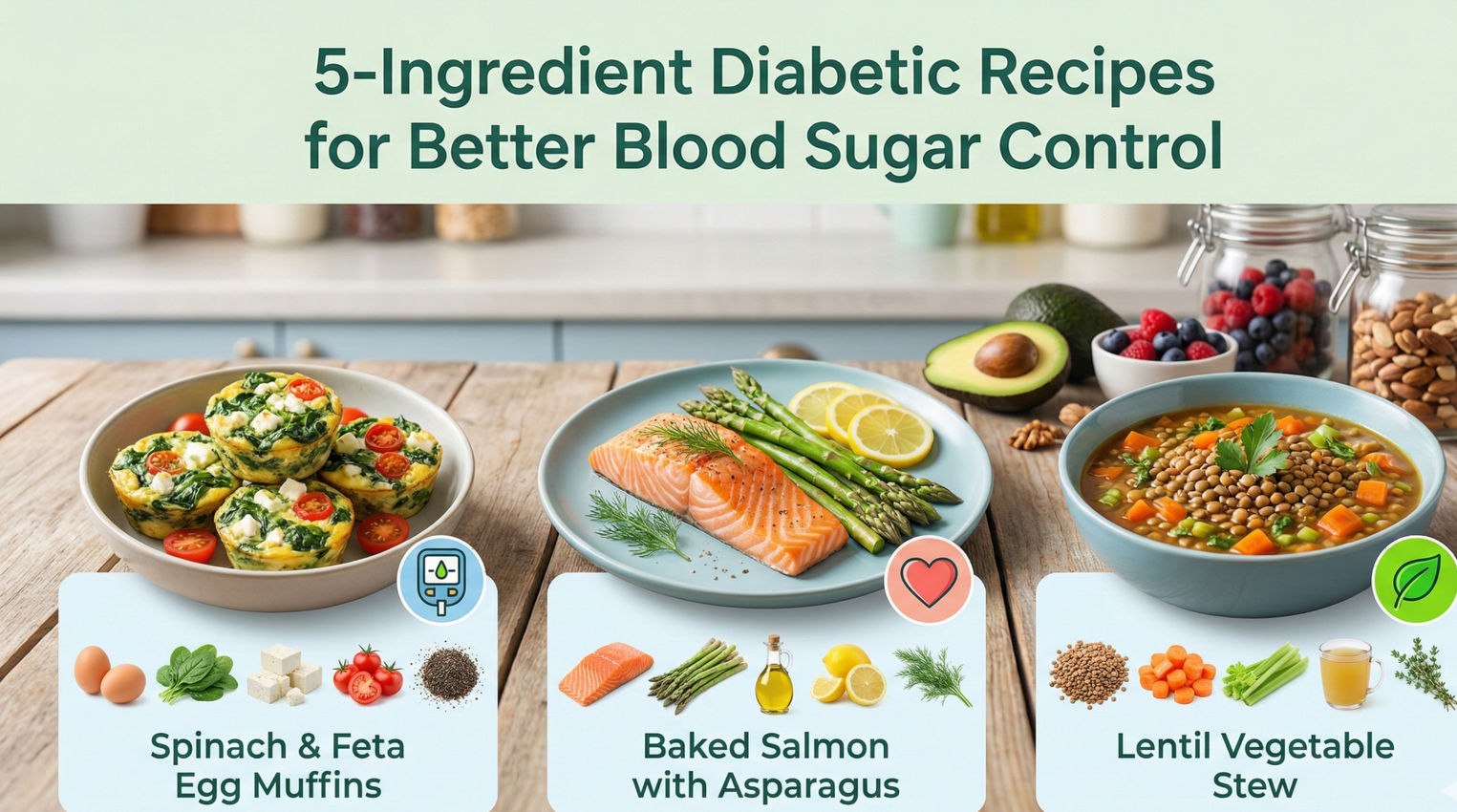
Reclaim your time and health with minimalist cooking that maximizes flavor and nutritional value.
The Power of Minimalism in a Diabetic Diet
Living with diabetes often feels like a full-time job involving mathematics, timing, and constant monitoring. The last thing you need is a recipe that requires a scavenger hunt at the grocery store. This is where the magic of 5-ingredient diabetic recipes comes into play.
Simplifying your cooking isn’t just about saving time; it’s about reducing decision fatigue. When you strip a recipe down to its essentials, you focus on quality whole foods—lean proteins, fiber-rich vegetables, and healthy fats—which are the cornerstones of an effective insulin resistance diet plan. Complex sauces and processed additives often hide sugar and sodium; simple cooking is transparent cooking. For those managing Type 2 diabetes, prediabetes, or gestational diabetes, sticking to whole foods with minimal ingredients helps maintain steady glucose levels throughout the day.
The “Free” Pantry Staples Rule
To make these recipes truly functional, we assume you have a few basics in your kitchen. These do not count toward the 5 ingredients:
- Salt and Black Pepper
- Cooking Oil (Olive Oil, Avocado Oil, or Coconut Oil)
- Water
- Vinegar (Apple Cider or White)
- Fresh Herbs like parsley or cilantro (optional, but we recommend counting them if used in large quantities)
This rule allows you to build flavor without inflating the ingredient list. Using quality extra‑virgin olive oil or avocado oil also provides healthy unsaturated fats that support heart health—a key concern for diabetics.
Breakfast: Start Your Day with Stability
The “Dawn Phenomenon” can make morning blood sugar tricky. You need breakfasts that are high in protein and low in fast-acting carbs. Forget the sugary cereals; here are simple starts that align with our 1-day simple diabetic menu philosophy. Including fiber and healthy fats in your morning meal also helps with satiety and prevents mid-morning crashes.
1. Spinach & Feta Egg Muffins
These are perfect for batch cooking on Sunday. Two of these provide a high-protein start that keeps you full until lunch. Eggs are a nutrient-dense choice, rich in choline and vitamin D, and have zero carbs.
- Ingredient 1: 6 Large Eggs
- Ingredient 2: 1 cup Fresh Spinach (chopped) – packed with magnesium and iron
- Ingredient 3: 1/2 cup Feta Cheese (crumbled) – adds tangy flavor with moderate sodium; you can also use low‑sodium feta
- Ingredient 4: 1/4 cup Cherry Tomatoes (halved) – provide lycopene and vitamin C
- Ingredient 5: 1 tsp Dried Oregano (or any dried herb like basil or thyme)
Method: Whisk eggs with oregano, salt, and pepper. Place spinach, feta, and tomatoes into a greased muffin tin. Pour eggs over the top. Bake at 350°F (175°C) for 20-25 minutes.
Nutrition tip: Each muffin contains about 6g protein and less than 2g carbs, making them ideal for a low‑carb diabetic breakfast.
2. Avocado Berry Smoothie
For those who need to grab and go. The avocado adds fiber and healthy fats to slow down the sugar absorption from the berries. Berries are low on the glycemic index, especially raspberries and blueberries, and are rich in antioxidants that combat inflammation.
- Ingredient 1: 1/2 Avocado (provides creaminess and monounsaturated fats)
- Ingredient 2: 1/2 cup Frozen Blueberries (low GI, high in anthocyanins)
- Ingredient 3: 1 cup Unsweetened Almond Milk (or any low‑carb milk alternative)
- Ingredient 4: 1 scoop Vanilla Whey or Plant Protein Powder (choose one with no added sugar)
- Ingredient 5: 1 tbsp Chia Seeds (adds omega‑3s and extra fiber)
Method: Blend all ingredients until smooth. Add water if it is too thick.
Carb count: Approximately 15g net carbs for the whole smoothie; perfect as a meal replacement or post‑workout refuel.
3. Greek Yogurt Parfait with Walnuts
A no-cook breakfast that delivers probiotics, protein, and healthy fats in layers. Greek yogurt has twice the protein of regular yogurt and significantly fewer carbs, making it a staple for blood sugar management. Walnuts provide omega-3 fatty acids that support cardiovascular health—a critical consideration for people with diabetes.
- Ingredient 1: 1 cup Plain Greek Yogurt (full-fat or 2% — avoid flavored varieties with added sugar)
- Ingredient 2: 1/4 cup Walnuts (chopped — rich in alpha-linolenic acid)
- Ingredient 3: 1/4 cup Fresh Raspberries (lowest GI of all berries, high in fiber)
- Ingredient 4: 1 tbsp Ground Flaxseed (adds 2g fiber and lignans)
- Ingredient 5: 1 tsp Cinnamon (may help improve insulin sensitivity)
Method: Layer yogurt, berries, walnuts, and flaxseed in a glass or jar. Sprinkle cinnamon on top.
Why it works: The combination of protein (yogurt), fat (walnuts), and fiber (flaxseed, berries) creates a slow-digesting meal that prevents blood sugar spikes. Cinnamon adds warmth without sugar and has been studied for its potential glycemic benefits.
4. Savory Cottage Cheese Bowl
Cottage cheese is experiencing a renaissance as a protein powerhouse. With 14 grams of protein per half-cup and only 5 grams of carbs, it’s an ideal breakfast base. Adding vegetables and healthy fats transforms it from bland to satisfying.
- Ingredient 1: 1 cup Cottage Cheese (2% or 4% fat — full-fat provides better satiety)
- Ingredient 2: 1/2 Avocado (sliced — adds creaminess and monounsaturated fat)
- Ingredient 3: 1/2 cup Cherry Tomatoes (halved — lycopene and vitamin C)
- Ingredient 4: 1 tbsp Everything Bagel Seasoning (check for sodium content)
- Ingredient 5: 1 tbsp Pumpkin Seeds (pepitas — magnesium and zinc)
Method: Spoon cottage cheese into a bowl. Top with avocado, tomatoes, pumpkin seeds, and seasoning.
Nutrition highlight: This bowl delivers approximately 22g protein, 12g healthy fats, and only 8g net carbs—ideal for a protein-forward diabetic breakfast that sustains energy through the morning.
Looking for more morning inspiration? Check out our extensive guide on breakfast ideas for diabetes or specifically tailored diabetic breakfast menus.
Essential Tool for 5-Ingredient Prep

Ninja Personal Blender for Shakes and Smoothies – Perfect for quick diabetic-friendly smoothies without the cleanup hassle. Ideal for blending the Avocado Berry Smoothie or any frozen fruit combo.
Check Price on AmazonLunch: Light, Portable, and Power-Packed
Lunch is often where diets derail due to convenience foods. These 5-ingredient lunches are faster than waiting in a drive-thru line and fit perfectly into a diabetic menu for working adults. They are designed to keep your energy stable without an afternoon slump.
5. Zucchini Noodle Caprese
A fresh, raw option that requires no cooking—ideal for summer or a light office lunch. Zucchini noodles (zoodles) are a fantastic low‑carb alternative to pasta, saving you 20+ grams of carbs per serving.
- Ingredient 1: 2 Medium Zucchinis (spiralized) – provides vitamin C and potassium
- Ingredient 2: 1 cup Cherry Tomatoes – bursting with flavor and low in carbs
- Ingredient 3: 1 cup Mozzarella Balls (Bocconcini) – choose part‑skim for less saturated fat
- Ingredient 4: 1/4 cup Fresh Basil – adds aroma and antioxidants
- Ingredient 5: Balsamic Glaze (sugar-free if possible) – a drizzle adds tang without spiking glucose
Method: Toss the zucchini noodles (zoodles) with tomatoes, mozzarella, and torn basil. Drizzle with olive oil (free) and a small amount of balsamic glaze.
Portion tip: This salad contains about 12g of carbs per serving, mainly from tomatoes and glaze, so it’s easy to fit into a balanced meal.
6. Tuna Avocado Boats
Skip the bread but keep the creaminess. This is a staple in many keto diabetic meal plans because it’s rich in healthy fats and protein, with virtually no carbs from the avocado and tuna.
- Ingredient 1: 2 Ripe Avocados – full of fiber and potassium
- Ingredient 2: 2 cans Tuna in water (drained) – lean protein, packed with selenium
- Ingredient 3: 2 tbsp Celery (finely diced) – adds crunch and fiber
- Ingredient 4: 1 tbsp Dijon Mustard – gives zest without sugar (check label)
- Ingredient 5: Lemon Juice – brightens flavor and provides vitamin C
Method: Halve avocados and remove pits. Mix tuna, celery, mustard, lemon juice, salt, and pepper. Scoop mixture into the avocado hollows.
Variation: Add chopped red onion if you have it (free, but counts if you want strict 5). Serve with a side of cucumber slices.
7. Turkey Lettuce Wraps
Inspired by Asian flavors without the carb-heavy wraps, this lunch delivers lean protein wrapped in crisp lettuce leaves. The combination of lean turkey and crunchy vegetables provides texture variety that makes simple meals feel satisfying and complete.
- Ingredient 1: 1 lb Ground Turkey (93% lean — versatile and mild-flavored protein)
- Ingredient 2: 1 Head Butter Lettuce (leaves separated — crisp, mild-flavored wraps)
- Ingredient 3: 1/4 cup Soy Sauce (low-sodium — provides umami depth)
- Ingredient 4: 1 cup Shredded Carrots (adds sweetness and crunch without excessive carbs)
- Ingredient 5: 1 tsp Fresh Ginger (grated — anti-inflammatory and warming)
Method: Brown turkey in a skillet with ginger and soy sauce. Spoon into lettuce cups and top with shredded carrots.
Meal prep tip: Cook the turkey filling in advance and store separately from the lettuce. Assemble at lunchtime for maximum freshness. The filling lasts 4 days in the refrigerator.
8. Mediterranean Chickpea Salad
Plant-based protein meets fresh Mediterranean flavors in this hearty, no-cook lunch. Chickpeas are a legume powerhouse, providing both protein and soluble fiber that slows glucose absorption. This salad improves in flavor as it sits, making it perfect for meal prep.
- Ingredient 1: 1 can Chickpeas (rinsed and drained — 15g protein and 12g fiber per cup)
- Ingredient 2: 1 cup Cucumber (diced — hydrating and low-calorie)
- Ingredient 3: 1/2 cup Cherry Tomatoes (halved — lycopene-rich antioxidant)
- Ingredient 4: 1/4 cup Red Onion (thinly sliced — quercetin and flavor)
- Ingredient 5: 2 tbsp Lemon Juice (freshly squeezed — vitamin C and brightness)
Method: Combine all ingredients in a bowl. Toss with olive oil (free) and pepper. Let sit for 15 minutes to meld flavors.
Nutrition: Approximately 18g protein, 14g fiber, and 22g net carbs per serving — ideal for a balanced diabetic lunch that sustains energy without a blood sugar crash.
For more midday meal structures, explore our diabetic lunch menu suggestions.
Dinner: Hearty Meals Without the Hassle
Dinner time is when fatigue sets in. You want comfort, but you need control. These recipes rely on heat and chemistry to create flavor, rather than a long list of spices. They also emphasize non‑starchy vegetables and lean proteins—cornerstones of a diabetes‑friendly dinner.
9. Sheet Pan Lemon Garlic Salmon
Rich in Omega-3 fatty acids, this dish supports a heart-healthy diabetic diet. Salmon is also an excellent source of vitamin D and selenium.
- Ingredient 1: 4 Salmon Fillets (wild‑caught if possible, for higher omega‑3s)
- Ingredient 2: 1 lb Asparagus (woody ends trimmed) – high in folate and fiber
- Ingredient 3: 1 Lemon (sliced) – adds brightness without sugar
- Ingredient 4: 3 cloves Garlic (minced) – known for anti‑inflammatory properties
- Ingredient 5: 1 tbsp Fresh Dill (or 1 tsp dried) – complements fish beautifully
Method: Place salmon and asparagus on a baking sheet. Rub with olive oil and garlic. Top salmon with lemon slices. Bake at 400°F (200°C) for 12-15 minutes.
Serving suggestion: Serve with a side of quinoa or cauliflower rice if you need extra carbs; otherwise, the asparagus and salmon make a complete meal.
10. Salsa Chicken Skillet
This “dump and cook” meal is a favorite for those following Mexican diabetic food recipes. It’s one‑pan, minimal cleanup, and packed with protein.
- Ingredient 1: 4 Chicken Breasts (boneless, skinless)
- Ingredient 2: 1 tbsp Taco Seasoning (low sodium or homemade)
- Ingredient 3: 1 cup Chunky Salsa (no sugar added; check label for hidden sugars)
- Ingredient 4: 1 cup Shredded Cheddar Cheese (reduced‑fat if desired)
- Ingredient 5: Fresh Cilantro (for garnish)
Method: Season chicken with taco spice. Sear in a skillet with oil until browned. Pour salsa over chicken, reduce heat, cover, and simmer for 15 minutes. Top with cheese, let melt, and garnish with cilantro.
Side idea: Serve with cauliflower rice or a simple green salad to keep the meal low‑carb.
11. One-Pan Balsamic Chicken with Green Beans
Balsamic vinegar reduces into a glossy, sweet-tart glaze that makes this simple dish taste restaurant-quality. Chicken thighs remain juicy through the baking process, and the balsamic provides a depth of flavor that belies the minimal ingredient list.
- Ingredient 1: 4 Chicken Thighs (bone-in, skin-on — more flavor and moisture than breast)
- Ingredient 2: 1 lb Green Beans (trimmed — high in fiber and vitamin K)
- Ingredient 3: 1/4 cup Balsamic Vinegar (creates a caramelized glaze)
- Ingredient 4: 2 tbsp Dijon Mustard (emulsifies with vinegar for a tangy coating)
- Ingredient 5: 2 cloves Garlic (minced — aromatic base and anti-inflammatory)
Method: Whisk balsamic vinegar, mustard, and garlic. Arrange chicken and green beans on a sheet pan. Pour sauce over everything. Bake at 425°F (220°C) for 30-35 minutes until chicken is cooked through.
Blood sugar note: The balsamic vinegar may help moderate post-meal blood sugar response according to some research, making this dish not just tasty but functionally beneficial.
12. Garlic Butter Shrimp with Broccoli
Shrimp is one of the leanest proteins available, and when paired with broccoli—a cruciferous vegetable packed with sulforaphane and fiber—this dinner becomes both a flavor triumph and a nutritional powerhouse. The garlic butter sauce comes together in minutes.
- Ingredient 1: 1 lb Large Shrimp (peeled and deveined — cooks in 3-4 minutes)
- Ingredient 2: 4 cups Broccoli Florets (steamed or roasted — 5g fiber per cup)
- Ingredient 3: 4 cloves Garlic (minced — the star of the sauce)
- Ingredient 4: 2 tbsp Butter (grass-fed preferred — provides fat-soluble vitamins)
- Ingredient 5: 1 tbsp Lemon Juice (finishing touch — brightness and vitamin C)
Method: Melt butter in a large skillet. Sauté garlic for 30 seconds until fragrant. Add shrimp and cook 2 minutes per side. Add broccoli and lemon juice, toss to combine.
Timing tip: Start the broccoli first (steam for 5 minutes or microwave for 3 minutes), then cook the shrimp. This ensures both components are perfectly done simultaneously.
13. Turkey Taco Bowl
A deconstructed taco that delivers all the flavor without the carb-heavy shell. Using cauliflower rice as the base keeps this bowl low-carb while providing volume and nutrients. The combination of lean turkey, fiber-rich beans, and fresh vegetables creates a balanced meal that satisfies Mexican food cravings.
- Ingredient 1: 1 lb Ground Turkey (93% lean — lower fat than beef, milder flavor)
- Ingredient 2: 1 cup Black Beans (rinsed — 15g protein and 15g fiber per cup)
- Ingredient 3: 1 cup Romaine Lettuce (chopped — crunchy base with folate)
- Ingredient 4: 1/2 cup Cherry Tomatoes (halved — lycopene and sweetness)
- Ingredient 5: 1/4 cup Shredded Cheese (Mexican blend — calcium and fat for satiety)
Method: Brown turkey with taco seasoning (free). Layer cauliflower rice (free), lettuce, turkey, beans, tomatoes, and cheese.
Customization: Add avocado slices (counts as a 6th ingredient, but worth it for the healthy fats) or use guacamole for extra creaminess. This bowl is also excellent cold for lunch the next day.
Need a full plan? Integrate these into a weekly diabetic meal plan for consistent results.
Cook Smarter, Not Harder

Nordic Ware Natural Aluminum Commercial Baker’s Half Sheet – The gold standard for one-pan diabetic dinners. Perfect for sheet pan salmon or roasted vegetables.
Check Price on AmazonAdapting for Special Needs: Seniors and Budgeting
For Seniors
As we age, appetite and the desire to cook large meals often decrease. 5-ingredient meals are excellent for the elderly because they minimize waste and effort. For those with dental issues, recipes like the Mashed Cauliflower & Cheese (add cauliflower, cheese, butter, garlic, and broth) or soft‑baked fish fit well into a diabetic menu for elderly with no teeth. Soft textures and mild flavors are key.
Budget Friendly
Diabetes management can be expensive. By limiting recipes to 5 ingredients, you naturally limit your grocery bill. Focus on seasonal produce and bulk proteins like chicken thighs or canned fish. This approach aligns perfectly with a low-income diabetic menu strategy. You don’t need exotic superfoods; you need consistency and nutrient density. Canned tomatoes, frozen vegetables, and eggs are affordable staples that never let you down.
Additionally, buying in bulk when items are on sale (e.g., a large bag of frozen chicken breasts) and portioning them out can save money and time. Simple recipes also reduce food waste because you only buy what you need.
Comparison: 5-Ingredient vs. Traditional Diabetic Recipes
Is simpler always better? Let’s weigh the pros and cons. This table helps you decide which style fits your lifestyle and blood sugar goals.
| Feature | 5-Ingredient Recipes | Traditional Gourmet Recipes |
|---|---|---|
| Prep Time | 5-15 Minutes | 30-60 Minutes |
| Cost | Low – Minimal waste | High – Requires varied spices/sauces |
| Flavor Complexity | Moderate – Relies on freshness | High – Layered flavors |
| Suitability for Beginners | Excellent | Moderate to Difficult |
| Glycemic Control | Easier to calculate and predict | Harder to track hidden carbs and sugars |
| Meal Prep Friendliness | Very high – batch cooking is straightforward | Often requires last‑minute steps |
Snacking Simply
Snacks bridge the gap between meals and prevent hypoglycemia. Keep it simple. Here are five no‑fuss, diabetes‑friendly snacks you can assemble in minutes:
- Celery & Peanut Butter: Classic, cheap, effective. Choose natural peanut butter with no added sugar. The celery provides crunch and hydration, while the protein and fat stabilize blood sugar.
- Greek Yogurt & Walnuts: Probiotics + Omega 3s. Plain Greek yogurt (full‑fat or 2%) has minimal carbs; walnuts add healthy fats and a satisfying crunch.
- Cucumber & Hummus: Hydrating and fibrous. Opt for a hummus without added sugar or preservatives.
- Hard‑Boiled Eggs: Portable, protein‑rich, and zero carbs. Prep a batch at the start of the week.
- Handful of Almonds: Rich in vitamin E and magnesium, and they help curb cravings.
For a deeper dive into smart snacking, read our guide on diabetic snack ideas.
Expert Tips for Success
- Invest in Quality Spices: Since you aren’t using many ingredients, your salt, pepper, and solitary spices (like smoked paprika, cumin, or oregano) should be high quality. Freshly ground pepper and sea salt make a noticeable difference.
- Read Labels: “5 ingredients” on a processed package isn’t the same as 5 fresh ingredients. Ensure no hidden sugars exist in jarred sauces like salsa or marinara. Look for “no added sugar” and check carbohydrate counts.
- Batch Prep: Even simple recipes are easier when the chopping is done. Check out our 3-day diabetic meal plan strategies to get ahead. Spend one hour on Sunday chopping veggies, portioning proteins, and mixing spices.
- Focus on Fiber: Always ensure at least one of your 5 ingredients is a high-fiber vegetable (like broccoli, spinach, asparagus, or zucchini) to help blunt the glucose spike. This is crucial for a high fiber diabetic meal plan. Fiber also promotes gut health and regularity.
- Embrace Healthy Fats: Olive oil, avocado, nuts, and seeds are not just fillers—they slow digestion and improve insulin sensitivity. Don’t be afraid to include them as one of your five.
- Keep a Food Diary: Track how different 5‑ingredient meals affect your blood sugar. Use a glucometer or CGM to fine‑tune your choices. This is especially helpful if you’re newly diagnosed or adjusting medications.
Stay Organized

Glass Meal Prep Containers (3 Compartment) – Keep your 5-ingredient meals fresh and portion-controlled. Perfect for lunches at work or dinners to reheat.
Check Price on AmazonFrequently Asked Questions (FAQ)
Are 5-ingredient meals nutritious enough for diabetics?
Yes, absolutely. Complexity does not equal nutrition. By focusing on high-quality whole foods—like lean proteins, fiber-rich vegetables, and healthy fats—you can create balanced meals that manage blood sugar effectively without dozens of ingredients. For example, a salmon fillet with asparagus and lemon provides protein, healthy fats, fiber, and vitamins—all in one simple dish.
Do salt, pepper, and oil count as ingredients?
In most culinary definitions of “5-ingredient recipes”, pantry staples like salt, black pepper, cooking oil (olive or avocado), and water are not counted towards the five. They are considered essential foundational items most kitchens already possess. However, if you use a specialty oil like truffle oil or a flavored salt, you might count it. The goal is to keep the recipe simple, not to cheat.
How can I meal prep these simple recipes?
5-ingredient recipes are ideal for meal prep. You can batch cook proteins (like sheet pan chicken) and roast vegetables simultaneously. Since the ingredient list is short, shopping and chopping times are significantly reduced. For instance, make a double batch of Salsa Chicken and portion it into containers with cauliflower rice for three days’ worth of lunches.
Can these recipes work for a low-sodium diabetic diet?
Yes. Since you are cooking from scratch, you control the sodium. Instead of salt, rely on fresh herbs, citrus juice, or salt-free seasoning blends as one of your five ingredients to keep flavor high and sodium low. See our low sodium diabetic meal plan for more details. Additionally, rinsing canned beans or tuna can reduce sodium by up to 40%.
What if I don’t have a spiralizer for zoodles?
You can use a vegetable peeler to create wide ribbons, or simply buy pre‑spiralized zucchini in the produce section of many supermarkets. Many stores now carry fresh zoodles, making this recipe even easier.
Are these recipes suitable for gestational diabetes?
Yes, most of these recipes are low in carbs and rich in nutrients, making them excellent for managing gestational diabetes. However, always consult your healthcare provider to tailor meals to your specific needs. The Avocado Berry Smoothie, for instance, provides folate and healthy fats that are beneficial during pregnancy.
How many carbs should a diabetic meal have?
Most diabetes guidelines recommend 30-60 grams of carbohydrates per meal for Type 2 diabetes, though individual needs vary based on medications, activity level, and insulin sensitivity. These 5-ingredient recipes typically range from 5-25 grams of net carbs per serving, making them easy to fit into most meal plans. Work with your healthcare team to determine your personal carb targets.
Can I freeze 5-ingredient meals?
Many 5-ingredient meals freeze beautifully. Sheet pan proteins, egg muffins, soups, and casseroles are all freezer-friendly. However, fresh salads, avocado-based dishes, and dairy-heavy recipes like the Caprese do not freeze well—tomatoes become mushy and avocado browns. Label containers with the date and consume within 2-3 months for best quality and nutrition.
What are the best 5-ingredient diabetic snacks?
Top choices include celery with natural peanut butter, Greek yogurt with walnuts, cucumber with hummus, hard-boiled eggs, and a handful of almonds. These combinations provide protein, healthy fats, and fiber to stabilize blood sugar between meals. Aim for snacks under 15 grams of carbs to avoid spiking glucose between meals.
Can I use an air fryer with 5-ingredient recipes?
Absolutely. Air fryers excel at creating crispy textures with minimal oil—often using 75% less fat than traditional frying. Recipes like air fryer chicken thighs, roasted Brussels sprouts, and salmon fillets work perfectly in an air fryer and often cook faster than oven methods. Preheat the air fryer to ensure even cooking and crispy results.
How do I add more fiber to 5-ingredient meals?
Include high-fiber ingredients like chia seeds, flaxseeds, beans, lentils, or leafy greens as one of your five. For example, adding 1 tablespoon of chia seeds to a smoothie adds 5 grams of fiber. Black beans provide 15 grams of fiber per cup, and avocados offer about 10 grams per whole fruit. Aim for at least 25-30 grams of fiber daily for optimal blood sugar control.
Are canned vegetables okay for diabetic recipes?
Canned vegetables are convenient and nutritious, but choose no-salt-added varieties and rinse them thoroughly to reduce sodium by up to 40%. Frozen vegetables are equally nutritious and often flash-frozen at peak freshness, retaining more vitamins than canned options. Canned tomatoes are particularly convenient for quick sauces and stews.
What herbs and spices are best for diabetic cooking?
Cinnamon, turmeric, ginger, garlic, oregano, basil, rosemary, and thyme are all excellent choices. Some, like cinnamon and turmeric, may have mild blood-sugar-lowering properties and anti-inflammatory benefits. Use them generously to add flavor without carbs or sodium. Fresh herbs provide brighter flavor, while dried herbs are more concentrated—use half the amount of dried when a recipe calls for fresh.
How do I make 5-ingredient recipes kid-friendly?
Involve kids in the cooking process, use mild flavors, and add familiar textures. Chicken nuggets baked with parmesan, turkey meatballs, and fruit-based smoothies are all recipes children enjoy while staying diabetes-friendly. Let children choose between two healthy options to give them a sense of control. Presentation matters—use fun shapes, colorful vegetables, and creative plating to make simple meals exciting.
Do 5-ingredient recipes help with weight loss?
Yes. Simplicity naturally reduces calorie intake because you avoid heavy sauces and processed additives. These recipes emphasize lean proteins and vegetables, which are filling but low in calories, supporting a sustainable caloric deficit. The high protein content also helps preserve muscle mass during weight loss, which is important for maintaining metabolic rate and insulin sensitivity.
What is the glycemic index and why does it matter?
The glycemic index (GI) measures how quickly a food raises blood sugar. Foods with a low GI (55 or below) are digested slowly, causing a gradual rise in blood glucose. These 5-ingredient recipes prioritize low-GI ingredients like non-starchy vegetables, lean proteins, and healthy fats, which help maintain stable blood sugar levels throughout the day.
How do I handle diabetes when eating out or traveling?
While these recipes are designed for home cooking, the principles translate to restaurants and travel. Look for grilled proteins, ask for vegetables instead of starches, and request sauces on the side. Pack portable 5-ingredient snacks like hard-boiled eggs, almonds, or celery with peanut butter for travel days. The simplicity of these recipes also means you can recreate them in vacation rental kitchens easily.
Weekly Meal Planning Blueprint
One of the greatest advantages of 5-ingredient recipes is how easily they slot into a structured weekly meal plan. By planning ahead, you reduce impulse eating, minimize food waste, and ensure your blood sugar stays stable throughout the week. Here is a sample 7-day blueprint using the recipes in this article.
| Day | Breakfast | Lunch | Dinner |
|---|---|---|---|
| Monday | Spinach & Feta Egg Muffins (2) | Mediterranean Chickpea Salad | Sheet Pan Lemon Garlic Salmon |
| Tuesday | Avocado Berry Smoothie | Turkey Lettuce Wraps | Salsa Chicken Skillet |
| Wednesday | Greek Yogurt Parfait with Walnuts | Zucchini Noodle Caprese | Garlic Butter Shrimp with Broccoli |
| Thursday | Savory Cottage Cheese Bowl | Tuna Avocado Boats | One-Pan Balsamic Chicken |
| Friday | Spinach & Feta Egg Muffins (2) | Mediterranean Chickpea Salad | Turkey Taco Bowl |
| Saturday | Avocado Berry Smoothie | Tuna Avocado Boats | Sheet Pan Lemon Garlic Salmon |
| Sunday | Greek Yogurt Parfait | Leftover Taco Bowl | Salsa Chicken Skillet |
Batch Cooking Strategy
Sunday prep session (60-90 minutes):
- Bake 12 egg muffins for Monday and Friday breakfasts
- Cook 2 lbs chicken for Tuesday and Sunday dinners
- Wash and chop all vegetables for the week
- Portion out snacks (hard-boiled eggs, almonds, celery sticks)
- Prepare 2 servings of Mediterranean Chickpea Salad for Monday and Friday lunches
- Make a double batch of turkey taco filling for Thursday and Friday
This approach reduces daily cooking time to under 15 minutes and ensures you always have a diabetes-friendly meal ready. The total weekly grocery cost for this plan averages $50-75 for one person, depending on your location and protein choices.
Understanding the Science: Why Simplicity Works for Blood Sugar
The connection between ingredient complexity and blood sugar management is not just anecdotal—it’s grounded in nutritional science. Here’s why fewer ingredients often lead to better glycemic outcomes.
The Hidden Carb Problem
Complex recipes frequently involve sauces, marinades, and condiments that contain hidden carbohydrates. A teriyaki sauce can add 10-15 grams of sugar per serving. A creamy dressing might contain 5-8 grams of carbs. When you limit yourself to 5 whole-food ingredients, you eliminate the guesswork. What you see is what you get—and that transparency makes carb counting straightforward.
Glycemic Load vs. Glycemic Index
While the glycemic index (GI) tells you how quickly a food raises blood sugar, glycemic load (GL) accounts for the portion size and total carb content. Simple meals with controlled portions naturally have lower glycemic loads. For example, a 5-ingredient meal of salmon, asparagus, and lemon has a glycemic load of approximately 3—well within the optimal range for diabetics. Compare this to a complex pasta dish with multiple sauces, which might have a GL of 25 or higher.
The Satiety Factor
Protein and fiber are the two most satiating macronutrients. Simple recipes that feature these prominently—like chicken with broccoli or eggs with spinach—keep you full longer than carb-heavy meals. This natural appetite regulation reduces snacking and overeating, which are common challenges for people managing diabetes. The thermic effect of protein (your body burns 20-30% of protein calories during digestion) also contributes to better metabolic health.
Insulin Sensitivity and Meal Timing
Research suggests that eating simple, protein-rich meals earlier in the day improves insulin sensitivity. The Dawn Phenomenon—where blood sugar rises naturally in the early morning—can be mitigated by a high-protein, low-carb breakfast like the Spinach & Feta Egg Muffins. Simple meals also digest more predictably, allowing you to time medications and insulin injections with greater accuracy.
Seasonal Variations for Year-Round Enjoyment
One of the strengths of 5-ingredient cooking is its adaptability to seasonal produce. Eating seasonally not only reduces costs but also ensures peak flavor and nutritional density. Here’s how to rotate your simple recipes throughout the year.
Spring
Asparagus, peas, radishes, and spring greens are at their best. The Sheet Pan Lemon Garlic Salmon shines in spring when asparagus is fresh and tender. Add fresh herbs like chives and dill—both are low-carb flavor powerhouses. Spring also brings strawberries, which make an excellent addition to the Avocado Berry Smoothie.
Summer
Tomatoes, zucchini, peppers, and berries dominate. The Zucchini Noodle Caprese is a perfect summer dish—no cooking required, and all ingredients are at their peak. Grilled chicken with fresh corn and tomatoes is another simple summer option. Cold soups like gazpacho (blended tomatoes, cucumber, garlic, olive oil, vinegar) are refreshing and diabetes-friendly.
Fall
Roasted root vegetables, pumpkin, and hearty greens come into their own. Swap asparagus for Brussels sprouts in the sheet pan salmon recipe. Add roasted butternut squash (in moderation due to higher carbs) to the Turkey Taco Bowl. Fall is also ideal for slow-cooker recipes—toss chicken thighs, broth, carrots, and onions into a crockpot for a hands-off dinner.
Winter
Citrus fruits, cabbage, and winter squash are affordable and nutritious. The Mediterranean Chickpea Salad adapts well to winter with the addition of roasted red peppers and artichoke hearts. Soups become more appealing—blend cauliflower, garlic, broth, and cream cheese for a velvety soup that’s low in carbs and high in comfort.
Building Your 5-Ingredient Pantry
Success with simple recipes depends on having the right staples on hand. Here is a comprehensive pantry guide organized by category, with carb counts and storage tips.
| Category | Pantry Staples | Net Carbs (per serving) | Storage |
|---|---|---|---|
| Proteins | Chicken breasts, salmon fillets, eggs, ground turkey, canned tuna, shrimp | 0-2g | Fresh: 2-3 days. Frozen: 3 months |
| Vegetables | Spinach, broccoli, asparagus, zucchini, green beans, bell peppers | 2-8g | Fresh: 5-7 days. Frozen: 12 months |
| Healthy Fats | Avocados, olive oil, almonds, walnuts, chia seeds, flaxseed | 0-3g | Nuts/seeds: 6 months. Avocado: 3-5 days |
| Dairy | Greek yogurt, feta, mozzarella, cottage cheese, butter | 2-6g | 7-14 days refrigerated |
| Legumes | Chickpeas, black beans, lentils (canned or dried) | 15-20g | Canned: 2-5 years. Cooked: 5 days |
| Flavor Boosters | Garlic, lemon, fresh herbs, balsamic vinegar, mustard | 0-2g | Varies by item |
The Freezer Strategy
Keep your freezer stocked with these diabetes-friendly staples:
- Proteins: Chicken breasts, salmon fillets, and shrimp can be frozen in individual portions for quick thawing
- Vegetables: Frozen broccoli, spinach, and green beans are just as nutritious as fresh and cook in minutes
- Batch Cooks: Freeze egg muffins, cooked turkey, and soups in portion-sized containers
- Nuts and Seeds: Extend shelf life by storing in the freezer—they last 12+ months
The freezer is your secret weapon against impulse takeout. When you have pre-portioned ingredients ready to cook, a 5-ingredient meal comes together faster than delivery.
Cultural Cuisines Made Simple
Diabetes management doesn’t mean eating the same bland meals every day. World cuisines offer incredible flavor combinations that can be simplified to 5 ingredients while remaining blood-sugar-friendly.
14. Thai Coconut Chicken
Thai cuisine relies on bold, fresh flavors—lemongrass, coconut, lime, and chili—that naturally complement a low-carb approach. This simplified version captures the essence of Thai cooking without the complex curry paste.
- Ingredient 1: 1 lb Chicken Thighs (boneless — tender and flavorful)
- Ingredient 2: 1 can Coconut Milk (full-fat — provides creaminess and healthy MCTs)
- Ingredient 3: 2 tbsp Thai Red Curry Paste (check label for sugar content)
- Ingredient 4: 1 cup Bamboo Shoots (drained — low-calorie, adds texture)
- Ingredient 5: Fresh Basil (Thai basil preferred — aromatic finish)
Method: Sear chicken in oil until golden. Add curry paste and cook 1 minute. Pour in coconut milk and bamboo shoots. Simmer 15 minutes until chicken is cooked through. Finish with fresh basil.
Serving: Serve over cauliflower rice (free) for a complete low-carb Thai experience.
15. Mediterranean Baked Fish
White fish like cod or halibut bakes beautifully with Mediterranean staples. This dish is light, protein-rich, and features the healthy fats and antioxidants that make the Mediterranean diet one of the most recommended eating patterns for diabetes management.
- Ingredient 1: 4 White Fish Fillets (cod, halibut, or tilapia — lean protein)
- Ingredient 2: 1 cup Cherry Tomatoes (halved — burst in the oven for sweetness)
- Ingredient 3: 1/4 cup Kalamata Olives (sliced — healthy fats and sodium)
- Ingredient 4: 2 tbsp Capers (briny flavor without carbs)
- Ingredient 5: Fresh Parsley (chopped — garnish and freshness)
Method: Place fish in a baking dish. Top with tomatoes, olives, and capers. Drizzle with olive oil (free). Bake at 400°F (200°C) for 15-18 minutes until fish flakes easily. Garnish with parsley.
Nutrition: Approximately 25g protein, 8g healthy fats, and only 5g net carbs — an ideal diabetic dinner.
16. Indian-Spiced Cauliflower Rice
Indian cuisine’s reliance on spices rather than heavy sauces makes it naturally diabetes-friendly. Cauliflower rice absorbs aromatic spices beautifully, creating a satisfying base that replaces traditional rice with a fraction of the carbs.
- Ingredient 1: 4 cups Riced Cauliflower (fresh or frozen — 5g carbs per cup vs. 45g for white rice)
- Ingredient 2: 1 cup Chickpeas (rinsed — plant protein and fiber)
- Ingredient 3: 1 tsp Curry Powder (blend of turmeric, cumin, coriander)
- Ingredient 4: 1/2 cup Plain Yogurt (for cooling contrast)
- Ingredient 5: Fresh Cilantro (bright, herbaceous finish)
Method: Sauté cauliflower rice with curry powder in oil for 5 minutes. Add chickpeas and cook 3 more minutes. Serve topped with yogurt and cilantro.
Customization: Add a handful of spinach (counts as a 6th ingredient) for extra iron and fiber. This dish is also excellent as a side for grilled chicken or fish.
17. Japanese-Inspired Miso Salmon
Miso paste is a fermented soybean product that provides umami depth and probiotics. A thin glaze of miso transforms plain salmon into a dish that tastes like it came from a restaurant. The fermentation process may also support gut health, which is increasingly linked to blood sugar regulation.
- Ingredient 1: 4 Salmon Fillets (wild-caught — omega-3 rich protein)
- Ingredient 2: 2 tbsp White Miso Paste (fermented — umami flavor, probiotics)
- Ingredient 3: 1 tbsp Rice Vinegar (brightens the glaze)
- Ingredient 4: 1 tsp Sesame Oil (nutty aroma — a little goes a long way)
- Ingredient 5: Sesame Seeds (toasted — visual appeal and crunch)
Method: Mix miso paste, rice vinegar, and sesame oil. Brush onto salmon fillets. Broil for 8-10 minutes until caramelized. Sprinkle with sesame seeds.
Flavor science: The Maillard reaction during broiling caramelizes the miso glaze, creating complex flavors without added sugar. The natural sweetness of the miso comes from the fermentation process, not added sugars.
Slow Cooker and Crockpot 5-Ingredient Meals
For those who want to set it and forget it, the slow cooker is a game-changer. These meals require minimal prep in the morning and are ready when you walk through the door. The low, slow cooking method also helps break down connective tissue in cheaper cuts of meat, making them tender and flavorful.
18. Slow Cooker Chicken Tortilla Soup
A warming, fiber-rich soup that’s perfect for cold weather. The slow cooker melds the flavors into a rich, complex broth that tastes like it simmered all day—because it did. Black beans provide protein and fiber, while the tomatoes add vitamin C and lycopene.
- Ingredient 1: 2 lbs Chicken Breast (boneless — becomes fork-tender in the slow cooker)
- Ingredient 2: 1 can Black Beans (rinsed — 15g protein and 15g fiber)
- Ingredient 3: 1 can Diced Tomatoes (with green chilies for heat)
- Ingredient 4: 2 cups Chicken Broth (low-sodium — the soup base)
- Ingredient 5: 1 tsp Cumin (warm, earthy spice)
Method: Place all ingredients in the slow cooker. Cook on low for 6-8 hours or high for 3-4 hours. Shred chicken with two forks before serving.
Freezing tip: This soup freezes exceptionally well. Make a double batch and freeze in individual portions for quick lunches throughout the month.
19. Slow Cooker Pot Roast
The ultimate comfort food, simplified. Chuck roast becomes incredibly tender with slow cooking, and the vegetables absorb all the savory juices. This is a one-pot meal that provides protein, fiber, and vegetables in every serving.
- Ingredient 1: 2 lbs Chuck Roast (marbled cut — becomes tender with slow cooking)
- Ingredient 2: 4 Medium Carrots (cut into chunks — natural sweetness, beta-carotene)
- Ingredient 3: 4 Medium Potatoes (quartered — moderate carbs, adjust portion for blood sugar)
- Ingredient 4: 1 cup Beef Broth (low-sodium — creates a rich gravy)
- Ingredient 5: 2 sprigs Fresh Rosemary (piney aroma that complements beef)
Method: Sear roast in oil until browned on all sides. Place in slow cooker with carrots, potatoes, broth, and rosemary. Cook on low 8-10 hours.
Carb management: Potatoes are higher in carbs (about 30g per medium potato). For tighter blood sugar control, replace half the potatoes with turnips or use only 2 small potatoes for the entire pot. The carrots add sweetness with fewer carbs (about 6g per medium carrot).
20. Slow Cooker Pulled Chicken
Versatile pulled chicken is a meal-prep powerhouse. Use it in lettuce wraps, salads, or cauliflower rice bowls throughout the week. The slow cooker requires no babysitting, and the result is tender, flavorful protein that adapts to any cuisine.
- Ingredient 1: 2 lbs Chicken Breast (boneless — lean protein)
- Ingredient 2: 1 cup Salsa (no sugar added — provides moisture and flavor)
- Ingredient 3: 1 tbsp Chili Powder (smoky depth)
- Ingredient 4: 1 tsp Garlic Powder (concentrated flavor)
- Ingredient 5: 1 tsp Onion Powder (sweet, aromatic base)
Method: Place chicken in slow cooker. Mix salsa with spices and pour over chicken. Cook on low 6-8 hours. Shred with forks.
Weekly use: Monday: lettuce wraps. Tuesday: taco bowl. Wednesday: salad topping. Thursday: stuffed bell pepper. Friday: soup addition. One batch covers five meals.
Air Fryer 5-Ingredient Recipes
Air fryers have revolutionized quick cooking for diabetics. They create crispy textures with minimal oil, reducing fat and calories while maintaining the satisfying crunch that makes meals enjoyable. These recipes cook in 15-25 minutes with virtually no cleanup.
21. Air Fryer Chicken Thighs
Bone-in chicken thighs develop a crispy skin in the air fryer that rivals deep-frying. The dark meat is more forgiving than breast meat—juicier and more flavorful even if slightly overcooked.
- Ingredient 1: 4 Chicken Thighs (bone-in, skin-on — crispy skin, juicy meat)
- Ingredient 2: 1 tbsp Smoky Paprika (adds depth and color)
- Ingredient 3: 1 tsp Garlic Powder (aromatic base)
- Ingredient 4: 1 tsp Onion Powder (sweet undertone)
- Ingredient 5: 1 tbsp Olive Oil (helps crisp the skin)
Method: Pat chicken dry. Rub with oil and spices. Air fry at 380°F (193°C) for 25 minutes, flipping halfway. Let rest 5 minutes before serving.
Internal temp: Always verify chicken reaches 165°F (74°C) with a meat thermometer. The air fryer’s circulating heat cooks evenly, but thickness varies between thighs.
22. Air Fryer Brussels Sprouts
Brussels sprouts transform in the air fryer—crispy on the outside, tender on the inside, with caramelized edges that bring out their natural sweetness. This side dish is high in fiber, vitamin K, and vitamin C.
- Ingredient 1: 1 lb Brussels Sprouts (trimmed and halved — 4g fiber per cup)
- Ingredient 2: 2 tbsp Olive Oil (helps achieve crispiness)
- Ingredient 3: 2 cloves Garlic (minced — aromatic punch)
- Ingredient 4: 1 tbsp Balsamic Vinegar (added after cooking for tang)
- Ingredient 5: 2 tbsp Parmesan Cheese (grated — umami finish)
Method: Toss halved Brussels sprouts with oil and garlic. Air fry at 400°F (200°C) for 12-15 minutes, shaking basket halfway through. Toss with balsamic and parmesan immediately after cooking.
Tip: Don’t overcrowd the basket. Cook in batches if needed for maximum crispiness. Wet sprouts steam instead of crisping, so pat them dry before seasoning.
23. Air Fryer Salmon Bites
Bite-sized salmon pieces cook in minutes and develop a slightly crispy exterior while remaining tender inside. Perfect for salads, grain bowls, or as an appetizer. The smaller pieces also cook more evenly than fillets.
- Ingredient 1: 1 lb Salmon Fillet (cut into 1-inch cubes — wild-caught preferred)
- Ingredient 2: 1 tbsp Soy Sauce (low-sodium — provides umami depth)
- Ingredient 3: 1 tsp Sesame Oil (nutty aroma)
- Ingredient 4: 1 tsp Honey (just a touch for glaze — optional)
- Ingredient 5: Sesame Seeds (toasted — visual appeal and crunch)
Method: Toss salmon cubes with soy sauce, sesame oil, and honey. Air fry at 400°F (200°C) for 6-8 minutes, shaking basket once. Sprinkle with sesame seeds.
Serving ideas: Serve over a bed of mixed greens with avocado for a complete meal, or in lettuce cups for a low-carb appetizer. The cooking time varies based on cube size—smaller pieces cook faster.
Kid-Friendly 5-Ingredient Meals
Getting children to eat diabetes-friendly meals can be challenging. The key is making food fun, familiar, and involving them in the process. These recipes use mild flavors and familiar textures that kids enjoy while keeping blood sugar in check.
24. Parmesan Crusted Chicken Tenders
These baked chicken tenders use parmesan cheese as the crust instead of breadcrumbs, eliminating the high-carb coating while adding protein and flavor. Kids love the crispy texture, and parents appreciate the simplicity.
- Ingredient 1: 1 lb Chicken Breast (cut into strips — lean protein)
- Ingredient 2: 1 cup Parmesan Cheese (grated — crispy, protein-rich coating)
- Ingredient 3: 1 Egg (beaten — helps parmesan adhere)
- Ingredient 4: 1 tsp Garlic Powder (mild flavor)
- Ingredient 5: 1 tsp Italian Seasoning (familiar, kid-friendly herbs)
Method: Dip chicken strips in beaten egg, then coat in parmesan mixed with garlic powder and Italian seasoning. Bake at 400°F (200°C) for 15-18 minutes until golden and cooked through.
Dip pairing: Serve with sugar-free ketchup, ranch dressing, or marinara for dipping. Let kids choose their dip to increase engagement and willingness to try the food.
25. Mini Turkey Meatballs
These bite-sized meatballs are perfect for little hands and can be frozen for quick meals. Turkey is leaner than beef, and the small size makes them approachable for picky eaters. Serve with marinara for dipping.
- Ingredient 1: 1 lb Ground Turkey (93% lean — mild-flavored protein)
- Ingredient 2: 1/2 cup Parmesan Cheese (grated — adds flavor and binds the meatballs)
- Ingredient 3: 1 Egg (binder — helps hold shape)
- Ingredient 4: 1 tsp Italian Seasoning (familiar herb blend)
- Ingredient 5: Sugar-Free Marinara Sauce (for dipping — check labels)
Method: Mix turkey, parmesan, egg, and seasoning. Roll into 1-inch balls. Bake at 375°F (190°C) for 20 minutes. Serve with warm marinara.
Freezer-friendly: Place cooled meatballs on a baking sheet, freeze until solid, then transfer to a freezer bag. Reheat from frozen in the microwave for a 2-minute meal. Makes approximately 24 mini meatballs.
26. Apple “Nachos”
A fun, shareable snack that satisfies sweet cravings without sugar overload. Sliced apples topped with nut butter and a sprinkle of cinnamon create a dessert-like experience that’s actually nutritious. The combination of fiber from apples and protein from nut butter helps stabilize blood sugar.
- Ingredient 1: 2 Apples (sliced thin — fiber and natural sweetness)
- Ingredient 2: 2 tbsp Natural Peanut Butter (no added sugar — protein and healthy fats)
- Ingredient 3: 1 tbsp Dark Chocolate Chips (70%+ cacao — antioxidant-rich treat)
- Ingredient 4: 1 tbsp Unsweetened Coconut Flakes (tropical crunch)
- Ingredient 5: 1 tsp Cinnamon (warmth and potential blood sugar benefits)
Method: Arrange apple slices on a plate. Drizzle with melted peanut butter. Top with chocolate chips, coconut, and cinnamon.
Portion control: One apple per person is a reasonable portion. The fiber in the apple (about 4g per medium apple) helps slow sugar absorption, making this a smarter sweet treat than candy or cookies.
High-Protein Focus: Meals for Muscle and Metabolism
Protein is essential for diabetics—it helps preserve muscle mass, supports metabolic rate, and has a minimal impact on blood sugar. These recipes emphasize protein-dense ingredients to support both blood sugar management and overall body composition.
27. Steak and Avocado Salad
Red meat in moderation can be part of a diabetes-friendly diet. Choose lean cuts like sirloin or flank steak, and pair with avocado for healthy fats. The combination of iron, B12, and zinc from beef supports energy and immune function.
- Ingredient 1: 1 lb Sirloin Steak (lean cut — 26g protein per 4oz serving)
- Ingredient 2: 1 Ripe Avocado (sliced — healthy monounsaturated fats)
- Ingredient 3: 4 cups Mixed Greens (nutrient-dense, low-calorie base)
- Ingredient 4: 1/2 cup Cherry Tomatoes (halved — antioxidants and color)
- Ingredient 5: 2 tbsp Lemon Juice (bright dressing — vitamin C helps iron absorption)
Method: Season steak with salt and pepper. Grill or pan-sear to desired doneness (medium-rare recommended for maximum tenderness). Let rest 5 minutes, then slice thinly. Arrange greens, tomatoes, and avocado on plates. Top with sliced steak. Drizzle with lemon juice and olive oil (free).
Iron absorption tip: The vitamin C in lemon juice enhances iron absorption from the steak by up to 300%, making this pairing nutritionally synergistic.
28. Egg and Vegetable Stir-Fry
Eggs are one of the most affordable and versatile protein sources available. This stir-fry combines eggs with colorful vegetables for a quick, nutrient-packed meal that comes together in under 10 minutes. The combination of protein, healthy fats, and fiber makes this a blood-sugar-stable choice.
- Ingredient 1: 4 Large Eggs (6g protein each — complete amino acid profile)
- Ingredient 2: 1 cup Bell Peppers (sliced — vitamin C and crunch)
- Ingredient 3: 1 cup Snap Peas (trimmed — fiber and sweetness)
- Ingredient 4: 2 tbsp Soy Sauce (low-sodium — umami depth)
- Ingredient 5: 1 tsp Sesame Oil (finishing touch — nutty aroma)
Method: Scramble eggs in sesame oil, set aside. Stir-fry peppers and snap peas for 3-4 minutes. Return eggs to pan, add soy sauce, toss to combine.
Protein boost: Add 1 cup of cooked chicken or shrimp to increase protein without adding many carbs. The vegetables provide volume and fiber, making this a satisfying single-pan meal.
Anti-Inflammatory 5-Ingredient Meals
Chronic inflammation is a hallmark of diabetes and contributes to complications like cardiovascular disease, neuropathy, and kidney damage. Certain foods have natural anti-inflammatory properties. These recipes combine anti-inflammatory ingredients into simple, blood-sugar-friendly meals.
29. Turmeric Chicken with Spinach
Turmeric contains curcumin, a powerful anti-inflammatory compound that has been studied for its potential benefits in diabetes management. Pairing turmeric with black pepper increases curcumin absorption by up to 2,000%. Spinach adds magnesium, which many diabetics are deficient in.
- Ingredient 1: 4 Chicken Breasts (lean protein — 31g protein per breast)
- Ingredient 2: 1 tsp Turmeric (anti-inflammatory — golden color)
- Ingredient 3: 1 tsp Black Pepper (increases curcumin absorption dramatically)
- Ingredient 4: 4 cups Fresh Spinach (magnesium-rich leafy green)
- Ingredient 5: 2 cloves Garlic (anti-inflammatory and antimicrobial)
Method: Season chicken with turmeric, pepper, and garlic. Pan-sear in oil until golden and cooked through (about 6-7 minutes per side). In the same pan, wilt spinach for 2 minutes. Serve chicken over spinach.
Bioavailability tip: Always pair turmeric with black pepper and a fat source (like olive oil) to maximize curcumin absorption. The piperine in black pepper inhibits the enzyme that normally metabolizes curcumin too quickly.
30. Ginger-Sesame Salmon
Ginger is another potent anti-inflammatory that also aids digestion. Combined with omega-3-rich salmon, this dish delivers a double dose of anti-inflammatory benefits. The ginger also helps with nausea, which can be a side effect of some diabetes medications.
- Ingredient 1: 4 Salmon Fillets (omega-3 rich — EPA and DHA reduce inflammation)
- Ingredient 2: 1 tbsp Fresh Ginger (grated — anti-inflammatory and digestive)
- Ingredient 3: 2 tbsp Soy Sauce (low-sodium — umami depth)
- Ingredient 4: 1 tbsp Sesame Oil (nutty aroma and healthy fats)
- Ingredient 5: 2 Green Onions (sliced — mild allium flavor)
Method: Mix ginger, soy sauce, and sesame oil. Brush onto salmon. Broil for 8-10 minutes until glazed. Top with sliced green onions.
Inflammation science: Omega-3 fatty acids in salmon compete with pro-inflammatory omega-6 fatty acids for the same enzymes, reducing the production of inflammatory molecules called prostaglandins. Regular consumption of fatty fish is associated with lower markers of systemic inflammation.
Blood Sugar Tracking and Meal Correlation
Understanding how specific meals affect your blood sugar is crucial for long-term diabetes management. Simple recipes with few ingredients make this correlation much clearer. Here’s how to track and learn from your meals.
When to Test
For the most useful data, test your blood sugar at these key moments:
- Before eating (fasting): Establishes your baseline
- 2 hours after starting your meal: Captures your post-meal peak (the “postprandial” reading)
- Before your next meal: Shows how well your body returned to baseline
With 5-ingredient recipes, you know exactly what you ate, making it easier to identify which ingredients cause larger spikes. For example, you might notice that the Mediterranean Chickpea Salad causes a smaller spike than the Turkey Taco Bowl—helping you fine-tune your choices.
Reading the Data
A healthy post-meal blood sugar reading is typically under 180 mg/dL (10 mmol/L) for most adults with diabetes. Ideally, you want to see a rise of less than 40-50 mg/dL from your pre-meal baseline. If a particular 5-ingredient recipe consistently causes a spike above 180, consider:
- Reducing the portion of the highest-carb ingredient
- Adding more protein or fat to slow digestion
- Eating the meal earlier in the day when insulin sensitivity is higher
- Taking a 10-15 minute walk after eating to help muscles absorb glucose
CGM Technology
Continuous glucose monitors (CGMs) like the Freestyle Libre or Dexcom provide real-time data that shows exactly how meals affect your blood sugar curve. The beauty of simple recipes is that when you see a spike on your CGM, you can immediately identify which of the five ingredients caused it. This rapid feedback loop accelerates your ability to optimize your diet. Many CGM users report that switching to 5-ingredient meals helped them identify previously unknown food sensitivities.
Meal Timing and Diabetes Medications
When you eat matters almost as much as what you eat, especially if you take diabetes medications. Simple meals with predictable carb counts make timing easier.
For Those on Insulin
If you take rapid-acting insulin before meals, the consistency of 5-ingredient recipes helps you dial in your dosing. A meal with 15g of carbs requires a different dose than one with 25g—but when your recipes are consistent, you can establish reliable insulin-to-carb ratios. Work with your endocrinologist to determine your personal ratio (common ranges are 1:10 to 1:15, meaning 1 unit of insulin per 10-15 grams of carbs).
For Those on Oral Medications
Medications like metformin, sulfonylureas, and DPP-4 inhibitors have different timing requirements. Metformin is typically taken with meals to reduce gastrointestinal side effects. Simple meals make it easier to remember medication timing because your eating patterns become more predictable. If you take a sulfonylurea that can cause hypoglycemia, having consistent meal sizes and timing helps prevent dangerous drops in blood sugar.
Intermittent Fasting Considerations
Some diabetics explore intermittent fasting (IF) as a way to improve insulin sensitivity. 5-ingredient recipes are ideal for IF because they can be easily compressed into a narrower eating window. A high-protein, low-carb meal like Steak and Avocado Salad provides sustained energy during the eating window and helps prevent hunger during fasting periods. However, IF is not suitable for everyone—consult your healthcare team before starting, especially if you take insulin or sulfonylureas.
Common Mistakes and How to Avoid Them
Even simple recipes can go wrong. Here are the most common pitfalls people encounter with 5-ingredient diabetic cooking and practical solutions.
| Mistake | Why It Happens | Fix |
|---|---|---|
| Ignoring Hidden Sugars | Jarred sauces and marinades often contain added sugar | Read labels. Choose “no sugar added” versions. Better yet, make sauces from scratch with vinegar, herbs, and spices. |
| Overcooking Proteins | Fear of undercooking leads to dry, tough meat | Use a meat thermometer. Chicken: 165°F. Fish: 145°F. Steak: 135°F for medium-rare. Remove from heat 5°F before target. |
| Skipping Vegetables | Focusing only on protein and fat | Make vegetables one of your five ingredients every time. They provide fiber, vitamins, and volume without spiking blood sugar. |
| Not Meal Prepping | Underestimating the time needed during busy weekdays | Dedicate 1-2 hours on Sunday. Cook proteins, chop vegetables, portion snacks. The investment pays off all week. |
| Relying on “Low-Carb” Packaged Foods | Marketing claims can be misleading | Focus on whole foods. A “low-carb” protein bar with 20 ingredients is not a 5-ingredient recipe. Read ingredient lists, not just front-of-package claims. |
| Forgetting Hydration | Focusing only on food | Drink water with every meal. Aim for 8+ glasses daily. Dehydration can raise blood sugar concentration. Herbal teas count toward hydration. |
| Not Adjusting for Activity | Eating the same amount regardless of exercise | On active days, you may need slightly more carbs or less insulin. Track exercise alongside meals to see the combined effect on blood sugar. |
| Using Too Much Oil | Healthy fats are encouraged, but calories add up | Measure oil rather than pouring freely. 1 tablespoon of olive oil is 120 calories. Use non-stick pans and cooking spray to reduce total fat. |
Diabetes Complications Prevention Through Diet
Beyond blood sugar management, the right dietary choices can help prevent or slow the progression of diabetes-related complications. The simple, nutrient-dense meals in this article support multiple organ systems.
Heart Health
People with diabetes have 2-4 times higher risk of cardiovascular disease. The recipes in this article emphasize omega-3 fatty acids (salmon), monounsaturated fats (olive oil, avocado), and fiber—all of which support cardiovascular health. The Mediterranean Chickpea Salad and Sheet Pan Lemon Garlic Salmon are particularly heart-protective. Reducing sodium by using herbs and citrus instead of salt further supports healthy blood pressure.
Kidney Function
Diabetic nephropathy (kidney damage) affects up to 40% of people with diabetes. While these recipes are not specifically designed for kidney disease, they are naturally moderate in protein (typically 20-30g per meal), which is appropriate for most stages. If you have been diagnosed with chronic kidney disease, consult a renal dietitian to adjust protein portions. The high vegetable content in these recipes provides potassium and magnesium that support kidney function in early stages.
Eye Health
Diabetic retinopathy is a leading cause of blindness. The antioxidants in these recipes—lycopene from tomatoes, lutein from spinach, vitamin C from bell peppers, and omega-3s from salmon—support retinal health. The Mediterranean Chickpea Salad, with its combination of chickpeas, tomatoes, and olive oil, provides a spectrum of eye-protective nutrients in a single meal.
Nerve Health
Diabetic neuropathy causes pain, tingling, and numbness, particularly in the feet and hands. B vitamins (found in eggs, chicken, and leafy greens), magnesium (spinach, almonds), and alpha-lipoic acid (found in broccoli and spinach) may help support nerve health. The Turmeric Chicken with Spinach combines anti-inflammatory turmeric with magnesium-rich spinach—a combination that addresses both inflammation and nutrient deficiency.
Oral Health
Diabetes increases the risk of gum disease, which can worsen blood sugar control in a vicious cycle. Calcium (from cheese and yogurt in several recipes), vitamin C (from tomatoes, bell peppers, and citrus), and vitamin D (from salmon and eggs) all support gum and tooth health. The Greek Yogurt Parfait provides calcium and probiotics that may benefit oral microbiome health.
Shopping Guide: Where to Save and What to Splurge
Not all ingredients are created equal. Here’s a practical guide to allocating your grocery budget for maximum nutrition and flavor in 5-ingredient cooking.
Where to Splurge
- Proteins: Wild-caught salmon, pasture-raised eggs, and grass-fed beef provide superior nutrition (higher omega-3s, more vitamins). The flavor difference is also noticeable.
- Olive Oil: Extra-virgin, cold-pressed olive oil has more polyphenols and better flavor than regular olive oil. Use it for finishing and dressings; save cheaper oils for high-heat cooking.
- Fresh Herbs: Fresh basil, cilantro, and dill provide brighter flavor than dried. Use them as finishing touches where their freshness shines.
- Spices: Whole spices (cumin seeds, coriander seeds) ground fresh have more flavor than pre-ground. A spice grinder is a worthwhile investment.
Where to Save
- Frozen Vegetables: Flash-frozen at peak ripeness, they’re often more nutritious than “fresh” vegetables that have traveled long distances. Broccoli, spinach, and green beans are excellent frozen options.
- Canned Fish: Canned tuna, salmon, and sardines are affordable, shelf-stable, and nutritionally comparable to fresh. Choose products packed in water, not oil.
- Store-Brand Basics: Olive oil, vinegar, mustard, and spices from store brands are often identical to name brands at a fraction of the cost.
- Seasonal Produce: Tomatoes in summer, squash in fall, and citrus in winter are cheaper and tastier when bought in season. Check your local farmers market for deals.
- Buy Whole, Not Pre-Cut: A whole chicken is cheaper per pound than boneless breasts. Whole heads of lettuce cost less than pre-washed bags. The 5 extra minutes of prep saves significant money.
Weekly Budget Breakdown
For one person eating 5-ingredient diabetic meals:
- Budget option: $40-60/week — relies on frozen vegetables, canned proteins, and eggs
- Mid-range option: $60-90/week — includes fresh vegetables, some wild-caught fish, and quality olive oil
- Premium option: $90-130/week — all fresh, organic where possible, wild-caught proteins, specialty items
Even the budget option provides excellent nutrition. Consistency matters more than premium ingredients. A simple egg-and-spinach meal eaten regularly is far better for blood sugar than an expensive superfood bowl eaten occasionally.
Exercise and Meal Timing for Optimal Blood Sugar
Physical activity is one of the most powerful tools for improving insulin sensitivity. When combined with strategic meal timing, 5-ingredient recipes can maximize the blood sugar benefits of exercise.
Pre-Workout Fuel
If you exercise in the morning, a small, protein-rich breakfast 30-60 minutes before your workout provides energy without causing a spike. The Savory Cottage Cheese Bowl (half portion) or a hard-boiled egg with a few almonds works well. Avoid high-carb breakfasts before exercise— they can cause a spike followed by a crash during your workout.
Post-Workout Recovery
After exercise, your muscles are primed to absorb glucose. This is the ideal time for a slightly higher-carb meal. The Avocado Berry Smoothie (15g carbs) or the Mediterranean Chickpea Salad (22g carbs) provide the carbs needed for recovery while the protein supports muscle repair. Eating within 30-60 minutes of exercise maximizes the glucose-lowering effect.
Walking After Meals
A 10-15 minute walk after meals is one of the simplest and most effective ways to reduce post-meal blood sugar spikes. Research shows that post-meal walking can reduce blood sugar by 20-30% compared to sitting. This is particularly beneficial after meals with slightly higher carb content, like the Turkey Taco Bowl or the Mediterranean Chickpea Salad. Even a slow walk around the block makes a measurable difference.
Resistance Training
Strength training increases muscle mass, which improves insulin sensitivity because muscles are the primary site of glucose uptake. The high-protein recipes in this article (Steak and Avocado Salad, Parmesan Crusted Chicken) provide the building blocks for muscle repair and growth. Aim for 2-3 resistance training sessions per week, and pair them with protein-rich meals for optimal results.
Special Dietary Considerations
Diabetes often coexists with other dietary needs. Here’s how to adapt 5-ingredient recipes for common dietary restrictions.
Gluten-Free
All recipes in this article are naturally gluten-free, as they rely on whole foods rather than processed ingredients. The only ingredient to watch is soy sauce—use tamari (gluten-free soy sauce) or coconut aminos instead. Check labels on spice blends and broths, as some contain gluten as a filler.
Dairy-Free
To make recipes dairy-free, replace cheese with nutritional yeast (adds a cheesy flavor without dairy), use coconut yogurt instead of Greek yogurt, and substitute butter with olive oil or coconut oil. The Zucchini Noodle Caprese works beautifully with dairy-free mozzarella, and the Salsa Chicken Skillet is just as flavorful without cheese.
Egg-Free
Replace eggs with tofu scramble (silken tofu mashed with turmeric and black salt for an eggy flavor), chia eggs (1 tbsp chia seeds + 3 tbsp water, let sit 10 minutes), or flax eggs for binding. The Spinach & Feta Egg Muffins can be transformed into Spinach & Feta Tofu Muffins with excellent results.
Nut-Free
Replace walnuts and almonds with seeds (sunflower seeds, pumpkin seeds, hemp hearts) or omit them entirely. The Greek Yogurt Parfait with Walnuts becomes equally delicious with pumpkin seeds. Use seed butter (sunflower or tahini) instead of peanut butter in snacks.
Vegetarian
Replace chicken and fish with tofu, tempeh, legumes, or eggs. The Mediterranean Chickpea Salad, Indian-Spiced Cauliflower Rice, and Egg and Vegetable Stir-Fry are already vegetarian-friendly. For more protein, add hemp hearts (10g per 3 tablespoons) or nutritional yeast (8g per 2 tablespoons) as “free” additions.
The Psychology of Simplicity
Beyond the nutritional benefits, 5-ingredient cooking addresses the psychological challenges of diabetes management. The mental burden of diabetes—often called “diabetes distress”—affects up to 36% of people with diabetes and can lead to burnout, poor adherence, and worse health outcomes.
Reducing Decision Fatigue
The average person makes about 35,000 decisions per day. When you add the constant decisions required by diabetes management (when to test, what to eat, how much insulin to take, when to exercise), the cognitive load becomes overwhelming. 5-ingredient recipes reduce food-related decisions to a minimum. You don’t need to consult a recipe with 15 ingredients—you need 5 items, a pan, and 20 minutes.
Building Confidence
Success breeds success. When you master a simple recipe and see positive blood sugar results, your confidence grows. This positive reinforcement makes you more likely to try another recipe, creating a virtuous cycle. Complex recipes that fail (burned, undercooked, or simply too much work) create negative associations with cooking that can spiral into reliance on convenience foods.
Social Inclusion
Diabetes can feel isolating, especially at social gatherings. 5-ingredient recipes are easy to share and explain. Bringing a simple Mediterranean Chickpea Salad to a potluck is less awkward than explaining a complicated diabetes-specific dish. The simplicity of the recipe makes it approachable for others to try, fostering connection rather than separation.
Long-Term Sustainability
The most effective diet is the one you can maintain for life. Complex dietary protocols may produce short-term results but often fail long-term because they’re too demanding. 5-ingredient cooking is sustainable because it fits into any lifestyle, requires minimal skill, and produces consistently satisfying results. When healthy eating feels easy, it becomes automatic—and automatic behaviors are the ones that last.
Hydration: The Forgotten Factor
Water is not counted as an ingredient in 5-ingredient recipes, but it deserves special attention for diabetics. Proper hydration directly affects blood sugar concentration, kidney function, and overall metabolic health.
How Dehydration Affects Blood Sugar
When you’re dehydrated, your blood becomes more concentrated, which can raise blood sugar readings even if you haven’t eaten. Studies show that mild dehydration (1-2% body weight loss) can increase blood glucose by 10-25 mg/dL. For people with diabetes who are already managing tight glucose targets, this is a significant and avoidable fluctuation.
How Much Water?
A general guideline is to drink half your body weight in ounces daily (e.g., a 160-pound person should drink 80 ounces). However, individual needs vary based on activity level, climate, and medications. Diuretics (common in blood pressure medications) increase water needs. A simple test: if your urine is pale yellow, you’re well-hydrated. Dark yellow indicates dehydration.
Beyond Plain Water
While water is ideal, other hydrating options include:
- Herbal Tea: Caffeine-free options like chamomile, peppermint, or rooibos contribute to hydration and may have additional health benefits
- Sparkling Water: Unsweetened sparkling water with a squeeze of lemon or lime is refreshing and hydrating
- Cucumber Water: Infuse water with sliced cucumber and mint for a spa-like experience without sugar
- Bone Broth: Provides hydration plus electrolytes and protein—excellent during illness or after exercise
Avoid fruit juices, regular soda, and sweetened coffee drinks—these are essentially liquid sugar that will spike blood glucose. Diet sodas are technically hydrating but provide no nutritional value and may increase cravings for sweet foods in some individuals.
Diabetes and Gut Health: The Microbiome Connection
Emerging research reveals that the gut microbiome—the trillions of bacteria living in your digestive tract—plays a significant role in blood sugar regulation. Certain dietary patterns, including those found in 5-ingredient cooking, support a healthy microbiome.
Prebiotic Foods
Prebiotics are types of fiber that feed beneficial gut bacteria. Several 5-ingredient recipe ingredients are excellent prebiotic sources:
- Garlic and Onions: Contain inulin and fructooligosaccharides that promote beneficial bacteria growth
- Chickpeas: Provide resistant starch and galactooligosaccharides that support gut health
- Asparagus: Rich in inulin, a powerful prebiotic fiber
- Spinach: Contains polysaccharides that act as prebiotics
- Chia Seeds: Provide soluble fiber that supports beneficial bacteria
Fermented Foods
Fermented foods contain probiotics—live beneficial bacteria. While not counted in the 5 ingredients, incorporating fermented foods as sides or condiments enhances gut health:
- Greek Yogurt: Contains Lactobacillus and other beneficial bacteria
- Sauerkraut: Rich in Lactobacillus plantarum, which may improve insulin sensitivity
- Kimchi: Korean fermented vegetables with diverse probiotic strains
- Miso: Fermented soybean paste used in the Japanese-Inspired Miso Salmon recipe
The Gut-Blood Sugar Axis
Research shows that people with Type 2 diabetes have less diverse gut microbiomes than those without. A healthy microbiome helps regulate blood sugar through several mechanisms: producing short-chain fatty acids that improve insulin sensitivity, modulating inflammation, and influencing the release of gut hormones that regulate appetite and glucose metabolism. By including prebiotic fiber in your 5-ingredient meals (chickpeas, garlic, asparagus, spinach), you’re supporting the microbial ecosystem that supports your blood sugar.
Travel-Friendly Diabetes Management
Traveling with diabetes requires planning, but 5-ingredient principles make it manageable. Here’s how to maintain blood sugar control on the road.
Packing Essentials
- Portable Proteins: Hard-boiled eggs, individual cheese portions, and canned tuna travel well and provide stable energy
- Nuts and Seeds: Almonds, walnuts, and pumpkin seeds are compact, non-perishable, and blood-sugar-friendly
- Fresh Vegetables: Celery sticks, baby carrots, and cucumber slices stay crisp for hours and provide hydration
- Nut Butter Packets: Single-serve packets of natural peanut butter pair perfectly with vegetables or apples
- Electrolytes: Sugar-free electrolyte packets help maintain hydration, especially during flights
Restaurant Strategies
At restaurants, apply 5-ingredient thinking to menu ordering. Ask yourself: “What are the 5 simplest components I can identify?” Grilled protein, steamed vegetables, olive oil, lemon, and herbs—many restaurant meals can be deconstructed to their essential elements. Request that sauces be served on the side, choose grilled over fried, and replace starches with extra vegetables.
Vacation Rental Kitchens
If you’re staying in a vacation rental with a kitchen, pack a small “5-ingredient travel kit”: olive oil, salt, pepper, garlic powder, and a versatile spice blend. With these pantry staples plus fresh groceries from a local market, you can recreate any recipe in this article. This approach saves money, maintains blood sugar control, and avoids the stress of finding diabetes-friendly restaurants in unfamiliar locations.
Quick Reference: All 30 Recipes at a Glance
Use this index to quickly find recipes by meal type, cooking method, or dietary preference.
| # | Recipe | Meal | Cook Time | Key Protein |
|---|---|---|---|---|
| 1 | Spinach & Feta Egg Muffins | Breakfast | 25 min | Eggs |
| 2 | Avocado Berry Smoothie | Breakfast | 5 min | Protein powder |
| 3 | Greek Yogurt Parfait | Breakfast | 5 min | Greek yogurt |
| 4 | Savory Cottage Cheese Bowl | Breakfast | 5 min | Cottage cheese |
| 5 | Zucchini Noodle Caprese | Lunch | 10 min | Mozzarella |
| 6 | Tuna Avocado Boats | Lunch | 10 min | Tuna |
| 7 | Turkey Lettuce Wraps | Lunch | 15 min | Turkey |
| 8 | Mediterranean Chickpea Salad | Lunch | 10 min | Chickpeas |
| 9 | Sheet Pan Lemon Garlic Salmon | Dinner | 20 min | Salmon |
| 10 | Salsa Chicken Skillet | Dinner | 25 min | Chicken |
| 11 | One-Pan Balsamic Chicken | Dinner | 35 min | Chicken |
| 12 | Garlic Butter Shrimp & Broccoli | Dinner | 10 min | Shrimp |
| 13 | Turkey Taco Bowl | Dinner | 15 min | Turkey |
| 14 | Thai Coconut Chicken | Dinner | 20 min | Chicken |
| 15 | Mediterranean Baked Fish | Dinner | 20 min | White fish |
| 16 | Indian-Spiced Cauliflower Rice | Dinner | 10 min | Chickpeas |
| 17 | Japanese-Inspired Miso Salmon | Dinner | 15 min | Salmon |
| 18 | Slow Cooker Chicken Tortilla Soup | Dinner | 4-8 hrs | Chicken |
| 19 | Slow Cooker Pot Roast | Dinner | 8-10 hrs | Beef |
| 20 | Slow Cooker Pulled Chicken | Dinner | 6-8 hrs | Chicken |
| 21 | Air Fryer Chicken Thighs | Dinner | 25 min | Chicken |
| 22 | Air Fryer Brussels Sprouts | Side | 15 min | N/A |
| 23 | Air Fryer Salmon Bites | Lunch/Dinner | 8 min | Salmon |
| 24 | Parmesan Crusted Chicken Tenders | Dinner | 18 min | Chicken |
| 25 | Mini Turkey Meatballs | Dinner | 20 min | Turkey |
| 26 | Apple “Nachos” | Snack | 5 min | Peanut butter |
| 27 | Steak and Avocado Salad | Dinner | 15 min | Steak |
| 28 | Egg and Vegetable Stir-Fry | Dinner | 10 min | Eggs |
| 29 | Turmeric Chicken with Spinach | Dinner | 15 min | Chicken |
| 30 | Ginger-Sesame Salmon | Dinner | 15 min | Salmon |
Conclusion
Adopting a diabetic lifestyle doesn’t mean you have to become a Michelin-star chef or spend your entire evening in the kitchen. The philosophy of 5-ingredient diabetic recipes is about liberation—freeing you from the stress of complex meal planning while ensuring your blood sugar remains in a healthy range. By focusing on whole, minimally processed foods, you naturally reduce your intake of added sugars, unhealthy fats, and sodium.
Whether you are looking for diabetic menus for teenagers who are learning to cook, or quick meals for a busy work week, simplicity is your strongest ally. Start with one or two of these recipes this week, stock your pantry with the basics, and watch how much easier healthy eating becomes. Remember, consistency beats perfection every time.
The science is clear: simple meals with predictable ingredients lead to better blood sugar control, less dietary stress, and more sustainable habits. Every 5-ingredient meal you cook is a vote for your health—a small act of self-care that compounds over time into lasting wellness. You don’t need a dozen ingredients to make a delicious, nutritious meal. You need the right five.
For more structured meal ideas, explore our main diabetic menu resource and take control of your health today.