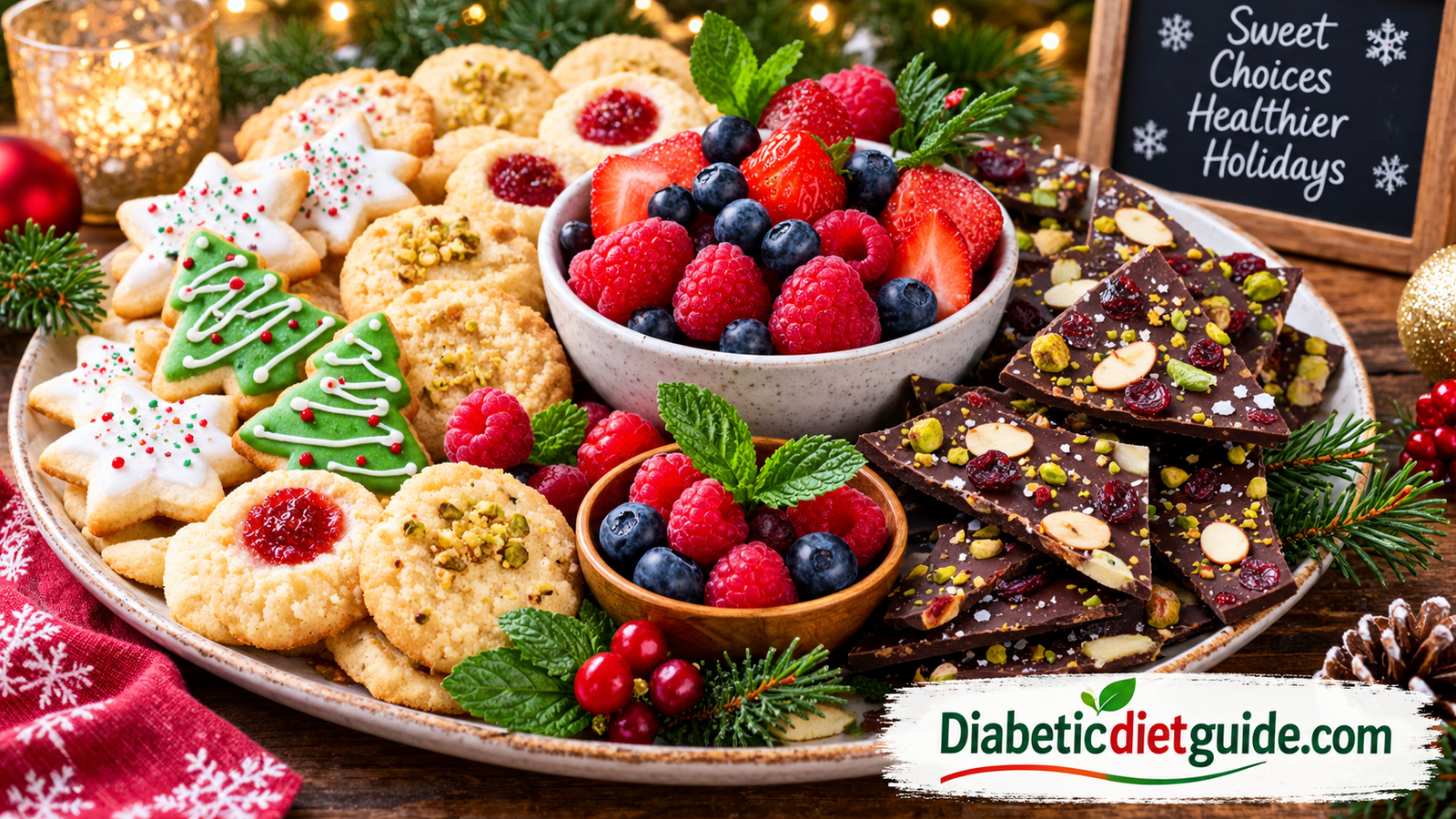
Diabetic Christmas Dessert Recipes: Festive Sweets That Respect Your Blood Sugar
Gingerbread, chocolate, pumpkin pie, cheesecake and more, rebuilt with smarter carbs so you can say yes to the dessert table without the post-dinner spike.
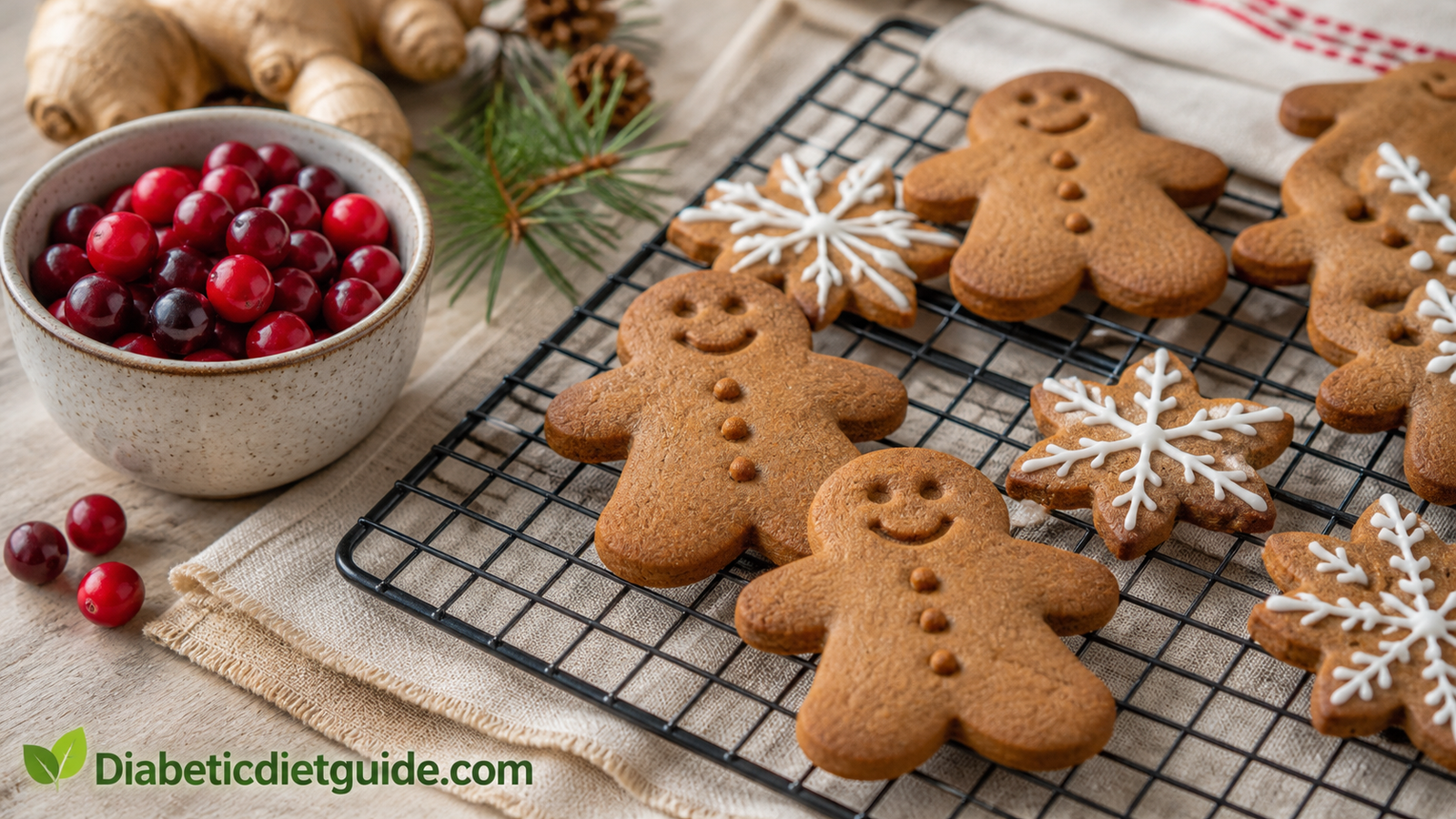
There is a particular kind of dread that settles over the holiday season when you live with diabetes. The office has a tin of fudge on every desk. Your aunt has made the pecan pie again. Somebody hands you a plate of cookies and says, “Oh, just one won’t hurt,” in a tone that makes it clear they have no idea how many numbers you are quietly calculating behind your polite smile.
Here is the good news: you do not have to choose between a joyful Christmas and steady blood sugar. Desserts are not forbidden. They are just carbohydrate math with sprinkles on top, and once you understand a few levers, such as the sweetener you bake with, the flour you use, the portion you plate, and the meal you eat it after, you can build a dessert table that is genuinely festive and genuinely kind to your glucose readings.
This guide walks through everything: how holiday sweets affect blood sugar, which sweeteners and flours behave best in the oven, and a full set of tested-style recipes covering cookies, chocolate, pies, cheesecake, fruit desserts, no-bake treats and even festive drinks. We also cover party strategy, gift ideas and the questions readers ask us most. If you are building a wider seasonal menu, our collection of diabetic holiday recipes pairs nicely with everything below, and our best dessert recipes for diabetics roundup is great for the other eleven months of the year.
A quick note before you bake: everyone’s body responds differently to carbohydrate, medication, activity and stress. The nutrition figures below are rough estimates meant for planning, not medical targets. Please check your own carbohydrate goals with your doctor or a registered dietitian, and keep monitoring your glucose the way your care team recommends.
1. Why Christmas Desserts Are So Tricky With Diabetes
Traditional Christmas desserts are an almost perfect storm for blood sugar. They tend to combine refined white flour, large amounts of sugar (often in several forms at once: granulated, brown, corn syrup, powdered), and very little fiber or protein to slow digestion. A single slice of conventional pecan pie can carry 60 grams of carbohydrate or more, and that is before the whipped cream or the scoop of ice cream sliding down the side.
Then there is the context. Holiday meals are usually bigger, later and more carbohydrate-heavy than a normal dinner. Mashed potatoes, stuffing, rolls, cranberry sauce and a glass of something festive may already have pushed your glucose up before dessert is even on the table. Add a heavy sweet on top of that, and the combined load can be a lot for your body to manage.
Stress and routine matter too. Travel days, late dinners, skipped walks and disrupted sleep can all make readings less predictable. That is not a moral failing, it is just physiology. Knowing that the season itself makes things harder helps you plan with compassion instead of guilt.
What actually changes when you rebuild a dessert
When we talk about a “diabetic-friendly” dessert, we are not talking about a flavorless, joyless imitation. We are talking about four practical shifts:
- Less total carbohydrate per serving. This is the number that matters most for most people, so it is the first thing to lower.
- More fiber, protein and healthy fat. Nuts, seeds, eggs, Greek yogurt and cream cheese slow the rate at which sugars reach your bloodstream.
- Smarter sweeteners. Sweeteners with little or no glycemic impact let you keep the sweetness you love.
- Sensible portions. A small, intentional serving of something genuinely delicious beats a giant, guilty one.
If you are still learning how a day of eating fits together, it helps to see a full example. Our weekly diabetic meal plan shows how to leave room for a treat without crowding out balanced meals, and our diabetic dinner menu ideas make it easier to plan a lighter main course on the nights you want dessert.
Stock up on sugar-free baking basics before the holiday rush empties the shelves.
2. Blood Sugar Basics for Holiday Sweets
You do not need a nutrition degree to bake smart, but a few ideas make every recipe in this guide easier to adapt.
Total carbs versus net carbs
Total carbohydrate includes sugars, starches and fiber. Fiber is not digested the same way, so some people subtract it to estimate “net carbs.” Sugar alcohols such as erythritol are often subtracted too, though some (like maltitol) affect blood sugar more than others. Because approaches vary, the safest habit is to follow the method your healthcare team has taught you and apply it consistently. The recipes below list estimated total carbohydrate and fiber so you can do the math your way.
Why pairing matters
Carbohydrate eaten alone digests faster than carbohydrate eaten with protein, fat and fiber. That is why an almond-flour cookie often behaves differently from a flour-and-sugar cookie with the same number of grams. It is also why a small dessert after a balanced meal usually causes a gentler rise than the same dessert eaten on an empty stomach, which can send glucose climbing quickly.
The glycemic index is a hint, not a verdict
Glycemic index (GI) ranks how quickly a food raises blood sugar, but it does not tell you about portion size. A “low-GI” dessert eaten in giant portions can still raise your glucose substantially. Use GI as a helpful nudge toward better ingredients, and use carbohydrate counting for the actual decisions. If you want a deeper dive into steady-eating strategy, our 30-day low-glycemic diet menu shows how everyday meals can support the more flexible dessert days.
A simple estimate table
Typical carbohydrate for a standard serving of familiar Christmas treats compared with the rebuilt versions in this guide (approximate values):
| Dessert | Traditional (approx. carbs) | Rebuilt version (approx. carbs) |
|---|---|---|
| Gingerbread cookie | 20–25 g | 4–6 g |
| Slice of pumpkin pie | 40–45 g | 8–10 g (crustless) |
| Slice of cheesecake | 30–35 g | 5–7 g |
| Chocolate truffle (1) | 8–12 g | 2–3 g |
| Peppermint hot cocoa (8 oz) | 25–35 g | 5–8 g |
| Apple crisp, 1 serving | 45–55 g | 15–18 g |
Notice that even the rebuilt versions are not zero-carb. That is fine. The goal is a number you can fit into your plan, not a number that pretends dessert has no effect.
A reliable digital kitchen scale and measuring set take the guesswork out of every serving.
3. Sweeteners That Actually Work in Holiday Baking
Sweetener choice makes or breaks a diabetic-friendly dessert. Some bake beautifully, some turn bitter, some leave a cooling aftertaste, and a few cause digestive complaints if you overdo them. Here is how the common options behave in real recipes.
| Sweetener | Best for | Watch out for |
|---|---|---|
| Erythritol (granulated or powdered) | Cookies, cakes, cheesecake, frosting | Cooling mouthfeel; can recrystallize in smooth sauces |
| Monk fruit blends | Almost everything; usually blended with erythritol for 1:1 swaps | Pure extracts are very concentrated, so read the label |
| Allulose | Caramel, ice cream, soft cookies, glazes | Browns faster; may upset sensitive stomachs in large amounts |
| Stevia | Drinks, custards, puddings, small doses in baking | Bitter edge if overused; lacks bulk |
| Sucralose blends | Baking and hot drinks where heat stability matters | Some people dislike the taste; blends often contain bulking carbs |
| Sugar-free syrups | Drizzles, coffee, cocoa, glazes | Check labels, some contain maltitol or other carbs |
If you are choosing between two of the most popular options, our head-to-head stevia vs Splenda comparison breaks down taste, baking performance and ingredients in detail.
Our rules of thumb for sweetening desserts
- Blend, do not rely on one. A mix of erythritol and monk fruit, for example, usually tastes rounder and sweeter with less aftertaste than either alone.
- Use powdered versions for creamy desserts. Granulated erythritol can stay gritty in cheesecake and frosting. Powdered dissolves smoothly.
- Add a pinch of salt and a splash of vanilla. Both round out sweetness so you need less of it.
- Let warm spices do the work. Cinnamon, ginger, nutmeg, cloves and cardamom make desserts taste sweeter without adding a single gram of sugar.
- Introduce sugar alcohols gradually. Large amounts can cause gas or loose stools in some people, so do not eat half a tray of “sugar-free” cookies in one sitting.
Pros of sugar-free sweeteners
- Little to no direct effect on blood glucose for most people
- Lets you keep familiar textures and flavors
- Wide availability in granulated, powdered and brown-sugar style forms
Cons to keep in mind
- Aftertastes vary from person to person
- Sugar alcohols can cause digestive discomfort
- Blends sometimes hide starchy fillers, so labels matter
One more thing: using a sweetener does not turn a dessert into a free food. Flour, fruit, nuts and dairy still carry carbohydrate, and the overall serving still deserves a place in your day’s plan.
Look for monk fruit and erythritol blends that measure like sugar for easy recipe swaps.
4. Flour and Base Swaps for Lower-Carb Baking
Sugar gets most of the blame, but refined flour is often the quieter culprit. White flour digests quickly and can raise glucose almost as fast as sugar itself. Swapping part or all of it for higher-fiber, higher-protein alternatives gives holiday desserts a much gentler profile.
The flours worth keeping in your cupboard
- Blanched almond flour: the all-star. Mild, slightly sweet, rich in healthy fats, and perfect for cookies, tart crusts and cakes. Cookies spread less and stay tender.
- Coconut flour: very absorbent and very high in fiber. Use small amounts and add extra eggs or liquid, because it drinks moisture like a sponge.
- Oat fiber: not the same as oat flour. It is nearly pure insoluble fiber and helps create soft, bready crumbs in low-carb baking.
- Whole wheat pastry flour: a gentler option for people who do not need to go very low-carb. It has more fiber than white flour and bakes more tenderly than regular whole wheat.
- Ground flaxseed and chia: useful for binding, fiber and omega-3 fats. They also add a pleasantly nutty note to crusts and crumbles.
- Crushed nuts: pecans, walnuts and hazelnuts make fantastic crusts without any flour at all.
Baking behavior to expect
Almond-flour baked goods brown faster than wheat-based ones, so lower your oven by about 25°F or tent with foil if the tops darken early. They also firm up as they cool, so resist the urge to judge a cookie straight from the oven. Coconut flour needs patience: let batter rest for several minutes before baking so it can hydrate fully.
If you enjoy a lower-carb approach in everyday meals as well, you may like our guide to keto diabetic recipes and meal planning, which explains how these same ingredients work beyond dessert. And if grain-based foods are part of your plan, our best bread for diabetics guide covers store-bought options for stuffing and holiday sandwiches.
Allergy reminder: almond flour and other nut-based ingredients are common allergens. If you are baking for a mixed crowd, label your desserts clearly or set aside a nut-free option such as the baked cinnamon apples later in this guide.
Fine blanched almond flour gives the best cookie and crust texture.
6. Rich Chocolate Treats for the Holiday Table
Chocolate is the dessert most people with diabetes worry about giving up, and the good news is that you do not have to. Dark chocolate with a high cocoa percentage contains less sugar and more fiber than milk chocolate, and unsweetened cocoa powder is practically a blank canvas for sugar-free sweeteners. If you want help choosing store-bought options, our review of the best chocolate for diabetics compares sugar content, ingredients and taste.
Flourless Chocolate Torte
Ingredients
- 8 oz sugar-free dark chocolate, chopped
- 1/2 cup butter
- 3/4 cup powdered erythritol blend
- 5 large eggs, separated
- 1/3 cup unsweetened cocoa powder
- 1 tsp vanilla and a pinch of salt
Method
- Melt the chocolate and butter gently together and let cool slightly.
- Whisk yolks with half the sweetener until pale, then stir in cocoa, vanilla and the chocolate mixture.
- Whip the whites with the remaining sweetener and salt to stiff peaks. Fold into the batter in two additions.
- Pour into a lined 9-inch springform pan and bake at 350°F for 25 to 30 minutes. The center should barely wobble.
- Cool fully, then chill. Slice thin and dust with cocoa. A little goes a long way.
Dark Chocolate Peppermint Bark
Ingredients
- 10 oz sugar-free dark chocolate chips
- 1 tbsp coconut oil
- 1/2 tsp peppermint extract
- 2 tbsp crushed sugar-free peppermint candies or chopped pistachios
Method
- Melt the chocolate with the coconut oil, stirring until smooth, then add the peppermint extract.
- Spread on a parchment-lined tray about 1/4 inch thick and scatter the topping on top.
- Chill until firm, then break into pieces and store in the fridge.
Chocolate Avocado Truffles
Ingredients
- 1 ripe avocado, mashed very smooth
- 6 oz sugar-free dark chocolate, melted
- 2 tbsp powdered sweetener, to taste
- 1 tsp vanilla and a pinch of sea salt
- Unsweetened cocoa or finely chopped nuts for rolling
Method
- Blend the avocado, melted chocolate, sweetener, vanilla and salt until completely smooth.
- Chill for an hour, scoop into small balls and roll in cocoa or nuts.
Chocolate is rich, so a small serving usually satisfies. If you want a cold finish to a holiday meal, our guide to the best ice cream for diabetics pairs beautifully with a slim wedge of torte.
Sugar-free dark chocolate and unsweetened cocoa are the foundation of every recipe above.
7. Pies, Tarts and Crisps Without the Sugar Crash
Pie is where the carbohydrate count of a holiday dessert usually skyrockets, and most of it hides in two places: the crust and the filling. Fortunately both are easy to rebuild. A nut-based crust replaces refined flour with protein and fat, and a spiced, naturally sweet filling can be made with a fraction of the sugar.
Crustless Pumpkin Pie Custard
Ingredients
- 1 can (15 oz) plain pumpkin puree
- 3 large eggs
- 3/4 cup unsweetened almond milk or heavy cream
- 1/2 cup granulated monk fruit and erythritol blend
- 2 tsp pumpkin pie spice
- 1 tsp vanilla and 1/4 tsp salt
Method
- Whisk all ingredients until smooth and pour into a greased 9-inch pie dish.
- Bake at 350°F for about 45 minutes, until the center is just set.
- Cool, chill and serve with a spoonful of whipped cream and a dusting of cinnamon.
Plain pumpkin is a surprisingly good ingredient for blood sugar: it provides fiber and slow-digesting carbohydrate, and it is packed with vitamin A. Just make sure you buy plain puree rather than “pumpkin pie filling,” which usually contains added sugar. If you are also planning a Thanksgiving spread, our diabetic Thanksgiving menu uses the same approach for the whole meal.
Pecan Pie Bars With Almond Crust
Crust
- 1 1/2 cups almond flour
- 3 tbsp melted butter
- 2 tbsp granulated sweetener and a pinch of salt
Filling
- 1 1/2 cups chopped pecans
- 1/2 cup sugar-free maple-style syrup or allulose syrup
- 3 tbsp melted butter
- 2 eggs, 1 tsp vanilla, pinch of salt
Method
- Press the crust mixture into a lined 8-inch square pan and bake at 350°F for 10 minutes.
- Stir the filling together and pour over the warm crust.
- Bake another 22 to 25 minutes until set. Cool completely before cutting into small bars. They are rich, so a small square satisfies.
Cinnamon Apple Crisp for Two (or Six)
Filling
- 4 medium tart apples, such as Granny Smith, thinly sliced
- 1 tbsp lemon juice
- 2 tbsp granulated sweetener
- 1 1/2 tsp cinnamon and 1 tsp cornstarch or arrowroot
Topping
- 3/4 cup almond flour
- 1/2 cup chopped walnuts or pecans
- 1/3 cup old-fashioned oats (optional)
- 3 tbsp butter, 2 tbsp sweetener, 1/2 tsp cinnamon
Method
- Toss the apples with lemon, sweetener, cinnamon and cornstarch and spread in a baking dish.
- Rub the topping ingredients together until crumbly and scatter over the fruit.
- Bake at 350°F for 30 to 35 minutes until bubbling and golden.
Tart apples are naturally lower in sugar than sweet varieties, so they need less sweetener to taste balanced. Apples are also a good reminder that fruit can fit into a diabetic eating plan when portions are sensible. Our guide to fresh vs frozen fruit for diabetics explains how to choose the best options for baking and snacking.
A good pie dish and a springform pan open up nearly every recipe in this guide.
8. Cheesecakes and Other Creamy Desserts
Creamy desserts are some of the easiest to make diabetes-friendly, because their base ingredients, such as cream cheese, eggs, cream and Greek yogurt, are naturally low in carbohydrate and high in protein and fat. The trick is controlling the sweetener and the crust.
Mini Cranberry Swirl Cheesecakes
Crust
- 1 cup almond flour
- 3 tbsp melted butter
- 1 tbsp sweetener
Filling
- 16 oz cream cheese, softened
- 1/3 cup powdered erythritol blend
- 2 eggs and 1 tsp vanilla
- 1/2 cup fresh cranberries simmered with 2 tbsp water and 2 tbsp sweetener until jammy
Method
- Press crust mixture into a lined muffin tin and bake at 325°F for 5 minutes.
- Beat the cream cheese, sweetener and vanilla until smooth, then beat in the eggs one at a time.
- Divide among the cups, spoon a little cranberry mixture on top and swirl with a toothpick.
- Bake for 18 to 20 minutes until just set. Chill at least 3 hours.
Vanilla Bean Panna Cotta With Berry Compote
Ingredients
- 2 cups heavy cream
- 1 cup unsweetened almond milk
- 2 1/4 tsp unflavored gelatin
- 1/3 cup powdered sweetener
- 1 vanilla bean or 2 tsp vanilla extract
- 1 cup mixed berries for the compote, warmed with 1 tbsp sweetener
Method
- Sprinkle the gelatin over 3 tablespoons of cold almond milk and let it bloom for 5 minutes.
- Warm the cream, remaining almond milk, sweetener and vanilla until steaming but not boiling. Whisk in the gelatin until dissolved.
- Pour into six small glasses and chill until set. Top with warm berry compote before serving.
Peppermint Chocolate Mousse Cups
Ingredients
- 1 1/2 cups cold heavy cream
- 1/4 cup unsweetened cocoa powder
- 1/4 cup powdered sweetener
- 1/2 tsp peppermint extract and 1 tsp vanilla
Method
- Whip the cream with the sweetener and cocoa to soft, fluffy peaks.
- Fold in the extracts, spoon into small cups and chill. Garnish with a single raspberry or a pinch of crushed sugar-free peppermint.
Greek yogurt can also stand in for part of the cream cheese or cream in many recipes, adding protein and a pleasant tang. If you shop for it rather than make your own, our roundup of the 5 best yogurt for diabetes helps you pick plain, low-sugar options.
Why creamy desserts work
- Naturally low in carbohydrate
- Protein and fat slow digestion
- Make-ahead friendly for stress-free holidays
What to watch
- Higher in saturated fat, which matters for heart health
- Portion size still counts for calories
- Dairy-free guests need alternatives
That saturated fat point is worth taking seriously, since heart health and diabetes are closely linked. If you are managing cholesterol or blood pressure too, take a look at our heart-healthy diabetic menu and save the richest desserts for special occasions.
Mini cheesecake pans, ramekins and small dessert glasses help with built-in portion control.
9. Fruit-Forward Desserts for Lighter Holiday Endings
After a heavy holiday dinner, a fruit-based dessert can feel like a breath of fresh air. Fruit contains natural sugar, but it also contains fiber, water and nutrients, and when you pair it with protein or fat, it makes a satisfying finish. Portion and fruit choice matter: berries, apples, pears and citrus are generally gentler than tropical or dried fruit.
Spiced Poached Pears
Ingredients
- 2 firm pears, halved and cored
- 2 cups water
- 1 cinnamon stick, 3 cloves and a strip of orange peel
- 2 tbsp granulated sweetener
- Plain Greek yogurt and chopped pistachios to serve
Method
- Simmer the water, spices, peel and sweetener in a wide pan.
- Add the pears cut side down, cover and poach gently for 20 to 25 minutes until tender.
- Serve warm with a spoonful of yogurt and pistachios. Reduce the poaching liquid to a light syrup if you like.
Baked Cinnamon Apples With Walnuts
Ingredients
- 4 medium baking apples, cored
- 1/4 cup chopped walnuts
- 1 tbsp butter, softened
- 2 tbsp granulated sweetener and 2 tsp cinnamon
Method
- Mix the walnuts, butter, sweetener and cinnamon and stuff into the apples.
- Add a splash of water to the dish and bake at 350°F for 30 to 35 minutes until soft.
Cranberry Orange Compote
Ingredients
- 12 oz fresh or frozen cranberries
- Zest and juice of 1 orange
- 1/2 cup water
- 1/3 cup granulated sweetener
Method
- Simmer everything together until the berries pop and the sauce thickens, about 10 to 12 minutes.
- Serve over plain Greek yogurt, spoon onto the cheesecakes above or enjoy alongside dinner.
Citrus brings brightness to heavy holiday menus, and oranges are a common question in our inbox. If you wonder about fitting them into your plan, we explain how in can a diabetic eat oranges. Other fruits come up often too, and our article on whether a diabetic can eat bananas shows how ripeness and portion change the picture.
Fruit tip: eating fruit with a source of protein or fat, such as yogurt, nuts or cheese, usually produces a smoother glucose response than eating fruit alone.
Good cinnamon, ginger and nutmeg let you cut sweetener without cutting flavor.
10. No-Bake and No-Cook Sweets for Busy Holiday Days
Between shopping, wrapping, travel and family, nobody wants a three-hour baking project. These no-bake treats come together in minutes, keep well in the fridge and use ingredients that already pull their weight nutritionally. Several of them double as grab-and-go snacks, which is handy if you are hosting and keep forgetting to eat.
Eggnog Chia Pudding
Ingredients
- 1/2 cup chia seeds
- 2 cups unsweetened vanilla almond milk
- 2 tbsp powdered sweetener
- 1/2 tsp ground nutmeg, 1/2 tsp cinnamon and 1 tsp rum extract or vanilla
Method
- Whisk everything together, wait 10 minutes and whisk again to break up clumps.
- Refrigerate until thick, then top with a few pecans or a spoonful of whipped cream.
Almond Butter Snowball Bites
Ingredients
- 1 cup almond butter, no added sugar
- 1/2 cup almond flour
- 1/4 cup powdered sweetener
- 1 tsp vanilla and a pinch of salt
- Unsweetened shredded coconut for rolling
Method
- Mix the first five ingredients into a thick dough.
- Roll into small balls, coat with coconut and chill until firm.
Spiced Candied Nut Clusters
Ingredients
- 2 cups mixed pecans, walnuts and almonds
- 1 egg white, whisked until frothy
- 1/4 cup granulated sweetener
- 1 tsp cinnamon, 1/4 tsp salt
Method
- Toss the nuts in the egg white, then coat with the sweetener and spices.
- Bake at 300°F on a lined tray for 15 minutes, stirring once. Cool to crisp, then break apart.
Nuts are a smart base for holiday sweets because they bring protein, fiber and healthy fats. If you want to know which ones are best, we compare them in our 5 best nuts for diabetics guide, and our 5 best peanut butter for diabetics review helps you choose spreads without added sugar. For more ideas that need no oven at all, browse our no-cook diabetic meals.
Chia seeds, unsweetened almond butter and unsweetened coconut keep for weeks.
11. Festive Drinks and Sips Without the Sugar Bomb
Liquid sugar is the fastest sugar. A peppermint mocha from a coffee shop can contain well over 50 grams of carbohydrate, and a glass of traditional eggnog is not far behind. Because drinks do not fill you up the way food does, they are one of the easiest places to cut carbohydrate without feeling deprived.
Sugar-Free Peppermint Hot Cocoa
Ingredients
- 2 cups unsweetened almond or cashew milk
- 2 tbsp unsweetened cocoa powder
- 2 tbsp powdered sweetener, or to taste
- 1/4 tsp peppermint extract and 1/2 tsp vanilla
- A splash of heavy cream for richness
Method
- Whisk the cocoa and sweetener with a little milk to make a paste, then add the rest of the milk and heat gently.
- Stir in the extracts and cream. Top with a swirl of whipped cream if you like.
Lighter Holiday “Nog”
Ingredients
- 2 cups unsweetened almond milk and 1 cup heavy cream
- 4 egg yolks
- 1/3 cup powdered sweetener
- 1 tsp vanilla and 1/2 tsp nutmeg
Method
- Whisk the yolks and sweetener in a bowl. Heat the milk and cream until steaming and slowly whisk into the yolks.
- Return to the pot and cook gently, stirring, until it coats a spoon (do not boil). Strain, stir in vanilla and nutmeg and chill.
Coffee drinkers can save a lot with a better creamer, and our best coffee creamer for diabetes guide covers flavored options that will not spike your morning reading. For a lighter, fruit-based sip that works as breakfast the day after a party, try ideas from our diabetic smoothie menu.
About alcohol: if you drink at holiday gatherings, be aware that alcohol can cause delayed low blood sugar, particularly with insulin or certain medications. Never drink on an empty stomach, and talk with your care team about what is safe for you.
Sugar-free syrups and unsweetened cocoa turn any mug into a holiday treat.
12. Party Strategy, Portion Planning and Gifts
The best recipe in the world will not help if the rest of your day is working against you. A few simple habits make holiday dessert time much calmer.
Before the party
- Eat a normal breakfast and lunch. Arriving ravenous makes it harder to choose thoughtfully.
- Check in with your glucose. If your numbers are running high, you may want a smaller portion or a longer wait between dinner and dessert.
- Bring a dish. Showing up with a diabetes-friendly dessert guarantees at least one option you can enjoy without worry. Bonus: others usually love it too.
- Plan your dinner around dessert. If you want a slice of pie, take a smaller portion of the starchy sides.
At the table
- Start with protein and vegetables. They slow the digestion of everything that follows. Our diabetic salad recipes make a bright, filling opener.
- Choose one or two desserts, not all of them. Look the table over, pick the ones you truly want and skip the ones you would eat out of habit.
- Serve yourself a small plate. Sit down, eat slowly and actually taste it.
- Take a short walk afterward. Even 10 to 15 minutes of light movement can help your muscles take up glucose.
After dessert
Notice how your body responded. If you test, check about one to two hours after eating, or follow your own provider’s guidance, and note what you ate. That information is gold for next year. If you are trying to lose weight at the same time, our diabetic meal plan for weight loss shows how to balance indulgences with everyday goals, and our 7-day diabetic menu offers a template for the days around the holidays.
Gifts that fit a diabetic-friendly holiday
Baking for neighbors or friends with diabetes? Package your almond-flour cookies, nut clusters or chocolate bark in small tins with the carbohydrate estimate written on a card. If you are shopping instead, our curated list of the best diabetic food gifts has plenty of thoughtful ideas. Cooks on your list might also appreciate an air fryer, and our air fryer diabetic recipes show how much they can do.
A sample dessert plan for the big day
| Moment | Smart choice | Approx. carbs |
|---|---|---|
| Morning | Eggs, veggies, a small piece of fruit | 15–20 g |
| Holiday dinner | Protein, vegetables, one starchy side | 30–45 g |
| Dessert | One mini cheesecake or two cookies | 5–10 g |
| Evening | Peppermint cocoa or tea | 5–6 g |
Treat these as an example only, since your own targets may be higher or lower. A registered dietitian can set personalized goals, and our low-carb weekly diabetic menu is a useful starting point for conversations with your care team.
Cookie tins, gift boxes and treat bags make homemade sugar-free gifts look as good as they taste.
Frequently Asked Questions About Diabetic Christmas Desserts
Can people with diabetes eat dessert at Christmas?
Yes. Diabetes does not require you to skip dessert. What matters is the amount of carbohydrate, the ingredients and how the dessert fits into your overall meal and medication plan. A small, well-planned portion of a thoughtfully built dessert can be part of a healthy holiday.
What is the best sweetener for diabetic Christmas baking?
There is no single winner. Many bakers like a monk fruit and erythritol blend because it measures like sugar and has little aftertaste, while allulose is excellent for caramels and soft cookies. Stevia is better in drinks and custards. Try small batches to find what you and your family like best.
How many carbs should a holiday dessert have?
It depends on your personal plan, medications and activity. Many people aim for roughly 15 to 30 grams for a dessert or snack, and the recipes above are mostly well below that. Your doctor or dietitian can give you a number that suits your body.
Are sugar-free store-bought cookies and candies safe?
Not always. “Sugar-free” does not mean carb-free. Many products use maltitol, refined flour or starches that still raise blood sugar and may cause stomach upset. Read the nutrition label, look at total carbohydrate and fiber, and test your own response.
What is a good diabetic dessert for someone who does not like sweeteners?
Fruit-forward options such as baked cinnamon apples, poached pears or berries with plain Greek yogurt rely on natural sweetness and spices instead of added sweeteners. Dark chocolate squares and spiced nuts are also simple choices.
Can I make these desserts ahead of time?
Absolutely. Cheesecakes, panna cotta, mousse, chia pudding, truffles and bark all improve after chilling. Cookies, meringues and nut clusters keep well in airtight containers for several days. Making ahead is a great way to reduce holiday stress.
Will almond flour desserts still spike my blood sugar?
Almond flour is far lower in carbohydrate and higher in fiber, protein and fat than wheat flour, so most people see a gentler rise. Still, individual responses differ, and added sweeteners, fruit and portion size all play a role. Check your own readings.
Is it better to eat dessert right after dinner or later?
Many people find that having a small dessert as part of a balanced meal works better than eating it hours later on an empty stomach. The protein, fiber and fat from dinner can slow digestion. Some people prefer waiting a short while and taking a walk first. Notice your pattern and adjust.
Do sugar alcohols like erythritol raise blood sugar?
Erythritol is generally considered to have little effect on blood glucose for most people, but some sugar alcohols, such as maltitol, can raise it more. Large amounts of any sugar alcohol can also cause digestive upset, so moderate servings are wise.
What are good dessert options for someone with prediabetes?
The same strategies apply: lower total carbohydrate, more fiber and protein, and sensible portions. Our menu for prediabetes shows how to build balanced days around occasional treats.
How should I store diabetic-friendly cookies and bars?
Store cookies in an airtight container at room temperature for up to three or four days, or refrigerate for longer. Bars with nuts and butter, cheesecakes and anything with cream should be refrigerated. Most baked items freeze well for a few weeks, which makes portion control easy: freeze them individually.
Can I serve these desserts to guests who do not have diabetes?
Yes, and they often will not notice a difference. Rich textures, warm spices and real chocolate make these desserts crowd-pleasers. Just label nut-containing treats for allergies.
Should I talk to my doctor before changing how I eat at the holidays?
If you take insulin or medications that can cause low blood sugar, or if your numbers have been hard to manage, it is a good idea to check in with your healthcare team before the season starts. They can help you adjust and plan around bigger meals.
Final Thoughts: A Sweeter, Steadier Christmas
A diabetes diagnosis changes how you approach the holidays, but it does not take the joy out of them. With a few thoughtful swaps, such as almond flour for white flour, monk fruit and erythritol for sugar, small portions of deeply flavorful treats and a plan that includes protein, fiber and a walk, you can enjoy gingerbread, chocolate, pie and cheesecake with confidence.
Start small. Pick one or two recipes from this guide, bake them before the big day to see how you respond, and build from there. The best holiday dessert is the one you enjoy fully, share happily and feel good about afterward. And if you are looking for more ideas, our insulin resistance diet plan and high-fiber diabetic meal plan can help the other days of the season feel just as balanced.
Happy baking, and happy holidays from our kitchen to yours.
Gather your sugar-free essentials in one place and make this the easiest holiday season yet.