Diabetic Breakfast Menu: Start Your Day with Stable Blood Sugar
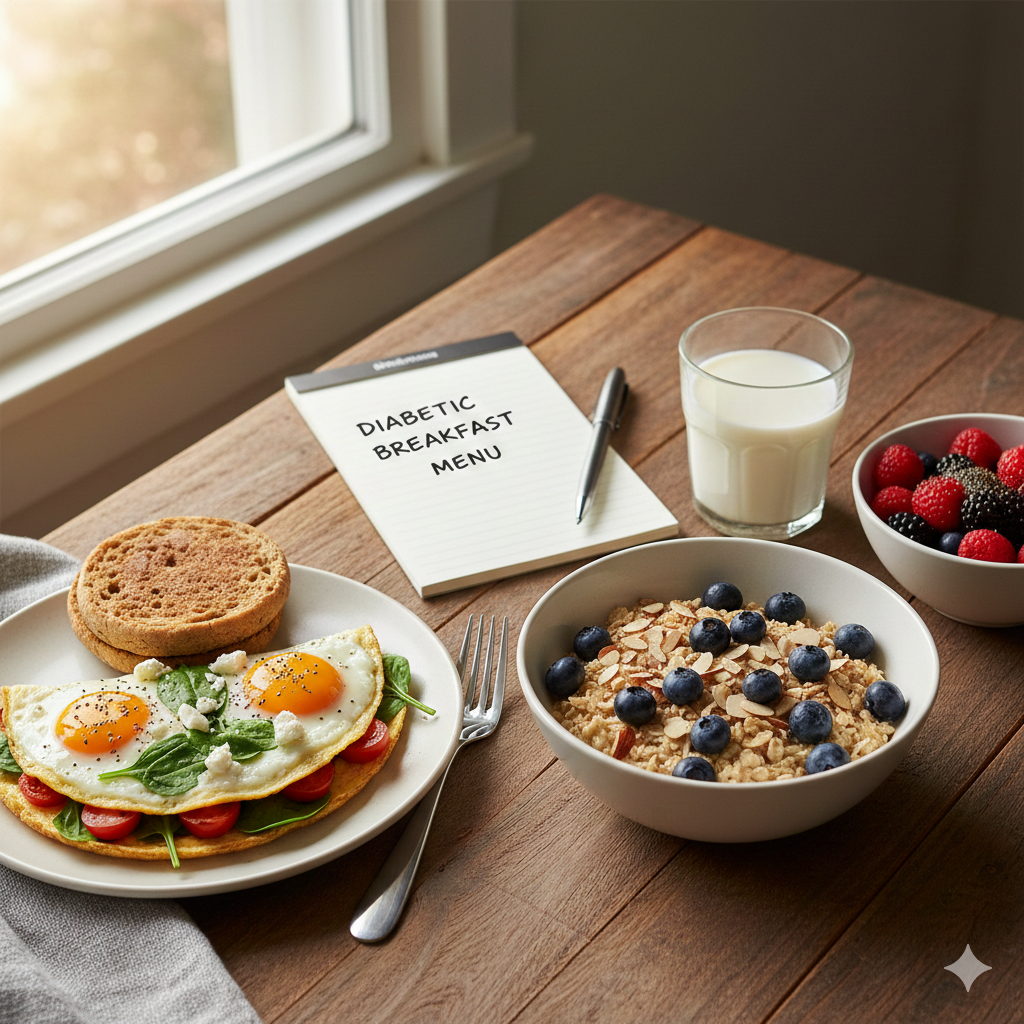
Conquer the “Dawn Phenomenon” and fuel your body without the spike. Discover delicious, heart-healthy breakfast strategies that keep your glucose in check all morning.
They say breakfast is the most important meal of the day, but for people with diabetes, it is also the most complicated. You wake up, and your body is already in a unique metabolic state. Thanks to the “Dawn Phenomenon,” your liver may be dumping glucose into your bloodstream to wake you up, meaning your blood sugar might be elevated before you even take a bite of toast.
Choosing the wrong foods—like sugary cereals, bagels, or fruit juice—can send your glucose soaring, setting you up for a day of energy crashes and cravings. However, skipping breakfast isn’t the answer either, as it can lead to overeating later or dangerous lows if you are on medication.
The solution lies in a strategic diabetic breakfast menu. Whether you are managing prediabetes, Type 2 diabetes, or insulin resistance, the goal is the same: balance. In this guide, we will break down the science of the perfect morning meal, offer you a structured 7-day plan, and provide options for every lifestyle.
The Anatomy of a Blood-Sugar-Friendly Breakfast
To create a breakfast that fuels you without spiking you, you need to understand the macronutrient triad. A standard Western breakfast is almost entirely carbohydrates (waffles, toast, cereal). A diabetic breakfast must flip this script.
The Golden Formula
Protein + Healthy Fat + Fiber = Stable Glucose
- Protein: Slows down digestion and blunts the insulin response. (See our high protein diabetic menu).
- Healthy Fats: Keep you satiated for hours. Think avocado, nuts, and olive oil.
- Fiber: Acts as a net in your digestive system, slowing the absorption of sugar. Essential for a high fiber diabetic meal plan.
Breakfast Foods: The Green Light List
Before we get to the recipes, let’s look at what ingredients should be stocking your kitchen.
| Category | Green Light (Eat This) | Red Light (Limit/Avoid) |
|---|---|---|
| Grains | Steel-cut oats, Quinoa, Chia seeds, Sprouted grain bread. | Instant oatmeal packets, White bagels, Sugary cereals, Croissants. |
| Proteins | Eggs, Greek yogurt (plain), Cottage cheese, Smoked salmon, Tofu. | Bacon (high sodium), Sausages with fillers, Sweetened yogurt. |
| Fruits | Berries (strawberries, blueberries), Melon, Avocado. | Fruit juice (even “no sugar added”), Dried fruit, Canned fruit in syrup. |
| Beverages | Black coffee, Unsweetened tea, Water with lemon. | Sweetened coffee creamers, Orange juice, Energy drinks. |

Precision Digital Kitchen Scale
Portion control is critical, especially for cereals and grains. Eliminate the guesswork with a reliable food scale.
Check Price on Amazon7-Day Diabetic Breakfast Menu
Here is a full week of breakfast ideas designed to keep you energized. These meals fit well within a 1500 calorie diabetic menu framework but can be adjusted for portion size.
Day 1: The Power Bowl
Meal: Steel-cut oatmeal topped with walnuts, chia seeds, and a handful of fresh blueberries.
Why it works: Steel-cut oats have a lower glycemic index than rolled oats. The walnuts add healthy fats to further slow absorption.
Day 2: The Classic Scramble
Meal: Two eggs scrambled with spinach, mushrooms, and bell peppers. One slice of whole-grain toast on the side.
Why it works: Starting the day with savory veggies increases your fiber intake immediately. This is a staple of our 1-day simple diabetic menu.
Day 3: Yogurt Parfait
Meal: 1 cup of plain Greek yogurt mixed with flaxseed meal and a dash of cinnamon. Top with sliced strawberries.
Why it works: Greek yogurt has double the protein of regular yogurt. Cinnamon has been shown to improve insulin sensitivity.
Day 4: Avocado Toast Upgrade
Meal: Sprouted grain bread toasted, topped with mashed avocado, red pepper flakes, and a poached egg.
Why it works: The healthy fats in avocado are excellent for heart health. If you are watching cholesterol, see our diabetic menu for high cholesterol for more ideas.
Day 5: Smoothie for the Rush
Meal: Blend spinach, protein powder (unsweetened), half a green banana (lower sugar), and unsweetened almond milk.
Why it works: Liquids digest fast, so adding protein powder and fiber (spinach) is non-negotiable. Perfect for busy mornings.
Day 6: Low Carb Pancakes
Meal: Pancakes made from almond flour and cream cheese, served with sugar-free syrup.
Why it works: Almond flour provides a rich texture without the carb load of wheat flour. A great option for a low carb weekly diabetic menu.
Day 7: The Sunday Special
Meal: Vegetable frittata with zucchini, onion, and feta cheese. Side of half a grapefruit.
Why it works: Frittatas are excellent for meal prep. Make one on Sunday and eat leftovers for a quick start to the next week.

Air Fryer for Quick Breakfasts
Make crispy turkey bacon or roasted breakfast potatoes with a fraction of the oil. A must-have for heart-healthy cooking.
Check Price on AmazonAdapting Breakfast for Your Lifestyle
Not everyone has 30 minutes to cook in the morning, and nutritional needs change as we age. Here is how to customize your menu.
For The Busy Professional
If you are rushing out the door, preparation is key. Hard-boiled eggs, overnight oats, and pre-cut veggies can save you. Check out our specific diabetic menu for working adults for grab-and-go strategies.
For Seniors
As we age, appetite often decreases, but nutrient needs remain high. Soft foods that are nutrient-dense are vital. Soft-scrambled eggs or smoothies are easier to manage. We have a dedicated guide for a diabetic menu for elderly with no teeth and a diabetic menu for seniors.
For Pregnancy
Gestational diabetes requires strict blood sugar monitoring to ensure the baby’s safety. Breakfast is often the hardest meal due to high morning hormone levels. Stick to high protein and very strict carb limits. See our diabetic menu for pregnant women.
For Heart Health
If you are managing blood pressure alongside diabetes, watch the sodium in breakfast meats like bacon and sausage. Opt for turkey options or stick to plant proteins. Review our diabetic menu for high blood pressure and low sodium diabetic meal plan.
Frequently Asked Questions
Yes, but the type of oatmeal matters significantly. Steel-cut or old-fashioned rolled oats are high in soluble fiber and have a lower glycemic index. Avoid instant oatmeal packets, which are highly processed and often loaded with sugar. Always pair your oats with a protein or fat (like walnuts or a boiled egg) to further stabilize absorption.
Absolutely. Eggs are one of the most affordable and versatile protein sources available. While the yolks contain cholesterol, they don’t impact blood cholesterol as much as saturated fats do. If you have specific heart concerns, you can mix one whole egg with two egg whites.
Consistency is key. Eating within an hour or two of waking up helps stabilize your metabolism and prevents the liver from dumping excess glucose into the bloodstream (helping to combat the dawn phenomenon). Skipping breakfast often leads to higher blood sugar after lunch and dinner.
Black coffee has zero carbohydrates and is safe. Some studies even suggest it may lower type 2 diabetes risk. However, be wary of “coffee drinks” that are essentially milkshakes. Avoid sugary syrups and high-carb creamers. Stick to heavy cream, unsweetened almond milk, or natural sweeteners like Stevia.
A quick note before you dig in: This guide is for general educational purposes and reflects widely accepted nutrition principles for blood sugar management. It is not a substitute for individualized medical advice. Diabetes management varies significantly from person to person depending on medication, insulin sensitivity, activity level, and other health conditions. Always work with your doctor, endocrinologist, or a registered dietitian before making major changes to your diet, and use a glucose meter or continuous glucose monitor to see how your own body responds to any new meal.
Understanding Glycemic Index and Glycemic Load at Breakfast
If you have spent any time researching diabetic-friendly eating, you have almost certainly run into the term “glycemic index” (GI). This is a ranking system, on a scale of 0 to 100, that measures how quickly a specific food raises blood glucose compared to pure glucose, which sits at 100. Foods are generally sorted into three tiers: low GI (55 or below), medium GI (56 to 69), and high GI (70 and above). Breakfast foods are notorious for skewing high because so many traditional morning staples—bagels, cornflakes, pancakes made with refined flour, and instant oatmeal—are built almost entirely from quickly digested starches.
However, GI alone can be misleading, which is why many dietitians prefer glycemic load (GL). Glycemic load factors in both the quality of the carbohydrate and the actual portion size, giving a more realistic picture of how a meal will affect you. Watermelon, for example, has a fairly high GI, but because a typical serving contains relatively few total carbohydrates, its glycemic load is low. This is an important nuance for anyone building a diabetic breakfast menu, because it means you do not have to eliminate every high-GI food outright—you simply need to control portion size and pair it strategically with protein, fat, or fiber.
| Breakfast Food | Approximate GI | Smart Pairing Strategy |
|---|---|---|
| White bagel | High (70+) | Swap for a sprouted grain option, or top with eggs and avocado instead of jam. |
| Steel-cut oats | Medium (55–60) | Add nut butter or chia seeds to slow digestion further. |
| Banana (ripe) | Medium-High | Choose a slightly greener banana and pair with Greek yogurt. |
| Eggs | Essentially zero | A near-perfect anchor food; build the rest of the plate around it. |
| Whole rolled oats | Medium (50–58) | Cook with cinnamon and top with berries rather than dried fruit. |
A practical way to apply this at the breakfast table is what some clinicians call the “plate sequencing” trick: eating your protein and vegetables first, and saving the starchy or sweeter component for last. Small studies on meal sequencing have shown that eating carbohydrates after protein and fiber can blunt the resulting glucose spike compared to eating the same foods in reverse order. It costs nothing and requires no special equipment—just a shift in the order you pick up your fork.
Breakfast Needs by Diabetes Type: Type 1, Type 2, and Gestational
Not all diabetes is the same, and neither is the ideal breakfast strategy. While the “protein plus fat plus fiber” formula applies broadly, the details shift depending on your diagnosis, your medication regimen, and how your body produces or responds to insulin.
Type 1 Diabetes and Breakfast
People with Type 1 diabetes do not produce insulin at all, so breakfast planning is closely tied to insulin dosing. Because the dawn phenomenon and elevated morning cortisol can create extra insulin resistance in the early hours, some people with Type 1 diabetes find they need a slightly higher insulin-to-carbohydrate ratio at breakfast than at other meals. Carbohydrate counting becomes especially important here, since even “healthy” carbs like oats or fruit still need to be dosed for. Many people with Type 1 diabetes find that a lower-carbohydrate breakfast is simply easier to dose accurately, reducing the chance of a delayed post-meal spike or an overcorrection that leads to a low later in the morning.
Type 2 Diabetes and Breakfast
For those managing Type 2 diabetes, especially in the earlier stages or when managed with lifestyle changes and oral medication, breakfast composition can have an outsized effect on insulin resistance throughout the rest of the day—a phenomenon sometimes called the “second-meal effect.” A lower-carbohydrate, higher-fiber breakfast has been associated with better glucose control at lunch, even when lunch itself does not change. This is one reason the 7-day menu above leans so heavily on eggs, Greek yogurt, and non-starchy vegetables rather than cereal-based options.
Gestational Diabetes and Breakfast
Gestational diabetes deserves special mention because morning insulin resistance tends to be at its highest during pregnancy, thanks to placental hormones. Many obstetricians and dietitians recommend an even stricter carbohydrate limit at breakfast than at other meals for this reason—often in the range of 15 to 30 grams of total carbohydrate, compared to 30 to 45 grams later in the day. A savory, protein-forward breakfast (eggs, cheese, a small portion of whole-grain toast) tends to be tolerated far better in the morning than cereal, oatmeal, or fruit-heavy smoothies during pregnancy. If you were recently diagnosed, our diabetic menu for pregnant women walks through a full day of eating, not just breakfast.
Keto and Very Low-Carb Diabetic Breakfast Ideas
For some people with diabetes, particularly those focused on aggressive blood sugar control or weight loss, a ketogenic or very low-carbohydrate approach to breakfast can be an effective tool. The idea is to keep total carbohydrates low enough (often under 20 to 30 grams per day, though this varies by individual and should be guided by a healthcare provider) that the body shifts toward burning fat for fuel instead of relying primarily on glucose.
A keto-style diabetic breakfast typically skips grains and fruit almost entirely in favor of eggs, cheese, avocado, and non-starchy vegetables. Because there is essentially no carbohydrate load to digest, blood sugar tends to stay remarkably flat after these meals, which is part of why the approach has become popular among people using continuous glucose monitors to fine-tune their diet.
- Cheesy Veggie Egg Muffins: Whisked eggs baked in a muffin tin with spinach, cheddar, and diced bell pepper—portable and nearly carb-free.
- Avocado “Boats”: Half an avocado with a soft-cooked egg nestled in the pit cavity, finished with everything-bagel seasoning (no bagel required).
- Chia Pudding (unsweetened almond milk base): Made with a sugar-free sweetener rather than honey or maple syrup, this delivers fiber and omega-3s with minimal net carbs.
- Smoked Salmon and Cream Cheese Roll-Ups: Wrapped in large lettuce leaves instead of a bagel, this keeps the protein and healthy fat while cutting the carbohydrate load almost to zero.
One caution worth noting: very low-carb approaches are not appropriate for everyone, especially those on insulin or sulfonylurea medications, where the risk of hypoglycemia can increase if medication doses are not adjusted accordingly. If you are curious about this style of eating, our low carb weekly diabetic menu is a gentler entry point, and it is worth discussing any significant carbohydrate reduction with your care team first.
Vegan and Vegetarian Diabetic Breakfast Options
Plant-based eating and diabetes management are entirely compatible, though vegan and vegetarian breakfasts do require a little extra planning to hit the protein target without relying on eggs, dairy, or fish. Protein is doing a lot of the heavy lifting in the “golden formula” described earlier, so plant-based eaters need to lean more heavily on legumes, tofu, tempeh, nuts, seeds, and protein powders to get a comparable effect.
Tofu Scramble
Crumbled firm tofu sautéed with turmeric, nutritional yeast, and the same vegetables you would use in an egg scramble (spinach, mushrooms, peppers) mimics the texture and color of scrambled eggs while delivering a solid dose of plant protein and very few carbohydrates.
Chia and Hemp Seed Pudding
Chia seeds and hemp hearts both provide protein, fiber, and healthy fats without any animal products. Soaked overnight in unsweetened plant milk and topped with a small portion of berries, this makes an excellent grab-and-go option for vegan households.
Lentil and Vegetable Breakfast Bowl
This is less conventional in Western households but common in many plant-forward cuisines: a warm bowl of spiced lentils with sautéed greens delivers protein, fiber, and slow-digesting carbohydrates in one dish. It reheats well, making it a strong candidate for meal prep.
Plant-based eaters should pay close attention to protein powder labels, since many contain added sugars or maltodextrin, both of which can spike blood sugar just as effectively as table sugar. Look for unsweetened pea, soy, or hemp protein powders and sweeten with stevia or monk fruit if needed.
Meal Prep and Freezer-Friendly Diabetic Breakfasts
One of the biggest reasons people abandon a diabetic breakfast plan is simple: mornings are chaotic, and complicated recipes do not survive contact with a rushed weekday schedule. Meal prepping breakfast in advance removes decision fatigue and makes it far more likely you will stick with blood-sugar-friendly choices instead of grabbing something quick and carb-heavy on the way out the door.
Batch-Cook on Sunday
Set aside 60 to 90 minutes once a week to prepare a base of hard-boiled eggs, a tray of baked egg muffins, or a large frittata that can be sliced and reheated throughout the week. Store portions in individual containers so grabbing breakfast becomes as easy as grabbing a lunch you already packed.
Overnight Oats, Done Right
Overnight oats are a meal-prep favorite, but the standard recipe (oats, milk, honey, dried fruit) is often too carbohydrate-heavy for a diabetic breakfast. A diabetes-friendly version swaps honey for a low-glycemic sweetener, uses unsweetened almond or soy milk instead of dairy milk or fruit juice, and adds a scoop of protein powder or Greek yogurt to boost the protein content. Prepared in mason jars, these keep well in the refrigerator for up to five days.
Freezer-Friendly Options
Egg muffins, breakfast burritos wrapped in low-carb tortillas, and homemade sausage patties (turkey or plant-based) all freeze and reheat well. Wrap portions individually in parchment paper before placing them in a freezer bag, and reheat in the microwave or a toaster oven for a breakfast that takes less time than waiting in a drive-thru line.
Batch cooking also makes portion control automatic—since everything is pre-measured before it goes into the freezer, there is no opportunity for an oversized serving to sneak past you on a groggy Monday morning.
Eating Out: Restaurant and Fast-Food Breakfast Strategies
Travel, work meetings, and social occasions inevitably mean eating breakfast away from home. The good news is that most restaurant menus, including fast-food chains, have at least a few diabetes-friendly options if you know what to look for and how to modify a standard order.
Sit-Down Diners and Cafes
An omelet with vegetables and a side of avocado, rather than hash browns and toast, is almost always available and keeps the meal centered on protein and fat. Ask for fruit or a small side salad instead of the standard potato side, and request dressings or sauces on the side so you can control the amount.
Fast-Food Breakfast
Most major fast-food chains now offer some form of egg-and-cheese option without the biscuit or bagel bread. Ordering a breakfast sandwich “protein style,” wrapped in lettuce rather than bread, or simply removing the top bun, dramatically reduces the carbohydrate load while keeping the protein intact. Black coffee or unsweetened tea is a safer beverage choice than the flavored coffee drinks many chains promote, which can carry as much sugar as a can of soda.
Coffee Shops
Coffee shop pastries are almost universally high in refined carbohydrates and added sugar. If a pastry is unavoidable at a work meeting, consider a protein box or a hard-boiled egg option if the shop carries one, and treat the pastry as a small side rather than the meal itself.
A Simple Rule for Any Menu
Look for the words “scrambled,” “omelet,” “grilled,” or “poached” attached to eggs, and be cautious of “stack,” “combo,” or “platter,” which usually signal a large serving of pancakes, waffles, or hash browns bundled in.
Common Breakfast Mistakes People with Diabetes Make
Even well-intentioned eaters fall into a handful of predictable traps when building a diabetic breakfast menu. Recognizing these patterns can save you from a lot of frustrating, unexplained glucose spikes.
- Relying on “healthy” packaged cereals. Many cereals marketed as high-fiber or whole-grain still contain 20 to 30 grams of sugar per serving once you check the label closely.
- Drinking fruit juice instead of eating whole fruit. Juicing removes the fiber that would otherwise slow sugar absorption, meaning a glass of orange juice can spike blood sugar faster than an equivalent amount of table sugar dissolved in water.
- Underestimating portion sizes for “safe” foods. Oatmeal and whole-grain toast are reasonable choices, but a triple portion of either will still produce a spike. Pair with a food scale to build an accurate sense of true serving sizes.
- Skipping breakfast entirely. This often backfires, leading to overeating at lunch and a larger glucose swing than a modest breakfast would have caused.
- Treating “sugar-free” as synonymous with “carb-free.” Sugar-free syrups and baked goods often still contain significant carbohydrates from flour or sugar alcohols, which can partially convert to glucose in the body.
- Ignoring protein at breakfast specifically. Many people eat a protein-heavy dinner but default to carbohydrate-heavy options in the morning simply out of habit.
How to Read Nutrition Labels for Breakfast Foods
Grocery store labels can be genuinely confusing, and breakfast foods are some of the most heavily marketed items on the shelf. A few label-reading habits go a long way toward avoiding hidden sugar and inflated serving sizes.
Check the Serving Size First
Manufacturers sometimes list nutrition information per a smaller serving size than most people would actually eat, which makes the sugar and carbohydrate numbers look more favorable than they are in practice. Always compare the listed serving size to what you would realistically pour into a bowl.
Look at Total Carbohydrates, Not Just Sugar
The “sugar” line on a label does not capture the full carbohydrate impact of a food. Starches break down into glucose just as effectively as table sugar does, just more slowly. Total carbohydrate, along with fiber (which can be subtracted for a rough “net carb” estimate), gives a more complete picture.
Scan the Ingredient List for Hidden Sugars
Sugar hides under many names: dextrose, maltodextrin, cane juice, brown rice syrup, and fruit juice concentrate all function as added sugar in the body. If any of the first three ingredients on a label is a sugar under one of these names, treat the product with caution.
Watch for “Low Fat” as a Red Flag
When manufacturers remove fat from a product, they frequently add sugar or starch back in to preserve flavor and texture. A low-fat yogurt, for instance, often contains more sugar than the full-fat version of the same product.
Testing Your Blood Sugar Before and After Breakfast
No article can tell you exactly how your body will respond to a specific breakfast, because glucose response is highly individual—influenced by genetics, gut bacteria, activity level, sleep, stress, and even the time of day. This is why testing, rather than guessing, is the most reliable way to build a personalized diabetic breakfast menu.
The Basic Testing Routine
A common approach is to test your blood sugar immediately before eating (your fasting or pre-meal number) and again roughly two hours after the first bite. The difference between the two readings tells you how much that specific meal raised your glucose. Many clinicians consider a rise of less than 50 mg/dL at the two-hour mark to be a reasonable target, though your own target range should come from your care team.
Using a Continuous Glucose Monitor
If you use a continuous glucose monitor (CGM), you can go a step further and watch the entire curve rather than just two data points. This reveals details a fingerstick test alone would miss, such as how quickly a food spikes you, how high the peak actually goes, and how long it takes to return to baseline. Over a few weeks of testing different breakfasts this way, most people start to see clear patterns—certain foods that “should” be fine on paper may spike them individually, while other foods considered riskier may barely move the needle.
Keeping a Simple Food-and-Glucose Log
Even without a CGM, a simple notebook or phone note tracking what you ate for breakfast alongside your two-hour reading can reveal patterns within a couple of weeks. This kind of personal data is often more useful than any general guideline, since it reflects your own metabolism rather than an average across a population.
Intermittent Fasting and Diabetic Breakfast Timing
Intermittent fasting has become a popular strategy for blood sugar and weight management, and it inevitably raises the question of whether breakfast should be skipped altogether. The answer depends heavily on the type of diabetes involved and the medications being used.
For some people with Type 2 diabetes who are not on insulin or medications that carry a hypoglycemia risk, delaying the first meal of the day to something like 10 or 11 a.m.—effectively combining breakfast and lunch into one meal—can help extend the overnight fasting window and may improve insulin sensitivity over time. This approach should generally be introduced gradually and monitored closely, since the dawn phenomenon can still cause elevated fasting glucose regardless of when you choose to eat.
For people using insulin or medications like sulfonylureas that can cause blood sugar to drop too low, skipping breakfast is considerably riskier and should only be attempted under close medical supervision, since a mistimed dose without food can lead to a dangerous low. If you are interested in exploring fasting, the safest first step is a conversation with your endocrinologist or diabetes educator about how it would interact with your specific medication schedule before making any changes.
International and Cultural Diabetic Breakfast Ideas
A diabetic breakfast menu does not have to mean eggs and oatmeal every single day. Many global breakfast traditions naturally align with the protein-fiber-fat formula, offering welcome variety.
Mediterranean-Style
A small serving of Greek yogurt with cucumber, olives, and a drizzle of olive oil, alongside a boiled egg, mirrors traditional Mediterranean breakfast plates and fits neatly within diabetic guidelines thanks to its emphasis on healthy fats and protein over refined grains.
Mexican-Inspired
Huevos rancheros made with a small corn tortilla, black beans, salsa, and a fried or poached egg provides fiber from the beans and protein from the egg, while the corn tortilla offers a lower glycemic footprint than a flour tortilla of the same size.
Indian-Inspired
A vegetable-loaded besan (chickpea flour) chilla, similar to a savory pancake, is naturally high in protein and fiber from the legume-based flour, and it pairs well with a side of plain yogurt and cucumber.
Japanese-Inspired
A traditional Japanese breakfast of grilled fish, miso soup, and a small portion of rice with pickled vegetables emphasizes protein and fermented foods over sugar and refined starch, making it a naturally diabetes-friendly template when portioned thoughtfully.
Exploring these variations not only adds flavor diversity to a repetitive weekly menu, it also demonstrates that diabetes-friendly eating is compatible with virtually any cultural food tradition once the same core principles—adequate protein, healthy fat, and fiber, with controlled portions of starch—are applied.
Diabetic Breakfast for Kids and Teens
Children and teenagers with Type 1 diabetes face a unique challenge: their breakfast needs to support growth and activity while still being predictable enough to dose insulin accurately, and it needs to be something they will actually want to eat before school.
Keep Carbohydrate Counts Consistent
Rather than aiming for a very low-carbohydrate breakfast, many pediatric endocrinologists recommend keeping the carbohydrate count as consistent as possible from day to day, since this makes insulin dosing far more predictable for a young person who may still be learning to manage their own condition.
Kid-Friendly, Blood-Sugar-Friendly Ideas
- Whole-grain waffles (measured, not a “however many fit on the plate” portion) topped with a small amount of Greek yogurt and berries instead of syrup.
- A smoothie made with unsweetened milk, a measured portion of frozen berries, and a scoop of protein powder, which is easy to standardize for consistent carb counting.
- Cheese and turkey roll-ups with a small apple, offering protein and fiber alongside a fixed, easy-to-count carbohydrate portion.
Involving kids and teens in reading labels and measuring portions, rather than simply handing them a finished plate, also builds independence and label-literacy skills that will serve them well as they take over more of their own diabetes management with age.
Hydration and Morning Blood Sugar
Hydration is an underrated factor in morning glucose control. Overnight, especially if blood sugar has been elevated, the body can lose extra fluid through increased urination, leaving many people mildly dehydrated by the time they wake up. Dehydration concentrates glucose in the bloodstream, which can make a fasting reading look worse than it would if fluid levels were normal.
Drinking a glass of water shortly after waking, before coffee or breakfast, is a simple habit that supports healthy glucose readings and also tends to reduce overeating later in the meal, since mild dehydration is sometimes mistaken for hunger. Herbal tea or water with a slice of lemon are good alternatives if plain water feels unappealing first thing in the morning.
Exercise Timing Around Breakfast
A short walk or light activity after breakfast has repeatedly been shown to blunt the glucose spike that follows a meal, since working muscles pull glucose out of the bloodstream without needing extra insulin to do so. Even ten to fifteen minutes of walking after eating can make a measurable difference on a glucose meter or CGM trace.
For those who prefer to exercise before eating, a fasted morning workout can also improve insulin sensitivity for the rest of the day, though people on insulin or sulfonylureas should be especially cautious about exercising on an empty stomach, since physical activity increases the risk of a low blood sugar episode. Keeping a fast-acting carbohydrate source on hand during any fasted exercise session is a sensible precaution.
Diabetic Breakfast on a Budget
Eating for blood sugar control does not require expensive specialty products. Some of the most effective breakfast staples—eggs, dried or canned beans, plain oats, frozen (unsweetened) berries, and canned fish—are also among the least expensive items in a typical grocery store.
- Buy eggs in bulk and hard-boil a dozen at once for the week; they keep well refrigerated for up to a week.
- Choose frozen berries over fresh when fresh is out of season or expensive; they are typically flash-frozen at peak ripeness and carry the same fiber and nutrient content.
- Buy plain, unsweetened yogurt in a large tub rather than individual flavored cups, which cost more per ounce and are often loaded with added sugar.
- Use canned beans for a fiber-and-protein boost in savory breakfast bowls; rinsing them reduces sodium content significantly.
Building a diabetic breakfast menu around these staples, rather than pre-packaged “diabetic-friendly” specialty products, is often both cheaper and more effective, since whole foods give you complete control over exactly what goes into the meal.
More Breakfast Questions, Answered
Yes, whole fruit is generally fine in moderate portions, especially lower-glycemic options like berries, melon, and citrus. The key is eating the whole fruit rather than juice, keeping the portion to about one cup or one small piece, and pairing it with protein or fat to slow absorption.
Research on this is mixed, but many people with diabetes find that a moderate, protein-forward breakfast works better than either extreme. A very large breakfast, even a healthy one, can still produce a large glucose response, while skipping breakfast entirely often leads to overeating and larger swings later in the day.
Some small studies suggest cinnamon may modestly improve insulin sensitivity, but the effect is far smaller than that of diet and medication and should not be relied upon as a primary strategy. It is a reasonable, low-risk addition to oatmeal or yogurt, but it is a garnish, not a treatment.
A high fasting reading is often the result of the dawn phenomenon or the “Somogyi effect” (a rebound from an overnight low) rather than anything you ate. Keep a log of your fasting numbers over a couple of weeks and share it with your doctor, since the cause—and the fix, whether it is a medication timing adjustment or a change to your evening meal—will differ depending on which pattern is happening.
They can be, provided you choose an unsweetened protein powder and control the other ingredients carefully. Watch out for pre-made, bottled protein shakes marketed for general fitness, since many contain added sugar despite a high-protein label front and center.
Even 100% juice with no added sugar is still concentrated fruit sugar without the fiber that would normally slow its absorption, so it tends to spike blood sugar quickly. Eating a whole orange instead delivers the same vitamin C along with fiber that blunts the glucose response.
10 More Diabetic Breakfast Recipes to Rotate Into Your Menu
Once you have the 7-day framework down, variety becomes the biggest factor in whether you stick with a diabetic breakfast menu long-term. Repetition breeds boredom, and boredom is one of the most common reasons people abandon a healthy eating plan within a few weeks. Below are ten additional recipes designed to slot directly into the rotation, each built around the same protein-fat-fiber foundation.
1. Shakshuka-Style Eggs
Eggs poached directly in a simmering tomato, garlic, and bell pepper sauce spiced with cumin and paprika. The tomato base is naturally low in sugar compared to most jarred sauces, and the dish delivers vegetables, protein, and healthy fat in one skillet.
2. Cottage Cheese and Berry Bowl
Cottage cheese is one of the highest-protein dairy options available per calorie, and a half-cup serving topped with a small handful of raspberries and a sprinkle of chopped almonds makes for a five-minute breakfast with almost no prep.
3. Turkey and Vegetable Breakfast Skillet
Ground turkey browned with zucchini, onion, and spinach, finished with a fried egg on top, offers a hearty, savory option that reheats well for meal prep and contains virtually no refined carbohydrate.
4. Almond Flour Muffins with Walnuts
Made with almond flour instead of wheat flour and sweetened lightly with a sugar substitute, these muffins provide a portable, low-glycemic alternative to the bakery-case muffins that typically carry 40+ grams of sugar each.
5. Greek Yogurt “Toast”
A thick layer of plain Greek yogurt spread on a slice of toasted sprouted grain bread, topped with sliced almonds and a few blueberries, mimics the format of avocado toast while adding a substantial protein boost.
6. Zucchini and Feta Egg Muffins
Grated zucchini, crumbled feta, and beaten eggs baked in a muffin tin create a savory, freezer-friendly option that reheats in under a minute and travels well in a lunchbox or work bag.
7. Chia Seed and Coconut Milk Pudding
Chia seeds soaked overnight in unsweetened coconut milk thicken into a pudding-like texture, and a few slices of fresh strawberry on top add natural sweetness without added sugar.
8. Smoked Salmon Cucumber Rounds
Thick cucumber slices topped with a layer of cream cheese and smoked salmon offer an elegant, essentially carb-free breakfast that works especially well for those following a keto or very low-carb approach.
9. Black Bean and Egg Breakfast Bowl
Warmed black beans, a fried or scrambled egg, diced tomato, and a spoonful of salsa combine fiber, protein, and flavor in a bowl that takes less than ten minutes and holds up well as leftovers.
10. Protein-Packed Green Smoothie
Unsweetened almond milk, a handful of spinach, half an avocado, a scoop of unsweetened protein powder, and a small amount of frozen berries blend into a filling smoothie that avoids the sugar spike of typical fruit-forward smoothie recipes.
Troubleshooting: Why Is My Blood Sugar Still High After a “Healthy” Breakfast?
It is a common and frustrating experience: you eat what looks like a textbook diabetic breakfast, and your glucose reading still comes back higher than expected. A few less obvious factors are often at play.
Stress and Cortisol
A stressful morning—rushing to get kids ready, sitting in traffic, or worrying about a work deadline—triggers a cortisol release that can raise blood sugar independent of what you ate. If your numbers are inconsistent despite eating the same meal, consider whether your stress levels varied between the two mornings.
Poor Sleep the Night Before
A single night of short or poor-quality sleep has been shown in multiple studies to worsen insulin sensitivity the following day, meaning the exact same breakfast can produce a noticeably higher glucose response after a bad night’s sleep compared to a well-rested one.
Hidden Carbohydrates in Condiments
Ketchup, barbecue sauce, certain salad dressings, and some brands of hot sauce contain more added sugar than people expect. A generous squeeze of ketchup on breakfast potatoes, for example, can add several grams of sugar that do not show up as an obvious culprit.
Portion Creep
Over time, “a handful of nuts” or “a scoop of oats” can quietly grow larger without you noticing. Revisiting a food scale or measuring cups every few months helps recalibrate your sense of a true serving size.
Illness or Infection
Even a minor cold or infection can raise insulin resistance temporarily, leading to higher-than-usual readings regardless of what you eat. If elevated numbers coincide with feeling under the weather, the meal itself is unlikely to be the cause.
Breakfast When You’re Managing Diabetes Alongside Kidney Disease or High Cholesterol
Diabetes rarely travels alone. Many people managing blood sugar are also watching sodium and potassium for kidney health, or tracking saturated fat and cholesterol for cardiovascular reasons. Balancing these overlapping restrictions can make breakfast feel like a puzzle with too many rules, but a few adjustments make it manageable.
For Early-Stage Kidney Concerns
Egg whites, rather than whole eggs, reduce phosphorus intake while still providing protein. Choosing unsalted nuts and rinsing canned beans thoroughly reduces sodium and potassium load, which matters for anyone managing chronic kidney disease alongside diabetes. A renal dietitian can help set individualized limits, since needs vary significantly by kidney function stage.
For Cholesterol Management
Swapping butter for olive oil, choosing turkey bacon or a plant-based sausage over traditional pork bacon, and leaning on oats (which contain cholesterol-lowering soluble fiber called beta-glucan) all support heart health without sacrificing the protein and fat needed to stabilize blood sugar. Our diabetic menu for high cholesterol goes into more detail on building a full day around these swaps.
For Blood Pressure Management
Reading labels for sodium content becomes just as important as reading them for sugar. Smoked salmon, bacon, and pre-made breakfast sausages are common hidden sources of sodium in an otherwise diabetes-friendly breakfast, so fresh or low-sodium versions are worth seeking out specifically.
Diabetic Breakfast Strategies for Travel
Travel disrupts routine, time zones, and access to familiar grocery stores, all of which make breakfast planning harder. A little preparation goes a long way toward avoiding a morning of airport pastries or hotel waffle-bar temptation.
Pack Shelf-Stable Staples
Individual packets of nut butter, shelf-stable string cheese, roasted nuts, and single-serving unsweetened protein powder all travel well in a carry-on and can turn a plain piece of fruit or hotel toast into a more balanced meal.
Scout the Hotel Breakfast in Advance
Most hotel breakfast buffets include an omelet station or hard-boiled eggs alongside the pastries and cereal. Building your plate around the protein station first, then adding a small amount of fruit, mirrors the same strategy used at any restaurant.
Time Zone Adjustments
If you take medication tied to meal timing, work out your new breakfast schedule with your doctor or diabetes educator before a trip that crosses several time zones, since a several-hour shift can affect insulin timing and dosing.
Building a Diabetic-Friendly Breakfast Pantry
Having the right staples on hand removes the guesswork from busy mornings and makes it far easier to default to a blood-sugar-friendly choice instead of whatever is fastest. Consider keeping these categories stocked at all times.
| Pantry Category | Staples to Keep on Hand |
|---|---|
| Protein | Eggs, plain Greek yogurt, cottage cheese, canned tuna or salmon, unsweetened protein powder. |
| Healthy Fats | Avocados, olive oil, almonds, walnuts, chia seeds, natural nut butter. |
| Fiber-Rich Carbohydrates | Steel-cut oats, sprouted grain bread, quinoa, black beans. |
| Flavor and Spice | Cinnamon, turmeric, garlic powder, unsweetened salsa, hot sauce (checking sugar content). |
| Sweeteners | Stevia, monk fruit, or a small amount of cinnamon in place of sugar or honey. |
Keeping these five categories stocked means that even on the busiest morning, you can throw together a reasonably balanced plate in under five minutes—no special recipe required, just protein plus fat plus fiber, assembled from whatever is already in the kitchen.
How Common Diabetes Medications Interact With Breakfast Timing
The medication you take can shape not just what you eat for breakfast, but when. This section is general background only—your prescribing doctor or pharmacist is the right source for guidance specific to your dose and health history—but understanding the basic patterns can help you make sense of instructions you have already been given.
Metformin
Metformin is often taken with food specifically because it can cause stomach upset on an empty stomach. Many people are instructed to take it at the start of breakfast rather than before or long after, which is one reason a consistent breakfast routine is helpful for people on this medication—it gives the drug a predictable anchor point in the day.
Insulin (Rapid-Acting and Long-Acting)
Rapid-acting insulin taken before breakfast is dosed based on the carbohydrate content of the meal that follows, which is why carbohydrate counting becomes so central for insulin users. Long-acting, or “basal,” insulin works in the background regardless of meals and is generally less directly tied to breakfast composition, though the dawn phenomenon can still affect how well a given basal dose covers the morning hours.
Sulfonylureas
Medications in this class stimulate the pancreas to release insulin regardless of how much glucose is actually present, which means skipping or significantly delaying breakfast while on a sulfonylurea carries a real risk of hypoglycemia. Consistent meal timing tends to matter more for this medication class than for some others.
GLP-1 Receptor Agonists
These medications, taken weekly or daily depending on the formulation, tend to slow gastric emptying and reduce appetite, which often naturally shrinks breakfast portions for people using them. Some people on these medications report needing to eat more slowly and stop earlier than they are used to, simply because the sensation of fullness arrives sooner.
None of this is a substitute for the instructions on your prescription label or the guidance of your care team, but recognizing why your doctor asked you to eat breakfast at a certain time, or in a certain order relative to your medication, can make it easier to stick with the routine.
Navigating the Artificial and Natural Sweetener Debate
Walk down the sweetener aisle and you will find a confusing wall of options: stevia, monk fruit, erythritol, sucralose, aspartame, and more, each with passionate advocates and passionate critics. For a diabetic breakfast menu, a few practical distinctions matter more than the broader debate.
Sweeteners That Do Not Raise Blood Sugar
Stevia, monk fruit, sucralose, and aspartame are all considered non-nutritive sweeteners, meaning they do not meaningfully raise blood glucose because the body cannot metabolize them into glucose the way it does table sugar. For someone specifically trying to avoid a breakfast spike, these are generally the more predictable choice.
Sugar Alcohols: A Gray Area
Erythritol, xylitol, and maltitol are sugar alcohols often used in “sugar-free” baked goods and syrups. They have a smaller effect on blood sugar than table sugar, but not zero, and different sugar alcohols vary quite a bit in their impact—maltitol, for example, affects blood sugar considerably more than erythritol. Reading the label rather than trusting a “sugar-free” claim at face value is worthwhile here.
The Broader Safety Question
Regulatory agencies in the United States and Europe have generally classified the most common non-nutritive sweeteners as safe within defined daily intake limits, though research on long-term effects, gut microbiome interactions, and cardiovascular outcomes is still evolving and occasionally produces conflicting headlines. If you have concerns about a specific sweetener, discussing your own family and health history with your doctor is more useful than trying to resolve the debate from a single article.
Making the Switch Stick: Habit-Building Strategies
Knowing what to eat is only half the battle. Actually changing a breakfast routine you may have followed for decades requires some intentional habit design, especially in the first few weeks.
Change One Thing at a Time
Rather than overhauling your entire breakfast overnight, swap a single component first—trade your usual cereal for eggs three mornings a week, for example—and let that become automatic before changing anything else. Research on habit formation consistently shows that smaller, sustainable changes stick better than dramatic overnight overhauls that are hard to maintain under stress or a busy schedule.
Prep the Night Before
Decision fatigue is a major reason healthy routines fail in the morning. Setting out ingredients, portioning overnight oats, or pre-chopping vegetables the night before removes friction at exactly the moment your willpower is lowest—first thing after waking up, often while still half-asleep.
Track Wins, Not Just Numbers
It is easy to get discouraged by a single high glucose reading and feel like the whole effort failed. Keeping a simple log of how many mornings you stuck with a balanced breakfast, separate from the glucose numbers themselves, helps reinforce the behavior change you are actually trying to build, rather than fixating solely on outcomes that are influenced by many factors beyond food.
Build in Flexibility
A rigid plan that allows zero deviation is more likely to be abandoned entirely after the first slip. Deciding in advance that one or two mornings a week can be more relaxed—say, a special occasion breakfast out with family—makes the other five or six days easier to sustain long-term.
Vitamins and Supplements Often Discussed Alongside Diabetic Breakfasts
A quick search for diabetes and breakfast will inevitably surface a long list of supplements claimed to help with blood sugar control. This section is meant purely as background education—supplements are not a substitute for medication, diet, or medical care, and you should talk to your doctor before starting anything new, especially since some supplements can interact with diabetes medications.
Magnesium
Several studies have linked low magnesium levels to worse insulin sensitivity, and magnesium-rich foods like pumpkin seeds, spinach, and almonds fit naturally into a diabetes-friendly breakfast. Whether supplementation beyond food sources provides additional benefit depends heavily on whether someone is actually deficient, which is best determined through bloodwork rather than guesswork.
Vitamin D
Vitamin D deficiency is common in the general population and has been studied for a possible connection to insulin resistance, though the research on supplementation actually improving blood sugar control specifically is mixed. A blood test is the only reliable way to know whether your own levels are low enough to warrant supplementation.
Chromium and Berberine
Both have been marketed heavily for blood sugar support, with some clinical evidence for berberine in particular showing effects comparable to certain oral medications in small studies. However, quality and dosing vary enormously between supplement brands, and berberine can interact with several medications, making this a conversation to have with a pharmacist or doctor rather than a decision to make from a product review page.
Omega-3 Fatty Acids
Found naturally in the smoked salmon and chia seed options featured throughout this guide, omega-3s are primarily studied for cardiovascular benefit rather than direct blood sugar control, but since heart disease risk is elevated in people with diabetes, prioritizing omega-3-rich breakfast foods over supplements is a reasonable, food-first approach for most people.
The overarching theme across nearly all of these supplements is the same: whole food sources are generally a safer and better-studied starting point than a pill, and any supplement should be added to your routine with your care team’s knowledge, particularly if you take any prescription medication.
Breakfast, Satiety, and Weight Management
For many people with Type 2 diabetes, weight management is a meaningful part of the overall treatment picture, and breakfast composition plays a bigger role here than its single-meal status might suggest.
The Thermic Effect of Protein
Protein requires more energy to digest than carbohydrate or fat, a phenomenon known as the thermic effect of food. A protein-forward breakfast burns modestly more calories in digestion alone compared to a carbohydrate-heavy one, and protein is also the most satiating macronutrient, meaning it keeps hunger at bay longer than an equivalent number of calories from carbohydrate.
Avoiding the Mid-Morning Crash
A high-carbohydrate breakfast often produces a sharp glucose spike followed by an equally sharp drop, which frequently shows up as intense hunger or a craving for something sweet around 10 or 11 a.m. A protein-and-fiber breakfast tends to produce a flatter glucose curve, which in turn tends to produce steadier energy and appetite through the late morning, reducing the temptation to snack on something carbohydrate-heavy before lunch.
Fiber’s Role in Fullness
Soluble fiber, found in oats, chia seeds, and legumes, forms a gel-like substance in the digestive tract that slows stomach emptying and contributes to a longer-lasting feeling of fullness. This is one more reason fiber shows up repeatedly throughout this guide—it is doing double duty for both blood sugar control and appetite management.
None of this means every breakfast needs to be perfectly optimized for weight loss; the goal is steady, sustainable patterns rather than perfection at every meal. But when weight management is part of your goals alongside blood sugar control, the same protein-fat-fiber breakfast formula tends to support both at once.
Rotating Your Diabetic Breakfast Menu by Season
Eating the same seven breakfasts on a permanent loop is a fast track to burnout, and produce availability naturally shifts throughout the year in ways that can keep the menu interesting while also keeping costs down.
Spring
Asparagus, spinach, and strawberries are at their best in spring. An asparagus and goat cheese omelet, or a small bowl of strawberries alongside cottage cheese, takes advantage of what is fresh and typically cheaper during this window.
Summer
Berries, melon, tomatoes, and zucchini are abundant. A version of shakshuka built with fresh, in-season tomatoes, or a cold Greek yogurt bowl topped with a mix of summer berries, makes the most of the season without needing the freezer.
Fall
Pumpkin, apples, and hearty greens come into season. A small serving of unsweetened pumpkin puree stirred into Greek yogurt with cinnamon and a few walnuts mimics the flavor of pumpkin pie while staying firmly within the protein-fiber-fat framework.
Winter
Citrus fruits, root vegetables, and hearty greens like kale dominate the winter produce aisle. A warm frittata with roasted root vegetables, or a bowl of steel-cut oats topped with a small amount of orange segments and walnuts, brings warmth and variety to colder mornings.
Rotating with the seasons is not a strict requirement, but it is a low-effort way to keep a diabetic breakfast menu from feeling monotonous over months and years of consistent use, which ultimately supports the long-term adherence that matters far more than any single “perfect” meal.
Beyond Coffee: Choosing Breakfast Beverages Wisely
The FAQ above covers the basics of coffee, but the broader beverage aisle deserves a closer look, since what you drink at breakfast can move the needle on blood sugar almost as much as what you eat.
Tea
Green, black, and herbal teas are all essentially carbohydrate-free on their own, and green tea in particular has been studied for a possible modest benefit to insulin sensitivity thanks to its catechin content. As with coffee, the trouble usually comes from what gets added—honey, flavored syrups, and pre-bottled “tea drinks” can carry as much sugar as a dessert.
Plant Milks
Unsweetened almond, soy, and coconut milk are typically very low in carbohydrate, while the “original” or “vanilla” versions of the same products are often sweetened and can add 10 or more grams of sugar to a smoothie or bowl of cereal without you realizing it. Always check for the word “unsweetened” specifically on the carton rather than assuming plant milk is automatically low in sugar.
Sparkling and Flavored Waters
Plain sparkling water or water infused with fresh fruit slices (rather than fruit juice) offers a refreshing, carbohydrate-free alternative to juice or soda at breakfast, and can help with the morning hydration goals discussed earlier in this guide.
What to Avoid
Beyond fruit juice, flavored plant milks, and sweetened coffee or tea drinks, it is worth watching out for “green juices” and wellness shots marketed as healthy, since many blend several fruits together and end up carrying a significant sugar load despite a health-focused label.
Quick beverage checklist for breakfast: Water first, black coffee or plain tea if desired, and if you want a milk product, reach for the unsweetened version every time. This one habit alone eliminates a surprising number of hidden-sugar sources from the first meal of the day.
Adjusting Portions to Your Own Caloric and Carbohydrate Needs
Everything in this guide describes general patterns, but the right portion size for you depends on your height, activity level, medication, and personal glucose targets. A construction worker burning significant calories through physical labor has very different breakfast needs than someone with a mostly sedentary desk job, even if both are managing the same type of diabetes.
A Simple Starting Framework
Many dietitians suggest using your hand as a rough, portable measuring tool when a food scale is not available: a palm-sized portion of protein, a fist-sized portion of non-starchy vegetables, a cupped-hand portion of starchy carbohydrate such as oats or toast, and a thumb-sized portion of added fat like nut butter or oil. This is not a precise clinical tool, but it is a reasonable starting point for keeping portions roughly consistent from day to day.
Adjusting for Activity Level
On days with more physical activity planned, particularly for those on insulin, a slightly larger carbohydrate portion at breakfast may be appropriate and can even help prevent a low blood sugar episode during exercise. On more sedentary days, sticking closer to the smaller end of your usual portion range tends to produce steadier glucose numbers.
Working With a Dietitian for Individualized Targets
If you have never worked with a registered dietitian who specializes in diabetes, this is one of the most valuable resources available for translating general guidance like this article into numbers that are actually calibrated to your body, your labs, and your goals. Many insurance plans cover diabetes education and medical nutrition therapy visits, so it is worth checking what is available to you before assuming this level of personalization is out of reach.
Putting It All Together
At this point, you have far more than a single recipe list—you have a full framework for thinking about breakfast through the lens of blood sugar management: the science behind why protein, fat, and fiber matter, a week of ready-to-use meals plus ten additional recipes to keep things interesting, guidance for nearly every diabetes type and life stage, and answers to the practical questions that come up once you actually start putting this into practice, from eating out and traveling to reading a label correctly and troubleshooting a stubbornly high reading. The goal was never to hand you a rigid list of forbidden foods, but to give you the underlying logic so you can build your own version of a diabetic breakfast menu that fits your schedule, your culture, your budget, and your taste, and that you can realistically sustain for years rather than weeks. Consistency, not perfection, is what actually moves an A1C number over months and years, and a breakfast routine you enjoy enough to repeat is ultimately more powerful than a theoretically perfect meal you abandon after two weeks.
Final Thoughts: Start Strong, Finish Strong
Your morning meal sets the trajectory for your entire day. By choosing a breakfast rich in protein, fiber, and healthy fats, you aren’t just managing numbers on a meter—you are giving yourself the energy to live your life fully.
Remember, you don’t have to overhaul your entire diet overnight. Start by swapping your cereal for eggs tomorrow, or your white toast for sprouted grain. Small steps lead to big victories.
If you are ready to commit to a longer journey, consider exploring our comprehensive 30-day diabetic menu or trying the 14-day diabetic meal plan to build lasting habits.
Ready to Transform Your Kitchen?
Get the best diabetic-friendly cookbooks and meal prep tools delivered to your door.
Shop Diabetic Kitchen Essentials
Pingback: Diabetic Lunch Menu: Beat the Afternoon Crash