Mexican Diabetic Food Recipes: Enjoying Authentic Flavor Without the Spike
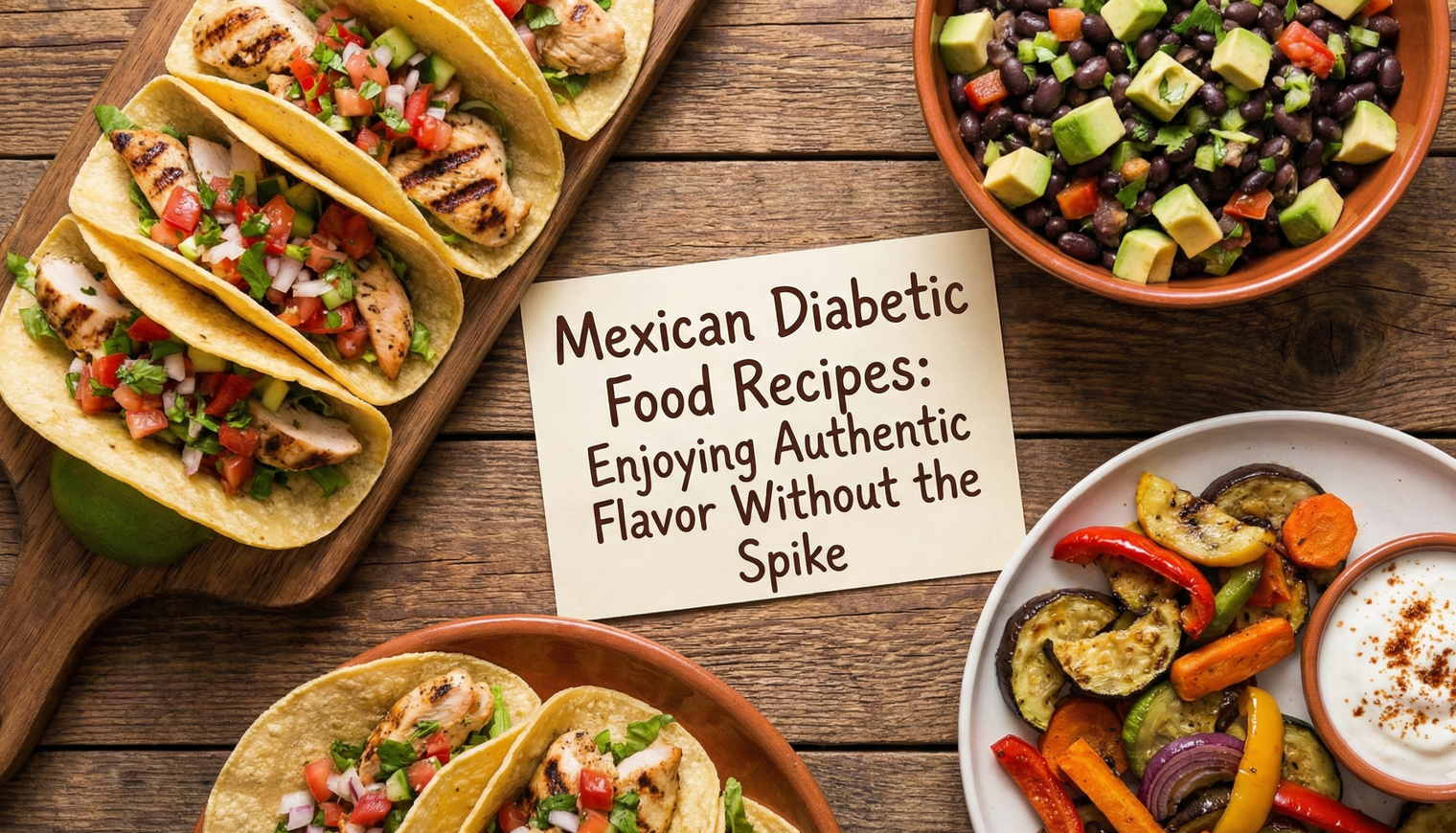
There is a common misconception that a diabetes diagnosis signifies the end of culinary enjoyment, particularly when it comes to rich, culturally significant cuisines like Mexican food. The thought of giving up warm tortillas, savory enchiladas, and zesty salsas can be disheartening. However, the reality is quite the opposite. Mexican diabetic food recipes can be among the healthiest options available if prepared with the right ingredients and techniques.
Traditional Mexican cuisine is actually rooted in whole foods: corn, beans, vegetables, and lean proteins. It is the modern “Tex-Mex” adaptations—laden with refined flour, yellow cheese, and deep-fried shells—that cause issues for blood sugar. By returning to authentic roots and making smart swaps, you can create a heart-healthy diabetic diet that bursts with flavor.
In this extensive guide, we will explore how to restructure your fiesta. We will cover everything from low-carb breakfast chilaquiles to protein-packed fajitas, ensuring you can stick to your weekly diabetic meal plan without feeling deprived. Moreover, we have added dozens of practical tips, cultural insights, and ingredient deep‑dives to help you master Mexican diabetic cooking at home — all while keeping blood sugar stable.
Whether you are newly diagnosed or a seasoned pro in diabetes management, these recipes are designed to satisfy your cravings and nourish your body. Let’s dive into the vibrant world of Mexican cuisine, reimagined for your health.
It also helps to remember that diabetes management is not one-size-fits-all. Type 1 diabetes, type 2 diabetes, and gestational diabetes each carry different considerations around insulin dosing, carbohydrate timing, and overall calorie needs. The recipes and swaps in this guide are built around general blood-sugar-friendly principles — more fiber, more lean protein, fewer refined starches, and less added sugar — that apply broadly across all three, but your individual carbohydrate targets should always come from your doctor, endocrinologist, or registered dietitian rather than a general guide like this one.
This guide is organized to mirror a full day of eating, then branches out into soups, street food, regional specialties, desserts, beverages, and practical tools like a sample meal plan and grocery list, so you can use it as both a recipe collection and a longer-term reference as you build new habits around the cuisine you love, one meal and one small swap at a time.
Understanding the Glycemic Index of Common Mexican Ingredients
One of the biggest gaps in most Mexican diabetic food recipes guides is a clear explanation of how individual staples actually behave in the bloodstream. The glycemic index (GI) measures how quickly a carbohydrate-containing food raises blood glucose compared to pure sugar. Pairing this knowledge with glycemic load (which factors in portion size) gives you a much more accurate picture than carb counts alone. A tortilla and a tamale might have similar carbohydrate totals, but their impact on your numbers can be very different depending on fiber, fat, and preparation method.
Corn products sit in an interesting middle ground. Nixtamalized corn — the traditional lime-soaked process used for masa — actually lowers the glycemic response compared to untreated cornmeal, and it also increases the bioavailability of niacin and calcium. This is one reason authentic corn tortillas often behave better for blood sugar than many people expect, especially compared to ultra-refined flour tortillas or corn chips fried in industrial oils.
| Ingredient | Approximate Glycemic Index | Typical Serving | Blood Sugar Notes |
|---|---|---|---|
| Corn Tortilla (6-inch) | Low–Moderate (46-52) | 1-2 tortillas | Pair with protein and fat to blunt the response further |
| Flour Tortilla (Large) | High (60-70+) | 1 tortilla | Refined flour spikes glucose faster than corn |
| Black Beans (cooked) | Low (30-35) | 1/2 cup | Resistant starch and fiber slow absorption significantly |
| Nopales (cactus) | Very Low (below 20) | 1 cup cooked | Minimal impact; high in soluble fiber |
| White Rice | High (70-89) | 1/2 cup | Best swapped for cauliflower rice or eaten in small amounts |
| Jicama (raw) | Very Low (15-20) | 1 cup, sliced | Contains inulin, a prebiotic fiber that may support glucose control |
| Plantain (ripe, fried) | High (65+) | 1/2 medium | Riper plantains have more sugar; green plantains are lower GI |
| Masa Harina (tamale dough) | Moderate (55-60) | 1/3 cup dry | Often combined with lard; watch total fat and portion size |
Keep in mind that glycemic index numbers are averages drawn from controlled studies and can vary based on ripeness, cooking method, and what else is on your plate. Always use a personal glucose meter or continuous glucose monitor to confirm how a specific dish affects you, since individual responses to the same food can differ meaningfully from one person to the next.
It also helps to think in terms of glycemic load rather than glycemic index alone. Watermelon, for instance, has a high glycemic index, but a typical serving contains relatively little digestible carbohydrate because it’s mostly water, so its real-world glycemic load is modest. Beans work in the opposite direction: their glycemic index is already low, and their high fiber content further reduces the glycemic load of a typical serving, which is part of why they’re such a reliable staple throughout this guide.
The Foundation: Mexican Superfoods for Blood Sugar Control
Before diving into the recipes, it is essential to understand the ingredients. Many staples in a Mexican pantry are naturally diabetic-friendly. Leveraging these can help with insulin resistance and overall glucose management. Below we explore traditional ingredients that are both delicious and scientifically proven to support metabolic health.
Nopales (Cactus Pads)
Nopales are a superstar ingredient for diabetics. Studies suggest that the mucilage in the cactus can help lower blood sugar levels and improve insulin sensitivity. They have a tart flavor similar to green beans and a texture like okra. Use them in scrambled eggs, salads, or grilled as a side. Fresh nopales are best, but jarred (rinsed) are a convenient alternative.
Key Pantry Staples (Expanded List)
- Avocados: Loaded with monounsaturated fats that slow digestion and keep blood sugar stable. They also provide potassium and fiber.
- Black Beans & Pinto Beans: While they contain carbs, they are high in fiber and resistant starch. Portion control (½ cup per serving) is key, but they are far superior to white rice. Always opt for dried or low‑sodium canned beans.
- Chiles (Jalapeños, Poblanos, Serranos, Habaneros): Capsaicin boosts metabolism and adds flavor without sodium or sugar. They are rich in vitamins A and C.
- Jicama: A crunchy, low‑glycemic alternative to potatoes or chips. Slice it for dipping in guacamole or sprinkle with chili and lime.
- Cilantro & Lime: Essential for seasoning without relying on salt, perfect for a diabetic menu for high blood pressure.
- Tomatoes & Tomatillos: Low in sugar and high in antioxidants; base for many salsas.
- Epazote & Mexican Oregano: Aromatic herbs that add depth without sodium.
- Chia Seeds: Used in traditional aguas frescas, chia seeds provide omega‑3 and fiber.
- Pumpkin Seeds (Pepitas): Great for snacking or as a crunchy topping for soups and salads.
- Chayote Squash: A mild, low-carb gourd common in soups and sautés. It has a texture similar to zucchini and takes on the flavor of whatever it is cooked with.
- Amaranth (Amaranto): An ancient grain traditionally popped and mixed with honey for the candy “alegría.” Used plain or with a sugar-free binder, popped amaranth adds a pleasant crunch and a complete plant protein to bowls and salads.
- Hibiscus Flowers (Jamaica): Used for tea and agua fresca, dried hibiscus is tart and naturally sugar-free before sweetener is added, and it pairs well with a squeeze of lime.
- Purslane (Verdolagas): A tangy, mucilaginous green traditionally cooked with pork in green sauce; it is a good source of omega-3 fatty acids for a leafy vegetable.
Additionally, using whole grain corn (masa harina) in moderation, and opting for lean proteins like chicken breast, turkey, and fresh fish, will keep your meals balanced.
Herb and Spice Profiles Worth Knowing
Mexican cooking leans heavily on dried and fresh aromatics rather than sugar or excess salt to build flavor, which is exactly what makes it so adaptable for blood sugar management. Getting familiar with a few key players will instantly upgrade your home cooking.
- Canela (Mexican Cinnamon): Softer and sweeter than cassia cinnamon, canela is traditionally used in atole and hot chocolate. Some small studies suggest cinnamon may modestly improve insulin sensitivity, though it should never replace medication. A pinch added to black coffee or a savory mole gives warmth without any sugar.
- Cumin (Comino): A backbone spice in almost every savory Mexican dish, cumin adds earthiness and pairs naturally with lime and chile. It contains no carbohydrates and is rich in iron.
- Mexican Oregano: Botanically distinct from Mediterranean oregano, it has a citrusy, slightly anise-like flavor that stands up well to bold chile sauces.
- Achiote (Annatto) Paste: Used heavily in Yucatecan cooking, achiote gives dishes like cochinita pibil their signature red color and earthy flavor without added sugar.
- Epazote: Traditionally cooked with beans, this pungent herb is said to reduce the gas-producing effects of legumes, making bean-forward diabetic meals more comfortable to digest.
- Chipotle in Adobo: Smoked, dried jalapeños packed in a tomato-vinegar sauce. Use sparingly since the adobo sauce can contain sugar; look for no-sugar-added brands or make a quick homemade version with dried chipotles, vinegar, and garlic.
- Hoja Santa: A large, anise-scented leaf used in parts of Oaxaca and Veracruz to wrap fish or flavor tamales. It adds a distinctive, complex flavor without any carbohydrates or sodium.

Authentic Cast Iron Tortilla Press
Make your own thin, portion-controlled corn or almond flour tortillas at home. Avoid the preservatives and sugar found in store-bought brands. This sturdy press ensures uniform thickness for even cooking.
Check Price on AmazonMexican Breakfasts: Starting the Day Right
Mexican breakfasts are traditionally hearty. The goal here is to reduce the carb load from tortillas and focus on the eggs and vegetables. For more inspiration, check our list of breakfast ideas for diabetes. These morning meals are designed to provide sustained energy and avoid mid‑morning crashes.
1. Huevos Rancheros (Low-Carb Style)
Prep time: 10 mins | Cook time: 15 mins | Serves: 2
Instead of a pile of fried corn tortillas, we use a single, high-fiber low-carb tortilla or a base of sautéed spinach. This version keeps all the traditional flavors—salsa, fried eggs, creamy avocado—without the blood sugar spike.
Ingredients:
- 2 low-carb whole wheat or almond flour tortillas
- 4 large eggs (preferably pasture-raised)
- 1/2 cup salsa roja (check label for no added sugar; or make your own)
- 1/4 cup black beans, rinsed and warmed
- 1 avocado, sliced
- Fresh cilantro and cotija cheese for garnish (optional)
Instructions:
- Lightly toast the tortillas in a dry skillet until crisp. Set aside.
- In the same skillet, fry eggs to your preference (sunny side up is traditional, but over‑easy works too).
- Place a tortilla on a plate, spread a tablespoon of beans, and top with the egg.
- Pour warm salsa over the egg. Top with avocado, cheese, and cilantro. Serve immediately with a side of fresh jicama sticks.
Pro tip: Add a spoonful of sautéed nopales for extra fiber and blood sugar control.
2. Scrambled Eggs with Nopales and Chorizo
Prep time: 15 mins | Cook time: 10 mins | Serves: 4
This dish is incredibly filling and virtually zero carb if you skip the side of tortillas. It fits perfectly into a keto diabetic meal plan. The combination of spicy chorizo and tender cactus is a match made in heaven.
Ingredients:
- 1 cup fresh nopales, diced (or jarred, rinsed well)
- 4 oz Mexican chorizo (remove casing; choose lean turkey chorizo if available)
- 6 large eggs, beaten
- 1/4 white onion, diced
- Salt, pepper, and a pinch of cumin to taste
Instructions:
- Cook chorizo in a skillet over medium heat until browned, breaking it up with a spoon. Remove excess grease but leave about a tablespoon for flavor.
- Add onions and nopales. Sauté for 5-7 minutes until tender and the nopales have released their moisture.
- Pour in the beaten eggs and scramble until fully cooked but still moist.
- Serve immediately with a side of pico de gallo and a few slices of avocado.
3. Diabetic-Friendly Migas
Prep time: 10 mins | Cook time: 12 mins | Serves: 3
Migas traditionally uses stale corn tortillas fried in oil and mixed with eggs. This version lightly toasts a small amount of corn tortilla strips instead of deep-frying, keeping the crunch while cutting the fat and carbs dramatically.
Ingredients:
- 2 corn tortillas, cut into thin strips
- 1 tsp avocado oil or olive oil
- 6 large eggs, beaten
- 1/2 cup diced tomato
- 1 serrano chile, minced (seeds removed for less heat)
- 1/4 cup diced white onion
- 2 tbsp crumbled queso fresco
- Fresh cilantro for garnish
Instructions:
- Heat oil in a nonstick skillet over medium heat. Add tortilla strips and toast until just crisp at the edges, about 3-4 minutes. Remove half to keep some crunch for topping.
- Add onion, tomato, and serrano to the skillet; cook 2-3 minutes until softened.
- Pour in the eggs and gently scramble, folding in the remaining tortilla strips as they set.
- Plate and top with queso fresco, reserved crispy tortilla strips, and cilantro.
Pro tip: Bake tortilla strips at 350°F for 8 minutes instead of frying for an even lighter version.
4. Molletes with Black Beans (Open-Faced)
Prep time: 5 mins | Cook time: 10 mins | Serves: 2
Traditional molletes use a soft white bolillo roll. Swapping in a small whole-grain or low-carb roll keeps this comforting breakfast within reach for a diabetes-friendly breakfast rotation.
Ingredients:
- 2 small whole-grain rolls or low-carb sandwich thins, halved
- 1 cup refried black beans (homemade, no lard, well seasoned)
- 1/2 cup shredded low-fat Oaxaca or Monterey Jack cheese
- 1/2 cup pico de gallo
- Optional: sliced avocado
Instructions:
- Preheat the oven broiler. Spread each roll half with a generous layer of black beans.
- Top with shredded cheese and place under the broiler for 2-3 minutes until melted and lightly golden.
- Top with fresh pico de gallo and avocado slices before serving.
Looking for a quicker option? A diabetic smoothie menu can also include Mexican flavors like cucumber, lime, and chili powder. Blend with Greek yogurt for protein.
Lunch: Light, Fresh, and Zesty
Lunch needs to energize you, not induce a siesta. Traditional Mexican soups and salads are perfect for this. If you are a busy professional, these pack well for a working adult’s diabetic menu. They are also hydrating and loaded with vegetables.
1. Chicken Tortilla Soup (The Healthy Way)
The key here is limiting the tortilla strips and focusing on the broth and protein. This soup is deeply flavorful thanks to roasted tomatoes and a blend of ground chiles.
Ingredients:
- 1 lb chicken breast, shredded (or use leftover rotisserie chicken)
- 4 cups chicken bone broth (high protein, collagen-rich)
- 1 can fire-roasted diced tomatoes (no salt added)
- 1 zucchini, diced (adds bulk and nutrients)
- 1 carrot, diced (for sweetness and fiber)
- 1 tsp cumin, 1 tsp chili powder, 1/2 tsp smoked paprika
- Toppings: radish slices, avocado, lime juice, chopped cilantro, a few baked tortilla strips (optional)
Instructions:
- In a large pot, sauté a little onion and garlic in olive oil. Add broth, tomatoes, spices, zucchini, and carrot. Simmer for 20 minutes until vegetables are tender.
- Add cooked shredded chicken and heat through for 5 minutes.
- Serve in bowls and top generously with fresh avocado, radishes, and a squeeze of lime. If you desire crunch, add a small handful of baked tortilla chips or strips (about 5g carbs).
2. Shrimp Ceviche Tostadas
Ceviche is naturally low-fat and high-protein. By using a baked tostada or just lettuce cups, you keep it diabetic-friendly. The acidity from the lime “cooks” the shrimp perfectly.
Ingredients:
- 1 lb raw shrimp, peeled and deveined, chopped into ½-inch pieces
- 1 cup fresh lime juice (about 6-8 limes; must cover shrimp)
- 2 tomatoes, seeded and diced
- 1 cucumber, peeled and diced
- 1/2 red onion, finely minced
- 1 jalapeño, seeded and minced (use serrano for more heat)
- 1/2 cup chopped cilantro
- Salt to taste (optional)
Instructions:
- Place chopped shrimp in a glass bowl and cover completely with lime juice. Refrigerate for 20-30 minutes until shrimp are opaque and firm.
- Drain about half of the lime juice. Mix in tomatoes, cucumber, onion, jalapeño, and cilantro. Adjust salt.
- Serve atop baked corn tostadas (limit to 1-2 small tostadas) or in large romaine lettuce leaves for a crunch wrap.
- Garnish with extra avocado slices or a drizzle of Mexican crema (optional).
For more midday ideas, explore our comprehensive diabetic lunch menu featuring soups, salads, and light tacos.
Comforting Mexican Soups and Stews, Made Diabetes-Friendly
Soups like pozole, menudo, and caldo de res are the heart of Mexican comfort cooking, especially in colder months or during celebrations. The good news is that most of these dishes are naturally built around broth, vegetables, and meat, meaning small adjustments go a long way toward keeping them within a healthy range.
1. Pozole Blanco Ligero (Light White Pozole)
Traditional pozole uses hominy, which is a form of corn and does carry carbohydrates, but it also brings fiber and a satisfying chew. Controlling the portion and loading up on the traditional garnishes keeps this a reasonable, nourishing bowl.
Ingredients:
- 1 lb boneless pork shoulder or chicken thighs, trimmed of excess fat
- 1 can (15 oz) white hominy, drained and rinsed
- 6 cups low-sodium chicken broth
- 4 garlic cloves
- 1/2 white onion, plus more for garnish
- 2 bay leaves, 1 tsp Mexican oregano
- Garnish: shredded cabbage, radish slices, lime wedges, dried chile flakes
Instructions:
- Place meat, garlic, onion, bay leaves, and broth in a large pot. Bring to a boil, then reduce heat and simmer 45-60 minutes until the meat is tender.
- Remove the meat, shred it, and return it to the pot along with the hominy and oregano. Simmer another 15 minutes.
- Ladle into bowls, keeping the hominy portion to about 1/2 cup per serving, and pile on cabbage, radish, and lime for volume and crunch without added carbs.
2. Caldo de Res (Mexican Beef and Vegetable Soup)
This rustic soup is naturally low in refined carbohydrates since it leans on beef, bone broth, and a rainbow of vegetables like chayote, cabbage, and zucchini rather than pasta or rice.
Ingredients:
- 1.5 lbs beef shank or short ribs
- 8 cups beef bone broth
- 1 chayote squash, cubed
- 2 carrots, sliced
- 1 ear of corn, cut into rounds (optional, count toward carbs)
- 1 small zucchini, cubed
- 1/4 head cabbage, chopped
- 2 sprigs fresh epazote or cilantro
Instructions:
- Simmer beef in broth with a pinch of salt for about 90 minutes, skimming foam, until fork-tender.
- Add carrots and chayote; simmer 15 minutes. Add zucchini, cabbage, and corn (if using); cook another 10 minutes.
- Serve hot with lime wedges and a small side of warm corn tortillas, keeping the corn-on-the-cob portion modest if blood sugar control is a priority.

The Diabetic Mexican Cookbook
Over 100 recipes transforming classic dishes into low-glycemic delights. Includes nutrition facts for every meal, plus weekly meal plans and tips for dining out.
Check Price on AmazonDinner: The Main Event
Dinner is where we often crave comfort food. These recipes are satisfying enough for the whole family, which helps when planning a 30-day diabetic menu for a household. They are also meal-prep friendly.
1. Chiles Rellenos (Baked, Not Fried)
Traditional Chiles Rellenos are battered and deep-fried. We skip the batter and bake them for a lighter version that fits a low carb weekly diabetic menu. The roasted poblanos are smoky and tender.
Ingredients:
- 4 large Poblano peppers
- 1 lb ground turkey or lean ground beef
- 1/2 onion, diced
- 1 cup Oaxaca cheese or part-skim Mozzarella (shredded)
- 1 can (15 oz) no-sugar-added tomato sauce
- 1 tsp dried Mexican oregano
- Salt and pepper to taste
Instructions:
- Roast peppers over an open flame or under a broiler until skin chars evenly. Place in a bowl, cover with plastic wrap, and let steam for 10 minutes. Then peel off skin, make a small slit lengthwise, and carefully remove seeds while keeping pepper intact.
- Sauté meat with onions, salt, pepper, and oregano until cooked through. Drain fat.
- Stuff each pepper with the meat mixture and a sprinkle of cheese (reserve some cheese for topping).
- Place stuffed peppers in a baking dish, cover with tomato sauce and the remaining cheese.
- Bake at 375°F (190°C) for 20 minutes until cheese melts and sauce bubbles. Serve with cauliflower rice.
2. Beef Fajitas with Peppers and Onions
Skip the flour tortillas and eat this with a fork, or use lettuce wraps. The protein and veggies make this perfect for a high protein diabetic menu. The sizzling presentation makes it company‑worthy.
Ingredients:
- 1 lb skirt steak or flank steak, sliced thinly against the grain
- 2 bell peppers (any color), sliced into strips
- 1 large yellow onion, sliced
- Marinade: 2 tbsp olive oil, juice of 1 lime, 2 tsp cumin, 1 tsp chili powder, 1 tsp garlic powder, 1/2 tsp smoked paprika
- Optional: low-carb tortillas or lettuce leaves for serving
Instructions:
- Combine marinade ingredients in a bowl, add steak strips, and toss to coat. Marinate for at least 1 hour (or overnight).
- Heat a large cast-iron skillet or griddle over high heat until smoking hot. Add a little oil.
- Sear the steak in a single layer for 2-3 minutes per side (do in batches if needed). Remove and set aside.
- Add peppers and onions to the same skillet; cook until charred and crisp-tender, about 4-5 minutes.
- Return meat to the skillet, toss everything together, and serve immediately with guacamole, salsa, and a side of cauliflower rice.
3. Enchiladas Verdes with Chicken (Baked, Portion-Controlled)
The trick with enchiladas is limiting the number of tortillas per serving and using a lean filling. Baking rather than frying the tortillas first also cuts back on added oil.
Ingredients:
- 6 corn tortillas
- 2 cups shredded cooked chicken breast
- 2 cups salsa verde (homemade or no-sugar-added store-bought)
- 1/2 cup shredded low-fat Mexican cheese blend
- 1/4 cup Greek yogurt (as a crema substitute)
- Sliced onion and cilantro for garnish
Instructions:
- Preheat oven to 375°F. Warm tortillas briefly to make them pliable, then dip each in salsa verde.
- Fill each tortilla with a portion of shredded chicken, roll, and place seam-side down in a baking dish.
- Pour remaining salsa verde over the top and sprinkle with cheese.
- Bake 15-20 minutes until bubbly. Top with a dollop of Greek yogurt, onion, and cilantro. Two enchiladas per serving, paired with a side salad, keeps this a reasonable plate.
4. Lightened Carnitas
Traditional carnitas are simmered and then fried in their own lard. This version braises the pork until tender and finishes it under the broiler for a similar crisp edge with far less added fat.
Ingredients:
- 2 lbs pork shoulder, trimmed of excess fat, cut into large chunks
- 1 orange, juiced (keep the peel)
- 4 garlic cloves
- 1 bay leaf, 1 tsp cumin, 1 tsp Mexican oregano
- Salt and pepper to taste
- Corn tortillas, diced onion, cilantro, and salsa for serving
Instructions:
- Place pork, orange juice and peel, garlic, bay leaf, and spices in a slow cooker or Dutch oven. Add just enough water to cover.
- Cook low and slow (slow cooker on low for 8 hours, or oven at 300°F for 3-4 hours) until the pork shreds easily with a fork.
- Shred the pork, discard the orange peel and bay leaf, and spread the meat on a baking sheet. Broil for 5-8 minutes until the edges crisp, watching closely to avoid burning.
- Serve in small corn tortillas with onion, cilantro, and salsa verde, keeping the portion to 2-3 tacos alongside a vegetable side.
If you are looking for easy meal prep, you can incorporate these into a 1-day simple diabetic menu by cooking extra protein and veggies for next-day lunches.
Street Food Favorites, Reimagined for Blood Sugar Control
Antojitos, or Mexican street snacks, are often the hardest foods to give up. Elote, tacos al pastor, and quesadillas are iconic for a reason. Here is how to enjoy them while staying mindful of carbohydrates and added sugar.
1. Esquites (Mexican Corn Salad, Portioned)
Instead of a whole cob slathered in mayonnaise and cheese, esquites let you control the exact portion of corn while keeping every bit of the smoky, tangy, spicy flavor.
Ingredients:
- 1 cup corn kernels (fresh or frozen, charred in a dry skillet)
- 1 tbsp light mayonnaise or plain Greek yogurt
- 1 tbsp crumbled cotija cheese
- Juice of 1/2 lime
- Chili powder or Tajín to taste
- 2 tbsp chopped cilantro
Instructions:
- Char the corn in a dry, hot skillet until lightly blackened in spots, about 5 minutes.
- Toss with mayonnaise or yogurt, cotija, lime juice, and chili powder.
- Garnish with cilantro and serve in a small cup — a half-cup portion keeps carbs around 15g.
2. Tacos al Pastor, Lightened
The marinade is where all the magic happens, and it is naturally low in sugar when made from scratch rather than using bottled adobo pastes that often contain added sweeteners.
Ingredients:
- 1.5 lbs boneless pork loin, thinly sliced
- 3 dried guajillo chiles, seeded and soaked
- 2 tbsp achiote paste
- 1/4 cup pineapple, plus a few small chunks for garnish
- 3 garlic cloves, 1 tbsp apple cider vinegar, 1 tsp cumin
- Corn tortillas, diced onion, and cilantro for serving
Instructions:
- Blend soaked guajillos, achiote, pineapple, garlic, vinegar, and cumin into a smooth marinade.
- Marinate pork for at least 2 hours, ideally overnight.
- Sear pork in a hot skillet or grill until charred and cooked through, 3-4 minutes per side.
- Serve in small corn tortillas (limit 2 per serving) topped with onion, cilantro, and a small piece of grilled pineapple.
3. Low-Carb Quesadillas
Swapping a low-carb tortilla and going light on cheese turns this greasy favorite into a protein-forward snack or light meal.
Ingredients:
- 2 low-carb or whole wheat tortillas
- 1/2 cup shredded Oaxaca cheese or part-skim mozzarella
- 1/2 cup cooked shredded chicken or sautéed mushrooms with epazote
- Salsa verde for dipping
Instructions:
- Fill one half of each tortilla with cheese and filling; fold over.
- Cook in a dry skillet over medium heat, 2-3 minutes per side, until golden and cheese melts.
- Slice into wedges and serve with salsa verde for dipping instead of sour cream.
A Regional Tour: Diabetic-Friendly Dishes from Across Mexico
Mexico’s culinary landscape varies enormously by region, and knowing where a dish comes from often reveals naturally lighter, blood-sugar-friendly alternatives hiding within the tradition itself.
Yucatán: Cochinita Pibil, Lightened
This slow-roasted pork dish gets its flavor from achiote paste and sour orange juice rather than sugar. Trim visible fat from the pork shoulder before cooking, and serve with pickled red onion and a small portion of corn tortillas or cabbage lettuce wraps instead of the traditional heap of rice.
Oaxaca: Mole Negro, Portion-Aware
Mole is often assumed to be off-limits because of its complexity, but a well-made mole is mostly chiles, nuts, seeds, and spices; the small amount of chocolate and masa used as a thickener is spread across an entire pot. A modest 2-3 tablespoon serving over grilled chicken breast, rather than a heavy ladle over rice, lets you enjoy this iconic sauce without a large carbohydrate load.
Baja California: Grilled Fish Tacos
Baja-style fish tacos are traditionally battered and fried, but grilling firm white fish like mahi-mahi or tilapia with lime, garlic, and chili powder delivers the same bright, coastal flavor with a fraction of the carbs and fat. Serve in a warm corn tortilla with shredded cabbage and a light chipotle crema made from Greek yogurt.
Northern Mexico: Carne Asada
Grilled, marinated skirt steak is naturally diabetes-friendly. The marinade of lime, garlic, and orange juice is spread across the whole cut, so very little sugar ends up in each serving. Pair with grilled nopales and a simple pico de gallo instead of flour tortillas and refried beans for a lighter northern-style plate.
Central Mexico: Tlacoyos and Nopales Salad
Around Mexico City and the surrounding highlands, oval-shaped masa cakes called tlacoyos are stuffed with beans, fava beans, or requesón cheese and topped with nopales salad, salsa, and queso fresco. Because the filling is protein- and fiber-rich, a single tlacoyo topped generously with nopales salad makes a satisfying, well-balanced light meal, especially compared to a plate of white rice and refried beans.
Coastal Classics: Mexican Seafood Recipes for Diabetics
Mexico’s long coastlines mean seafood plays a starring role in many regional cuisines, and it happens to be some of the most diabetes-friendly protein available thanks to its lean profile and beneficial omega-3 fats.
1. Pescado a la Veracruzana
This Gulf Coast classic simmers white fish in a tomato-based sauce studded with olives and capers. It is naturally low in carbohydrates and rich in flavor from briny, savory ingredients rather than sugar.
Ingredients:
- 4 white fish fillets (snapper, tilapia, or cod)
- 2 cups diced tomatoes (fresh or canned, no sugar added)
- 1/4 cup sliced green olives
- 2 tbsp capers
- 1/2 onion, sliced thin
- 3 garlic cloves, minced
- 1 bay leaf, pinch of dried thyme, pinch of cinnamon
- 1 tbsp olive oil
Instructions:
- Heat olive oil in a large skillet; sauté onion and garlic until fragrant, about 3 minutes.
- Add tomatoes, olives, capers, bay leaf, thyme, and cinnamon. Simmer 10 minutes to let the flavors meld.
- Nestle the fish fillets into the sauce, cover, and simmer gently for 8-10 minutes until the fish flakes easily.
- Serve with a side of sautéed greens or a small portion of cauliflower rice to soak up the sauce.
2. Camarones al Mojo de Ajo (Garlic Shrimp)
A simple, garlicky preparation that comes together in under 15 minutes and pairs beautifully with a big side salad or grilled vegetables.
Ingredients:
- 1.5 lbs large shrimp, peeled and deveined
- 6 garlic cloves, minced
- 2 tbsp butter or olive oil
- Juice of 1 lime
- 1 guajillo chile, seeded and finely chopped (optional, for color and heat)
- Fresh parsley or cilantro, chopped
Instructions:
- Melt butter or heat oil in a skillet over medium heat. Add garlic and guajillo chile; cook 1 minute until fragrant, being careful not to burn the garlic.
- Add shrimp in a single layer and cook 2 minutes per side until just opaque.
- Finish with lime juice and fresh herbs. Serve immediately with grilled nopales or a simple green salad.
3. Aguachile Verde
Similar to ceviche but served immediately rather than marinated, aguachile is bright, spicy, and essentially carbohydrate-free on its own, making it one of the most diabetes-friendly seafood dishes in the entire Mexican culinary repertoire.
Ingredients:
- 1 lb raw shrimp, butterflied
- 1 cup fresh lime juice
- 2 serrano chiles (or to taste)
- 1/2 cup cilantro
- 1/4 cup water
- 1 cucumber, thinly sliced
- 1/2 red onion, thinly sliced
- Salt to taste
Instructions:
- Blend lime juice, serranos, cilantro, water, and a pinch of salt until smooth to make the aguachile sauce.
- Arrange butterflied shrimp on a platter and pour the sauce evenly over the top.
- Let sit for 5-10 minutes, just long enough for the shrimp to turn opaque from the acidity of the lime.
- Top with cucumber and red onion slices and serve immediately, ideally with a few jicama sticks instead of tostadas for scooping.
Sopes and Tortas, Diabetes-Friendly Style
These two antojitos are beloved for their satisfying combination of textures, and both adapt well with a few thoughtful swaps.
1. Chicken Sopes with Black Beans
A sope is a thick masa base, which naturally makes it more filling per piece than a thin tortilla, meaning one or two sopes can be a complete light meal.
Ingredients:
- 1 cup masa harina, mixed with warm water and a pinch of salt to form a dough
- 1 cup shredded cooked chicken breast, tossed in a little salsa roja
- 1/2 cup black beans, mashed lightly
- Shredded lettuce, crumbled queso fresco, and Greek yogurt for topping
Instructions:
- Divide masa dough into 4 balls; flatten into thick discs about 1/2 inch thick. Cook on a dry comal or skillet 2-3 minutes per side until set, then pinch up the edges to form a small rim while still warm.
- Spread each base with mashed beans, then top with shredded chicken, lettuce, queso fresco, and a dollop of Greek yogurt in place of crema.
- Serve two sopes per person as a light meal alongside a simple vegetable side.
2. Torta de Pollo, Lightened
A torta is essentially a Mexican sandwich, traditionally on a soft telera or bolillo roll. Using a whole-grain roll and going light on the mayonnaise keeps this satisfying lunch option in check.
Ingredients:
- 1 whole-grain telera-style roll or whole wheat bun, split
- 1 grilled chicken breast, sliced
- 2 tbsp mashed avocado (instead of mayonnaise)
- 2 tbsp refried black beans
- Sliced tomato, pickled jalapeños, shredded lettuce
- A thin slice of queso fresco
Instructions:
- Lightly toast the roll on a dry skillet or comal.
- Spread one half with mashed avocado and the other with black beans.
- Layer chicken, tomato, jalapeños, lettuce, and cheese, then close the sandwich and slice in half to serve.
Sides, Salsas, and Snacks
Often, it is the side dishes like rice and refried beans that spike blood sugar. Here are better alternatives that are just as delicious.
Cauliflower “Spanish Rice”
Pulse cauliflower in a food processor until it resembles rice grains. Sauté with onion, garlic, tomato paste, and a little chicken broth until tender. Stir in chopped cilantro and a squeeze of lime. It mimics the flavor of Mexican rice with a fraction of the carbs (about 5g net carbs per serving).
Cucumber with Chili and Lime (Pepinos con Chile)
A classic Mexican street snack. Slice cucumbers into sticks or rounds, squeeze fresh lime juice over them, and sprinkle with chili powder (Tajín is popular, but watch the sodium if you are on a low sodium plan). Add a pinch of sea salt if desired.
Guacamole with Veggie Sticks
Mash 2 ripe avocados with lime juice, diced onion, tomato, cilantro, and a pinch of cumin. Eat it with celery sticks, bell pepper strips, jicama sticks, or pork rinds (chicharrones) instead of corn chips. This fits perfectly into diabetic snack ideas.
Roasted Spiced Pepitas
Toss raw pumpkin seeds with a little oil, chili powder, and lime zest. Roast at 350°F for 8-10 minutes. They are a crunchy, high-magnesium snack.
Homemade Salsa Roja (No Added Sugar)
Roast 4 Roma tomatoes, 2 garlic cloves, and 1 dried guajillo chile (rehydrated) on a dry comal or under the broiler until charred. Blend with a splash of water, salt, and a squeeze of lime. This base recipe takes 10 minutes and stores in the fridge for up to a week, giving you full control over sugar and sodium that store-bought jars often hide.
Homemade Salsa Verde
Simmer 1 lb tomatillos (husked), 2 serrano chiles, and 1/4 onion in water for 8 minutes until softened. Blend with a handful of cilantro, a garlic clove, and salt. Salsa verde is naturally tangy and very low in carbohydrates, making it one of the most versatile condiments for a diabetic-friendly kitchen — drizzle it over eggs, grilled chicken, or the quesadillas mentioned above.
Pico de Gallo, Classic Ratio
Dice 3 tomatoes, 1/2 white onion, and 1 jalapeño. Toss with a generous handful of chopped cilantro, the juice of 1 lime, and salt to taste. This raw salsa adds volume and brightness to almost any dish on this list for virtually no carbohydrate cost.
Jicama Tacos (No Tortilla Needed)
Slice a peeled jicama into thin, wide rounds to use as a crunchy, carb-free taco “shell.” Fill with seasoned shredded chicken or carne asada, a spoonful of pico de gallo, and a drizzle of salsa verde. This has become a popular low-carb swap because the jicama itself adds a satisfying crunch rather than acting as a bland stand-in.
Debunking Common Myths About Mexican Food and Diabetes
A few persistent myths keep people from enjoying Mexican cuisine after a diabetes diagnosis, and most don’t hold up under closer inspection.
- Myth: All Mexican food is fried and heavy. Much of what’s considered “Mexican food” in the United States is actually Tex-Mex, a distinct cuisine that leans more heavily on deep-frying, large amounts of shredded cheese, and flour tortillas. Traditional regional Mexican cooking uses far more grilling, steaming, and fresh salsas.
- Myth: Corn is bad for diabetics. Whole, nixtamalized corn in moderate portions, especially paired with protein and fiber, has a more moderate glycemic impact than many people assume, and it carries genuine nutritional benefits.
- Myth: You have to give up tortillas entirely. Portion and pairing matter far more than outright elimination for most people. One or two corn tortillas with a fiber- and protein-rich filling is very different from a stack of three or four alongside rice and beans.
- Myth: Spicy food raises blood sugar. Capsaicin, the compound responsible for heat in chiles, has actually been studied for potential modest benefits to metabolism and does not itself raise blood glucose.
Mexican Desserts You Can Still Enjoy
Dessert doesn’t have to disappear. A few classic Mexican sweets adapt beautifully to sugar-free or portion-controlled versions.
Paletas de Pepino y Limón (Cucumber-Lime Ice Pops)
Blend cucumber, lime juice, a pinch of salt, and a sugar-free sweetener like monk fruit or stevia. Pour into popsicle molds and freeze at least 4 hours. Refreshing, hydrating, and virtually carbohydrate-free.
Sugar-Free Flan
Swap the traditional cup of white sugar for a granulated monk fruit or allulose blend, and use a mix of whole milk and unsweetened evaporated milk instead of sweetened condensed milk. The custard base of eggs and milk is naturally rich, so a small ramekin-sized portion feels indulgent without a large glucose impact.
Gelatina de Tres Leches, Lightened
Prepare unflavored gelatin with a sugar-free fruit-flavored liquid base (such as unsweetened hibiscus tea sweetened with stevia) and layer with a thin ribbon of light table cream. This keeps the wobbly, milky dessert experience intact while dramatically cutting the sugar load of the traditional version.
Aguas Frescas and Drinks Without the Sugar Crash
Traditional aguas frescas are often loaded with added sugar, but the base recipes are simple to make diabetes-friendly at home.
Agua de Jamaica (Hibiscus Water), Unsweetened
Steep 1 cup dried hibiscus flowers in 4 cups of boiling water for 10 minutes. Strain, then sweeten with a few drops of liquid stevia or monk fruit instead of sugar. Hibiscus has a naturally tart, cranberry-like flavor and some research suggests it may have a mild, favorable effect on blood pressure.
Horchata de Almendra (Almond Horchata)
Traditional horchata is made from soaked rice and loaded with sugar. A lower-carb version blends unsweetened almond milk, a splash of vanilla, a pinch of canela, and a sugar-free sweetener, skipping the rice entirely while keeping the creamy, cinnamon-forward flavor people love.
Agua Fresca de Pepino y Menta (Cucumber Mint Water)
Blend cucumber, fresh mint, and lime juice with water, then strain for a clear, refreshing drink with essentially zero sugar. This is an easy one to keep pitchered in the fridge for hot days.
Atole Sin Azúcar (Sugar-Free Atole)
Traditional atole is a warm, corn-thickened drink often sweetened heavily with piloncillo. A lighter version whisks a small amount of masa harina into unsweetened almond milk with canela and a sugar-free sweetener, simmered gently until thickened. It makes a comforting, low-sugar alternative for cool mornings or evenings, especially around the winter holiday season when atole is traditionally served alongside tamales.
A Sample 3-Day Mexican Diabetic Meal Plan
Putting individual recipes into a cohesive daily rhythm can be the hardest part. Here is a sample structure you can adapt to your own carbohydrate targets and any guidance from your dietitian or doctor.
| Day | Breakfast | Lunch | Dinner | Snack |
|---|---|---|---|---|
| Day 1 | Scrambled eggs with nopales and chorizo | Chicken tortilla soup | Beef fajitas with peppers and onions | Cucumber with chili and lime |
| Day 2 | Diabetic-friendly migas | Shrimp ceviche tostadas (1 tostada) | Baked chiles rellenos | Roasted spiced pepitas |
| Day 3 | Molletes with black beans | Caldo de res | Baja-style grilled fish tacos (2 tacos) | Guacamole with jicama sticks |
Notice the pattern: one modest starch-based item per meal, a generous portion of vegetables, a clear lean protein source, and healthy fats from avocado, olive oil, or nuts. This structure, sometimes called the “plate method,” is a simple way to keep portions in check without counting every gram.
Your Diabetic-Friendly Mexican Pantry Shopping List
Having the right staples on hand makes it far easier to cook spontaneously instead of reaching for takeout. Here is a starter shopping list organized by category.
- Produce: nopales, tomatillos, Roma tomatoes, jicama, avocados, limes, cilantro, jalapeños, serranos, poblanos, white onion, zucchini, chayote, cabbage
- Proteins: chicken breast and thighs, lean ground turkey, skirt steak, shrimp, white fish fillets, eggs, turkey chorizo
- Pantry: dried guajillo and ancho chiles, achiote paste, low-sodium chicken and beef broth, dried black and pinto beans, canned fire-roasted tomatoes (no salt added), masa harina, corn tortillas
- Dairy: queso fresco, cotija cheese, part-skim Oaxaca cheese, plain Greek yogurt (as a crema substitute)
- Spices: cumin, Mexican oregano, canela, smoked paprika, chili powder, epazote (dried is fine)
- Sweeteners & Extras: monk fruit or stevia blend, unsweetened almond milk, dried hibiscus flowers
Reading labels matters even on items that sound healthy. Some jarred salsas, canned refried beans, and marinades include added sugar or corn syrup as stabilizers. Scan the ingredient list for words like dextrose, cane sugar, or high fructose corn syrup before adding a product to your cart.
Buying dried chiles and beans in bulk from a Mexican grocery store or the international aisle is often significantly cheaper than pre-made sauces and seasoning packets, and it gives you complete control over sodium and added sugar. A well-stocked dried chile drawer — guajillo, ancho, pasilla, chipotle, and a few árbol for heat — covers the base of most of the sauces and marinades in this guide.
Common Mistakes to Avoid
- Assuming “fresh-made” means sugar-free: Restaurant salsas, aguas frescas, and even some guacamole recipes can contain added sugar to balance acidity. Always ask.
- Overdoing cheese: Mexican dishes are often generously topped with cheese and crema. These are low-carb but high in saturated fat and calories, so moderate portions still matter for overall heart health.
- Skipping fiber-rich toppings: Cabbage, radish, and lettuce are frequently left off in favor of just rice and beans. Loading up on these low-carb vegetables adds volume and slows digestion.
- Treating tortilla chips as a vegetable: A basket of chips can easily contain 40-60g of refined carbs before the meal even starts. Ask for jicama or cucumber sticks instead, or a small pre-portioned handful.
- Not accounting for marinades: Some bottled adobo and mole pastes list sugar as a top-three ingredient. Homemade versions let you control this directly.
- Eating dessert-style fruit waters without checking the recipe: Aguas frescas made with mango, watermelon, or tamarind can carry a real sugar load even without additional sweetener added, since ripe fruit itself contributes natural sugars. A smaller glass, or diluting further with water and ice, helps moderate the impact.
- Assuming “whole wheat” tortillas are automatically low-carb: Whole wheat tortillas are often similar in total carbohydrate to white flour versions; the benefit is mainly added fiber, not a dramatically lower carb count. Always check the label rather than assuming based on the word “whole wheat” alone.
Navigating Mexican Holidays and Celebrations
Holidays and family gatherings are often built around food, and Mexican celebrations are no exception. A little planning lets you participate fully without derailing your blood sugar goals.
Día de los Muertos
Pan de muerto is traditionally sweet and eaten in generous portions. Consider a small slice paired with unsweetened coffee, and balance the rest of the day’s meals with extra vegetables and protein.
Christmas and Posadas
Tamales are the star of the season. Choose smaller tamales, favor savory fillings like chicken in salsa verde over sweet fillings, and pair with a big side salad or extra vegetables to round out the plate.
Cinco de Mayo and Family Fiestas
These gatherings often feature a buffet-style spread. Fill half your plate with grilled meats and vegetable-based dishes like a fresh salad or grilled nopales before adding smaller portions of rice, beans, or tortillas.
Family-Friendly Adaptations for Kids
If you are cooking for a household that includes children without diabetes, most of these recipes can be served to the whole family exactly as written. A few small adjustments can make them even more kid-approved: mild the heat by removing chile seeds and using poblano instead of serrano, offer a build-your-own taco or quesadilla bar so kids can customize their plate, and keep a small bowl of extra shredded cheese or a mild salsa on the side for pickier eaters. Involving kids in simple prep tasks, like squeezing limes or assembling their own tostadas, also builds healthy food habits early.
For households managing a child’s type 1 diabetes specifically, dishes with countable, consistent carbohydrate portions — like the sopes, tacos, and quesadillas throughout this guide — tend to be easier to dose insulin for accurately than mixed casserole-style dishes where portions are harder to estimate. Keeping a small reference card of the approximate carb counts for your household’s go-to recipes can make weeknight dinners significantly less stressful.
Vegetarian and Vegan Protein Sources in Mexican Cooking
Mexican cuisine has deep vegetarian roots, long before “plant-based” became a marketing term. Beans, nuts, seeds, and eggs form a strong protein backbone for anyone following a vegan diabetic meal plan or a vegetarian one.
- Black beans and pinto beans: A complete-enough protein source when paired with corn, providing all essential amino acids across the day.
- Pepitas and other seeds: A traditional thickener for mole and a good source of plant protein and magnesium.
- Eggs: A staple of Mexican breakfasts, providing high-quality protein for vegetarians.
- Nopales: While not a significant protein source, their fiber content helps slow the absorption of carbohydrates from the beans and corn served alongside them.
- Queso fresco and cotija: Useful for vegetarians (not vegans) to round out a meal’s protein and fat content.
For a fully plant-based option, a black bean and roasted poblano bowl over cauliflower rice, topped with pepitas and avocado, delivers a satisfying, fiber-rich meal with a gentle glycemic impact.
Stuffed Poblano Bowls (Vegan)
Roast and peel 2 poblano peppers as described in the chiles rellenos recipe, then slice into strips instead of stuffing whole. Sauté with black beans, corn, diced onion, and cumin, and serve over a bed of cauliflower rice with avocado and a squeeze of lime. This delivers plant-based protein and fiber in a format that echoes the flavor of stuffed chiles without the cheese or meat filling.
Cooking Techniques That Matter More Than the Recipe
The same ingredients can produce a very different nutritional outcome depending on how they are cooked. Frying in oil at high heat adds significant fat and calories, and can create compounds that some research links to increased inflammation. Grilling, baking, and steaming preserve flavor while keeping added fat to a minimum. An air fryer is a useful tool for achieving the crispy texture of fried tortilla chips or taquitos using only a light mist of oil. When a recipe calls for charring chiles or tomatoes, a dry comal or cast-iron skillet gives you that traditional smoky flavor without needing any oil at all.
Kitchen Tools Worth Having
A few inexpensive tools make diabetes-friendly Mexican cooking much easier: a comal or cast-iron skillet for dry-roasting chiles, tomatoes, and tortillas; a molcajete or blender for making fresh salsas without preservatives; a food processor for quickly ricing cauliflower; and an instant-read thermometer to avoid overcooking lean cuts of meat and fish, which can otherwise turn dry and less appealing, tempting you toward richer sauces to compensate. A good chef’s knife also matters more than people expect, since so much of Mexican cooking relies on precise dicing of onion, tomato, and chiles for fresh salsas — dull knives lead to uneven pieces that cook inconsistently and can make prep feel like more of a chore than it needs to be.
Meal Timing, Comidas, and Blood Sugar Rhythm
Traditional Mexican meal structure often centers around a lighter breakfast (desayuno), a substantial midday meal (la comida, often eaten between 2 and 4 PM), and a small, simple supper (cena) later in the evening, sometimes just a light antojito or a piece of fruit. This rhythm can actually work in your favor if you are managing blood sugar, since it front-loads your largest meal earlier in the day when insulin sensitivity tends to be higher for most people, and keeps the evening meal light enough to avoid overnight spikes.
If your schedule allows, consider adapting this pattern: eat your biggest, most protein- and vegetable-dense meal in the early-to-mid afternoon, and keep dinner simple, such as a bowl of caldo de res or a small quesadilla with a side salad. Going for a short walk after your main meal, even just 10-15 minutes, can meaningfully blunt the post-meal blood sugar rise, and it fits naturally with the after-meal paseo, or stroll, that is already a part of many Mexican family traditions.
This doesn’t mean you need to abandon a lighter, earlier dinner if that’s what fits your schedule better; the key principle is simply being intentional about which meal of the day carries the largest carbohydrate load, rather than defaulting to a heavy dinner every night out of habit. If your work schedule makes an early, large comida impractical, you can still apply the same logic by making dinner the lighter, more vegetable-forward meal and saving a modest starch portion for lunch instead.
Dining Out: How to Order Mexican Food
You don’t always have to cook. If you find yourself at a restaurant, follow these rules from our eating out diabetic menu guide to stay on track while enjoying the experience:
- Avoid the Chips: Ask the waiter to take the basket away immediately—or request a bowl of raw vegetables (like jicama sticks) for dipping in salsa.
- Choose Corn over Flour: Corn tortillas generally have a lower glycemic index and fewer additives than flour tortillas. Ask for soft corn tortillas instead of fried.
- Ask for “De La Olla”: Order whole beans (frijoles de la olla) instead of refried beans, which often contain lard and are mashed, causing a faster glucose response.
- Skip the Rice: Ask for double veggies or a side salad instead of the rice. Most restaurants will accommodate.
- Watch for Hidden Sugars: Mole sauces and some marinades can contain sugar or chocolate; ask if they are unsweetened.
- Portion Control: Mexican restaurant portions are often huge. Consider splitting an entrée or taking half home.
- Ask How Things Are Cooked: Grilled (a la plancha or asado) is almost always a better choice than fried (frito) or breaded (empanizado).
- Be Cautious with Combination Platters: Combo plates often stack a tamale, rice, beans, and a tortilla on one plate. Ask if you can swap one starch for extra grilled vegetables or a side salad.
Reading Nutrition Labels on Packaged Mexican Foods
Packaged tortillas, salsas, and seasoning blends can vary enormously between brands. When scanning a label, check the total carbohydrate and fiber lines together rather than carbs alone; a tortilla with 20g total carbs but 8g of fiber has a much gentler effective impact than one with 20g total carbs and just 1g of fiber. Watch the ingredient list for added sugars listed under aliases like dextrose, maltodextrin, or cane syrup, which frequently appear in bottled salsas, adobo sauces, and pre-made mole pastes. Sodium is another consideration, especially in canned beans and broths; choosing “no salt added” versions and rinsing canned beans thoroughly can cut sodium content significantly without sacrificing flavor.
A Quick Glossary of Mexican Cooking Terms
Recipes and restaurant menus often use terms that aren’t self-explanatory if you didn’t grow up with the cuisine. Knowing these can help you make smarter choices, whether you’re cooking at home or reading a menu.
- Nixtamalización (Nixtamalization): The traditional process of soaking and cooking corn in an alkaline solution (usually lime water) before grinding it into masa. This process improves nutrient absorption and slightly lowers the glycemic impact of corn products.
- A la Plancha: Cooked on a flat griddle with little to no oil; generally a lighter preparation than frito (fried).
- Adobo: A marinade or sauce made from dried chiles, vinegar, and spices. Homemade versions are typically sugar-free; bottled versions vary.
- Comal: A flat griddle, traditionally clay or cast iron, used to toast tortillas, char vegetables, and roast chiles without added fat.
- Masa: Dough made from nixtamalized corn, the base for tortillas, tamales, and sopes.
- Recado: A regional spice paste, especially common in Yucatecan cooking (such as recado rojo, made primarily from achiote).
- Guisado: A general term for a stewed or braised dish, often simmered slowly with chiles and aromatics.
- Antojito: Literally “little craving,” referring to Mexican street snacks like tacos, tostadas, and elote.
- Salsa Cruda: An uncooked salsa, like pico de gallo, made from raw chopped vegetables rather than roasted or simmered ingredients.
- Escabeche: Vegetables (often carrots, onions, and jalapeños) pickled in vinegar, a low-calorie, low-carb condiment common alongside tacos.
- Nopalitos: Diced, cooked cactus pads, often sold jarred and ready to use in salads or scrambles.
- Chicharrón: Fried pork skin, crispy and carb-free but high in saturated fat; best enjoyed occasionally and in small amounts.
A Bit of Context: Diabetes and the Mexican Diet
Type 2 diabetes rates are notably high in Mexican and Mexican-American communities, a fact often linked less to traditional home cooking and more to the broader shift toward processed foods, sugar-sweetened beverages, and fast-food-style versions of the cuisine that have become widespread over the last several decades. Traditional milpa-based eating — corn, beans, and squash grown and prepared together — is fiber-rich and nutritionally balanced in ways that got lost in the transition to more processed, convenience-driven versions of the same dishes.
This is part of why returning to traditional techniques, rather than avoiding Mexican food altogether, is often the most sustainable and culturally resonant path for people managing diabetes. Reclaiming dishes like nopales scrambles, bean-based mains, and salsa-forward proteins isn’t a diet trend; it’s closer to how many of these foods were prepared generations ago, before industrial-scale processing and fast food reshaped what “Mexican food” commonly means in much of the United States.
Understanding this history can also help with the emotional side of a diabetes diagnosis. It’s common to feel like healthy eating means abandoning your culture or your family’s recipes, but in many cases the opposite is true: a return to more traditional, less processed preparations is itself the healthier path, and it keeps the dishes recognizable and meaningful rather than replacing them with something unfamiliar.
Traditional vs. Diabetic-Friendly Mexican Food
See the difference small swaps can make in your nutritional intake. These comparisons highlight carb savings and improved fiber content.
| Dish | Traditional Version (Approx Carbs) | Diabetic Version (Approx Carbs) | The Swap |
|---|---|---|---|
| Tacos (3) | 3 Fried Corn Shells (45g) | Lettuce Wraps or 2 Low Carb Tortillas (10g) | Shell replacement + extra veggies |
| Burrito | Large Flour Tortilla + Rice + Beans (80g+) | Burrito Bowl (No Rice, half beans) (20g) | Remove wrapper & rice, add fajita veggies |
| Enchiladas | 3 Corn Tortillas + Sauce (30g per serving) | Zucchini Ribbons or Eggplant Lasagna Style (8g) | Veggie wrap substitute, same sauce |
| Refried Beans | Made with Lard, mashed (High Sat Fat, 15g carb) | Whole Black Beans (High Fiber, 12g carb but more fiber) | Healthy fats & whole beans, no lard |
| Mexican Rice | White rice cooked with tomato (30g) | Cauliflower “Spanish Rice” (5g) | Low-carb vegetable substitute |
| Elote (Street Corn) | Whole cob, mayo, cheese (35g) | Esquites, 1/2 cup portion (15g) | Portion control, same seasoning |
| Carnitas Tacos (3) | Lard-fried pork, flour tortillas (45g) | Broiler-crisped pork, 2 corn tortillas (20g) | Braise-and-broil method, corn over flour |

Organic Mexican Spice Collection
Flavor is everything. Use high-quality Cumin, Chili Powder, Mexican Oregano, and Epazote to make your diabetic meals taste gourmet without added salt or sugar. This set includes six authentic spices.
Check Price on AmazonFrequently Asked Questions
Are corn tortillas safe for diabetics?
Generally, yes, in moderation. Corn tortillas are a whole grain and have a lower glycemic index than flour tortillas. Stick to 1 or 2 small tortillas per meal and pair them with protein and healthy fats (like beans, meat, avocado) to slow absorption. Look for brands with just corn, water, and lime.
Can I eat beans on a diabetic diet?
Absolutely. Beans are a superfood for diabetics because they are high in fiber and resistant starch. While they contain carbohydrates, the fiber prevents rapid blood sugar spikes. Black beans, pinto beans, and kidney beans are excellent choices. Rinse canned beans to reduce sodium.
What is a good substitute for Mexican rice?
Cauliflower rice is the best low-carb substitute. When seasoned with tomato, garlic, onion, and cumin, it mimics the flavor profile of Spanish rice almost perfectly. You can also try riced broccoli or a mixture of both.
Is salsa high in sugar?
Most traditional salsas (Red, Green, Pico de Gallo) are very low in sugar and calories—typically 2-4g carbs per serving, mostly from vegetables. However, be careful with jarred fruit salsas (like mango or pineapple salsa) or BBQ-style sauces, which may contain added sugars. Always read labels.
Can I still eat tamales?
Yes, but treat them as an occasional indulgence. Traditional tamales are made with masa (corn dough) and often lard, which makes them high in carbs and saturated fat. Opt for smaller tamales, remove some of the masa if possible, and fill with lean chicken or vegetables. Pair with a big salad to balance the meal.
What alcoholic drinks are lowest in sugar at a Mexican restaurant?
Opt for a classic margarita on the rocks with fresh lime juice and a sugar-free sweetener (or skip sweetener), or choose a light beer, or tequila with soda water and a splash of lime. Avoid pre-mixed margaritas and sugary tropical cocktails.
Is Mexican cinnamon (canela) helpful for blood sugar?
Some small studies suggest cinnamon may modestly improve insulin sensitivity, but the evidence isn’t strong enough to treat it as a substitute for medication or a balanced diet. Adding it to coffee or a savory dish is a low-risk way to enjoy the flavor.
Can people with type 1 diabetes eat these recipes too?
Yes. These recipes are designed around whole foods and modest, countable carbohydrate portions, which works well for insulin dosing in type 1 diabetes as well as for type 2 management. As always, consult your care team about insulin-to-carb ratios for specific meals.
What is the healthiest Mexican protein choice?
Grilled or roasted white fish, shrimp, and skinless chicken breast are the leanest options. Carne asada and other grilled cuts of beef are also good choices in moderate portions, since the fat content is largely unsaturated when trimmed well.
How much hominy or corn can I safely eat?
A half-cup serving of hominy or corn kernels is a reasonable starting point for most people, though your personal carbohydrate target may differ. Pairing it with protein and fiber-rich vegetables, as in pozole or esquites, helps moderate the blood sugar response.
Are Mexican desserts ever appropriate for a diabetic diet?
Yes, in modified forms and modest portions. Swapping sugar for monk fruit or stevia in recipes like flan or gelatina, and sticking to a small serving size, allows for occasional dessert without a significant blood sugar spike.
Is it true that spicy chiles help blood sugar?
Capsaicin, the compound that gives chiles their heat, has been studied for potential modest metabolic benefits, but it is not a treatment for diabetes. Chiles are a great sugar-free way to add flavor, which indirectly helps by making lower-carb dishes more satisfying.
Are these recipes appropriate during pregnancy with gestational diabetes?
Many of the principles here — pairing carbohydrates with protein and fiber, moderating portions of rice and tortillas, choosing homemade sauces without added sugar — align well with typical gestational diabetes guidance. However, calorie and carbohydrate needs during pregnancy are individualized, so always confirm specific portion targets with your OB-GYN or a prenatal dietitian.
What’s the best way to start transitioning to a more diabetic-friendly Mexican diet?
Start with one meal at a time rather than overhauling everything at once. Swapping white rice for cauliflower rice, or a flour tortilla for corn, is a manageable first step that still feels authentic and satisfying while you build new habits.
Quick Substitution Cheat Sheet
Keep this table handy the next time you’re adapting a family recipe or deciding what to order out. Print it, save it to your phone, or stick it on the fridge — small, repeatable swaps like these are far more sustainable long-term than trying to memorize an entirely new way of cooking overnight.
| Instead of… | Try… | Why it works |
|---|---|---|
| Flour tortillas | Corn tortillas or low-carb tortillas | Lower glycemic index, higher fiber |
| White rice | Cauliflower rice | Dramatically fewer carbs, same seasoning profile |
| Refried beans (lard) | Whole beans or beans refried in olive oil | Less saturated fat, more intact fiber |
| Sour cream / crema | Plain Greek yogurt | More protein, less fat, similar tang |
| Fried tortilla chips | Baked or air-fried tortilla strips, jicama sticks | Less added oil and fewer refined carbs |
| Sweetened aguas frescas | Stevia or monk fruit-sweetened versions | Same flavor without the added sugar |
| Bottled mole or adobo | Homemade versions | Full control over added sugar and sodium |
Batch Cooking and Meal Prep Strategy
Cooking Mexican staples in batches on a weekend can dramatically reduce the temptation to order takeout on a busy weeknight. Consider preparing a large pot of black beans, a batch of shredded chicken tinga or carnitas, a container of cauliflower rice, and a jar or two of homemade salsa at the start of the week. From there, building a compliant meal is as simple as combining a protein, a vegetable, and a small starch component in whatever ratio suits your carbohydrate goals.
Store components separately rather than fully assembled meals when possible; this keeps tortillas from becoming soggy and lets you mix and match proteins and salsas throughout the week without getting bored. Cooked beans and shredded meats generally keep for 3-4 days refrigerated, or up to 3 months frozen in portioned bags, making this an efficient strategy for households following a 30-day diabetic menu.
Storage Tips
Cauliflower rice keeps well refrigerated for about 3 days and also freezes reasonably well, though it can release extra moisture when thawed, so a quick pan-dry over medium heat restores the texture. Homemade salsas without added preservatives are best used within 5-7 days refrigerated. Cooked beans freeze exceptionally well in their own liquid, which helps them stay creamy rather than drying out, and portioning them into half-cup freezer bags makes grabbing an exact serving simple on a busy night.
Tracking How Mexican Meals Affect Your Blood Sugar
Because individual responses to the same food can vary, keeping a simple food and glucose log for a few weeks after adopting these recipes can be genuinely revealing. Note the specific dish, the approximate portion, and your blood sugar reading one and two hours after eating. Over time, patterns emerge — you may find that you tolerate corn tortillas better than rice, or that pairing beans with a fattier protein like carnitas keeps your numbers steadier than a leaner combination. A continuous glucose monitor, if you have access to one, makes this process even more precise, but a basic fingerstick log works well too. Share these patterns with your care team; they can be genuinely useful for fine-tuning medication timing around your favorite meals. Over several weeks, this kind of tracking often reveals that the specific combination of foods on your plate matters just as much as any single ingredient, which is exactly why this guide emphasizes pairing carbohydrates with protein, fat, and fiber throughout, rather than focusing on any one “superfood” in isolation.
Final Thoughts: Viva La Salud!
Managing diabetes doesn’t mean your palate has to suffer. By embracing the authentic roots of Mexican diabetic food recipes—fresh vegetables, lean meats, and bold spices—you can enjoy delicious meals that support your health goals. The recipes and tips in this guide are just the beginning; feel free to experiment and make each dish your own.
Whether you are following a strict vegan diabetic meal plan or a menu for seniors, these recipes are adaptable and nutritious. Start with one simple swap, like trading your rice for cauliflower or your flour tortilla for a lettuce wrap, and watch how your body responds.
Remember to monitor your blood sugar, portion your meals, and most importantly, enjoy the food you eat with the people you love. Cooking should be a joy, not a chore. With these tools, you can create a lifetime of healthy, flavorful Mexican meals.
If you are newly navigating a prediabetes diagnosis, the good news is that many of the swaps in this guide — more fiber, smaller starch portions, homemade sauces without added sugar — are exactly the kind of changes that can help delay or prevent progression to type 2 diabetes. You don’t need to overhaul everything overnight; even adopting one or two recipes a week, like swapping your Tuesday taco night tortillas for corn instead of flour, or trying the cauliflower rice recipe alongside your usual entrée, builds sustainable momentum without the burnout that comes from an all-or-nothing approach.
Finally, don’t underestimate the value of community and tradition in making these changes stick. Cooking a lighter version of a family recipe and sharing it at a gathering often introduces healthier habits to everyone at the table, not just the person managing diabetes. Food is one of the most powerful ways Mexican culture expresses love and connection, and there is no reason a diabetes diagnosis should sever that connection. With a well-stocked pantry, a handful of reliable techniques, and the recipes in this guide, your kitchen can keep producing the bold, comforting flavors of Mexico for years to come.
Equip Your Kitchen for Success
Find the best diabetic-friendly kitchen gadgets to make healthy cooking easier. From spiralizers to good knives, having the right tools simplifies meal prep.
Shop Diabetic Kitchen Essentials on Amazon