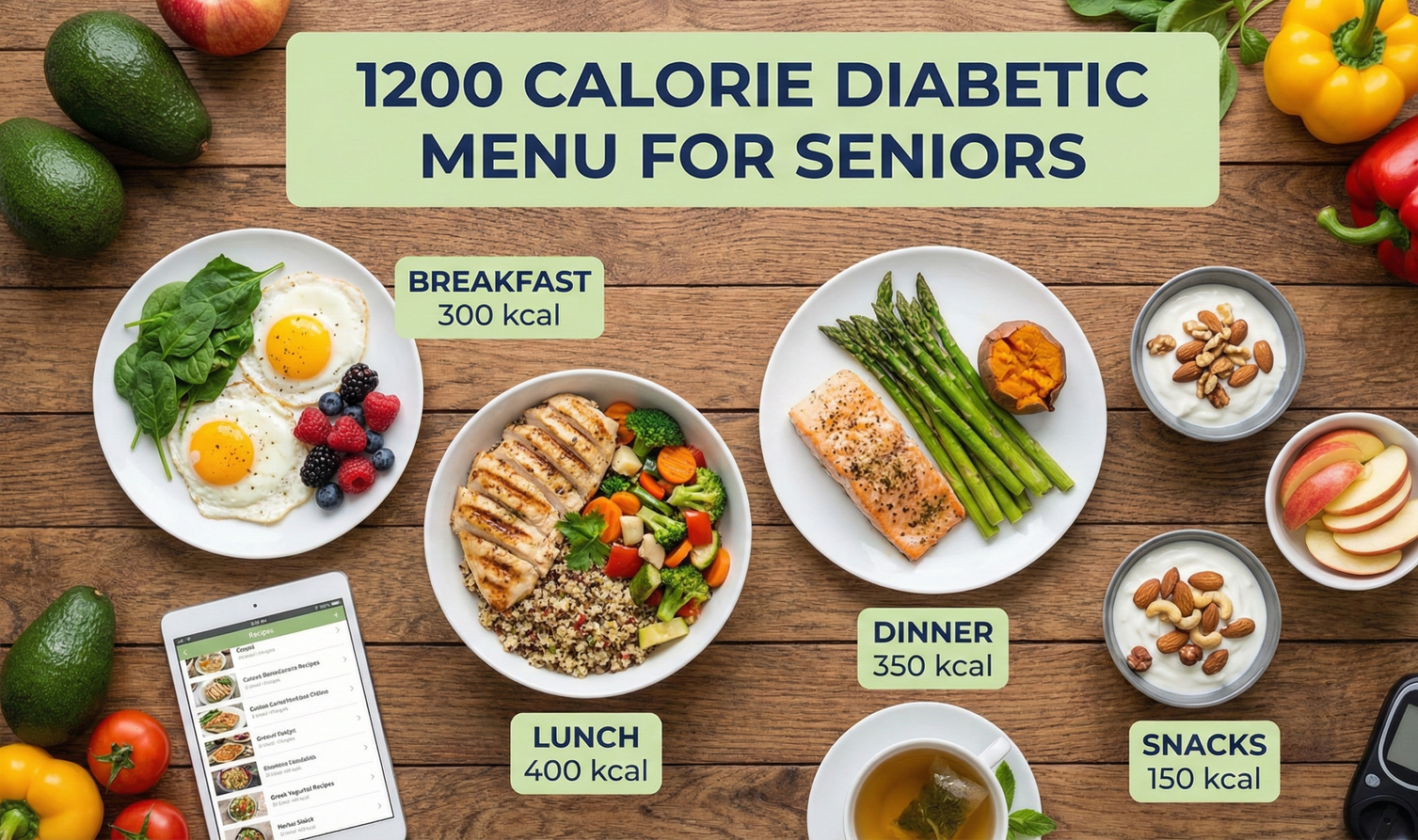
The Strategic 1200 Calorie Diabetic Menu for Seniors: Balancing Weight and Vitality
Aging with diabetes presents a unique nutritional puzzle. The metabolism naturally slows, muscle mass (sarcopenia) becomes a concern, and the risk of insulin resistance often climbs. For many older adults, losing even 5–10% of body weight can significantly improve blood sugar control, reduce medication dependence, and boost energy. But weight loss must be approached cautiously — aggressive calorie cuts can backfire, leading to muscle loss and frailty.
That’s why a carefully constructed 1200 calorie diabetic menu for seniors can be a powerful tool — but only if it’s nutrient-dense and senior-specific. Every calorie must work hard to provide protein for muscles, fiber for glucose stability, and essential vitamins for bone and immune health. This plan is designed with petite, sedentary seniors in mind (often women over 65) who need a structured deficit to jumpstart weight loss. For those needing a slightly higher intake, our 14-day diabetic meal plan offers a moderate 1500-calorie framework.
Below you’ll find a 7-day rotation that prioritizes simplicity, soft textures (considering dental health), and affordability. Each day totals roughly 1200 calories, distributed to prevent glucose spikes and preserve energy. Beyond the meal plan itself, this comprehensive guide also covers glycemic index education, carb counting fundamentals, hydration for seniors, safe exercise pairings, medication timing considerations, blood glucose monitoring routines, a printable grocery list, dining-out strategies, sleep’s impact on blood sugar, anti-inflammatory eating, and much more — making it one of the most thorough senior diabetic diet resources available.
⚠️ Medical Caution: 1200 Calories Is Not For Everyone
A 1200-calorie diet is considered a low-calorie level. While it can be effective for weight loss in smaller-framed, less active seniors, it may be insufficient for men, taller women, or those who remain physically active. Restricting too severely can lead to unintended weight loss of muscle, electrolyte imbalances, and increased risk of hypoglycemia. Always consult your physician or a registered dietitian before adopting this or any calorie-restricted menu, especially if you take insulin or sulfonylureas. Blood glucose monitoring is essential during the first few weeks.
Designing a Senior-Safe 1200 Calorie Day
To make 1200 calories sustainable, we spread them across three meals and one smart snack. The goal is to provide steady energy and prevent the “hangries.” Here’s the macro strategy:
- ~300 cal Breakfast: high in protein (≥20g) to preserve muscle and enhance satiety; includes fiber-rich carbs for morning energy.
- ~350 cal Lunch: lean protein + colorful veggies + complex carb; keeps afternoon glucose steady.
- ~400 cal Dinner: moderate protein, healthy fats, and low-glycemic vegetables; designed to avoid overnight hypoglycemia.
- ~150 cal Evening Snack: optional but recommended for those on insulin; combines protein and a small carb to stabilize morning readings.
This structure also aligns with the American Diabetes Association’s general guidance for older adults: consistent carbohydrate intake at meals, adequate protein, and reduced saturated fat. If you prefer more flexibility, our weekly diabetic meal plan offers similar principles at higher calorie levels.

Precision is Key at 1200 Calories
With a limited calorie budget, guessing portion sizes can easily add 100–200 unexpected calories. A simple digital scale with a backlit display helps you accurately measure chicken, fish, grains, and even snacks. It’s an essential tool for anyone serious about a 1200 calorie diabetic menu for seniors.
Check Price on AmazonYour 7-Day 1200 Calorie Senior Menu
All meals are chosen for ease of preparation, softness (where needed), and nutrient density. Estimated calories are approximate; using a food scale is recommended.
Day 1: Protein-First Breakfast
- 295 cal Breakfast: 2 scrambled eggs (cooked in 1 tsp olive oil) with 1 cup fresh spinach wilted in. 1 slice thin whole-grain toast (like Dave’s Killer Bread 21 Grains, thin-sliced) with a light spread of butter. Black coffee or tea.
- 345 cal Lunch: Tuna salad: 3 oz water-packed tuna (drained), 1½ tbsp light mayonnaise, diced celery and red onion. Serve over 2 cups mixed greens with a drizzle of balsamic vinegar. One small apple (about 4 oz) on the side.
- 405 cal Dinner: 4 oz baked chicken breast seasoned with garlic powder and paprika. ½ cup steamed broccoli florets (fork-tender). ½ cup roasted sweet potato cubes (tossed in 1 tsp olive oil, roasted until soft).
- 150 cal Snack: 1 part-skim mozzarella string cheese (80 cal) + 5 small whole-grain crackers (70 cal).
Day 2: Heart-Healthy Omega-3s
- 300 cal Breakfast: ½ cup cooked rolled oats (made with water, cooked soft) mixed with 1 scoop (25g) unflavored or vanilla whey protein. Top with ¼ cup blueberries and 1 tbsp chopped walnuts. Cinnamon to taste.
- 350 cal Lunch: 1 cup lentil soup (low-sodium, if canned; add extra veggies). Side salad: 1½ cups romaine, cucumber, tomato with 2 tsp olive oil + lemon juice. Lentils provide soluble fiber for blood sugar control.
- 400 cal Dinner: 3 oz baked salmon (wild-caught if possible), brushed with 1 tsp maple syrup and mustard. 1 cup roasted asparagus (tossed with 1 tsp olive oil, salt-free seasoning). ⅓ cup cooked quinoa.
- 150 cal Snack: ½ cup plain Greek yogurt (nonfat) with 2-3 crushed raspberries (adds sweetness).
Day 3: Easy Digestion & Smoothie
- 295 cal Breakfast: Berry protein smoothie: ½ cup frozen mixed berries, ½ small banana, 1 cup unsweetened almond milk, 1 scoop (25g) vanilla protein powder. (Blend until smooth; easy on teeth).
- 350 cal Lunch: Open-faced egg salad sandwich: 2 hard-boiled eggs mashed with 1 tbsp plain Greek yogurt + mustard. Serve on 1 slice whole-grain toast. Side of ½ cup cucumber slices.
- 400 cal Dinner: Turkey meatloaf (3 oz cooked slice) made with lean ground turkey, oats, onion. Serve with 1 cup mashed cauliflower (steamed then mashed with 1 tbsp light cream cheese) and ½ cup green beans (cooked tender).
- 150 cal Snack: 3 cups air-popped popcorn (no butter) sprinkled with nutritional yeast for a cheesy flavor and B vitamins.
If you’re new to meal planning, our 1-day simple diabetic menu offers a gentle introduction.
Day 4: Plant-Forward & Calcium Rich
- 290 cal Breakfast: 1 cup low-fat cottage cheese (creamy, high protein) with ½ cup sliced peaches (canned in juice, drained). Sprinkle of cinnamon.
- 360 cal Lunch: Vegetable frittata wedge: 2 eggs + 1 oz cheddar, baked with diced bell peppers, onions, mushrooms. 1 small orange (eaten slowly, provides vitamin C).
- 400 cal Dinner: 3 oz lean beef strips (stir-fried with 1 tsp sesame oil). Add 1 cup broccoli florets and ½ cup bell peppers, 1 tbsp low-sodium soy sauce, ginger. Serve over ½ cup cauliflower rice (steamed).
- 150 cal Snack: 10 raw almonds (dry roasted, no salt).
Day 5: Comfort Food Lightened Up
- 300 cal Breakfast: 1 poached egg on ½ whole wheat English muffin. ½ grapefruit (if on statins, check with doctor; otherwise enjoy).
- 350 cal Lunch: Leftover beef stir-fry (from Day 4) — reheat gently.
- 400 cal Dinner: 4 oz baked cod or tilapia with lemon, dill, and 1 tsp butter. ½ cup stewed tomatoes (low sodium). 1 small baked potato (3 oz) with skin (fiber) and 1 tbsp sour cream.
- 150 cal Snack: Sugar-free gelatin cup with 2 tbsp light whipped topping.
Day 6: Soup & Salad Saturday
- 300 cal Breakfast: Two-egg omelet with 1 slice low-fat American cheese, ¼ cup diced tomato. Serve with ½ cup diced melon.
- 350 cal Lunch: 1 cup minestrone soup (check sodium; choose low-salt). 5 whole-grain crackers (like Triscuit Thin). Small side of carrot sticks.
- 410 cal Dinner: Zucchini noodles (1 large spiralized zucchini) with 3 oz lean ground turkey marinara sauce (½ cup marinara, no sugar added). Sprinkle 1 tbsp Parmesan. Turkey provides iron and protein without excess calories.
- 140 cal Snack: 1 hard-boiled egg (peeled, sprinkle of paprika).
For lower-carb variations, check our low-carb weekly diabetic menu for ideas.
Day 7: Simple Sunday Roast
- 300 cal Breakfast: 2 small protein pancakes (using ¼ cup almond flour, 1 egg, 1 scoop protein powder, baking powder). Serve with 2 tbsp sugar-free syrup and ¼ cup sliced strawberries.
- 350 cal Lunch: Spinach salad: 2 cups baby spinach, 3 oz grilled chicken strips, ¼ cup sliced strawberries, 1 tbsp chopped pecans, 2 tbsp light balsamic vinaigrette.
- 400 cal Dinner: 3 oz roasted pork loin (trimmed of fat). ½ cup roasted carrots and ½ cup roasted turnips (tossed with rosemary and 2 tsp olive oil).
- 150 cal Snack: 1 small ripe pear (sliced).
This rotation provides variety while respecting the 1200-calorie boundary. For a longer commitment, adapt our 30-day diabetic menu using these senior-friendly modifications.
Understanding the Glycemic Index: Your Blood Sugar Road Map
One of the most powerful — yet underused — tools for senior diabetics is the glycemic index (GI). Every carbohydrate-containing food you eat affects your blood glucose differently, and the GI tells you exactly how fast. On a scale of 0 to 100, foods rated 55 or below are considered low-GI, 56–69 medium-GI, and 70 or above high-GI. Pure glucose scores 100 — the fastest possible blood sugar spike. For seniors managing type 2 diabetes on a 1200 calorie plan, choosing predominantly low- and medium-GI foods is one of the most effective ways to smooth out glucose fluctuations without drastically reducing total carbohydrate intake.
Here’s something critically important that most articles miss: the GI of a food changes when you combine it with fat, protein, or fiber. A baked potato eaten alone spikes blood sugar rapidly (GI ~85). The same potato eaten with 1 tbsp sour cream and a side of grilled chicken has a meaningfully lower effective glycemic impact because fat and protein slow gastric emptying. This is why the meals in this menu always pair carbohydrates with protein or healthy fat — it’s not just about flavor, it’s a deliberate blood-glucose-management strategy.
Glycemic Index Reference Table for Senior Diabetics
Use this table to make informed substitutions within your 1200-calorie day. Swap high-GI foods for their low-GI equivalents whenever possible while staying within your calorie budget.
| Food | GI Score | Category | Senior-Friendly Swap |
|---|---|---|---|
| White bread (1 slice) | 75 | High | Thin whole-grain bread (GI ~50) |
| Instant oatmeal | 79 | High | Rolled oats, cooked slow (GI ~55) |
| White rice (½ cup) | 73 | High | Cauliflower rice (GI ~15) or barley (GI ~28) |
| Watermelon (1 cup) | 76 | High | Berries (GI ~25–40) or cantaloupe (GI ~65) |
| Boiled potato (medium) | 82 | High | Small sweet potato (GI ~54) or turnip (GI ~30) |
| Cornflakes cereal | 81 | High | Bran flakes (GI ~74) or All-Bran (GI ~42) |
| Soda crackers | 74 | High | Whole-grain Triscuits (GI ~67) or rye crispbreads (GI ~63) |
| Whole wheat bread | 69 | Medium | 100% stone-ground whole wheat (GI ~52) |
| Brown rice (½ cup) | 68 | Medium | Quinoa (GI ~53) or lentils (GI ~32) |
| Banana (medium, ripe) | 62 | Medium | Small green-tipped banana (GI ~42) or apple (GI ~38) |
| Sweet potato (baked) | 54 | Low | Excellent choice — use this often |
| Rolled oats (cooked) | 55 | Low | Already ideal; add cinnamon to lower GI further |
| Lentils (½ cup cooked) | 32 | Low | A superstar for senior diabetics |
| Chickpeas (½ cup) | 33 | Low | Great protein + low-GI carb combination |
| Non-starchy vegetables | 10–20 | Low | Eat freely — they fill you up for almost no calorie cost |
| Greek yogurt (plain, nonfat) | 14 | Low | Perfect protein-rich snack for seniors |
💡 Cinnamon and Blood Sugar: A Natural Ally
Research suggests that ½–1 teaspoon of Ceylon cinnamon per day may modestly improve insulin sensitivity in type 2 diabetics. It’s a zero-calorie addition to oatmeal, yogurt, coffee, and smoothies that also lowers the effective GI of a meal by slowing the digestion of carbohydrates. Use Ceylon cinnamon (not cassia) to avoid excessive coumarin intake, which can be hard on the liver at high doses.
Glycemic Load vs. Glycemic Index: The Difference That Matters
Many seniors learn about GI but overlook the concept of glycemic load (GL), which may actually be more practical. While GI tells you how fast a food spikes blood sugar, glycemic load tells you how much it spikes blood sugar based on a realistic serving size. For example, watermelon has a high GI (76), but a typical 1-cup serving contains so little carbohydrate that its glycemic load is only about 8 — relatively low. Carrots are another example: high GI (71–80) but such a small actual carbohydrate content per serving that their glycemic load is just 2–4. This means you can safely include these foods in your senior 1200-calorie diabetic menu without derailing blood sugar control.
The practical rule: focus on glycemic load for everyday planning. Aim for individual meals with a GL under 20, and a daily total GL under 100 for well-controlled blood sugar. Every meal in this 7-day plan has been designed with this target in mind.
Carb Counting Made Simple for Senior Diabetics
Carbohydrate counting — often called “carb counting” — is a meal-planning method used by millions of diabetics to manage blood sugar by tracking the total grams of carbohydrates consumed at each meal. Unlike calorie counting alone, carb counting specifically targets the macronutrient that has the greatest and most direct impact on postprandial (after-meal) blood glucose levels. For seniors following a 1200 calorie diabetic menu, combining carb counting with portion control creates a powerful double layer of glucose management.
How Many Carbs Per Meal on a 1200-Calorie Senior Plan?
For most senior diabetics aiming for blood sugar control alongside weight loss, a general carbohydrate target of 30–45 grams per main meal and 15–20 grams for snacks is a reasonable starting point. This keeps daily carbohydrate intake at approximately 105–155 grams, which is considered a moderate-carbohydrate approach — low enough to significantly improve glycemic control, but not so restrictive that it causes fatigue or nutritional deficiencies.
Here’s how the 1200-calorie menu in this guide roughly distributes carbohydrates across the day:
| Meal | Target Carbs | Example (Day 2) | Approximate Carbs |
|---|---|---|---|
| Breakfast | 30–40g | ½ cup oats + ¼ cup blueberries | ~35g |
| Lunch | 30–45g | 1 cup lentil soup + side salad | ~38g |
| Dinner | 30–45g | Salmon + ⅓ cup quinoa + asparagus | ~32g |
| Snack | 15–20g | ½ cup Greek yogurt with raspberries | ~12g |
| Daily Total | 105–150g | Moderate carb approach | ~117g |
Reading Nutrition Labels for Carb Counting
For seniors who are new to carb counting, the nutrition label on packaged foods is your most reliable resource. Here’s exactly what to look at:
- Serving Size First: All carbohydrate numbers on a label relate to one serving. If you eat two servings, double all the numbers. This is the most common counting error seniors make.
- Total Carbohydrates: This is the number that matters most. It includes sugars, starches, and fiber.
- Dietary Fiber (subtract it): Fiber is technically a carbohydrate, but it does not raise blood sugar. Some dietitians instruct patients to subtract fiber from total carbs to get “net carbs,” giving a more accurate picture of blood-sugar impact. Example: 30g total carbs − 8g fiber = 22g net carbs.
- Added Sugars: These are the sugars that cause the most rapid glucose spikes. On a senior diabetic meal plan, target foods with less than 5g added sugars per serving.
- Sugar Alcohols: Found in sugar-free products. They are partially digested — typically count half their grams toward your carb total.
🥄 Practical Carb Serving Sizes Seniors Can Memorize
Memorizing visual portions helps when labels aren’t available — useful at family dinners, senior centers, or restaurants:
- 1 slice bread = ~15g carbs
- ⅓ cup cooked pasta or rice = ~15g carbs
- ½ cup cooked oats = ~15g carbs
- 1 small piece of fruit (tennis ball size) = ~15g carbs
- ½ cup canned fruit (in juice) = ~15g carbs
- ¾ cup unsweetened cereal = ~15g carbs
- 1 cup milk or plain yogurt = ~12–15g carbs
- ½ cup starchy vegetables (peas, corn, beans) = ~15g carbs
- 3 cups non-starchy vegetables (raw) = ~15g carbs (high volume, low impact)
1200 Calories vs. Higher Intake: What Fits You?
Selecting a calorie target depends on body size, gender, and activity. Use this table as a rough guide when discussing with your dietitian.
| Feature | 1200 Calorie Plan (this menu) | 1500–1800 Calorie Plan |
|---|---|---|
| Typical Candidate | Sedentary women under 5’4″, petite frame, aiming for 1-2 lb weekly loss | Active women, most men, taller individuals, or those aiming for slow weight loss/maintenance |
| Protein Target | ~70-80g daily (requires intentional protein at each meal) | ~90-110g daily, easier to meet without protein supplements |
| Hunger Management | Requires high-volume veggies, fiber, and strategic snacks | More flexibility; less risk of between-meal hunger |
| Risk of Muscle Loss | Moderate if protein is inadequate — emphasize protein first | Lower risk; easier to preserve lean mass |
| Best For | Older women with type 2 diabetes needing weight loss, limited mobility | Seniors who are active, have higher muscle mass, or are male |

Visualize Your Success
Portion control plates take the guesswork out of meals. They’re designed with sections for non-starchy veggies (half), lean protein (quarter), and carbs (quarter). Perfect for seniors who want a low-tech way to stick to a 1200 calorie diabetic menu without constant weighing.
Check Price on AmazonCritical Nutrients for Seniors on a Calorie Budget
When total food volume is low, you cannot afford empty calories. Here are three nutrients that demand attention:
1. Calcium & Vitamin D — For Bone Resilience
Older adults need 1200 mg calcium and 800–1000 IU vitamin D daily to slow bone loss. This menu includes dairy (yogurt, cheese, milk) at most meals. If you avoid dairy, consider fortified plant milk and discuss supplements with your doctor.
2. Protein — The Anti-Sarcopenia Weapon
Research suggests seniors need 1.0–1.3 g/kg body weight. For a 140 lb senior, that’s 64–82g daily. This 1200-calorie plan is built around that target: eggs, poultry, fish, dairy, and occasional plant proteins. Protein at breakfast (instead of just carbs) preserves muscle better than skewed distribution.
3. Fiber — For Heart and Glucose
Fiber slows glucose absorption and lowers cholesterol. This menu aims for 25g+ fiber per day through oats, lentils, berries, and vegetables. If chewing is tough, opt for cooked vegetables and ground flaxseed stirred into yogurt.
For a more comprehensive senior approach (without the calorie limit), explore our diabetic menu for seniors resource.
Hydration for Senior Diabetics: The Often-Ignored Blood Sugar Factor
Water is the most underrated tool in diabetes management for seniors. Dehydration concentrates glucose in the bloodstream, which can cause blood sugar readings to appear higher than expected — sometimes dramatically so. When blood sugar rises, the kidneys attempt to excrete the excess glucose through urine, which further increases fluid loss and can create a dangerous cycle of worsening dehydration and rising glucose. For seniors already managing type 2 diabetes on a reduced-calorie diet, staying adequately hydrated is as important as any food choice on this menu.
The challenge is that aging significantly dulls the sensation of thirst. Many seniors in their 70s and 80s simply don’t feel thirsty even when their body is becoming dehydrated — a physiological shift that puts them at elevated risk of dehydration-related blood sugar complications, kidney strain, urinary tract infections, and falls (dehydration causes dizziness and cognitive impairment). This means seniors cannot rely on thirst as their hydration guide. Structured, scheduled fluid intake throughout the day is essential.
Daily Hydration Goals on a Senior 1200-Calorie Diabetic Plan
Most senior diabetics should aim for 6–8 cups (48–64 oz) of fluid per day, though individual needs vary based on body size, climate, medications, and activity level. Seniors on diuretic medications (often prescribed for high blood pressure, which frequently accompanies diabetes) may need to discuss their specific fluid targets with their physician, as these medications increase fluid excretion.
Start with 1–2 cups of water before coffee or tea. This counters overnight dehydration and gently supports kidney function. Add a squeeze of lemon for flavor and a small vitamin C boost without impacting blood sugar.
Drink 1 cup of water 15–20 minutes before eating. Research shows pre-meal water consumption reduces overall food intake and helps separate thirst from hunger, which seniors often confuse.
1 cup herbal tea (unsweetened chamomile, peppermint, or ginger) or plain water. Avoid caffeinated beverages in excess — more than 2–3 cups of coffee per day can contribute to mild diuresis.
Another pre-meal cup of water. This also helps moderate appetite, which is beneficial when lunch is only ~350 calories.
1 cup infused water (cucumber + mint, or lemon + ginger) or sparkling water. These zero-calorie options add variety without impacting the 1200-calorie budget.
Pre-dinner water, as before meals. Helps prevent overeating and keeps digestion smooth.
Limit fluids in the 2 hours before bed to reduce nighttime bathroom trips, which disturb sleep and can affect blood sugar regulation the following morning. A small sip with your evening snack is fine.
Beverages to Enjoy and Beverages to Limit
✅ Senior-Friendly Drinks
Plain water, sparkling water (no added sugar), unsweetened herbal teas (chamomile, peppermint, hibiscus), diluted vegetable juice (limit to 4 oz), black coffee (up to 2 cups/day), unsweetened almond or soy milk (count carbs).
⚠️ Limit These
Regular soda (up to 39g sugar per can), fruit juice (high glycemic, calorie-dense), sweetened tea, energy drinks, sports drinks (high sugar unless treating hypoglycemia), alcohol (can cause delayed hypoglycemia, especially with insulin).
🚫 Avoid These
Sweetened coffee drinks (lattes, frappuccinos often contain 300–500 calories and 50–60g sugar), milkshakes, full-sugar flavored waters, coconut water in large quantities (high natural sugars), regular lemonade.
A practical hydration tip: keep a 24 oz water bottle visible on the counter or your dining table. Seniors who see their water are far more likely to drink it consistently throughout the day. If plain water feels boring, cucumber slices, mint leaves, or a few frozen berries can transform it into a satisfying, zero-calorie beverage.
Medication Timing and Meal Coordination for Senior Diabetics
One of the most commonly overlooked aspects of senior diabetic diet guides is the critical interaction between diabetes medications and meal timing. When you eat, how much you eat, and what type of carbohydrates you consume can dramatically affect how your medication works — and incorrect timing can lead to either dangerous low blood sugar (hypoglycemia) or uncontrolled highs. On a calorie-restricted 1200-calorie plan, the stakes are especially high because your meals are smaller and more closely spaced, which changes how medications need to be timed.
The guidance below is general and educational. Never adjust medication timing or dosage without explicit instructions from your prescribing physician or certified diabetes educator (CDE).
Metformin (Glucophage) — Most Common Senior Diabetes Medication
Metformin is the first-line medication for type 2 diabetes and is taken by the majority of senior diabetics. It works by reducing glucose production in the liver and improving insulin sensitivity. The most important dietary consideration with metformin is that it must be taken with food to reduce its well-known gastrointestinal side effects (nausea, diarrhea, stomach upset). On this 1200-calorie plan, take metformin with your largest meal — typically dinner — or split the dose between breakfast and dinner as your doctor prescribes. Never take metformin on an empty stomach, and avoid drastically reducing carbohydrates below 100g/day without medical supervision, as extreme low-carb diets combined with metformin can sometimes cause lactic acidosis risk discussions with your doctor.
Seniors taking metformin long-term (more than 4 years) are at significantly elevated risk of vitamin B12 deficiency, which can cause fatigue, nerve tingling, balance problems, and cognitive decline — symptoms often mistakenly attributed to “just aging.” Ask your doctor for annual B12 testing, and consider a B12 supplement (sublingual form is well-absorbed in older adults with reduced stomach acid).
Sulfonylureas (Glipizide, Glimepiride, Glyburide)
Sulfonylureas stimulate the pancreas to produce more insulin regardless of blood sugar level, which means they carry a significant hypoglycemia risk — especially on a calorie-restricted diet like this 1200-calorie plan. These medications must be taken with the first bite of a meal, not before eating, because if you take them and then delay eating (or skip a meal), blood sugar can drop dangerously low. Seniors on sulfonylureas should never skip meals on this plan. If appetite is low, a small snack of at least 15g carbohydrates should be consumed at the scheduled meal time to prevent hypoglycemia. This is particularly important in seniors who may have variable appetites.
GLP-1 Receptor Agonists (Ozempic/Semaglutide, Trulicity, Victoza)
GLP-1 agonists work by mimicking a natural gut hormone that slows gastric emptying, suppresses appetite, and stimulates insulin release only when blood sugar is elevated. They are increasingly prescribed to seniors with type 2 diabetes because of their weight-loss benefits and low hypoglycemia risk (when used alone). On a 1200-calorie diet, the appetite-suppressing effects of GLP-1 agonists can make sticking to the plan easier, but they can also sometimes cause such significant appetite reduction that hitting even 1200 calories becomes difficult. If you’re losing weight faster than 1 lb/week on this combination, consult your physician — you may need to adjust the plan upward slightly to protect muscle mass.
Insulin (Basal and Mealtime)
Seniors using insulin face the most complex medication-meal coordination challenges. Basal insulin (Lantus, Basaglar, Toujeo, Tresiba) is designed for background glucose control and is typically injected once daily, independent of meals. Mealtime or “bolus” insulin (Humalog, NovoLog, Apidra) must be precisely timed to carbohydrate intake — usually injected 0–15 minutes before eating. On a 1200-calorie plan with consistent carbohydrate portions at each meal, insulin doses should become more predictable, which is one benefit of structured eating. However, seniors on insulin should carry a fast-acting glucose source (glucose tablets, 4 oz orange juice, or regular soda) at all times in case of hypoglycemia. Blood glucose monitoring before and 2 hours after meals is essential during the first 2–4 weeks of this reduced-calorie plan to ensure insulin doses remain appropriate for your new, smaller food intake.
⚠️ Starting a Low-Calorie Diet on Insulin or Sulfonylureas
Reducing calories from your usual intake without adjusting insulin or sulfonylurea doses is one of the most common causes of unexpected hypoglycemia in seniors. If you normally eat 1800 calories and transition to 1200, your medication doses were calibrated for the higher intake. Always inform your doctor before starting this plan so doses can be proactively reduced, rather than reactively treating dangerous low blood sugar episodes.
Blood Glucose Monitoring: Your Daily Feedback Loop
Self-monitoring of blood glucose (SMBG) transforms this 1200-calorie diabetic menu from a passive eating plan into an active, responsive tool. Without checking your blood sugar, you’re flying blind — you cannot know which meals cause spikes, whether your portions are working, or whether your medication doses are appropriate for your new eating pattern. For seniors especially, regular monitoring provides the evidence needed to fine-tune every aspect of diabetes management.
Recommended Monitoring Schedule for Seniors on a 1200-Calorie Plan
Your individual monitoring frequency depends on your medications, your physician’s guidance, and your insurance coverage. These are general evidence-based recommendations for seniors starting a calorie-restricted diabetic plan:
- Fasting Blood Glucose (Upon Waking): This tells you how well your body managed blood sugar overnight and reflects the effectiveness of basal insulin or metformin. Target for most seniors: 80–130 mg/dL (per ADA guidelines for older adults). If consistently above 150, discuss with your doctor.
- Before Meals (Pre-Prandial): Useful to ensure you’re starting meals from a stable glucose level. If pre-meal glucose is below 80 mg/dL and you take insulin, discuss with your doctor before eating — this warrants a dose adjustment.
- 2 Hours After Meals (Post-Prandial): This is the most revealing check when starting a new diet. It shows exactly how specific meals affect your glucose. A reading of 180 mg/dL or below at 2 hours post-meal is the ADA’s general target for most adults. If a meal consistently pushes you above 180, identify the high-GI carbohydrate in that meal and reduce or swap it.
- Before Bed: Important for insulin-using seniors. Prevents overnight hypoglycemia. Target: 100–150 mg/dL before sleep to ensure a safe overnight range. If below 100 at bedtime, a 15g carbohydrate snack (half the usual evening snack) may be warranted.
Continuous Glucose Monitors (CGMs): A Game-Changer for Senior Diabetics
Traditional fingerstick glucose meters provide a snapshot every time you test. Continuous glucose monitors (CGMs) — such as the Dexterity G7, FreeStyle Libre 3, and Stelo — provide a complete real-time picture of blood sugar trends 24 hours a day with no fingersticks required. A small sensor is placed on the skin (typically the upper arm or abdomen) and wirelessly transmits glucose readings every 5 minutes to a smartphone or dedicated reader.
For seniors on a 1200-calorie diabetic menu, CGMs offer several specific advantages. They can reveal how individual meals affect glucose in ways that episodic fingerstick testing misses entirely — for example, showing that your “healthy” oatmeal breakfast causes a 60-point spike, or that the evening snack is helping prevent overnight lows. Many seniors find that seeing real-time glucose data on their phone makes the diet more motivating and concrete. Medicare now covers CGM for many seniors with type 2 diabetes who meet eligibility requirements. Ask your endocrinologist or primary care physician if a CGM is appropriate for your situation.
📊 Target Blood Glucose Ranges for Senior Diabetics (ADA 2024)
Note: These targets may be adjusted by your physician based on your overall health, life expectancy, and risk of hypoglycemia. Older, more frail seniors are often given slightly higher glucose targets to prevent dangerous low blood sugar.
- Fasting / Before Meals: 80–130 mg/dL
- 2 Hours After Meals: Under 180 mg/dL
- Bedtime: 100–150 mg/dL
- A1C Target: Under 7.5% for most seniors (higher targets may be appropriate for frail elders)
Senior-Safe Exercise to Amplify This 1200-Calorie Diabetic Plan
Diet and exercise are not separate strategies for managing diabetes — they are two halves of a single approach. The combination of a 1200 calorie diabetic diet for seniors with even modest, regular physical activity produces results that neither achieves alone. Exercise improves insulin sensitivity for up to 24–72 hours after each session, meaning a 20-minute walk today makes your insulin (natural or injected) work better through tomorrow. It also helps preserve muscle mass during calorie restriction — which is the primary concern when eating at 1200 calories.
The key for seniors is choosing activities that match their actual physical capacity: low joint stress, manageable intensity, and achievable duration. The American Diabetes Association recommends that older adults aim for a minimum of 150 minutes of moderate-intensity activity per week, broken into sessions of at least 10 minutes. For seniors on 1200 calories, this does not mean running or intense gym workouts — it means gentle, consistent movement that the body can sustain long-term.
Exercise Options Ranked by Safety and Effectiveness for Senior Diabetics
🚶 Walking — The Gold Standard for Senior Diabetics
A brisk 20–30 minute walk after dinner is one of the most evidence-backed interventions for post-meal blood sugar management in type 2 diabetics. Studies consistently show post-meal walks reduce after-dinner glucose spikes by 20–30% compared to sitting. Start with 10 minutes if needed and build up. Flat surfaces, good shoes, and a companion or phone for safety are the only requirements.
💪 Chair Resistance Exercises — Preserve Muscle on 1200 Calories
Muscle is metabolically active tissue — it burns calories even at rest and acts as a glucose sink that absorbs blood sugar independent of insulin. For seniors on a calorie-restricted diet, maintaining muscle is the top priority. Chair-based resistance exercises using light dumbbells, resistance bands, or bodyweight (seated leg raises, arm curls, shoulder presses) done 2–3 times per week for 20–30 minutes are effective and safe for most seniors with limited mobility. These preserve the muscle that calorie restriction alone would erode.
🏊 Water Aerobics / Swimming — Joint-Friendly Cardio
For seniors with knee, hip, or back pain — which often coexists with diabetes — water-based exercise is transformative. The buoyancy of water eliminates up to 90% of body weight impact on joints, allowing movement that would be impossible on land. Water aerobics classes at community centers and YMCAs are widely available, social (reducing isolation), and highly effective for blood sugar control and cardiovascular health. Aim for 2–3 sessions per week, 30–45 minutes each.
🧘 Tai Chi and Gentle Yoga — Balance, Stress, and Glucose
Falls are the leading cause of injury and disability in seniors with diabetes, partly because peripheral neuropathy (nerve damage from chronically elevated blood sugar) reduces sensation and balance in the feet. Tai chi and gentle chair yoga both significantly improve balance, reduce fall risk, and — importantly — lower stress hormones like cortisol that can raise blood sugar. Research shows regular tai chi practice can reduce A1C by 0.3–0.5% in older adults with type 2 diabetes. These activities are also excellent for mental health and sleep quality, which both indirectly affect blood sugar.
Exercise and Hypoglycemia Risk on 1200 Calories
Seniors on insulin or sulfonylureas need to be especially vigilant about hypoglycemia during and after exercise. Physical activity lowers blood glucose by increasing glucose uptake in muscles — a beneficial effect, but one that can push blood sugar too low when medication is also present. Check blood glucose before beginning any exercise session. If it is below 100 mg/dL, eat a small 15g carbohydrate snack (half a banana, 4 oz of juice, or 3–4 glucose tablets) before exercising. After exercise, check again, as glucose can continue to drop for up to 4 hours (known as delayed exercise-induced hypoglycemia), especially after more vigorous activity. Always carry glucose tablets when exercising away from home.
Meal Prep Strategies for Senior Diabetics on 1200 Calories
The most common reason seniors abandon structured meal plans isn’t lack of motivation — it’s the daily effort of deciding what to cook, shopping for ingredients, and preparing food from scratch three times a day. For seniors with limited energy, mobility challenges, or those living alone, this cognitive and physical burden is real. A weekly meal prep approach solves this problem by concentrating cooking effort into one or two sessions per week, leaving ready-to-eat components available for quick assembly throughout the week.
The Sunday Prep Routine (Approximately 2 Hours)
Choose one day each week — Sunday works well — to prepare the building blocks for the coming week’s meals. Rather than cooking complete meals (which can get soggy or stale), prep the individual components that take the most time and combine them fresh at mealtime.
- Hard-Boil 6–8 Eggs: These keep in the refrigerator for one week in their shells and provide instant high-protein breakfasts, snacks, or salad additions throughout the week. A quick dinner addition or filling snack on 1200 calories, ready in zero extra prep time.
- Cook a Large Batch of Grains: Prepare 2 cups (dry) of quinoa, barley, or rolled oats. Store in airtight containers in the fridge. These reheat in 60 seconds in the microwave and provide the carbohydrate component for multiple meals across the week.
- Roast a Sheet Pan of Vegetables: Toss 4–5 cups of mixed non-starchy vegetables (broccoli, bell peppers, asparagus, zucchini, mushrooms) with 1 tablespoon olive oil and herbs, then roast at 400°F for 25 minutes. These versatile pre-roasted vegetables become lunch salad toppers, dinner sides, or omelet fillings throughout the week with zero additional prep.
- Cook One Large Lean Protein: Bake a full chicken breast (or multiple pieces), or cook a salmon fillet. Slice and refrigerate. This protein can be sliced over salads, added to soups, or served with the pre-roasted vegetables for effortless weekday dinners that stay within the 1200-calorie target.
- Portion Snacks in Advance: Divide almonds into 10-nut portions in small bags or containers. Pre-portion Greek yogurt into ½-cup servings. Cut raw vegetables (celery, cucumber, carrots) and store in water-filled containers to stay crisp. When hunger hits between meals, having pre-portioned snacks prevents the reach for unplanned, calorie-dense foods.
Quick 10-Minute Assembly Meals for Tired Days
Even with batch-cooked components, some days seniors simply need a no-effort meal. These emergency combinations stay within the 1200-calorie budget and require virtually no cooking:
- Pre-cooked chicken strips + 2 cups bagged salad + 2 tbsp light dressing = ~280 calories, 30g protein
- 2 hard-boiled eggs + ½ cup cottage cheese + sliced cucumber = ~250 calories, 28g protein
- 3 oz canned tuna (water-packed) + whole-grain crackers (5) + string cheese = ~280 calories, 25g protein
- ½ cup Greek yogurt + 2 tbsp nut butter + apple slices = ~320 calories, 20g protein
- Microwave frozen edamame (½ cup shelled) + string cheese + cherry tomatoes = ~250 calories, 22g protein
Senior Diabetic 1200-Calorie Grocery Shopping List
Shopping with a targeted list prevents impulse purchases of high-calorie, high-GI foods and ensures your kitchen is always stocked with the building blocks of this plan. The items below cover one full week of the 7-day menu above, with modest additional staples for flexible assembly meals. Estimated weekly cost for one person: $65–$90 depending on your location and store choices. Buying frozen fish and frozen vegetables significantly reduces cost without reducing nutritional value — frozen produce is often more nutrient-dense than fresh produce that has been in transit for days.
🥩 Proteins
- 4 chicken breasts (boneless, skinless)
- Wild-caught salmon (3 portions, ~3 oz each, frozen OK)
- Cod or tilapia (2 portions)
- Lean ground turkey (1 lb)
- Pork loin (trimmed, ~12 oz)
- Lean beef strips (6 oz)
- 12 large eggs
- 2 cans water-packed tuna (5 oz each)
- Whey protein powder (1 small container)
🥦 Vegetables
- Fresh spinach (10 oz bag)
- Broccoli (2 heads or 1 large frozen bag)
- Asparagus (1 bunch)
- Zucchini (3 medium)
- Bell peppers (3 mixed colors)
- Mushrooms (8 oz)
- Cherry tomatoes (1 pint)
- Cauliflower (1 head, for rice + mash)
- Baby spinach (5 oz bag)
- Green beans (12 oz)
- Carrots (1 lb)
- Cucumber (2)
🍓 Fruits
- Blueberries (1 pint, fresh or frozen)
- Raspberries (6 oz)
- Strawberries (1 pint)
- Apples (4 small)
- Oranges (2)
- Pear (2 small)
- Peaches (canned in juice, 1 small can)
- Grapefruit (1, if not on statins)
🌾 Grains and Starches
- Rolled oats (18 oz container)
- Quinoa (1 lb bag)
- Whole-grain thin-sliced bread (1 loaf)
- Whole wheat English muffins (1 pkg)
- Whole-grain crackers (Triscuits or Wasa)
- Sweet potatoes (3 small)
- Small potatoes (3 oz portions)
- Lentil soup (2 low-sodium cans)
🧀 Dairy and Refrigerated
- Plain nonfat Greek yogurt (32 oz)
- Low-fat cottage cheese (16 oz)
- Part-skim mozzarella sticks (6-pack)
- Reduced-fat cheddar (4 oz block)
- Light cream cheese (4 oz)
- Light mayonnaise (small jar)
- Unsweetened almond milk (1/2 gallon)
- Parmesan, grated (2 oz)
🫙 Pantry Staples
- Extra virgin olive oil
- Sesame oil (small bottle)
- Low-sodium soy sauce
- No-sugar-added marinara (1 jar)
- Balsamic vinegar / light vinaigrette
- Mustard (Dijon)
- Nutritional yeast (for B12 + cheesy flavor)
- Cinnamon (Ceylon preferred)
- Garlic powder, paprika, herbs
- Ground flaxseed (for fiber + omega-3)
- Minestrone soup (low-sodium can)
- Sugar-free syrup (small bottle)
Dining Out on a 1200-Calorie Diabetic Senior Diet
Social dining is an important part of healthy aging, and avoiding restaurants entirely is neither realistic nor desirable for most seniors. The goal is not to opt out of dining out — it’s to develop confident, practical strategies that allow seniors to enjoy meals with family and friends while staying within the 1200-calorie diabetic framework. With the right approach, virtually any restaurant can accommodate a senior diabetic’s dietary needs.
Restaurant Ordering Strategies for Senior Diabetics
🍽️ Split the Entree
Most restaurant portions are 1.5–2x the appropriate serving size for a 1200-calorie plan. Immediately ask for a to-go box when your food arrives, divide the plate in half, and box half before eating. You’ve just saved 300–500 calories and have a ready-made next-day lunch.
🔄 Smart Substitutions
Ask for steamed vegetables instead of mashed potatoes or fries. Dressing on the side (dip fork before each bite to use 1/4 of the amount). Plain water with lemon instead of soda. Broth-based soups instead of cream-based. Grilled, baked, or broiled proteins instead of fried or breaded.
🥗 Safe Menu Choices
Grilled fish, chicken, or lean beef with steamed vegetables is a reliable choice at most restaurants. Salads with protein and dressing on the side. Soups (broth-based, low-sodium when possible). Sashimi at Japanese restaurants (low-calorie, high-protein, zero carbs). Greek salad with grilled chicken at Mediterranean restaurants.
⏰ Don’t Arrive Starving
Eat a small 100-calorie protein snack (string cheese, 10 almonds, or a hard-boiled egg) 30–60 minutes before the restaurant. Arriving even mildly satiated dramatically reduces the temptation to order high-calorie appetizers or overeat the breadbasket.
Best Fast-Food Options for Senior Diabetics on 1200 Calories
Situations arise where fast food is the only option — at a rest stop during travel, at a family gathering, or when caregiving responsibilities leave no time for home cooking. These lower-calorie, lower-GI fast-food options can fit within the 1200-calorie framework:
- Subway / Sandwich shops: 6-inch turkey or veggie sub on whole wheat (no mayo, extra veggies) = ~300 calories, 20g protein. Skip the chips; request apple slices.
- Grilled chicken salads (McDonald’s, Chick-fil-A, Panera): ~300–400 calories with dressing on the side. Choose balsamic vinaigrette over ranch or Caesar. Avoid croutons.
- Chipotle-style bowls: Burrito bowl (no tortilla): brown rice (small scoop) + black beans + fajita veggies + grilled chicken + salsa + lettuce = ~500–550 calories. Skip sour cream and cheese.
- Starbucks protein boxes: The “Eggs and Cheese Protein Box” at approximately 470 calories provides eggs, apple slices, cheese, and whole-grain crackers — a reasonable meal-equivalent option.
Sleep and Blood Sugar: The Hidden Connection for Senior Diabetics
Most diabetic diet guides focus exclusively on food and exercise. What they miss is a factor that can undermine even the most carefully followed meal plan: poor sleep. For senior diabetics on a 1200-calorie plan, inadequate or poor-quality sleep creates a physiological environment that makes blood sugar control significantly harder, appetite regulation nearly impossible, and willpower for healthy eating exhausted before the first meal of the day.
The science is unambiguous: sleep deprivation (less than 6–7 hours per night) measurably impairs insulin sensitivity in as little as three nights. It raises cortisol (a stress hormone that tells the liver to release glucose), increases ghrelin (the hunger hormone), and suppresses leptin (the satiety hormone). For a senior on 1200 calories, elevated ghrelin from poor sleep means the plan feels far more difficult to adhere to — not because of lack of discipline, but because of genuine biological hunger signals being amplified by sleep debt. Studies in older adults specifically have found that improving sleep duration from less than 6 hours to 7–8 hours correlates with meaningful improvements in A1C and fasting glucose, independent of dietary changes.
Sleep Hygiene Strategies for Seniors with Diabetes
- Consistent Sleep-Wake Times: Go to bed and wake at the same time daily, including weekends. This anchors the circadian rhythm, which is often disrupted in seniors and directly regulates cortisol and insulin patterns.
- Evening Blood Sugar Stability: The 150-calorie evening snack in this plan serves double duty — it prevents overnight hypoglycemia and provides stable blood sugar that supports uninterrupted sleep. Going to bed with blood sugar below 100 mg/dL risks a 2:00 AM hypoglycemic episode that disrupts sleep and can be dangerous.
- Limit Caffeine After 12:00 PM: Caffeine has a half-life of 5–7 hours. A 3:00 PM cup of coffee still has half its caffeine active at 8:00 PM, which can interfere with sleep onset. Switch to decaf or herbal tea after noon.
- Avoid Large Meals Within 3 Hours of Bedtime: Late-night eating raises core body temperature and requires active digestion, both of which impair sleep quality. The dinner portion of this 1200-calorie plan is intentionally the largest meal at approximately 400 calories — substantial enough to feel satisfying but not so heavy that it disrupts sleep.
- Darkness and Temperature: The bedroom should be cool (65–68°F is optimal for sleep), dark (blackout curtains help seniors who wake with early morning light), and quiet. Neuropathy-related leg discomfort is a common sleep disruptor for senior diabetics — discuss this symptom with your doctor, as it often responds to improved glucose control and specific medications.
Anti-Inflammatory Eating: The Senior Diabetic Advantage
Chronic, low-grade inflammation is now recognized as both a cause and consequence of type 2 diabetes. It contributes to insulin resistance, accelerates cardiovascular disease (the leading cause of death in diabetics), and promotes the progression of diabetic complications including neuropathy and kidney disease. For senior diabetics, whose immune systems are already less efficient at resolving inflammation, making anti-inflammatory food choices within the 1200-calorie budget can provide benefits that extend far beyond blood sugar control.
The good news is that many of the foods already featured in this 7-day menu — salmon, blueberries, spinach, walnuts, olive oil, turmeric — are among the most potent anti-inflammatory foods in existence. This is not a coincidence: the dietary patterns that best control blood sugar (Mediterranean-DASH hybrid, whole food-based approaches) are also the most anti-inflammatory dietary patterns studied in large clinical trials.
Top Anti-Inflammatory Foods for Senior Diabetics (Already in This Plan)
🐟 Fatty Fish (3x/week)
Salmon, sardines, mackerel, and trout are rich in EPA and DHA omega-3 fatty acids — the most potent anti-inflammatory nutrients in the food supply. Three servings per week significantly lowers CRP (a key inflammation marker) and reduces cardiovascular risk in diabetics. Already featured in this menu on Days 2 and 5.
🫐 Berries (Daily)
Blueberries, raspberries, and strawberries contain anthocyanins, a class of polyphenol that reduces NF-κB inflammatory signaling, one of the main pathways driving diabetic complications. They also have a very low GI and calorie count — making them the perfect fruit choice at every calorie level.
🥬 Dark Leafy Greens (Daily)
Spinach, kale, arugula, and Swiss chard are extraordinarily rich in magnesium, a mineral in which up to 40% of seniors are deficient. Magnesium deficiency is strongly linked to both higher blood sugar and higher inflammation. Getting adequate magnesium through food is more effective and safer than supplementation.
🫒 Olive Oil (Daily)
Extra virgin olive oil contains oleocanthal, a compound with anti-inflammatory effects comparable to low-dose ibuprofen. Replace butter and refined vegetable oils with extra virgin olive oil in all cooking throughout this plan. One to two teaspoons per meal keeps you within the 1200-calorie budget while maximizing anti-inflammatory benefit.
🫚 Walnuts and Almonds (Daily snacks)
Walnuts uniquely contain ALA omega-3s alongside polyphenols and magnesium, making them the most anti-inflammatory of all common nuts. Almonds are rich in vitamin E, an antioxidant that protects LDL cholesterol from oxidation — a key process in diabetic cardiovascular disease. The 10-almond and 1-tbsp walnut portions in this menu are calibrated for both calorie control and maximum anti-inflammatory benefit.
🌿 Turmeric and Ginger
Both of these spices are powerful anti-inflammatory agents with specific benefits for senior diabetics. Turmeric’s active compound (curcumin) has been studied extensively in type 2 diabetes and shown to modestly improve insulin sensitivity and reduce fasting glucose. Ginger reduces post-meal glucose through multiple mechanisms. Add either (or both) to stir-fries, marinades, teas, and smoothies at zero calorie cost.
Foods That Fuel Inflammation: What to Minimize
Just as important as anti-inflammatory additions is reducing pro-inflammatory foods that are calorie-dense, blood-sugar-spiking, and systemically harmful — a triple negative for senior diabetics on 1200 calories. Limit or avoid: refined white flour products (white bread, pastries, crackers made with enriched flour), sugary beverages including fruit juices, processed meats (hot dogs, deli meats high in nitrates and sodium), trans fats (commercially fried foods, some margarines), and highly refined vegetable oils (corn oil, soybean oil) used in most packaged snack foods. Replacing even one processed snack daily with a portion of nuts, berries, or Greek yogurt has measurable anti-inflammatory effects over weeks to months.
Emotional Eating and Stress Management for Senior Diabetics
Stress and emotional eating are among the most underacknowledged barriers to successful diabetes diet management in older adults. Many seniors face a constellation of psychosocial stressors — fixed or reduced income, grief after losing a spouse or longtime friends, isolation, chronic pain, mobility limitations, and uncertainty about health. Each of these stressors triggers the release of cortisol and adrenaline, hormones that directly raise blood glucose levels and simultaneously create cravings for high-carbohydrate comfort foods. The result is a physiological and behavioral double-whammy that can derail even the most motivated senior’s 1200-calorie diabetic plan.
Recognizing the difference between physical hunger and emotional hunger is the first practical skill. Physical hunger builds gradually, is generally satisfied by any nutritious food, and stops when you’re full. Emotional hunger tends to arrive suddenly, targets specific comfort foods (sweets, salty snacks, bread), and often persists even after eating — because food doesn’t resolve the underlying emotional need. On a 1200-calorie budget where every food choice matters, developing even a basic awareness of emotional eating patterns can prevent the unplanned 400-calorie detour that resets a week’s progress.
Practical Strategies for Managing Emotional Eating on 1200 Calories
- The 10-Minute Rule: When a craving strikes outside of a scheduled meal or snack, set a timer for 10 minutes and engage in any other activity — a short walk, a phone call to family, a cup of herbal tea, a puzzle. In clinical research, most emotional eating urges pass within 10 minutes without the need to eat. Physical hunger returns stronger; emotional cravings typically subside.
- Structured Eating Times: The three-meal, one-snack structure of this plan is actually a powerful anti-emotional-eating tool. Knowing exactly when the next eating opportunity arrives removes the “grazing” habit that leads to unconscious calorie accumulation. Seniors who eat at consistent times report less spontaneous emotional eating than those with flexible schedules.
- Lower-Calorie Comfort Food Alternatives: Instead of eliminating comfort foods entirely (which increases cravings), find lower-calorie substitutes. Craving ice cream? ½ cup frozen Greek yogurt with berries satisfies a similar need at 120 calories. Craving chips? 3 cups air-popped popcorn (with nutritional yeast) gives crunchy satisfaction at 100 calories. Craving bread? One slice of thin whole-grain toast with a teaspoon of almond butter provides the carbohydrate comfort at 150 calories.
- Social Eating: Eat with others whenever possible. Research consistently shows that social meals are more satisfying and involve less mindless overeating than solitary meals. For seniors who live alone, senior center lunches, faith community meals, or video calls with family during meals can provide the social connection that makes meals more fulfilling with less food.
- Mindful Eating Practice: Eat sitting down, without screens, with full attention on the food’s flavor, texture, and aroma. Put utensils down between bites. Taking 20 minutes to complete a meal allows the brain’s satiety signals to reach consciousness before you’ve consumed excess calories — and makes a modest 350-calorie lunch feel meaningfully more satisfying.
Frequently Asked Questions
Is 1200 calories enough for a senior diabetic?
For many sedentary, petite senior women aiming for gradual weight loss, 1200 calories can be adequate and safe. However, for active seniors, men, or those with larger frames, a 1200-calorie menu may be too low and risk muscle wasting. A healthcare provider can determine your baseline needs using factors like height, weight, and activity level. This menu should serve as a starting point for discussion, not a rigid rule.
How does calorie restriction affect blood sugar?
Calorie restriction, especially when combined with carbohydrate consistency, typically enhances insulin sensitivity. Lowering total calorie intake reduces the amount of glucose entering the bloodstream and helps lower fasting blood sugar. However, sudden large drops in calories can also trigger hypoglycemia if diabetes medications aren’t adjusted accordingly. Always monitor blood glucose closely when starting a reduced-calorie plan like this 1200 calorie diabetic menu for seniors.
Can I swap meals in this 1200 calorie menu?
Yes, flexibility is encouraged as long as you maintain similar calorie ranges and macronutrient balance (protein ~20-30g per meal, fiber-rich carbs, healthy fats). For example, you can exchange a chicken dinner for a fish dinner of equal calories. The key is to keep portions controlled and avoid processed foods. Swapping also prevents taste fatigue, making the plan more sustainable.
What should I do if I feel hungry on this plan?
Hunger can derail any diet. Prioritize non-starchy vegetables like zucchini, spinach, mushrooms, and bell peppers — they add bulk and fiber for minimal calories. Drink a full glass of water 15 minutes before meals, and include protein at every eating occasion. If hunger persists between meals, a small 50-calorie snack like celery with one tablespoon of peanut butter can help without breaking your budget.
What is the glycemic index and why does it matter for senior diabetics?
The glycemic index (GI) rates foods from 0–100 based on how quickly they raise blood sugar. Low-GI foods (55 or below) cause a slow, gradual glucose rise — ideal for seniors with type 2 diabetes. Medium-GI foods (56–69) can be included in moderation. High-GI foods (70+) should be limited because they spike blood sugar rapidly, making diabetes harder to control. Always pair carbohydrates with protein or fat to further lower the overall glycemic impact of a meal.
Are artificial sweeteners safe for seniors?
In moderation, FDA-approved sweeteners such as stevia, monk fruit, erythritol, and aspartame are considered safe for seniors. They can help reduce sugar intake without spiking blood glucose. However, some older adults may experience digestive discomfort (bloating) with sugar alcohols. Whole foods with natural sweetness, like berries, are always preferable for overall health.
Do I need supplements on a 1200 calorie diet?
Because 1200 calories provides limited food volume, it can be challenging to meet all micronutrient requirements. Senior-specific concerns often include vitamin D (for bone health), vitamin B12 (especially with metformin), and calcium. A daily multivitamin formulated for seniors 50+ may bridge gaps, but always check with your doctor first, as some supplements can interact with medications.
How much water should a senior diabetic drink each day?
Most senior diabetics should aim for 6–8 cups (48–64 oz) of water per day, though individual needs vary based on weight, medications, and climate. Dehydration can cause blood sugar to concentrate and rise. Seniors often have a diminished thirst response, so scheduling water intake throughout the day — rather than waiting until thirsty — is strongly recommended. Herbal teas and infused water without sugar count toward fluid intake.
Is this menu suitable for someone with kidney disease?
No, this menu is not designed for diabetic kidney disease (nephropathy). Renal diets require precise limits on potassium, phosphorus, and sometimes protein. For example, our menu includes high-potassium foods like tomatoes, potatoes, and bananas, which may need restriction in later-stage kidney disease. If you have any kidney impairment, consult a renal dietitian before following any meal plan.
How quickly will I lose weight on this plan?
A healthy, sustainable weight loss for seniors is about 0.5 to 1 pound per week. This gradual pace helps preserve muscle mass and bone density, which are critical for preventing falls and frailty. Rapid weight loss (more than 1.5 lbs/week) can increase the risk of gallstones, nutrient deficiencies, and sarcopenia. Combine this menu with light physical activity as approved by your physician.
Can this menu help lower A1C?
Yes, consistently following a lower-calorie, portion-controlled diabetic menu like this one can lead to improvements in A1C over 2–3 months. By reducing overall calorie intake and focusing on fiber-rich, low-glycemic foods, you help your body use insulin more effectively. Many seniors see their A1C drop by 0.5 to 1 point with combined dietary changes and weight loss.
What if I’m a vegetarian senior?
Vegetarian adaptations are possible: replace meat with tofu, tempeh, eggs, or legumes. For example, swap chicken for ½ cup cooked chickpeas or 3 oz firm tofu. Ensure adequate protein by including Greek yogurt, cottage cheese, and protein powders. Keep an eye on iron and B12; fortified cereals or supplements may be necessary.
Can I exercise on a 1200-calorie diet without losing muscle?
Yes, but protein intake becomes even more critical. Prioritize hitting 70–80g of protein daily and include resistance exercise (chair exercises, light weights, resistance bands) 2–3 times per week. Research shows that combining adequate protein with resistance training almost completely prevents the muscle loss that would otherwise occur on a calorie-restricted diet. Do not add significant cardio volume without increasing protein intake proportionally.
Does poor sleep affect blood sugar control for senior diabetics?
Yes, significantly. Even a few nights of less than 6 hours of sleep measurably reduces insulin sensitivity and raises fasting blood glucose through cortisol elevation. For seniors following a 1200-calorie diabetic plan, adequate sleep (7–8 hours per night) is as important as any food choice for achieving blood sugar targets. Improving sleep hygiene is a legitimate diabetes management intervention that should accompany any dietary change.
How do I manage this diet when dining at a family member’s home?
Communicate your dietary needs in advance — most family members are happy to accommodate a loved one with diabetes. Offer to bring a protein dish and a vegetable side that you know fits your plan. At the meal, use the plate method: fill half your plate with non-starchy vegetables, a quarter with lean protein, and a quarter with the available starch. Decline dessert gracefully by saying you’re saving room, or take a tiny portion and leave most of it. Prioritize the protein and vegetable portions; eat the starch last if still hungry.
A Menu for Health, Not Deprivation
Adopting a 1200 calorie diabetic menu for seniors is about making every bite count. It’s about choosing foods that fuel your body, protect your bones, and stabilize your glucose, allowing you to enjoy your golden years with vitality and energy. Understanding the glycemic index, counting carbohydrates consistently, staying hydrated, coordinating medications with meals, monitoring blood glucose proactively, moving safely within your physical capacity, preparing food efficiently, and managing stress all work together as a unified system of care. No single piece of this plan operates in isolation — each component reinforces the others, and together they create results that are far greater than any one element could achieve alone.
This plan is a template — listen to your body, work with your care team, and adjust as needed. For more variety and meal planning tools, browse our 30-day diabetic menu or jumpstart with our 3-day diabetic meal plan. Remember, sustainable change happens one meal at a time.
Disclaimer: This content is for informational purposes only and is not a substitute for professional medical advice, diagnosis, or treatment. Always seek the advice of your physician or other qualified health provider with any questions you may have regarding a medical condition or dietary changes.