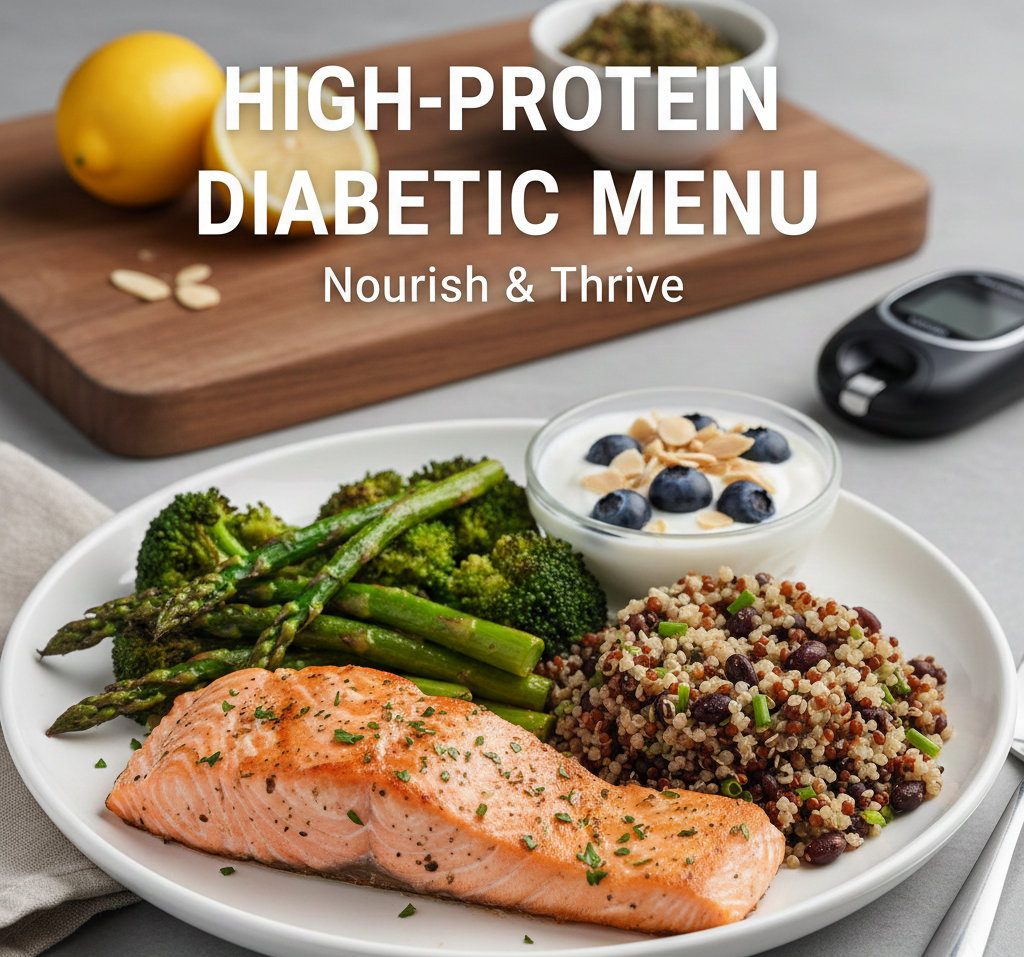
High-Protein Diabetic Menu: The Comprehensive Guide
What You’ll Learn In This Guide
- Why protein matters for blood sugar control
- The science behind protein and glucose
- Best high-protein, diabetes-friendly foods
- A full 7-day menu plan
- Protein powder and shake guidance
- Meal timing, fasting, and exercise pairing
- Eating out and grocery shopping on a budget
- Common myths, mistakes, and FAQs
- Meal prep strategies for the entire week
- Kidney health and protein: what you need to know
- High-protein diabetic recipes and cooking methods
- Seasonal and holiday eating strategies
- Protein and diabetes complications prevention
- Tracking protein intake with apps and tools
- Protein for Type 1 vs. Type 2 diabetes
- International and cultural high-protein options
- Protein and weight loss medications
- Emotional eating and protein’s role in mental health
- Building a sustainable high-protein lifestyle
- Expert recommendations and research updates
Why Protein is a Game-Changer for Diabetes Management
For years, the conversation surrounding diabetes management has revolved almost exclusively around carbohydrates. While managing carbs is undeniably critical, the role of protein has often been relegated to the sidelines. However, a High-Protein Diabetic Menu is increasingly becoming a preferred strategy for those looking to stabilize blood glucose levels, manage weight, and maintain muscle mass.
Unlike carbohydrates, which cause rapid spikes in blood sugar, protein has a minimal impact on glucose levels. It digests slowly, keeping you full for longer periods and preventing the “rollercoaster” effect of sugar highs and crashes. For many, transitioning from a standard diet to a high-protein approach provides the satiety needed to stick to a 1500 calorie diabetic menu or other caloric deficits necessary for weight loss.
This guide will walk you through the science, the food lists, and a practical 7-day plan to integrate high-quality protein into your life without sacrificing flavor or kidney health. We’ll also cover the questions people search for most but rarely find good answers to: how protein interacts with insulin resistance, whether protein shakes are safe for diabetics, how to eat high-protein on a budget, and how to adjust the approach for Type 1 diabetes, gestational diabetes, and older adults with limited mobility or appetite.
The Science: How Protein Affects Blood Sugar
When you eat carbohydrates, your body breaks them down into glucose, entering the bloodstream quickly. Protein is different. It is broken down into amino acids. While some amino acids can be converted into glucose through a process called gluconeogenesis, this process is slow and rarely causes a spike unless protein is consumed in massive excess without other nutrients.
Key Benefits of High-Protein for Diabetics:
- Satiety: Protein reduces the hunger hormone ghrelin. This makes it easier to avoid snacking and adhere to strict plans like a 1200 calorie diabetic menu if weight loss is your goal.
- Thermic Effect of Food (TEF): Your body burns more calories digesting protein than it does digesting fats or carbs.
- Muscle Preservation: Diabetic adults are at higher risk for sarcopenia (muscle loss). Adequate protein intake counters this, especially for seniors following a diabetic menu for seniors.
- Insulin Sensitivity: Building muscle through protein intake and exercise improves the body’s ability to use insulin effectively.
Protein and Insulin Resistance: The Deeper Connection
Insulin resistance sits at the center of most Type 2 diabetes cases, and muscle tissue is one of the largest storage sites for glucose in the body. When muscle mass declines, so does the body’s capacity to clear glucose from the bloodstream efficiently. This is one reason low-muscle, sedentary individuals often see worsening glucose control over time, even without significant weight gain.
Adequate protein intake, particularly when paired with resistance training, supports the maintenance and growth of muscle tissue. More muscle means more “storage space” for glucose, which in practical terms can translate into steadier post-meal blood sugar readings and improved fasting glucose over months of consistent effort. This is not an overnight fix, but it is one of the more durable, non-pharmaceutical levers available to people managing insulin resistance.
The Second-Meal Effect
A lesser-known phenomenon called the “second-meal effect” shows that a high-protein, fiber-rich breakfast can improve glucose tolerance at lunch, even if the lunch itself is unremarkable. This is partly due to changes in gut hormone signaling and slower gastric emptying triggered by the earlier protein-rich meal. Practically, this means starting your day with eggs, Greek yogurt, or a protein smoothie may pay dividends well beyond breakfast itself.
How Much Protein Is “High Protein”?
Standard dietary guidelines for the general population often recommend 10–35% of calories from protein. A high-protein diabetic menu typically pushes toward the upper end of that range, often 25–35%, with some structured plans (particularly those aimed at weight loss or muscle preservation) reaching closer to 40% for people without kidney impairment. Translated into grams, this often lands between 1.2 and 2.0 grams of protein per kilogram of body weight per day, though individual needs vary based on age, activity level, kidney function, and whether the goal is weight loss, maintenance, or muscle gain.
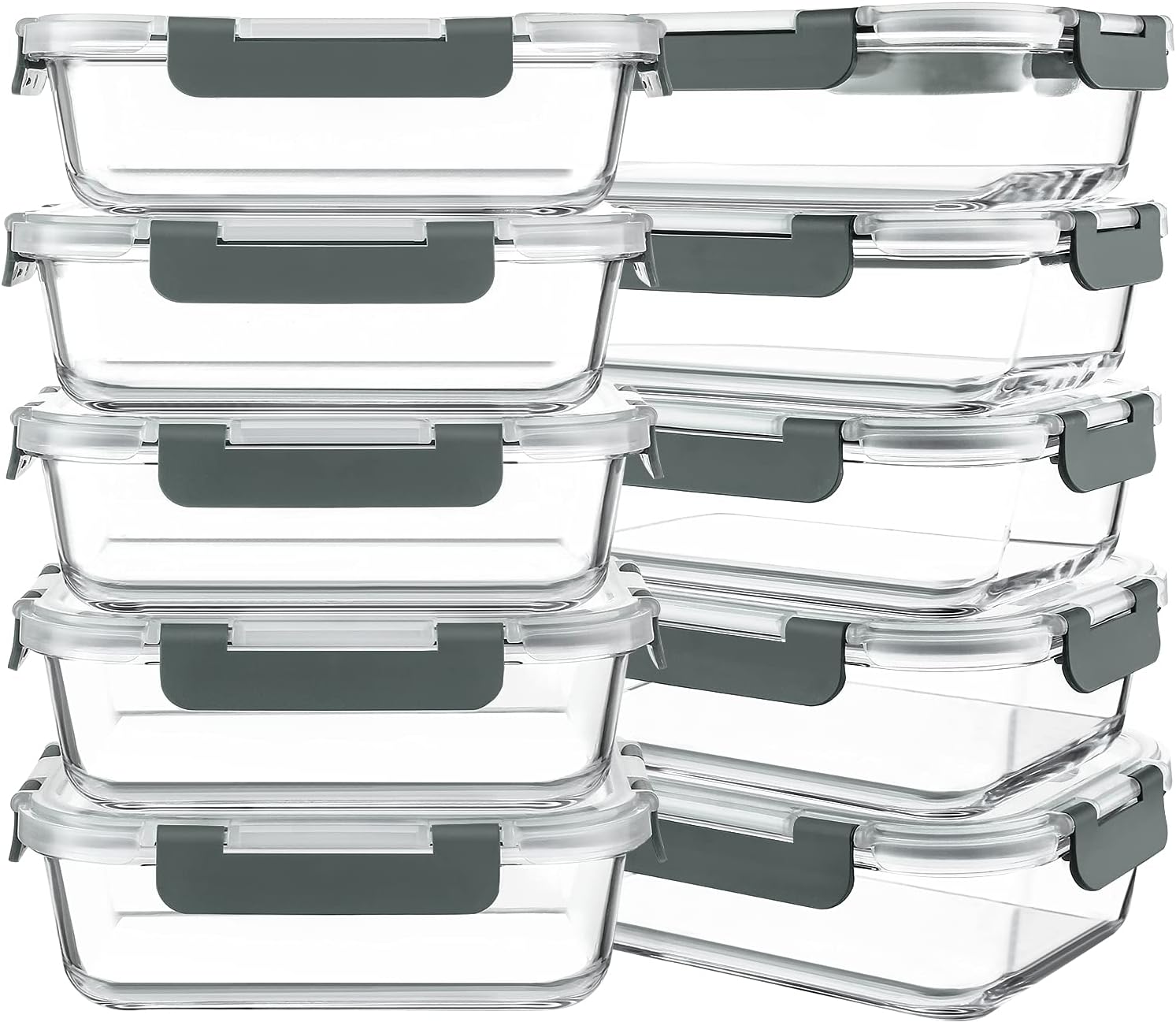
Glass Meal Prep Containers (3 Compartment)
Success on a high-protein diet requires preparation. Keep your grilled meats and veggies fresh and separated with these leak-proof, oven-safe glass containers.
Check Price on AmazonThe “Green Light” List: High-Protein Foods
Building a menu requires knowing your ingredients. Here are the best sources of protein that are also diabetes-friendly.
Lean Animal Proteins
- Chicken Breast: The staple of any high-protein diet. Versatile and lean.
- Turkey: Ground turkey is a great substitute for beef in a low carb weekly diabetic menu.
- Fish: Salmon, tuna, and mackerel provide protein plus Omega-3 fatty acids for heart health.
- Eggs: The “perfect” protein. Hard-boiled eggs are excellent snacks.
- Greek Yogurt: Opt for plain, non-fat or low-fat varieties to avoid added sugars.
Plant-Based Proteins
- Tofu & Tempeh: Excellent absorbers of flavor and very low in carbs.
- Lentils & Beans: High in protein but also contain carbs. Use these carefully if you are on a strict carb limit.
- Edamame: A great snack option.
- Seitan: Known as “wheat meat,” this is almost pure protein.
Protein Density Comparison Table
Not all protein sources are created equal once you factor in carbs and calories. Here’s a quick-reference table for planning meals.
| Food (3.5 oz / 100g) | Protein (g) | Net Carbs (g) | Glycemic Impact |
|---|---|---|---|
| Chicken Breast, skinless | 31 | 0 | Negligible |
| Salmon | 25 | 0 | Negligible |
| Egg (whole) | 13 | 1 | Negligible |
| Greek Yogurt (plain, nonfat) | 10 | 4 | Low |
| Firm Tofu | 15 | 2 | Negligible |
| Lentils, cooked | 9 | 12 | Low-Moderate |
| Black Beans, cooked | 9 | 14 | Low-Moderate |
| Cottage Cheese (low-fat) | 11 | 3 | Low |
| Whey Protein Isolate (powder) | 80–90 | 1–3 | Negligible |
| Edamame, shelled | 11 | 5 | Low |
Notice that legumes carry meaningfully more carbohydrate than animal or soy-based proteins. That doesn’t make them “off-limits” — the fiber in lentils and beans slows glucose absorption and supports gut health — but portion awareness matters more with these foods than with, say, chicken or tofu.
Protein Powders and Shakes: What Diabetics Should Know
Protein powder is one of the most searched-for topics in this space, and for good reason: a shake is often the fastest way to hit a daily protein target, especially for people who don’t have time to cook multiple protein-rich meals.
Which Type of Protein Powder Is Best?
- Whey Protein Isolate: Very low in carbs and lactose, digests quickly, and has strong research support for improving post-meal glucose response when consumed before a carb-containing meal.
- Casein Protein: Digests slowly, making it a reasonable choice before bed to support overnight muscle repair without a blood sugar spike.
- Pea & Plant-Based Blends: A solid option for those who are vegan or lactose-intolerant. Look for blends combining pea, rice, and pumpkin seed protein for a complete amino acid profile.
- Collagen Peptides: Useful for joint and skin support but not a “complete” protein on its own, so it shouldn’t be your only protein source.
What to Avoid on the Label
Many mass-market protein powders marketed for “weight gain” or flavored dessert-style shakes contain 15–25 grams of added sugar per serving, which defeats the purpose entirely. Look for products with under 3 grams of sugar per scoop, and be cautious of maltodextrin, which is technically a carbohydrate with a higher glycemic index than table sugar despite sounding harmless.
Simple Diabetic-Friendly Protein Shake Formula
A reliable base formula: 1 scoop unflavored or vanilla whey/pea isolate, 8–10 oz unsweetened almond or soy milk, a tablespoon of nut butter or a few walnuts for healthy fat, and a handful of spinach or berries for fiber and micronutrients. This combination blunts the shake’s glycemic impact far more than protein powder mixed with water and fruit juice alone.
7-Day High-Protein Diabetic Menu Plan
This meal plan targets approximately 30% to 40% of calories from protein. It is designed to be flexible. If you are a working professional, you might want to cross-reference this with our diabetic menu for working adults for prep-friendly ideas.
Day 1: The Poultry Kickstart
- Breakfast: 3-egg omelet with spinach, mushrooms, and 1 oz feta cheese.
- Lunch: Grilled chicken breast (6oz) over a bed of mixed greens with olive oil vinaigrette.
- Dinner: Turkey meatballs (almond flour binder) with zucchini noodles and marinara sauce.
- Snack: Greek yogurt with a handful of almonds.
Day 2: Seafood & Omega-3s
- Breakfast: Smoked salmon on half a whole-grain bagel with cream cheese.
- Lunch: Tuna salad (made with avocado oil mayo) served in lettuce cups (3 large cups).
- Dinner: Baked Cod with lemon and herbs, served with roasted asparagus and quinoa.
- Snack: Hard-boiled egg and a string cheese stick.
Need something quicker? Try our 1-day simple diabetic menu for busy days.
Day 3: Plant-Powered Protein
- Breakfast: Tofu scramble with turmeric, nutritional yeast, peppers, and onions.
- Lunch: Lentil soup (high fiber) with a side of cottage cheese.
- Dinner: Seitan stir-fry with broccoli, snap peas, and soy sauce (low sodium).
- Snack: Roasted chickpeas.
Day 4: Lean Beef & Iron
- Breakfast: Cottage cheese pancakes (using oats and egg whites) topped with berries.
- Lunch: Leftover steak salad with arugula and balsamic glaze.
- Dinner: Lean ground beef (93/7) chili with kidney beans and diced tomatoes.
- Snack: Protein shake (low carb/sugar-free).
Day 5: The Active Day
If you are exercising heavily today, you might need more fuel. This day aligns closer to a 2000 calorie diabetic menu.
- Breakfast: Greek yogurt bowl with hemp seeds, chia seeds, and walnuts.
- Lunch: Grilled Turkey burger (no bun) with a side of edamame.
- Dinner: Roasted Chicken Thighs with Brussels sprouts and a small sweet potato.
- Snack: Beef jerky (sugar-free) and celery sticks.
Day 6: Batch Cooking Prep
- Breakfast: Egg white frittata muffins (make a batch for the week).
- Lunch: Rotisserie chicken shreds mixed with salsa and avocado.
- Dinner: Pork tenderloin medallions with steamed cauliflower mash.
- Snack: Pumpkin seeds.
Planning for the long haul? Review our weekly diabetic meal plan strategies.
Day 7: The Reset
- Breakfast: Protein smoothie (Whey isolate or Pea protein, spinach, almond milk, peanut butter).
- Lunch: Shrimp cocktail with a large side salad.
- Dinner: Grilled salmon with sautéed kale and garlic.
- Snack: Cottage cheese with cucumber slices.
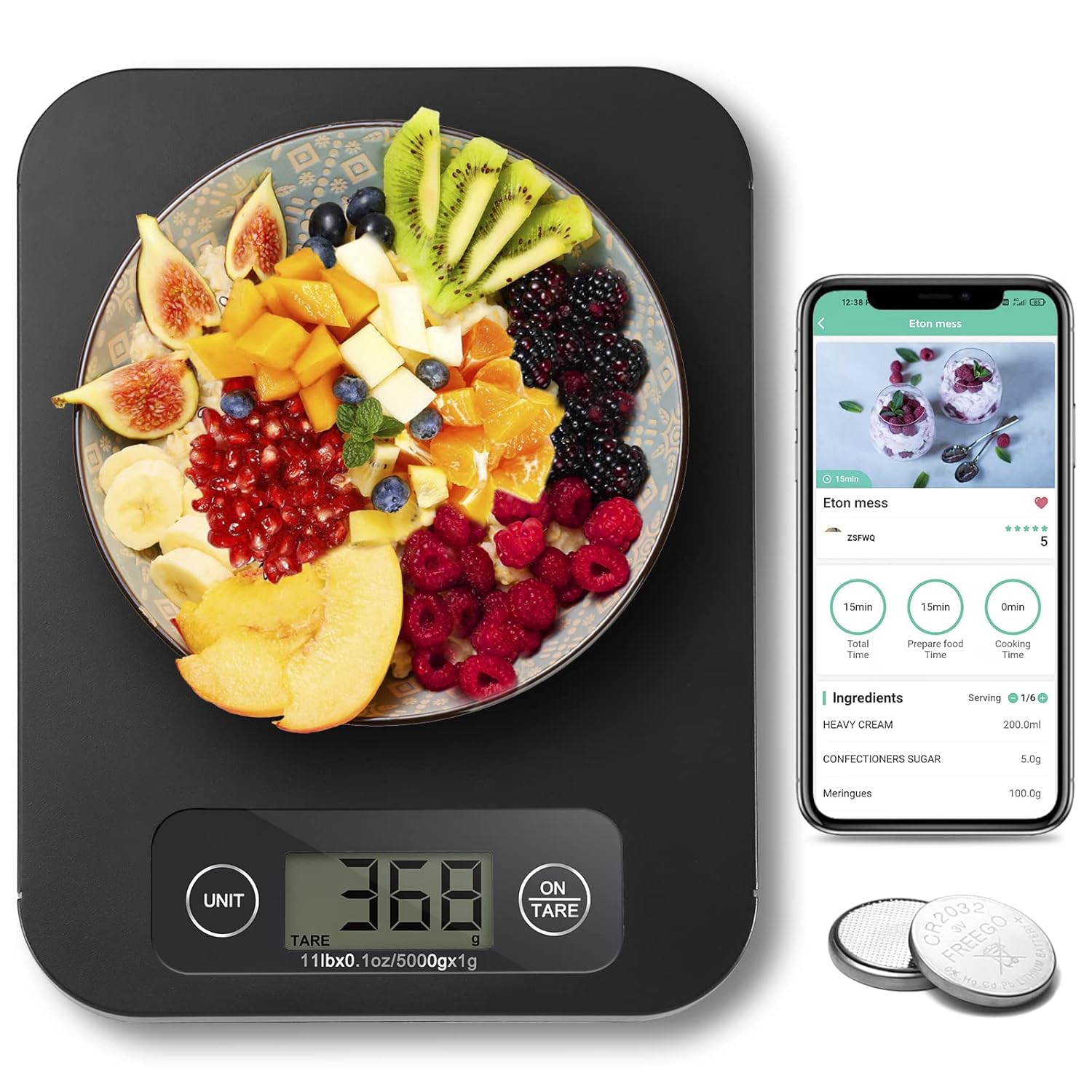
Precision Digital Kitchen Scale
When eating high protein, portion size matters. 6oz of steak has very different macros than 10oz. Remove the guesswork with this precise scale.
Check Price on AmazonHigh-Protein Diabetic Snacks (Ready in 5 Minutes or Less)
Snacking is often where a well-planned diabetic diet falls apart. Having a short list of grab-and-go, high-protein options removes the temptation to reach for crackers or a granola bar.
- String cheese + 10 almonds: Roughly 9g protein, minimal carbs.
- Hard-boiled eggs (2): 12g protein, virtually zero carbs.
- Plain Greek yogurt + cinnamon: 15–20g protein; cinnamon adds flavor without sugar and may modestly support insulin sensitivity.
- Turkey roll-ups with cream cheese and cucumber: A satisfying, carb-light snack that travels well.
- Roasted edamame (1/2 cup): 9g protein plus fiber.
- Tuna packet with a squeeze of lemon: No prep, shelf-stable, and around 20g protein per pouch.
- Sugar-free protein shake: Convenient when you’re out of the house and need something in under a minute.
Diabetic-Friendly Protein Bars: What to Look For
Many “protein bars” on grocery store shelves are candy bars in disguise, loaded with corn syrup solids and sugar alcohols that can still spike some individuals’ blood sugar. When shopping for a diabetic-friendly protein bar, check for: at least 10g of protein, under 5g of net carbs (total carbs minus fiber and sugar alcohols), and no more than 2–3g of added sugar. Bars sweetened primarily with allulose tend to have a gentler glycemic effect than those relying heavily on maltitol, which can cause both blood sugar fluctuations and digestive discomfort in sensitive individuals.
Meal Timing, Intermittent Fasting, and Protein
How you space your protein intake across the day can matter almost as much as the total amount. Research on “protein pacing” suggests that spreading intake across 3–4 meals, with at least 25–30g of protein per meal, produces a stronger effect on satiety and muscle protein synthesis than front-loading or back-loading most of your protein into a single meal.
Intermittent Fasting Combined with High Protein
Some people managing Type 2 diabetes combine a high-protein approach with time-restricted eating (such as an 8-hour eating window). This can work well, but it requires care: skipping breakfast and then under-eating protein for the rest of the day can leave you short of your target and increase the risk of muscle loss during a fast. If you fast, prioritize hitting your protein target within your eating window rather than treating fasting and high-protein eating as separate, unrelated strategies. Anyone on insulin or sulfonylureas should talk to their care team before starting any fasting protocol, since the hypoglycemia risk changes significantly.
Protein Before Bed
A small casein-based snack before bed (such as cottage cheese) has been studied for its ability to support overnight muscle protein synthesis without significantly disturbing fasting glucose the next morning, provided the snack is genuinely low in carbohydrate. This isn’t necessary for everyone, but it can be a useful tool for older adults specifically trying to counter muscle loss.
Pairing High-Protein Eating With Exercise
Diet and movement reinforce each other. Resistance training, in particular, is the single most effective way to make use of the extra protein you’re eating, since muscle tissue is where most amino acids get put to work.
- Resistance Training (2–3x/week): Builds and preserves the muscle tissue that improves long-term insulin sensitivity.
- Post-Workout Protein: Aim for 20–40g of protein within a couple of hours after training to support recovery.
- Walking After Meals: A 10–15 minute walk after a protein-and-carb meal has been shown to blunt the post-meal glucose spike meaningfully.
- Cardio + Protein: Endurance exercise also benefits from adequate protein intake to prevent muscle breakdown, particularly in longer sessions.
Comparison: High Protein vs. Keto vs. Standard ADA
How does a high-protein approach stack up against other popular diabetic diets?
| Diet Type | Primary Macro | Best For | Potential Drawback |
|---|---|---|---|
| High Protein | Protein (30-40%) | Satiety, Muscle Maintenance, Seniors | Can be expensive; Kidney concern for some |
| Keto | Fat (70-75%) | Rapid Glucose Lowering | Difficult to sustain long-term; “Keto Flu” |
| Standard ADA | Balanced (Carbs ~45%) | General Management | Hunger spikes if complex carbs aren’t chosen |
Can You Combine High-Protein With Low-Carb or Keto?
Yes, and many people do. A “high-protein, moderate-fat, low-carb” hybrid is common in practice, even if it doesn’t fit neatly into a single labeled diet. The key distinction from classic keto is that fat isn’t pushed to 70%+ of calories; instead, protein takes a larger share, which tends to be more sustainable for people who find very high-fat eating unappealing or who want more support for muscle maintenance during weight loss.
Adjusting for Specific Needs
Seniors
As we age, chewing tough meats becomes difficult, yet protein needs increase to prevent frailty. If you are caring for an older adult, consider a diabetic menu for elderly with no teeth which focuses on soft proteins like eggs, flaky fish, and smoothies. Furthermore, ensure the total caloric intake is appropriate; a 1200 calorie diabetic menu for seniors is often sufficient.
Teenagers and Pregnancy
Growing bodies and expectant mothers have higher protein requirements for development. A diabetic menu for teenagers must account for growth spurts, while a diabetic menu for pregnant women ensures fetal development without spiking gestational diabetes markers.
Gestational Diabetes and Protein
For gestational diabetes specifically, protein plays a stabilizing role at breakfast, when insulin resistance is naturally highest due to pregnancy hormones. Many people with gestational diabetes find that a carb-light, protein-forward breakfast (eggs, Greek yogurt, or a small amount of cottage cheese) produces far better morning glucose readings than cereal or toast, even when the carb count looks similar on paper. Any dietary change during pregnancy should be reviewed with an OB or a registered dietitian familiar with gestational diabetes.
Type 1 Diabetes Considerations
People with Type 1 diabetes can also benefit from a higher-protein approach, but insulin dosing needs extra attention. Because protein-heavy meals can produce a delayed, smaller glucose rise several hours after eating (particularly with large amounts of protein and fat together), some individuals use extended or dual-wave insulin boluses to match this delayed effect rather than a single up-front dose. This is a conversation to have with an endocrinologist or diabetes educator rather than something to self-adjust.
Budget Considerations
Meat is expensive. To follow this diet on a budget, rely heavily on eggs, canned tuna, and dried lentils. Check out our low income diabetic menu for tips on shopping smart.
Sample Budget Grocery List for One Week
- 2 dozen eggs
- 1 large tub plain Greek yogurt
- 1 whole rotisserie or family-pack chicken thighs
- 2 cans of tuna or salmon
- 1 bag dried lentils
- 1 block firm tofu
- 1 bag frozen shrimp
- Cottage cheese (large tub)
- Frozen mixed vegetables (several bags)
- Peanut or almond butter
- 1 tub unflavored or vanilla whey/pea protein powder
Buying eggs, dried legumes, canned fish, and frozen vegetables in bulk keeps the cost per gram of protein low while still supporting a diabetes-friendly plate.
Eating Out on a High-Protein Diabetic Diet
Restaurants don’t have to derail your plan if you know what to order. A few reliable strategies:
- Steakhouses: Grilled protein plus a non-starchy vegetable side (broccoli, asparagus, or a side salad) instead of mashed potatoes or bread.
- Sushi: Sashimi or “naked” rolls (no rice, wrapped in cucumber or soy paper) keep protein high and carbs low.
- Mexican: Fajita bowls with double meat, lettuce or extra vegetables instead of rice and tortillas, and guacamole instead of sour cream-heavy toppings.
- Fast Casual: Most chicken or salmon salad bowls can be ordered with double protein and a light vinaigrette instead of creamy dressing.
- Breakfast Spots: An omelet or egg-white scramble with a side of turkey bacon travels well across almost any menu.
The general rule: build the plate around the protein first, add a non-starchy vegetable second, and treat starches (bread, rice, pasta, fries) as an optional, small side rather than the base of the meal.
Common Mistakes on a High-Protein Diabetic Diet
- Ignoring fiber: A plate of only meat and cheese, with no vegetables, can lead to constipation and misses out on the blood-sugar-smoothing benefits of fiber.
- Choosing processed protein sources: Bacon, sausage, and deli meats are technically high in protein but also high in sodium and saturated fat. Balance these with leaner options most days.
- Underestimating portion creep: “A serving of chicken” can quietly grow from 4 oz to 10 oz without a scale, which adds unplanned calories even if carbs stay low.
- Not drinking enough water: Higher protein intake increases the kidneys’ workload for filtering nitrogen waste, so hydration needs go up as well.
- Skipping meals then overeating protein at night: This undermines the “protein pacing” benefits and can still spike blood sugar if the late meal is large.
- Assuming all protein bars and shakes are diabetes-friendly: Always check the label; “high protein” marketing doesn’t guarantee low sugar.
Myths vs. Facts About High-Protein Diets for Diabetics
Pros and Cons of a High-Protein Diabetic Diet
The Pros
- Glucose Stability: Avoids the sharp peaks caused by carb-heavy meals.
- Reduced Appetite: Protein is the most satiating macronutrient.
- Metabolic Boost: Higher thermic effect means you burn more calories at rest.
- Bone Health: Contrary to old myths, adequate protein supports bone density.
The Cons
- Kidney Strain: Only a risk if you already have kidney disease (Nephropathy).
- Hydration: High protein requires more water intake to flush byproducts.
- Cost: Protein sources are generally more expensive than grains.
- Fiber Lack: If you ignore veggies, you may become constipated.
Meal Prep Mastery: Batch Cooking for the High-Protein Diabetic
Meal prep is the backbone of any successful high-protein diabetic diet. Without a plan, the convenience of fast food and processed snacks becomes overwhelming, especially on busy weekdays when energy and time are limited. The goal of meal prep isn’t just to save time — it’s to ensure that every meal you eat is aligned with your protein targets and blood sugar goals, without requiring you to think about it in the moment.
Why Meal Prep Works for Blood Sugar Control
When you prepare meals in advance, you eliminate the guesswork that leads to poor choices. You already know the macros, you’ve already portioned the protein, and you’ve already paired it with the right vegetables and fats. This eliminates the “what should I eat?” decision fatigue that often ends with reaching for something convenient but carb-heavy.
Research consistently shows that people who meal prep are more likely to meet their dietary targets. A study published in the International Journal of Behavioral Nutrition and Physical Activity found that individuals who engaged in meal planning were more likely to have a healthier diet quality, better nutrient adequacy, and lower obesity rates. For diabetics specifically, this translates into more stable glucose readings and fewer post-meal spikes caused by unplanned meals.
The Sunday Prep System
The most effective approach for most people is a single “prep day” each week — typically Sunday — where you cook the bulk of your proteins, prepare your vegetables, and assemble meals for the next 4–5 days. Here’s a step-by-step system:
1 Choose 2–3 proteins: Pick a combination like chicken thighs, ground turkey, and hard-boiled eggs. Cooking multiple proteins at once maximizes oven and stove efficiency.
2 Cook in bulk: Bake 2–3 lbs of chicken, brown 2 lbs of ground turkey, and boil a dozen eggs. Use sheet pans for the oven, a large skillet for stovetop cooking, and a simple pot for eggs.
3 Prep vegetables: Wash and chop broccoli, bell peppers, zucchini, and leafy greens. Store in separate containers so you can mix and match throughout the week.
4 Prepare grab-and-go snacks: Portion out Greek yogurt into small containers, pack individual bags of almonds, and stack hard-boiled eggs in the fridge for quick access.
5 Assemble complete meals: For each day, combine a protein with a vegetable and a small portion of complex carbs (if your plan allows). Label each container with the day and meal it’s intended for.
Freezer-Friendly High-Protein Meals
Not everything needs to be eaten fresh within 4 days. Some meals freeze exceptionally well and can be pulled out on nights when you don’t have time to reheat a prepped meal. The best candidates include:
- Turkey meatballs: Freeze on a baking sheet first, then transfer to a freezer bag. Reheat in the oven or microwave.
- Chicken chili: A large batch of white chicken chili freezes beautifully and reheats in minutes.
- Egg white frittata muffins: These can be frozen individually and microwaved for 60–90 seconds for a high-protein breakfast.
- Beef and vegetable stir-fry: Freeze in individual portions and reheat with a splash of water to restore moisture.
- Lentil soup: High in protein and fiber, this freezes well in mason jars (leave headspace) or freezer-safe containers.
Storage and Safety Tips
Cooked proteins should be consumed within 3–4 days when stored in the refrigerator at 40°F (4°C) or below. If you’re prepping for a full work week, plan to eat the more perishable items (fish, shrimp) earlier in the week and save the heartier options (chicken thighs, hard-boiled eggs) for Thursday and Friday. When freezing, use airtight containers or freezer bags and label with the date. Most cooked proteins maintain quality for 2–3 months in the freezer.
Kidney Health and Protein: The Critical Conversation
The relationship between protein intake and kidney health is the single most common concern people raise when considering a high-protein diabetic menu. It’s a legitimate concern — but one that’s often overstated and misunderstood.
What the Research Actually Says
Multiple large-scale studies have examined the relationship between protein intake and kidney function in people with and without diabetes. The consensus: in individuals with normal kidney function, higher protein intake does not cause kidney damage or accelerate kidney disease progression. A landmark study in the American Journal of Clinical Nutrition followed over 1,600 women for 11 years and found no association between high protein intake and declining kidney function.
The concern arises specifically in people who already have diagnosed kidney disease (diabetic nephropathy). In these individuals, the kidneys’ filtering capacity is already compromised, and adding more protein increases the workload on the remaining functional nephrons. This can accelerate the progression of kidney disease and potentially hasten the need for dialysis.
When to Get Your Kidneys Checked
Before starting a high-protein diet, anyone with diabetes should have their kidney function assessed. The two key tests are:
- Urine Albumin-to-Creatinine Ratio (UACR): This detects early kidney damage by measuring albumin (a protein) leaking into the urine. A UACR above 30 mg/g suggests kidney damage.
- eGFR (Estimated Glomerular Filtration Rate): This measures how well the kidneys are filtering waste. A normal eGFR is above 90 mL/min/1.73m². Values below 60 suggest chronic kidney disease.
If both tests are normal, there is generally no medical reason to avoid a high-protein diet. If either test is abnormal, a nephrologist should guide protein intake recommendations.
Protein Limits by CKD Stage
For those with confirmed chronic kidney disease (CKD), protein recommendations are staged:
| CKD Stage | eGFR Range | Recommended Protein (g/kg/day) | Notes |
|---|---|---|---|
| Stage 1–2 | >60 | 0.8–1.0 | May still benefit from moderate protein; monitor closely |
| Stage 3 | 30–59 | 0.6–0.8 | Protein restriction typically begins; dietitian guidance essential |
| Stage 4 | 15–29 | 0.6–0.8 | Low-protein diet with possible keto-analog amino acid supplements |
| Stage 5 (Dialysis) | <15 | 1.0–1.2 | Protein needs increase again due to dialysis losses |
Note the paradox at Stage 5: people on dialysis actually need more protein because the dialysis process itself removes amino acids from the blood. This underscores why blanket recommendations about protein and kidney health are misleading — the right answer depends entirely on individual kidney function.
Hydration: The Unsung Hero
One practical step anyone on a higher-protein diet can take is to increase water intake. Protein metabolism produces urea, a nitrogenous waste product that the kidneys must filter and excrete. Adequate hydration supports this process and helps prevent kidney stones, which can be more common in people eating high amounts of animal protein. A reasonable target is at least 8–10 cups of water per day, with more if you’re physically active or live in a hot climate.
High-Protein Diabetic Recipes: Cooking Methods That Preserve Nutrition
How you cook your protein matters as much as what you cook. Certain methods preserve the nutritional value of protein while minimizing the addition of unhealthy fats, excess sodium, and advanced glycation end products (AGEs) — compounds formed when food is cooked at high temperatures that may worsen insulin resistance.
Best Cooking Methods for Diabetics
- Poaching: Gentle, moist heat that requires no added fat. Excellent for chicken breast, fish, and eggs. Poached salmon with dill and lemon is a simple, elegant dinner that’s virtually carb-free.
- Steaming: Preserves the most nutrients of any cooking method. Ideal for fish, shrimp, and vegetables. A steamed fish fillet with ginger and scallions takes under 10 minutes.
- Grilling: Adds flavor without needing heavy sauces. Marinate chicken or fish in herbs, lemon juice, and olive oil before grilling. Avoid charring, which increases AGE formation.
- Slow Cooking: Breaks down tough cuts into tender, protein-rich meals with minimal effort. A slow cooker chicken thighs with vegetables recipe can be assembled in 10 minutes and ready by dinner.
- Air Frying: A lower-fat alternative to deep frying. Breaded chicken tenders or tofu cubes come out crispy without the added oil.
Methods to Limit
- Deep Frying: Adds significant calories and unhealthy fats. Even “healthy” oils like olive oil break down at deep-frying temperatures and produce harmful compounds.
- Pan Frying with Heavy Sauces: Many stir-fry sauces and marinades are loaded with sugar and sodium. If you pan-fry, use minimal oil and season with herbs and spices instead.
- Charring/Broiling at High Heat: While grilling is fine, cooking at extremely high temperatures (like under a broiler on maximum) creates more AGEs and potentially harmful heterocyclic amines (HCAs) in meat.
10 High-Protein Diabetic Recipes
1. Lemon Herb Baked Salmon
Place a 6oz salmon fillet on a lined baking sheet. Drizzle with olive oil, squeeze fresh lemon juice, and season with garlic, dill, salt, and pepper. Bake at 400°F for 12–15 minutes. Serve with steamed asparagus. Macros: 35g protein, 0g net carbs, 12g fat.
2. Chicken and Vegetable Sheet Pan Dinner
Toss chicken thighs with broccoli, bell peppers, and red onion in olive oil, paprika, garlic powder, and Italian seasoning. Spread on a sheet pan and bake at 425°F for 25 minutes. Macros: 30g protein, 6g net carbs, 14g fat.
3. Turkey Taco Lettuce Wraps
Brown 4oz ground turkey with cumin, chili powder, garlic, and onion powder. Spoon into large romaine lettuce leaves. Top with diced tomato, avocado, and a dollop of Greek yogurt (sour cream substitute). Macros: 28g protein, 4g net carbs, 10g fat.
4. Egg White and Spinach Frittata
Whisk 6 egg whites with a splash of water, salt, and pepper. Pour into an oiled oven-safe skillet with sautéed spinach and mushrooms. Cook on stovetop for 3 minutes, then transfer to a 375°F oven for 8–10 minutes until set. Macros: 22g protein, 2g net carbs, 1g fat.
5. Greek Yogurt Chicken Salad
Mix diced cooked chicken breast with plain Greek yogurt, diced celery, red onion, and a squeeze of lemon. Season with salt, pepper, and fresh dill. Serve over mixed greens or in a lettuce wrap. Macros: 32g protein, 3g net carbs, 4g fat.
6. Tofu and Vegetable Stir-Fry
Press and cube firm tofu. Sauté in a wok with broccoli, snap peas, and bell peppers in sesame oil and low-sodium soy sauce. Add ginger and garlic. Serve over cauliflower rice. Macros: 18g protein, 8g net carbs, 11g fat.
7. Cottage Cheese Berry Bowl
Top 1 cup of low-fat cottage cheese with 1/4 cup blueberries, 1 tbsp chia seeds, and a sprinkle of cinnamon. Macros: 24g protein, 10g net carbs, 2g fat.
8. Shrimp and Avocado Salad
Toss cooked shrimp with mixed greens, avocado, cherry tomatoes, cucumber, and a lime-olive oil dressing. Macros: 26g protein, 5g net carbs, 12g fat.
9. Protein-Packed Beef Chili
Brown lean ground beef with onion, garlic, diced tomatoes, kidney beans, chili powder, and cumin. Simmer for 30 minutes. Serve with a sprinkle of shredded cheese. Macros: 30g protein, 12g net carbs, 8g fat per serving.
10. Overnight Protein Oats
Combine 1/2 cup rolled oats, 1 scoop vanilla protein powder, 1 cup unsweetened almond milk, and 1 tbsp chia seeds. Refrigerate overnight. Top with sliced almonds in the morning. Macros: 28g protein, 20g net carbs, 6g fat.
Seasonal and Holiday Eating on a High-Protein Diabetic Diet
Holidays and seasonal celebrations are often centered around food, and for diabetics, this can be a source of anxiety. The good news: a high-protein strategy actually makes holiday eating easier, not harder, because protein-rich foods are typically the centerpiece of festive meals — turkey, ham, roast beef, seafood, and eggs are all naturally high in protein.
Thanksgiving and Christmas
Traditional holiday meals are surprisingly compatible with a high-protein diabetic approach. The turkey breast is an excellent lean protein source. Build your plate around that, add non-starchy vegetable sides (green beans, roasted Brussels sprouts, cauliflower mash), and limit the starchier sides (mashed potatoes, stuffing, sweet potato casserole) to small portions. Gravy can be thickened with cornstarch, which adds carbs — request it on the side or skip it.
Dessert is where most people struggle. Rather than eliminating dessert entirely (which often leads to overeating later), consider a small portion of a protein-enhanced dessert. Greek yogurt with berries, a small square of dark chocolate, or a protein cookie made with almond flour can satisfy the sweet tooth without causing a major glucose spike.
Summer Barbecues
Grilled meats are a natural fit for high-protein eating. Focus on grilled chicken, steak, burgers (without the bun), and shrimp skewers. Load up on non-starchy vegetable sides like grilled zucchini, corn-free coleslaw, and leafy salads. Be cautious with BBQ sauces, which are often loaded with sugar — choose a sugar-free variety or make your own with tomato paste, vinegar, and spices.
Easter and Brunch Events
Brunch is one of the easiest meals to make high-protein and diabetic-friendly. Eggs in any form — scrambled, poached, in an omelet — are the anchor. Add smoked salmon, turkey bacon, or lean ham for additional protein. Be cautious with pastries, pancakes, and fruit juices, which are carb-heavy. If you want something sweet, a small portion of berries with whipped cream is a reasonable compromise.
Party and Potluck Strategies
When attending events where you can’t control the menu, use the “protein first” strategy. Survey the entire spread before filling your plate. Start with the protein options, then add vegetables. Leave room for only a small portion of any carb-heavy side dish. If you’re bringing a dish, make it a high-protein option that you know is safe — a shrimp platter, a chicken salad, or a veggie tray with Greek yogurt dip are always crowd-pleasers.
Protein and Diabetes Complications: Prevention Through Nutrition
Diabetes complications — neuropathy, retinopathy, cardiovascular disease, and nephropathy — are driven largely by prolonged high blood sugar and systemic inflammation. A high-protein diet can play a meaningful role in reducing the risk of these complications through several mechanisms.
Cardiovascular Protection
Heart disease is the leading cause of death in people with diabetes. Protein-rich foods like fatty fish (salmon, mackerel, sardines) provide omega-3 fatty acids, which have well-documented anti-inflammatory and cardioprotective effects. Replacing refined carbohydrates with lean protein has been shown to improve lipid profiles, reduce triglycerides, and lower blood pressure — all critical factors in preventing cardiovascular events.
A study published in Circulation found that replacing 5% of energy from carbohydrates with protein from plant sources reduced cardiovascular risk by 10%, while replacing carbohydrates with animal protein reduced risk by 12%. This suggests that the type of protein matters: both plant and animal proteins offer cardiovascular benefits when they replace refined carbs.
Neuropathy Prevention
Peripheral neuropathy — nerve damage causing pain, tingling, and numbness in the extremities — affects up to 50% of people with diabetes. While blood sugar control is the primary defense, certain amino acids play a role in nerve health. B vitamins (found in eggs, fish, and poultry) are essential for nerve function, and adequate protein intake ensures a steady supply of the building blocks needed for nerve repair and maintenance.
Additionally, the weight loss often associated with high-protein diets reduces mechanical stress on nerves and improves insulin sensitivity, both of which can slow neuropathy progression.
Wound Healing
People with diabetes are at higher risk for slow wound healing, which can lead to serious infections and, in severe cases, amputation. Protein is essential for tissue repair and immune function. Studies have shown that adequate protein intake accelerates wound healing in diabetic patients. Collagen supplementation, in particular, has shown promise in supporting wound closure, though more research is needed in diabetic populations specifically.
Eye Health
Diabetic retinopathy is a leading cause of blindness. While protein itself doesn’t directly prevent retinopathy, the anti-inflammatory effects of a well-structured high-protein diet — particularly one rich in omega-3 fatty acids from fish — may help reduce the chronic inflammation that contributes to retinal damage. Maintaining healthy blood sugar levels through protein-rich eating is the most important dietary factor in preventing eye complications.
Managing Inflammation
Chronic low-grade inflammation is a hallmark of Type 2 diabetes and a key driver of complications. Certain amino acids, particularly glycine and arginine (found abundantly in bone broth, fish, and poultry), have anti-inflammatory properties. A diet that prioritizes whole-food protein sources over processed carbohydrates tends to reduce markers of inflammation, including C-reactive protein (CRP) and interleukin-6 (IL-6).
Tracking Protein Intake: Apps, Tools, and Strategies
Consistency is the key to any dietary approach, and tracking your protein intake — at least initially — is one of the most effective ways to ensure you’re hitting your targets. You don’t need to track forever, but even a few weeks of measurement can calibrate your sense of portion sizes and help you identify patterns in your eating that you might otherwise miss.
Best Apps for Tracking Protein and Blood Sugar
- MyFitnessPal: The most popular calorie and macro tracker. Its barcode scanner makes logging protein-rich foods quick, and the database is extensive. The free version is sufficient for most people.
- Cronometer: A more detailed tracker that breaks down micronutrients as well as macros. Particularly useful for people who want to ensure they’re getting enough B vitamins, magnesium, and other nutrients important for diabetic health.
- MySugr: Combines blood sugar logging with food tracking, making it easier to see the relationship between what you eat and your glucose readings.
- Fooducate: Goes beyond basic tracking by grading food quality and suggesting healthier alternatives. Useful for identifying hidden sugars in packaged protein products.
The “Hand Method” for Portion Estimation
If apps feel tedious, the hand method is a surprisingly accurate alternative. Your hand is proportional to your body, so it provides personalized portion estimates without any measuring tools:
- Palm of your hand: One serving of protein (about 3–4 oz, or 20–30g protein).
- Clenched fist: One serving of vegetables.
- Cupped hand: One serving of carbohydrates (if you include them).
- Thumb: One serving of fats (nut butter, oils, cheese).
For most diabetics aiming for high protein, the rule of thumb is: eat at least one palm-sized portion of protein at every meal, and a half-palm at each snack. This typically lands between 90–120g of protein per day for an average adult, which falls within the high-protein range.
Food Scale vs. Visual Estimation
A food scale is the most accurate tool, especially when you’re first starting out. Research shows that people consistently underestimate portion sizes by 20–50% when estimating visually. A 6oz chicken breast looks smaller than most people think, and a “handful” of almonds is often 2–3 servings rather than one. Use a scale for the first 2–4 weeks, then transition to visual estimation once you’ve developed a calibrated sense of portion sizes.
When to Recalculate Your Protein Target
Your protein needs aren’t static. They change with:
- Weight changes: If you lose significant weight (20+ lbs), recalculate based on your new body weight.
- Activity level changes: Starting an exercise program increases protein needs. Decreasing activity may lower them slightly.
- Age: Protein needs increase with age due to anabolic resistance — the muscles’ reduced ability to stimulate protein synthesis.
- Health changes: Any change in kidney function, illness, or surgery can alter protein requirements.
Protein for Type 1 vs. Type 2 Diabetes
While both Type 1 and Type 2 diabetics can benefit from a high-protein approach, the practical considerations differ significantly due to the underlying mechanisms of each condition.
Type 1 Diabetes: Insulin Timing Is Everything
In Type 1 diabetes, the body produces little to no insulin. This means that every meal — including protein-heavy meals — requires exogenous insulin. The challenge with protein in Type 1 is that while protein has a minimal immediate effect on blood sugar, large protein meals (particularly when combined with fat) can produce a delayed glucose rise 3–5 hours after eating.
This delayed rise occurs because protein stimulates insulin secretion (which Type 1 diabetics must manually supply), and if the insulin dose is calculated based only on the immediate glucose response, there may be insufficient insulin on board to handle the later gluconeogenesis from protein. The result is an unexplained post-meal rise hours after eating.
Strategies for Type 1 Diabetics
- Dual-wave or extended boluses: Insulin pumps allow you to deliver part of your bolus immediately and the remainder over several hours. This matches the delayed glucose contribution from protein and fat.
- Split bolusing with injections: If you use MDI (multiple daily injections), you can take a small correction dose 2–3 hours after a large protein meal to address the delayed rise.
- Protein-to-carb ratios: Some endocrinologists use a “protein factor” in insulin dose calculations, where every gram of protein above a threshold (e.g., 15g) requires a small amount of additional insulin, similar to how carbs are counted.
- Continuous glucose monitoring (CGM): A CGM is invaluable for Type 1 diabetics eating high-protein meals, as it reveals the delayed glucose patterns that finger-stick testing might miss.
Type 2 Diabetes: A Different Dynamic
In Type 2 diabetes, the body still produces insulin but doesn’t use it effectively. The high-protein approach for Type 2 is generally simpler because:
- Most Type 2 diabetics aren’t taking mealtime insulin, so the delayed glucose rise from protein is less of a practical concern.
- The primary goal is reducing overall insulin resistance, which high-protein eating supports through weight loss and muscle maintenance.
- Many Type 2 diabetics are on medications like metformin, GLP-1 agonists, or SGLT2 inhibitors, which don’t interact with protein in the same way insulin does.
However, people with Type 2 diabetes who are on insulin or sulfonylureas should still monitor for delayed hypoglycemia after high-protein, low-carb meals, as their medication may produce more insulin than the meal requires.
Head-to-Head Comparison
| Factor | Type 1 Diabetes | Type 2 Diabetes |
|---|---|---|
| Primary benefit of high protein | Blood sugar stability, weight management | Insulin sensitivity, weight loss, muscle preservation |
| Insulin dosing complexity | High — requires careful bolus timing | Lower — most are not on mealtime insulin |
| Delayed glucose rise concern | Significant — may need extended bolus | Minimal for non-insulin users |
| Hypoglycemia risk | Higher if insulin isn’t adjusted | Lower — most medications have less hypo risk |
| Recommended protein range | 1.2–1.5 g/kg/day | 1.2–2.0 g/kg/day |
International and Cultural High-Protein Options
A high-protein diabetic diet doesn’t require abandoning your cultural food traditions. Almost every cuisine has protein-rich dishes that can be adapted for blood sugar management with minor modifications.
Mediterranean Cuisine
The Mediterranean diet is naturally high in protein from fish, legumes, and dairy. Grilled fish, lamb kebabs, Greek salads with feta, hummus with vegetables, and lentil soup are all excellent choices. The main adjustment is reducing bread and pita intake and being cautious with olive oil portions (healthy but calorie-dense).
Asian Cuisine
Japanese, Chinese, Thai, and Korean cuisines offer abundant protein options: sushi (sashimi), stir-fried tofu, shrimp, chicken satay, and Korean BBQ. The key modifications are reducing rice portions, choosing cauliflower rice when available, using low-sodium soy sauce, and being cautious with sweet sauces (teriyaki, sweet and sour) that are loaded with sugar.
Mexican and Latin American Cuisine
Beans, grilled meats, and eggs are staples. Carne asada, pollo asado, black bean soup, and huevos rancheros (skip the tortillas or use one small corn tortilla) are all high-protein options. Load up on guacamole, pico de gallo, and grilled vegetables rather than rice, chips, and flour tortillas.
Indian Cuisine
Lentil-based dishes (dal), paneer, tandoori chicken, and fish curry are protein-rich. The challenge is the heavy use of rice and naan bread. Substitute cauliflower rice or request extra vegetables instead. Many Indian curries are made with cream or coconut milk, which adds fat but not carbs — these can work within a high-protein, moderate-fat framework.
Middle Eastern Cuisine
Shawarma (chicken or lamb), falafel (high in protein but also carbs), grilled kebabs, and labneh (strained yogurt) are excellent protein sources. Skip the pita bread or limit to one small piece, and load up on tabbouleh, fattoush (without the fried bread), and grilled vegetables.
African Cuisine
Many African cuisines feature protein-rich stews and soups: Ethiopian doro wat (chicken stew), Nigerian suya (spiced grilled meat), South African bobotie (minced meat casserole), and Moroccan lamb tagine. These are naturally high in protein. Reduce starchy sides like fufu, injera, or rice and increase the vegetable component.
Protein and Diabetes Medications: What You Need to Know
If you’re taking diabetes medications, increasing your protein intake can interact with your treatment in ways worth understanding. This doesn’t mean high-protein eating is incompatible with medication — in most cases, it’s actually beneficial — but it requires awareness and, in some cases, medication adjustments.
Metformin
Metformin is the most commonly prescribed diabetes medication, and it doesn’t directly interact with protein. In fact, the weight loss and improved insulin sensitivity that often accompany a high-protein diet can make metformin more effective over time. Some people on metformin experience gastrointestinal side effects (nausea, diarrhea) that can be worsened by very high protein intake initially. Starting gradually and increasing protein over 1–2 weeks can help mitigate this.
GLP-1 Agonists (Ozempic, Trulicity, Mounjaro)
GLP-1 agonists slow gastric emptying, which means food — including protein — stays in the stomach longer. This can be beneficial (enhanced satiety) or problematic (nausea with large protein meals). People on GLP-1 agonists often find that smaller, more frequent protein-rich meals work better than three large ones. The combination of GLP-1 agonists and high-protein eating is particularly effective for weight loss and blood sugar control.
SGLT2 Inhibitors (Jardiance, Farxiga)
SGLT2 inhibitors work by causing the kidneys to excrete glucose in the urine. They don’t directly interact with protein, but they do increase the risk of dehydration, which is compounded by higher protein intake (which increases kidney workload). Staying well-hydrated is especially important if you’re combining SGLT2 inhibitors with a high-protein diet.
Insulin
As discussed in the Type 1 section, protein-heavy meals can produce a delayed glucose rise that may require insulin adjustments. For Type 2 diabetics on basal insulin, a high-protein, low-carb meal may result in lower-than-expected blood sugar several hours after eating, potentially requiring a reduction in basal insulin dose. Any insulin adjustments should be made in consultation with your endocrinologist.
Sulfonylureas (Glipizide, Glyburide)
Sulfonylureas stimulate the pancreas to produce insulin regardless of blood sugar levels. When you eat a high-protein, low-carb meal, your blood sugar doesn’t rise much, but the sulfonylurea still triggers insulin release. This can cause hypoglycemia. People on sulfonylureas should be particularly cautious about reducing carbs without adjusting their medication, and should discuss this with their doctor before making dietary changes.
Emotional Eating, Stress, and Protein’s Role in Mental Health
The connection between diet and mental health is increasingly recognized in diabetes management. Stress and emotional eating can sabotage even the best meal plan, and protein plays a surprisingly important role in managing both.
How Protein Affects Mood
Protein provides the amino acid building blocks for neurotransmitters — the chemical messengers that regulate mood, focus, and sleep. Tryptophan (found in turkey, eggs, and cheese) is a precursor to serotonin, the “feel-good” neurotransmitter. Tyrosine (found in chicken, fish, and tofu) supports dopamine production, which affects motivation and pleasure. When protein intake is inadequate, neurotransmitter production can suffer, contributing to mood swings, brain fog, and irritability.
Blood Sugar Stability and Emotional Regulation
Blood sugar crashes — the sharp drops that follow carbohydrate-heavy meals — are a common trigger for anxiety, irritability, and cravings. By stabilizing blood sugar through high-protein eating, you remove one of the most potent physiological triggers for emotional eating. Many people report that their cravings for sweets and starches diminish significantly after 1–2 weeks of consistent high-protein eating.
Stress Eating Patterns
Stress triggers cortisol release, which in turn increases appetite and cravings for calorie-dense, high-carb foods. This is a survival mechanism (the body is preparing for “fight or flight”) but it’s counterproductive in modern life. High-protein snacks are one of the most effective tools against stress eating because they provide sustained satiety without the blood sugar crash that follows a cookie or chips.
Practical Strategies for Stress-Eating Prevention
- Pre-portion high-protein snacks: When stress hits, you’re less likely to make a thoughtful food choice. Having pre-portioned snacks (hard-boiled eggs, portioned nuts, protein bars) within reach removes the decision-making step.
- Eat regularly: Skipping meals increases cortisol and makes stress eating more likely. Stick to regular meal times with adequate protein at each.
- Pair protein with magnesium-rich foods: Magnesium is a natural relaxant and is often depleted in people with diabetes. Dark leafy nuts, seeds, and dark chocolate (in small amounts) combine with protein for a calming snack.
- Don’t use food as a reward: If you’ve had a stressful day, the instinct to “treat yourself” with something sweet is strong. Instead, prepare a satisfying high-protein meal and eat it mindfully.
Sleep and Protein
Poor sleep worsens insulin resistance and increases appetite — creating a vicious cycle for diabetics. Protein, particularly casein protein consumed before bed, has been shown to improve sleep quality by providing a steady supply of tryptophan throughout the night. A small serving of cottage cheese or a casein shake 30–60 minutes before bed can support both muscle recovery and sleep quality without spiking blood sugar.
Building a Sustainable High-Protein Lifestyle
The most effective diet is the one you can maintain for life. A high-protein diabetic menu isn’t a 30-day challenge or a temporary fix — it’s a long-term approach to eating that supports blood sugar control, muscle health, and overall well-being. Here’s how to make it stick.
Start Slow
If you’re currently eating a standard diet with moderate protein, don’t jump to 2g/kg overnight. Increase protein intake gradually over 2–3 weeks, adding one extra protein-rich serving per day. This gives your digestive system time to adjust and makes the change feel less overwhelming.
Find Your Favorite Protein Sources
Sustainability depends on enjoyment. If you hate chicken breast but love salmon, build your diet around fish. If you’re vegetarian, embrace tofu, tempeh, and legumes rather than forcing yourself to eat foods you don’t enjoy. The best high-protein diet is one that includes foods you actually look forward to eating.
Diversify Your Protein Sources
Eating the same protein source at every meal leads to boredom and nutritional gaps. Rotate through at least 4–5 different protein sources per week. This ensures a broader amino acid profile, a wider range of micronutrients, and less likelihood of diet fatigue.
Build a Support System
Whether it’s a partner, friend, online community, or registered dietitian, having someone who understands and supports your dietary approach makes a significant difference. Share your meal prep with family members, join a diabetes support group, or work with a dietitian who specializes in diabetes nutrition.
Track Progress Beyond the Scale
Weight is just one metric. Track blood sugar readings (fasting and post-meal), energy levels, sleep quality, strength in the gym, and how your clothes fit. Many people on high-protein diets find that their body composition changes (more muscle, less fat) even when the scale doesn’t move dramatically.
Plan for Setbacks
You will have days where you overeat carbs, skip the gym, or eat something that isn’t “ideal.” This is normal and not a reason to abandon the approach. One meal doesn’t define your health. Get back on track at the very next meal and move on. Perfection is the enemy of consistency.
Reassess Quarterly
Every 3 months, take stock: Are you meeting your protein targets? Is your blood sugar improving? Do you need to adjust anything? A quarterly review keeps your approach aligned with your evolving health needs and prevents stagnation.
Expert Recommendations and Latest Research
The science of protein and diabetes is evolving. Here’s what leading researchers and clinical guidelines are saying now.
ADA (American Diabetes Association) Position
The ADA doesn’t recommend a specific protein percentage for all diabetics, but their consensus is that protein intakes of 15–20% of total calories are safe and can be increased to 25–35% for individuals who want to emphasize satiety and muscle preservation. They emphasize individualization and note that high-protein diets are safe for people with normal kidney function.
Key Research Findings
- A meta-analysis in Diabetes Care found that higher-protein diets (≥25% of calories) modestly improved HbA1c (by 0.3–0.5%) and reduced post-meal glucose spikes compared to standard-protein diets.
- A study in The American Journal of Clinical Nutrition showed that 30g of protein at breakfast significantly improved glucose tolerance at both lunch and dinner — confirming the second-meal effect.
- Research from the University of Missouri found that protein consumed at breakfast (vs. dinner) was more effective at improving insulin sensitivity and reducing evening snacking.
- A systematic review in Nutrients concluded that whey protein supplementation before meals reduced postprandial glucose by 15–25% in people with Type 2 diabetes.
- The PROT-AGE Study Group recommends at least 1.0–1.2 g/kg/day for older adults to prevent sarcopenia, with higher amounts (1.2–1.6 g/kg/day) for those who are acutely or chronically ill.
Emerging Areas of Research
- Time-restricted eating and protein timing: New research is examining whether consuming protein earlier in the day (front-loading) produces better metabolic outcomes than distributing it evenly. Early results suggest that protein-rich breakfasts may be particularly beneficial for people with insulin resistance.
- Gut microbiome and protein: The gut bacteria that thrive on protein vs. carbohydrate fermentation produce different metabolites. Some of these metabolites may influence insulin sensitivity and inflammation in ways we’re only beginning to understand.
- Amino acid supplementation: Targeted supplementation with specific amino acids (leucine for muscle synthesis, arginine for blood vessel health, glycine for inflammation) is an area of active investigation for diabetes complications prevention.
- Plant vs. animal protein: While both improve blood sugar control, emerging evidence suggests that plant protein sources may have additional benefits for cardiovascular health and longevity, possibly due to their fiber and phytonutrient content.
What the Experts Recommend in Practice
Leading endocrinologists and diabetes educators generally recommend:
- Start with 1.2 g/kg/day of protein and adjust based on response.
- Include protein at every meal and most snacks.
- Prioritize whole-food protein sources over powders and supplements.
- Pair protein with fiber and healthy fat for optimal glycemic response.
- Monitor blood sugar regularly when making dietary changes, especially if on insulin or sulfonylureas.
- Get kidney function tested annually (or more frequently if already impaired).
- Work with a registered dietitian for personalized guidance.
Protein Supplements: A Deep Dive for Diabetics
Beyond basic protein powders, there’s a growing market of specialized supplements that can support a high-protein diabetic diet. Understanding what works — and what’s just marketing — can save you money and improve your results.
Essential Amino Acid (EAA) Supplements
EAA supplements provide the nine essential amino acids that the body can’t produce on its own. They’re particularly useful for older adults who may have difficulty digesting whole proteins or for people recovering from illness or surgery. EAA supplements are typically lower in calories than full protein powders and can be mixed into water or beverages without changing the macronutrient profile significantly.
Collagen Peptides: What They Can and Can’t Do
Collagen is the most abundant protein in the body, supporting joints, skin, and connective tissue. Collagen peptide supplements have gained popularity for their potential benefits in joint health (important for active diabetics) and wound healing. However, collagen is not a complete protein — it lacks tryptophan and is low in several other essential amino acids. Use collagen as a supplement, not a replacement for complete protein sources.
BCAAs (Branched-Chain Amino Acids)
BCAAs (leucine, isoleucine, and valine) are popular in fitness circles for muscle recovery. For diabetics, BCAAs have an interesting additional benefit: research suggests they may help reduce blood sugar spikes when consumed with carbohydrate-containing meals. A study in The Journal of Nutrition found that BCAAs added to a high-glycemic meal reduced the post-meal glucose spike by approximately 20%.
Pre-Workout Protein Supplements
Consuming 20–30g of fast-digesting protein (whey isolate) 30–60 minutes before exercise can improve workout performance and support muscle protein synthesis. For diabetics who exercise, this timing can also help blunt the post-exercise glucose spike that sometimes occurs after intense training, particularly in Type 1 diabetes.
Reading Supplement Labels: A Checklist
When evaluating any protein supplement, check for these criteria:
| Check | Target | Why It Matters |
|---|---|---|
| Sugar per serving | <3g | Minimizes blood sugar impact |
| Protein per serving | ≥20g | Ensures meaningful protein contribution |
| Fiber | ≥2g | Slows digestion, blunts glucose response |
| Added sweeteners | Stevia, monk fruit, or allulose | Lower glycemic impact than sugar or maltitol |
| Artificial colors | None preferred | Some evidence of inflammation; avoid when possible |
| Third-party testing | NSF, Informed Sport, or USP verified | Ensures label accuracy and purity |
High-Protein Diabetic Diet for Vegetarians and Vegans
Vegetarian and vegan diabetics can absolutely follow a high-protein approach, but it requires more planning to ensure adequate protein quality and quantity from plant sources alone.
Complete vs. Incomplete Plant Proteins
Most plant proteins are “incomplete,” meaning they’re low in one or more essential amino acids. However, you don’t need to combine complementary proteins at every meal — eating a variety of plant proteins throughout the day provides all essential amino acids. The one exception is soy (tofu, tempeh, edamame), which is a complete protein on its own.
Top Plant Protein Sources for Diabetics
| Food | Protein (per 100g) | Net Carbs | Notes |
|---|---|---|---|
| Firm Tofu | 15g | 2g | Complete protein; very low carb |
| Tempeh | 19g | 6g | Fermented; good gut health benefits |
| Seitan | 25g | 4g | Very high protein; not gluten-free |
| Edamame | 11g | 5g | Complete protein; good snack |
| Lentils (cooked) | 9g | 12g | High fiber; moderate carbs |
| Chickpeas (cooked) | 9g | 18g | Higher carb; portion carefully |
| Hemp Seeds | 33g | 1g | Excellent protein-to-carb ratio |
| Nutritional Yeast | 50g | 13g | B12 fortified; cheesy flavor |
Vegan Protein Powder Options
For vegans who struggle to hit protein targets from whole foods alone, plant-based protein powders are essential. The best options combine multiple plant proteins to create a complete amino acid profile:
- Pea + Rice blend: The most common and well-researched combination. Pea protein is high in lysine but low in methionine; rice protein is the opposite. Together, they match whey’s amino acid profile.
- Hemp protein: Lower in protein per serving (about 15g per scoop) but rich in omega-3 fatty acids and fiber.
- Sacha inchi protein: A newer option from the Amazon, high in protein and omega-3s, with a mild nutty flavor.
Meeting Protein Targets on a Vegan Diet
Vegan diabetics typically need to eat larger volumes of food to hit the same protein targets as omnivores. A practical approach: include a protein source at every meal and snack, use protein powder in smoothies or oatmeal, and keep high-protein snacks (edamame, roasted chickpeas, nut butter) accessible at all times. Many vegan diabetics find that 1.4–1.6 g/kg/day is achievable with consistent planning.
Meal Replacement Shakes vs. Whole Foods: The Honest Comparison
Meal replacement shakes and ready-to-drink (RTD) protein drinks have become increasingly popular among busy diabetics. But how do they actually compare to whole-food meals?
When Shakes Win
- Time scarcity: When you genuinely don’t have 15 minutes to prepare food, a shake is infinitely better than skipping a meal or grabbing a candy bar.
- Appetite suppression: Some people find it harder to overconsume calories from a shake than from a plate of food, since the liquid format provides less chewing satisfaction.
- Precision: Shakes with known macros remove all guesswork from portion sizing.
- Post-surgery or illness: When chewing is difficult or appetite is severely reduced, shakes ensure protein intake doesn’t drop dangerously low.
When Whole Foods Win
- Satiety: Chewing and digesting whole food triggers stronger satiety signals than drinking the same nutrients. A chicken salad keeps you fuller longer than a chicken-flavored shake with identical macros.
- Micronutrient diversity: Whole foods provide thousands of phytonutrients, fiber, and micronutrients that shakes simply can’t replicate.
- Gut health: The fiber in whole foods feeds beneficial gut bacteria, which play a role in blood sugar regulation and immune function.
- Social and psychological: Eating real meals with family or colleagues supports the social and emotional aspects of food that shakes can’t replace.
The Best Approach: Shakes as Supplements, Not Replacements
Most experts recommend using protein shakes to supplement whole-food meals, not replace them. A practical approach: eat 2–3 whole-food meals per day and use 1 shake to fill any protein gap. This gives you the convenience of shakes where needed while preserving the benefits of whole-food eating.
Understanding Protein and Blood Sugar Monitoring
One of the most practical questions for diabetics on a high-protein diet is: how do I know it’s working? The answer lies in consistent blood sugar monitoring and tracking specific markers that reflect your metabolic health over time.
Daily Monitoring Strategy
If you use a continuous glucose monitor (CGM), you’ll see the direct impact of protein-rich meals on your glucose curve. A well-constructed high-protein meal typically produces a gentle, low-amplitude glucose rise (often less than 30 mg/dL) that peaks later and resolves more slowly than a carb-heavy meal. If you use finger-stick testing, test before eating and 2 hours after to see the post-meal impact.
What to Look For
- Fasting glucose: Should trend downward over weeks as insulin sensitivity improves. A high-protein, low-carb dinner can help prevent overnight glucose production.
- Post-meal spikes: A high-protein meal should produce a spike of less than 40 mg/dL above your pre-meal reading. If you’re seeing larger spikes, the meal may have contained more carbs than you realized.
- Time in range (TIR): If you use a CGM, aim for 70% or more of your day spent between 70–140 mg/dL. High-protein eating typically improves TIR within 2–4 weeks.
- Glucose variability: High variability (wild swings up and down) is more damaging than a consistently elevated reading. Protein-rich meals tend to reduce variability by preventing both spikes and crashes.
HbA1c: The Long-Term Picture
HbA1c reflects your average blood sugar over the past 2–3 months. It’s the gold standard for assessing whether your dietary approach is working. Most people who switch to a high-protein diet see a 0.3–0.7% reduction in HbA1c within 3 months, assuming they’re not making other major changes simultaneously. If you’re also starting exercise or medication changes, the improvement may be larger.
When to Expect Results
Blood sugar improvements from dietary changes typically follow this timeline:
| Timeframe | What to Expect |
|---|---|
| Days 1–3 | Reduced post-meal spikes; less hunger between meals |
| Week 1–2 | Cravings for sweets diminish; energy levels stabilize |
| Week 2–4 | Fasting glucose begins to improve; sleep may improve |
| Month 1–3 | Measurable HbA1c improvement; weight loss if in caloric deficit |
| Month 3–6 | Sustained improvement; possible medication reduction (with doctor approval) |
High-Protein Diabetic Eating for Couples and Families
One of the biggest challenges of following a special diet is when the rest of your household doesn’t share the same dietary needs. Cooking separate meals for yourself and your family is unsustainable for most people. The good news: a high-protein diabetic menu can be adapted to feed the entire family with minimal modification.
The “Base + Custom” Strategy
Cook a universal protein and vegetable base that everyone enjoys, then customize the additions for each person. For example:
- Grilled chicken with roasted vegetables: Everyone eats the same chicken and veggies. You skip the rice; the kids can have a small portion of rice or pasta.
- Taco night: Everyone gets seasoned ground turkey in lettuce wraps. The family can add tortillas and cheese; you stick to guacamole and salsa.
- Stir-fry: Everyone gets the same protein and vegetable stir-fry. You serve yours over cauliflower rice; the family gets regular rice.
Kid-Friendly High-Protein Options
Children generally accept these high-protein foods without complaint:
- Eggs (scrambled, hard-boiled, in muffin tins)
- Chicken nuggets (homemade with almond flour breading)
- Cheese and meat kabobs
- Greek yogurt parfaits with berries
- Peanut butter and celery “ants on a log”
- Smoothies with hidden spinach
Involving Your Partner
If your partner isn’t diabetic but is willing to eat alongside you, both of you benefit. High-protein eating supports weight management, energy, and health for everyone, not just diabetics. Frame it as a family health initiative rather than a “diet” — the psychological framing makes a significant difference in long-term adherence.
Quick-Reference: Protein Targets by Goal
Different goals require different protein targets. Use this table as a starting point and adjust based on your individual response.
| Goal | Protein Target (g/kg/day) | % of Calories | Notes |
|---|---|---|---|
| General health maintenance | 0.8–1.0 | 15–20% | Minimum for most adults |
| Blood sugar improvement | 1.2–1.5 | 25–30% | Sweet spot for most diabetics |
| Weight loss | 1.2–1.6 | 30–35% | Preserves muscle during caloric deficit |
| Muscle building | 1.6–2.2 | 30–40% | Requires resistance training |
| Older adults (65+) | 1.2–1.6 | 25–35% | Combats sarcopenia |
| Athletic performance | 1.4–2.0 | 25–35% | Varies by sport and training volume |
| Kidney disease (stages 1–2) | 0.8–1.0 | 15–20% | With nephrologist guidance |
Building Your Personalized High-Protein Diabetic Menu
Now that you have all the information, it’s time to build your own menu. Here’s a step-by-step framework:
1 Calculate your protein target: Use the table above to determine your daily protein goal in grams based on your weight and primary goal.
2 Divide across meals: Split your target across 3–4 meals and 1–2 snacks. Aim for at least 25–30g of protein per main meal.
3 Choose your protein sources: Pick 4–5 protein sources you enjoy and can prepare easily. Rotate them throughout the week.
4 Add vegetables: Fill half your plate with non-starchy vegetables. This adds fiber, micronutrients, and volume without significant carbs.
5 Include healthy fats: Olive oil, avocado, nuts, and fatty fish provide essential fatty acids and help with nutrient absorption.
6 Limit carbs strategically: If you include carbs, choose low-glycemic options (sweet potatoes, quinoa, legumes) and keep portions small.
7 Track and adjust: Monitor your blood sugar, energy, and satiety for 2–4 weeks. Adjust portions and timing based on your response.
Frequently Asked Questions
How much protein should a diabetic eat per day?
There is no one-size-fits-all, but a common high-protein target is 1.2 to 2.0 grams of protein per kilogram of body weight, or roughly 25-35% of total daily calories, provided kidney function is normal.
Will eating too much protein raise my blood sugar?
Protein has a minimal effect on blood sugar compared to carbohydrates. However, in the absence of carbs, the liver can convert some amino acids into glucose (gluconeogenesis), but this process is slow and rarely causes spikes.
Is whey protein safe for diabetics?
Yes, whey protein is generally safe and can actually improve insulin sensitivity. However, it is crucial to choose brands that are ‘Isolate’ or low-carb and free from added sugars to avoid hidden glucose.
Can I follow a high-protein diet if I am a vegetarian?
Absolutely. Tofu, tempeh, seitan, lentils, edamame, and Greek yogurt are excellent meat-free protein sources that are diabetes-friendly. Just be mindful of the carb counts in beans and lentils.
What is the best protein powder for a diabetic?
Unflavored or vanilla whey protein isolate with under 3 grams of sugar per serving is generally the safest bet. Pea or rice protein blends are strong alternatives for anyone who is vegan or lactose-intolerant.
Can high protein diets help with insulin resistance?
Yes, indirectly. Adequate protein supports muscle maintenance, and muscle is one of the body’s largest sites for glucose disposal. Paired with resistance training, this can improve insulin sensitivity over time.
Is a high-protein diet safe for someone with diabetic kidney disease?
Not without medical supervision. People with diagnosed nephropathy typically need to limit, not increase, protein intake, so any changes here should go through a nephrologist first.
What is a good high-protein breakfast for diabetics?
Eggs, plain Greek yogurt, cottage cheese, and protein smoothies all work well, since breakfast is often when insulin resistance is at its highest point of the day.
How do I meal prep for a high-protein diabetic diet?
Choose a prep day (typically Sunday), cook 2–3 proteins in bulk, prep vegetables, portion out snacks, and assemble complete meals in labeled containers. Freeze extras for later in the week to avoid food waste.
What foods are highest in protein but lowest in carbs?
Chicken breast, turkey, fish, eggs, and whey protein isolate have the highest protein-to-carb ratios. Among plant foods, tofu, tempeh, and hemp seeds are excellent choices with minimal carbohydrate.
Does protein affect HbA1c levels?
High-protein diets can improve HbA1c by 0.3–0.7% over 3 months by reducing post-meal glucose spikes and improving insulin sensitivity through muscle maintenance and weight management.
How does protein interact with diabetes medications?
Most diabetes medications are compatible with high-protein diets, but insulin and sulfonylureas may need dose adjustments since protein can cause a delayed, smaller glucose rise. Always consult your doctor before adjusting medication.
Can high-protein eating help with diabetic neuropathy?
Indirectly, yes. High-protein eating supports weight loss, improves blood sugar control, and provides B vitamins essential for nerve health. These factors combined can slow neuropathy progression.
What is the best high-protein snack for diabetics on the go?
Hard-boiled eggs, string cheese, individual nut butter packets, tuna pouches, and sugar-free protein bars are all portable, require no refrigeration, and provide 10–20g of protein with minimal carbs.
How long does it take to see results from a high-protein diabetic diet?
Most people notice reduced post-meal spikes within days, diminished sugar cravings within 1–2 weeks, improved fasting glucose within 2–4 weeks, and measurable HbA1c improvement within 2–3 months.
Is a high-protein diet safe during pregnancy with gestational diabetes?
Protein can help stabilize blood sugar during pregnancy, but any dietary changes during pregnancy should be reviewed with an OB or registered dietitian familiar with gestational diabetes management.
How much water should I drink on a high-protein diet?
At least 8–10 cups per day, with more if you are physically active. Higher protein intake increases kidney workload for filtering nitrogen waste, making adequate hydration essential for kidney health.
Can I do keto and high-protein at the same time?
Yes. A “high-protein, moderate-fat, low-carb” hybrid is common and often more sustainable than classic keto, which pushes fat to 70%+ of calories. Protein takes a larger share, supporting muscle maintenance during weight loss.
What are the best protein sources for diabetics on a budget?
Eggs, canned tuna, dried lentils, frozen chicken thighs, cottage cheese, and protein powder offer the lowest cost per gram of protein while remaining diabetes-friendly. Buying in bulk and using frozen vegetables further reduces costs.
Conclusion
Switching to a High-Protein Diabetic Menu can be a transformative step in your health journey. It moves the focus from “deprivation” (cutting carbs) to “nourishment” (adding high-quality foods). By keeping you full and protecting your muscle mass, this approach offers a sustainable path to better A1C results.
Remember, consistency is key. Whether you are following a strict 30-day diabetic menu or just trying to eat better for the weekend, prioritizing protein is a winning strategy. Always consult your healthcare provider before making drastic changes, especially regarding kidney health.
Ready to start cooking?
Get the best diabetic-friendly cookbooks and tools delivered to your door.
Explore Diabetic Essentials on Amazon