Keto Diabetic Recipes & Meal Planning
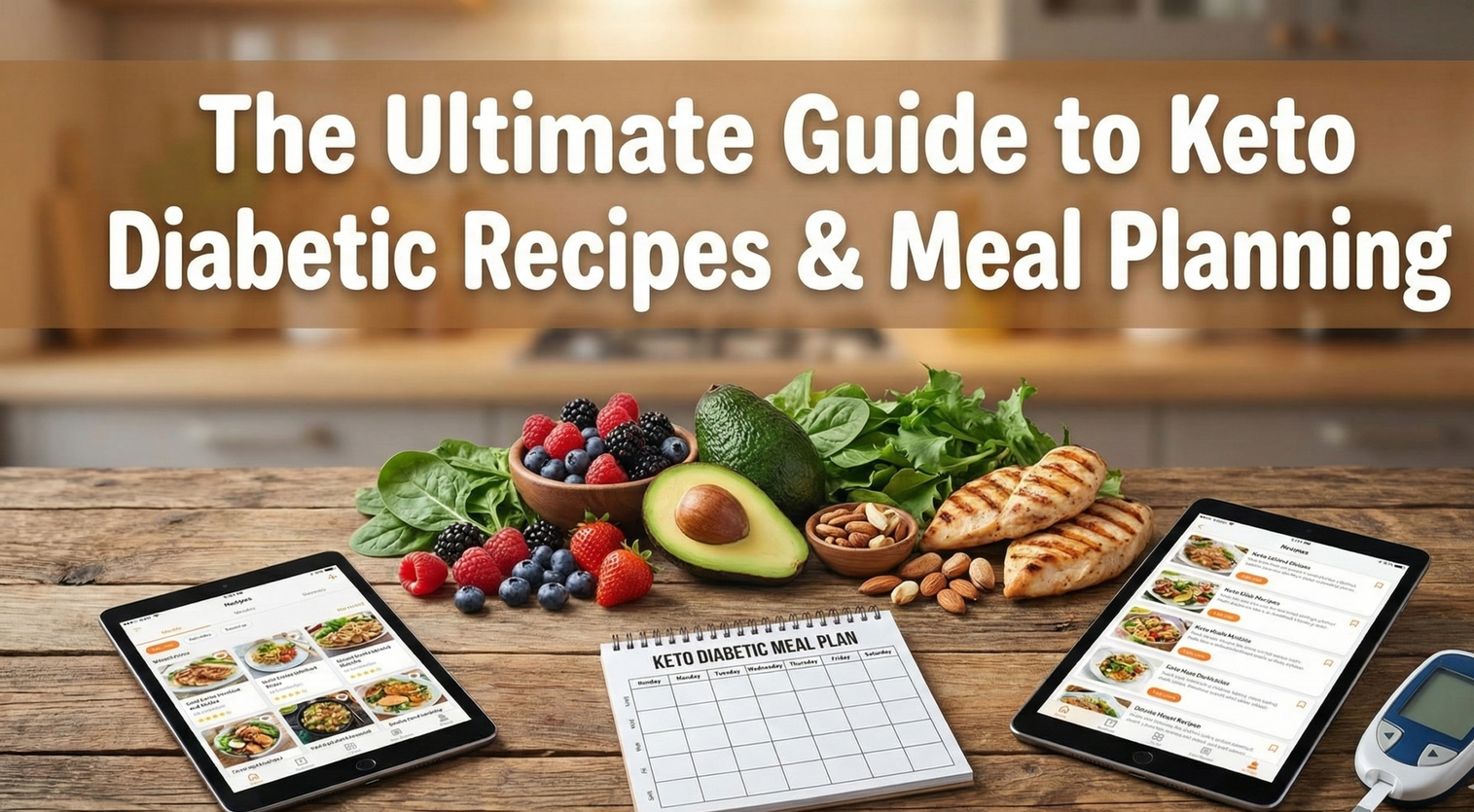
Managing diabetes is a lifelong journey that revolves heavily around one central pillar: diet. For decades, the standard advice was simply to “watch your sugar,” but modern nutritional science has illuminated a more effective path for many: the Ketogenic diet. Finding delicious, reliable keto diabetic recipes is not just about cutting carbs—it is about reclaiming control over your metabolic health, stabilizing insulin levels, and discovering that a diabetic-friendly menu can be gastronomically satisfying. The synergy between keto and diabetes management lies in the diet’s fundamental principle: dramatically reduce carbohydrate intake to minimize blood glucose fluctuations.
The intersection of diabetes management and the keto lifestyle offers a unique synergy. By drastically reducing carbohydrate intake (typically to under 50 grams of net carbs per day) and replacing it with healthy fats and moderate proteins, the body shifts from burning glucose to burning ketones. For a diabetic, this means fewer blood sugar spikes, reduced insulin demand, and potentially reduced reliance on medication. However, navigating this transition requires more than just willpower; it requires a strategic plan, a kitchen stocked with the right ingredients, and a deep understanding of how your body responds to different foods.
In this extensive guide, we will explore the science behind why keto works for diabetes, provide a comprehensive pantry checklist, and offer a massive collection of recipes ranging from breakfast to dinner. Whether you are looking for a 7-day diabetic menu to get started, or specialized advice for diabetic seniors, this guide covers it all. We also integrate essential links to other helpful resources like heart-healthy diabetic diets and low-sugar weekly menus to ensure you have a holistic support system.
Why Keto? The Science of Blood Sugar Control
Before diving into the recipes, it is crucial to understand the mechanism. Diabetes, particularly Type 2, is characterized by insulin resistance. When you consume carbohydrates, they break down into glucose, signaling the pancreas to release insulin. On a standard diet high in carbs, a diabetic’s body struggles to process this glucose, leading to hyperglycemia and long-term complications.
The ketogenic diet flips this script. By limiting net carbohydrates to roughly 20-50 grams per day, you effectively remove the trigger for massive insulin spikes. This state, known as nutritional ketosis, allows the body to utilize fat for fuel—both dietary fat and stored body fat. Many studies suggest that a low-carb approach can significantly lower HbA1c levels, often more effectively than low-fat diets. Additionally, ketones themselves have neuroprotective properties and may reduce inflammation, a key factor in diabetic complications.
Key Benefits for Diabetics (Expanded)
- Stabilized Glucose Levels: Without carb-heavy meals, the “rollercoaster” of blood sugar highs and lows flattens out, reducing both hyperglycemia and hypoglycemia risks.
- Weight Management: Keto is highly effective for visceral fat loss, which is directly linked to improved insulin sensitivity. Many experience rapid initial water weight loss, followed by steady fat loss.
- Reduced Medication Needs: Many patients find they need less insulin or oral medication (always consult your doctor before changing dosages). This can lead to significant cost savings and fewer side effects.
- Improved Heart Health: Contrary to old beliefs, healthy fats can improve HDL cholesterol and lower triglycerides. The reduction in refined carbs also lowers small dense LDL particles.
- Reduced Cravings: Ketosis naturally suppresses appetite, making it easier to adhere to a calorie deficit without feeling deprived.
If you are struggling with metabolic syndrome, incorporating an insulin resistance diet plan based on keto principles can be a game-changer. For those new to keto, starting with a structured 1-day simple diabetic menu that is keto-friendly can ease the transition.
Building Your Keto Diabetic Pantry
Success starts at the grocery store. To whip up the keto diabetic recipes listed below, you need to swap out high-glycemic staples for low-carb alternatives. Here is what your shopping list should look like, with brand recommendations and storage tips.
Proteins (The Foundation)
Focus on high-quality, unprocessed meats. Grass-fed beef, pasture-raised chicken, eggs, and fatty fish like salmon and mackerel are excellent. For vegetarians, tofu, tempeh, and seitan are viable options. Don’t forget canned tuna and sardines (in olive oil) for quick meals.
Healthy Fats (Your Energy Source)
Don’t fear the fat—it is your fuel source now.
- Avocado oil and Olive oil: For cooking and dressings. Extra virgin olive oil is great cold.
- Butter and Ghee: Ideal for sautéing and adding richness. Ghee is lactose-free.
- Coconut oil and MCT oil: MCT oil is rapidly converted to ketones, boosting energy.
- Avocados: Eat them whole, in guacamole, or sliced.
- Heavy cream and full-fat cheese: Use in moderation if lactose intolerant; opt for aged cheeses like cheddar or Parmesan.
Low-Glycemic Vegetables (Fiber & Micronutrients)
Vegetables provide essential fiber and micronutrients. Stick to non-starchy options:
- Leafy greens (Spinach, Kale, Arugula, Swiss chard)
- Cruciferous veggies (Broccoli, Cauliflower, Cabbage, Brussels sprouts)
- Zucchini, cucumber, asparagus, green beans, bell peppers
Keto Baking Essentials (For Treats)
You don’t have to give up bread and sweets entirely. Stock up on:
- Almond Flour and Coconut Flour: Fine ground almond flour works best.
- Erythritol, Stevia, or Monk Fruit sweeteners: Powdered versions are great for frostings.
- Xanthan Gum: Acts as a binder in keto baking.
- Psyllium Husk: Adds fiber and structure to breads.

Premium Blanched Almond Flour (3lb Bag)
Essential for making keto-friendly breads and diabetic desserts without spiking blood sugar. Super fine texture, perfect for cakes and cookies.
Check Price on AmazonKeto Diabetic Breakfast Recipes to Start Your Day
Breakfast sets the tone for your blood sugar management for the rest of the day. The “Dawn Phenomenon” causes morning blood sugar to rise in many diabetics, so a low-carb breakfast is essential to counteract this. Aim for at least 20g protein to keep you full until lunch.
For more inspiration, check out our extensive list of breakfast ideas for diabetes or explore a specific diabetic breakfast menu tailored to keto macros.
1. Creamy Spinach and Feta Keto Omelet
Prep time: 5 mins | Cook time: 10 mins | Net Carbs: 3g
Eggs are the gold standard for keto breakfasts. They are nutrient-dense and have zero impact on blood glucose. Adding spinach boosts iron and fiber.
Ingredients:
- 3 large eggs (preferably pasture-raised)
- 1 tbsp butter or ghee
- 1/2 cup fresh spinach, roughly chopped
- 1 oz feta cheese, crumbled
- 1 tbsp heavy cream (optional, for fluffiness)
- Salt, pepper, and a pinch of oregano
Instructions:
- Whisk eggs with heavy cream, salt, and pepper until frothy.
- Melt butter in a non-stick skillet over medium heat. Add spinach and sauté until wilted (about 1 minute).
- Pour in the eggs. Let them set slightly, then lift edges with a spatula to let uncooked egg flow underneath.
- When almost set, sprinkle feta over one half. Fold the omelet and cook for another minute. Serve hot.
2. “No-Oat” Keto Oatmeal (Hemp Heart Porridge)
Prep time: 2 mins | Cook time: 5 mins | Net Carbs: 4g
Missing oatmeal? Regular oats are too high in carbs for strict keto, but hemp hearts provide a similar texture with a massive dose of Omega-3s and magnesium.
Ingredients:
- 3 tbsp hemp hearts
- 1 tbsp chia seeds
- 1 tbsp flaxseed meal
- 1/2 cup unsweetened almond milk
- 1 tsp cinnamon
- Stevia or monk fruit to taste
- Optional toppings: a few raspberries, chopped pecans
Instructions:
- Combine all dry ingredients in a small saucepan.
- Add almond milk and stir over medium-low heat.
- Simmer until the mixture thickens (about 3-4 minutes), stirring constantly.
- Transfer to a bowl and top with berries and nuts.
3. Keto Breakfast Sausage & Egg Muffins
Prep time: 10 mins | Cook time: 20 mins | Net Carbs: 2g per muffin
Perfect for meal prep—make a batch on Sunday and grab two for a quick breakfast all week.
Ingredients:
- 1 lb ground pork or turkey breakfast sausage (no sugar added)
- 8 large eggs
- 1/4 cup chopped bell peppers
- 1/4 cup chopped onion
- 1/2 cup shredded cheddar cheese
- Salt, pepper, garlic powder
Instructions:
- Preheat oven to 375°F (190°C). Grease a 12-cup muffin tin.
- Press about 1.5 tablespoons of sausage into the bottom and up the sides of each muffin cup, forming a “crust”.
- Bake for 10 minutes to partially cook the sausage. Drain excess fat.
- Whisk eggs with veggies, cheese, and spices. Pour mixture into each cup over the sausage.
- Bake for another 12-15 minutes until eggs are set. Cool and store in fridge.
If you prefer liquid breakfasts, you can easily adapt a diabetic smoothie menu by using avocado, coconut milk, or a scoop of keto protein powder as a base instead of bananas.
Lunch: Quick, Portable, and Low-Carb
Lunch needs to be efficient, especially for working adults. The goal is to avoid the post-lunch energy slump often caused by carb-heavy sandwiches or pasta. These recipes are designed to be made ahead and packed.
Explore more lunch configurations in our dedicated diabetic lunch menu guide.
1. Turkey and Swiss Lettuce Wraps
Prep time: 10 mins | No Cook | Net Carbs: 2g
Crunchy, fresh, and satisfying. Use large romaine or butter lettuce leaves for best results.
Ingredients:
- 4 large Romaine or Butter lettuce leaves
- 4 oz deli turkey breast (check for no added sugar or nitrates)
- 2 slices Swiss cheese, halved
- 2 tbsp mayonnaise or avocado oil mayo
- 4 slices cucumber
- 4 slices tomato (optional, adds minimal carbs)
- Pickle spear, sliced (optional)
Instructions:
- Lay out the lettuce leaves flat on a cutting board.
- Spread mayonnaise lightly on each leaf.
- Layer cheese, turkey, cucumber, and tomato (if using).
- Roll tightly like a burrito, tucking in the sides as you go. Use a toothpick to secure if needed. Serve with extra pickles.
2. Spicy Cauliflower Salad (Potato Salad Substitute)
Prep time: 15 mins | Cook time: 10 mins | Net Carbs: 5g per serving
This creamy, tangy salad mimics traditional potato salad but with a fraction of the carbs. It gets better as it sits.
Ingredients:
- 1 head cauliflower, chopped into bite-sized florets
- 1/2 cup mayonnaise (full-fat)
- 1 tbsp Dijon mustard
- 2 hard-boiled eggs, chopped
- 2 stalks celery, diced
- 2 tbsp diced red onion
- 1 tbsp apple cider vinegar
- Paprika, salt, pepper, and a dash of cayenne
Instructions:
- Steam cauliflower until tender but not mushy (about 8 mins). Drain and rinse with cold water to stop cooking.
- In a large bowl, mix mayo, mustard, vinegar, salt, pepper, and cayenne.
- Toss the cooled cauliflower, eggs, celery, and onion in the dressing until well coated.
- Refrigerate for at least an hour before serving. Sprinkle with paprika before serving.
3. Chicken Avocado Salad
Prep time: 10 mins | Net Carbs: 4g
Use leftover rotisserie chicken for a quick, protein-packed lunch.
Ingredients:
- 2 cups cooked chicken, shredded or diced
- 1 avocado, diced
- 1/4 cup mayonnaise
- 1 tbsp lime juice
- 2 tbsp chopped cilantro
- 1/4 cup diced red bell pepper
- Salt and pepper to taste
Instructions:
- Combine all ingredients in a bowl. Gently mix to avoid mashing avocado too much.
- Serve on lettuce leaves or with cucumber slices for dipping.

Glass Meal Prep Containers (3 Compartment)
Keep your keto lunches fresh and portion-controlled. Ideal for avoiding plastic chemicals and ensuring easy reheating.
Check Price on AmazonDinner: Hearty Meals the Whole Family Will Love
Dinner is where you can truly experiment with flavors. These recipes are satisfying enough that non-diabetic family members won’t even realize they are eating “diet food.” For a broader scope of evening meals, review our diabetic dinner menu ideas.
1. Zucchini Lasagna with Meat Sauce
Prep time: 20 mins | Cook time: 40 mins | Net Carbs: 8g per serving
Traditional pasta is a no-go, but thinly sliced zucchini mimics lasagna noodles perfectly. This dish freezes well.
Ingredients:
- 3 large zucchinis, sliced lengthwise into 1/4-inch strips
- 1 lb ground beef or turkey
- 1.5 cups marinara sauce (no sugar added, check labels)
- 1 cup ricotta cheese (full-fat)
- 1.5 cups mozzarella cheese, shredded
- 1/2 cup grated Parmesan
- Italian seasoning, garlic powder, salt, pepper
Instructions:
- Preheat oven to 375°F (190°C).
- Salt the zucchini slices and let them sit on paper towels for 15 mins to draw out water. Pat dry thoroughly.
- Brown the meat in a skillet; add marinara and spices. Simmer for 5 minutes.
- In a baking dish, spread a thin layer of meat sauce. Layer zucchini slices, then ricotta (dollops), then meat sauce, then mozzarella. Repeat layers, finishing with mozzarella and Parmesan.
- Bake for 30-40 minutes until cheese is bubbly and golden. Let rest 10 minutes before slicing.
2. Garlic Butter Salmon with Asparagus
Prep time: 5 mins | Cook time: 15 mins | Net Carbs: 3g
This meal is rich in Omega-3 fatty acids, making it a staple for a heart-healthy diabetic diet. It cooks on one pan for easy cleanup.
Ingredients:
- 2 Salmon fillets (6 oz each)
- 1 bunch asparagus, woody ends trimmed
- 3 tbsp butter, melted
- 3 cloves garlic, minced
- 1 tbsp lemon juice
- Lemon slices for garnish
- Fresh parsley, chopped
Instructions:
- Preheat oven to 400°F (200°C). Line a baking sheet with parchment paper.
- Place salmon and asparagus on the sheet. Drizzle with melted butter mixed with garlic and lemon juice.
- Season with salt and pepper. Bake for 12-15 minutes until salmon flakes easily.
- Garnish with parsley and serve with lemon slices.
3. Keto Chicken Parmesan (with Almond Flour Breading)
Prep time: 15 mins | Cook time: 20 mins | Net Carbs: 6g
Crispy chicken covered in marinara and cheese—a classic made keto.
Ingredients:
- 2 boneless, skinless chicken breasts, pounded thin
- 1/2 cup almond flour
- 1/4 cup grated Parmesan (for breading)
- 1 tsp garlic powder, 1 tsp Italian seasoning
- 1 egg, beaten
- 1/2 cup no-sugar marinara
- 1/2 cup shredded mozzarella
- Olive oil for frying
Instructions:
- Mix almond flour, Parmesan, and spices on a plate. Dip chicken in egg, then coat in almond mixture.
- Heat olive oil in an oven-safe skillet over medium-high. Fry chicken 3-4 minutes per side until golden.
- Top each breast with marinara and mozzarella. Transfer skillet to oven (or use a baking dish) and broil until cheese melts (2-3 minutes). Serve with zucchini noodles.
Keto Snacks and Diabetic-Friendly Desserts
Snacking can be a slippery slope. While keto suppresses appetite, sometimes you need a bridge between meals. Avoid processed “low carb” bars which often contain hidden maltodextrin and sugar alcohols that can spike glucose in some people. Instead, opt for whole foods or homemade treats.
Need more ideas? Check our diabetic snack ideas guide for additional options.
Quick Snack Ideas (Zero Prep):
- Hard-boiled eggs: Keep a batch in the fridge. Sprinkle with Everything Bagel seasoning.
- Macadamia nuts or pecans: High fat, very low carb. Portion out 1 oz servings.
- Cheese crisps: Bake mounds of shredded cheddar or parmesan at 400°F for 5-7 minutes until crispy.
- Avocado: Half an avocado with a sprinkle of sea salt and chili powder.
- Celery sticks with cream cheese or almond butter.
Chocolate Peanut Butter Fat Bombs
Prep time: 10 mins | Freeze time: 30 mins | Net Carbs: 2g per bomb
These are perfect for a quick energy boost and to satisfy sweet cravings without spiking insulin.
Ingredients:
- 1/2 cup coconut oil (or 1/4 cup coconut oil + 1/4 cup unsalted butter)
- 1/2 cup natural peanut butter (unsweetened, no sugar added)
- 2 tbsp unsweetened cocoa powder
- 2 tbsp powdered erythritol or monk fruit sweetener
- 1/2 tsp vanilla extract
Instructions:
- Melt coconut oil and peanut butter together in a microwave-safe bowl or over low heat.
- Stir in cocoa powder, sweetener, and vanilla until smooth.
- Pour into silicone molds or an ice cube tray (each cavity about 1 tbsp).
- Freeze until solid (about 30 minutes). Store in an airtight container in the freezer or fridge.
Managing a sweet tooth is easier when you have a structured low sugar diabetic weekly menu prepared in advance.
Structuring Your Diabetic Keto Meal Plan
Having recipes is one thing; organizing them into a sustainable lifestyle is another. Meal planning prevents decision fatigue, ensures you hit your nutritional targets, and saves money. Below we outline how to tailor plans to your calorie needs and schedule.
Caloric Considerations
While keto focuses on hormones, calories still matter, especially for weight loss. You should tailor your portion sizes based on your metabolic rate, age, and activity level.
- Weight Loss Focus (sedentary, smaller frame): You might start with a 1200 calorie diabetic menu or a 1500 calorie diabetic menu depending on your hunger levels.
- Maintenance/Active (moderate exercise, larger frame): An 1800 calorie diabetic menu or 2000 calorie diabetic menu provides more fuel while keeping carbs low. Athletes may need even more.
Duration Planning
Start small. Try a 1-day simple diabetic menu to see how you feel. Once confident, graduate to a 3-day diabetic meal plan or a full weekly diabetic meal plan. For those committed to long-term change, a 14-day diabetic meal plan or even a 30-day diabetic menu allows you to batch cook, save money, and establish lasting habits.
Many find it helpful to follow a low carb weekly diabetic menu that is essentially keto but may allow slightly more carbs (50-80g) for those who are active.

Dual Glucose & Ketone Monitor Kit
Track exactly how different foods affect your glucose and ketone levels. Essential for data-driven management and ensuring you’re in nutritional ketosis.
Check Price on AmazonKeto Modifications for Special Diabetic Groups
One size does not fit all. Here is how to adapt keto diabetic recipes for specific needs and health conditions:
Seniors and Elderly
Older adults may have dental issues, decreased appetite, or slower digestion.
- Focus on softer textures (soups, stews, scrambled eggs, smoothies).
- Prioritize nutrient density—add collagen powder to coffee or soups for protein.
- See our diabetic menu for elderly with no teeth or the general 1200 calorie menu for seniors.
Pregnant Women (Gestational Diabetes)
Strict keto is generally not recommended during pregnancy due to fetal development needs and lack of safety studies. However, a moderate low-carb approach focusing on whole foods and avoiding sugars is beneficial. Consult the diabetic menu for pregnant women for safer alternatives and always work with your obstetrician.
High Blood Pressure & Cholesterol
If you are managing hypertension alongside diabetes, watch your sodium intake and choose fats wisely. While standard keto encourages salt for electrolyte balance, those with blood pressure issues should be cautious and monitor.
- Use herbs, spices, and citrus instead of salt for flavor.
- Choose leaner cuts of meat and emphasize monounsaturated fats (avocado, olive oil, nuts) over excessive saturated fats (bacon, butter).
- Resources: Diabetic menu for high blood pressure and menu for high cholesterol.
Kidney Disease (Diabetic Nephropathy)
For those with impaired kidney function, high protein intake can be problematic. A keto diet for kidney issues must be carefully managed, often with lower protein and controlled phosphorus/potassium. See our renal diabetic meal plan for guidance, and work with a nephrologist.
Budget Constraints
Keto can seem expensive (think almond flour, grass-fed meat), but there are ways to save. Eggs, ground beef, frozen veggies, and canned fish are affordable. Plan your shopping using our low-income diabetic menu strategies.
Pros and Cons of Keto for Diabetics
It is important to weigh the benefits against the challenges to make an informed decision. Here’s a detailed comparison.
| Pros | Cons |
|---|---|
| Rapid improvement in blood sugar control; often normalizes fasting glucose within days. | Initial “Keto Flu” (fatigue, headache, irritability) lasting a few days to a week as the body adapts. |
| Significant weight loss, especially visceral fat, leading to improved insulin sensitivity. | Restrictive nature (no bread, pasta, sugary fruits) can be socially challenging and requires discipline. |
| Reduced hunger and cravings due to appetite-suppressing effects of ketones. | Requires careful electrolyte management (sodium, potassium, magnesium) to avoid cramps and fatigue. |
| Lower triglycerides and improved HDL cholesterol in most people. | Risk of hypoglycemia if diabetes medication (especially insulin or sulfonylureas) isn’t adjusted promptly. |
| Potential for diabetes remission or reduced medication dependency. | May cause constipation if fiber intake is too low; need to prioritize low-carb veggies. |
Warning: If you are taking insulin or sulfonylureas, starting a keto diet can cause your blood sugar to drop too low (hypoglycemia). You MUST work with your doctor to adjust dosages and monitor closely.
Frequently Asked Questions
Can keto reverse Type 2 diabetes?
While “reverse” is a strong term, many people on keto achieve “remission,” meaning they maintain normal blood sugar levels without medication. However, if they return to a high-carb diet, the diabetes symptoms usually return. Long-term adherence is key.
Is a high-protein diet better than keto for diabetics?
Both are effective. A high protein diabetic menu emphasizes satiety and muscle retention, while keto focuses on fat adaptation. Keto is generally better for rapid blood sugar reduction and for those with severe insulin resistance, while high protein is great for athletes or those who want more food flexibility.
Is keto safe for kidneys?
For people with healthy kidneys, keto is safe. However, if you have existing kidney disease, high protein intake (often associated with keto) can be straining. In this case, a renal diabetic meal plan with moderate protein is more appropriate. Always consult a nephrologist.
What if I have high cholesterol?
Keto usually improves HDL (good cholesterol) and triglycerides. However, some people see a rise in LDL (“bad” cholesterol). If this concerns you, focus on unsaturated fats (avocado, nuts, olive oil) rather than saturated fats (bacon, butter). Regular blood work is essential. See our diabetic menu for high cholesterol for guidance.
Can I eat dairy on keto?
Yes, full-fat dairy like cheese, heavy cream, and Greek yogurt (unsweetened) are keto staples. However, some people find dairy stalls weight loss or causes inflammation; if that’s you, try dairy-free alternatives like coconut cream and nut-based cheeses.
How do I avoid keto flu?
Stay hydrated, and supplement with electrolytes: sodium (broth), potassium (avocado, spinach), and magnesium (supplement or nuts). Gradually reduce carbs over a week instead of going cold turkey to ease the transition.
Keto and Type 1 Diabetes: What’s Different
Most keto-diabetes content online is written with Type 2 in mind, which leaves a real gap for the Type 1 community. Type 1 diabetics do not have an insulin resistance problem in the classic sense—their pancreas simply doesn’t produce insulin, so they depend on exogenous insulin no matter what they eat. That said, many people with Type 1 diabetes report that a ketogenic or very-low-carb approach dramatically flattens their glucose curves, reduces the frequency of large correction doses, and makes day-to-day management far more predictable.
The core difference is dosing philosophy. On a high-carb diet, a Type 1 diabetic is essentially chasing large, fast-moving glucose swings with large, fast-acting insulin boluses. Small errors in carb counting translate into large errors in blood sugar. On keto, meals produce a much smaller and slower glucose response, so insulin doses are smaller and mistakes are more forgiving. Many in the Type 1 keto community describe this as trading “big, dangerous swings” for “small, manageable ripples.”
Important Safety Notes for Type 1 Diabetics Considering Keto
- Never stop basal insulin. Some people mistakenly believe that eating almost no carbs means they can skip long-acting insulin. This is dangerous and can lead to diabetic ketoacidosis (DKA), a life-threatening condition distinct from nutritional ketosis.
- Know the difference between nutritional ketosis and DKA. Nutritional ketosis typically produces blood ketone levels of 0.5–3.0 mmol/L alongside normal or near-normal blood sugar. DKA involves very high blood sugar (often above 250 mg/dL) combined with high ketones and blood acidity—it is a medical emergency.
- Adjust bolus ratios with your endocrinologist. Carb-to-insulin ratios calculated for a high-carb diet will not apply on keto; doses typically need to be reduced significantly to avoid hypoglycemia.
- Monitor more frequently during the transition. A continuous glucose monitor (CGM) is extremely helpful during the first few weeks of adapting insulin dosing to a ketogenic intake pattern.
Protein can also have a delayed glucose-raising effect in Type 1 diabetics because of gluconeogenesis, so very high-protein keto meals sometimes require a small delayed bolus. This is a nuance that rarely gets discussed in general keto content but matters enormously for insulin-dependent readers. If you are Type 1 and interested in a more moderate carbohydrate allowance, our low carb weekly diabetic menu can serve as a gentler entry point before committing to strict keto.
Combining Keto with Intermittent Fasting
Intermittent fasting (IF) and keto are natural partners because ketosis itself suppresses hunger, making extended fasting windows far more comfortable than they would be on a high-carb diet. For diabetics, the combination can accelerate improvements in insulin sensitivity, but it also requires extra caution around medication timing.
Popular Fasting Patterns
- 16:8 (Time-Restricted Eating): Eating within an 8-hour window (for example, 12pm–8pm) and fasting the remaining 16 hours. This is the most beginner-friendly pattern and pairs well with a two-meals-a-day keto structure.
- 18:6 or 20:4: More advanced windows for those already comfortable with 16:8, often used to break weight-loss plateaus.
- One Meal a Day (OMAD): A single large meal within a one-hour window. This can be effective but is generally not recommended for diabetics on insulin or sulfonylureas without close medical supervision.
- Alternate-Day Fasting: Cycling between normal eating days and very low-calorie or fasting days. This is the most aggressive approach and carries the highest hypoglycemia risk for medicated diabetics.
Medication and Fasting Safety
If you take insulin, sulfonylureas, or other glucose-lowering medications, fasting changes how much medication you need—sometimes dramatically. Skipping meals while keeping your usual medication dose is one of the most common causes of severe hypoglycemia in diabetics who try fasting on their own. Always coordinate fasting schedules with your prescribing physician, and keep fast-acting glucose on hand during any extended fasting window.
For diabetics who are fasting-curious but medication-sensitive, a gentler starting point is simply compressing your eating window to 10 or 12 hours rather than jumping straight to 16:8. Combine this with the recipes from our diabetic breakfast menu pushed later in the day, and a dinner from our recipe collection above, and you have a natural, low-stress entry into time-restricted eating.
Exercise and Physical Activity on Keto
Diet and movement work together, and for diabetics, exercise is one of the most powerful non-pharmaceutical tools for improving insulin sensitivity. However, exercising in ketosis feels different from exercising on a high-carb diet, and understanding those differences prevents frustration during the adaptation period.
The Adaptation Period (Weeks 1–4)
During the first two to four weeks of keto, many people experience reduced performance in high-intensity, glycolytic activities (sprinting, heavy lifting, HIIT) because muscle glycogen stores are lower and the body hasn’t yet become efficient at using fat and ketones for fuel. This is completely normal and typically resolves as “fat adaptation” progresses. Lower-intensity, steady-state activities like walking, cycling, and swimming are usually unaffected or even improved, since fat oxidation supports endurance work well.
Strength Training Considerations
Muscle is metabolically active tissue that improves glucose disposal, making resistance training especially valuable for diabetics. On keto, adequate protein intake (roughly 0.7–1g per pound of lean body mass) is important to preserve and build muscle. Some keto practitioners use a small amount of “targeted” carbohydrate—15-30g from a low-glycemic source—around intense training sessions, though this is optional and depends on individual goals and glucose response.
Hydration and Electrolytes During Exercise
Keto diets increase water and sodium excretion through the kidneys, which can lead to cramping, dizziness, or fatigue during exercise if electrolytes aren’t replenished. Aim for 3,000-5,000mg of sodium, 1,000mg of potassium-rich foods, and 300-400mg of magnesium daily, adjusted upward on heavy training days. Bone broth, pickle juice, and electrolyte supplements without added sugar are all practical solutions.
Exercise and Blood Sugar: What Diabetics Should Watch For
- Exercise can lower blood sugar for hours after the activity ends, so medicated diabetics should test more frequently on workout days.
- Intense anaerobic exercise (heavy lifting, sprinting) can sometimes temporarily raise blood sugar due to stress hormone release, even in a fat-adapted state.
- Always carry a fast-acting glucose source during exercise if you are on insulin or sulfonylureas.
- Morning workouts before eating can be especially effective for insulin sensitivity but require closer monitoring for those on medication.
The Complete Keto Diabetic Food List: What to Eat and What to Avoid
One of the most common questions readers ask is simply, “can I eat this?” Rather than scattering that information across recipes, here is a consolidated reference table covering the foods that most frequently cause confusion.
| Category | Eat Freely | Eat in Moderation | Avoid |
|---|---|---|---|
| Proteins | Eggs, beef, poultry, pork, fatty fish | Processed deli meats (watch for added sugar) | Breaded or battered meats, sweetened glazes |
| Dairy | Cheese, butter, heavy cream | Plain Greek yogurt, cottage cheese | Sweetened yogurt, condensed milk, flavored creamers |
| Vegetables | Leafy greens, broccoli, cauliflower, zucchini | Tomatoes, onions, bell peppers | Potatoes, corn, peas, most root vegetables |
| Fruits | Small portions of berries | Avocado (technically a fruit), lemon/lime for flavor | Bananas, grapes, dried fruit, fruit juice |
| Fats/Oils | Olive oil, avocado oil, coconut oil, butter | Nuts and nut butters (calorie-dense) | Vegetable/seed oils high in omega-6, trans fats |
| Beverages | Water, plain coffee, plain tea, sparkling water | Dry wine, spirits (watch mixers) | Soda, juice, sweetened coffee drinks, beer |
| Sweeteners | Stevia, monk fruit, erythritol | Sugar alcohols in packaged “keto” products | Sugar, honey, agave, maltodextrin |
| Grains/Starches | None (grains are inherently high-carb) | Small amounts of almond/coconut flour baked goods | Bread, rice, pasta, cereal, oats |
This list is a starting reference, not an absolute rulebook—individual carb tolerance varies. Some diabetics can comfortably include small amounts of berries or a moderate glass of dry wine without disrupting ketosis or glucose control, while others are far more carb-sensitive. Testing your own blood sugar response is the most reliable way to personalize this list for your body.
Alcohol and Diabetic Keto: What You Need to Know
Alcohol is a frequently searched but rarely well-explained topic in keto-diabetic content. The short version: alcohol itself contains no carbohydrates in its pure form, but many alcoholic beverages are loaded with sugar, and alcohol’s effect on blood sugar is genuinely more complicated for diabetics than for the general population.
Keto-Friendly Choices
- Dry wines (dry red, dry white, brut champagne): Roughly 2-4g carbs per 5oz glass.
- Spirits (vodka, gin, whiskey, tequila) served neat, on the rocks, or with soda water: Essentially zero carbs.
- Light beer in moderation: Higher carb than spirits but lower than regular beer.
What to Avoid
- Sweetened cocktails, margaritas, daiquiris, and anything with fruit juice or simple syrup.
- Regular beer, which is essentially liquid bread due to its malted grain content.
- Sweet or dessert wines, ports, and liqueurs.
Why Alcohol Is Riskier for Diabetics Specifically
The liver prioritizes metabolizing alcohol over releasing stored glucose, which can cause delayed hypoglycemia—sometimes hours after drinking, and often during sleep. This is particularly dangerous for anyone on insulin or sulfonylureas. Never drink on an empty stomach, always pair alcohol with food, and consider checking blood sugar before bed on any evening you’ve had a drink. If you are newly diagnosed or still stabilizing your numbers, it is worth discussing alcohol specifically with your care team rather than assuming general keto guidance applies identically to you.
Dining Out and Traveling on a Diabetic Keto Diet
Restaurants and travel are where even well-established keto diabetics stumble, simply because control over ingredients is limited. A little preparation goes a long way.
Restaurant Ordering Strategies
- Steakhouses and grills: Order protein with a non-starchy vegetable side (broccoli, asparagus, salad) instead of potatoes or rice. Ask for butter or olive oil instead of sauces that may be thickened with flour or sweetened.
- Mexican food: Order fajita-style meat and vegetables without the tortilla, top with guacamole, sour cream, and cheese, and skip the rice and beans.
- Italian food: Choose grilled protein with a side salad or sautéed vegetables instead of pasta; many Italian restaurants will substitute a zucchini or extra vegetables for pasta on request.
- Asian cuisine: Stick to stir-fried protein and vegetables, ask for no rice and no cornstarch-thickened sauce, and be cautious of sweet sauces like teriyaki or sweet and sour.
- Fast food: Most burger chains offer a “protein style” or lettuce-wrapped option; skip the bun, fries, and sugary sauces.
Travel Tips
- Pack shelf-stable snacks: nuts, cheese crisps, jerky (check for added sugar), and single-serve nut butter packets.
- Research grocery stores near your destination for eggs, cheese, and pre-cooked proteins you can keep in a hotel mini-fridge.
- Request a hotel room with a refrigerator when booking, especially for longer stays.
- If flying, remember that liquids over 3.4oz (including certain electrolyte drinks) are subject to security restrictions—pack electrolyte powder instead.
- Carry your glucose meter, medication, and emergency glucose source in your carry-on, never checked luggage.
Consistent access to appropriate food is one of the biggest predictors of long-term adherence. Planning ahead with resources like our diabetic snack ideas guide before a trip removes much of the stress around eating away from home.
Common Mistakes and How to Troubleshoot Weight Loss Stalls
Even well-intentioned diabetics run into predictable pitfalls when starting keto. Recognizing these early can save weeks of frustration.
Mistake 1: Not Tracking Hidden Carbs
Sauces, dressings, and “sugar-free” processed products are common hidden carb sources. Always check labels for maltodextrin, dextrose, and hidden starches used as thickeners.
Mistake 2: Eating Too Much Protein, Too Little Fat
Excess protein can be converted to glucose via gluconeogenesis, which may blunt ketosis and, in diabetics, contribute to higher blood sugar than expected. Balance protein with adequate fat rather than defaulting to a high-protein, low-fat approach.
Mistake 3: Ignoring Electrolytes
Headaches, fatigue, and muscle cramps in the first two weeks are almost always electrolyte-related, not a sign that keto “isn’t working.” Increase sodium, potassium, and magnesium intake before assuming the diet itself is the problem.
Mistake 4: Not Adjusting Medication
Diabetics on insulin or sulfonylureas who don’t work with their doctor to reduce doses as carb intake drops are at real risk of hypoglycemia. This is the single most dangerous mistake on this list and warrants proactive medical involvement before starting, not after a scare.
Weight Loss Stall Troubleshooting
Plateaus are normal and usually temporary. Before making drastic changes, check the following:
- Are “carb creep” foods (nuts, cheese, keto treats) being eaten in larger portions than intended?
- Is sleep quality poor? Sleep deprivation raises cortisol and can stall fat loss even in ketosis.
- Is stress chronically elevated? Cortisol impacts both weight and blood sugar.
- Has protein intake dropped too low, leading to muscle loss and a slower metabolism?
- Would a short break from snacking, or trying a 16:8 fasting window, provide a helpful metabolic nudge?
Weight and glucose trends are best evaluated over 2-3 week windows rather than day to day, since water retention, hormonal cycles, and sodium intake all cause short-term fluctuations that have nothing to do with actual fat loss.
Sample 7-Day Keto Diabetic Meal Plan
To tie all these recipes together, here is a full week laid out using the dishes from this guide. Feel free to swap days around based on your schedule, and adjust portions to your calorie target from the section above.
| Day | Breakfast | Lunch | Dinner |
|---|---|---|---|
| Monday | Spinach and Feta Omelet | Turkey and Swiss Lettuce Wraps | Garlic Butter Salmon with Asparagus |
| Tuesday | Hemp Heart Porridge | Chicken Avocado Salad | Zucchini Lasagna |
| Wednesday | Sausage & Egg Muffins | Spicy Cauliflower Salad | Keto Chicken Parmesan |
| Thursday | Spinach and Feta Omelet | Chicken Avocado Salad | Garlic Butter Salmon with Asparagus |
| Friday | Hemp Heart Porridge | Turkey and Swiss Lettuce Wraps | Zucchini Lasagna (leftovers) |
| Saturday | Sausage & Egg Muffins | Chicken Avocado Salad | Keto Chicken Parmesan (leftovers) |
| Sunday | Spinach and Feta Omelet | Spicy Cauliflower Salad | Garlic Butter Salmon with Asparagus |
Notice the plan intentionally reuses recipes and leans on leftovers—this is a deliberate strategy to reduce decision fatigue and cooking time while keeping variety high enough to stay satisfying. For an even more structured approach, our weekly diabetic meal plan and 14-day diabetic meal plan extend this same framework further.
Keto vs. Other Popular Diabetic Diets
Keto isn’t the only evidence-based option for diabetics, and it’s worth understanding how it compares to other commonly recommended approaches so you can decide what fits your lifestyle and health picture.
Keto vs. Mediterranean Diet
The Mediterranean diet emphasizes whole grains, legumes, fruit, fish, and olive oil, with a moderate carbohydrate intake compared to keto’s strict limit. It has strong long-term cardiovascular research behind it and is generally easier to sustain socially. Keto tends to produce faster initial blood sugar improvement, while Mediterranean patterns may be easier to maintain for life and offer more fiber diversity.
Keto vs. Standard Low-Carb
A general low-carb diet (100-150g carbs per day) offers many of keto’s benefits with more flexibility and fewer adaptation symptoms, but typically produces slower and less dramatic improvements in blood sugar and weight. Our low carb weekly diabetic menu is a useful bridge for those not ready for strict keto.
Keto vs. Paleo
Paleo eliminates grains and processed foods but allows more fruit and starchy vegetables like sweet potatoes, making it moderate-carb rather than strictly ketogenic. It shares keto’s emphasis on whole foods but isn’t specifically structured around ketosis.
Keto vs. Standard ADA Guidance
Historically, general diabetes association guidance has centered on carbohydrate counting and portion control rather than carb restriction, allowing a broader range of carbohydrate foods eaten in controlled amounts. This approach can work well for some people but often requires more precise insulin dosing and produces less dramatic reductions in average blood sugar than a ketogenic pattern.
There is no single “best” diet for every diabetic—the right choice depends on your medication regimen, lifestyle, food preferences, and how your individual body responds. Many people find success starting with keto for rapid initial improvement, then transitioning to a more moderate low-carb or Mediterranean-influenced pattern for long-term sustainability.
Helpful Supplements for Diabetic Keto Dieters
While whole foods should always come first, certain supplements can help smooth the transition and address common gaps in a ketogenic diabetic diet.
| Supplement | Why It Helps |
|---|---|
| Magnesium glycinate or citrate | Reduces muscle cramps and supports sleep; commonly low on low-carb diets. |
| Electrolyte powder (no added sugar) | Replaces sodium and potassium lost through increased water excretion in early keto. |
| Omega-3 fish oil | Supports heart health, complementing the anti-inflammatory goals of the diet. |
| Vitamin D | Often low in people who reduce fortified grain products; also linked to insulin sensitivity. |
| Digestive enzymes or a fiber supplement | Helps with the digestive adjustment to a higher-fat, lower-carb intake. |
| Chromium and berberine (discuss with your doctor) | Some studies suggest support for insulin sensitivity, though they should never replace prescribed medication. |
Supplements should never be used to self-treat diabetes or replace prescribed medication. Always discuss new supplements with your healthcare provider, particularly berberine, which can interact with glucose-lowering medications and cause hypoglycemia if combined without adjustment.
Sleep, Stress, and Their Overlooked Role in Blood Sugar Control
Diet gets most of the attention in diabetes management, but sleep and stress are powerful, frequently overlooked levers. Poor sleep raises cortisol and reduces insulin sensitivity the following day, sometimes enough to noticeably affect fasting glucose even when food intake hasn’t changed at all. Chronic stress has a similar effect through sustained cortisol elevation, which promotes glucose release from the liver.
Practical steps that support both sleep and stress alongside a keto diabetic diet include maintaining a consistent sleep and wake time, limiting caffeine after early afternoon, dimming lights in the evening to support natural melatonin production, and building in short daily practices—walking, breathing exercises, or simply stepping away from screens—that lower baseline stress. These aren’t replacements for dietary changes, but they meaningfully amplify the results of the recipes and meal plans in this guide.
Keto Diabetic Glossary: Key Terms Explained
- Net Carbs: Total carbohydrates minus fiber (and sometimes sugar alcohols), representing the carbs that actually impact blood sugar.
- Ketosis: A metabolic state where the body burns fat for fuel and produces ketones as a byproduct, typically achieved by restricting carbohydrates to 20-50g net per day.
- HbA1c: A blood test reflecting average blood sugar levels over the past two to three months.
- Insulin Resistance: A condition where cells respond poorly to insulin, requiring the pancreas to produce more to achieve the same glucose-lowering effect.
- Gluconeogenesis: The process by which the liver produces glucose from non-carbohydrate sources, including protein.
- Diabetic Ketoacidosis (DKA): A dangerous condition, distinct from nutritional ketosis, involving very high blood sugar and ketones combined with blood acidity—a medical emergency, most relevant to Type 1 diabetics.
- Fat Adaptation: The physiological adjustment period (typically 2-6 weeks) during which the body becomes efficient at using fat and ketones for energy.
- Glycemic Index: A ranking of how quickly a food raises blood sugar relative to pure glucose.
More Frequently Asked Questions
Is keto safe for Type 1 diabetics?
Many Type 1 diabetics use keto successfully to flatten glucose swings, but it requires close coordination with an endocrinologist to adjust insulin dosing and must never involve skipping basal insulin. Frequent monitoring, ideally with a CGM, is strongly recommended during the transition.
Can I drink alcohol on a diabetic keto diet?
Dry wine and plain spirits are generally keto-compatible in moderation, but alcohol can cause delayed hypoglycemia in diabetics, particularly those on insulin. Always eat alongside alcohol and consider checking blood sugar before bed.
Why has my weight loss stalled on keto?
Stalls are usually caused by hidden carb creep, insufficient sleep, chronic stress, or protein intake that’s too low. Plateaus are normal and typically resolve within a few weeks without drastic changes.
Can I do intermittent fasting if I take insulin?
It’s possible but requires medical supervision, since fasting changes insulin needs significantly and skipping meals without adjusting doses is a common cause of severe hypoglycemia.
How is keto different from the Mediterranean diet for diabetes?
Keto restricts carbs far more strictly and tends to produce faster blood sugar improvements, while the Mediterranean diet allows moderate carbs from whole grains and legumes and may be easier to sustain long-term.
Can vegetarians follow a keto diabetic diet?
Yes, vegetarians can rely on eggs, dairy, tofu, tempeh, and seitan for protein, though strict vegan keto is more challenging since most plant proteins like beans and lentils are too high in carbs for ketosis.
How do I calculate my personal carb and protein targets?
Start by estimating your daily calorie needs, set protein based on lean body mass (roughly 0.7-1g per pound), keep net carbs between 20-50g depending on your insulin sensitivity, and fill the remaining calories with fat.
What’s the difference between “low sugar” and “keto” recipes?
A low-sugar recipe can still be high in total carbohydrates from starches like rice or bread, while keto recipes are built around net carb totals, which more reliably predicts blood sugar impact for diabetics.
Essential Keto Diabetic Ingredient Substitutions
Part of making this lifestyle sustainable is knowing how to convert your favorite traditional recipes into keto-diabetic-friendly versions without sacrificing flavor or texture. Below is a practical substitution reference you can apply to almost any recipe outside of this guide.
| Traditional Ingredient | Keto Substitute | Conversion Notes |
|---|---|---|
| All-purpose flour | Almond flour or coconut flour | Coconut flour is highly absorbent—use about 1/4 the amount and add extra egg for moisture. |
| White rice | Cauliflower rice | Pulse raw cauliflower florets in a food processor; sauté briefly to remove excess moisture. |
| Spaghetti/pasta | Zucchini noodles or shirataki noodles | Salt and drain zucchini noodles before cooking to prevent a watery sauce. |
| Breadcrumbs | Crushed pork rinds or almond flour | Pork rinds add crunch with virtually zero carbs; great for breading chicken or fish. |
| Sugar | Erythritol, monk fruit, or allulose | Most keto sweeteners measure roughly 1:1 with sugar, though erythritol can have a slight cooling aftertaste. |
| Cornstarch (thickener) | Xanthan gum | Use sparingly—about 1/4 teaspoon per cup of liquid, whisked in slowly to avoid clumping. |
| Mashed potatoes | Mashed cauliflower | Steam cauliflower until very tender, then blend with butter and cream cheese for a creamy texture. |
| Tortillas | Lettuce wraps or low-carb almond flour tortillas | Store-bought low-carb tortillas vary widely in net carbs—always check the label. |
| Milk | Unsweetened almond or coconut milk | Coconut milk from a carton is much lower in fat than canned coconut milk; choose based on the recipe’s needs. |
Learning these swaps means you’re no longer limited to a fixed recipe list—you can adapt family favorites, cultural dishes, and restaurant-inspired meals to fit your carbohydrate targets while keeping the flavors you actually enjoy.
Cooking Keto Diabetic Meals for a Mixed Household
One of the biggest practical barriers to sticking with a diabetic keto diet is cooking separately from the rest of the family. Fortunately, most of the recipes in this guide are naturally “mixed household friendly,” meaning the base dish works for everyone, and you simply add a starchy side for non-diabetic family members.
Practical Strategies
- Build a “carb bar”: Serve the keto-friendly main dish for everyone, then set out rice, bread, or pasta separately so family members can add their own starch without you cooking two entirely different meals.
- Double the vegetables: Since non-starchy vegetables are keto-compatible and generally well-liked, make them the default side for the whole table.
- Kid-friendly framing: Dishes like the Keto Chicken Parmesan and Zucchini Lasagna are naturally appealing to children, since they resemble familiar comfort foods.
- Batch cook proteins: Grilling or roasting a large batch of chicken, beef, or fish at once lets everyone build their own plate—keto-style for you, with added carbs for others.
This approach also reduces the psychological burden of feeling “different” at the table, which is one of the more overlooked reasons people abandon otherwise-effective diets. When the whole family eats a version of the same meal, adherence naturally improves.
Printable-Style Weekly Keto Diabetic Grocery List
Having a go-to shopping list removes friction from weekly meal prep. Below is a sample list built directly from the recipes in this guide, organized by store section so you can shop efficiently.
Produce
Spinach, zucchini (3-4), broccoli, cauliflower (1 head), asparagus (1 bunch), avocados (2-3), celery, red onion, garlic, lemons, cucumber, romaine or butter lettuce, bell peppers, fresh parsley and cilantro.
Protein
Eggs (2 dozen), salmon fillets, chicken breasts, ground beef or turkey, breakfast sausage, deli turkey breast, rotisserie chicken.
Dairy
Feta cheese, shredded cheddar, mozzarella, ricotta, Parmesan, Swiss cheese, butter, heavy cream, cream cheese.
Pantry
Almond flour, hemp hearts, chia seeds, flaxseed meal, unsweetened almond milk, olive oil, avocado oil, coconut oil, mayonnaise, Dijon mustard, apple cider vinegar, no-sugar-added marinara sauce, peanut butter, cocoa powder, erythritol or monk fruit sweetener.
Seasonings
Salt, black pepper, garlic powder, onion powder, Italian seasoning, oregano, paprika, cayenne, cinnamon, vanilla extract.
Sticking to a consistent core list like this one each week dramatically reduces both grocery costs and the temptation to buy convenience carbs out of hunger or decision fatigue while shopping.
How to Measure Success Beyond the Scale
Weight is only one metric, and for diabetics, it’s often not even the most important one. Tracking a broader set of indicators gives a more accurate picture of whether the diet is actually working for your metabolic health.
| Metric | What to Watch For | How Often to Check |
|---|---|---|
| Fasting blood glucose | Downward trend toward target range over weeks | Daily or as directed by your doctor |
| HbA1c | Gradual reduction reflecting long-term average control | Every 3 months |
| Blood pressure | Often improves alongside weight and carb reduction | Weekly or with home monitor |
| Energy levels | Subjective but meaningful—fewer afternoon crashes | Ongoing self-assessment |
| Waist circumference | A better proxy for visceral fat than scale weight alone | Monthly |
| Sleep quality | Often improves as blood sugar stabilizes overnight | Ongoing self-assessment |
| Medication needs | Discuss any reduction only with your prescribing doctor | Each medical appointment |
Focusing exclusively on the scale can be discouraging during weeks when weight plateaus even as glucose control quietly improves. Track multiple metrics so you can see the full picture of your progress, not just one narrow slice of it.
Digestive Health and Fiber on a Low-Carb Diabetic Diet
Reducing carbohydrates often means reducing overall fiber intake too, since many high-fiber foods (whole grains, legumes, fruit) are also higher in carbs. This can lead to constipation if not addressed deliberately, particularly in the first month of the diet.
Keto-Friendly High-Fiber Foods
- Chia seeds and flaxseed meal (also featured in the Hemp Heart Porridge recipe above)
- Psyllium husk powder, which can be stirred into water or added to baked goods
- Avocado, one of the most fiber-dense low-carb foods available
- Leafy greens and cruciferous vegetables like broccoli and Brussels sprouts
- Nuts and seeds in moderate, calorie-conscious portions
Adequate water intake is equally important—aim for at least half your body weight in ounces daily, more if you exercise regularly. If constipation persists despite adequate fiber and water, a magnesium citrate supplement can help, as magnesium has a mild osmotic laxative effect in addition to its role in muscle and nerve function.
Working with Your Doctor, Dietitian, and Diabetes Educator
This guide provides recipes, structure, and general education, but it cannot replace personalized medical care. Diabetics considering keto should ideally build a support team before making major dietary changes, particularly if medication is involved.
Questions to Bring to Your Next Appointment
- “Given my current medications, how should my doses be adjusted as I reduce carbohydrate intake?”
- “What blood glucose range should I be targeting, and how often should I test during this transition?”
- “Are there any conditions I have (kidney function, cardiovascular history, pregnancy) that make a ketogenic approach inappropriate for me specifically?”
- “Can you order baseline labs (lipid panel, kidney function, HbA1c) so we can track changes over time?”
- “How frequently should we check in during the first three months?”
A registered dietitian, particularly one with Certified Diabetes Care and Education Specialist (CDCES) credentials, can help translate the general guidance in this article into a plan tailored to your labs, medications, and lifestyle. This collaborative approach consistently produces better long-term outcomes than attempting a major dietary shift entirely on your own.
Extra Recipes: Soups and One-Pot Keto Diabetic Meals
Soups and one-pot dishes are ideal for batch cooking, freeze beautifully, and are especially useful during colder months or busy weeks when standing at the stove for a multi-step recipe isn’t realistic.
1. Creamy Broccoli Cheddar Soup
Prep time: 10 mins | Cook time: 25 mins | Net Carbs: 6g per serving
A comforting classic made keto-friendly by thickening with cream cheese instead of flour.
Ingredients:
- 4 cups broccoli florets, chopped small
- 4 cups chicken or vegetable broth
- 4 oz cream cheese, softened
- 1.5 cups shredded sharp cheddar
- 1/2 cup heavy cream
- 1/2 small onion, diced
- 2 cloves garlic, minced
- 2 tbsp butter
- Salt, pepper, pinch of nutmeg
Instructions:
- Melt butter in a large pot; sauté onion and garlic until fragrant, about 3 minutes.
- Add broth and broccoli; simmer until broccoli is tender, about 12 minutes.
- Use an immersion blender to partially blend the soup, leaving some broccoli texture, or blend fully for a smooth soup.
- Reduce heat to low. Stir in cream cheese until melted, then add cheddar and heavy cream, stirring until smooth.
- Season with salt, pepper, and nutmeg. Serve hot with extra shredded cheese on top.
2. One-Pot Cajun Sausage and Cauliflower Rice Skillet
Prep time: 10 mins | Cook time: 20 mins | Net Carbs: 7g per serving
Smoky, spicy, and satisfying, this dish comes together in a single skillet with minimal cleanup.
Ingredients:
- 1 lb smoked sausage (andouille or kielbasa, check for no added sugar), sliced
- 4 cups cauliflower rice (fresh or frozen)
- 1 bell pepper, diced
- 1/2 onion, diced
- 2 cloves garlic, minced
- 2 tbsp Cajun seasoning
- 2 tbsp olive oil or butter
- 1/4 cup chicken broth
- Chopped green onion for garnish
Instructions:
- Heat oil in a large skillet over medium-high heat. Brown the sausage slices, about 4-5 minutes, then remove and set aside.
- In the same skillet, sauté onion and bell pepper until softened, about 4 minutes. Add garlic and cook 1 more minute.
- Add cauliflower rice, Cajun seasoning, and broth. Cook, stirring occasionally, for 6-8 minutes until cauliflower is tender.
- Return sausage to the skillet and toss to combine. Garnish with green onion and serve hot.
3. Slow Cooker Beef and Cabbage Stew
Prep time: 15 mins | Cook time: 6-8 hours (slow cooker) | Net Carbs: 8g per serving
A hearty, hands-off stew that mimics the comfort of a traditional beef stew without the potatoes.
Ingredients:
- 2 lbs beef chuck roast, cubed
- 1/2 head cabbage, chopped into wedges
- 2 stalks celery, sliced
- 1 turnip, diced (optional, adds a potato-like texture with fewer carbs)
- 4 cups beef broth
- 2 tbsp tomato paste
- 1 tbsp Worcestershire sauce (check for added sugar)
- 2 bay leaves, thyme, salt, and pepper
Instructions:
- Sear the beef cubes in a hot pan for 2-3 minutes per side to develop flavor (optional but recommended).
- Add all ingredients to a slow cooker. Stir to combine.
- Cook on low for 7-8 hours or high for 4-5 hours, until beef is fork-tender.
- Remove bay leaves before serving. Adjust seasoning to taste.
These one-pot meals pair naturally with the caloric frameworks discussed earlier—portion them according to your 1800 calorie diabetic menu or 1500 calorie diabetic menu targets, and freeze extra portions in individual containers for effortless future meals.
How to Read Nutrition Labels for Keto and Diabetes
Label literacy is one of the most underrated skills for successfully combining keto with diabetes management. Manufacturers frequently market products as “low carb,” “sugar-free,” or “keto-friendly” using definitions that don’t always align with what actually keeps blood sugar stable.
Step-by-Step Label Reading
- Check the serving size first. Carb counts are meaningless without knowing how much constitutes one serving—many packages contain two or three servings.
- Locate total carbohydrates. This is your starting number before any adjustments.
- Subtract dietary fiber. Fiber isn’t digested the same way as other carbs and generally doesn’t spike blood sugar, so it’s subtracted to calculate net carbs.
- Account for sugar alcohols carefully. Erythritol has minimal glycemic impact and can typically be subtracted in full. Maltitol, however, behaves much more like sugar and should only be partially subtracted, if at all—this is a common source of unexpected blood sugar spikes from “keto” branded products.
- Scan the ingredient list for hidden sugars. Terms like dextrose, maltodextrin, corn syrup solids, cane juice, and rice syrup are all forms of sugar, regardless of front-of-package marketing claims.
Red Flag Marketing Terms
- “Sugar-free”: May still contain high-glycemic sugar alcohols like maltitol.
- “Low carb” (unregulated term): Has no legal definition in most regions, so always verify with the actual label.
- “Made with almond flour”: Doesn’t mean the product is low-carb overall if other high-carb ingredients are also present.
- “Diabetic-friendly”: Not an officially regulated claim; always check the actual nutrition panel rather than trusting the label alone.
Developing this habit takes a few extra minutes at the store initially, but becomes second nature after a few weeks, and it’s one of the most effective ways to avoid unexpected blood sugar spikes from products that appear diet-friendly at first glance.
The Emotional and Social Side of Diabetic Keto Eating
Diet articles often focus exclusively on macronutrients and recipes, but the psychological and social dimensions of a major dietary change are just as important to long-term success. Diabetes management already carries a significant mental load—constant monitoring, dosing decisions, and food vigilance—and adding a restrictive diet on top of that can feel overwhelming without the right mindset.
Reframing Restriction
Many people find it helpful to reframe keto not as “foods I can’t have” but as “foods that actively work against my goals,” shifting the emphasis from deprivation to empowerment. This is a subtle but meaningful shift that tends to improve long-term adherence compared to a purely restriction-based mindset.
Navigating Social Situations
- Holidays and gatherings: Eat a small keto-friendly snack before arriving so you’re not navigating decisions while hungry, and offer to bring a dish you know fits your plan.
- Well-meaning family pressure: Prepare a brief, simple explanation (“I’m managing my blood sugar this way under my doctor’s guidance”) rather than an extended justification, which tends to invite more debate.
- Support communities: Online and in-person diabetic keto communities can provide accountability, recipe ideas, and troubleshooting from people navigating the exact same challenges.
Sustainable change is rarely purely about willpower—it’s about designing an environment and a support system that make the healthy choice the easy choice most of the time, while allowing room for imperfection without derailing the entire effort.
Using Keto for Prediabetes Prevention
Prediabetes is often treated as a waiting room rather than a call to action, but it represents the single best window of opportunity to prevent progression to full Type 2 diabetes. A ketogenic or low-carb approach at this stage can be remarkably effective, often producing normalized blood sugar within weeks rather than months.
Because prediabetics are typically not on glucose-lowering medication, the hypoglycemia risks that complicate keto for diagnosed diabetics are largely absent, making this a lower-risk entry point for trying the diet. That said, anyone with prediabetes should still get baseline labs and periodic follow-up testing to confirm the diet is producing the intended metabolic improvements, and should watch for any symptoms of low blood sugar if also engaging in significant exercise or fasting.
If you’ve recently been told you’re prediabetic, starting with the pantry checklist and breakfast recipes in this guide, alongside a insulin resistance diet plan, is one of the most proactive steps you can take before more significant intervention becomes necessary.
Making Keto a Long-Term Lifestyle, Not a Temporary Fix
The diets that fail long-term are rarely the ones that “don’t work”—they’re the ones that were never designed to be sustained. As you move past the initial adaptation phase, consider these strategies for making a diabetic keto lifestyle something you can maintain for years, not weeks.
Build Flexibility Into the Framework
Rigid, all-or-nothing thinking is a common reason people abandon keto after a single “off-plan” meal. A more sustainable mindset treats occasional deviations as data points, not failures—simply return to your usual pattern at the next meal rather than treating one slip as permission to abandon the whole approach for the day or week.
Rotate Your Recipes
Recipe fatigue is one of the most common reasons for long-term drop-off. Revisit this guide periodically to rotate in dishes you haven’t made in a while, and don’t hesitate to experiment with the substitution table above to keto-ify other favorite recipes from your own collection.
Reassess Periodically
Your needs may change over time—weight loss goals achieved, activity levels shifting, or medication adjustments made by your doctor. Revisit your calorie and carb targets every few months rather than assuming your initial plan should stay fixed indefinitely. What worked to lose the first twenty pounds may need adjusting for long-term maintenance.
Ultimately, the goal isn’t perfection—it’s building a repeatable, enjoyable pattern of eating that keeps your blood sugar in range, supports your energy and mood, and fits into the life you actually want to live.
How to Calculate Your Personal Keto Macros
Generic carb targets like “under 20g” are a reasonable starting point, but personalized macronutrient targets based on your body composition, activity level, and goals tend to produce better long-term results. Here’s a practical framework for calculating your own numbers.
Step 1: Estimate Your Calorie Needs
Start with your Total Daily Energy Expenditure (TDEE), which accounts for your basal metabolic rate plus activity. Online TDEE calculators using your age, sex, height, weight, and activity level provide a reasonable estimate. For weight loss, most people aim for a moderate deficit of 300-500 calories below maintenance rather than an aggressive cut, which is easier to sustain and less likely to trigger excessive muscle loss.
Step 2: Set Protein First
Protein is the most important macro to fix in place, since it preserves muscle mass during weight loss and supports satiety. A common target is 0.7-1g of protein per pound of lean body mass, adjusted upward for those doing significant resistance training.
Step 3: Set Carbohydrates
For diabetics, net carbs typically range from 20-50g per day depending on individual insulin sensitivity and glucose response. Those newer to keto or with more significant insulin resistance often do best starting at the lower end of that range, while more metabolically flexible individuals may tolerate the higher end without issue.
Step 4: Fill the Remainder with Fat
Once protein and carbs are set, fat fills the remaining calories to hit your target intake. This typically results in fat making up 60-75% of total daily calories on a standard therapeutic ketogenic ratio.
Sample Macro Breakdown (2,000 Calorie Target)
- Protein: 100-120g (400-480 calories)
- Net Carbs: 25-30g (100-120 calories)
- Fat: Remaining ~150-170g (1,400-1,500 calories)
These numbers are a starting framework, not a fixed prescription. Track your actual blood glucose response for two to three weeks after setting initial macros, and adjust carbohydrate intake downward if fasting glucose or post-meal readings aren’t trending toward your target range, always in coordination with your healthcare provider if you’re on glucose-lowering medication.
Making Keto Diabetic Recipes Kid-Approved
Families managing a child’s Type 1 diabetes, or simply trying to eat healthier together, often search for ways to make low-carb meals appealing to younger palates without a separate “diet food” stigma. A few adjustments make a significant difference.
- Presentation matters: Cutting zucchini noodles or cauliflower rice into fun shapes, or serving fat bombs as “energy bites,” reframes these foods as treats rather than substitutes.
- Involve kids in cooking: Children are often more willing to eat what they helped prepare—rolling turkey lettuce wraps or forming fat bomb mixtures into balls are simple, kid-friendly tasks.
- Mild flavors first: Save the cayenne and heavy spice for adult portions; season a milder version for kids and let them add their own seasoning at the table if desired.
- Cheese is your ally: Almost every recipe in this guide can incorporate melted cheese, which tends to universally appeal to children while adding minimal carbs.
For families managing pediatric Type 1 diabetes specifically, working closely with a pediatric endocrinologist before adopting any significant dietary change is essential, since insulin needs in growing children require even more careful, individualized management than in adults.
Building a Repeatable Keto Diabetic Meal Prep System
The single biggest predictor of long-term adherence isn’t willpower or recipe variety—it’s having food ready before hunger strikes. A structured weekly meal prep system removes the daily decision-making that so often leads to reaching for convenient, higher-carb options out of sheer time pressure.
The Sunday Prep Framework
- Protein batch cook (60-90 minutes): Grill, roast, or slow-cook two to three proteins for the week—for example, a tray of chicken breasts, a batch of the slow cooker beef and cabbage stew, and hard-boiled eggs. Portion into individual containers once cooled.
- Vegetable prep (20-30 minutes): Wash and chop non-starchy vegetables for the week so they’re grab-and-go for salads, stir-fries, and sides. Pre-riced cauliflower and pre-spiralized zucchini save significant time on busy weeknights.
- Sauce and dressing prep (10-15 minutes): Make a batch of a versatile dressing or sauce (a simple garlic-lemon vinaigrette or a keto ranch) that can top salads, roasted vegetables, or proteins throughout the week, reducing decision fatigue at each meal.
- Snack portioning (10 minutes): Divide nuts, cheese, and other grab-and-go snacks into single-serving containers or bags to prevent mindless overeating and make packing lunches faster.
Storage and Food Safety Tips
- Cooked proteins generally keep 3-4 days refrigerated; freeze portions you won’t use within that window.
- Cauliflower rice and riced vegetables can develop excess moisture in storage—store with a paper towel in the container to absorb condensation.
- Label containers with the prep date so nothing gets forgotten at the back of the fridge.
- Glass containers with separate compartments (like the meal prep containers featured earlier in this guide) help keep sauces separate from proteins and vegetables until you’re ready to eat, preserving texture.
Once this system becomes routine, weekly grocery shopping and cooking time typically drops significantly compared to the early weeks of the diet, since you’re working from a smaller, more efficient rotation of ingredients and techniques rather than researching a new recipe from scratch every night.
Keto Diabetic Recipes vs. Generic Low-Sugar Recipes
It’s worth clarifying a distinction that causes confusion for many new readers: “low-sugar” and “keto” are not interchangeable terms, even though they overlap significantly. A recipe can be low in added sugar while still being relatively high in total carbohydrates from starches like rice, bread, or potatoes—meaning it may still meaningfully raise blood sugar despite the “low-sugar” label.
Keto recipes, by contrast, are built around net carb totals rather than sugar content alone, which is why they tend to produce more consistent and predictable blood sugar outcomes for diabetics. If you’re comparing a recipe from this guide against a “diabetic-friendly” recipe found elsewhere, always check the total net carbs per serving rather than relying on marketing language like “no added sugar” or “naturally sweetened,” which don’t account for starch-based carbohydrates that affect blood glucose just as significantly as sugar does.
This is also why many of the internal resources linked throughout this guide—such as the low-sugar diabetic weekly menu—are positioned as a complementary but distinct approach from the strict keto recipes featured here. Both can be valuable tools, but understanding the difference helps you choose the right resource for your specific carbohydrate tolerance and glucose management goals.
Vegetarian and Plant-Forward Approaches to Diabetic Keto
Most keto content, including much of this guide, leans heavily on meat and fish. But a meaningful portion of readers searching for keto diabetic recipes are looking for ways to combine plant-forward eating with ketogenic, blood-sugar-friendly principles, and this deserves direct coverage rather than being treated as an afterthought.
Plant-Based Protein Sources That Fit Keto
- Tofu and tempeh: Both are low in net carbs and high in protein; tempeh in particular has a firmer, meat-like texture that works well in stir-fries and skillet dishes.
- Eggs and dairy (for lacto-ovo vegetarians): Remain some of the most efficient keto-compatible protein sources, and feature heavily in the breakfast recipes above.
- Seitan: Very high in protein and low in carbs, though not suitable for those avoiding gluten.
- Nuts, seeds, and nut butters: Contribute protein and fat simultaneously, though portions should be measured since they’re also calorie-dense.
- Low-carb protein powders (whey, egg white, or plant-based blends without added sugar): Useful for hitting protein targets without excess volume of food.
The Fiber Advantage
Plant-forward ketogenic eating often naturally includes more fiber than a meat-heavy approach, since vegetables, nuts, and seeds make up a larger share of the plate. This can be a genuine advantage for digestive health and may support more stable post-meal glucose curves, since fiber slows carbohydrate absorption even from the modest carb sources that remain on a vegetarian keto plan.
Strict vegan keto is more challenging to execute well, since many convenient plant proteins (beans, lentils, chickpeas) are too high in carbohydrates for strict ketosis. Vegan keto dieters typically need to rely more heavily on tofu, tempeh, seitan, nuts, seeds, and plant oils, and should pay particular attention to B12, iron, and omega-3 intake, ideally with guidance from a registered dietitian familiar with both vegan nutrition and therapeutic ketogenic diets.
Final Thoughts: Taking Charge of Your Health
Adopting a ketogenic lifestyle as a diabetic is one of the most powerful steps you can take toward physical freedom. By utilizing these keto diabetic recipes, you aren’t just eating “diet food”—you are nourishing your body with what it needs to heal, stabilize blood sugar, and reduce inflammation. The journey requires learning, but the payoff—improved energy, clearer thinking, and better lab results—is immense.
Remember, consistency is key. Whether you are following a low carb weekly diabetic menu or mixing and matching from our daily & weekly meal plans, the goal is progress, not perfection. Listen to your body, monitor your numbers, and don’t hesitate to seek support from healthcare providers and online communities.
Start with one meal at a time. Swap your cereal for the spinach omelet. Trade your sandwich for a lettuce wrap. Experiment with fat bombs and zucchini lasagna. Over time, these choices become habits, and habits shape your health destiny.
This guide has covered a great deal of ground—from the foundational science of ketosis and insulin resistance, through pantry building, breakfast-through-dinner recipes, special population considerations, exercise, fasting, alcohol, travel, troubleshooting, meal prep systems, and even vegetarian adaptations. That breadth is intentional: real life rarely fits into a single recipe card, and the diabetics who succeed long-term with keto are almost always the ones who’ve built a flexible, well-rounded understanding of the approach rather than memorizing a narrow list of “approved” foods. Revisit specific sections as new questions come up in your own journey; this is meant to function as an ongoing reference, not a one-time read.
Above all, remember that no article, however comprehensive, replaces the personalized guidance of your own healthcare team. Use this guide to arrive at your next appointment with better questions, a clearer starting framework, and the confidence to build a diabetic keto lifestyle that actually fits your body, your schedule, and your goals.
Ready to simplify your cooking?
Get the best kitchen tools to make your keto journey effortless—spiralizers, food scales, and more.
Check Top Rated Keto Gadgets on Amazon