The Ultimate Vegan Diabetic Meal Plan: Mastering Blood Sugar with Plant-Based Power
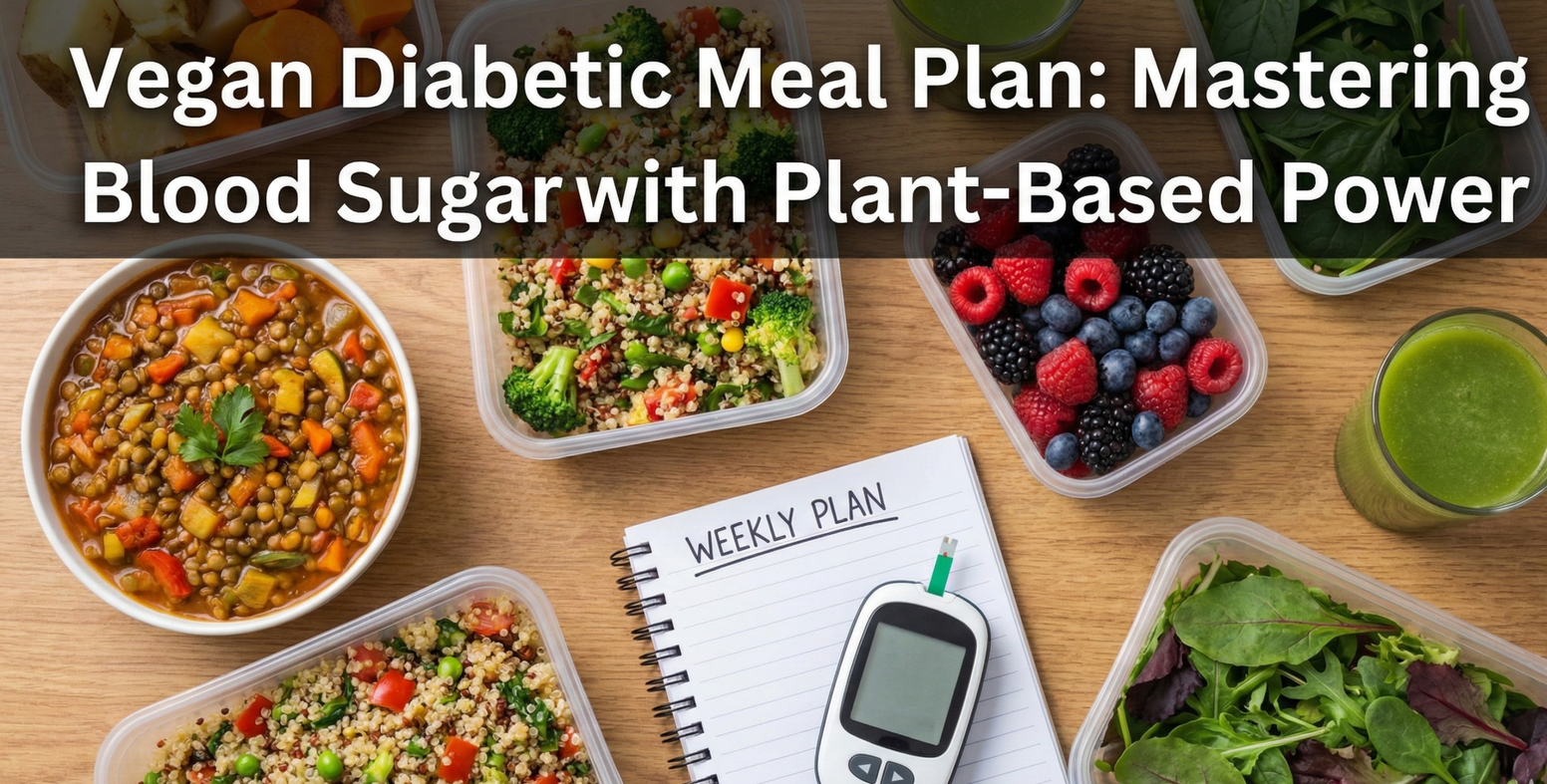
For years, the conventional narrative surrounding diabetes management focused heavily on lean meats and dairy as the primary sources of protein, often sidelining the immense potential of plant-based nutrition. However, the landscape of metabolic health is shifting. A well-structured vegan diabetic meal plan is no longer considered alternative medicine; it is increasingly recognized by endocrinologists and nutritionists as a powerful tool for improving insulin sensitivity, managing weight, and reducing the risk of cardiovascular complications. By focusing on whole, unrefined plants, individuals can achieve remarkable glycemic control without feeling deprived.
Transitioning to a vegan diet when you have diabetes involves more than just removing animal products. It requires a strategic approach to macronutrients. Without the safety net of zero-carb meats, you must navigate the world of grains, legumes, and fruits with precision to prevent blood sugar spikes. This guide isn’t just about what you can’t eat—it’s a celebration of what you can eat. From hearty high-fiber meals to satisfying proteins, we will break down exactly how to thrive on a plant-based diet while keeping your glucose levels in the green zone. We’ll also explore practical meal prep, grocery lists, and dining out tips tailored for the vegan diabetic.
The goal is to empower you with knowledge: understanding the glycemic index of plant foods, the importance of protein pairing, and how to harness the power of phytonutrients. Whether you’re aiming for weight loss, better A1C, or simply more energy, this comprehensive resource will serve as your roadmap. For those who need structured guidance, we frequently link to specialized menus like the 1-day simple diabetic menu and the 30-day diabetic menu, both adaptable to vegan preferences.
The Science: Why Plant-Based Works for Diabetes
The relationship between a vegan diet and diabetes management is rooted in how our bodies process insulin. Type 2 diabetes is fundamentally an issue of insulin resistance—where cells fail to respond effectively to insulin. Research suggests that high levels of intracellular fat (fat inside cells) can inhibit insulin function, and a plant-based diet naturally reduces that fat storage while improving mitochondrial health.
By eliminating animal fats and replacing them with healthy plant fats and high-fiber foods, many individuals experience a significant improvement in insulin sensitivity. A plant-based diet is naturally high in fiber, magnesium, and antioxidants, all of which play a crucial role in glucose metabolism. Furthermore, adhering to a heart-healthy diabetic diet is easier when cholesterol-laden animal products are removed from the equation. Studies published in the American Journal of Clinical Nutrition have shown that vegan diets can lower HbA1c by an average of 0.5–1.0% within three months.
Expert Insight: The Fiber Factor
Fiber is the diabetic vegan’s secret weapon. It slows down the absorption of sugar into the bloodstream, preventing the sharp spikes that typically follow a carbohydrate-rich meal. Soluble fiber, found in oats, beans, and flaxseeds, also helps lower LDL cholesterol. This is why a menu for insulin resistance often leans heavily on legumes and leafy greens. Aim for at least 40 grams of fiber per day for optimal blood sugar control.
Glycemic Index & Glycemic Load: The Vegan Diabetic’s Cheat Sheet
If there is one concept that separates a haphazard vegan diet from a truly diabetic-friendly one, it’s understanding the difference between Glycemic Index (GI) and Glycemic Load (GL). GI measures how quickly a food raises blood sugar compared to pure glucose, on a scale of 0–100. GL takes that a step further by factoring in the actual portion size, which is why it’s often the more useful number for day-to-day meal planning. A food can have a high GI but a low GL if you only eat a small amount of it—watermelon is the classic example, with a high GI but a modest GL per typical serving.
For vegan diabetics, this distinction matters enormously because so many staple plant foods—rice, potatoes, bread, fruit—sit at very different points on the GI scale depending on variety, ripeness, and preparation method. Cooling cooked rice or potatoes in the refrigerator overnight, for instance, increases their resistant starch content and meaningfully lowers their glycemic impact the next day. Al dente pasta has a lower GI than pasta cooked until soft. Whole fruit almost always has a lower GL than fruit juice or dried fruit, because the fiber matrix slows sugar absorption.
| Food | Approx. Glycemic Index | Typical Serving | Glycemic Load Category |
|---|---|---|---|
| Lentils (cooked) | 29–32 | 1 cup | Low |
| Chickpeas (cooked) | 28–36 | 1 cup | Low |
| Steel-cut oats | 42–52 | 1 cup cooked | Low–Medium |
| Quinoa (cooked) | 53 | 1 cup | Medium |
| Sweet potato (boiled) | 44–63 | 1 medium | Medium |
| Brown rice | 50–68 | 1 cup cooked | Medium |
| White rice | 72–89 | 1 cup cooked | High |
| Watermelon | 72–80 | 1 cup diced | Low (small GL despite high GI) |
| White bread | 73–75 | 1 slice | Medium–High |
| Dates | 42–55 | 2 dates | Medium (concentrated sugar, portion sensitive) |
The “Vinegar Trick” and Other GI Hacks
Adding a tablespoon of apple cider vinegar or fresh lemon juice to a meal—particularly one containing starches—can blunt the post-meal glucose spike by slowing gastric emptying. Similarly, eating vegetables and protein before your carbohydrate portion (a technique sometimes called “food order”) has been shown in small studies to reduce peak blood glucose. Combine this with a short 10-15 minute walk after eating, and you have two free, zero-cost tools that meaningfully improve glycemic response on a vegan diabetic meal plan.

The Plant-Based Diabetes Cookbook
Over 100 recipes specifically designed to reverse insulin resistance using whole-food, plant-based ingredients. Includes 7-day meal plans and nutritional breakdowns for every recipe.
Check Price on AmazonThe Carbohydrate Conundrum: Good vs. Bad Carbs
The biggest fear for any diabetic considering veganism is carbohydrates. “If I can’t eat meat, and I can’t eat dairy, all that’s left is carbs, right?” This is a common misconception. While it is true that a vegan diet is naturally higher in carbohydrates, not all carbs are created equal. The key lies in understanding carbohydrate quality and how they interact with fiber, protein, and fat in a meal.
Complex vs. Simple Carbs: A Detailed Look
The key to a successful vegan diabetic meal plan is distinguishing between simple sugars and complex carbohydrates.
- Avoid: Refined white flour, white rice, sugary syrups, and processed vegan junk food (like cookies, chips, and packaged snacks). These cause rapid glucose spikes and offer little nutritional value. Also limit fruit juices and dried fruits, as they concentrate sugar.
- Embrace: Quinoa, barley, legumes (lentils, chickpeas, black beans), sweet potatoes, and whole oats. These have a lower Glycemic Index (GI) and provide sustained energy thanks to their high fiber and resistant starch content.
- Smart choices: Whole grain bread (with at least 3g fiber per slice), buckwheat, millet, and amaranth. Even corn tortillas in moderation are better than flour.
If you are strictly monitoring your intake, you might want to look at a low sugar diabetic weekly menu to understand how to minimize glycemic impact while maximizing nutrient density. Additionally, learning to pair carbs with protein (e.g., apple with peanut butter) can significantly blunt post-meal glucose rises.
Sweeteners Decoded: Which Are Actually Safe for Vegan Diabetics?
One of the most confusing aisles for a newly vegan diabetic is the sweetener section. Not every “natural” or “vegan-friendly” sweetener is diabetic-friendly, and not every diabetic-friendly sweetener is strictly vegan (some white sugar is processed using bone char filtration, which matters to ethical vegans even though the final product contains no animal material). Here’s how the most common options stack up.
Sweeteners to Minimize or Avoid
- Agave nectar: Marketed as “natural” and low-GI, but it’s extremely high in fructose, which can worsen insulin resistance and fatty liver over time despite a modest blood glucose reading.
- Coconut sugar: Slightly lower GI than table sugar, but nutritionally it behaves almost identically to regular sugar in the bloodstream. Don’t be fooled by “unrefined” marketing.
- Maple syrup and date syrup: Better than refined sugar in terms of trace minerals, but still a concentrated source of glucose and fructose. Treat as an occasional garnish, not a daily sweetener.
- Refined cane sugar and high-fructose corn syrup: Should be minimized regardless of dietary pattern; these offer no nutritional benefit and cause the sharpest glucose spikes.
Sweeteners That Work Well on a Vegan Diabetic Plan
- Stevia (pure leaf extract): Zero calories, zero glycemic impact, plant-derived. Look for pure stevia leaf extract rather than blends cut with dextrose or maltodextrin, which do carry a glycemic load.
- Monk fruit (luo han guo): Naturally sweet, zero-calorie, and completely plant-based. A favorite for baking because it holds up reasonably well to heat.
- Erythritol: A sugar alcohol that is roughly 70% as sweet as sugar with minimal impact on blood glucose. Some people experience digestive upset in large amounts, so start small.
- Allulose: A rare sugar that tastes remarkably close to table sugar, browns like sugar in baking, and has an almost negligible glycemic effect. It’s newer to the market but increasingly available and fully plant-derived.
Whichever sweetener you choose, the golden rule remains the same: use the smallest effective amount, and lean on natural sweetness from foods like cinnamon, vanilla, roasted sweet potato, or ripe banana whenever possible instead of reaching for a bottle. This pairs well with the strategies outlined in our low sugar diabetic weekly menu.
Herbs, Spices & Natural Compounds That Support Blood Sugar
Beyond macronutrients, certain herbs and spices have research-backed effects on insulin sensitivity and post-meal glucose response. None of these replace medication or a solid meal plan, but they are an easy, flavorful addition to a vegan diabetic kitchen.
- Cinnamon (especially Ceylon): Multiple small trials suggest cinnamon can modestly improve fasting blood glucose and insulin sensitivity. Add it to oatmeal, smoothies, or roasted vegetables.
- Fenugreek seeds: Rich in soluble fiber, fenugreek has been shown to slow carbohydrate absorption. Soak seeds overnight and add to curries or grind into flour for flatbreads.
- Turmeric (with black pepper): Curcumin, turmeric’s active compound, has anti-inflammatory properties that may support insulin function. Pairing with black pepper (piperine) dramatically increases absorption.
- Bitter melon: A staple in many Asian cuisines, bitter melon contains compounds that mimic insulin’s action on cells. It can be stir-fried or juiced, though the flavor is an acquired taste.
- Ginger: May improve insulin sensitivity and has a soothing effect on digestion—useful for the higher-fiber intake typical of vegan diets.
- Apple cider vinegar: As mentioned above, a tablespoon before meals can blunt post-meal glucose spikes.
Building a “Blood Sugar Spice Rack”
Keep cinnamon, turmeric, black pepper, cumin, fenugreek, and ginger stocked at all times. A pinch of each, added consistently across meals, adds up to a meaningful dietary pattern over weeks and months—far more impactful than any single “superfood” used occasionally.
Essential Nutrients: Protein, Iron, and B12
A balanced plate is non-negotiable. When you remove animal products, you must proactively include sources of specific nutrients to avoid deficiencies that could complicate diabetes management.
1. Plant-Based Protein: Building Blocks
Protein satiates appetite and does not spike blood sugar. For diabetics, maintaining muscle mass is vital for metabolic health; muscle tissue is a primary site for glucose disposal. Excellent sources include:
- Tofu & Tempeh: Versatile and low-carb. Tempeh, being fermented, offers probiotics as well.
- Lentils & Beans: High in fiber, though they do contain carbs—portion control is key. A half-cup serving is ideal.
- Edamame: A perfect snack with about 17g protein per cup.
- Seitan: Very high protein, low carb (wheat gluten) – but avoid if gluten-sensitive.
- Hemp seeds, pumpkin seeds, and nutritional yeast: Easy add-ons to meals.
2. Vitamin B12 and Iron: Critical Duo
Vegans must supplement with B12 or consume fortified foods like nutritional yeast, plant milks, and breakfast cereals. B12 deficiency can cause neurological issues and mimic diabetic neuropathy, so regular monitoring is advised. Iron from plants (non-heme iron) is less easily absorbed, so pair iron-rich foods (spinach, lentils, blackstrap molasses) with Vitamin C (lemon juice, bell peppers, guava) to boost absorption. Cooking in cast iron pans also adds trace iron.
Additionally, ensure adequate calcium (fortified plant milks, kale, tahini), zinc (pumpkin seeds, chickpeas), and omega-3s (flaxseeds, chia seeds, walnuts). These support overall health and reduce inflammation common in diabetes.
Reading Food Labels: What Vegan Diabetics Need to Watch For
Packaged vegan foods can be a minefield. Many products marketed as “plant-based” are also highly processed, loaded with refined starches, added sugars, and sodium to make up for the absence of animal fat and flavor. Learning to read a label quickly is one of the most valuable skills you can develop.
The Two-List Method
First, check the ingredient list for hidden sugars. Manufacturers often split sugar across several names—cane syrup, dextrose, maltose, rice syrup, fruit juice concentrate—so that no single sweetener appears near the top of the list, even though combined they may represent the largest ingredient by weight. Second, check the nutrition panel for total carbohydrates and, critically, subtract fiber to estimate “net carbs,” though this is a rough guide rather than a precise clinical tool.
Red Flags on Vegan Packaged Foods
- Ingredient lists exceeding 15–20 items, especially with multiple added sugars or oils near the top.
- “Vegan” cheese, meat, or dessert products relying heavily on refined starches (tapioca, potato starch, white rice flour) for texture.
- Plant milks with added sugar—always check for “unsweetened” on the label, since flavored and even some “original” plant milks contain surprising amounts of added sugar.
- Granola, protein bars, and dried fruit snacks marketed as “healthy” that are often calorie- and sugar-dense per serving.
- Sodium content in canned beans, vegan broths, and meat substitutes, which can be disproportionately high for those also managing blood pressure.
Green Flags to Look For
- Short ingredient lists you can recognize and pronounce.
- At least 3–5 grams of fiber per serving in grain-based products.
- “No added sugar” or “unsweetened” labeling on plant milks, nut butters, and canned tomatoes.
- Low-sodium or “no salt added” versions of canned beans and vegetables, which you can flavor yourself with herbs and spices.
Getting comfortable with labels takes the guesswork out of grocery trips and complements the meal structures found in our 30-day diabetic menu.
Building Your Vegan Diabetic Menu: Meal by Meal
Let’s get practical. How do you construct a day of eating that keeps you full and stable? Whether you are looking for daily & weekly meal plans or just inspiration, here is the breakdown. All meals are designed to be between 350-500 calories with balanced macros.
Breakfast: Start Strong, Stay Full
Skip the sugary cereals and fruit juices. Your morning meal should prioritize protein and fat to blunt the “dawn phenomenon” (morning blood sugar rise).
- Tofu Scramble: Turmeric, black salt (kala namak) for eggy flavor, kale, nutritional yeast, and avocado on the side.
- Chia Seed Pudding: Made with unsweetened almond milk, chia seeds, and a handful of walnuts. Top with raspberries (lowest sugar berry).
- Savory Oatmeal: Steel-cut oats cooked with spinach, garlic, and topped with flaxseeds and a drizzle of tahini.
- Green Smoothie: Handful of spinach, 1/2 green apple, celery, cucumber, plant protein powder, and ginger.
Need more variety? Check our breakfast ideas for diabetes or specific diabetic breakfast menu suggestions.
Lunch: The Power Bowl & Wraps
Lunch should be portable and energizing. The “Buddha Bowl” concept works perfectly here: a base of greens, a scoop of complex carbs (like quinoa or roasted sweet potato), a protein (chickpeas, black beans, or baked tofu), and a healthy fat dressing (avocado or tahini sauce).
For those on the go, our guide to the diabetic lunch menu offers quick, prep-friendly ideas. If you are a busy professional, the diabetic menu for working adults is a must-read. Try a collard green wrap filled with hummus, roasted veggies, and sunflower seeds for a low-carb alternative.
Dinner: Nutrient Density & Comfort
Dinner is a time to wind down. Avoid heavy, carb-loaded meals late at night. Focus on high-volume, low-calorie vegetables and lean plant proteins.
- Zucchini Noodles (Zoodles): Served with a walnut-basil pesto and cherry tomatoes. Add white beans for protein.
- Lentil-Walnut Bolognese: Over whole-grain pasta or spaghetti squash.
- Stuffed Bell Peppers: Filled with cauliflower rice, black beans, corn, and salsa, baked until tender.
- Cauliflower “Steaks” with Chimichurri: Served with a side of quinoa and roasted asparagus.
Explore more diabetic dinner menu ideas to keep your evenings exciting and blood sugar friendly.
Snacks: Smart Between Meals
Snacking can help prevent hypoglycemia if you take insulin, but choose wisely. See diabetic snack ideas for more. Great vegan options:
- Apple slices with almond butter
- Roasted chickpeas (spiced with cumin)
- Veggie sticks with guacamole
- Handful of almonds and a small pear
The Vegan Diabetic Grocery List: Aisle-by-Aisle
Walking into the grocery store without a plan is how good intentions turn into a cart full of convenience food. Use this aisle-by-aisle breakdown as a template for your weekly shop, adjusting quantities to match whichever daily & weekly meal plan you’re following.
Produce
Fill at least half your cart here. Leafy greens (spinach, kale, arugula, romaine), cruciferous vegetables (broccoli, cauliflower, Brussels sprouts, cabbage), alliums (onion, garlic, leeks), and non-starchy staples (zucchini, bell peppers, mushrooms, tomatoes, cucumbers) form the backbone of nearly every meal. For fruit, prioritize berries, apples, pears, citrus, and stone fruit in season; buy bananas slightly underripe to slow their natural sugar development.
Protein & Refrigerated
Stock firm and extra-firm tofu, tempeh, and if tolerated, seitan. Look for plain, unsweetened plant milks (soy tends to be highest in protein among common options), and unsweetened plant-based yogurts. Check the ingredient list on any pre-marinated tofu or tempeh, as marinades often contain added sugar.
Pantry & Dry Goods
- Dried or canned (no-salt-added) lentils, chickpeas, black beans, and kidney beans
- Whole grains: steel-cut oats, quinoa, brown rice, barley, buckwheat groats
- Nuts and seeds: almonds, walnuts, chia seeds, ground flaxseed, hemp hearts, pumpkin seeds
- Nutritional yeast for a savory, B12-fortified cheesy flavor
- Vinegars (apple cider, balsamic, rice) and a good extra-virgin olive oil
- Low-sodium vegetable broth, canned diced tomatoes (no added sugar), and tahini
Frozen Aisle
Frozen vegetables and berries are nutritionally comparable to fresh (often picked and flash-frozen at peak ripeness) and dramatically cut down on food waste and prep time. Keep a bag of frozen shelled edamame, mixed stir-fry vegetables, and unsweetened frozen berries on hand at all times for fast meals.
What to Skip
Steer clear of the center aisles dedicated to soda, packaged cookies, white bread, and sugary cereal. If a “vegan” processed product (fake meat, dairy-free ice cream, vegan pastries) tempts you, treat it the way you would any indulgent food: occasionally, and in a measured portion, not as a dietary staple.
Meal Prep & Batch Cooking Strategies for Busy Vegan Diabetics
Consistency is the single biggest predictor of long-term blood sugar control, and consistency is far easier to maintain when your freezer and fridge are already stocked with diabetic-friendly components. Batch cooking doesn’t mean eating the same meal five days in a row—it means prepping modular building blocks you can mix and match.
The Sunday Prep Formula
- Cook one whole grain in bulk: A large pot of quinoa or barley keeps well in the fridge for 4–5 days and can anchor lunches or dinners all week.
- Roast two trays of vegetables: Different vegetables, different seasonings, so meals don’t feel repetitive. Broccoli and cauliflower on one tray, bell peppers and zucchini on another.
- Prepare two proteins: A pot of lentils or chickpeas, plus a batch of baked or pan-seared tofu or tempeh.
- Make one sauce or dressing: A lemon-tahini dressing or a peanut-ginger sauce transforms plain grains and vegetables into a completely different-tasting meal from day to day.
- Portion into containers: Use clear containers so you can see what’s available at a glance, which reduces the temptation to order takeout on a busy evening.
Freezer-Friendly Staples
Soups, stews, chilis, and bean-based sauces freeze exceptionally well and often taste better after the flavors have had time to meld. Portion into single-serving containers before freezing so you can grab exactly what you need without a full defrost-and-reheat cycle for the entire batch. Cooked grains and roasted vegetables also freeze reasonably well, though vegetables with high water content (like zucchini) are better roasted fresh.
Avoiding “Prep Fatigue”
If a full Sunday prep session feels overwhelming, scale down: even prepping just your protein and grain for the week (30–40 minutes) removes the two most time-consuming steps from weeknight cooking, leaving only quick vegetable prep and sauce assembly at mealtime.

Heavy Duty Vegetable Spiralizer
Turn zucchini, carrots, and squash into low-carb pasta alternatives instantly. A vegan diabetic kitchen essential. Includes three blade types for different noodle styles.
Check Price on AmazonSample 3-Day Vegan Diabetic Meal Plan (Extended)
To help you visualize this, here is a 3-day snapshot suitable for general maintenance. You can adapt portion sizes based on your calorie needs, whether you are on a 1500 calorie diabetic menu or an 1800 calorie diabetic menu. Each day includes approximately 30-40g fiber and 70g protein.
Day 1: The Reset
- Breakfast: Green smoothie (handful spinach, 1/2 small banana, 1 tbsp almond butter, 1 scoop pea protein, unsweetened almond milk). See diabetic smoothie menu.
- Lunch: Lentil soup (with carrots, celery, cumin) and a side of mixed greens with lemon-tahini dressing.
- Snack: 1/4 cup roasted pumpkin seeds and a small apple.
- Dinner: Stir-fried tempeh with broccoli, snap peas, bell peppers, and ginger-garlic sauce served over cauliflower rice.
Day 2: High Fiber & Flavor
- Breakfast: Chia pudding (3 tbsp chia, 1 cup unsweetened soy milk) topped with 1/2 cup raspberries and 1 tbsp hemp seeds.
- Lunch: Chickpea “tuna” salad sandwich (mashed chickpeas with vegan mayo, mustard, celery, onion) on one slice of sprouted grain bread, served with a side salad.
- Snack: Carrot sticks with 1/4 cup hummus.
- Dinner: Eggplant lasagna (using grilled eggplant slices instead of noodles) with vegan ricotta (tofu, lemon, nutritional yeast) and marinara sauce.
Day 3: Heart Healthy
- Breakfast: Avocado on one slice of high-fiber rye crispbread, sprinkled with hemp seeds and red pepper flakes.
- Lunch: Quinoa tabbouleh (quinoa, parsley, mint, tomatoes, cucumber) with a side of 1/2 cup canned lentils.
- Snack: Roasted edamame (1/2 cup shelled).
- Dinner: Portobello mushroom caps grilled and topped with salsa, served with roasted asparagus and half a small baked sweet potato.
For a longer commitment, consider downloading a full 7-day diabetic menu or even a 14-day diabetic meal plan to stay consistent. These can be easily veganized by substituting animal proteins with tofu or legumes.
Transitioning Gradually: A 4-Week Step-Down Plan
Not everyone needs—or wants—to go fully vegan overnight, and for diabetics, a sudden, drastic shift in fiber and carbohydrate intake can actually cause temporary blood sugar fluctuations as the gut microbiome adjusts. A gradual, structured transition tends to produce better long-term adherence and steadier glucose readings.
Week 1: Swap Breakfast and Snacks
Leave lunch and dinner as they are for now. Replace your usual breakfast with one of the vegan options above, and swap animal-based snacks (cheese, yogurt, jerky) for plant-based alternatives (hummus and veggies, roasted chickpeas, unsweetened plant yogurt). This single change builds the habit of reading labels and cooking with new ingredients without overwhelming your routine.
Week 2: Veganize Lunch
Introduce one plant-based lunch per day, such as a Buddha bowl or lentil soup. By now you should have a small rotation of go-to breakfasts and a couple of lunch options you enjoy. Keep dinner as-is.
Week 3: Veganize Dinner, Three Nights a Week
Pick three dinners to make fully plant-based, using the recipes and structures outlined earlier in this guide. Notice how your blood sugar readings respond on these days compared to your usual meals—many people find their post-dinner and fasting glucose readings actually improve on the plant-based days, which builds motivation to continue.
Week 4: Full Transition
By week four, most people are ready to shift to a fully vegan pattern for all three main meals. Continue monitoring your blood glucose closely during this period and stay in touch with your healthcare provider, as insulin or medication dosages sometimes need adjustment as your dietary fat and fiber intake shift.
Managing the Fiber Adjustment
A rapid increase in fiber intake can cause temporary bloating or gas as gut bacteria adjust. Increase fiber gradually over these four weeks rather than all at once, and drink plenty of water—fiber needs adequate fluid to move through the digestive system comfortably.
Special Considerations and Modifications
The vegan diet is flexible, but certain groups need specific adjustments to ensure safety and efficacy.
Seniors & Older Adults
Older adults may face challenges with appetite, chewing, or slower digestion. Soft, nutrient-dense foods like blended soups, smoothies, and well-cooked legumes are ideal. For detailed guidance, refer to our diabetic menu for seniors or the specialized menu for elderly with no teeth. Ensure adequate protein to prevent sarcopenia.
Weight Loss vs. Maintenance
If your goal is weight loss to assist with insulin resistance, you might opt for a calorie-restricted approach like the 1200 calorie diabetic menu (which requires careful nutrient density). Conversely, active individuals or those with higher metabolisms might need the caloric density provided in a 2000 calorie diabetic menu.
Pregnancy & Gestational Diabetes
Gestational diabetes requires strict monitoring. While a vegan diet can be safe, protein needs are higher (at least 75-100g daily). Pregnant women should consult our diabetic menu for pregnant women and work closely with an OB-GYN and dietitian to ensure adequate intake of choline, DHA (algae oil), and iron.
Kidney Disease (Diabetic Nephropathy)
Diabetics with kidney complications typically need to watch potassium and phosphorus, which are abundant in plants. A renal diabetic meal plan will help you navigate which vegetables are safe (e.g., choosing cauliflower over potatoes, limiting tomatoes). Work with a renal dietitian to tailor a vegan approach.
High Blood Pressure
Vegan diets are naturally low in sodium, but watch for canned beans and processed vegan meats. Rinse beans thoroughly. For specific meal ideas, see diabetic menu for high blood pressure.
Type 1 Diabetes Considerations
A vegan diet is not exclusive to Type 2 management—many people with Type 1 diabetes follow plant-based eating patterns successfully. The key difference is that Type 1 diabetics on insulin therapy need to be especially precise about carbohydrate counting, since a higher-carbohydrate plant-based diet requires accurate insulin-to-carb ratio dosing. Working with an endocrinologist or certified diabetes educator to recalibrate these ratios before and during a transition to vegan eating is essential, since the fiber content of plant meals can also slow and extend glucose absorption compared to more refined meals, sometimes requiring adjustments to bolus timing.
Type 2 Diabetes and Remission Potential
For Type 2 diabetics, particularly those in the earlier stages of insulin resistance, a whole-food vegan diet combined with weight loss has shown some of the most promising remission outcomes in clinical literature. The mechanism largely centers on reducing ectopic fat—fat stored in and around the liver and pancreas—which directly restores beta-cell function and insulin sensitivity. This doesn’t mean every Type 2 diabetic will achieve remission, but the dietary pattern itself carries a strong evidence base for improving markers even when full remission isn’t reached.
Common Mistakes New Vegan Diabetics Make
Even well-intentioned people run into predictable pitfalls when combining a vegan diet with diabetes management. Recognizing these early can save months of frustration and inconsistent blood sugar readings.
Mistake #1: Replacing Meat with Refined Carbs Instead of Protein
The most common error is filling the “meat gap” on the plate with more pasta, bread, or rice instead of a genuine protein source like tofu, tempeh, or legumes. This tips the meal’s macronutrient balance toward carbohydrates and away from the protein and fat that help stabilize blood sugar.
Mistake #2: Assuming “Vegan” Means “Diabetic-Friendly”
Vegan donuts, vegan white bread, and vegan candy are still refined-carbohydrate foods that spike blood sugar. The absence of animal products does not automatically make a food appropriate for blood sugar management—whole-food quality still matters most.
Mistake #3: Not Tracking Enough During the Transition
Blood sugar patterns can shift meaningfully as fiber, fat, and carbohydrate ratios change. Skipping glucose monitoring during the first few weeks of a dietary transition makes it hard to catch patterns—both positive improvements and any concerning spikes—early.
Mistake #4: Underestimating Portion Sizes of “Healthy” Carbs
Quinoa, brown rice, and sweet potatoes are excellent choices, but they are still carbohydrate-dense. A “healthy halo” effect can lead people to over-portion these foods simply because they’re perceived as good choices, unintentionally raising overall carbohydrate load.
Mistake #5: Neglecting Fat Quality
Not all vegan fats are equal. Relying heavily on fried foods or excessive amounts of oil-based dressings, even plant-based ones, can contribute to weight gain and worsen insulin resistance. Whole-food fats—avocado, nuts, seeds, and modest amounts of olive oil—are preferable to heavily processed vegan butters and fried snacks.
Mistake #6: Ignoring Supplementation
B12 deficiency develops slowly and silently, sometimes over years, which is why it’s easy to neglect. Set a recurring reminder to take a B12 supplement or have levels checked at your next lab draw rather than waiting for symptoms to appear.
Pros and Cons of a Vegan Diabetic Diet (Detailed)
Is this lifestyle right for you? Let’s look at the trade-offs in an expanded table.
| Pros | Cons |
|---|---|
| Highly effective for weight loss and reducing visceral fat, which directly improves insulin sensitivity. | Requires careful planning to get enough Vitamin B12, iron, zinc, and omega-3s. Supplementation is often necessary. |
| Significantly lowers LDL cholesterol and total cholesterol, reducing cardiovascular risk. | Dining out can be challenging; need to ask about hidden dairy/eggs and opt for simple preparations (see eating out diabetic menu). |
| High fiber intake naturally stabilizes blood sugar and improves gut microbiome diversity. | Potential for “carb overload” if relying on pasta/bread instead of veggies and legumes. Must focus on whole foods. |
| Reduces inflammation markers (CRP) due to high antioxidant content. | May require higher food volume to meet calorie needs, which can be uncomfortable for some. |
| Environmentally sustainable and often more affordable than meat-based diets. | Social situations may require explanation; some people may worry about protein adequacy. |
Exercise, Movement & Blood Sugar: The Vegan Diabetic Synergy
Diet and movement work together, and the combination is more powerful than either alone. Exercise increases insulin sensitivity by encouraging muscles to take up glucose from the bloodstream independent of insulin signaling, which is especially valuable for anyone working to reduce medication reliance.
Post-Meal Walks
A 10-15 minute walk after eating is one of the most effective, low-barrier interventions for blunting post-meal glucose spikes. This is particularly useful after higher-carbohydrate vegan meals like a grain bowl or pasta dish, where a short walk can meaningfully flatten the glucose curve compared to remaining seated.
Resistance Training and Muscle Mass
Because plant-based diets can sometimes be lower in total protein than an omnivorous diet if not carefully planned, pairing your meal plan with resistance training two to three times a week helps preserve and build muscle mass. Muscle tissue is the body’s largest reservoir for glucose disposal, so more muscle mass generally means better long-term glycemic control.
Fueling Workouts on a Vegan Diabetic Diet
Before a workout, a small snack combining carbohydrate and protein—like a banana with a tablespoon of peanut butter, or a few whole-grain crackers with hummus—provides steady energy without a sharp spike. After exercise, prioritize protein-rich recovery foods such as a tofu scramble, a lentil-based dish, or a plant-protein smoothie to support muscle repair.
Timing Matters
If you take insulin or other glucose-lowering medication, talk to your healthcare provider about how exercise timing interacts with your medication schedule, since physical activity can increase the risk of hypoglycemia, particularly for high-intensity or prolonged sessions.
Eating Out & Global Cuisine: A Vegan Diabetic’s Guide
Social meals and travel don’t have to derail your progress. Most global cuisines offer naturally vegan, diabetic-friendly dishes once you know what to order and what to modify. For a broader overview, see our eating out diabetic menu.
Indian Cuisine
Lentil-based dals, chana masala (chickpeas), and tandoori-roasted vegetables are excellent choices. Ask for brown rice or a smaller portion of naan, and be mindful that many curries are finished with cream or ghee—request a coconut-milk or oil-based preparation instead, and ask for sauces on the side when possible.
Mediterranean & Middle Eastern Cuisine
This cuisine is naturally one of the most diabetic-friendly for vegans: hummus, baba ganoush, tabbouleh, lentil soup, falafel (baked rather than fried when available), and grilled vegetables are all excellent. Choose whole-wheat pita in moderation and load up on the vegetable-forward mezze dishes.
Mexican Cuisine
Order bowls over burritos to control portions of rice and tortilla. Black beans, fajita vegetables, guacamole, and salsa are all great choices. Ask for corn tortillas (lower GI than flour) in moderate amounts, and go easy on chips—request extra vegetables instead.
East & Southeast Asian Cuisine
Stir-fried tofu with vegetables, edamame, miso soup, and steamed dumplings (checking for vegan filling) are solid options. Ask for brown rice where available, request sauces on the side (many Asian sauces contain significant sugar), and be cautious with sweet-and-sour or teriyaki preparations, which tend to be high in added sugar.
General Restaurant Strategy
- Look at the menu online beforehand when possible, so you’re not making decisions on the spot while hungry.
- Order vegetables and protein first, mentally or literally, then decide how much starch you actually want.
- Ask for dressings, sauces, and gravies on the side to control portion and sugar content.
- Don’t be afraid to ask for modifications—most restaurants are used to dietary requests.
Vegan Diabetic Desserts: Sweet Treats Without the Spike
Dessert doesn’t have to disappear from your life. The trick is building treats around fiber, protein, and healthy fat rather than refined flour and sugar.
- Baked cinnamon apples: Core an apple, fill with a mix of walnuts, cinnamon, and a few drops of monk fruit sweetener, and bake until tender.
- Chocolate avocado mousse: Blend ripe avocado with unsweetened cocoa powder, a splash of plant milk, and a monk fruit or stevia blend for a rich, fiber-and-fat-forward dessert.
- Chia seed pudding with berries: Naturally sweet, high in fiber and omega-3s, and endlessly customizable with different plant milks and toppings.
- Peanut butter energy bites: Oats, natural peanut butter, ground flaxseed, and a small amount of unsweetened cocoa, rolled into bite-sized balls—portion control is built in.
- Frozen banana “nice cream”: Blend frozen banana with a splash of plant milk for a soft-serve texture; add cocoa powder or frozen berries for variation, and keep portions modest since bananas do contain natural sugar.
As with any dessert on a diabetic meal plan, portion size and frequency matter more than any single ingredient swap. Enjoying a small, well-constructed treat after a balanced meal—rather than on an empty stomach—also helps minimize the glucose response.

Organic Plant-Based Protein Powder (Zero Sugar)
Ensure you hit your protein goals without the blood sugar spike. Clean ingredients, perfect for smoothies or baking. Vanilla and unflavored options.
Check Price on AmazonBlood Sugar Monitoring, CGMs & Food Journaling on a Vegan Diet
Whatever your eating pattern, data is your best friend when managing diabetes. This becomes especially valuable during and after a transition to vegan eating, when your body’s response to new foods is still being established.
Continuous Glucose Monitors (CGMs)
A CGM offers a real-time window into exactly how individual meals affect your blood sugar, which is enormously useful for fine-tuning a vegan diabetic meal plan. You may discover, for example, that quinoa spikes your glucose less than brown rice, or that pairing fruit with nuts flattens your curve noticeably compared to eating fruit alone. Over a few weeks of consistent CGM use, clear personal patterns typically emerge that generic guidelines can’t capture.
Traditional Finger-Stick Testing
If a CGM isn’t accessible to you, strategic finger-stick testing still provides valuable information. Testing before a meal and again 1–2 hours after eating (postprandial testing) shows you how that specific meal affected your glucose, allowing you to build a mental library of which vegan meals work well for your body and which need adjustment.
Food & Symptom Journaling
Keeping a simple log—what you ate, portion size, and how you felt afterward (energy levels, hunger, any digestive symptoms)—alongside your glucose readings creates a powerful feedback loop. Over time, this journal becomes a personalized reference guide, often more useful than any generic meal plan, because it reflects your unique metabolic response.
Don’t Chase Perfection
A single elevated reading after a meal doesn’t mean the meal was a failure or that the vegan approach “isn’t working.” Look for trends over days and weeks rather than reacting to any one data point. Diabetes management is a long game.
Gut Health & The Microbiome Connection
Emerging research continues to strengthen the link between gut microbiome diversity and blood sugar regulation. A vegan diet, when built around a wide variety of whole plant foods, tends to support a more diverse and beneficial gut microbiome than diets lower in fiber and plant diversity.
Why Fiber Diversity Matters
Different types of fiber feed different populations of beneficial gut bacteria. Rather than eating the same few high-fiber foods every day, aim for variety: legumes, whole grains, vegetables, fruits, nuts, and seeds all contribute distinct fiber types that support a broader range of beneficial microbes. Some research suggests that this diversity correlates with better insulin sensitivity and lower systemic inflammation.
Fermented Foods
Tempeh, miso, sauerkraut, kimchi, and unsweetened plant-based yogurts introduce beneficial live cultures to the gut. While research is still developing in this area, many people report improved digestion and steadier energy levels when incorporating a small serving of fermented food daily.
The 30-Plant-Foods-a-Week Goal
A popular target among microbiome researchers is eating 30 different plant foods per week—counting vegetables, fruits, whole grains, legumes, nuts, seeds, and even herbs and spices. This is easier to achieve on a vegan diet than it might sound, especially if you’re already incorporating variety through the meal-by-meal structures and grocery list outlined earlier in this guide.
Frequently Asked Questions (Expanded)
Can a vegan diet reverse Type 2 diabetes?
Many studies, including those by Dr. Neal Barnard and the Physicians Committee, show that a whole-food plant-based diet can lead to diabetes remission, meaning normal blood sugar levels are maintained without medication. However, this depends on the individual’s beta-cell function, duration of diabetes, and strict adherence to the diet. Weight loss and reduced fat inside the liver/pancreas are key mechanisms.
How do I get enough protein without meat?
Legumes (lentils, chickpeas, beans), tofu, tempeh, edamame, seitan, nutritional yeast, nuts, and seeds are excellent sources. Even vegetables like broccoli contain protein. Combining these throughout the day ensures a complete amino acid profile. For example, rice and beans together form a complete protein. Most vegans easily meet protein needs without effort.
Are fruits safe for vegan diabetics?
Yes, but focus on low-glycemic fruits like berries, cherries, apples, pears, and grapefruit. Avoid dried fruits and fruit juices as they concentrate sugar and lack fiber. Always eat fruit with a fat or protein (like almond butter with apple) to slow absorption. Limit tropical fruits (mango, pineapple) to small portions. A serving is about 1 cup of berries or one medium apple.
Is soy safe for everyone?
For the vast majority of people, moderate soy consumption (2-3 servings daily) is safe and beneficial for heart health and blood sugar control. However, those with thyroid issues or specific allergies should consult a doctor and rely on other proteins like lentils and beans. Fermented soy (tempeh, miso) may be better tolerated.
What if I have high blood pressure too?
A vegan diet is naturally low in sodium if you avoid processed foods. Focus on whole foods and use herbs, spices, and citrus for flavor. Check our diabetic menu for high blood pressure for specific recipes that are both vegan and low-sodium. Avocados and nuts also provide potassium, which helps lower blood pressure.
Will I feel hungry on a vegan diabetic diet?
Quite the opposite! High-fiber foods like vegetables, legumes, and whole grains expand in your stomach and promote satiety. Protein-rich plant foods also keep you full. You’ll likely feel less hungry than on a low-fiber, meat-based diet. However, ensure you’re eating enough calories and healthy fats to avoid feeling deprived.
Do I need to count net carbs or total carbs as a vegan diabetic?
Most diabetes educators recommend focusing on total carbohydrate counting for insulin dosing purposes, since “net carb” math (subtracting fiber) isn’t standardized and can be misleading. That said, tracking fiber alongside total carbs is useful because higher-fiber meals tend to produce a gentler glucose response even at similar total carbohydrate counts. Work with your care team to determine the counting method that fits your treatment plan.
Can I follow a vegan diabetic diet on a tight budget?
Yes—in fact, staple vegan proteins like dried lentils, beans, and oats are among the least expensive protein and fiber sources available at any grocery store. Buying grains, legumes, and frozen produce in bulk, cooking from scratch rather than relying on pre-packaged vegan convenience foods, and shopping seasonal produce are the biggest cost-saving levers.
How long does it take to see blood sugar improvements after going vegan?
Many people notice changes in post-meal glucose readings within the first one to two weeks, particularly if the transition includes a meaningful increase in fiber and reduction in processed food. More substantial markers, like HbA1c, typically take around three months to reflect the full impact of a sustained dietary change, since this test measures average blood sugar over roughly that period.
Is intermittent fasting safe to combine with a vegan diabetic diet?
It can be, but this depends heavily on your specific medications. Anyone taking insulin or sulfonylureas should not attempt fasting protocols without direct medical supervision, as the risk of hypoglycemia during extended fasting windows is significant. If your care team clears you to try it, start with a modest eating window and monitor glucose closely during the adjustment period.
Extended 7-Day Vegan Diabetic Meal Plan
Building on the 3-day snapshot earlier in this guide, here is a fuller 7-day framework you can rotate week to week, swapping in seasonal produce as it becomes available. Portions should be adjusted to your individual calorie and carbohydrate targets, in consultation with your dietitian.
| Day | Breakfast | Lunch | Dinner |
|---|---|---|---|
| Monday | Savory tofu scramble with kale and turmeric | Buddha bowl: quinoa, roasted sweet potato, chickpeas, tahini dressing | Lentil-walnut bolognese over spaghetti squash |
| Tuesday | Steel-cut oats with flaxseed and raspberries | Chickpea “tuna” salad on sprouted grain bread with side salad | Stir-fried tempeh with broccoli and cauliflower rice |
| Wednesday | Green smoothie with pea protein and spinach | Collard wrap with hummus and roasted vegetables | Stuffed bell peppers with cauliflower rice and black beans |
| Thursday | Chia pudding with hemp seeds and berries | Lentil soup with mixed greens and lemon-tahini dressing | Zucchini noodles with walnut-basil pesto and white beans |
| Friday | Avocado on high-fiber rye crispbread with hemp seeds | Quinoa tabbouleh with canned lentils | Cauliflower steaks with chimichurri, quinoa, and asparagus |
| Saturday | Savory oatmeal with spinach, garlic, and tahini | Eggplant lasagna with vegan ricotta and marinara | Grilled portobello caps with salsa, asparagus, and sweet potato |
| Sunday | Tofu scramble with black salt, avocado, and greens | Buddha bowl with baked tofu, roasted vegetables, and hummus | Bean chili with a side of steamed greens |
Rotate snacks between apple slices with almond butter, roasted chickpeas, veggie sticks with guacamole, and a small handful of almonds with a pear, as outlined in the snacks section above. For fully structured, printable versions, see our 7-day diabetic menu and 14-day diabetic meal plan.
Vegan Diabetic Nutrition for Athletes & Active Individuals
Active diabetics following a vegan diet have additional considerations around fueling performance while maintaining stable blood sugar. The good news is that many endurance and strength athletes thrive on plant-based diets once caloric and protein needs are met deliberately.
Caloric and Protein Needs
Active individuals typically need more total calories and a higher absolute protein intake than sedentary individuals. This usually means larger portions of the same whole-food staples—more legumes, more tofu or tempeh, an extra serving of grains around training sessions—rather than a fundamentally different diet. Some athletes also incorporate a plant-based protein powder to conveniently hit higher protein targets without excessive food volume.
Carbohydrate Periodization
On heavy training days, a higher carbohydrate intake supports performance and glycogen replenishment; on rest days, carbohydrate needs drop. This kind of periodization—eating more starchy vegetables and grains around workouts and leaning more on non-starchy vegetables and protein on rest days—helps active vegan diabetics manage both performance and glucose control simultaneously.
Hydration and Electrolytes
Higher fiber intake combined with intense exercise increases fluid needs. Coconut water (in moderation, due to natural sugar content) or a homemade electrolyte mix with a pinch of salt and a squeeze of citrus can help active individuals stay properly hydrated without relying on sugary commercial sports drinks.
Working With Your Healthcare Team
A vegan diabetic meal plan works best as part of a coordinated approach with your medical team, not as a solo experiment, particularly if you take insulin or other glucose-lowering medications.
Who Should Be Involved
- Endocrinologist or primary care physician: To monitor overall diabetes management and adjust medication as your dietary pattern shifts.
- Registered dietitian, ideally one experienced with plant-based diets: To help translate general guidance into a plan tailored to your labs, preferences, and lifestyle.
- Certified diabetes educator: Particularly valuable for insulin users adjusting carb-counting and dosing strategies around a higher-fiber, higher-carbohydrate dietary pattern.
What to Bring to Appointments
Bring your food journal or CGM data, a list of questions about specific foods or supplements, and be upfront about your goals—whether that’s medication reduction, weight loss, or simply better day-to-day energy. The more information your care team has, the more precisely they can help fine-tune your plan.
Lab Work Worth Discussing
Ask about periodic checks of HbA1c, vitamin B12, vitamin D, iron studies (including ferritin), and lipid panels. These give an objective picture of how your vegan diabetic diet is affecting both blood sugar and broader nutritional status over time.
Meal Timing & Circadian Rhythm on a Vegan Diabetic Diet
When you eat can matter almost as much as what you eat. Insulin sensitivity tends to be higher earlier in the day and gradually declines toward evening for most people, which has practical implications for structuring a vegan diabetic meal plan.
Front-Loading Carbohydrates
Many people find better glucose control when a larger share of daily carbohydrates is eaten at breakfast and lunch, with dinner shifted toward a higher proportion of protein, healthy fat, and non-starchy vegetables. This doesn’t mean eliminating carbohydrates at dinner, but rather being mindful that the same meal eaten at 7pm may produce a higher glucose response than if eaten at noon.
Consistent Meal Timing
Eating at roughly the same times each day helps regulate hunger hormones and can make blood sugar patterns more predictable, which is particularly useful for anyone titrating insulin doses. Large, unpredictable gaps between meals can lead to overeating later, followed by a larger glucose spike.
The Evening Wind-Down
A lighter, vegetable-forward dinner eaten a few hours before bed—rather than a heavy, carbohydrate-dense meal right before sleep—tends to support better fasting glucose readings the following morning. If you need an evening snack, a small portion combining protein and fiber, such as a few walnuts or a spoonful of hummus with cucumber, is preferable to something starchy or sweet.
Alcohol and the Vegan Diabetic Diet
Alcohol adds a layer of complexity for diabetics regardless of dietary pattern, and a few vegan-specific notes are worth knowing.
Vegan-Friendly Doesn’t Always Mean Diabetic-Friendly
Most wine, spirits, and many beers are vegan (some wines are clarified using animal-derived fining agents, so vegan-certified labels exist for those who want certainty), but that has no bearing on their effect on blood sugar. Sugary cocktails, sweet wines, and flavored ciders can cause significant glucose spikes, while dry wine and spirits consumed without sugary mixers have a comparatively smaller direct glycemic effect.
The Delayed Hypoglycemia Risk
Alcohol can impair the liver’s ability to release stored glucose, which creates a risk of delayed hypoglycemia, sometimes many hours after drinking, especially for anyone on insulin or sulfonylureas. Always eat something when drinking, never drink on an empty stomach, and monitor blood glucose more closely on days you consume alcohol.
Smart Choices
Dry wine, spirits with a zero-sugar mixer (soda water with lime), or a light beer in moderation tend to have a more modest impact than sweet cocktails or dessert wines. As always, moderation and awareness of your personal response are key.
The Vegan Diabetic Supplement Guide
While whole foods should always come first, certain nutrients are genuinely difficult to obtain in adequate amounts from a vegan diet alone, and supplementation is considered standard practice rather than optional for some of these.
Non-Negotiable: Vitamin B12
There is no reliable plant food source of B12 that isn’t fortified, so supplementation or fortified foods are essential for every vegan, diabetic or not. Options include a daily low-dose supplement or a weekly higher-dose supplement, depending on individual absorption; discuss the right form and frequency with your healthcare provider, especially since some diabetes medications, like metformin, can further reduce B12 absorption over time.
Commonly Beneficial: Vitamin D
Vitamin D isn’t unique to vegan diets as a common shortfall, but it’s worth mentioning since deficiency is widespread and has been associated with impaired insulin sensitivity in some research. A vegan D3 (lichen-derived) or D2 supplement can help, particularly for those with limited sun exposure.
Worth Considering: Algae-Based Omega-3s
While flax, chia, and walnuts provide ALA (a plant omega-3), the body converts only a small percentage of ALA into the more bioactive EPA and DHA forms found in fish. An algae-oil supplement provides direct EPA and DHA and is worth considering, especially for those with cardiovascular risk factors, which are common alongside diabetes.
Worth Monitoring: Iron and Zinc
These aren’t automatic supplementation needs, but periodic lab checks help catch any deficiency early, particularly for menstruating individuals or anyone who has noticed increased fatigue since transitioning to a vegan diet. Iron and zinc levels are much easier to correct through diet alone than B12, once identified.
Signs Your Vegan Diabetic Meal Plan Needs Adjusting
A meal plan isn’t static—it should evolve based on how your body responds. Watch for these signals that a change may be warranted.
- Frequent post-meal spikes above your target range: May indicate a need to reduce portion sizes of higher-GI foods, add more protein or fat to meals, or incorporate a post-meal walk.
- Unexplained fatigue or low energy: Could point to inadequate calorie intake, insufficient protein, or a developing B12 or iron deficiency worth discussing with your provider.
- Persistent hunger shortly after meals: Often means meals lack sufficient protein, fiber, or healthy fat to promote satiety—revisit the meal-by-meal structure earlier in this guide.
- Frequent hypoglycemia (if on insulin or certain medications): A sign that medication doses may need reassessment alongside your dietary changes; contact your healthcare provider promptly rather than compensating by eating more sugar than needed to correct the low.
- Digestive discomfort that doesn’t resolve after the first few weeks: May suggest introducing fiber too quickly, or a need to diversify fiber sources rather than relying heavily on just one or two high-fiber foods.
Regular check-ins with yourself—supported by glucose data, energy levels, and how your clothes fit—along with periodic visits to your healthcare team, keep your plan responsive and sustainable for the long haul.
Budgeting for a Vegan Diabetic Diet: A Realistic Breakdown
Cost is a common concern when people consider a dietary overhaul. Here’s a realistic look at how a whole-food vegan diabetic grocery list compares to a conventional one.
Where You Save
Dried beans and lentils typically cost a fraction of the price per gram of protein compared to meat, poultry, or fish. Oats, brown rice, and frozen vegetables are similarly economical and have a long shelf life, reducing food waste. Buying produce in season and from local markets when possible further reduces costs.
Where Costs Can Creep Up
Specialty vegan products—plant-based meat substitutes, dairy-free cheeses, and pre-made vegan desserts—tend to be priced at a premium and are optional rather than essential to a diabetic-friendly vegan diet. Nuts, seeds, and nutritional yeast, while nutrient-dense, are also pricier per pound; buying these in bulk from a warehouse store or bulk bins can meaningfully reduce the per-serving cost.
A Simple Cost-Conscious Strategy
Build the bulk of your weekly meals around dried legumes, whole grains, and frozen or seasonal fresh vegetables, and treat pricier specialty items as occasional additions rather than daily staples. This approach keeps a vegan diabetic diet not just achievable but often more affordable than a conventional meat-and-dairy-centered one.
Sleep, Stress & Blood Sugar: The Overlooked Variables
Diet is central to a vegan diabetic meal plan, but blood sugar doesn’t exist in a vacuum. Sleep quality and stress levels have a measurable, sometimes surprising, effect on glucose control—one that can either amplify or undermine your best dietary efforts.
Sleep Deprivation and Insulin Resistance
Even a single night of poor or insufficient sleep can measurably reduce insulin sensitivity the following day, meaning the same meal may produce a higher glucose response than it would after a well-rested night. Chronic sleep deprivation compounds this effect over time and is also linked to increased cravings for high-carbohydrate, energy-dense foods, making dietary adherence harder. Aiming for consistent sleep and wake times, limiting screens before bed, and keeping the bedroom cool and dark are simple, high-leverage habits that support your dietary work.
Cortisol and Stress Eating
Chronic stress elevates cortisol, a hormone that can raise blood glucose independent of food intake and also tends to drive cravings for comfort foods that are often refined and carbohydrate-heavy. Building small, sustainable stress-management practices—short walks, breathing exercises, time outdoors, or simply protecting a few minutes of quiet each day—isn’t a luxury on a diabetes management plan; it’s a functional part of glucose control.
The Compounding Effect
Poor sleep and high stress often reinforce each other, and both can make even a well-designed vegan diabetic meal plan feel like it’s “not working” when the real variable is inadequate recovery. If your glucose readings seem inconsistent despite consistent eating patterns, it’s worth honestly assessing your sleep and stress levels alongside your food log before concluding the diet itself needs an overhaul.
Building Sustainable Habits That Actually Last
Long-term success with a vegan diabetic meal plan has less to do with willpower and more to do with designing your environment and routines so the healthy choice becomes the easy choice.
Start With Additions, Not Restrictions
Rather than framing the transition around what you’re giving up, focus first on what you’re adding: a new vegetable each week, a new legume-based recipe, a new spice blend. This reframing tends to produce better long-term adherence than a purely restriction-based mindset, and it naturally crowds out less beneficial foods over time simply because your plate is fuller with things you enjoy.
Make the Default Easy
Keep prepped vegetables at eye level in the fridge. Store dried beans and grains in clear, labeled containers on the counter rather than buried in a cabinet. Small environmental tweaks like these reduce the mental effort required to make a good choice at any given moment, which matters enormously on busy or low-willpower days.
Track Progress Beyond the Scale
Weight is one metric, but it’s not the only one worth watching. Energy levels, sleep quality, HbA1c trends, mood, and how your clothes fit all provide a fuller picture of progress. Focusing exclusively on the scale can obscure real improvements happening elsewhere and lead to premature abandonment of a plan that’s actually working.
Plan for Setbacks
A missed prep day, a higher-than-expected glucose reading after a special occasion meal, or a week where convenience food crept back in are not failures—they’re part of any long-term behavior change. The goal is to notice, adjust, and return to your baseline habits without treating a single slip as a reason to abandon the whole approach.
Traveling as a Vegan Diabetic: Practical Tips
Travel disrupts routine, which is exactly the environment where blood sugar management gets harder. A little preparation goes a long way toward keeping both your vegan diet and your glucose control on track away from home.
Before You Go
Pack shelf-stable, diabetic-friendly vegan snacks—nuts, roasted chickpeas, unsweetened nut butter packets, and whole-grain crackers—so you’re never stuck relying on airport or gas station convenience food. If flying, keep snacks and any diabetes supplies in your carry-on rather than checked luggage.
Researching Food Options
A quick search for “vegan restaurants” or “plant-based options” at your destination before you leave saves considerable stress once you arrive. Many cities now have apps and directories specifically for plant-based dining, and even non-vegan restaurants increasingly mark vegan options clearly on their menus.
Managing Time Zone Changes
Crossing time zones can disrupt meal timing and, for insulin users, dosing schedules. Talk to your healthcare provider before international travel about how to adjust insulin timing around time zone shifts, and try to maintain roughly consistent meal spacing even if the clock time shifts.
Staying Active on the Road
Travel often means more sitting and less structured movement. Building in short walks—exploring a new city on foot, taking the stairs, or a quick hotel room routine—helps offset both the reduced activity and the less predictable meals that often come with travel.
Debunking Common Myths About Vegan Diabetic Diets
Misinformation around plant-based eating and diabetes is widespread. Let’s address the most persistent myths directly.
Myth: “Fruit Is Off-Limits for Diabetics”
Whole fruit, eaten in reasonable portions and ideally paired with protein or fat, is not only safe but beneficial for most diabetics thanks to its fiber, vitamins, and antioxidants. The concern is with fruit juice, dried fruit, and excessive portions of high-sugar tropical fruit—not fruit as a category.
Myth: “You Can’t Get Enough Protein Without Meat”
As covered earlier in this guide, tofu, tempeh, seitan, legumes, and even whole grains collectively provide ample protein for the vast majority of adults, including those managing diabetes. Deliberate meal planning easily meets or exceeds standard protein recommendations.
Myth: “Vegan Diets Are Automatically Low-Carb”
This is false and is actually one of the more dangerous myths for diabetics, since it can lead to complacency around carbohydrate portions. Vegan diets tend to be higher in carbohydrates than standard omnivorous diets by default—the key is choosing complex, high-fiber carbohydrate sources and portioning them appropriately, not assuming the diet is inherently low-carb.
Myth: “A Vegan Diet Alone Will Cure Diabetes”
While a whole-food vegan diet can produce meaningful improvements and, in some Type 2 cases, remission, it is not a guaranteed cure and should never replace medical supervision, prescribed medication, or regular monitoring without explicit guidance from your healthcare provider. Diet is a powerful tool, not a substitute for comprehensive care.
Myth: “Vegan Food Is More Expensive Than Meat-Based Meals”
As discussed in the budget section above, the core proteins of a vegan diabetic diet—dried beans, lentils, oats, and seasonal vegetables—are among the most affordable foods in any grocery store. Costs rise primarily with heavily processed vegan specialty products, which are optional, not essential.
Stocking a Vegan Diabetic Kitchen: Tools That Make It Easier
The right equipment removes friction from cooking, which makes it far more likely you’ll stick with home-cooked, blood-sugar-friendly meals instead of reaching for convenience food.
- A reliable pressure cooker or Instant Pot: Cuts dried bean and lentil cooking time dramatically, making from-scratch legumes as convenient as canned, with better control over sodium.
- A good chef’s knife and cutting board: The single biggest barrier to eating more vegetables is often the tedium of prep; a sharp knife makes chopping faster and safer.
- A blender: Essential for smoothies, sauces, soups, and dessert options like the chocolate avocado mousse described earlier.
- Glass meal-prep containers: Durable, microwave-safe, and let you see your prepped ingredients at a glance, encouraging consistent use.
- A digital kitchen scale: Useful for portioning carbohydrate-dense foods like grains and starchy vegetables accurately, especially early in your transition while you’re still calibrating portion sizes by eye.
- A vegetable spiralizer: As mentioned earlier in this guide, a great way to substitute low-carb vegetable noodles for traditional pasta in favorite dishes.
A Weekly Planning Checklist for Long-Term Success
Use this checklist each week to keep your vegan diabetic meal plan on track without reinventing the wheel every seven days.
- Review your calendar for the week—identify busy days that need quick meals and any social events or dining out that require planning ahead.
- Choose one whole grain, one legume, and two vegetable-forward recipes to batch prep, aiming for variety from the previous week to support gut microbiome diversity.
- Write a grocery list organized by the aisle-by-aisle structure covered earlier, checking your pantry stock of spices, vinegars, and pantry staples first.
- Set aside 60–90 minutes for a prep session—cooking grains, roasting vegetables, and preparing at least one sauce or dressing.
- Plan your snacks in advance so you’re not caught without a diabetic-friendly option during a busy afternoon.
- If you use a CGM or test regularly, briefly review the past week’s readings for any patterns worth adjusting in the coming week.
Over time, this rhythm becomes second nature, and you’ll find yourself needing this checklist less and less as your weekly diabetic meal plan habits solidify.
The 80/20 Reality Check
Aiming for perfect adherence every single day is a common setup for burnout. A more realistic and sustainable target is roughly 80% consistency—solid, whole-food vegan meals most of the time, with room for imperfect days, special occasions, and the occasional convenience meal without guilt. This flexible mindset, paired with the structured tools throughout this guide, tends to produce far better long-term blood sugar outcomes than a rigid, all-or-nothing approach that’s difficult to sustain for years rather than weeks.
Conclusion: Embracing the Plant-Based Path with Confidence
Adopting a vegan diabetic meal plan is a journey of discovery. It challenges you to explore new ingredients, rethink your plate, and prioritize nutrient density over calorie counting. The benefits—ranging from better blood sugar control to improved heart health and sustained energy—are well worth the learning curve. Remember that every positive change you make contributes to long-term health.
Start small. Try a 1-day simple diabetic menu that happens to be vegan. As you gain confidence, expand to a weekly diabetic meal plan. You don’t have to be perfect; you just have to be consistent. Your body, and your blood sugar meter, will thank you. Join online communities, follow vegan diabetic food bloggers, and don’t be afraid to experiment with spices and global cuisines—Mexican, Indian, Mediterranean—all offer incredible vegan options.
Ready to Simplify Your Meal Prep?
Get the best glass containers to keep your vegan meals fresh and organized. Perfect for batch cooking.
Shop Meal Prep Essentials on Amazon
Pingback: Vegetarian Diabetic Meal Plan: 7-Day Guide